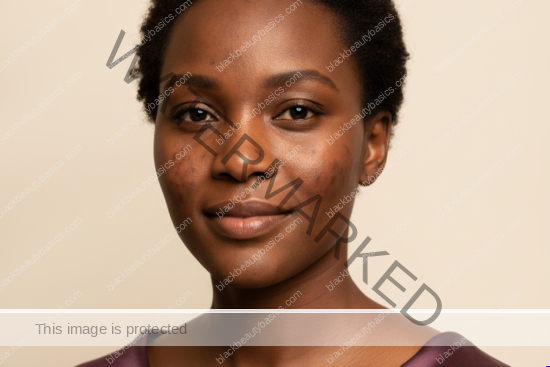
If your skin feels comfortable right after moisturizer but looks ashy, tight, or flaky again a few hours later, you are not imagining the pattern. Persistent dryness is often less about needing a richer cream and more about a moisture barrier that is losing water faster than your routine can replace it. That can happen on oily, acne-prone, sensitive, or dry skin, and it is not evidence that your skin is uncared for.
For Black women and people with richly melanated skin, dryness can also be especially visible. A gray or ashy cast may show up before the skin feels painfully dry, while irritation can leave lingering discoloration long after the original trigger settles. That is why a barrier-first plan should protect comfort and reduce inflammation instead of chasing a temporary sheen.
This guide explains what ceramides actually do, which habits can keep stripping the barrier, how to choose a ceramide moisturizer without product overload, and how to troubleshoot a routine that is not helping. It belongs to our Skincare for Black Women guide and the deeper Barrier Repair and Moisture Balance hub, where you can place dryness in the context of cleansing, treatment steps, climate, and sensitivity.
The goal is not poreless or perfectly uniform skin. It is skin that feels calmer, holds moisture more reliably, and gives you fewer reasons to keep changing products. Start with the simplest version of the plan, give it time, and let comfort be one of the outcomes you measure.

How Your Skin Barrier Holds On to Moisture
Before we delve into the secrets of lasting hydration, let’s talk about your skin’s first line of defense: the skin barrier. Think of it as the elite security team for your complexion – a sophisticated, multi-layered structure that works tirelessly to keep the good stuff in (like moisture) and the bad stuff out (like pollutants, irritants, and bacteria). When this barrier is compromised, it’s like leaving the front door open to all sorts of trouble, leading directly to the dryness, sensitivity, and discomfort you might be experiencing.
What Exactly is the Skin Barrier?
At its core, the skin barrier is primarily composed of the outermost layer of your epidermis, known as the stratum corneum. This layer is often described using the “brick and mortar” analogy: the “bricks” are your skin cells (corneocytes), and the “mortar” is a rich lipid matrix made up of ceramides, cholesterol, and fatty acids. This intricate arrangement is crucial for maintaining skin integrity and function.
For Black women, understanding the nuances of our skin barrier is particularly important. While our melanin offers incredible natural protection against UV radiation, it doesn’t make us immune to barrier dysfunction. In fact, some research suggests that skin of color can be more prone to certain types of transepidermal water loss (TEWL) and inflammatory conditions, making a robust barrier even more critical for maintaining optimal hydration and health.

What Ceramides Add Back to the Barrier
Among the key components of the “mortar,” ceramides are the undisputed superstars. These waxy lipid molecules make up approximately 50% of the skin’s lipid matrix, playing an indispensable role in holding skin cells together and forming a protective, water-tight seal. Imagine them as the essential glue that keeps your skin strong, smooth, and hydrated. Without adequate ceramides, the “mortar” crumbles, creating gaps in your skin barrier that allow precious moisture to escape and irritants to sneak in.
When ceramide levels are depleted, whether due to genetics, environmental factors, harsh skincare practices, or aging, your skin barrier weakens. This leads to increased transepidermal water loss (TEWL), where water evaporates from your skin at an accelerated rate, resulting in the persistent dryness, flakiness, and sensitivity that can feel like a constant battle for many Black women. Replenishing these vital lipids is not just about temporary relief; it’s about rebuilding and fortifying your skin’s natural defenses for long-term health and radiance.
Why Richly Melanated Skin Can Keep Feeling Dry
The quest for hydrated, supple skin can feel like an endless journey for many Black women. While we often attribute dryness to external factors like weather or not drinking enough water, the truth is, the reasons are often more complex and deeply rooted in both our unique skin physiology and common skincare practices. Understanding these underlying causes is the first step toward achieving lasting moisture and a healthy glow.
Intrinsic Factors: The Science of Our Skin
Our melanin-rich skin is a marvel, offering inherent protection and a beautiful spectrum of tones. However, it also comes with certain physiological characteristics that can predispose it to dryness if not properly cared for. Research indicates that skin of color can sometimes exhibit higher transepidermal water loss (TEWL) compared to Caucasian skin, meaning moisture evaporates from our skin more readily. This isn’t a flaw, but rather a difference that requires a tailored approach to skincare.
Additionally, conditions like eczema (atopic dermatitis), which disproportionately affect Black individuals, are intrinsically linked to a compromised skin barrier and lower ceramide levels. Even without a formal diagnosis, genetic predispositions can influence our skin’s natural ceramide production, making some of us naturally more prone to dryness and sensitivity. Understanding these intrinsic factors empowers us to choose products and routines that specifically address our skin’s unique needs, rather than a one-size-fits-all approach.
Extrinsic Factors: Environmental and Lifestyle Aggressors
Beyond our genetics, the world around us and the choices we make daily significantly impact our skin barrier’s integrity. These extrinsic factors are often within our control and can be modified to support healthier, more hydrated skin.
- Harsh Cleansers and Over-Exfoliation: Many common cleansers contain sulfates or harsh detergents that strip the skin of its natural oils, including ceramides. Similarly, aggressive physical scrubs or overuse of chemical exfoliants can erode the protective lipid layer, leaving the skin vulnerable and dry.
- Environmental Stressors: Cold, dry air, low humidity, strong winds, and even excessive sun exposure can all deplete the skin’s moisture reserves and damage the barrier. Indoor heating and air conditioning, while providing comfort, also contribute to dry environments.
- Inadequate Moisturizing Practices: Not moisturizing regularly, or using moisturizers that lack barrier-supporting ingredients, means your skin isn’t getting the external support it needs to retain moisture.
- Hot Showers and Baths: While relaxing, prolonged exposure to hot water can strip the skin of its natural oils, leading to increased dryness.
- Diet and Hydration: A diet lacking in essential fatty acids (like omega-3s and omega-6s) can impact the skin’s ability to produce healthy lipids. Insufficient water intake also contributes to overall bodily dehydration, which manifests in the skin.
- Stress: Chronic stress can trigger inflammatory responses in the body, potentially impacting skin barrier function and exacerbating dryness and sensitivity.
The Impact of Skincare Misinformation for Black Skin
A compromised barrier can make otherwise useful actives feel harsher. Before adding another brightening step, compare azelaic acid and vitamin C for dark skin, then review what the evidence says about bakuchiol for Black skin. The right ingredient still needs the right timing.
For too long, the beauty industry has overlooked the specific needs of Black skin, leading to a proliferation of generic advice that doesn’t always serve us. Many products are formulated without considering the nuances of melanin-rich skin, and some popular ingredients can even be detrimental. For instance, strong astringents or alcohol-heavy toners, often recommended for “oily” or “acne-prone” skin, can be incredibly stripping for Black skin, leading to a vicious cycle of dryness and irritation.
Furthermore, the focus on “brightening” or “lightening” can sometimes lead to the use of harsh ingredients that compromise the barrier, rather than addressing underlying issues like post-inflammatory hyperpigmentation with gentle, barrier-friendly approaches. This misinformation perpetuates a cycle where Black women unknowingly use products that exacerbate their dryness, rather than heal it. It’s time to reclaim our narrative and demand skincare that truly understands and celebrates our unique beauty.
What Ceramides Can and Cannot Do
Now that we understand the critical role of ceramides and the myriad reasons our skin might be parched, let’s pivot to the solution: actively incorporating ceramide-rich products into our skincare routines. This isn’t just about superficial hydration; it’s about a profound, structural repair that restores your skin’s natural ability to protect itself and retain moisture. Think of it as laying a new, stronger foundation for a radiant complexion.
The Science Behind Ceramide Replenishment
When you apply ceramides topically, you’re essentially providing your skin with the missing “mortar” it needs to mend its barrier. These exogenous ceramides integrate into the lipid matrix of your stratum corneum, filling in the gaps and reinforcing the skin’s protective shield. This process helps to:
- Reduce Transepidermal Water Loss (TEWL): By sealing the barrier, ceramides significantly decrease the rate at which water evaporates from your skin, leading to sustained hydration.
- Improve Skin Hydration: With less water loss, your skin’s natural moisture levels increase, resulting in a plumper, more supple feel.
- Enhance Barrier Function: A stronger barrier means better defense against environmental aggressors, pollutants, and irritants, reducing sensitivity and reactivity.
- Soothe Irritation and Redness: By repairing the barrier, ceramides help to calm inflamed skin and reduce discomfort often associated with dryness.
- Support Skin Health: A healthy barrier is fundamental for overall skin health, contributing to a smoother texture, improved tone, and a vibrant glow.
For Black skin, which can be prone to higher TEWL and conditions like eczema, ceramide replenishment is not just beneficial—it’s often essential. It helps to stabilize the skin, reduce flare-ups, and maintain a consistent state of comfort and radiance.
Identifying Effective Ceramide Products
Not all ceramide products are created equal. To truly benefit, you need to know what to look for on the ingredient list and how to choose formulations that work synergistically with your skin.
Key Ingredients to Look For:
When scouting for the best ceramide moisturizer for Black skin, keep an eye out for these power players:
- Ceramides: Look for “Ceramide NP,” “Ceramide AP,” “Ceramide EOP,” or simply “Ceramides” listed high up on the ingredient list. A blend of different ceramide types is often more effective as it mimics the natural composition of your skin’s lipids.
- Cholesterol: This lipid works in tandem with ceramides and fatty acids to create the optimal “mortar” ratio.
- Fatty Acids: Ingredients like linoleic acid, oleic acid, and stearic acid are crucial for supporting ceramide function and overall barrier integrity.
- Humectants: These ingredients attract and bind water to the skin. Look for hyaluronic acid, glycerin, sodium PCA, and urea. They provide immediate hydration that ceramides then help to seal in.
- Emollients: These smooth and soften the skin, reducing flakiness. Examples include shea butter, squalane, and various plant oils.
- Occlusives: These form a protective layer on the skin’s surface to prevent water loss. Petrolatum, mineral oil, lanolin, and dimethicone are common occlusives.
The ideal ceramide moisturizer for Black skin will often feature a combination of ceramides, cholesterol, and fatty acids in a physiological ratio (often 3:1:1 or similar), alongside humectants and emollients to provide comprehensive barrier support and hydration.
Ingredients to Avoid (Especially if Your Barrier is Compromised):
To prevent further irritation and barrier damage, steer clear of:
- Denatured Alcohol: Highly drying and irritating.
- Strong Fragrances: Can be sensitizing for compromised skin.
- Harsh Sulfates: Found in many cleansers, they strip natural oils.
- Aggressive Exfoliants: Overuse of AHAs, BHAs, or physical scrubs can further damage the barrier.
- Essential Oils: While natural, some can be irritating for sensitive or compromised skin.
A Gentle Ceramide Routine for Morning and Night
Building a skincare routine centered around ceramide barrier repair is a journey of intentionality and consistency. It’s not about adding countless steps, but about selecting the right products and applying them in a way that truly nurtures your melanin-rich skin. This blueprint will guide you toward a complexion that feels comfortable, looks radiant, and is resilient against the elements.
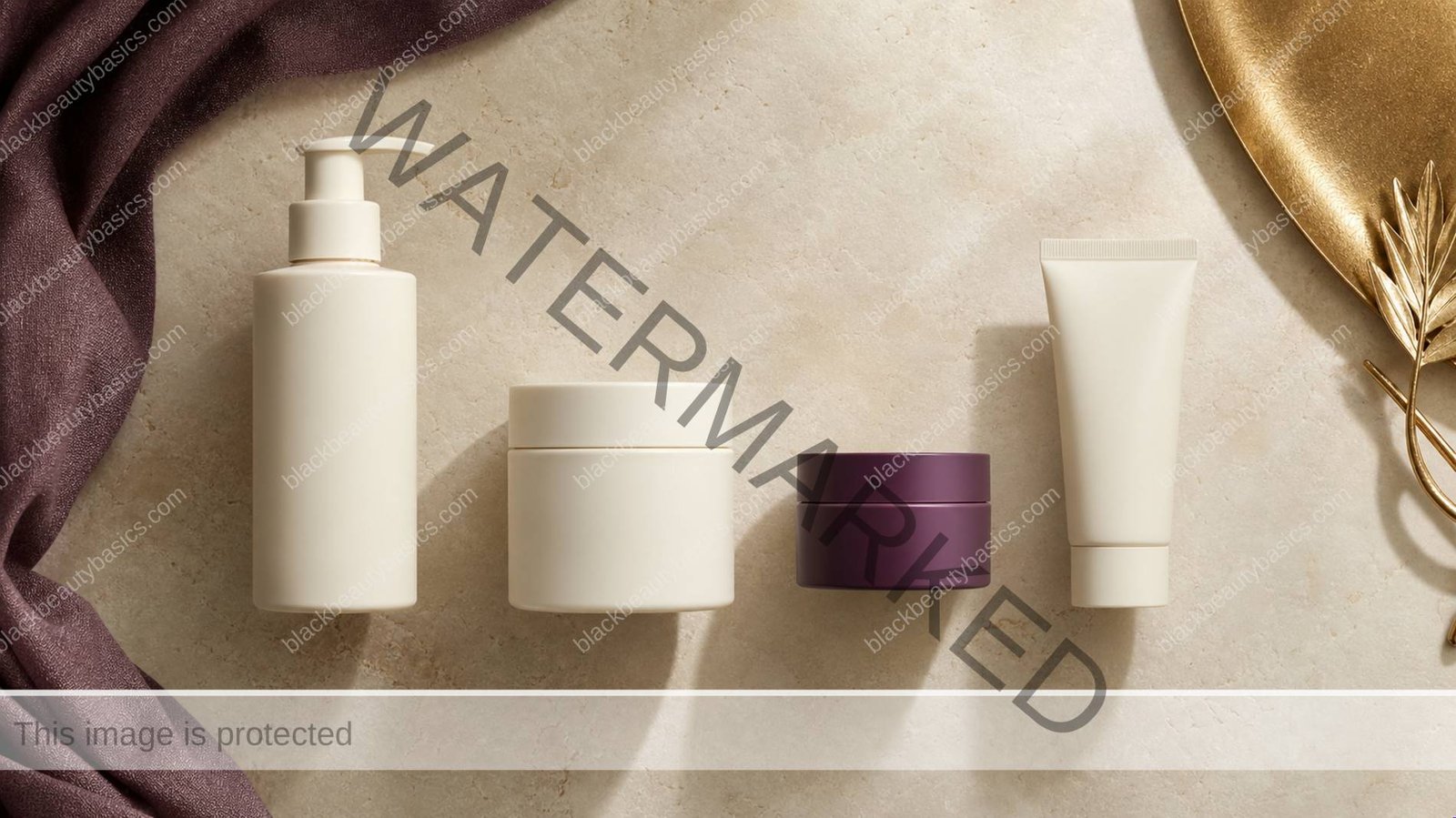
The Daily Ritual: Morning and Evening
A consistent routine is your best friend when it comes to barrier repair. Here’s a suggested framework:
Morning Routine: Protect and Prepare
- Gentle Cleansing: Start with a mild, hydrating cleanser. Opt for cream, milk, or oil-based cleansers that don’t strip your skin. Look for formulations labeled “pH-balanced” or “for sensitive skin.” Gentle Hydrating Cleansers
- Hydrating Toner (Optional): If you use a toner, choose one that is alcohol-free and packed with humectants like hyaluronic acid or glycerin. This adds an extra layer of hydration. Hydrating Alcohol-Free Toners
- Antioxidant Serum: A Vitamin C serum is excellent for Black skin, offering antioxidant protection, brightening benefits, and collagen support. Apply it after cleansing/toning. Vitamin C Serums
- Ceramide Moisturizer: This is your hero product. Apply a generous layer of your chosen ceramide-rich moisturizer. This locks in hydration and reinforces your barrier for the day ahead. ceramide moisturizer examples for dry, melanin-rich skin
- Sunscreen (Non-Negotiable): Finish with a broad-spectrum sunscreen with at least SPF 30. For Black skin, mineral sunscreens with zinc oxide or titanium dioxide are often preferred for their gentleness and less likelihood of leaving a white cast, though chemical sunscreens have come a long way. Sun protection is crucial for preventing further barrier damage and hyperpigmentation. Mineral Sunscreens
Evening Routine: Repair and Rejuvenate
If your main concern is waking up ashy or tight, our guide to overnight masks for Black women who wake up ashy explains how to add an occlusive step without turning the routine into a shelf full of products.
- Double Cleansing (Recommended): If you wear makeup or sunscreen, start with an oil-based cleanser or balm to dissolve impurities, followed by your gentle hydrating cleanser. This ensures a thorough clean without stripping. Oil Cleansers
- Hydrating Toner (Optional): As in the morning, an alcohol-free hydrating toner can prep your skin for better absorption of subsequent products.
- Treatment Serum (Optional, 2-3 times a week): If you use active ingredients like retinoids or gentle acids, apply them now. Start slowly and observe your skin’s reaction, especially when repairing your barrier. Always follow with your ceramide moisturizer.
- Ceramide Moisturizer: Apply a rich layer of your ceramide moisturizer. This is when your skin does most of its repair work, and ceramides will support this natural process. Night Ceramide Creams
- Facial Oil (Optional, for extra nourishment): If your skin is particularly dry, a few drops of a nourishing facial oil (like jojoba, argan, or squalane) can be pressed on top of your moisturizer to seal everything in. Nourishing Facial Oils
Beyond the Face: Body Care for Barrier Repair
Dryness isn’t exclusive to our faces. Our bodies, too, benefit immensely from ceramide-rich care, especially areas prone to ashiness like elbows, knees, and shins. Extend your barrier repair philosophy to your body with these tips:
- Lukewarm Showers: Avoid scalding hot water, which strips natural oils. Opt for lukewarm temperatures.
- Gentle Body Cleansers: Choose sulfate-free, hydrating body washes. Gentle Hydrating Body Washes
- Moisturize Damp Skin: Immediately after showering, while your skin is still slightly damp, apply a rich ceramide-infused body cream or lotion. This helps to trap the water on your skin. ceramide-rich body cream examples
- Targeted Treatments: For particularly dry or rough patches, consider using a body balm or ointment with ceramides and occlusives. Ceramide Body Balms

How to Choose a Ceramide Product Without Overbuying
The beauty market can be overwhelming, but with a clear understanding of your needs, you can make informed choices that truly benefit your melanin-rich skin. Here are some essential tips for selecting products and maintaining a healthy barrier.
Tip List: Smart Shopping for Barrier Repair
- Read Ingredient Lists: Don’t just look at marketing claims. Prioritize products where ceramides (Ceramide NP, AP, EOP), cholesterol, and fatty acids are listed higher up.
- Patch Test New Products: Always apply a new product to a small, inconspicuous area of your skin (like behind the ear or on your inner arm) for a few days before applying it to your entire face. This helps identify potential irritations.
- Prioritize Fragrance-Free: Fragrance, even “natural” fragrance, is a common irritant, especially for compromised skin barriers. Opt for fragrance-free formulations whenever possible.
- Look for “Non-Comedogenic”: This label indicates the product is less likely to clog pores, which is important for Black skin prone to post-inflammatory hyperpigmentation from breakouts.
- Consider Texture: For very dry skin, thicker creams or ointments will provide more occlusive protection than lightweight lotions. Adjust based on your skin’s needs and the climate.
- Be Patient: Barrier repair takes time. You won’t see results overnight. Give new products and routines at least 4-6 weeks to show their full effect.
- Consult a Dermatologist: If you’re experiencing persistent dryness, irritation, or conditions like eczema, a board-certified dermatologist (ideally one experienced with skin of color) can provide personalized recommendations and treatment plans.
Comparison Table: Common Moisturizer Types & Their Barrier Benefits
Understanding the different types of moisturizers can help you choose the best fit for your skin’s needs, especially when focusing on barrier repair.
| Moisturizer Type | Primary Function | Key Ingredients | Best For | Barrier Repair Benefit |
|---|---|---|---|---|
| Humectant-Rich Lotions/Gels | Attracts and binds water to the skin | Hyaluronic Acid, Glycerin, Urea, Sodium PCA | Slightly dry, oily, or combination skin; humid climates | Provides immediate hydration, but needs occlusives to seal it in. |
| Emollient Creams | Smooths and softens skin; fills in gaps | Shea Butter, Squalane, Fatty Acids, Plant Oils | Normal to dry skin; rough patches | Improves skin texture and flexibility, supports lipid matrix. |
| Occlusive Ointments/Balms | Forms a protective seal to prevent water loss | Petrolatum, Mineral Oil, Lanolin, Dimethicone | Very dry, cracked, or severely compromised skin; cold/dry climates | Excellent for preventing TEWL; creates a strong physical barrier. |
| Ceramide-Rich Creams (often a blend) | Replenishes essential skin lipids; rebuilds barrier | Ceramides (NP, AP, EOP), Cholesterol, Fatty Acids, often with Humectants/Emollients | Dry, sensitive, compromised, eczema-prone skin; all skin types focused on barrier health | Directly repairs and strengthens the skin barrier, reducing TEWL and improving resilience. |
Troubleshooting When Your Skin Still Feels Dry
While topical ceramides are a cornerstone of barrier repair, true skin health is a holistic endeavor. Integrating lifestyle practices that support your overall well-being will amplify the benefits of your skincare routine and contribute to a radiant, resilient complexion from the inside out.
Hydration from Within: The Power of Water and Diet
Your skin is the body’s largest organ, and its health is intrinsically linked to your internal hydration and nutrition. You can apply all the ceramide moisturizer in the world, but if you’re chronically dehydrated or lacking essential nutrients, your skin will still struggle.
- Drink Plenty of Water: It sounds simple, but adequate water intake is fundamental for all bodily functions, including skin hydration. Aim for at least 8 glasses a day, more if you’re active or in a dry climate.
- Embrace Healthy Fats: Incorporate foods rich in omega-3 and omega-6 fatty acids, such as salmon, flaxseeds, chia seeds, walnuts, and avocados. These essential fatty acids are precursors to healthy skin lipids, including ceramides, and play a crucial role in maintaining barrier integrity and reducing inflammation.
- Antioxidant-Rich Foods: Berries, leafy greens, colorful vegetables, and green tea are packed with antioxidants that protect your skin cells from oxidative stress, which can damage the barrier.
- Limit Processed Foods and Sugars: These can contribute to inflammation, which can negatively impact skin health and barrier function.
Mindful Living: Stress Reduction and Sleep
The connection between mind and skin is undeniable. Chronic stress and insufficient sleep can manifest directly on your complexion, often exacerbating dryness and sensitivity.
- Manage Stress: Find healthy outlets for stress, whether it’s meditation, yoga, deep breathing exercises, spending time in nature, or engaging in hobbies you love. Stress hormones can impair barrier function and increase inflammation.
- Prioritize Sleep: Aim for 7-9 hours of quality sleep per night. During sleep, your skin undergoes its most intensive repair processes, including ceramide production and barrier restoration. A consistent sleep schedule can significantly improve your skin’s ability to heal and hydrate.
Environmental Awareness: Protecting Your Skin from the Elements
Your environment plays a significant role in your skin’s hydration levels. Taking proactive steps to mitigate environmental stressors can make a big difference.
- Humidifiers: In dry climates or during winter months when indoor heating is on, a humidifier can add much-needed moisture to the air, preventing your skin from drying out.
- Protective Clothing: When outdoors in harsh weather, cover exposed skin with scarves, hats, and gloves to shield it from wind and cold.
- Sun Protection (Reiterated): Consistent use of broad-spectrum sunscreen is paramount. UV radiation damages skin cells and lipids, compromising the barrier and leading to increased water loss and hyperpigmentation.
By integrating these holistic practices into your daily life, you’re not just treating symptoms; you’re nurturing your skin’s inherent strength and resilience, paving the way for a truly healthy, radiant, and hydrated complexion.
Frequently Asked Questions
Q1: How long does it take to repair a damaged skin barrier with ceramides?
A1: The timeline for barrier repair can vary depending on the extent of the damage and individual skin factors. Generally, you might start noticing improvements in hydration and reduced irritation within 2-4 weeks of consistent use of ceramide-rich products. Full barrier restoration, however, can take anywhere from 1 to 3 months, as it involves the skin’s natural cell turnover cycle. Consistency is key, and it’s important to be patient and gentle with your skin during this process.
Q2: Can I use ceramides if I have acne-prone Black skin?
A2: Absolutely! In fact, ceramides are highly beneficial for acne-prone Black skin. A compromised skin barrier can actually worsen acne by allowing bacteria and irritants to penetrate more easily, leading to inflammation and breakouts. Many acne treatments can also be drying and irritating, further damaging the barrier. Incorporating a non-comedogenic, ceramide-rich moisturizer can help to soothe, hydrate, and strengthen the skin barrier, making it more resilient and less prone to irritation, without clogging pores. Look for lightweight formulations.
Q3: Are there specific ceramide products formulated for Black skin?
A3: While there aren’t many products explicitly marketed solely for “Black skin ceramides,” many excellent ceramide-rich formulations are perfectly suited for melanin-rich complexions. The key is to look for products that are fragrance-free, non-comedogenic, and contain a blend of ceramides, cholesterol, and fatty acids. Brands that prioritize gentle, effective ingredients and avoid common irritants are generally a good choice. Always check reviews from other Black women and consider brands known for inclusivity in their formulations. Fragrance-Free, Non-Comedogenic Ceramide Moisturizers
Q4: Can ceramides help with hyperpigmentation on Black skin?
A4: While ceramides don’t directly treat hyperpigmentation, they play a crucial supporting role. A healthy, intact skin barrier is essential for preventing and managing post-inflammatory hyperpigmentation (PIH), which is common in Black skin. When the barrier is compromised, skin is more susceptible to inflammation and irritation, which are primary triggers for PIH. By strengthening the barrier, ceramides reduce inflammation and help the skin heal more effectively, thus indirectly minimizing the risk and severity of hyperpigmentation. They also ensure the skin is healthy enough to tolerate other pigment-correcting ingredients. Ceramide Serums for Sensitive Skin
Q5: Is it possible to have too many ceramides in my routine?
A5: It’s highly unlikely to “overdose” on ceramides, especially when applying them topically. The skin naturally produces ceramides, and applying them externally helps replenish what’s lost. The main concern would be if a product containing ceramides also has other ingredients that might irritate your skin or if the formulation is too heavy for your skin type, potentially leading to clogged pores. Focus on finding a well-formulated product that feels comfortable and effective for your skin, rather than trying to layer multiple ceramide-specific products unnecessarily.
Q6: What’s the difference between ceramides and hyaluronic acid for hydration?
A6: Both ceramides and hyaluronic acid are vital for skin hydration, but they work in different ways. Hyaluronic acid is a humectant, meaning it attracts and holds water from the environment and deeper layers of the skin, providing immediate surface hydration. Ceramides, on the other hand, are lipids that act as the “mortar” in your skin barrier. They don’t primarily attract water but rather prevent water from escaping (reduce TEWL) by sealing the barrier. Think of hyaluronic acid as bringing water to the party, and ceramides as building the walls that keep the water from leaving. For optimal hydration and barrier health, using products that contain both is often recommended. Ceramide and Hyaluronic Acid Moisturizers
Q7: Are natural oils a good substitute for ceramide moisturizers?
A8: Natural oils can be wonderful emollients and occlusives, providing a layer of protection and softening the skin. Oils like jojoba, argan, and squalane mimic some of the skin’s natural lipids and can help reduce water loss. However, they are not a direct substitute for ceramides. Ceramides are specific lipid molecules that actively integrate into and repair the skin’s lipid matrix, directly rebuilding the “mortar” of the barrier. While natural oils can complement a ceramide-rich routine by providing additional nourishment and occlusion, they don’t provide the same structural repair as topical ceramides. For comprehensive barrier repair, a product with actual ceramides is essential. Facial Oils for Dry Skin

What to Do Next
If you want to keep going, return to the Barrier Repair and Moisture Balance hub. If actives are part of the problem, read the azelaic acid versus vitamin C comparison. If nighttime dryness is the bigger issue, use the overnight mask guide as your next decision tool.
The journey to truly hydrated, resilient, and glowing melanin-rich skin is not a sprint, but a mindful, empowering marathon. By understanding the profound role of your skin barrier and embracing the power of ceramides, you’re not just addressing surface-level dryness; you’re investing in the fundamental health and enduring radiance of your complexion. Let this be your invitation to move beyond temporary fixes, to cultivate a routine that honors your skin’s unique needs, and to revel in the supple, vibrant glow that is your birthright. Your skin deserves nothing less than this precise, proud, and deeply nourishing care.
Related next steps
Related posts:
 Moisturizers for Black Women: Barrier Repair vs Lightweight Hydration
 Barrier Repair Routine for Sensitive Dark Skin: Your Gentle Guide
 Postpartum Skin Reset: Pigmentation, Acne, and Barrier Repair on Melanin-Rich Skin
 Why Your Acne Routine Keeps Causing More Dark Marks
 The Melanin Guide to Barrier Repair: How to Heal and Strengthen Your Skin’s Protective Shield
 Questions to Ask a Dermatologist When Acne Keeps Scarring on Dark Skin