
A skincare reset is not a punishment for having breakouts, dark marks, dryness, texture, or a shelf full of products that once felt promising. It is a practical way to make your routine easier to understand. When several new products, strong treatments, changing weather, stress, hair products, and inconsistent steps are all in the mix, it can be difficult to tell what your skin needs and what may be making it feel worse.
For melanin-rich skin, that clarity can matter. Irritation may be followed by darker marks or uneven-looking tone that can feel especially frustrating. That does not mean all Black skin is biologically identical, or that every Black woman will react to the same ingredient, climate, or routine. Skin tone, oil production, sensitivity, medical history, acne patterns, hormones, and access to care all vary. A useful reset makes room for that reality instead of offering a one-size-fits-all fix.
This is a simple reset system: reduce unnecessary variables, protect your skin’s outer barrier, keep the steps that serve a clear purpose, and reintroduce extras thoughtfully. It is not a detox, a demand for flawless skin, or an invitation to chase a lighter complexion. Black beauty does not need correcting to be worthy of care. Your routine can support comfort, confidence, and your personal goals without treating normal texture, pores, or rich skin tone as problems to solve.
If you are building your foundation from the beginning, start with our Skincare for Black Women guide. Then return to this checklist whenever your current routine feels noisy, uncomfortable, expensive, or difficult to evaluate.
Why a simple reset can help melanin-rich skin
A skincare reset is a temporary simplification of the products and techniques you use regularly. Its purpose is not to “detox” skin. Skin does not need a commercial detox program, and no cleanser pulls toxins out of pores. A reset simply gives you a steadier baseline. With fewer variables, you may be better able to notice whether your skin feels dry after cleansing, stingy after a treatment, congested under a particular texture, or comfortable with a basic routine.
The baseline is usually uncomplicated: gentle cleansing when needed, moisturizer, and daytime sun protection when it fits your exposure and routine. From there, you can decide whether an additional treatment has a place. This approach can be useful after trying several actives at once, switching products often, over-exfoliating, recovering from travel, or responding to every blemish with another spot treatment.
The word barrier refers to the outermost part of the skin. It helps limit water loss and helps protect against external irritants. It is not a wall that can be permanently “sealed,” and it is not the same thing as having dry or oily skin. Still, when skin feels tight, rough, flaky, unusually reactive, or uncomfortable, a gentler routine may be appropriate.
Research on skin barrier differences across racial and ethnic groups is complex. Definitions, samples, methods, pigmentation, race, ethnicity, and phototype are not interchangeable. BBB does not make broad claims that every Black person has the same barrier function or skincare needs. What is clear in daily life is that inflammation from acne, rubbing, harsh products, picking, or burns may leave visible darker marks on melanin-rich skin. Those marks are often called post-inflammatory hyperpigmentation.
Post-inflammatory hyperpigmentation is not evidence that you failed at skincare. It is one reason to be protective about avoidable irritation and patient with your routine. A reset can help reduce the urge to constantly add products in response to every mark, bump, or texture change.
A reset can also interrupt the pressure to chase a poreless, flawless, lighter-looking face. That pressure has been shaped by colorism, beauty marketing, and narrow ideas about what “clear” skin should look like. Your goal may be fewer breakouts, less dryness, more even-looking tone, less discomfort, or simply a routine you can maintain. All of those goals are valid. The best reset is one that helps you care for your skin without turning your reflection into a daily report card.

A reset may be useful when:
- Your routine includes several exfoliants, serums, masks, or spot treatments and you cannot tell what is helping.
- Your skin feels more stingy, tight, itchy, flaky, or reactive than usual.
- You started multiple products in a short period.
- You are using products inconsistently and want a realistic fresh start.
- You are trying to identify a repeat trigger, such as fragrance, hair products reaching the face, or a treatment used too often.
- You want a calmer baseline before choosing a goal-focused plan for acne, dark marks, dryness, or texture.
Do not use a reset as a substitute for medical care. Seek timely medical advice for severe pain, rapidly spreading redness, swelling, oozing, crusting, hives, eye-area swelling, a widespread rash, or a concerning reaction after a product. If you use a prescription treatment for acne, eczema, psoriasis, pigment concerns, or another condition, follow your prescriber’s instructions. Do not stop, restart, or change a prescription independently because an online checklist says to simplify.
What to pause before adding anything else
The most useful reset step is often subtraction. That does not mean every active ingredient is harmful, and it does not mean you need to throw away everything you own. It means separating essentials from extras long enough to understand your skin better. If a product is prescribed, keep your prescriber in the conversation rather than automatically putting it in the pause pile.
Start by making an honest list of everything that touches your face or hairline. Include cleanser, soap, moisturizer, sunscreen, toner, serum, exfoliant, acne treatment, makeup remover, facial oil, masks, shaving products, makeup, edge control, hair oils, leave-in conditioner, pillow sprays, and fragrance. The product that is bothering skin is not always in the skincare category. A fragranced hair product or heavy pomade transferred to the forehead can be as relevant as a new serum.
Pause or reduce nonessential variables first. For many people, that includes scrubby exfoliants, frequent peels, multiple acids layered together, masks that tingle as proof they are “working,” rough cleansing brushes, fragranced leave-on products, and several treatments introduced at once. Tingling is not a required sign of effectiveness. Burning, persistent stinging, and visible irritation are not beauty rituals to push through.
Be cautious with the language of “natural,” “clean,” and “chemical-free.” Natural ingredients can irritate some people, and every skincare formula is made of chemicals in the scientific sense. What matters more is the actual formula, how your skin responds, how often you use it, and whether it fits your goals. A simple fragrance-free product can be practical during a reset, but “fragrance-free” is not a promise that every person will tolerate it.
Also pause habits that may keep inflammation active:
- Picking, squeezing, scraping, or repeatedly checking blemishes in a magnifying mirror.
- Using very hot water or long, aggressive cleansing sessions.
- Washing your face with body scrubs, harsh deodorant soaps, or leftover shampoo lather.
- Alternating between overly drying products and heavy layers meant to compensate.
- Changing products every few days because results are not immediate.
- Applying a new treatment to raw, cracked, sunburned, or visibly irritated skin.
Some products may not need to be paused. They may simply need clearer use. A makeup remover can stay if it removes makeup or water-resistant sunscreen without excessive rubbing. A cleanser can stay if it leaves skin comfortable. A moisturizer can stay if it does not make your skin persistently itchy or uncomfortable. The point is not minimalism for its own sake. The point is a routine in which every product has a job description.
For a more detailed decision process, read what to keep and what to pause during a skin reset. It can help you make choices without assuming every product you own is either a miracle or a mistake.
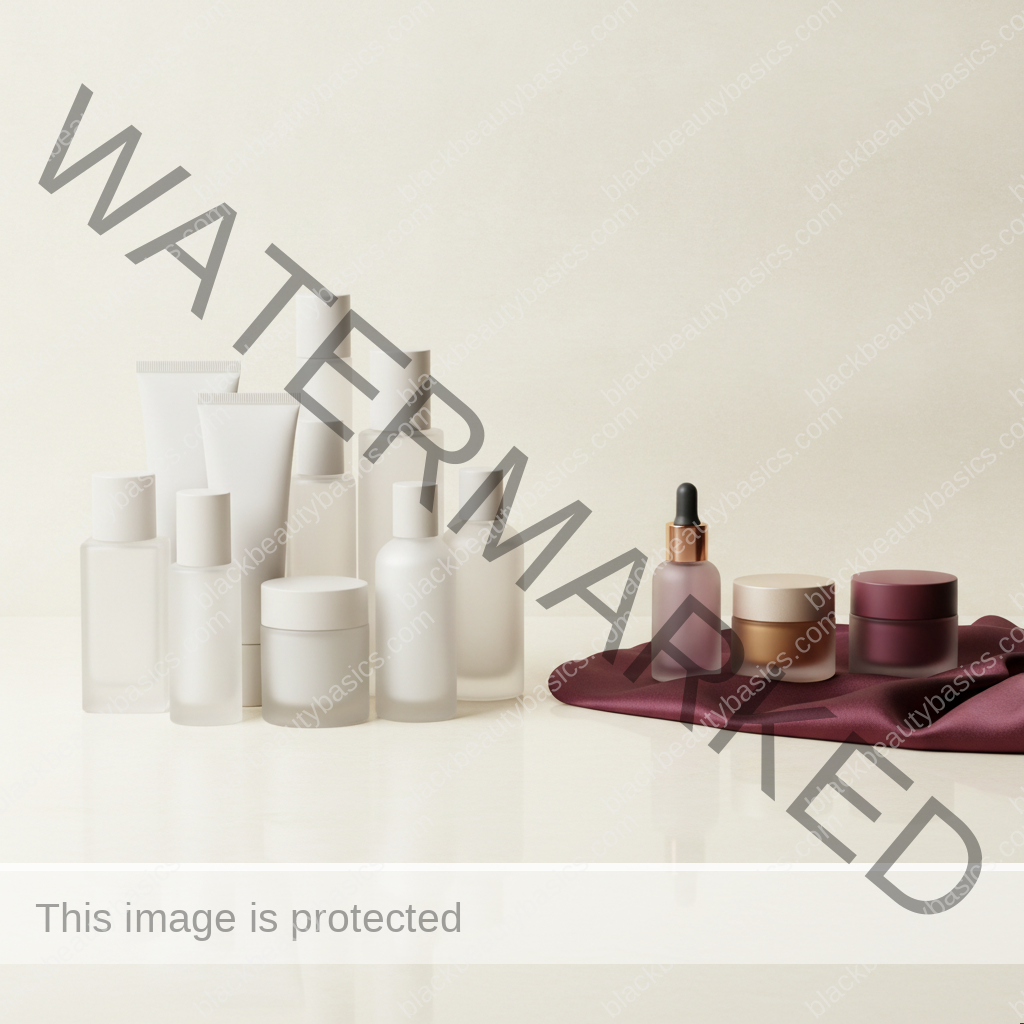
Reset checklist: the pause audit
- Keep a short list of essentials you already tolerate well.
- Set aside newly opened products until your baseline is clearer.
- Pause optional exfoliation if your skin is uncomfortable or if you are unsure whether it is contributing to irritation.
- Do not layer several treatments simply because each targets a different concern.
- Keep hair products away from the face while applying them, then gently cleanse residue from the hairline if needed.
- Wash makeup tools and clean items that may be causing friction or buildup.
- Write down the date you simplified, what stayed, and what you paused.
The BBB simple skincare reset checklist: build a gentle baseline
A reset routine should be boring in the best way: clear, repeatable, and gentle enough to follow on an ordinary tired Tuesday. You do not need ten steps. Start with the least complicated version that still meets your practical needs, including makeup removal, shaving, exercise, work schedules, and daylight exposure.
Step 1: Cleanse with purpose, not punishment. Cleanse once or twice daily depending on your skin, activity level, sunscreen or makeup use, and comfort. Some people prefer a morning rinse and an evening cleanse. Others prefer a gentle cleanse in the morning, especially after sweating or in humid weather. There is no moral prize for washing more often.
Choose a cleanser that removes what you need removed without leaving skin squeaky, stripped, or tight. Cleanser mildness depends on the whole formula and how it is used, not simply on a pH number printed on a label. Lukewarm water, brief contact time, and gentle fingertips can matter as much as the product itself. General dermatology guidance for dry skin also supports gentle cleansing and moisturizing habits.
If you need a place to compare optional product types after considering your own sensitivities, this Amazon search for gentle fragrance-free face cleansers may be useful. Look for a cleanser designed for the face, avoid treating “foaming” or “cream” as universal quality labels, and patch test when appropriate. A cleanser does not need to feel harsh to do basic cleansing well.
Step 2: Moisturize while skin is slightly damp. Moisturizer supports comfort and can help reduce the feeling of dryness. Formulas may include ingredients that attract water, soften the skin surface, or slow water loss. These groups are often called humectants, emollients, and occlusives. No single ingredient, texture, or finish is best for every Black woman, every season, or every concern.
A lighter lotion or gel-cream may suit someone who dislikes a rich finish. A cream or ointment may feel more comfortable for someone with dry or flaky areas. Your face can be oily and still benefit from moisturizer, particularly if cleansing or treatments leave it feeling tight. Apply enough to make skin feel comfortable, not coated in a way you dislike. If a moisturizer consistently burns, causes itching, or seems connected to ongoing problems, make a note rather than forcing yourself to finish it.
Once you understand the criteria—comfortable texture, straightforward use, and a clear role in your routine—you can browse this Amazon search for fragrance-free face moisturizers as one optional shopping route. Availability changes, so prioritize your own tolerance and budget over the idea that a more expensive moisturizer must be better.
Step 3: Use daytime sun protection in a way you can maintain. Daylight exposure can matter when you are working to prevent the worsening of dark marks, and daily protection is a practical part of many routines. Choose a broad-spectrum sunscreen with SPF 30 or higher for exposed skin when you will be outdoors or otherwise have meaningful daylight exposure. Apply it as directed on the package and reapply according to the label, especially with prolonged outdoor exposure, sweating, or water exposure.
For deeper skin tones, a sunscreen finish is not a trivial preference. A gray, purple, or chalky cast can make a product difficult to use consistently. Consider clear, sheer, tinted, or melanin-friendly formulas based on your skin tone and comfort. A tint is a cosmetic feature, not a moral requirement. If you wear makeup, choose a system you will realistically use instead of buying several products that remain unopened.
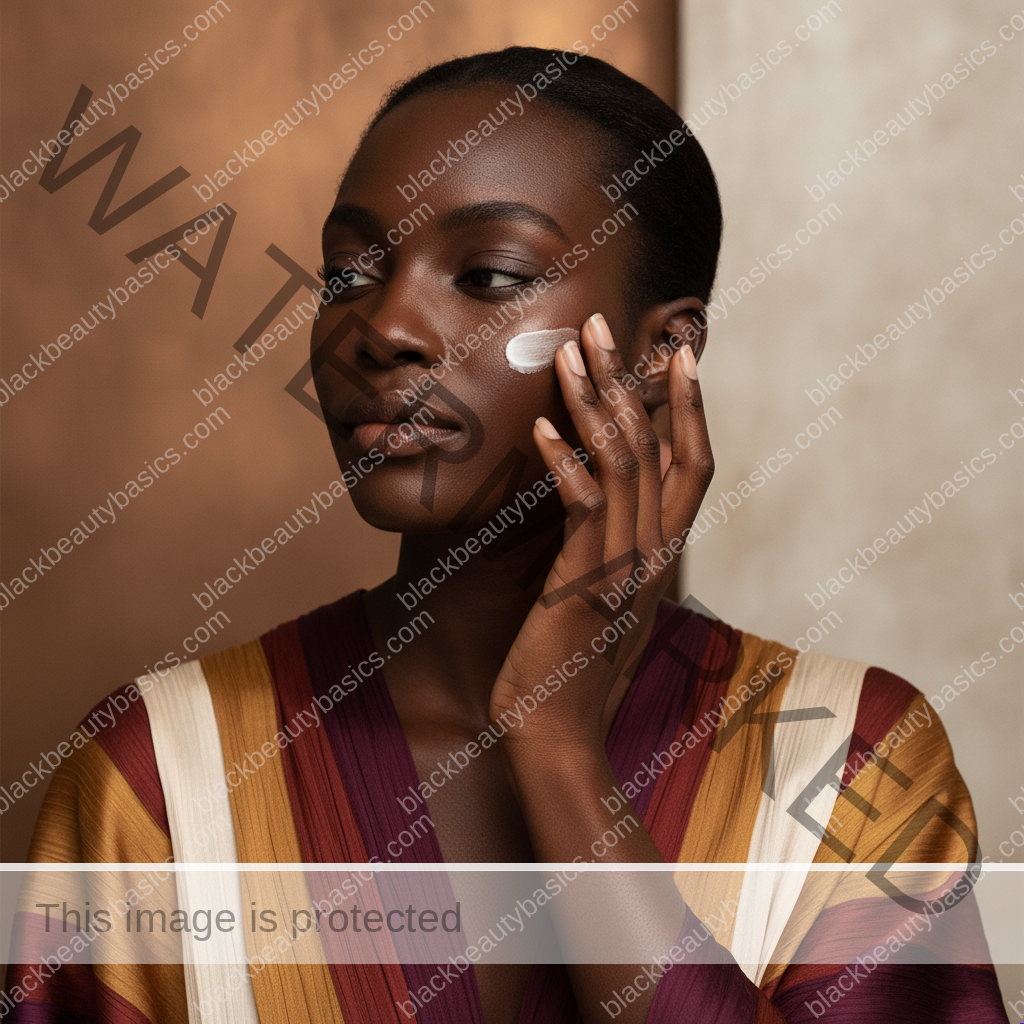
Step 4: Keep the baseline steady before judging it. A reset is not a race. Skin can shift with menstrual cycles, weather, illness, stress, sleep changes, shaving, hair practices, and medications. Take note of comfort, not only appearance. Ask: Does cleansing sting? Does my skin feel tight at midday? Are flaky areas improving, unchanged, or worsening? Are new bumps occurring in a repeat location? These observations are more useful than checking your face under harsh lighting every hour.
Morning baseline checklist
- Rinse or cleanse gently based on your needs.
- Apply moisturizer if your skin benefits from it.
- Apply sunscreen to exposed skin when appropriate for your day.
- Keep makeup and hairline products as simple as possible while you observe patterns.
Evening baseline checklist
- Remove makeup or water-resistant sunscreen gently when needed.
- Cleanse without scrubbing, extended rubbing, or very hot water.
- Apply moisturizer.
- Use prescription treatment only as directed by your clinician or prescriber.
- Leave optional treatments out until you have a reasoned plan to reintroduce them.
How to adapt the reset to real life
A routine is only useful if it can survive your actual life. Black women are not a monolith, and neither are our schedules, climates, budgets, religious practices, hair routines, work demands, or access to dermatology. A reset should flex around those realities instead of asking you to perform an expensive version of wellness.
If your skin tends to feel dry: Focus on less aggressive cleansing and consistent moisturizing. You may prefer a creamier cleanser, shorter showers, and a richer moisturizer at night. Do not assume every flake needs an exfoliant. Flaking can reflect dryness, irritation, or another issue; scraping at it can increase discomfort. If dryness is severe, persistent, cracked, or accompanied by a rash, seek individualized medical advice rather than escalating home treatments.
If your skin tends to look shiny or break out: Do not confuse oil with dirt. Over-cleansing can make skin feel stripped without solving acne. A lightweight moisturizer may be easier to maintain than skipping moisturizer entirely. Keep your baseline simple, notice repeat patterns around the hairline or jaw, and make changes one at a time. Breakouts are not caused by poor hygiene, and they are not a character flaw.
If you wear makeup most days: Keep the reset compatible with makeup removal. Use a remover or first cleanse you tolerate, followed by a gentle cleanser if needed. Avoid rubbing aggressively around the eyes, mouth, and areas with active blemishes. Clean brushes and sponges regularly, but do not turn cleaning into a reason to scrub your face harder.
If you wear protective styles, braids, wigs, locs, or use edge styling products: Watch the hairline without blaming your hair. Product transfer, friction, and tension can be relevant for some people, but your hairstyle is not a moral failure and Black hair care should never be discussed with shame. Apply oils, gels, sprays, and edge products carefully. If residue reaches your forehead, temples, or cheeks, gently cleanse the area at the end of the day. If hairline bumps, pain, or thinning concern you, a dermatologist can offer individualized guidance.
If you shave or remove facial hair: Keep the reset especially gentle around hair-removal days. Use clean tools, avoid repeated passes over the same area, and do not stack strong exfoliants immediately afterward unless a clinician has advised you to do so. Razor bumps and dark marks can be frustrating on melanin-rich skin, but aggressive scrubbing usually adds friction rather than solving the issue.
If your budget is limited: A reset does not require a luxury haul. A cleanser, moisturizer, and sunscreen that you can repurchase are often more useful than an elaborate routine you cannot sustain. Use what you already have if it is comfortable and appropriate for your needs. Spend based on function, not hype. A plain moisturizer can be a smart choice; a high price and elegant packaging do not make a product more respectful of your skin.

If you have hard water: Hard water contains higher levels of certain minerals. Research on water hardness and skin barrier function has limits, and the strongest association evidence relates to childhood eczema rather than every adult skincare concern. Still, if your skin feels tight after washing at home but less so elsewhere, practical adjustments may be worth trying: shorter cleansing, lukewarm water, less product, and prompt moisturizing. Do not assume you need an expensive filter or water softener as a skincare cure.
If you are pregnant, breastfeeding, or managing a health condition: Do not build your reset around generalized ingredient fear. Ask an obstetric clinician, pharmacist, dermatologist, or other qualified professional about treatments that concern you. This is especially important for prescription products and stronger acne or pigment treatments.
Once your baseline feels manageable, connect it to your actual goal. Our guide to routine design for different skincare goals can help you choose a next step without crowding your routine with products that do the same job.
Troubleshooting a reset without blaming your skin
A reset can reveal useful information, but it cannot answer every question alone. Some concerns need clinical assessment. Others require closer observation of routines, friction, product placement, or timing. The most useful troubleshooting posture is curious rather than harsh: something is happening, and you are gathering clues. You are not trying to prove that your skin is difficult.
If your skin stings after cleansing: Look first at water temperature, how long you cleanse, whether you use a washcloth or brush, and whether your cleanser is paired with another drying product. Try gentler technique before buying several replacements. If stinging persists even with a minimal routine, or occurs with swelling, peeling, or a rash, get medical guidance.
If your skin still feels tight after moisturizer: You may need a different amount, texture, or application method. Apply to lightly damp skin and consider whether your cleanser is leaving you too dry. Tightness may also happen after strong treatments, wind exposure, indoor heating, or frequent washing. More layers are not always the answer; choose a few adjustments and observe.
If you develop new bumps during the reset: Do not immediately add a scrub, peel, or new acne serum. Check for repeated contact from hair products, makeup, pillowcases, phone screens, masks, shaving tools, or a newly introduced moisturizer. Consider whether the bumps are itchy, painful, uniform, or located in one area, and share those details with a clinician if the issue persists. Not every bump is acne, and self-diagnosis through social media can send you in the wrong direction.
If dark marks seem more noticeable: Resist the urge to attack them with several brightening products at once. Marks can become more noticeable when surrounding skin is dry, irritated, or exposed to daylight without adequate protection. Keep the baseline steady, avoid picking, and consider a goal-focused plan only once your skin is comfortable enough for it. Dark marks deserve patience and respectful care, not panic buying.
If you miss steps often: Simplify further. A routine that happens most days is generally more useful than a complicated routine you only manage on perfect mornings. Put products where you naturally use them, choose packaging that is easy to handle, and decide what the minimum version looks like: cleanse when needed, moisturize, and protect exposed skin from the sun when appropriate.
If a product seems fine one day and irritating the next: Look for context. Did you use it after shaving? On already dry skin? Alongside another treatment? In a colder or more humid season? Did you use more than usual? Product response is not always a fixed yes-or-no answer. That is why a short routine and simple notes can be more helpful than constantly changing brands.

A basic notes system can support your reset:
- Date and product used.
- Where you applied it.
- How often you used it.
- Immediate sensations, such as comfort, sting, itch, or tightness.
- Changes over the following days, without assuming the newest product is always the cause.
- Other relevant factors, such as shaving, a new hairstyle, travel, menstrual cycle changes, or unusual sun exposure.
Learn the difference between manageable uncertainty and a warning sign. Pain, swelling, blistering, hives, a spreading rash, oozing, or eye involvement are reasons to stop experimenting and seek medical advice promptly. If you suspect a severe allergic reaction or have trouble breathing, seek emergency care.
For a closer look at the line between active treatment and overdoing it, read our guide to signs your skincare routine is doing too much. If your main concern is dryness, reactivity, or a stressed-feeling complexion, our resource on how to rebuild a damaged skin barrier for melanin-rich skin offers a more focused framework.
What to do next after your skincare reset
After a reset, do not rush to refill every empty space in your routine. First, decide what your baseline has taught you. Maybe your skin feels better with less exfoliation. Maybe your moisturizer was never the issue. Maybe a hairline pattern is worth discussing with a dermatologist. Maybe your routine is already doing its job and you do not need a dramatic upgrade.
Use this next-step checklist:
- Choose one priority. Examples include comfort, acne support, the appearance of dark marks, shaving-related bumps, dryness, or a more reliable sunscreen habit.
- Add one variable at a time. Introduce one optional product or technique rather than three new serums in the same week.
- Set a reasonable observation period. Avoid judging a product after one use unless you experience a concerning reaction. At the same time, do not keep using something that causes persistent discomfort in hopes that pain will become progress.
- Protect consistency. Choose products you can afford, access, and use in your actual climate and schedule.
- Keep notes practical. You only need enough information to notice patterns, not a perfect spreadsheet.
- Get support when needed. A board-certified dermatologist can help with persistent acne, eczema-like symptoms, pigment changes, hairline concerns, or reactions that do not settle with basic care.
It may help to photograph your skin occasionally in similar lighting if you are trying to notice broader changes over time. Do this with care. Photos should be records, not evidence against yourself. Your skin can change with hormones, weather, stress, and life. A good routine supports you through those shifts; it does not demand that you look identical every day.
When you are ready to assess whether your simplified routine is serving you, use our guide on how to know whether your skincare routine is working. The goal is not endless optimization. It is a routine that feels understandable, respectful, and sustainable for your melanin-rich skin.
Most importantly, let your reset be an act of care rather than correction. You do not need to earn gentleness by having “good” skin. You can protect your barrier, make informed choices, and seek help when needed while still honoring the beauty and individuality of the skin you are in.
Frequently Asked Questions
How long should a simple skincare reset last?
There is no universal reset timeline because skin concerns, products, climates, and prescribed treatments vary. Rather than choosing an arbitrary finish date, look for a baseline that feels easier to understand: less routine confusion, fewer unnecessary variables, and a clearer sense of whether your skin feels comfortable. Keep essential steps steady long enough to observe them, then introduce optional products one at a time if you have a specific goal. If you have persistent irritation, painful acne, rash-like symptoms, or worsening marks, do not extend a home experiment indefinitely. A dermatologist can help identify what a simple routine cannot.
Should I stop all active ingredients during a skincare reset?
Not necessarily. “Active ingredient” is a broad term, and not every active needs the same approach. Prescription treatments should be used according to your prescriber’s instructions; do not stop or alter them independently for a reset. For optional over-the-counter treatments, simplifying may be helpful if your skin is irritated or if you cannot tell what is affecting it. The practical goal is to reduce overlapping variables, not to fear every treatment ingredient. If you keep a treatment in your routine, use it clearly and consistently rather than layering it with multiple new products at the same time.
Can a skincare reset help with dark marks on Black skin?
A reset may help reduce avoidable irritation that can contribute to post-inflammatory hyperpigmentation, the darker marks that can remain after inflammation. It is not a guaranteed dark-mark treatment, and it will not erase every mark quickly. The useful role of a reset is to create a comfortable foundation: gentle cleansing, moisturizing, daylight protection when appropriate, and less picking or over-exfoliation. Once your skin feels stable, you can decide whether a targeted approach makes sense for your goals. Persistent or changing pigment concerns are worth discussing with a dermatologist, especially before trying stronger treatments.
Do I need a separate cleanser for oily melanin-rich skin?
Not automatically. Oily skin can still become uncomfortable with harsh cleansing, and a stronger-feeling cleanser is not always a better cleanser. Choose based on how your skin feels after washing and whether the product removes makeup, sunscreen, sweat, or excess oil without leaving tightness or stinging. Some people prefer a gel or foaming formula; others do better with a creamier wash. The label alone cannot tell you how your skin will respond. During a reset, technique matters too: use lukewarm water, avoid vigorous scrubbing, and do not keep cleansing until skin feels squeaky.
What if sunscreen leaves a white or gray cast on my skin?
A visible cast is a valid usability problem, not a superficial complaint. If sunscreen makes you feel as though your complexion has been dulled, grayed, or made purple, you may be less likely to use it consistently. Look for formulas described as sheer, clear, invisible, or tinted, and test the finish in daylight when possible. Give the product a moment to settle, but do not pressure yourself to accept an unwearable result. Your sun protection should fit your skin tone, makeup preferences, budget, and daily routine. A product that works on paper but stays unused is not a practical match.
Can I use facial oils during a skincare reset?
You can, but they are optional rather than required. An oil may help some people enjoy the feel of their routine or reduce the sense of dryness when used thoughtfully. It does not replace a well-formulated moisturizer for everyone, and more oil is not automatically more nourishing. If you use one, keep the rest of the routine simple and observe how your skin responds. Pay attention to placement around the hairline and areas that tend to become congested. If you are trying to identify a trigger, it may be easier to pause optional oils temporarily and reintroduce them later.
What signs mean I should see a dermatologist instead of continuing my reset?
Seek medical guidance for severe or persistent pain, swelling, hives, blistering, oozing, crusting, a spreading rash, eye-area involvement, or signs of a serious reaction. A dermatologist can also help when acne is painful or scarring, dark marks are significantly affecting your wellbeing, hairline bumps or hair loss are concerning, or your skin remains itchy and inflamed despite a gentle routine. Bring a list or photos of the products you use and note when symptoms began. That information can help. A reset is useful for reducing clutter, but it is not a diagnosis and should not delay needed care.
Related next steps
Related posts:
 Ingredient and Formula Checklist for Acne-Prone Deep Skin
 A Two-Week Skincare Reset for Black Women With Irritated Skin
 What to keep and what to pause during a skin reset
 Postpartum Skin Reset: Pigmentation, Acne, and Barrier Repair on Melanin-Rich Skin
 Simple and Effective Skincare Routines for African American Women
 Simple and Effective Skincare Routines for African American Women