
There’s a particular kind of frustration that settles in when your skin, once predictable, suddenly becomes a mystery. Perhaps it feels reactive, stingy, tight, or flaky. Maybe it’s hot to the touch, rough, or just generally hard to please, no matter what you try. You’ve likely invested time, energy, and resources into finding solutions, only to feel like you’re chasing comfort without ever quite catching it.
For Black women, and others with melanin-rich skin, this experience can be even more disheartening. The beauty landscape often overlooks our unique skin needs, offering generic advice that doesn’t quite fit. When your skin feels compromised, it’s a clear signal that it needs a reset – a return to basics, focusing on its fundamental health. This isn’t about adding more steps or chasing the latest trend; it’s about stripping away the noise and nurturing your skin’s protective shield, its barrier.
At Black Beauty Basics, we understand that sensitive melanin-rich skin often thrives with less intensity, more consistency, and a profound focus on barrier support. This guide is designed to help you navigate the path to skin comfort, offering a practical, gentle framework for healing and strengthening your skin’s natural defenses. We believe that true beauty begins with healthy, resilient skin, and for sensitive complexions, that journey often starts with prioritizing barrier repair and moisture balance. This foundational work is crucial for all skin types, especially for those with melanin-rich skin, as it lays the groundwork for overall skin health within the broader context of skincare for Black women.
What This Post Covers
This comprehensive guide is crafted to empower you with the knowledge and practical steps needed to restore harmony to your sensitive, melanin-rich skin. We’ll move beyond superficial fixes and delve into the core principles of barrier repair.
- How to Build a Simple Barrier-First Routine: We’ll outline a minimalist yet effective approach that prioritizes healing and protection.
- What to Use in the Morning and at Night: Specific, actionable steps for your daily regimen, focusing on essential products.
- Which Steps May Be Worth Pausing: Identifying common skincare practices that might be exacerbating sensitivity and when to temporarily set them aside.
- How to Choose Cleanser and Moisturizer Textures: Understanding how different formulations interact with melanin-rich skin and what to look for.
- How to Support Sensitive Dark Skin Without Overtreating It: Embracing a philosophy of gentle care and patience over aggressive interventions.
- Navigating Overlapping Concerns: Addressing how sensitivity intersects with issues like acne and hyperpigmentation.
- Common Mistakes to Avoid: Learning from pitfalls that can hinder your barrier repair journey.
Why Sensitive Dark Skin Often Needs a Barrier-First Routine
Sensitive skin is a universal experience, but its presentation and implications can differ significantly across skin tones. For Black women and others with melanin-rich skin, irritation, inflammation, and a compromised skin barrier can manifest in ways that are often overlooked or misread by conventional skincare advice. This can lead to a cycle of frustration, where symptoms are not adequately addressed, and the skin’s health continues to decline.
One of the primary reasons irritation on deeper skin tones can be missed or minimized is the absence of overt redness. While redness is a hallmark sign of inflammation on lighter skin, on melanin-rich skin, inflammation may present differently. Instead of a bright crimson, you might notice a deeper, purplish hue, a grayish cast, or simply a darkening of the affected area. This subtle presentation can lead to a delay in recognizing the severity of the irritation, causing individuals to continue with routines that are actively harming their skin barrier.
Beyond visual cues, the subjective experience of irritation is crucial. You might feel burning, stinging, itching, or an uncomfortable tightness. Your skin might feel rough to the touch, or appear unusually ash-toned even after moisturizing. These sensations are your skin’s way of communicating distress, signaling that its protective barrier is not functioning optimally. Ignoring these signals can perpetuate the cycle of sensitivity and make your skin more vulnerable to external aggressors.
The link between sensitivity, barrier stress, and post-inflammatory hyperpigmentation (PIH) is particularly critical for melanin-rich skin. When the skin barrier is compromised, it becomes more susceptible to inflammation. Any inflammatory process in melanin-rich skin, whether from acne, irritation, or injury, carries a higher risk of triggering melanocyte activity, leading to the production of excess melanin. This results in the formation of dark spots or patches that can linger for months or even years. Therefore, maintaining a robust skin barrier is not just about comfort; it’s a proactive strategy to minimize the risk and severity of PIH, a common and often distressing concern for Black women.
A compromised barrier allows moisture to escape more easily, leading to dehydration, and permits irritants and allergens to penetrate more readily, exacerbating sensitivity. This vicious cycle can make it feel like your skin is constantly reactive, struggling to find balance. By prioritizing barrier repair, you’re not just treating symptoms; you’re addressing the root cause of many skin concerns, creating a foundation for healthier, more resilient skin. This approach is validating because it acknowledges the unique ways melanin-rich skin responds to stress and offers practical, effective solutions tailored to its needs.
The Core Barrier Repair Routine
When your skin barrier is compromised, simplicity becomes your most powerful tool. The goal is to reduce stress, allow your skin to heal, and rebuild its natural defenses. This means streamlining your routine to the absolute essentials, focusing on gentle cleansing, deep hydration, and robust protection. Resist the urge to add more products in an attempt to “fix” things faster; often, less is truly more when it comes to barrier repair.
Morning Routine: Protection and Gentle Hydration
Your morning routine during barrier repair is all about preparing your skin for the day’s environmental challenges while reinforcing its protective shield. It should be quick, gentle, and focused.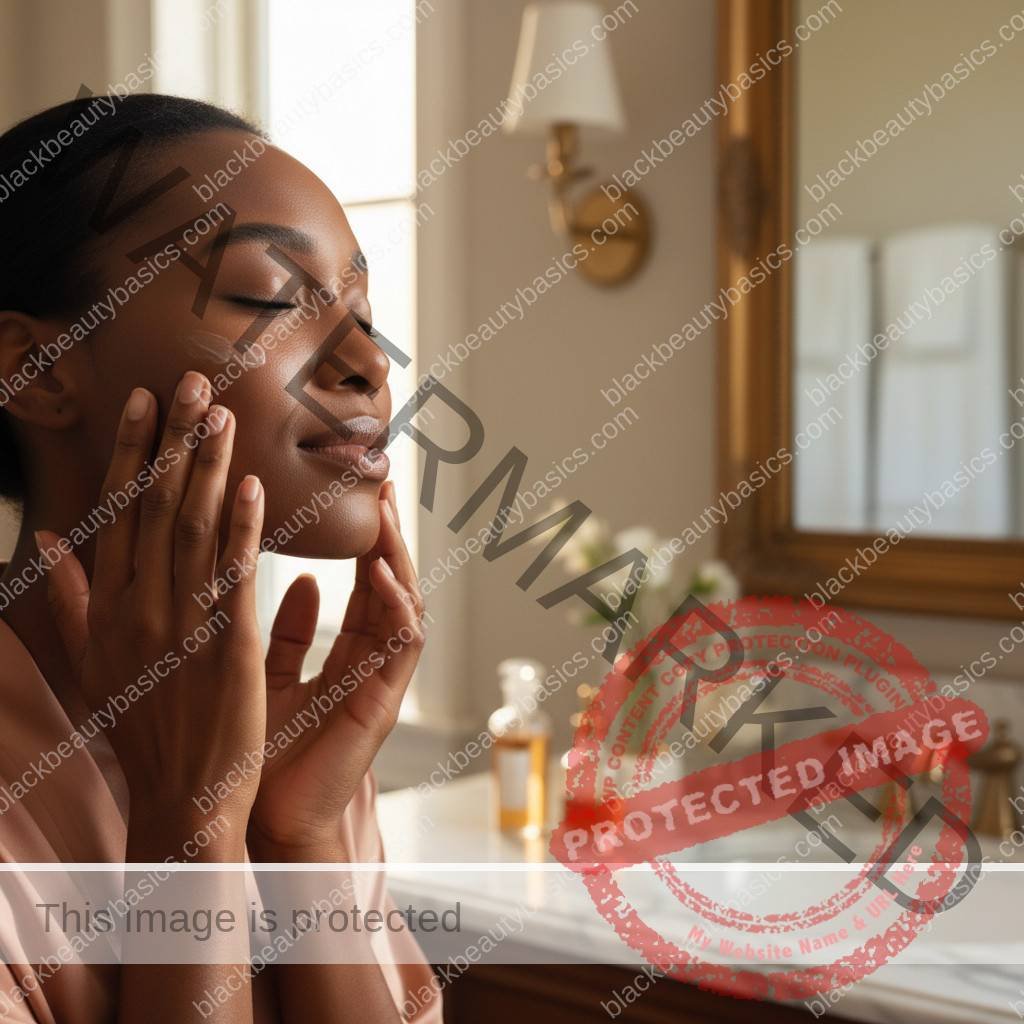
- Gentle Cleanse or Rinse: Upon waking, your skin likely doesn’t need a full cleanse, especially if you cleansed thoroughly the night before. A simple rinse with lukewarm water is often sufficient to refresh your skin without stripping it. If you feel the need for a cleanser, opt for an ultra-mild, hydrating formula. Look for cream, milk, or oil-based cleansers that don’t foam excessively and leave your skin feeling soft, not tight. Pat your skin gently with a clean, soft towel, leaving it slightly damp. To explore options, you can browse gentle cleansers for sensitive dark skin on Amazon.
- Hydrating Serum (Optional, but Recommended): If your skin is extremely dry or dehydrated, a simple hydrating serum containing ingredients like hyaluronic acid, glycerin, or polyglutamic acid can be beneficial. Apply it to slightly damp skin to help draw moisture in. Choose formulas free of fragrance, essential oils, and harsh alcohols.
- Moisturizer: This is a non-negotiable step. Apply a generous layer of a rich, emollient moisturizer designed to support the skin barrier. Look for ingredients like ceramides, fatty acids, cholesterol, squalane, shea butter, or colloidal oatmeal. These help to replenish the skin’s natural lipids and seal in moisture. Apply it while your skin is still slightly damp from rinsing or serum application to maximize absorption and lock in hydration. The texture should feel comforting and protective, not heavy or occlusive.
- Sun Protection Factor (SPF): Daily SPF is absolutely critical, especially when your barrier is compromised. Compromised skin is more vulnerable to UV damage, which can exacerbate inflammation and trigger or worsen hyperpigmentation. Choose a broad-spectrum sunscreen with an SPF of 30 or higher. Mineral sunscreens (zinc oxide, titanium dioxide) are often preferred for sensitive skin due to their gentle nature, but modern chemical formulations can also be suitable if they don’t cause irritation. Apply generously as the last step in your routine.
Evening Routine: Repair and Replenishment
Your evening routine is the prime time for your skin to focus on repair and regeneration. This is when you want to provide ample nourishment and support for the healing process.
- Gentle Cleanse: This step is essential to remove makeup, sunscreen, pollutants, and the day’s accumulation of oil and debris. Use the same ultra-mild, hydrating cleanser you might use in the morning. If you wear heavy makeup or a tenacious sunscreen, consider a double cleanse with a gentle oil or balm cleanser first, followed by your cream cleanser. The key is to cleanse thoroughly without stripping your skin.
- Hydrating Serum (Optional): Similar to the morning, a hydrating serum can provide an extra layer of moisture. This is especially beneficial if you sleep in a dry environment or your skin feels particularly parched.
- Barrier Repair Moisturizer/Cream: This is the star of your evening routine. Apply a substantial amount of a rich, restorative barrier cream. These creams are typically formulated with a higher concentration of barrier-supporting lipids and humectants to work overnight, aiding in the skin’s natural repair processes. Look for ingredients like ceramides, cholesterol, fatty acids, niacinamide, panthenol, and shea butter. The goal is to create a protective, healing environment for your skin as you sleep.
- Occlusive Layer (If Needed): For very dry, flaky, or compromised areas, you might consider adding a thin layer of a gentle occlusive balm (like petroleum jelly or a lanolin-based product) over your moisturizer. This creates a physical barrier that prevents transepidermal water loss (TEWL) and helps to seal in the beneficial ingredients from your moisturizer, providing an intensive healing environment. Apply sparingly to specific areas rather than your entire face unless your skin is extremely dry.
What to Do on Very Reactive Days
Some days, your skin might feel particularly sensitive, inflamed, or simply “off.” On these days, it’s crucial to listen to your skin and scale back even further. This is not a failure; it’s a wise response to your skin’s needs.
- Skip Cleansing: If your skin feels hot, tight, or stingy, skip the cleanser entirely. A cool water rinse might be all it needs.
- Minimal Products: Stick to just one or two products: a soothing moisturizer and, in the morning, sunscreen. Skip any serums or optional steps.
- Cool Compresses: A cool, damp cloth gently pressed against your skin can provide immediate relief from heat and irritation.
- Avoid Touching: Resist the urge to pick, rub, or constantly touch your face, as this can exacerbate irritation.
- Rest: Just like the rest of your body, your skin benefits from rest. Ensure you’re getting adequate sleep.
The essence of a barrier repair routine is fewer actives, not more. It’s about choosing comfort and consistency over a long, complex routine. Every product you introduce should serve a clear purpose: to cleanse gently, hydrate deeply, or protect effectively. If a product doesn’t contribute to these goals, it’s likely best paused for now. This approach fosters a sense of calm for your skin, allowing it the space and resources it needs to heal and regain its natural resilience.
How to Choose Products Without Overwhelming Your Skin
Selecting the right products for sensitive, melanin-rich skin during barrier repair is a nuanced process. It’s not just about avoiding irritants; it’s about choosing formulations that actively support healing, provide comfort, and respect the unique characteristics of darker skin tones. The goal is to nourish and protect without triggering further sensitivity or leaving an undesirable cosmetic finish.
Cleansers: The Foundation of Gentle Care
For compromised skin, your cleanser is perhaps the most critical step. It must remove impurities without stripping the skin of its natural lipids, which are vital for barrier function. Avoid anything that leaves your skin feeling “squeaky clean” or tight, as this indicates over-stripping.
- Texture Matters: Opt for creamy, milky, oil-based, or balm cleansers. These textures tend to be more emollient and less likely to disrupt the skin barrier. Foaming cleansers, especially those with harsh sulfates, can be too aggressive.
- Ingredient Focus: Look for cleansers with hydrating ingredients like glycerin, hyaluronic acid, ceramides, or colloidal oatmeal. Avoid strong exfoliants (AHAs, BHAs), harsh fragrances, essential oils, and drying alcohols.
- Application: Apply with lukewarm water, gently massaging onto the skin for about 30-60 seconds. Rinse thoroughly but gently, and pat dry with a soft towel, leaving a slight dampness.
When searching for a cleanser, consider what feels soothing and non-irritating. You can browse options for gentle cleansers for sensitive dark skin on Amazon to find suitable formulations.
Moisturizers: The Heart of Barrier Repair
Moisturizers are the cornerstone of a barrier repair routine. They replenish lost lipids, attract and seal in moisture, and provide a protective layer. The best choice depends on your skin’s current state, your climate, and your personal preference for texture and finish.
- Creams: Generally richer and thicker, creams are excellent for dry, very sensitive, or compromised skin. They often contain a higher oil-to-water ratio and are packed with barrier-supporting ingredients like ceramides, fatty acids, cholesterol, and shea butter. They provide a more occlusive layer, reducing transepidermal water loss (TEWL).
- Lotions: Lighter than creams, lotions are suitable for slightly less dry or combination sensitive skin, or for warmer, more humid climates. They have a higher water content, absorb quickly, and feel less heavy. Look for lotions with similar barrier-supporting ingredients, just in a lighter base.
- Balms: These are the heaviest and most occlusive, often anhydrous (water-free) or nearly so. Balms are ideal for intensely dry, flaky, or cracked areas, or for use as an overnight treatment to create a protective seal. They are excellent for targeted repair but might feel too heavy for full-face application for some.
- Lighter Moisturizers (Gels/Gel-creams): While generally not the first choice for severely compromised barriers, some gel-creams can work for oily but dehydrated sensitive skin, especially in very humid conditions. Ensure they still contain barrier-friendly ingredients and don’t rely solely on humectants without occlusives.
For melanin-rich skin, the cosmetic elegance of a moisturizer is important. It should absorb well without leaving a white cast or a greasy residue that feels uncomfortable. Many formulations are now designed to be cosmetically elegant while still being highly effective. You can explore moisturizers for dark skin women on Amazon, focusing on those that prioritize barrier support and a comfortable finish.
Ingredients to Prioritize
- Ceramides, Fatty Acids, Cholesterol: These are the building blocks of your skin barrier and are crucial for repair.
- Humectants: Glycerin, hyaluronic acid, urea, sodium PCA – these draw moisture into the skin.
- Emollients: Squalane, shea butter, plant oils (jojoba, sunflower) – these smooth and soften the skin.
- Soothing Agents: Niacinamide (vitamin B3), panthenol (vitamin B5), colloidal oatmeal, centella asiatica (cica) – these help calm inflammation and support healing.
Ingredients to Approach with Caution (or Avoid Temporarily)
- Fragrance and Essential Oils: These are common irritants and allergens, especially for sensitive skin. Opt for fragrance-free products.
- Harsh Alcohols: Denatured alcohol, isopropyl alcohol can be drying and irritating. Fatty alcohols (cetyl alcohol, stearyl alcohol) are generally fine and beneficial.
- Physical Scrubs: Abrasive particles can further damage a compromised barrier.
- Chemical Exfoliants (AHAs, BHAs): While beneficial for healthy skin, these should be paused during barrier repair.
- Retinoids: Potent actives like retinoids can be too irritating for a compromised barrier.
- Strong Surfactants: Found in some foaming cleansers, these can strip the skin.
When selecting products, pay attention to how your skin feels immediately after application and throughout the day. Comfort is key. If a product stings, burns, or makes your skin feel tighter, it’s not the right choice for your barrier repair journey. Trust your skin’s signals over marketing claims, and remember that consistency with a few gentle, effective products will yield better results than constantly switching or layering too many active ingredients.
What to Pause While Your Barrier Calms Down
When your skin barrier is compromised, it’s essentially in a state of distress. Continuing to use products or practices that exacerbate this distress will only prolong the healing process. Think of it as nursing a wound; you wouldn’t apply harsh chemicals or scrub it vigorously. Your skin barrier deserves the same gentle consideration. The following are common culprits that should be temporarily paused or significantly reduced while your skin calms down.
- Over-Exfoliation: This is arguably one of the most common causes of a compromised barrier. Whether through physical scrubs, harsh cleansing brushes, or strong chemical exfoliants (AHAs, BHAs, PHAs), excessive exfoliation strips away the protective outer layers of the skin, leaving it vulnerable. During barrier repair, all forms of exfoliation should be halted. Your skin needs to rebuild, not be constantly resurfaced. For a deeper dive into this topic, consider reading about repairing your barrier after over-exfoliation.
- Too Many Acids: Beyond exfoliation, many serums and toners contain various acids (e.g., Vitamin C in high concentrations, ferulic acid, azelaic acid). While beneficial for healthy skin, these can be too stimulating for a sensitive, compromised barrier. Simplify your routine to focus on hydration and soothing ingredients.
- Layering Retinoids and Exfoliants Aggressively: This combination is a recipe for disaster on any skin type, but particularly on sensitive or melanin-rich skin prone to PIH. Retinoids (retinol, tretinoin, etc.) already increase skin cell turnover and can cause initial irritation. Combining them with exfoliants creates a synergistic effect that can quickly lead to an over-exfoliated, compromised barrier. Pause all retinoids until your barrier is fully restored and stable.
- Harsh Cleansing Tools: Sonic cleansing brushes, abrasive sponges, or even washcloths used too vigorously can physically abrade the skin and disrupt its barrier. Stick to your fingertips and a gentle cleanser during this healing phase.
- Frequent Product Switching: The temptation to try a new product every time your skin acts up is understandable, but it’s detrimental to barrier repair. Constantly introducing new ingredients makes it impossible to identify what might be causing irritation and prevents your skin from adapting to a stable, supportive routine. Commit to a minimalist routine for at least 4-6 weeks to allow your skin to stabilize.
- “Tingling Means It Works” Thinking: This pervasive myth is particularly dangerous for sensitive skin. While some active ingredients might cause a mild sensation, a persistent tingling, burning, or stinging sensation is a clear sign of irritation, not efficacy. Your skin is telling you it’s unhappy. Immediately discontinue any product that causes discomfort beyond a very mild, fleeting sensation.
- Strong Spot Treatments: Acne spot treatments often contain high concentrations of ingredients like salicylic acid or benzoyl peroxide. While effective for breakouts, these can be very drying and irritating to the surrounding skin, further compromising the barrier. If you’re experiencing breakouts alongside a compromised barrier, focus on gentle, all-over soothing and barrier support first. Address acne once your barrier is more stable, using targeted, less irritating methods.
- Masks (Especially Clay or Peeling Masks): Many masks, particularly those designed for deep cleansing or exfoliation, can be too harsh for sensitive skin. Clay masks can be very drying, and peeling masks physically strip the skin. Focus on hydrating or soothing sheet masks if you must use one, but generally, it’s best to skip masks during this period.
The overarching principle here is to reduce overload. Your skin needs a break from anything that challenges its integrity. By pausing these potentially irritating practices and products, you create an optimal environment for your skin to heal, rebuild, and regain its natural strength and resilience.
Common Mistakes in Sensitive-Skin Barrier Routines
Even with the best intentions, it’s easy to fall into common pitfalls when trying to repair a sensitive skin barrier. Understanding these mistakes can help you navigate your journey more effectively and avoid unnecessary setbacks. For Black women, these errors can often lead to prolonged discomfort and increased risk of post-inflammatory hyperpigmentation.
- Doing Too Much at Once: The desire for quick results can lead to an impatient approach. Introducing too many new “gentle” products simultaneously, or trying to reintroduce actives too soon, can overwhelm an already fragile barrier. Skin healing takes time. Stick to a very simple routine for several weeks before considering any additions.
- Skipping Moisturizer Because Skin is Acne-Prone: This is a pervasive myth that harms many, especially those with melanin-rich skin. Even oily or acne-prone skin needs moisture. When you skip moisturizer, your skin can become dehydrated, leading to increased oil production (to compensate for dryness) and a compromised barrier, which ironically can worsen breakouts and inflammation. Choose a non-comedogenic, barrier-supporting moisturizer.
- Confusing Stinging with Progress: As mentioned earlier, the idea that “tingling means it’s working” is a dangerous misconception. Stinging, burning, or persistent itching are clear signals of irritation. Your skin is telling you to stop. Listen to it.
- Changing the Full Routine Every Week: In the quest for the “perfect” product, some individuals constantly swap out their entire routine. This prevents your skin from ever truly stabilizing. Give new products (or your simplified routine) at least 2-4 weeks to show their effects before making drastic changes. Consistency is key for barrier repair.
- Ignoring Sunscreen While Trying to Calm Inflammation: Sunscreen is not just for preventing sunburn; it’s a critical tool for healing. UV radiation can worsen inflammation, break down barrier lipids, and significantly increase the risk and severity of post-inflammatory hyperpigmentation on melanin-rich skin. Even indoors, or on cloudy days, a broad-spectrum SPF 30+ is non-negotiable. For more information on this vital step, consider our resource on sunscreen for dark skin.
- Using Products That Feel Cosmetically Elegant But Leave Skin Tight or Ashy Later: Some products might feel nice upon initial application but fail to provide lasting hydration and barrier support. For melanin-rich skin, this often manifests as ashiness or a feeling of tightness as the day progresses. Pay attention to how your skin feels hours after application. A good barrier-repair moisturizer should leave your skin feeling comfortable and supple throughout the day.
- Not Addressing Internal Factors: While skincare products are important, internal factors like stress, diet, sleep, and hydration significantly impact skin health. Chronic stress, for example, can trigger inflammatory responses that undermine barrier function. Neglecting these broader wellness aspects can hinder your skin’s healing process.
- Over-Cleansing: Even with a gentle cleanser, washing your face too frequently (more than twice a day, or more than once if your skin is very dry/sensitive) can strip the skin. Stick to a morning rinse and an evening cleanse.
By being mindful of these common mistakes, you can approach your barrier repair journey with greater clarity and effectiveness, paving the way for healthier, more comfortable skin.
When Sensitivity, Acne, and Dark Marks Overlap
For many Black women, skin concerns are rarely isolated. It’s common to navigate the complexities of sensitive skin simultaneously with breakouts (acne) and the persistent challenge of post-inflammatory hyperpigmentation (PIH) or dark marks. This trifecta can feel overwhelming, as treatments for one issue might seem to exacerbate another. Reassure yourself that you do not need to choose between acne support and barrier support forever; the routine may need phases, and a strategic approach is key.
When your skin barrier is compromised and you’re also dealing with active breakouts, the priority must always be to heal the barrier first. Think of it this way: a damaged barrier makes your skin more vulnerable to everything – including the bacteria that cause acne, and the inflammation that leads to dark spots. Trying to aggressively treat acne on a compromised barrier often leads to more irritation, more inflammation, and ultimately, more PIH.
Here’s how to navigate this delicate balance:
- Phase 1: Barrier First. For the initial 4-6 weeks (or longer, depending on your skin’s response), your routine should be entirely focused on barrier repair. This means gentle cleansing, rich moisturizing, and consistent SPF. All active acne treatments (salicylic acid, benzoyl peroxide, retinoids) should be paused. This allows your skin to calm down, reduce inflammation, and rebuild its protective shield. You might find that some breakouts naturally subside as your skin becomes healthier and less inflamed.
- Gentle Acne Support During Barrier Repair: If acne is severe and causing significant distress, consult with a dermatologist. They might recommend very gentle, non-irritating options that can be used alongside barrier repair, or suggest a phased approach under their guidance. For mild breakouts, focusing on overall skin health, reducing inflammation, and using non-comedogenic barrier-repair products can often make a significant difference.
- Addressing Hyperpigmentation: While your barrier is compromised, any treatment for dark marks should also be paused. Many common hyperpigmentation treatments (e.g., strong Vitamin C serums, hydroquinone, alpha arbutin, kojic acid) can be irritating to sensitive skin. The most crucial step for preventing new dark marks during this phase is diligent sunscreen use, as UV exposure darkens existing marks and triggers new ones. Once your barrier is stable, you can gradually reintroduce gentle hyperpigmentation treatments.
- Strategic Reintroduction of Actives: Once your skin feels calm, hydrated, and resilient (no stinging, burning, or excessive dryness), you can slowly begin to reintroduce acne or hyperpigmentation treatments.
- Start Low, Go Slow: Introduce one active product at a time, starting with the lowest possible concentration and using it infrequently (e.g., 2-3 times a week).
- Listen to Your Skin: If any irritation occurs, scale back immediately. Your skin’s comfort is paramount.
- Prioritize: If you have both acne and dark marks, decide which concern is most pressing. Often, addressing active acne first creates a smoother canvas for treating residual hyperpigmentation.
Remember, a healthy skin barrier is the foundation for managing all other skin concerns. By prioritizing its repair, you create a more resilient and receptive canvas for future treatments. For more detailed guidance on managing these interconnected concerns, we encourage you to explore our articles on acne and sensitive skin in Black women and hyperpigmentation and dark spots.
How to Navigate This Topic
Understanding the nuances of skin barrier health is a journey, not a destination. This article, “Barrier Repair Routine for Sensitive Dark Skin,” is a foundational piece within our larger Barrier Repair & Moisture Balance cluster. It provides a practical, step-by-step guide for immediate action when your skin feels reactive and compromised. But the topic of barrier health is broad, encompassing various factors and specific concerns that you might encounter.
To help you continue your learning and tailor your approach, here’s how to navigate this topic and what to explore next, depending on your specific needs:
- If you’re unsure if your barrier is truly compromised: Start by understanding the signs. Our article on Signs of a Damaged Barrier on Melanin-Rich Skin will help you identify key indicators specific to darker skin tones, moving beyond the common, often red-centric, descriptions.
- If your skin is oily but still feels tight or dehydrated: This is a common and often misunderstood scenario. Explore our guide on Moisture Balance for Oily But Dehydrated Dark Skin to learn how to hydrate without increasing oiliness or breakouts.
- If you’re struggling with product choices and textures: The feel and finish of products are crucial for comfort and consistency. Our article on Choosing Moisturizer Textures for Melanin-Rich Skin offers detailed advice on selecting cleansers, creams, lotions, and balms that truly work for you.
- If you’ve recently overdone it with active ingredients: Many of us have been there. Our dedicated piece on Repairing Your Barrier After Over-Exfoliation provides specific steps to recover from aggressive treatments.
- If you want to understand external influences on your skin: Environmental factors play a significant role in barrier health. Delve into Environmental Factors and Skin Barrier for Dark Skin to learn how climate, pollution, and lifestyle impact your skin.
- If you’re concerned about how barrier health affects dark spots: The connection between a healthy barrier and the prevention of hyperpigmentation is profound. Read about the Impact of Barrier Health on Hyperpigmentation to understand this vital link.
All these resources are part of our broader mission to provide culturally authentic, education-first beauty content that centers Black women as the default, not the afterthought, within the overarching topic of Skincare for Black Women. We encourage you to explore these articles to build a holistic understanding of your skin and empower your journey to lasting skin health.
Quick Principles for Sensitive Barrier Repair
Navigating sensitive skin and barrier repair can feel complex, but at its heart, it comes down to a few core principles. These are not rigid rules, but gentle reminders to guide your approach, fostering patience and self-compassion for your skin.
- Calm Comes Before Correction: Before you can effectively address concerns like acne or hyperpigmentation, your skin needs to be calm and stable. Prioritize soothing inflammation and rebuilding the barrier above all else.
- A Short Routine Can Still Be a Complete Routine: Don’t mistake a minimalist routine for an incomplete one. When your barrier is compromised, fewer, carefully chosen products are often more effective than a lengthy regimen of actives.
- Dark Skin Can Be Irritated Without Looking Red: Always remember that irritation on melanin-rich skin may manifest as deeper discoloration, ashiness, roughness, or subjective sensations like stinging or burning, rather than overt redness. Trust your feelings and observations.
- Moisture and Comfort Matter Even If You Are Acne-Prone: Dehydrated skin can worsen acne and compromise the barrier. Choose non-comedogenic, barrier-supporting moisturizers that provide lasting comfort without feeling heavy.
- SPF Protects Healing Skin From Extra Discoloration: Sunscreen is your most powerful tool against post-inflammatory hyperpigmentation, especially when your skin is vulnerable. Make it non-negotiable, every single day.
- Consistency Beats Intensity: Gentle, consistent care over time will yield far better results for barrier repair than aggressive, infrequent treatments. Patience is your ally.
- Listen to Your Skin: Your skin is constantly communicating with you. Pay attention to how it feels and responds to products. If something causes discomfort, pause it.
Frequently Asked Questions
How simple should a barrier repair routine be?
A barrier repair routine should be as simple as possible, ideally consisting of just 3-4 essential steps: a gentle cleanser, a nourishing moisturizer, and a broad-spectrum SPF in the morning. On very reactive days, you might even scale back to just rinsing with water and applying moisturizer.
Do I need to stop all my actives?
Yes, it is generally recommended to pause all active ingredients such as retinoids, AHAs, BHAs, and high-concentration Vitamin C serums when your barrier is compromised. These ingredients, while beneficial for healthy skin, can further irritate and delay the healing of a sensitive barrier.
Can oily skin still need barrier repair?
Absolutely. Oily skin can also suffer from a compromised barrier, often leading to dehydration, increased sensitivity, and even more breakouts. The key is to choose lightweight, non-comedogenic barrier-repair products that hydrate without feeling heavy or greasy.
Why does my skin sting even with basic products?
If your skin stings even with basic, supposedly gentle products, it’s a strong indicator that your skin barrier is severely compromised. This means irritants are penetrating more easily, and your skin’s protective function is significantly impaired. Focus on the most bland, fragrance-free, and hypoallergenic formulations, and consider consulting a dermatologist.
Should I moisturize if I break out easily?
Yes, moisturizing is crucial even for acne-prone skin. Skipping moisturizer can lead to dehydration, which can trigger your skin to produce more oil and exacerbate breakouts. Choose a non-comedogenic, barrier-supporting moisturizer that won’t clog pores.
Do Black women with dark skin really need SPF during barrier repair?
Yes, absolutely. SPF is critical for Black women, especially during barrier repair. A compromised barrier is more vulnerable to UV damage, which can worsen inflammation and significantly increase the risk and severity of post-inflammatory hyperpigmentation (dark spots).
When should I see a dermatologist?
You should consider seeing a dermatologist if your skin sensitivity persists despite a consistent barrier-repair routine, if you experience severe discomfort, widespread inflammation, or if you suspect an underlying skin condition like eczema or rosacea. A professional can provide a diagnosis and tailored treatment plan.
Final Thoughts
Embracing a barrier repair routine is an act of profound self-care for your sensitive, melanin-rich skin. It’s a journey that requires patience, consistency, and a willingness to listen to your skin’s unique needs. Remember, needing a reset is not a personal failure; it’s a natural part of your skin’s dynamic health, a signal that it’s time to nurture and rebuild.
Move gently, trust the process, and celebrate every small step towards comfort and resilience. Your skin has an incredible capacity to heal when given the right support. By prioritizing its barrier, you’re not just addressing current concerns; you’re investing in its long-term health and vitality.
As you continue on this path, remember that Black Beauty Basics is here to support you with culturally relevant, science-backed guidance. We encourage you to delve deeper into our Barrier Repair & Moisture Balance cluster and the broader resources within Skincare for Black Women, empowering you to cultivate a relationship with your skin that is rooted in understanding, respect, and deep feminine confidence.
INTERNAL LINKING OPPORTUNITIES:
https://blackbeautybasics.com/skincare-for-black-women/barrier-repair-and-moisture-balance/
https://blackbeautybasics.com/skincare-for-black-women/
https://www.amazon.com/s?k=gentle+cleanser+sensitive+dark+skin&tag=jamiesondon04-20
https://www.amazon.com/s?k=moisturizer+dark+skin+women&tag=jamiesondon04-20
https://blackbeautybasics.com/skincare-for-black-women/barrier-repair-and-moisture-balance/repairing-your-barrier-after-over-exfoliation/
https://blackbeautybasics.com/sunscreen-for-dark-skin/
https://blackbeautybasics.com/acne-and-sensitive-skin-in-Black-women/
https://blackbeautybasics.com/hyperpigmentation-and-dark-spots/
https://blackbeautybasics.com/skincare-for-black-women/barrier-repair-and-moisture-balance/signs-of-a-damaged-barrier-on-melanin-rich-skin/
https://blackbeautybasics.com/skincare-for-black-women/barrier-repair-and-moisture-balance/moisture-balance-for-oily-but-dehydrated-dark-skin/
https://blackbeautybasics.com/skincare-for-black-women/barrier-repair-and-moisture-balance/choosing-moisturizer-textures-for-melanin-rich-skin/
https://blackbeautybasics.com/skincare-for-black-women/barrier-repair-and-moisture-balance/environmental-factors-and-skin-barrier-for-dark-skin/
https://blackbeautybasics.com/skincare-for-black-women/barrier-repair-and-moisture-balance/impact-of-barrier-health-on-hyperpigmentation/
Related next steps
Related posts:
 Gentle Cleansing for Dark, Sensitive Skin: A Barrier-First Guide
 The Melanin Guide to Barrier Repair: How to Heal and Strengthen Your Skin’s Protective Shield
 Postpartum Skin Reset: Pigmentation, Acne, and Barrier Repair on Melanin-Rich Skin
 Moisturizers for Black Women: Barrier Repair vs Lightweight Hydration
 Signs of a Damaged Skin Barrier on Melanin-Rich Skin: A Guide for Black Women
 Gentle but Thorough Makeup Removal on Dark, Sensitive Skin