For Black women, the journey to finding the perfect moisturizer can often feel like navigating a maze built for someone else. You’ve likely experienced it: that moisturizer that promised hydration but left your skin feeling tight and chalky, or the one that claimed to be “lightweight” but transformed your beautiful melanin-rich complexion into an oil slick by midday. Perhaps you’ve tried a rich cream only to find it pilled under your makeup, or a gel that evaporated before it could truly comfort your skin. It’s frustrating when a product either disappears into nothing, offering no lasting relief, or sits on the skin without truly integrating, leaving you feeling uncomfortable and self-conscious.
This common dilemma stems from a beauty industry that, for too long, has not centered the unique needs of melanin-rich skin. Generic advice often fails to account for the specific ways our skin behaves, how irritation or dehydration can manifest on darker tones, or the nuances of managing both shine and ashiness simultaneously. The “right” moisturizer texture for Black skin isn’t just about your perceived skin type; it’s a dynamic interplay of climate, your skin barrier’s current health, your daily routine, and your personal comfort. Understanding these factors is key to achieving that coveted glow without compromise.
At Black Beauty Basics, we believe in empowering you with knowledge that respects your unique skin. We understand that your skin’s needs are complex and deserve a nuanced approach. This article is designed to demystify moisturizer textures, helping you move beyond marketing buzzwords to truly understand what your skin needs to feel balanced, comfortable, and radiant. By the end, you’ll be equipped to choose textures that support your skin barrier, maintain optimal moisture levels, and enhance your natural beauty, ensuring your skin feels nourished, not neglected. This journey towards informed choices is a vital part of building a strong barrier repair and moisture balance foundation, a cornerstone of healthy, resilient skin for Black women. Our broader mission at Skincare for Black Women is to provide you with the education to make these informed decisions confidently.
What This Post Covers
In this comprehensive guide, we’ll delve deep into the world of moisturizer textures, specifically tailored for the needs of melanin-rich skin. We aim to equip you with the knowledge to make informed choices that truly benefit your complexion, moving beyond trial and error.
- We’ll explore what different moisturizer textures actually mean in terms of formulation and how they interact with your skin.
- You’ll learn how to intelligently choose between gels, gel-creams, lotions, creams, and balms, understanding their unique benefits and drawbacks.
- We’ll discuss how external factors like climate and your skin’s current condition should influence your texture selection.
- We’ll provide specific guidance on how to think about moisturizer textures for oily, dry, sensitive, or dehydrated dark skin, acknowledging that these states are not always mutually exclusive.
- You’ll discover how to avoid picking textures based solely on marketing words or popular trends, instead focusing on what truly serves your skin’s health and comfort.
- We’ll also address common mistakes and provide practical tips for layering and adapting your moisturizers to your lifestyle.
Why Texture Matters on Melanin-Rich Skin
The texture of your moisturizer is far more than a superficial preference; it’s a critical factor that dictates everything from your skin’s comfort throughout the day to the long-term health of your skin barrier. For melanin-rich skin, this becomes even more pronounced due to its unique physiological characteristics and common concerns.
Firstly, moisturizer texture profoundly affects comfort. A formula that is too heavy can feel suffocating, leading to excess shine, clogged pores, or a greasy residue that is particularly noticeable on darker complexions. Conversely, a texture that is too light might leave your skin feeling parched, tight, or “ashy” shortly after application, negating the very purpose of moisturizing. This immediate sensory experience is crucial because it directly impacts your consistency in using the product. If a moisturizer doesn’t feel good, you’re less likely to use it regularly, undermining its potential benefits.
Secondly, texture influences how consistently a product can be applied and how well it layers with other skincare steps or makeup. A moisturizer that pills or creates a patchy surface can disrupt your entire routine, making it difficult to apply serums, sunscreen, or foundation smoothly. For Black women, who often seek a flawless, even-toned finish, this can be a significant deterrent. The right texture integrates seamlessly, allowing other products to perform optimally without compromise.
Melanin-rich skin often presents a unique paradox: it can experience both visible shine and underlying ashiness, or be simultaneously oily and dehydrated. This complex behavior means that a one-size-fits-all approach to moisturizer texture is rarely effective. A texture that addresses oiliness might exacerbate dehydration, and vice-versa. The choice of texture allows for a targeted approach, balancing these often conflicting needs. For instance, an oily but dehydrated complexion might thrive with a lightweight gel-cream that provides hydration without adding excess oil, while a truly dry skin type might need the richer emollients of a cream or balm.
Furthermore, an inappropriate moisturizer texture can contribute to skin irritation, especially if it leads to over-washing to combat greasiness, or under-moisturizing in an attempt to control oil. This imbalance can compromise the skin barrier, making it more vulnerable to external aggressors. When the barrier is weakened, melanin-rich skin is particularly susceptible to inflammation and post-inflammatory hyperpigmentation (PIH), where even minor irritation can leave behind stubborn dark marks. The right texture supports barrier integrity, reducing the risk of such complications and promoting overall skin resilience. It’s about finding that sweet spot where your skin feels nourished, protected, and comfortable, without triggering any adverse reactions that could lead to discoloration or discomfort.
Understanding the Main Moisturizer Texture Types
Navigating the world of moisturizers can feel overwhelming, with countless options and often confusing terminology. Understanding the fundamental differences in texture types is the first step to making informed choices for your melanin-rich skin. Each texture offers a unique blend of hydration, occlusion, and emollience, designed to address specific skin needs and preferences.
Gels
Gel moisturizers are characterized by their lightweight, often translucent, water-based formulations. They typically have a refreshing, almost watery feel upon application, absorbing quickly into the skin without leaving a heavy residue. The primary components of gels are humectants like hyaluronic acid, glycerin, and sometimes aloe vera, which draw moisture from the air into the skin. They are usually oil-free or contain minimal oil, making them non-comedogenic and ideal for those who prefer a barely-there feel.
Who might like it: Gels are often a go-to for individuals with oily, combination, or acne-prone skin, especially in humid climates. Their ability to hydrate without adding extra oil makes them excellent for managing shine while still providing essential moisture. They are also a good choice for those who dislike the feeling of anything heavy on their skin or who layer multiple products and need a base that won’t pill or feel suffocating. For melanin-rich skin that is prone to excess oil production but still needs hydration, a gel can be a refreshing and effective option. They can also be beneficial for those experiencing temporary dehydration without underlying dryness.
When it may not be enough or may feel too heavy: While excellent for hydration, gels typically offer minimal occlusive properties, meaning they don’t form a strong barrier to prevent transepidermal water loss (TEWL). For truly dry skin types, or in very dry, arid climates, a gel alone may not provide sufficient moisture retention, leading to a feeling of tightness or continued dryness. If your skin barrier is compromised or you experience significant flakiness, a gel might not offer the necessary emollience to soothe and repair. In some cases, if a gel contains a high concentration of certain humectants without enough occlusives to seal them in, it can paradoxically draw moisture out of the skin in extremely dry environments, making skin feel drier. For those seeking more substantial nourishment or a richer, more comforting feel, a gel might feel too insubstantial.
Gel-creams
Gel-creams represent a hybrid texture, blending the lightness and rapid absorption of a gel with the nourishing qualities of a cream. They are typically lighter than traditional creams but more substantive than pure gels. They often have a slightly opaque, milky appearance and a smooth, silky feel. Formulated with a higher water content than creams, they still incorporate a small amount of oils or emollients, along with humectants, to provide both hydration and a degree of moisture retention. This balance allows them to deliver comfort without heaviness, often leaving a soft, dewy finish.
Who might like it: Gel-creams are incredibly versatile and often an excellent choice for a wide range of melanin-rich skin types. They are particularly well-suited for combination skin, normal skin, or oily skin that also experiences dehydration. The texture offers enough emollience to prevent dryness and maintain barrier function, but without the occlusive weight that can trigger breakouts or excessive shine. In warmer, more humid climates, they can provide ample moisture without feeling sticky or heavy. They are also a great option for those who want a comfortable daytime moisturizer that layers well under sunscreen and makeup, offering a balanced feel that is neither too matte nor too greasy. For those with melanin-rich skin who find gels too light but creams too heavy, gel-creams often hit the perfect sweet spot, providing a healthy glow without an oily appearance.
When it may not be enough or may feel too heavy: While versatile, gel-creams may not provide sufficient nourishment for very dry, flaky, or severely compromised skin, especially in harsh, cold, or arid environments. In such conditions, the minimal oil content might not be enough to adequately seal in moisture and repair a damaged barrier. Similarly, for skin experiencing extreme ashiness or a significant lack of lipids, a gel-cream might not offer the rich, comforting feel and protective layer needed. On the other hand, for individuals with extremely oily skin, even the small amount of emollients in a gel-cream might feel slightly too rich, potentially contributing to excess shine, particularly if they prefer a completely matte finish. The key is to observe how your skin responds; if you still feel tight or dry, or conversely, too shiny, after using a gel-cream, it might be time to adjust your texture choice.
Lotions
Lotions are typically lighter than creams but richer than gel-creams, characterized by their fluid, milky consistency. They are emulsions of oil and water, with a higher water content than creams, making them spread easily and absorb relatively quickly. Lotions contain a balanced blend of humectants, emollients (like fatty acids and ceramides), and sometimes a small amount of occlusives. This composition allows them to provide both hydration and a noticeable level of moisture retention, leaving the skin feeling soft and supple without a heavy or greasy film. They often come in pump bottles due to their pourable nature.
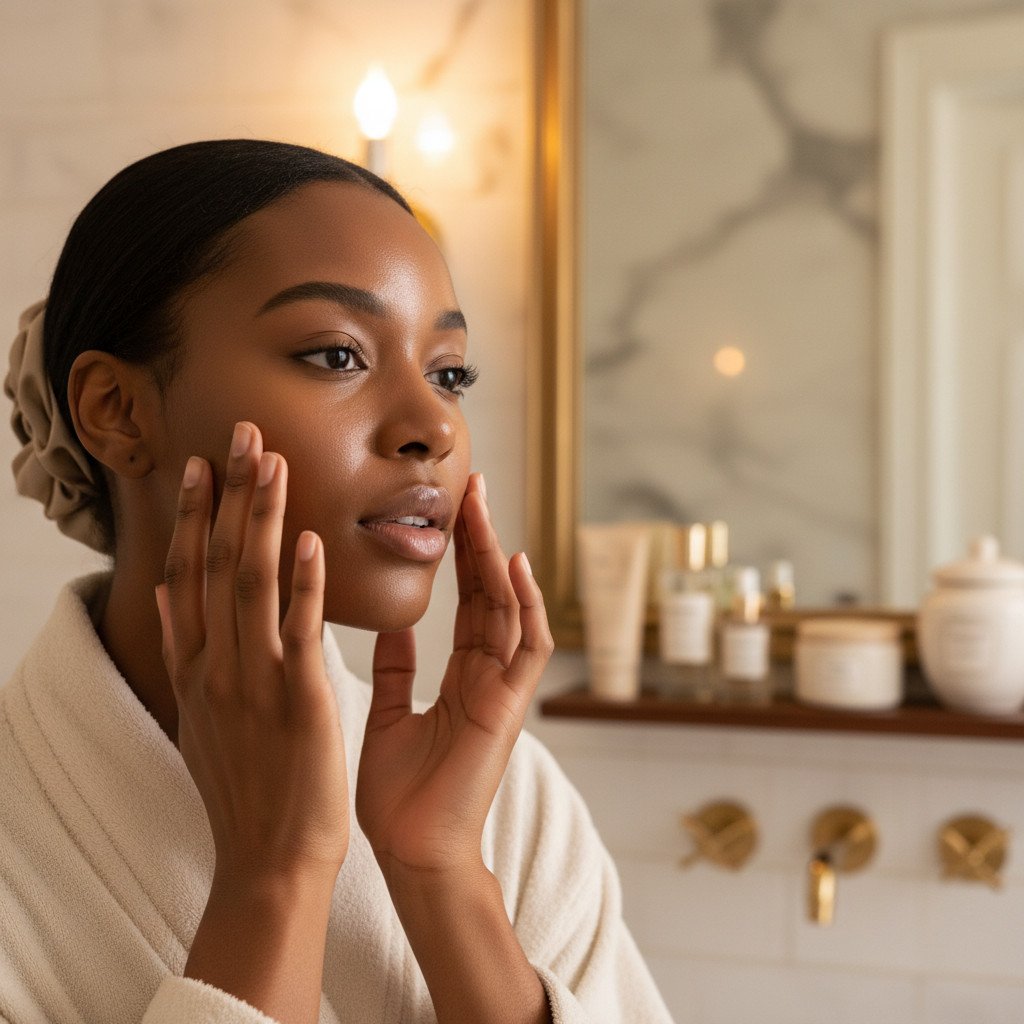
Who might like it: Lotions are an excellent all-rounder for normal, combination, or slightly dry melanin-rich skin. They offer a comfortable level of moisture for daily use, providing adequate hydration and barrier support without feeling heavy. They are particularly well-suited for moderate climates or as a daytime moisturizer when you need a bit more nourishment than a gel-cream but don’t want the richness of a full cream. For those who experience occasional dryness or mild ashiness but are prone to congestion with heavier textures, a lotion can be a perfect compromise. They layer well and often provide a natural, healthy finish. If your skin needs consistent, reliable moisture without feeling suffocated, exploring a fragrance-free lotion for sensitive dark skin on Amazon can be a great starting point.
When it may not be enough or may feel too heavy: While versatile, lotions may fall short for very dry, severely compromised, or mature melanin-rich skin, especially in harsh, cold, or extremely low-humidity environments. In these conditions, the occlusive and emollient properties of a lotion might not be robust enough to prevent significant transepidermal water loss and provide lasting comfort, potentially leading to persistent dryness or flakiness. Similarly, for skin that is experiencing significant barrier damage, a lotion might not offer the intensive repair and protection needed. On the other end of the spectrum, for very oily skin types or in extremely hot and humid climates, a lotion might still feel a bit too rich, contributing to excess shine or a slightly occlusive sensation. It’s about finding the balance; if your skin consistently feels tight or still looks dull after using a lotion, or if it feels overly shiny, it might be time to adjust to a different texture.
Creams
Creams are richer and thicker than lotions, characterized by their opaque, often viscous consistency. They are emulsions with a higher oil-to-water ratio, making them more emollient and occlusive. Creams are formulated to provide intensive hydration, significant moisture retention, and substantial barrier support. They typically contain a robust blend of humectants, emollients (like ceramides, fatty acids, and cholesterol), and occlusives (such as petrolatum, mineral oil, or shea butter). Upon application, creams tend to leave a noticeable, comforting layer on the skin, which can range from a dewy finish to a more protective, almost balmy feel.
Who might like it: Creams are ideal for dry, very dry, mature, or compromised melanin-rich skin. They are particularly beneficial in cold, dry climates or during winter months when the skin is more prone to dehydration and barrier disruption. The rich texture provides deep nourishment, helps to replenish lost lipids, and creates a protective barrier that significantly reduces transepidermal water loss, combating ashiness and flakiness effectively. For skin that feels consistently tight, rough, or lacks suppleness, a cream can offer profound relief and restore comfort. They are also excellent for nighttime use, allowing the skin to deeply repair and regenerate while you sleep. For those seeking to address persistent dryness or support a ceramide cream for dark skin women can be a powerful ally.
When it may not be enough or may feel too heavy: While highly effective for dry skin, creams can feel too heavy or occlusive for oily, combination, or acne-prone melanin-rich skin, especially in warm or humid climates. The higher oil content can contribute to excessive shine, clogged pores, or a greasy sensation that many find uncomfortable. For those who prefer a lightweight feel or who layer multiple products, a cream might feel suffocating or lead to pilling. Even for normal skin, a cream might be too much for daytime use, particularly if it interferes with makeup application or creates an overly dewy look. If your skin feels smothered, looks excessively shiny, or experiences new breakouts after using a cream, it’s a clear sign that a lighter texture might be more appropriate. It’s important to remember that “richer” doesn’t always equate to “better” for all skin types or situations; the goal is always balance and comfort.
Balms and Occlusive Textures
Balms and other highly occlusive textures represent the richest and most protective category of moisturizers. They are typically anhydrous (water-free) or contain very little water, composed primarily of waxes, oils, and heavy occlusives like petrolatum, lanolin, or shea butter. These textures are dense, thick, and often have a semi-solid to solid consistency at room temperature. They create a substantial, almost impenetrable barrier on the skin’s surface, effectively sealing in moisture and protecting the skin from environmental aggressors. Balms are designed for intense repair and protection, providing maximum occlusion and emollience.
Who might like it: Balms are indispensable for extremely dry, chapped, severely compromised, or irritated melanin-rich skin. They are a lifesaver in very harsh, cold, or windy climates, offering unparalleled protection against moisture loss and environmental damage. Individuals undergoing dermatological treatments that severely dry out the skin, or those experiencing conditions like eczema or extreme flakiness, will find immense relief and healing properties in balms. They are also excellent for targeted use on specific areas like lips, cuticles, elbows, or knees that are prone to extreme dryness and ashiness. For nighttime use, a balm can provide an intensive “slugging” effect, allowing the skin to repair and deeply moisturize overnight. Their ability to form a strong protective layer makes them crucial for supporting the skin’s natural healing processes when the barrier is severely damaged.
When it may not be enough or may feel too heavy: Balms are generally too heavy and occlusive for daily, all-over use on normal, oily, combination, or even moderately dry skin, especially in warm or humid climates. Their thick consistency can feel suffocating, lead to excessive shine, and potentially clog pores for those prone to breakouts. For many, the sensation of a balm on the entire face during the day is simply too much, interfering with makeup application and creating an uncomfortable, greasy feeling. While incredibly effective for specific needs, using a balm when a lighter texture would suffice can lead to an over-occluded feeling, where the skin doesn’t feel like it can “breathe.” It’s important to reserve these highly specialized textures for when your skin genuinely needs intensive protection and repair, rather than as a general daily moisturizer. Their strength lies in their targeted, protective power, not in their universal applicability.
How to Match Texture to What Your Skin Is Doing Right Now
Understanding the difference between your inherent skin type and your current skin condition is paramount when choosing a moisturizer texture. Your skin type (oily, dry, combination, normal) is largely genetic and relatively stable, but your skin’s condition is dynamic, influenced by internal and external factors, and can change daily, seasonally, or even hourly. For melanin-rich skin, which can exhibit a range of behaviors from persistent oiliness to profound ashiness, this distinction is especially critical. The moisturizer texture that serves you best should always be responsive to what your skin is “telling” you in the moment, rather than rigidly adhering to a single product.
Consider how your needs shift: you might need a lighter texture in the humid summer months and a richer one during the dry winter. Similarly, during periods of stress, illness, or after certain skincare treatments, your skin barrier might be compromised, necessitating a more protective texture, even if your baseline skin type is oily. When your skin feels stable and healthy, you might revert to a lighter, more maintenance-oriented formula. This adaptive approach ensures your skin receives precisely what it needs to maintain comfort and health, preventing common issues like dehydration, irritation, or breakouts that arise from a texture mismatch.
Oily but Dehydrated Skin
This is a common and often misunderstood condition in melanin-rich skin. Oily skin produces excess sebum, leading to shine, but dehydration means it lacks water, not oil. This can manifest as tightness, dullness, or even increased oil production as the skin tries to compensate for the lack of water. For this skin behavior, a lightweight, water-based texture is key. Look for gel or gel-cream formulations rich in humectants like hyaluronic acid, glycerin, and urea. These textures provide ample hydration without adding extra oil or feeling heavy. They absorb quickly, leaving a fresh, comfortable finish. Avoid heavy creams or balms, which can exacerbate oiliness and potentially lead to clogged pores. The goal is to quench the skin’s thirst for water while respecting its natural oil production. A good gel-cream will often feel refreshing and provide a subtle, healthy glow without looking greasy.
Dry or Ashy Skin
Truly dry skin lacks both oil and water, often feeling tight, rough, and appearing flaky or ashy. This condition requires textures that are rich in emollients and occlusives to replenish lipids and prevent transepidermal water loss. Creams are typically the go-to for dry skin, providing a substantial barrier and deep nourishment. Look for creams containing ceramides, fatty acids, cholesterol, and ingredients like shea butter or squalane. In very dry climates or during colder months, or for severely ashy areas, a balm or a very rich cream might be necessary, especially for evening use. These textures will feel comforting and protective, leaving a soft, supple finish. The key is to provide a lasting layer of moisture that prevents the skin from feeling stripped or tight throughout the day. For those with persistent dryness, a rich cream can be a game-changer, transforming dull, ashy skin into a radiant, smooth complexion.
Combination Skin
Combination skin presents a challenge with both oily and dry areas (e.g., an oily T-zone and drier cheeks). This skin type often benefits from a versatile texture like a gel-cream or a lighter lotion. These textures offer a balanced approach, providing enough hydration for drier areas without overwhelming the oilier zones. You might also consider a multi-textural approach: a lighter gel or gel-cream for the T-zone and a slightly richer lotion or cream for the drier cheeks. The goal is to find a texture that can adapt to the varying needs across your face without causing discomfort in any area. A well-chosen gel-cream can often manage both zones effectively, providing a comfortable, balanced feel. Alternatively, you might use a lotion all over and lightly layer a more occlusive product on particularly dry patches if needed.
Sensitive or Irritated Skin
Sensitive skin, regardless of its oiliness or dryness, requires gentle, soothing textures that support barrier repair without causing further irritation. For sensitive skin, the focus is less on the richness or lightness and more on the formulation’s purity and skin-calming ingredients. Lotions and creams are often preferred, as they provide a protective layer. Look for fragrance-free, dye-free, and essential oil-free formulas. Ingredients like ceramides, colloidal oatmeal, centella asiatica, and niacinamide are excellent for soothing and strengthening the barrier. The texture should feel comforting and non-stinging upon application. If your skin is acutely irritated or experiencing a flare-up, a rich, bland balm can be incredibly soothing and protective, helping to create an optimal healing environment. The key is to choose a texture that feels gentle and provides a cushion of comfort, allowing the skin to recover without being overwhelmed by potentially irritating ingredients or textures that cause friction.
Acne-Prone Skin That Still Needs Moisture
Acne-prone melanin-rich skin often gets mistakenly told to skip moisturizer, but this can worsen breakouts and lead to post-inflammatory hyperpigmentation. Acne-prone skin still needs moisture to maintain a healthy barrier and prevent irritation from acne treatments. The key is to choose non-comedogenic (non-pore-clogging) textures. Gels and gel-creams are often ideal as they provide hydration without adding excess oil. Look for formulations labeled “oil-free” or “non-comedogenic.” These textures absorb quickly and don’t leave a heavy film that could trap bacteria or exacerbate congestion. Even if you’re using drying acne treatments, a lightweight, hydrating moisturizer is essential to prevent excessive dryness and irritation, which can ironically trigger more breakouts. The right texture will feel light, fresh, and allow your skin to breathe while still providing necessary hydration. Browse a variety of gel moisturizers for dark skin women to find one that suits your needs.
Climate, Routine, and Finish Preferences Matter Too
Beyond your skin’s inherent type and current condition, the external environment, your daily skincare routine, and your desired aesthetic finish all play significant roles in determining the optimal moisturizer texture for your melanin-rich skin. These factors are often overlooked but are crucial for ensuring comfort, efficacy, and consistent use.

Climate’s Influence on Texture Choice
The climate you live in, or even travel to, dramatically impacts your skin’s hydration needs. In hot and humid climates, your skin naturally retains more moisture from the air, and sweat production is higher. Here, heavy creams or balms can feel suffocating, greasy, and lead to clogged pores or excessive shine. Lighter textures like gels or gel-creams are often preferred, as they provide necessary hydration without adding extra weight or occlusivity. They absorb quickly and feel refreshing, allowing your skin to breathe. Conversely, in cold, dry, or arid climates, the air actively pulls moisture from your skin, leading to increased transepidermal water loss (TEWL) and a higher risk of dryness, flakiness, and ashiness. In these conditions, richer textures like creams or even balms become essential. They provide a more robust barrier to seal in moisture and protect against the harsh elements. Your skin will crave the comforting, protective layer they offer, preventing that tight, uncomfortable feeling. Similarly, indoor environments with central heating or air conditioning can mimic dry climates, necessitating a richer texture even if the outdoor climate is mild.
Routine and Layering Considerations
Your overall skincare routine also dictates how much “space” your moisturizer texture needs to occupy. If you use multiple hydrating serums, essences, or facial oils, you might find that a lighter moisturizer (like a gel-cream or lotion) is sufficient to seal everything in without feeling heavy. The cumulative effect of several hydrating layers can mean you don’t need a super-rich cream. If your routine is minimalist, perhaps just a cleanser and moisturizer, then your moisturizer might need to work harder, potentially calling for a richer cream to provide comprehensive hydration and protection. The texture should complement, not compete with, the other products in your regimen. A moisturizer that pills or feels too heavy when layered over a serum is a sign of a texture mismatch within your routine.
Finish Preferences: Beyond Just Hydration
How you want your skin to look and feel after applying moisturizer is a deeply personal preference. Some prefer a natural, healthy glow, which can often be achieved with gel-creams or lighter lotions that leave a subtle luminosity without looking oily. Others might prefer a more dewy or “glass skin” finish, which can be achieved with slightly richer lotions or creams that impart a noticeable sheen. Conversely, if you prefer a soft-matte or barely-there finish, especially if you have oily skin or live in a humid climate, gels or very lightweight gel-creams are your best bet. These textures absorb quickly and minimize shine. The “cushioned” feel, where skin feels plump and soft, often comes from lotions or creams that provide a substantial, yet comfortable, layer of moisture. It’s important to recognize that “lightweight” does not always mean it’s hydrating enough for your skin, and “rich” does not always mean it’s better. The best finish is the one that makes you feel confident and comfortable in your skin, aligning with your aesthetic goals and how you want your melanin-rich complexion to shine (or not shine).
How to Layer Moisture Without Making Skin Feel Smothered
Layering skincare products, especially moisturizers, is an art form designed to maximize benefits without overwhelming your skin. For melanin-rich skin, which can sometimes feel both oily and dehydrated, or dry and sensitive, strategic layering can be the key to achieving optimal moisture balance and comfort. The goal is to build hydration and occlusion thoughtfully, ensuring each layer contributes to your skin’s health without leaving it feeling heavy, sticky, or smothered.
The fundamental principle of layering is to apply products from thinnest to thickest consistency. This allows lighter, water-based hydrators to penetrate effectively before richer, more occlusive layers seal them in. Think of it as building a protective and nourishing shield for your skin, piece by piece.
Starting with Lighter Hydration Layers
Before your main moisturizer, consider incorporating lighter hydration layers. These typically include essences, toners, or serums. These products are often packed with humectants like hyaluronic acid, glycerin, and polyglutamic acid, which draw moisture into the skin. For example, a hydrating toner can be patted onto damp skin immediately after cleansing, followed by a serum rich in humectants or barrier-supporting ingredients like niacinamide or ceramides. These initial layers provide a foundational boost of water, plumping the skin and preparing it to better receive the subsequent moisturizer. They are particularly beneficial for oily or combination skin types that need hydration but prefer lighter textures, as they deliver water without significant oil. For dry skin, these layers act as a crucial first step in saturating the skin with moisture before the heavier emollients are applied.
When a Serum Plus Gel-Cream May Feel Better Than One Thick Cream
For many with melanin-rich skin, especially those prone to oiliness, congestion, or living in warmer climates, layering a hydrating serum under a gel-cream can be a far more comfortable and effective strategy than relying solely on one thick cream. Here’s why:
- Targeted Hydration: A serum can deliver concentrated humectants and active ingredients deep into the skin without the heavier oils found in creams. This addresses dehydration at a deeper level.
- Weightless Feel: A gel-cream, applied over the serum, then provides a lightweight occlusive layer to seal in that hydration and offer a comfortable, non-greasy finish. This combination feels significantly lighter than a single, rich cream, which might feel too heavy or occlusive for daytime wear or in humid conditions.
- Customization: This approach allows for greater customization. You can choose a serum tailored to specific concerns (e.g., brightening, soothing) and then select a gel-cream that provides the right level of light moisture and barrier support.
This strategy is particularly beneficial for oily but dehydrated dark skin, where the goal is to provide ample water without adding excess lipids. It ensures the skin feels quenched and protected without feeling smothered or looking overly shiny. You can explore a variety of ceramide creams for dark skin women to find one that offers the right balance of richness and absorbency for your layering needs.
When a Richer Cream May Be Simpler and More Effective
Conversely, there are times when a single, richer cream is the simpler and more effective choice. This is often the case for:
- Very Dry or Ashy Skin: Skin that consistently lacks both water and oil benefits immensely from the comprehensive emollience and occlusion of a rich cream. These creams are formulated to provide all the necessary components – humectants, emollients, and occlusives – in one go, creating a robust barrier that prevents moisture loss and deeply nourishes.
- Compromised Skin Barrier: When your skin barrier is damaged (e.g., from harsh weather, over-exfoliation, or sensitivity), a rich cream can provide a singular, powerful protective layer, minimizing the number of products applied and reducing the risk of further irritation.
- Cold/Dry Climates: In harsh environmental conditions, a rich cream offers superior protection against moisture evaporation and external stressors.
- Nighttime Routines: Many prefer a richer cream at night to support the skin’s natural repair processes during sleep, without worrying about how it looks or feels under makeup.
In these scenarios, trying to layer multiple lighter products might not achieve the same level of comfort or protection, and could even feel more complicated or less satisfying than a single, well-formulated rich cream. The key is to listen to your skin and observe how it responds to different approaches. The ultimate goal is comfort and consistency. The best routine is one you can adhere to regularly, and sometimes, simplicity with a highly effective single product is the most consistent path to healthy, balanced skin.
Common Texture Mistakes That Leave Skin Uncomfortable
The journey to finding the ideal moisturizer texture for melanin-rich skin is often fraught with missteps, leading to discomfort, frustration, and sometimes even exacerbated skin concerns. Many of these mistakes stem from generic advice, marketing hype, or a misunderstanding of how our unique skin behaves. Recognizing these common pitfalls can help you navigate your choices more effectively and ensure your skin feels consistently comfortable and nourished.
- Choosing Only by Buzzwords Like “Water Cream” or “Oil-Free”: Marketing terms can be misleading. A “water cream” might sound light, but its specific blend of humectants and emollients might still be too rich or not occlusive enough for your skin’s true needs. Similarly, “oil-free” doesn’t automatically mean it’s ideal for oily skin; some oil-free formulas can still be heavy with silicones or other occlusives that feel suffocating. Always look beyond the buzzwords to the actual ingredient list and, more importantly, how the product feels on your skin. Does it absorb well? Does it leave a comfortable finish? Does your skin feel hydrated throughout the day?
- Assuming Oily Skin Should Skip Moisturizer: This is one of the most pervasive and damaging myths for melanin-rich skin. Oily skin still needs hydration. Skipping moisturizer can ironically trigger your skin to produce even more oil to compensate for perceived dryness, leading to a vicious cycle of oiliness and dehydration. Furthermore, many acne treatments are drying, and without a good moisturizer, skin can become irritated, flaky, and more prone to post-inflammatory hyperpigmentation. Oily skin thrives on lightweight, non-comedogenic gels or gel-creams that provide water-based hydration without adding excess oil.
- Assuming Dry Skin Always Needs the Heaviest Formula: While dry skin generally benefits from richer textures, “heaviest” isn’t always “best.” An overly thick balm might feel suffocating, interfere with makeup, or simply be uncomfortable for daily use. Sometimes, a well-formulated rich cream or a lotion layered over a hydrating serum provides superior comfort and efficacy without the excessive weight of the densest balms. Listen to your skin: if a product feels unpleasantly greasy, doesn’t absorb, or causes congestion, it might be too heavy, even for dry skin.
- Copying Someone Else’s Texture Preference Without Considering Climate or Barrier Health: What works for a friend or an influencer might not work for you. Their climate, skin type, and current skin condition are likely different. A rich cream that is perfect for someone in a cold, dry climate might be a recipe for breakouts in a hot, humid environment. Similarly, if your skin barrier is compromised, you might need a bland, soothing texture, even if your friend with similar skin loves a product with active ingredients. Always consider your unique context. This is especially true when addressing concerns like moisture balance for oily but dehydrated dark skin, where generic advice often misses the mark.
- Mistaking Shine for Hydration: A shiny face does not automatically mean your skin is well-hydrated. Excessive shine, especially on melanin-rich skin, can often be a sign of overactive oil glands, particularly if accompanied by a feeling of tightness or dullness. True hydration comes from water content in the skin, which contributes to plumpness and a healthy glow, not necessarily an oily sheen. A moisturizer that leaves your skin feeling comfortable and looking balanced is more effective than one that simply makes it shiny.
- Sticking With a Texture That Pills, Stings, or Never Feels Comfortable: Your moisturizer should feel good. If a product consistently pills, feels sticky, stings upon application, or simply never settles comfortably into your skin, it’s not the right texture for you. Continuing to use it out of obligation or because it’s expensive is counterproductive. Skincare should be a pleasant experience, and discomfort is a clear signal that a change is needed.
When Texture Choice Affects Sensitivity, Breakouts, and Dark Marks
The seemingly simple decision of moisturizer texture can have profound implications for the health and appearance of melanin-rich skin, particularly concerning sensitivity, breakouts, and the formation of dark marks (post-inflammatory hyperpigmentation or PIH). A texture mismatch doesn’t just lead to discomfort; it can actively contribute to a cycle of irritation and inflammation that disproportionately affects darker skin tones.
A poor texture match can initiate a cascade of issues. For instance, if a moisturizer feels too heavy or greasy, individuals with oily or combination skin might be tempted to over-wash their face in an attempt to strip away the excess oil. This aggressive cleansing can compromise the skin barrier, leading to increased sensitivity, dryness, and irritation. Conversely, if a moisturizer is too light for dry skin, it can leave the skin feeling tight, flaky, and vulnerable. This under-moisturizing can also weaken the barrier, making the skin more reactive to environmental stressors and prone to micro-fissures.
This compromised barrier, whether from over-washing or under-moisturizing, is a breeding ground for problems. When the skin barrier is not intact, it becomes more susceptible to inflammation. For melanin-rich skin, any inflammation, even minor, carries a significant risk of triggering post-inflammatory hyperpigmentation. This means that a moisturizer that feels “off” could indirectly contribute to the stubborn dark spots that are a common concern for Black women. The friction caused by trying to rub in a pilling product, or the constant touching of an uncomfortable, sticky face, can also contribute to irritation and PIH.
It’s crucial to reassure readers that they do not need to punish oily or acne-prone skin by withholding moisture. In fact, depriving acne-prone skin of adequate hydration can worsen breakouts. When skin is dry and irritated, it can produce more oil to compensate, creating a cycle of congestion. Furthermore, many effective acne treatments are inherently drying. Without a suitable, non-comedogenic moisturizer, the skin can become excessively dry, flaky, and inflamed, which again increases the risk of PIH. Choosing a lightweight, hydrating gel or gel-cream for acne and sensitive skin in Black women is not just about comfort; it’s a critical step in managing breakouts and preventing subsequent dark marks.
Ultimately, the right moisturizer texture supports a healthy skin barrier, which is the first line of defense against sensitivity, breakouts, and the development of hyperpigmentation and dark spots. It creates a balanced environment where skin can function optimally, reducing inflammation and promoting an even, radiant complexion. When your skin feels calm and comfortable, it’s less likely to react negatively, leading to a clearer, more resilient appearance.

Finally, it’s essential to remember that your daytime moisturizer choices still need to make room for SPF. The texture of your moisturizer can influence how well your sunscreen applies and wears throughout the day. A moisturizer that’s too heavy might make your SPF feel greasy, while one that’s too light might not provide enough cushion. Finding a harmonious balance ensures both effective hydration and robust sun protection, which is non-negotiable for preventing PIH and maintaining overall skin health, as detailed in our guide on sunscreen for dark skin.
How to Navigate This Topic
Understanding moisturizer textures is a foundational element in building a truly effective and comfortable skincare routine for melanin-rich skin. This article is a vital piece within our broader exploration of barrier repair and moisture balance, a cluster designed to empower you with the knowledge to nurture your skin’s resilience and glow. We recognize that finding the perfect balance of moisture is not a one-size-fits-all endeavor, and it often requires a nuanced understanding of your skin’s unique needs and behaviors.
Now that you’ve delved into the intricacies of moisturizer textures, you have a clearer picture of how different formulations interact with your skin and why certain choices might be more beneficial than others. To continue your journey toward optimal skin health, consider where your primary concerns lie:
- If you’re noticing signs of irritation, redness, unusual dryness, or increased sensitivity, you might want to explore our guide on signs of a damaged barrier on melanin-rich skin. Understanding these indicators is the first step toward effective repair.
- For those whose skin barrier feels compromised or reactive, our article on a barrier repair routine for sensitive dark skin offers practical, step-by-step guidance to restore comfort and resilience.
- If you’ve recently experienced issues like peeling, stinging, or heightened sensitivity after using active ingredients, our insights on repairing your barrier after over-exfoliation on dark skin will be invaluable.
- And for a deeper dive into managing the unique challenges of skin that is both shiny and tight, our comprehensive article on moisture balance for oily but dehydrated dark skin provides tailored strategies.
Each of these articles builds upon the knowledge shared here, guiding you further into creating a skincare regimen that truly honors and nourishes your melanin-rich skin. Remember, our overarching goal at Skincare for Black Women is to provide you with the tools and understanding to make confident, informed decisions that lead to lasting skin health and radiance.
Quick Principles for Choosing Moisturizer Texture
Navigating the myriad of moisturizer textures can be simplified by adhering to a few core principles. These guidelines are designed to empower you to make choices that truly serve your melanin-rich skin, ensuring comfort, health, and radiance without unnecessary complexity or frustration.
- Texture Should Support Comfort, Not Fight Your Skin: The most important rule is that your moisturizer should feel good on your skin. If it feels too heavy, too sticky, too light, or causes any discomfort, it’s not the right texture for you, regardless of what it promises. Your skin’s immediate response is your most reliable indicator.
- Oily Skin Still Needs Moisture: This cannot be stressed enough. Skipping moisturizer for oily skin can lead to dehydration, increased oil production, and a compromised barrier. Opt for lightweight, non-comedogenic gels or gel-creams to provide essential hydration without adding excess oil.
- Ashiness and Dehydration Deserve Attention Even When Skin Is Shiny: Melanin-rich skin can be simultaneously oily and dehydrated, or experience ashiness despite surface shine. Address the underlying lack of water with humectant-rich, lightweight textures, rather than just trying to strip away oil.
- Climate Can Change What Feels Right: Be adaptable. What works perfectly in a humid summer might be completely inadequate in a dry winter. Adjust your moisturizer texture seasonally or when traveling to ensure your skin is always appropriately protected and hydrated.
- Richer Is Not Always Better, Lighter Is Not Always Smarter: There’s no inherent superiority in a rich cream over a light gel, or vice-versa. The “best” texture is the one that meets your skin’s specific needs at a given time. Don’t fall into the trap of thinking more expensive or thicker means more effective.
- The Best Texture Is the One Your Skin Tolerates and You Will Actually Use: Consistency is key in skincare. If a moisturizer texture is uncomfortable, causes irritation, or simply doesn’t fit into your routine, you won’t use it regularly. Prioritize textures that you enjoy applying and that leave your skin feeling happy and balanced, ensuring you stick with your routine.
Frequently Asked Questions
What moisturizer texture is best for dark skin?
There isn’t a single “best” moisturizer texture for dark skin, as needs vary greatly based on individual skin type, current condition, and climate. However, melanin-rich skin often benefits from textures that provide balanced hydration and barrier support without feeling too heavy or too light, such as gel-creams or lotions, which can address both oiliness and potential ashiness.
Is gel moisturizer enough for melanin-rich skin?
A gel moisturizer can be enough for melanin-rich skin, especially for oily, combination, or acne-prone types, or in humid climates, as it provides hydration without excess oil. However, for dry skin, compromised barriers, or in cold, dry environments, a gel might not offer sufficient occlusion and emollience, and a richer texture like a cream or balm may be needed.
Should oily dark skin use cream?
Oily dark skin can absolutely use cream, but the type of cream matters. A lightweight, non-comedogenic cream or gel-cream can provide essential hydration and barrier support without feeling heavy or clogging pores. Avoid very rich, heavy creams that are formulated for very dry skin, as these might exacerbate oiliness or lead to breakouts.
Why does my moisturizer sit on top of my skin?
If your moisturizer sits on top of your skin, it could be due to several reasons: the texture might be too heavy or occlusive for your skin type, you might be applying too much product, or your skin might not be adequately prepped (e.g., not clean or damp enough). Try a lighter texture, use a smaller amount, or ensure your skin is slightly damp before application to help with absorption.
Can I use different textures morning and night?
Yes, using different moisturizer textures morning and night is an excellent strategy for optimizing your skincare routine. Many prefer a lighter texture like a gel-cream or lotion during the day under sunscreen and makeup, and a richer cream or balm at night to support skin repair and provide deeper nourishment while you sleep.
What texture is best when my barrier feels damaged?
When your skin barrier feels damaged (e.g., sensitive, red, flaky, tight), bland, soothing, and protective textures are best. Richer lotions, creams, or even balms formulated with barrier-repairing ingredients like ceramides, fatty acids, and cholesterol are ideal, as they help to seal in moisture and shield the skin from further irritation.
How do I know when a moisturizer is too heavy for me?
A moisturizer is likely too heavy for you if it leaves your skin feeling greasy, sticky, suffocated, or causes excessive shine, clogged pores, or breakouts. If it doesn’t absorb well or interferes with your makeup, these are also signs that a lighter texture would be more appropriate for your skin’s current needs.
Final Thoughts
The journey to understanding and nurturing your melanin-rich skin is a deeply personal one, and choosing the right moisturizer texture is a significant step on that path. It’s about tuning into the subtle cues your skin provides, rather than rigidly adhering to external pressures or outdated advice. Remember, your skin is dynamic; its needs will shift with the seasons, your environment, and even your emotional state. The beauty of this understanding is that it empowers you to respond with grace and precision.
Embrace the freedom to experiment and observe, knowing that the “perfect” texture today might evolve tomorrow. This isn’t about chasing fleeting trends or striving for an unattainable ideal, but about cultivating a relationship with your skin that is rooted in self-love and informed care. By making texture decisions based on comfort, context, and consistency, you’re not just applying a product; you’re honoring your skin’s unique story and supporting its natural resilience. Continue to explore our resources on barrier repair and moisture balance, and the broader world of skincare for Black women, as you build a routine that truly reflects and celebrates your beautiful complexion.
Related next steps
Related posts:
 Choosing Textures and Finishes That Respect Texture
 How Texture and PIH Show Up on Deep, Melanin-Rich Skin
 Adjusting Sunscreen Texture Preferences by Season or Environment for Melanin-Rich Skin
 Choosing the Best SPF for Radiant Melanin Skin
 Choosing Coverage Levels and Finishes for Deep Skin: Your Guide to Intentional Base Makeup
 Choosing Fragrance-Free Skincare Products for Sensitive Skin in Black Women