The Impact of Barrier Health on Hyperpigmentation
It’s a familiar and often frustrating cycle for many Black women: you notice a new dark spot, perhaps after a breakout, an irritation, or even just a minor bump. You diligently start using brightening serums, acids, and treatments, hoping to see it fade. Yet, sometimes, instead of improving, your skin feels more sensitive, tight, or even develops new marks. It can feel like you’re trying everything, but the hyperpigmentation persists, stubbornly clinging to your complexion. This experience is not uncommon, and it often points to a crucial, yet frequently overlooked, aspect of skin health: your skin barrier.
For melanin-rich skin, hyperpigmentation isn’t just about pigment production; it’s deeply intertwined with how your skin responds to irritation and inflammation. When your skin barrier—the outermost layer of your skin—is compromised, it can amplify these responses, making dark marks more stubborn, more widespread, and harder to treat. Understanding this connection is not just a scientific detail; it’s a pathway to more effective, gentle, and ultimately, more successful skincare. This article is part of our broader exploration of Barrier Repair & Moisture Balance, a foundational concept in achieving and maintaining radiant, even-toned skin.
At Black Beauty Basics, we believe that true skin confidence comes from understanding your skin’s unique needs and supporting its natural functions. For Black women, our skin tells a rich story, and sometimes, that story includes a heightened sensitivity to inflammation that can manifest as persistent dark spots. This article will show you why protecting your skin barrier is not a separate step from fading dark marks, but an integral part of the strategy, helping you build a resilient foundation for the vibrant, healthy skin you deserve. It’s time to shift from aggressively “treating” dark spots to thoughtfully nurturing your skin, allowing it to heal and reveal its natural brilliance. This barrier-first approach is central to our philosophy on Skincare for Black Women, empowering you with knowledge that respects your skin’s unique physiology.
What This Post Covers
In this comprehensive guide, we delve into the intricate relationship between your skin barrier and the persistence of hyperpigmentation, especially for melanin-rich skin. We’ll explore how a healthy barrier is your first line of defense against the triggers that lead to dark spots and how a compromised barrier can make the battle against hyperpigmentation feel like an uphill climb. Here’s what you’ll gain from reading:
- A clear understanding of how barrier damage and hyperpigmentation are intimately connected, particularly in melanin-rich skin.
- Insights into why irritation can cause dark marks to linger longer and appear more intense.
- How the signs of a struggling barrier and heightened inflammation uniquely manifest on deeper skin tones.
- Practical, everyday habits you can adopt to protect both your skin barrier and promote a more even skin tone.
- Guidance on recognizing when your routine might be too aggressive and the importance of pausing to simplify and heal.
- Recommendations for ingredients that support both barrier health and the gentle management of hyperpigmentation.
- The critical role of sun protection in preventing new dark spots and allowing existing ones to fade effectively.
Why Hyperpigmentation Hits Differently When the Barrier Is Struggling
For melanin-rich skin, the journey with hyperpigmentation, particularly post-inflammatory hyperpigmentation (PIH), is often more complex and prolonged. PIH occurs when the skin experiences inflammation or injury, leading to an overproduction of melanin in the affected area. This can be triggered by anything from a pimple to a scratch, a harsh product, or even excessive friction. When your skin barrier is strong and intact, it acts as a resilient shield, minimizing the impact of these triggers and helping your skin recover more efficiently. However, when this barrier is compromised, the story changes dramatically.
A weakened skin barrier is like a door left ajar, allowing external irritants to penetrate more easily and internal moisture to escape. This state of vulnerability can significantly amplify the inflammatory response to even minor aggressors. Imagine a small cut on your arm; if your skin barrier is healthy, it heals relatively quickly. But if your barrier is compromised, that same cut might become more inflamed, stay redder (or darker, for melanin-rich skin), and take longer to mend. This heightened and prolonged inflammation is precisely what fuels the overproduction of melanin, leading to darker, more persistent, and sometimes larger dark spots.
On melanin-rich skin, this inflammatory response doesn’t always present as overt redness, which can sometimes be masked by deeper skin tones. Instead, irritation might manifest as a feeling of burning, stinging, tightness, or unusual dryness. The skin might appear ashy, feel rough to the touch, or simply look dull and uneven. Crucially, one of the most common and frustrating signs of underlying irritation in darker skin tones is the immediate or eventual darkening of the affected area. This means that what might seem like a minor irritation to some can quickly escalate into a significant hyperpigmentation concern for us. When your barrier is struggling, your skin is essentially in a constant state of low-grade stress, making it a prime candidate for new or worsening dark marks, even from triggers that might otherwise be minor.
What the Skin Barrier Actually Does
To truly understand why barrier health is so critical for managing hyperpigmentation, we must first appreciate the remarkable functions of the skin barrier itself. Often referred to as the “stratum corneum,” this outermost layer of your epidermis is far more than just dead skin cells; it’s a sophisticated, dynamic system vital for overall skin health and appearance. Think of it as a meticulously constructed brick wall, where the skin cells (corneocytes) are the bricks, and a lipid mixture of ceramides, cholesterol, and fatty acids acts as the mortar holding everything together.
The primary role of this elegant barrier is twofold: to keep the good things in and the bad things out. Firstly, it acts as your skin’s primary defense against environmental aggressors. This includes pollutants, bacteria, allergens, and UV radiation. A robust barrier prevents these external threats from penetrating deeper into your skin, where they can trigger inflammation, irritation, and damage. Secondly, and equally important, the barrier is crucial for maintaining your skin’s hydration levels. It prevents transepidermal water loss (TEWL), ensuring that essential moisture remains locked within your skin. This internal hydration is fundamental for skin elasticity, suppleness, and overall vitality.
When your skin barrier is strong and functioning optimally, your skin feels calm, comfortable, and predictable. It’s less prone to sensitivity, redness, and dryness. Products apply smoothly, and your complexion radiates a healthy glow. This state of equilibrium allows your skin to focus its energy on repair and regeneration, rather than constantly battling external stressors. It can better withstand minor environmental fluctuations and is more resilient to the occasional use of active ingredients.
Conversely, a compromised barrier signals trouble. When the “mortar” between your skin cells is depleted or damaged, gaps appear in your protective wall. This makes your skin highly reactive and unpredictable. You might notice increased sensitivity to products you once tolerated, like cleansers, exfoliants, or even certain moisturizers. Fragrance, which might have been fine before, could now cause stinging or itching. Environmental factors like cold wind, dry air, or humidity swings can suddenly lead to extreme dryness, tightness, or flakiness. Even minor friction, like rubbing your face with a towel, can feel abrasive and cause irritation. For melanin-rich skin, this heightened reactivity directly translates to an increased risk of hyperpigmentation. Every instance of irritation, every moment of dryness or tightness, becomes a potential trigger for the melanin-producing cells (melanocytes) to go into overdrive, laying down more pigment and creating or worsening dark spots. A healthy barrier, therefore, is not just about comfort; it’s a non-negotiable foundation for managing and preventing hyperpigmentation.
How Barrier Damage Can Worsen Dark Marks on Melanin-Rich Skin
The connection between a compromised skin barrier and persistent hyperpigmentation in melanin-rich skin is profound and often overlooked. Many of us have been conditioned to believe that the only way to tackle dark spots is through aggressive treatments, but this approach can often backfire, especially when the skin’s protective barrier is already struggling. Let’s break down how barrier damage can exacerbate and prolong the presence of dark marks.
More irritation means more pigment risk
For melanin-rich skin, the relationship between inflammation and hyperpigmentation is particularly strong. Our melanocytes, the cells responsible for producing pigment, are more reactive to inflammatory signals. When the skin barrier is damaged, it becomes more permeable, allowing irritants, allergens, and bacteria to penetrate more easily. This triggers an inflammatory response within the skin, which our melanocytes interpret as a signal to produce more melanin as a protective mechanism. This means that even minor irritations—from a slightly too-harsh cleanser to a windy day—can initiate or worsen a hyperpigmentation cycle. Instead of fading, dark spots can deepen or new ones can appear, creating a frustrating loop where the very act of trying to “fix” the problem inadvertently makes it worse. Gentle care isn’t just a preference; it’s a strategic imperative for pigment-prone skin.
Over-exfoliation can create a longer healing story
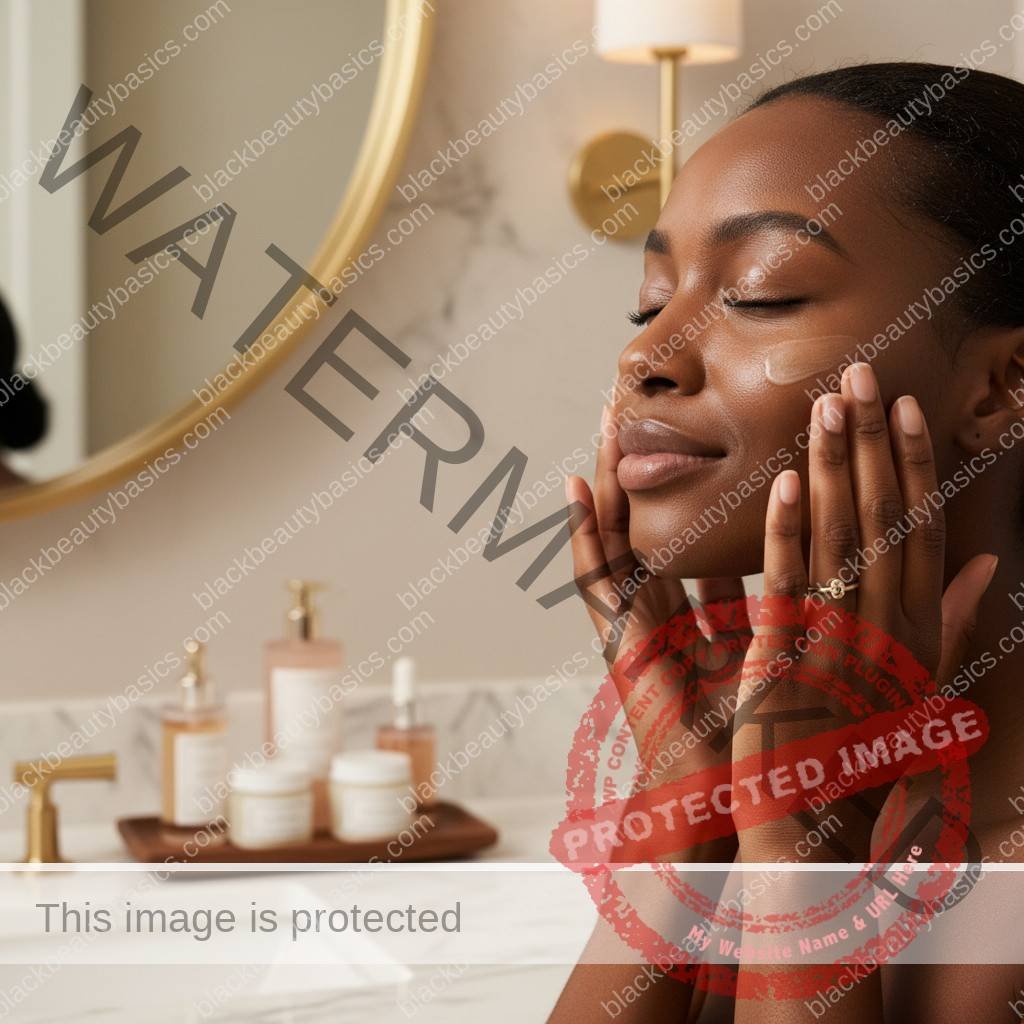
The desire to quickly shed dark spots often leads to the temptation of over-exfoliation. Whether through physical scrubs, potent chemical exfoliants, or a combination of both, many believe that sloughing away layers of skin will reveal a brighter, more even complexion faster. However, when the skin barrier is already weak, over-exfoliation strips away essential lipids and skin cells, further compromising its integrity. This creates micro-tears and increases inflammation, sending even stronger signals to melanocytes to produce more pigment. What starts as an attempt to speed up fading can instead lead to a longer, more arduous healing journey, where the skin is constantly inflamed and producing new pigment. This cycle can be incredibly disheartening, as the skin struggles to recover from the initial damage while also trying to manage the subsequent hyperpigmentation. For a deeper dive into recovering from this, you might find our article on Repairing Your Barrier After Over-Exfoliation on Dark Skin particularly helpful.
Dry, tight skin is not the same as healed skin
There’s a common misconception that if skin feels tight or dry after cleansing or applying a product, it means it’s “working” or that it’s “clean.” For melanin-rich skin, this couldn’t be further from the truth, especially when dealing with hyperpigmentation. Dryness and tightness are often clear indicators of a compromised skin barrier and dehydration. When the barrier is unable to retain moisture effectively, the skin becomes parched, rough, and less pliable. This state of chronic dryness can itself trigger inflammation and irritation, which, as we’ve established, is a direct pathway to increased melanin production. Furthermore, dry skin is less resilient and more susceptible to damage from external factors, creating a vicious cycle where dryness leads to irritation, which leads to hyperpigmentation, which then makes the skin even more vulnerable. True healing and fading of dark marks occur in a well-hydrated, comfortable skin environment, not a dry and tight one.
Chasing brightening too hard can backfire
The urgency to fade dark marks can sometimes lead to an aggressive pursuit of brightening ingredients, often used in high concentrations or too frequently. While powerful actives like hydroquinone, high-strength retinoids, or potent acids have their place, their misuse or overuse, especially on a compromised barrier, can be detrimental. When the skin barrier is weak, these ingredients can penetrate too deeply and too quickly, causing significant irritation, burning, redness, and peeling. For melanin-rich skin, this intense irritation is a direct trigger for post-inflammatory hyperpigmentation. Instead of achieving a brighter, more even tone, you might end up with new, darker spots or a worsening of existing ones. This “chasing brightening too hard” approach often overlooks the foundational need for skin health and resilience, prioritizing aggressive treatment over gentle, consistent support. The smarter approach involves understanding that gentler care is not a sign of “doing less”; it is often the most effective and sustainable path to managing pigment-prone skin, allowing the skin to heal and respond positively to treatments.
Everyday Triggers That Can Affect Both Barrier Health and Hyperpigmentation
Our skin is constantly interacting with its environment and our daily habits, and many of these interactions can inadvertently impact both the integrity of our skin barrier and the likelihood of developing or worsening hyperpigmentation. For melanin-rich skin, where the inflammatory response readily translates into dark spots, identifying and mitigating these common triggers is a crucial step in achieving and maintaining an even tone. It’s not about avoiding life, but about understanding how our choices can either support or challenge our skin’s natural resilience.
- Acne Breakouts: This is perhaps one of the most common triggers. Every pimple, cyst, or pustule represents an inflammatory event in the skin. For Black women, even a small breakout can leave behind a persistent dark spot. The inflammation associated with acne directly stimulates melanocytes, and if the skin barrier is already weak, the inflammation can be more intense and prolonged, leading to darker and longer-lasting PIH. Managing acne effectively, therefore, is a primary strategy for preventing hyperpigmentation. You can learn more about this connection in our article on Acne and Sensitive Skin in Black Women.
- Picking, Popping, and Scrubbing: The urge to pick at blemishes or scrub away rough patches is strong, but these actions are incredibly damaging to the skin barrier. Picking introduces bacteria, causes physical trauma, and significantly amplifies inflammation. Scrubbing, especially with harsh physical exfoliants, can create micro-tears and strip away essential lipids. Both actions directly trigger the inflammatory cascade that leads to hyperpigmentation, often creating new dark spots or worsening existing ones.
- Harsh Cleansers: Many cleansers, particularly those that leave the skin feeling “squeaky clean,” contain strong surfactants that strip away natural oils and disrupt the skin barrier. This leads to dryness, tightness, and increased permeability, making the skin more vulnerable to irritation and subsequent hyperpigmentation. Opting for gentle, pH-balanced cleansers is foundational for barrier health.
- Frequent or Overuse of Acids and Retinoids: While chemical exfoliants (like AHAs, BHAs) and retinoids are powerful tools for skin renewal and hyperpigmentation treatment, their overuse or introduction at too high a concentration can overwhelm a delicate barrier. This can lead to irritation, flakiness, burning, and increased sensitivity, all of which are potent triggers for PIH in melanin-rich skin. Slow and steady wins the race with these actives.
- Shaving Friction: For those who shave, especially on the face or body, the act of shaving itself can cause micro-trauma and irritation, particularly if the skin is dry or the razor is dull. This irritation can lead to razor bumps (pseudofolliculitis barbae) and subsequent hyperpigmentation, a common concern for many Black men and women.
- Dry Climates and Environmental Stressors: Living in a dry environment or being exposed to harsh weather conditions (wind, extreme cold) can draw moisture out of the skin, compromising the barrier. When the barrier is weakened by environmental stressors, it becomes more susceptible to inflammation and less able to heal efficiently, making it easier for dark spots to form or persist.
- Inconsistent Moisturizer Use: Moisturizer is not just for comfort; it’s essential for supporting and repairing the skin barrier. Skipping moisturizer, especially after cleansing or using actives, leaves the skin vulnerable to dryness and irritation. Consistent use helps to replenish lipids, lock in hydration, and reinforce the barrier’s protective functions, thereby reducing the risk of inflammation-induced hyperpigmentation.
- Underlying Skin Conditions: Conditions like eczema, psoriasis, or even contact dermatitis can significantly compromise the skin barrier and lead to chronic inflammation. For melanin-rich skin, these conditions almost invariably result in significant and often widespread post-inflammatory hyperpigmentation. Addressing and managing these underlying conditions is paramount for both barrier health and pigment management. You can explore more about these connections in our article on Skin Conditions on Dark Skin.
It’s important to remember that not every trigger affects everyone the same way. What might be a minor irritant for one person could be a significant hyperpigmentation trigger for another, especially given the unique reactivity of melanin-rich skin. Paying attention to your skin’s signals and understanding these common triggers empowers you to make informed choices that protect your barrier and promote a more even, radiant complexion.
Barrier-First Habits That Support More Even Tone
Embracing a barrier-first approach is about shifting your mindset from aggressive correction to gentle, consistent support. This isn’t about doing less; it’s about doing smarter, more intentional skincare that respects your skin’s natural healing processes. For melanin-rich skin prone to hyperpigmentation, these habits are not just beneficial—they are foundational for achieving and maintaining an even, radiant complexion. The goal is not instant brightening, but calmer skin that can recover better and respond more effectively to targeted treatments when needed.
- Gentle Cleansing is Non-Negotiable: The first step in any routine, cleansing, can either support or sabotage your barrier. Opt for creamy, hydrating, or oil-based cleansers that remove impurities without stripping your skin of its natural oils. Avoid foaming cleansers with harsh sulfates that leave your skin feeling tight or “squeaky clean.” Use lukewarm water, not hot, and pat your skin dry with a soft towel instead of rubbing vigorously. This simple switch can significantly reduce daily irritation. You can browse options for gentle cleansers on Amazon that are formulated for sensitive, dark skin.
- Prioritize Consistent, Appropriate Moisturizing: Moisturizer is your barrier’s best friend. It helps to replenish essential lipids, lock in hydration, and create a protective seal. Apply moisturizer to damp skin immediately after cleansing to trap moisture. Choose a formula rich in ceramides, fatty acids, and cholesterol to mimic your skin’s natural lipid composition. Even if you have oily skin, consistent moisturizing is crucial for maintaining balance and preventing your skin from overproducing oil to compensate for dryness. Our article on Choosing Moisturizer Textures for Melanin-Rich Skin offers further guidance.
- Introduce Actives Slowly and Strategically: Potent ingredients like retinoids, AHAs, and Vitamin C can be effective for hyperpigmentation, but they must be introduced with caution, especially on melanin-rich skin. Start with lower concentrations, use them less frequently (e.g., 2-3 times a week), and always apply them to dry skin after cleansing to minimize irritation. Listen to your skin: if you experience stinging, burning, excessive dryness, or new sensitivity, scale back immediately. Consider buffering actives by applying a thin layer of moisturizer first.
- Minimize Friction and Trauma: Be mindful of how you touch your face. Avoid picking at blemishes, rubbing your skin aggressively with towels, or using harsh physical scrubs. Even repetitive actions like resting your chin on your hand or constantly touching your face can cause subtle irritation over time. Opt for gentle patting motions when applying products and use soft, clean cloths.
- Embrace a Steady, Consistent Routine: Skin health is a marathon, not a sprint. Constantly changing products, trying every new trend, or layering too many actives can overwhelm your skin and disrupt its natural balance. Find a core routine that works for you—gentle cleanser, hydrating serum, moisturizer, and SPF—and stick with it for several weeks before introducing new products one at a time. Consistency allows your skin to adapt, heal, and respond positively, leading to more sustainable results in managing hyperpigmentation.
- Hydrate from Within: While topical hydration is key, don’t underestimate the power of internal hydration. Drinking adequate water throughout the day supports overall skin health, including barrier function. Well-hydrated cells contribute to a more resilient and vibrant complexion.
- Protect Your Skin from the Sun, Every Single Day: This is arguably the most critical step for managing hyperpigmentation. UV radiation is a primary trigger for melanin production and can darken existing spots, making them much harder to fade. Daily use of a broad-spectrum sunscreen with an SPF of 30 or higher, even on cloudy days and indoors near windows, is non-negotiable. Reapply every two hours when exposed to direct sunlight.
By integrating these barrier-first habits into your daily routine, you create an environment where your skin can thrive. You’re not just treating dark spots; you’re building a foundation of health and resilience that allows your natural radiance to shine through, making your skin less prone to new hyperpigmentation and more capable of fading existing marks.
What to Do When You Want to Fade Dark Spots but Your Skin Feels Irritated
This is a pivotal moment in your skincare journey, and it’s one that many Black women experience: the desire to aggressively tackle stubborn dark spots clashes with the reality of irritated, sensitive skin. It’s a common trap to fall into, believing that more potent products or more frequent application will yield faster results. However, when your skin barrier is compromised and your skin feels irritated—whether it’s stinging, burning, excessive dryness, redness (or a deeper discoloration for melanin-rich skin), or unusual sensitivity—pushing harder will almost always backfire. This is a clear signal from your skin that it needs a different approach.
The first and most crucial step is to simplify and pause. This means hitting the reset button on your routine. Temporarily discontinue any active ingredients that might be contributing to the irritation, such as retinoids, AHAs, BHAs, Vitamin C serums, or other brightening treatments. This isn’t giving up on fading dark marks; it’s strategically improving the conditions for them to eventually fade more effectively. Think of it like a wound: you wouldn’t keep scrubbing it with harsh soap; you’d clean it gently and allow it to heal. Your skin barrier deserves the same respect.
During this simplification phase, focus entirely on soothing, hydrating, and repairing your skin barrier. Your routine should consist of just a few core steps:
- A truly gentle, hydrating cleanser: One that leaves your skin feeling soft and comfortable, never tight or stripped.
- A rich, barrier-supporting moisturizer: Look for ingredients like ceramides, cholesterol, fatty acids, and humectants (like hyaluronic acid or glycerin). Apply it generously and frequently, especially to damp skin.
- Daily broad-spectrum sunscreen (SPF 30+): Even when your skin is irritated, protecting it from UV exposure is critical to prevent new hyperpigmentation and allow existing marks to heal without darkening further.
This minimalist approach allows your skin to calm down, reduce inflammation, and begin to rebuild its protective barrier. You might find that your skin feels significantly more comfortable within a few days or weeks. This period of repair is not wasted time; it’s an investment in your skin’s long-term health and its ability to respond positively to treatments later.
Once your skin feels calm, comfortable, and resilient again—meaning no stinging, burning, excessive dryness, or heightened sensitivity—you can slowly and cautiously reintroduce active ingredients for hyperpigmentation. Reintroduce one product at a time, starting with a lower concentration and using it infrequently (e.g., once or twice a week). Pay close attention to your skin’s response. If irritation returns, scale back or discontinue that product. This patient, methodical approach prevents the cycle of irritation-induced hyperpigmentation and creates a healthier foundation for lasting results. Remember, the ultimate goal is not just to fade dark spots, but to do so in a way that supports your skin’s overall health and resilience. For a deeper dive into recovery, our guide on Repairing Your Barrier After Over-Exfoliation on Dark Skin offers practical steps. This strategic pause is a powerful tool in your journey towards managing hyperpigmentation and dark spots effectively.
Ingredients That Often Make More Sense When Pigment and Barrier Concerns Overlap
When you’re navigating the delicate balance of addressing hyperpigmentation while simultaneously nurturing a compromised or sensitive skin barrier, ingredient selection becomes paramount. The key is to choose ingredients that offer multi-functional benefits: they should support barrier repair, reduce inflammation, and gently address pigment concerns without causing further irritation. This approach prioritizes skin health, creating a more receptive environment for fading dark marks.

- Ceramides: These are lipids (fats) that are naturally found in high concentrations in the skin barrier. They act as the “mortar” between your skin cells, holding them together and forming a protective, waterproof layer. When your barrier is compromised, ceramide levels are often depleted. Incorporating ceramide-rich moisturizers or serums helps to replenish these essential lipids, strengthening the barrier, reducing water loss, and making the skin more resilient to irritants. This, in turn, minimizes the inflammatory triggers that lead to hyperpigmentation. You can explore formulas on Amazon that feature ceramides for melanin-rich skin.
- Niacinamide (Vitamin B3): This powerhouse ingredient is a true multi-tasker for sensitive, pigment-prone skin. Niacinamide helps to strengthen the skin barrier by boosting ceramide production. It also possesses potent anti-inflammatory properties, which are crucial for reducing the redness and irritation that often precede hyperpigmentation. Furthermore, niacinamide has been shown to inhibit the transfer of melanin from melanocytes to keratinocytes, thereby helping to reduce the appearance of existing dark spots and prevent new ones. It’s generally well-tolerated, even by sensitive skin, making it an excellent choice when barrier concerns overlap with pigment issues. To find suitable options, check current prices for niacinamide serums on Amazon.
- Humectants (Hyaluronic Acid, Glycerin, Sodium PCA): These ingredients attract and bind water to the skin, providing crucial hydration without adding heavy oils. When the barrier is compromised, the skin struggles to retain moisture, leading to dryness and dehydration, which can exacerbate irritation and hyperpigmentation. Humectants help to plump the skin, improve its texture, and support the barrier’s function by ensuring optimal hydration. They are gentle and rarely cause irritation.
- Bland, Emollient Moisturizers: Sometimes, the best approach is the simplest. Opt for fragrance-free, dye-free, and essential oil-free moisturizers that focus on providing hydration and occlusive properties to support the barrier. Ingredients like petrolatum, mineral oil, squalane, shea butter, and dimethicone create a protective layer on the skin, preventing water loss and shielding it from external irritants while the barrier heals. These “bland” formulations minimize the risk of further irritation.
- Centella Asiatica (Cica): Derived from the Gotu Kola plant, Cica is renowned for its soothing, anti-inflammatory, and wound-healing properties. It helps to calm irritated skin, reduce redness, and support collagen production, which can aid in the overall healing process and minimize the likelihood of PIH.
- Oat Extract (Colloidal Oatmeal): A classic for sensitive and irritated skin, colloidal oatmeal has anti-inflammatory and antioxidant properties. It forms a protective barrier on the skin, soothing itching and discomfort, and helping to restore barrier function.
- Azelaic Acid: While an active, azelaic acid is often better tolerated than other acids for sensitive, pigment-prone skin. It has anti-inflammatory, antibacterial, and mild exfoliating properties. Crucially, it also helps to inhibit tyrosinase, an enzyme involved in melanin production, making it effective for hyperpigmentation. Its gentle nature makes it a good option to consider once the barrier has stabilized, before introducing more potent actives.
It’s important to understand that strong actives are not automatically “wrong” for hyperpigmentation; however, their efficacy and safety are profoundly influenced by your skin’s barrier status. When your barrier is compromised, even beneficial actives can become irritants. By focusing on ingredients that repair and support the barrier first, you create a healthy, resilient canvas that can then more effectively and safely benefit from targeted pigment-fading treatments, leading to better, more sustainable results.
The SPF Connection
When discussing hyperpigmentation and barrier health, the conversation is incomplete without a dedicated focus on sunscreen. For melanin-rich skin, SPF is not merely an optional step; it is a non-negotiable, foundational pillar of any effective skincare routine, especially when dark marks are a primary concern. Its connection to both preventing new hyperpigmentation and allowing existing marks to fade is profound and multi-faceted.
Firstly, UV radiation—from both UVA and UVB rays—is the single most significant trigger for melanin production. When your skin is exposed to the sun, your melanocytes go into overdrive, producing melanin as a natural defense mechanism to protect your skin cells from damage. For those prone to hyperpigmentation, this means even incidental sun exposure can darken existing dark spots, making them more stubborn and significantly prolonging their fading time. It can also trigger the formation of entirely new dark marks, even from minor irritations that might otherwise have healed without leaving a trace.
Consider a dark spot as a wound in the process of healing. Just as you would protect a physical wound from further injury, you must protect a hyperpigmented area from the sun. UV exposure not only deepens the pigment but also exacerbates the inflammatory response in the skin, which, as we’ve discussed, directly fuels the hyperpigmentation cycle in melanin-rich skin. Without consistent sun protection, all your efforts with gentle cleansers, barrier-supporting moisturizers, and targeted brightening ingredients will be undermined. It’s like trying to empty a bathtub with the faucet still running.
Secondly, when your skin barrier is compromised, your skin becomes even more vulnerable to UV damage. A weakened barrier offers less natural protection, allowing UV rays to penetrate more easily and cause more widespread inflammation and cellular damage. This creates a vicious cycle: a damaged barrier makes you more susceptible to sun-induced hyperpigmentation, and sun exposure further impairs barrier function. Therefore, incorporating a broad-spectrum sunscreen with an SPF of 30 or higher into your daily routine is not just about preventing sunburn; it’s about actively protecting your skin’s healing process, preserving barrier integrity, and ensuring that your efforts to achieve an even tone are not in vain.
For many Black women, finding a sunscreen that doesn’t leave a white cast or feel heavy on deeper skin tones has historically been a challenge. However, the market has evolved, and there are now numerous elegant formulations, including chemical sunscreens that blend seamlessly and mineral sunscreens with tinted options, that cater specifically to melanin-rich complexions. The key is to find a barrier-friendly daytime routine that makes room for a sunscreen you can tolerate and wear consistently, every single day, regardless of the weather or whether you’re indoors. This consistent protection is the non-negotiable guardian of your skin’s health and its journey toward an even, radiant complexion. For comprehensive guidance on selecting the right protection, explore our article on Sunscreen for Dark Skin.
How to Navigate This Topic
Understanding the intricate relationship between barrier health and hyperpigmentation can feel like uncovering a hidden layer in your skincare journey. This article, “The Impact of Barrier Health on Hyperpigmentation,” is a foundational piece within our larger Barrier Repair & Moisture Balance cluster. Our aim is to provide you with a holistic understanding of how to nurture your skin’s resilience, which is essential for managing and preventing dark marks.
Now that you have a clearer picture of why barrier health is so crucial, you might be wondering where to go next. Your path forward depends on your most pressing concerns:
- If you suspect your barrier might already be compromised: It’s important to first identify the specific indicators. We recommend reading Signs of a Damaged Barrier on Melanin-Rich Skin. This article will help you recognize the subtle and overt signals your skin might be sending, guiding you toward appropriate action.
- If you’re ready to implement a barrier-focused routine: Once you understand the signs, the next step is practical application. Our guide on a Barrier Repair Routine for Sensitive Dark Skin provides step-by-step guidance on how to build a gentle, effective regimen designed to restore and strengthen your skin’s protective layer.
- If you’re struggling with oily skin that still feels tight or dehydrated: This is a common paradox for many, indicating an imbalance that needs addressing. Explore Moisture Balance for Oily But Dehydrated Dark Skin to learn how to hydrate without exacerbating oiliness, a crucial step for preventing irritation and subsequent hyperpigmentation.
- If you’ve recently over-exfoliated or used harsh products: It’s a common misstep, but recovery is possible. Our article on Repairing Your Barrier After Over-Exfoliation on Dark Skin offers specific strategies to calm and heal your skin.
- If you need help selecting the right hydrating products: The texture and composition of your moisturizer matter. Dive into Choosing Moisturizer Textures for Melanin-Rich Skin to find the perfect fit for your skin’s unique needs.
Remember, all these resources fall under our broader mission to provide comprehensive Skincare for Black Women. If your primary focus remains on discoloration, even after addressing barrier concerns, you can also move into our dedicated hyperpigmentation pillar for more targeted strategies. The journey to radiant, even-toned skin is a continuous one, and we’re here to equip you with the knowledge and confidence to navigate it successfully.
Common Mistakes That Make Both Barrier Damage and Hyperpigmentation Worse
In the quest for clear, even-toned skin, it’s easy to fall into habits that, despite good intentions, can inadvertently exacerbate both barrier damage and hyperpigmentation, especially for melanin-rich skin. Recognizing these common pitfalls is the first step toward breaking counterproductive cycles and adopting more supportive, effective practices.
- Trying Multiple Brightening Actives at Once: The temptation to layer several potent ingredients like retinoids, AHAs, Vitamin C, and hydroquinone simultaneously is strong when you’re eager to fade dark spots. However, this often overloads the skin, leading to cumulative irritation, increased sensitivity, and a compromised barrier. For melanin-rich skin, this heightened irritation is a direct trigger for new or worsening hyperpigmentation, creating a cycle where you’re trying to fade spots while simultaneously causing new ones.
- Exfoliating Irritated Skin to “Speed Things Up”: When skin feels rough, dull, or has visible dark spots, the instinct might be to exfoliate more aggressively, believing it will remove the damaged layers faster. However, exfoliating an already irritated or compromised barrier is akin to rubbing salt in a wound. It strips away essential protective lipids, intensifies inflammation, and can prolong the healing process, making dark spots more stubborn and potentially leading to deeper, more persistent PIH.
- Assuming Stinging Means a Product Is “Working”: This is a dangerous misconception, particularly for sensitive and pigment-prone skin. While some active ingredients might cause a mild tingling sensation upon initial use, persistent stinging, burning, itching, or excessive redness (or darkening) is a clear sign of irritation and barrier distress. For melanin-rich skin, this irritation is a direct pathway to hyperpigmentation. A product that causes discomfort is likely doing more harm than good, regardless of its intended benefits.
- Skipping Moisturizer Because Skin Is Acne-Prone or Oily: Many believe that if their skin is oily or prone to breakouts, moisturizer will only make things worse. This is a myth that can severely compromise barrier health. Dehydrated skin, even oily skin, can overcompensate by producing more oil, leading to further breakouts. More importantly, skipping moisturizer leaves the barrier vulnerable, leading to increased inflammation from environmental stressors or active treatments, which can then trigger hyperpigmentation from acne lesions.
- Ignoring Friction from Towels, Shaving, or Picking: Physical friction, even seemingly minor acts, can cause micro-trauma and irritation to the skin barrier. Vigorously rubbing your face with a towel, using a dull razor, or habitually picking at blemishes all contribute to inflammation. For melanin-rich skin, any physical irritation, no matter how small, can stimulate melanocytes and lead to post-inflammatory hyperpigmentation. Gentle handling of your skin is paramount.
- Focusing on Fading Marks While Ignoring the Source of Inflammation: This is a common oversight. If your hyperpigmentation is primarily post-inflammatory (PIH), simply using brightening agents without addressing the underlying source of inflammation (e.g., uncontrolled acne, chronic irritation, allergic reactions) is like treating the symptom without curing the disease. The dark spots will likely return or new ones will form if the inflammatory trigger isn’t managed. A holistic approach requires identifying and mitigating the root cause of irritation first.
- Not Using Sunscreen Consistently: As highlighted earlier, inconsistent or inadequate sun protection is one of the biggest sabotaging factors for hyperpigmentation treatment. UV exposure deepens existing dark spots and triggers new ones, rendering all other efforts less effective. Even on cloudy days or indoors near windows, UV rays can penetrate and cause damage, making daily, consistent, and generous application of broad-spectrum SPF non-negotiable.
By becoming aware of these common mistakes, you can consciously adjust your skincare habits to be more supportive of both your barrier health and your journey toward an even, radiant complexion. It’s about working with your skin, not against it.
Quick Principles for Protecting Barrier Health While Managing Dark Marks
Navigating the path to an even, radiant complexion for melanin-rich skin, especially when dealing with hyperpigmentation, doesn’t have to be a battle. By prioritizing your skin barrier, you create a foundation of health that allows your skin to thrive. Here are some concise, empowering principles to guide your journey:

- Calm skin usually gives pigment a better chance to fade. When your skin is soothed and free from irritation, its natural healing processes can focus on repair, including the gradual fading of dark spots.
- Irritation is a potent pigment trigger on dark skin. Remember that any form of irritation or inflammation can stimulate melanocytes, leading to new or worsening hyperpigmentation. Gentle is truly effective.
- Brighter-looking skin and healthier-feeling skin are not separate goals. They are intrinsically linked. When your skin barrier is healthy, it looks and feels better, and its tone naturally becomes more even.
- Aggressive routines are not always more effective; often, they are counterproductive. Pushing your skin too hard with potent actives or harsh treatments can lead to a cycle of irritation and persistent dark marks.
- Consistency often beats intensity. A gentle, consistent routine that supports your barrier and slowly introduces actives will yield more sustainable and positive results than sporadic, aggressive treatments.
- Your skin does not need punishment to improve. Healing and transformation happen best in an environment of nurture and support, not harshness. Listen to your skin and respond with kindness.
- Sun protection is non-negotiable. Daily, consistent use of broad-spectrum SPF is the most critical step to prevent new dark marks and allow existing ones to fade without darkening.
Frequently Asked Questions
Can a damaged skin barrier cause hyperpigmentation?
Yes, absolutely. A damaged skin barrier makes your skin more vulnerable to irritation and inflammation. For melanin-rich skin, any inflammation can trigger melanocytes to produce excess pigment, leading to new or worsened hyperpigmentation.
Why do my dark spots look worse when my skin feels irritated?
When your skin is irritated, it’s undergoing an inflammatory response. This inflammation directly stimulates the cells that produce melanin, causing existing dark spots to deepen and new ones to form, making your hyperpigmentation appear more pronounced.
Should I stop all actives if my barrier feels damaged?
Generally, yes. If your skin barrier feels damaged (stinging, burning, excessive dryness, sensitivity), it’s best to pause all active ingredients like retinoids, AHAs, or potent Vitamin C. Focus on a simple routine of gentle cleansing, barrier-supporting moisturizer, and SPF until your skin feels calm and comfortable again.
Can over-exfoliation make PIH last longer?
Yes, over-exfoliation strips away essential protective layers of your skin, leading to increased inflammation and barrier damage. This prolonged inflammation can make post-inflammatory hyperpigmentation (PIH) more stubborn, darker, and significantly extend its fading time.
Is moisturizer important when fading dark marks?
Moisturizer is crucial. It helps repair and maintain your skin barrier, preventing dehydration and reducing inflammation. A healthy, hydrated barrier is more resilient and creates an optimal environment for dark spots to fade effectively without additional irritation.
What should I focus on first: barrier repair or brightening?
For melanin-rich skin, it is almost always recommended to focus on barrier repair first. A healthy, calm skin barrier is foundational; it reduces inflammation, prevents new hyperpigmentation, and allows your skin to better tolerate and respond to brightening treatments later on.
Does sunscreen still matter if my main issue is old dark marks?
Absolutely. Sunscreen is critical even for old dark marks. UV exposure can reactivate melanin production, causing old marks to darken again and making them much harder to fade. Consistent daily SPF is essential for preventing recurrence and supporting the fading process.
Final Thoughts
The journey to radiant, even-toned skin for Black women is one deeply rooted in understanding and nurturing our unique skin physiology. We’ve explored how the health of your skin barrier is not merely a separate concern, but a fundamental determinant in how your skin responds to everything—from daily environmental stressors to targeted treatments for hyperpigmentation. The message is clear: barrier care and hyperpigmentation care are profoundly connected, and one cannot truly thrive without the other.
It’s time to shift away from the narrative that often pushes us to aggressively “correct” our skin, especially when irritation is already a part of our experience. Instead, we encourage you to think in terms of cultivating calmer skin, minimizing unnecessary irritation, and providing steady, consistent support. This gentle yet powerful approach respects your skin’s natural intelligence and resilience, allowing it to heal, strengthen, and ultimately reveal its most vibrant, even-toned self. Your skin does not need punishment; it needs patience, understanding, and the right kind of care.
As you continue your skincare journey, we invite you to explore more within our Barrier Repair & Moisture Balance cluster, and indeed, across our entire Skincare for Black Women pillar. Each article is designed to empower you with knowledge that centers your experience, helping you build a routine that is not only effective but also deeply affirming for your skin. Embrace the wisdom of gentle strength, and watch your skin flourish.
Related next steps
Related posts:
 The Impact of Stress on Hair Health and Growth
 The Impact of Diet on Hair Health – Nutrients for Stronger Strands
 How Protective-Style Choices Impact Scalp Health and Hair Density Over Time
 Lifestyle Patterns (Sleep, Stress, Friction, Sun) That Influence Hyperpigmentation: Holistic Approaches to Skin Health
 Repairing Your Barrier After Over-Exfoliation on Dark Skin
 Understanding Your Skin Barrier for Dark Skin