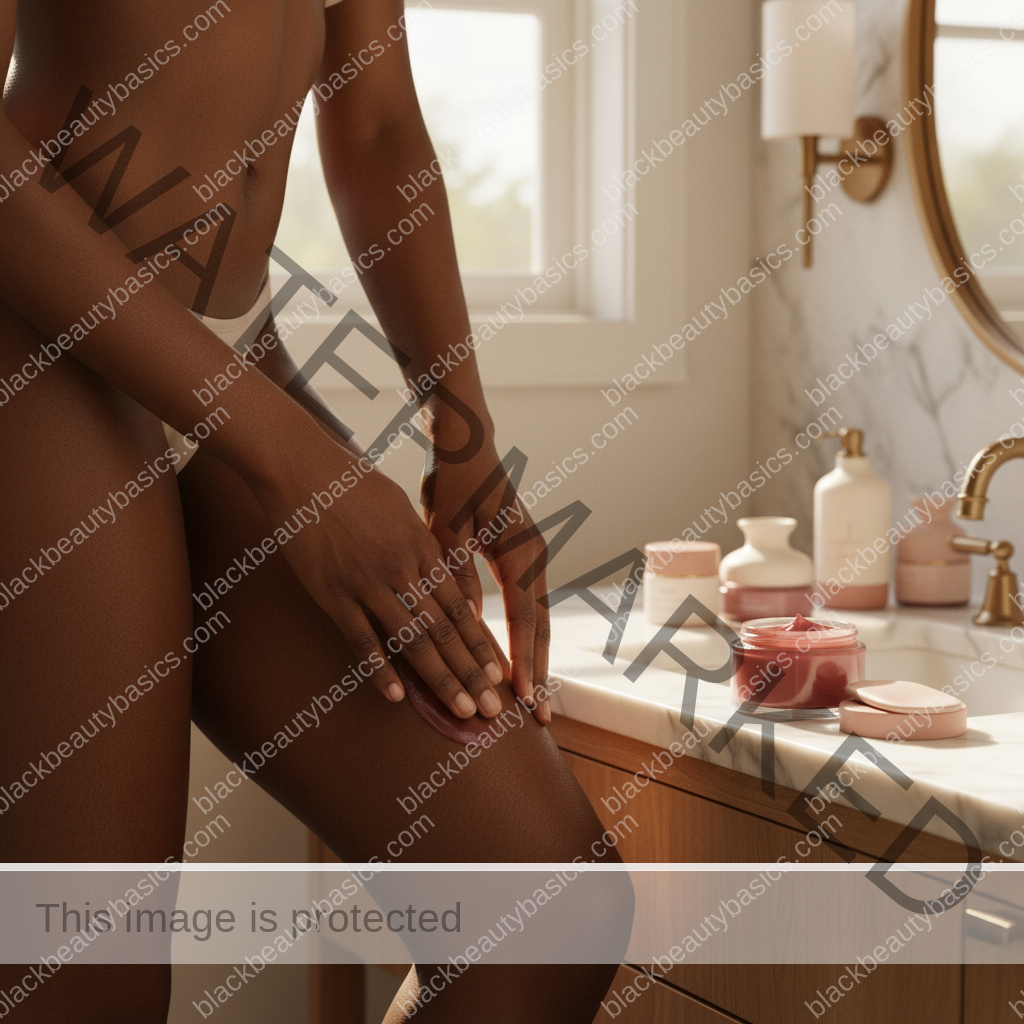
The journey to exquisitely smooth, radiant skin is a ritual many of us cherish, yet the path post-wax can sometimes feel like navigating a delicate garden. For melanin-rich skin, this journey requires a nuanced understanding, a gentle touch, and products specifically chosen to honor its unique beauty and resilience. We understand the desire for flawless results, free from irritation, ingrown hairs, or hyperpigmentation, and we are here to guide you to a post-wax regimen that celebrates your skin in all its glory. Start with the related BBB body-care cluster guide if you want the broader map.
Embracing Your Melanin: Why Post-Wax Care is Different for Us
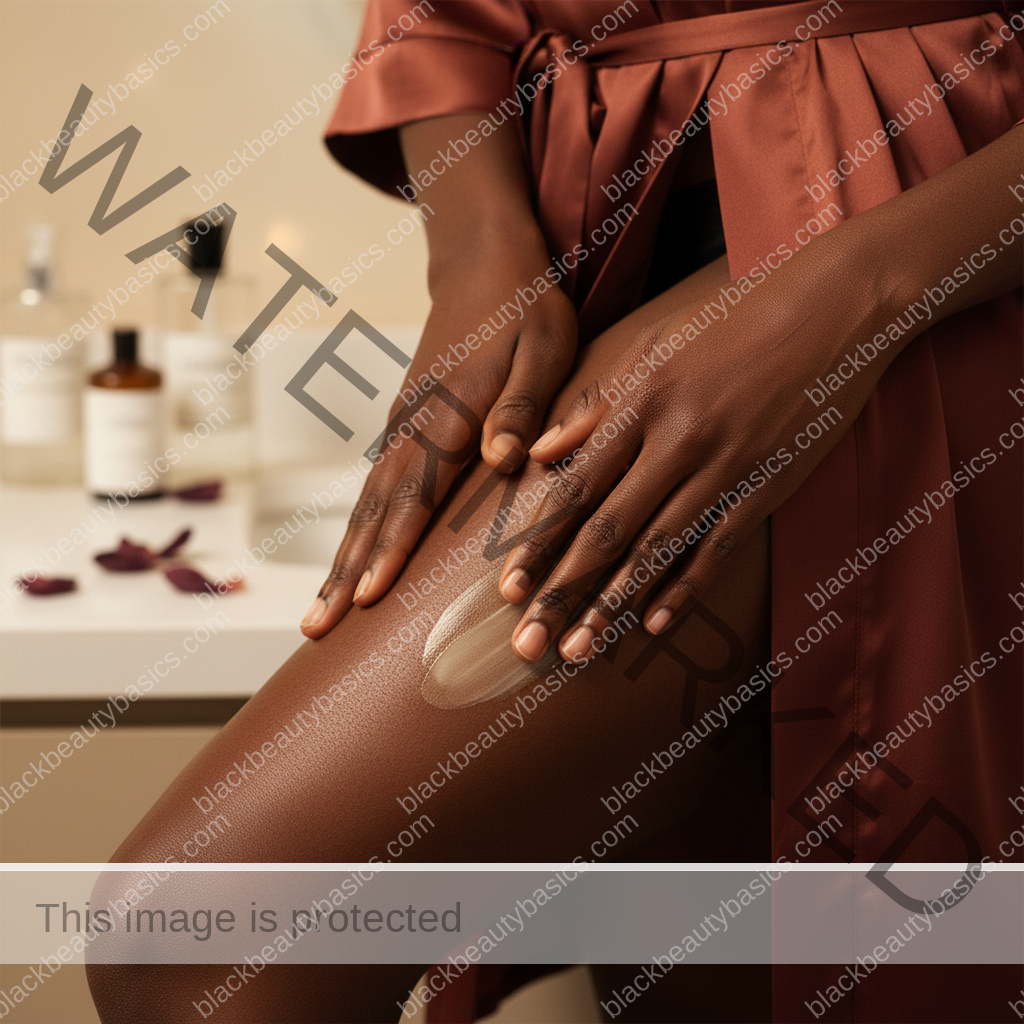
Our beautiful melanin-rich skin is a marvel, offering inherent protection against sun damage and a youthful glow that often defies time. However, this very richness comes with its own set of considerations, especially when it comes to hair removal. The higher concentration of melanin makes our skin more prone to post-inflammatory hyperpigmentation (PIH) – those unwelcome dark spots that can linger long after an irritation has subsided. Additionally, the structure of our hair follicles can predispose us to ingrown hairs, particularly after waxing, leading to bumps and discomfort. Understanding these unique characteristics is the first step in crafting a post-wax care routine that truly works for you, ensuring not just smooth skin, but healthy, even-toned skin.
The Science Behind Our Skin’s Response to Waxing
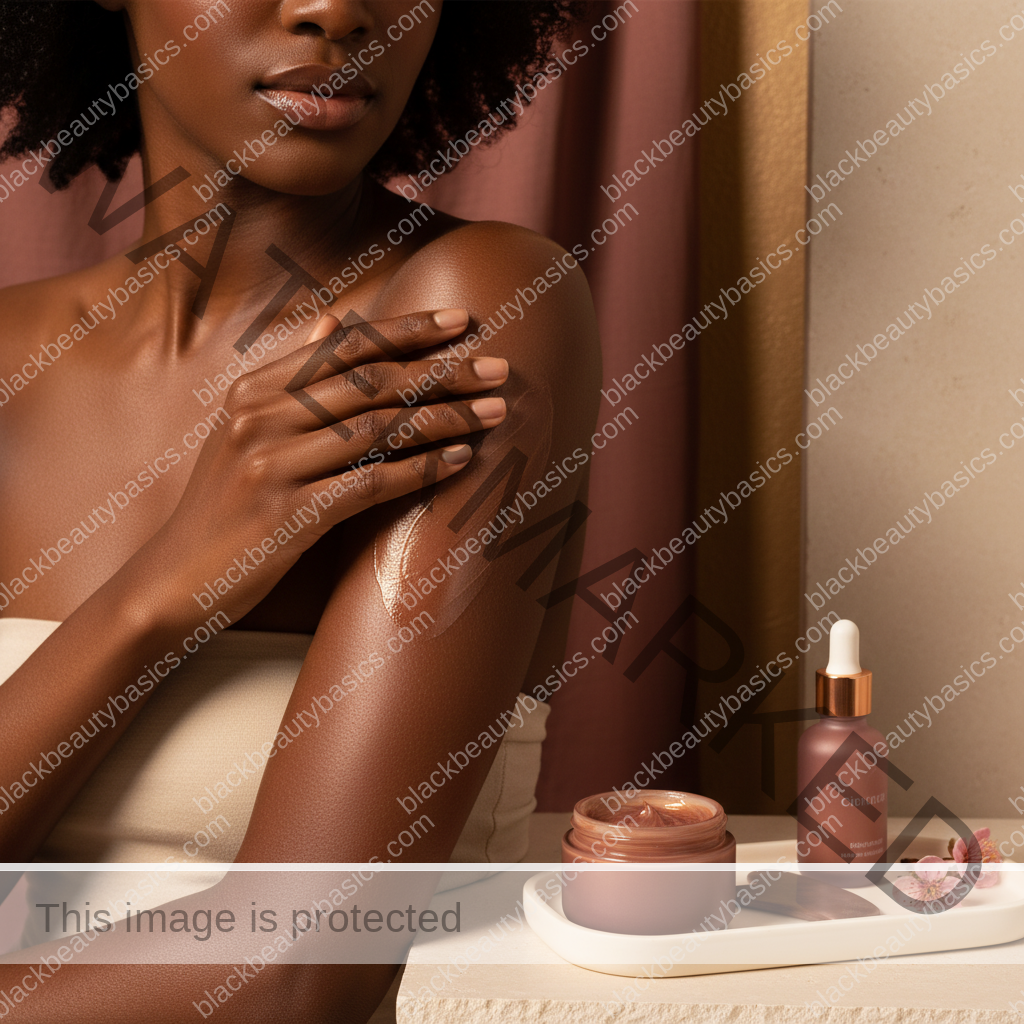
When hair is pulled from the follicle during waxing, it creates a micro-trauma. For lighter skin tones, this trauma often resolves with minimal visible aftermath. For melanin-rich skin, however, this micro-trauma can trigger melanocytes – the cells responsible for producing melanin – to go into overdrive, leading to PIH. This is why gentle handling and anti-inflammatory ingredients are paramount in our post-wax strategy. Furthermore, our hair tends to be coarser and curlier, making it more likely to curl back into the skin as it regrows, causing ingrown hairs. Proper exfoliation and hydration are key to guiding these hairs out smoothly.
Immediate Aftercare: The Golden Hour Post-Wax
The moments immediately following your wax appointment are critical. Think of it as the “golden hour” for your skin – what you do now can significantly impact your results and prevent future complications. Your skin is vulnerable, pores are open, and inflammation is a potential threat. The goal is to soothe, protect, and begin the healing process.
Soothing & Calming: Your First Line of Defense
Upon leaving the salon, your skin will likely feel warm, tender, and perhaps a little red. This is normal. The key is to reduce inflammation as quickly as possible. Avoid tight clothing that can rub and irritate the freshly waxed area. Opt for loose, breathable fabrics like cotton. For the first 24-48 hours, steer clear of hot baths, saunas, steam rooms, and intense workouts that can increase body temperature and sweat, which can exacerbate irritation and potentially lead to bacterial growth in open follicles.
Top Soothing Ingredients to Look For:
- Aloe Vera: A timeless classic, known for its incredible anti-inflammatory and healing properties.
- Chamomile: Gentle and calming, it helps reduce redness and irritation.
- Cucumber Extract: Provides a cooling sensation and helps reduce puffiness.
- Calendula: Known for its antiseptic and wound-healing benefits.
- Green Tea Extract: A powerful antioxidant that helps protect the skin and reduce inflammation.
Look for gels, balms, or mists containing these ingredients. A cool compress can also provide immediate relief.
Shop Post-Wax Soothing Gels on Amazon
Protecting Against Bacteria & Infection
Freshly waxed skin has open follicles, making it more susceptible to bacterial invasion. This is where antiseptic and antibacterial measures come into play. While you don’t want to use harsh, drying alcohols, gentle, natural antiseptics can be beneficial.
Gentle Antiseptics & Practices:
- Tea Tree Oil (diluted): Known for its natural antiseptic properties. Always dilute with a carrier oil or use products that already contain it in a safe concentration.
- Witch Hazel: A natural astringent that can help cleanse and tone without over-drying.
- Avoid Touching: Resist the urge to touch the freshly waxed area with unwashed hands.
- Clean Environment: Ensure your sheets and towels are clean to prevent bacterial transfer.
Shop Witch Hazel Toners on Amazon
The Long Game: Sustained Post-Wax Care for Flawless Skin
While immediate care addresses the initial shock, the true magic of maintaining smooth, bump-free, and even-toned skin lies in your consistent, long-term routine. This is where we prevent ingrown hairs, manage hyperpigmentation, and ensure your skin remains supple and radiant between appointments.
Exfoliation: The Key to Preventing Ingrown Hairs
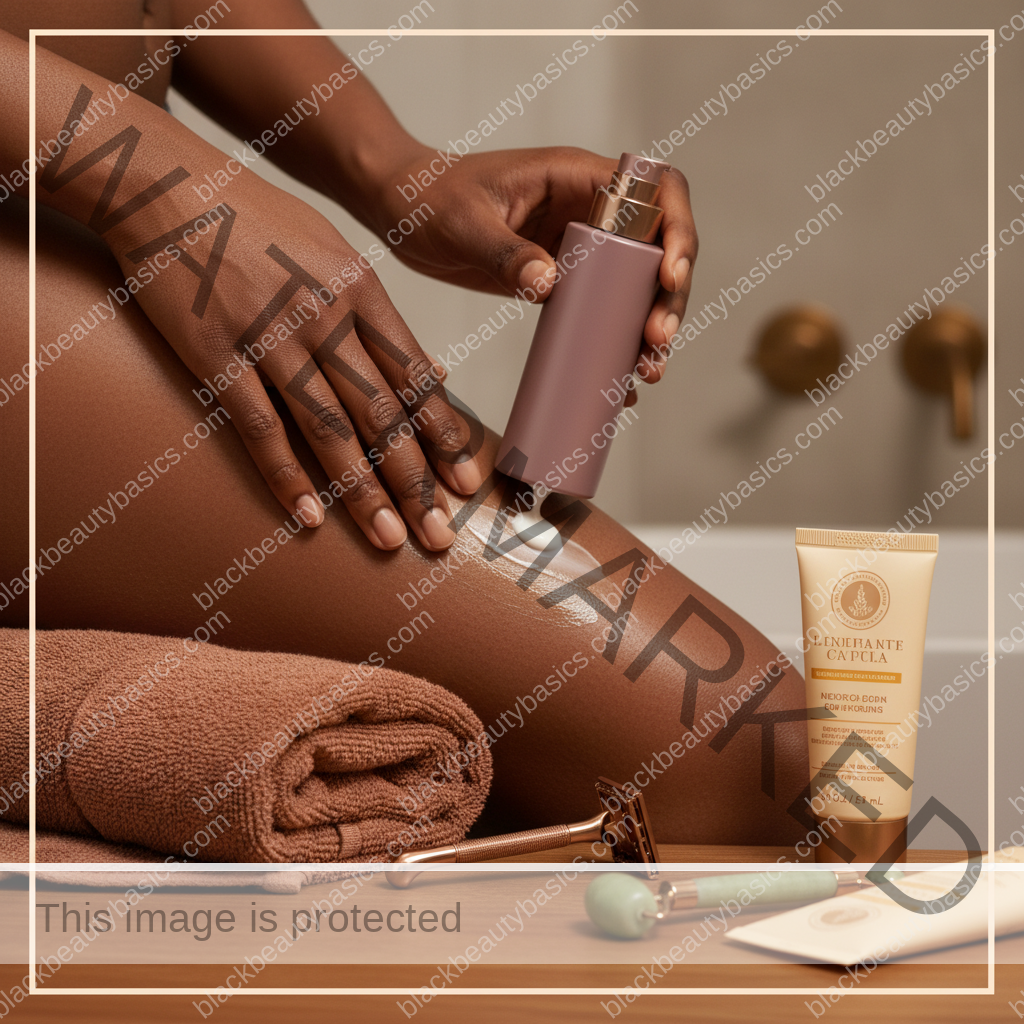
Exfoliation is non-negotiable for melanin-rich skin prone to ingrown hairs. By gently removing dead skin cells, you prevent them from trapping new hair growth beneath the surface. However, the type and frequency of exfoliation are crucial to avoid irritation and subsequent hyperpigmentation.
Choosing Your Exfoliant Wisely:
For melanin-rich skin, chemical exfoliants are often preferred over harsh physical scrubs, which can cause micro-tears and irritation. Look for ingredients like AHAs (Alpha Hydroxy Acids) or BHAs (Beta Hydroxy Acids).
- AHAs (Glycolic Acid, Lactic Acid): Work on the surface of the skin, dissolving the “glue” that holds dead skin cells together. Lactic acid is often gentler and more hydrating.
- BHAs (Salicylic Acid): Oil-soluble, meaning they can penetrate deeper into the pore, making them excellent for preventing ingrown hairs and treating existing bumps. Salicylic acid also has anti-inflammatory properties.
When to Start: Begin exfoliating 2-3 days after your wax, once the initial tenderness has subsided.
Frequency: 2-3 times a week, or as directed by your product, adjusting based on your skin’s sensitivity.
Application: Apply with a cotton pad or your fingertips, allowing the product to absorb. Follow with a moisturizer.
Shop AHA/BHA Exfoliants on Amazon
Comparison Table: Chemical vs. Physical Exfoliation for Melanin-Rich Skin
| Feature | Chemical Exfoliation (AHAs/BHAs) | Physical Exfoliation (Scrubs) |
|---|---|---|
| Mechanism | Dissolves dead skin cells with acids | Physically buffs away dead skin cells |
| Risk of Irritation/PIH | Lower, especially with gentle formulations; less friction | Higher, due to potential for micro-tears and friction |
| Ingrown Hair Prevention | Excellent, especially BHAs that penetrate follicles | Good, but can sometimes exacerbate if too harsh |
| Texture | Liquids, serums, lotions | Gritty creams or gels |
| Recommended for Melanin-Rich Skin | Highly Recommended (gentle, effective, less PIH risk) | Use with extreme caution; generally Not Recommended for freshly waxed areas |
Hydration & Moisturization: Nurturing Supple Skin
After exfoliation, and indeed every day, replenishing moisture is vital. Hydrated skin is healthy skin – it’s more resilient, less prone to irritation, and heals more effectively. It also helps new hair growth emerge smoothly.
Ideal Moisturizers for Post-Wax Care:
- Non-Comedogenic: Ensures pores won’t be clogged, preventing further ingrown hairs or breakouts.
- Fragrance-Free: Fragrances can be irritating to sensitive, freshly waxed skin.
- Rich in Humectants: Ingredients like hyaluronic acid and glycerin draw moisture into the skin.
- Emollients: Shea butter, ceramides, and natural oils (like jojoba or sunflower) help seal in moisture and repair the skin barrier.
Apply your chosen moisturizer daily, ideally after showering when your skin is still slightly damp, to lock in maximum hydration. Consistency is key here.
Shop Fragrance-Free Body Lotions on Amazon
Targeting Hyperpigmentation: Fading & Preventing Dark Spots
Even with the best care, some hyperpigmentation might occur. The good news is that there are effective ingredients to help fade existing dark spots and prevent new ones.
Key Ingredients for Hyperpigmentation:
- Niacinamide (Vitamin B3): A powerhouse ingredient that helps reduce inflammation, strengthens the skin barrier, and inhibits melanin transfer, thus reducing PIH.
- Vitamin C: A potent antioxidant that brightens the skin, evens tone, and protects against environmental damage.
- Alpha Arbutin: A gentler alternative to hydroquinone, it effectively inhibits melanin production.
- Kojic Acid: Derived from fungi, it helps lighten dark spots by inhibiting tyrosinase, an enzyme necessary for melanin production.
Incorporate serums or lotions containing these ingredients into your routine, applying them after exfoliation and before moisturizing. Be patient, as fading hyperpigmentation takes time and consistent effort.
Shop Niacinamide Body Serums on Amazon
Sun Protection: Your Ultimate Shield
This cannot be stressed enough: sun protection is paramount for melanin-rich skin, especially when dealing with hyperpigmentation. UV exposure can worsen existing dark spots and trigger new ones, undoing all your hard work. Always apply a broad-spectrum sunscreen with an SPF of 30 or higher to any waxed areas exposed to the sun.
Shop Broad-Spectrum Sunscreen on Amazon
Advanced Strategies & Lifestyle Tips for Optimal Results
Beyond products, certain lifestyle choices and advanced techniques can significantly enhance your post-wax experience and results.
The Role of Diet and Hydration
What you put into your body reflects on your skin. A diet rich in antioxidants (berries, leafy greens), essential fatty acids (avocado, nuts, fish), and plenty of water will support skin health from within. Hydration keeps your skin supple and aids in its natural healing processes.
Professional Guidance: When to Seek an Expert
While a diligent at-home routine is powerful, sometimes professional intervention is beneficial. If you’re struggling with persistent ingrown hairs, severe hyperpigmentation, or frequent irritation, consult a dermatologist or an esthetician specializing in melanin-rich skin. They can offer targeted treatments like chemical peels, microdermabrasion, or prescription-strength products that are safe and effective for your skin type.
Pre-Wax Preparation: Setting the Stage for Success
The journey to smooth skin doesn’t start after the wax; it begins before. Proper pre-wax care can make a significant difference in the outcome and ease of your post-wax journey.
Pre-Wax Checklist:
- Grow Your Hair Out: Ensure your hair is at least ¼ inch long (about the size of a grain of rice) for the wax to properly grip.
- Gentle Exfoliation (24-48 hours prior): Lightly exfoliate the area a day or two before your appointment to remove dead skin cells and help prevent ingrowns. Avoid harsh scrubbing.
- Moisturize: Keep your skin well-hydrated in the days leading up to your wax. Healthy, supple skin allows for easier hair removal.
- Clean Skin: Arrive at your appointment with clean skin, free of lotions, oils, or deodorants.
- Avoid Sun Exposure: Sunburned skin is extremely sensitive and should never be waxed.
Shop Pre-Wax Exfoliants on Amazon
Tips for Minimizing Pain & Discomfort During Waxing
While not strictly post-wax, reducing the initial trauma can contribute to a smoother recovery.
Pain Management Tips:
- Schedule Wisely: Avoid waxing during your menstrual cycle, as skin can be more sensitive.
- Avoid Caffeine & Alcohol: These can increase skin sensitivity and lead to dehydration.
- Communicate with Your Esthetician: A skilled professional will use proper technique and high-quality wax.
- Consider a Topical Numbing Cream: For very sensitive areas, a topical numbing cream applied 30-60 minutes before your appointment can help.
Your Essential Post-Wax Care Product Checklist
To make your journey easier, here’s a curated list of product types you’ll want to have on hand for your ultimate post-wax routine.
Black Beauty Basics Recommended Post-Wax Arsenal:
- Gentle Cleanser: A mild, pH-balanced cleanser for daily washing of the waxed area.
Shop Gentle Body Cleansers on Amazon - Soothing Gel/Balm: With ingredients like aloe, chamomile, or calendula for immediate post-wax relief.
Shop Post-Wax Soothing Balms on Amazon - Chemical Exfoliant: A serum or lotion containing AHAs (lactic acid) or BHAs (salicylic acid) to prevent ingrowns.
Shop Chemical Exfoliants for Body on Amazon - Hydrating Moisturizer: A non-comedogenic, fragrance-free lotion or cream rich in ceramides, hyaluronic acid, or shea butter.
Shop Hydrating Body Moisturizers on Amazon - Hyperpigmentation Treatment: A serum or spot treatment with niacinamide, Vitamin C, alpha arbutin, or kojic acid.
Shop Hyperpigmentation Body Serums on Amazon - Broad-Spectrum Sunscreen (SPF 30+): For any exposed waxed areas.
Shop Body Sunscreen on Amazon - Ingrown Hair Treatment: A targeted solution for stubborn ingrowns, often containing salicylic acid or glycolic acid.
Shop Ingrown Hair Treatments on Amazon
How to think through this body-care concern without overcorrecting
For Black women and people with richly melanated skin, body care works best when it starts with the real pattern. This guide focuses on caring for freshly waxed skin with less heat, friction, fragrance, and dark-mark risk, while keeping the related BBB body-care cluster as the home base. The goal is not a perfectly poreless or one-shade body. The goal is comfort, less irritation, fewer preventable marks, and a routine you can repeat.
The most protective first move is usually to reduce the thing that keeps restarting the problem. That may be friction, pressure, fragrance, shaving too closely, exfoliating too often, skipping moisture, or exposing fresh marks to daylight without protection. Products can help, but they work better when the routine stops creating new irritation every week.
Melanin-rich skin can hold onto evidence of irritation. A bump, nick, rash, or raw patch may fade slowly, especially on areas that rub against clothing or get shaved often. That does not mean your skin is doing something wrong. It means the routine needs to respect inflammation, barrier support, and time.
A gentler decision framework
- Name the main issue before adding a new product.
- Reduce friction and pressure where you can.
- Keep moisture steady, especially after cleansing or hair removal.
- Use exfoliation as a measured tool, not a daily punishment.
- Seek professional care for painful, spreading, infected-looking, or scar-forming concerns.
What usually makes this harder
One common mistake is stacking too many corrective steps. Shaving, scrubbing, acids, fragrance, tight clothing, and sweat can pile up quickly. When the skin starts to sting, burn, peel, or mark more easily, simplify the routine instead of adding another active.
Another mistake is treating darker areas as if they are dirty. Knees, elbows, underarms, thighs, bikini lines, and areas with hair removal can all be deeper in tone. Care can help with comfort and irritation, but the language matters. The goal is not to bleach your body into sameness.
The third issue is judging too fast. Body skin often needs several weeks of less irritation before it looks calmer. Track comfort first: less itching, less tenderness, fewer bumps, and less rawness. Visible tone changes usually follow after the irritation cycle quiets down.
What to do next
Keep this article connected to the Body Care & Hair Removal on Dark Skin system. Choose the next guide based on whether your main issue is bumps, hair removal, friction, texture, body SPF, or post-care.
- Body Care & Hair Removal on Dark Skin
- The related body-care cluster guide
- waxing and sugaring considerations
- pre- and post-hair removal care
- waxing vs sugaring on dark skin
How to make the routine easier to keep
A realistic routine needs a short version. On busy days, choose the one or two steps that prevent the most irritation: gentle cleansing, moisture, less friction, or skipping a hair-removal step when the skin already feels tender. You are allowed to care for your skin without making every day a full ritual.
A slower version can include exfoliation, careful shaving prep, body sunscreen, or richer aftercare. Keep those steps in the parts of the week where you can pay attention. That way you are not rushing through strong products or hair removal when your skin is already stressed.
If a product or step makes your skin feel raw, hot, swollen, or unusually itchy, pause it. A routine should earn trust over time. Especially on richly melanated skin, comfort is not a small detail; it is part of preventing the irritation that can lead to stubborn marks.
This is a care routine, not a worthiness routine. Your body can have hair, texture, deeper areas, scars, stretch marks, and softness at the same time. The work is to support the skin you live in, not to chase an edited version of it.
How to make the routine easier to keep
A realistic routine needs a short version. On busy days, choose the one or two steps that prevent the most irritation: gentle cleansing, moisture, less friction, or skipping a hair-removal step when the skin already feels tender. You are allowed to care for your skin without making every day a full ritual.
A slower version can include exfoliation, careful shaving prep, body sunscreen, or richer aftercare. Keep those steps in the parts of the week where you can pay attention. That way you are not rushing through strong products or hair removal when your skin is already stressed.
If a product or step makes your skin feel raw, hot, swollen, or unusually itchy, pause it. A routine should earn trust over time. Especially on richly melanated skin, comfort is not a small detail; it is part of preventing the irritation that can lead to stubborn marks.
This is a care routine, not a worthiness routine. Your body can have hair, texture, deeper areas, scars, stretch marks, and softness at the same time. The work is to support the skin you live in, not to chase an edited version of it.
Frequently Asked Questions About Post-Wax Care for Melanin-Rich Skin
Q1: How soon after waxing can I shower?
A: It’s best to wait at least 24 hours before taking a hot shower or bath. Hot water can further irritate freshly waxed skin and open pores, making them more susceptible to bacteria. If you must shower, keep it lukewarm and brief, avoiding harsh soaps or scrubs on the waxed area.
Q2: Can I use a loofah or body brush after waxing?
A: No, not immediately. Avoid any harsh physical exfoliation, such as loofahs, body brushes, or abrasive scrubs, for at least 3-5 days post-wax. These can cause irritation, micro-tears, and exacerbate the risk of ingrown hairs and hyperpigmentation. Once your skin has healed, you can reintroduce very gentle physical exfoliation (if preferred over chemical) 2-3 times a week, but always listen to your skin.
Q3: What should I do if I get an ingrown hair?
A: Resist the urge to pick or squeeze! This can lead to infection, scarring, and hyperpigmentation. Instead, apply a warm compress to the area to help soften the skin and bring the hair to the surface. Use a targeted ingrown hair treatment containing salicylic acid or glycolic acid daily. If the ingrown hair is persistent, painful, or shows signs of infection (pus, severe redness), consult a dermatologist.
Q4: How can I prevent hyperpigmentation after waxing?
A: Prevention is key! Ensure your esthetician uses proper technique and high-quality wax suitable for sensitive skin. Immediately after waxing, apply soothing, anti-inflammatory products. Consistently exfoliate with gentle chemical exfoliants (AHAs/BHAs) 2-3 days post-wax to prevent ingrowns, which often lead to PIH. Most importantly, use broad-spectrum sunscreen on any exposed waxed areas, and incorporate ingredients like niacinamide and Vitamin C into your routine to help regulate melanin production.
Q5: Is it normal for my skin to be bumpy or red after waxing?
A: Some redness and small bumps (folliculitis) are common immediately after waxing, as hair follicles are temporarily inflamed. This usually subsides within 24-48 hours. Applying a cool compress and soothing gels can help. However, if redness and bumps persist, become painful, or show signs of infection, it’s important to consult a professional. Persistent bumps could indicate ingrown hairs or an allergic reaction.
Q6: Can I use body oils after waxing?
A: For the first 24-48 hours, it’s best to avoid heavy body oils as they can potentially clog open follicles and trap bacteria. Opt for lighter, non-comedogenic soothing gels or lotions. After this initial period, once your skin has calmed, you can introduce nourishing body oils, especially those rich in anti-inflammatory and healing properties like jojoba, rosehip, or argan oil, as part of your regular moisturizing routine. Always ensure they are non-comedogenic.
Q7: How often should I wax to maintain smooth skin and prevent issues?
A: The ideal waxing frequency is typically every 3-6 weeks, depending on your hair growth cycle and the area being waxed. This allows your hair to grow long enough for the wax to grip effectively but not so long that it becomes overly painful. Consistent waxing can also lead to finer, sparser hair over time, making future sessions more comfortable and reducing the likelihood of ingrown hairs.

With this comprehensive guide, you are now equipped to nurture your melanin-rich skin with the care it truly deserves, transforming your post-wax experience from a potential challenge into a celebration of smooth, healthy, and luminous skin. Embrace this ritual as an act of self-love, and let your radiance shine through, always.
Related next steps
Related posts:
 Post-Exfoliation Care for Dark Skin: Nurturing Melanin-Rich Complexions
 Post-Injury and Post-Procedure Care to Lower Keloid Risk
 Daily Body Care Routine for Melanin-Rich Skin That Gets Ashy Fast
 Bikini-Line Shaving Routine for Melanin-Rich Skin
 Post‑Inflammatory Hyperpigmentation in Melanin-Rich Skin: Timeline and Treatment
 Post-Eczema Dark Marks on Melanin-Rich Skin