The ritual of preparing our crown for a protective style is more than just a step in a routine; it’s an act of self-love, a sacred moment of intention before embarking on a journey of beauty and preservation. For the discerning Black woman, understanding how to truly nurture her natural hair before braids or twists isn’t merely about aesthetics, but about health, longevity, and the radiant confidence that comes from a well-cared-for mane. Start with the related BBB natural-hair cluster guide if you want the broader map.
At Black Beauty Basics, we believe that every strand tells a story, and every protective style is an opportunity to honor its strength and resilience. Join us as we unveil the definitive guide to pre-braid and pre-twist preparation, ensuring your natural hair remains vibrant, strong, and utterly magnificent.
The Foundation of Flawless Styles: Why Pre-Braiding Prep Matters
Before your fingers, or those of your trusted stylist, even touch a single section of hair for braiding or twisting, the groundwork must be laid. This isn’t a step to rush or overlook; it’s the bedrock upon which the health, longevity, and ultimate success of your protective style rests. Think of it as preparing a rich canvas before painting a masterpiece – every detail contributes to the final brilliance.
Beyond Aesthetics: The Health Imperatives of Proper Preparation
While we all desire a sleek, polished finish, the true essence of pre-braid preparation lies in safeguarding the intrinsic health of your natural hair. Braids and twists, though protective, can also be stressors if the hair isn’t adequately fortified. Improper preparation can lead to a myriad of issues that compromise your hair’s integrity, making the protective style counterproductive.
- Minimizing Breakage and Damage: Natural hair, particularly Type 4 textures, is prone to dryness and can be delicate. Braiding or twisting dry, brittle hair significantly increases the risk of breakage, especially at the roots and ends. Proper moisture infusion makes the hair more pliable and resilient against tension.
- Preventing Scalp Irritation and Product Buildup: A clean, balanced scalp is paramount. Residual product, dirt, and oils can lead to itching, flaking, and even fungal issues once the hair is locked away for weeks. Thorough cleansing ensures a fresh start.
- Promoting Hair Growth and Retention: Healthy hair grows from a healthy scalp. By creating an optimal environment, free from irritation and blockage, you allow your follicles to thrive. When hair is properly moisturized and strengthened before styling, it’s less likely to break off, leading to better length retention.
- Ensuring Style Longevity and Freshness: A well-prepped base means your braids or twists will look better, last longer, and feel more comfortable. Hair that is clean, detangled, and properly stretched is easier to work with, resulting in neater, more uniform styles that stay pristine for weeks.
Common Pitfalls of Neglecting Pre-Prep
Many of us, in our eagerness for a new look, have skipped or skimped on pre-braid prep, only to regret it later. The consequences can range from minor annoyances to significant hair setbacks.
- Excessive Itching and Flaking: Often a direct result of an unclean scalp or product sensitivity, leading to discomfort and an urge to prematurely take down the style.
- Unnecessary Breakage During Installation: Dry, tangled hair is difficult to section and manipulate, causing undue stress and snapping during the braiding process.
- Rapid Frizz and Untidiness: Hair that isn’t adequately stretched or moisturized before braiding can quickly revert or frizz, compromising the neatness of the style.
- Stunted Growth or Hair Loss: Chronic scalp irritation, breakage, and unhealthy hair practices can impede growth and, in severe cases, contribute to traction alopecia.
Understanding these critical reasons underscores the importance of dedicating time and care to your pre-braid ritual. It’s not just about the style; it’s about the health and vitality of your magnificent natural hair.
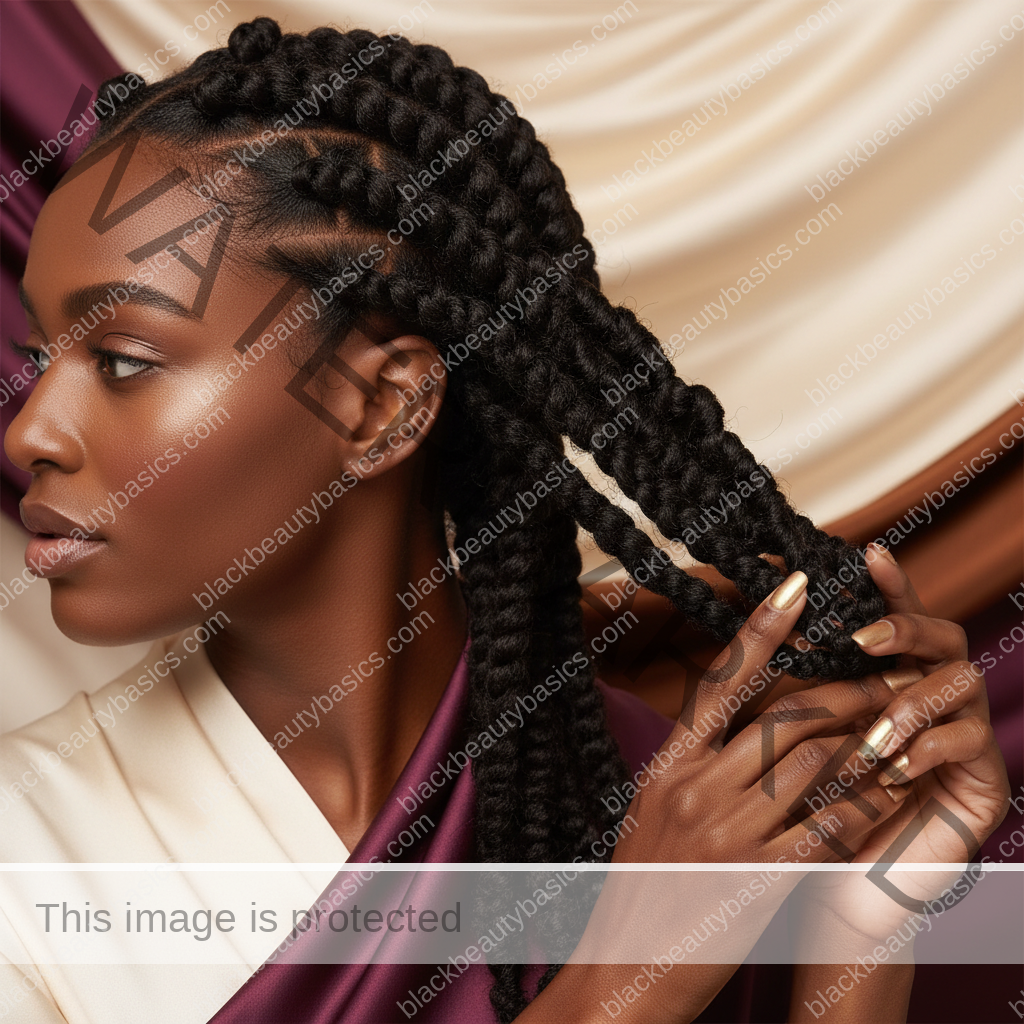
The Sacred Ritual: A Step-by-Step Guide to Pre-Braiding Perfection
Preparing your natural hair for braids or twists is a multi-step process, each phase building upon the last to create the ultimate foundation. This isn’t just about applying products; it’s about intentional care, mindful techniques, and listening to what your hair truly needs.
Step 1: The Purifying Cleanse – A Fresh Start for Your Crown
A clean slate is non-negotiable. This step removes all traces of old products, dirt, and environmental pollutants, allowing your scalp to breathe and your hair to fully absorb subsequent treatments.
Clarifying Shampoo: Deep Cleanse, Gentle Touch
Begin with a clarifying shampoo, but choose one specifically formulated for natural hair – one that purifies without stripping. Look for ingredients that gently lift buildup while still offering some hydration. This is crucial for removing silicones, heavy butters, and oils that can accumulate over time.
- Application: Focus the shampoo primarily on your scalp, massaging gently with your fingertips (not nails!) to stimulate circulation and dislodge buildup. Allow the lather to run down the length of your hair as you rinse, rather than scrubbing the strands directly, to minimize friction.
- Frequency: Depending on your product usage and lifestyle, a clarifying wash can be done every 2-4 weeks. For pre-braid prep, it’s essential.
Shop Clarifying Shampoo on Amazon
Hydrating Shampoo: Replenish and Rebalance
After clarifying, follow up with a moisturizing or hydrating shampoo. This step helps to restore some of the moisture that might have been lost during the clarifying process, leaving your hair feeling softer and more manageable.
- Key Ingredients: Look for humectants like glycerin, hyaluronic acid, and nourishing oils such as argan, jojoba, or avocado.
- Technique: Apply as you would the clarifying shampoo, focusing on gentle cleansing and ensuring even distribution.
Shop Hydrating Shampoo on Amazon
Step 2: The Nourishing Treatment – Deep Conditioning for Resilience
This is where you infuse your strands with intense moisture and strength, preparing them to withstand the manipulation of braiding or twisting.
Deep Conditioner: The Elixir of Life for Natural Hair
A high-quality deep conditioner is non-negotiable. It penetrates the hair shaft, providing lasting hydration, improving elasticity, and reducing breakage. For pre-braid prep, choose a deep conditioner that offers a balance of moisture and protein, especially if your hair feels weak or mushy.
- Application: Section your hair into 4-6 manageable parts. Apply the deep conditioner generously from root to tip, ensuring every strand is coated.
- Heat Activation: For optimal penetration, cover your hair with a plastic cap and sit under a hooded dryer or use a Shop Hair Steamer on Amazon for 15-30 minutes. The heat opens the cuticle, allowing the ingredients to deeply absorb. If you don’t have a dryer or steamer, a warm towel wrapped over the plastic cap can also work.
- Rinsing: Rinse thoroughly with cool water. Cool water helps to close the cuticle, sealing in the moisture and promoting shine.
Shop Deep Conditioner on Amazon
Optional: Protein Treatment for Strength
If your hair is experiencing excessive shedding, feels limp, or has been chemically treated, a light protein treatment can help fortify the strands. Use sparingly and follow with a moisturizing deep conditioner to maintain balance.
Shop Protein Treatment on Amazon
Step 3: The Art of Detangling – Gentle Unraveling
Detangling is a crucial step that prevents breakage during the braiding process. Never attempt to braid tangled hair.
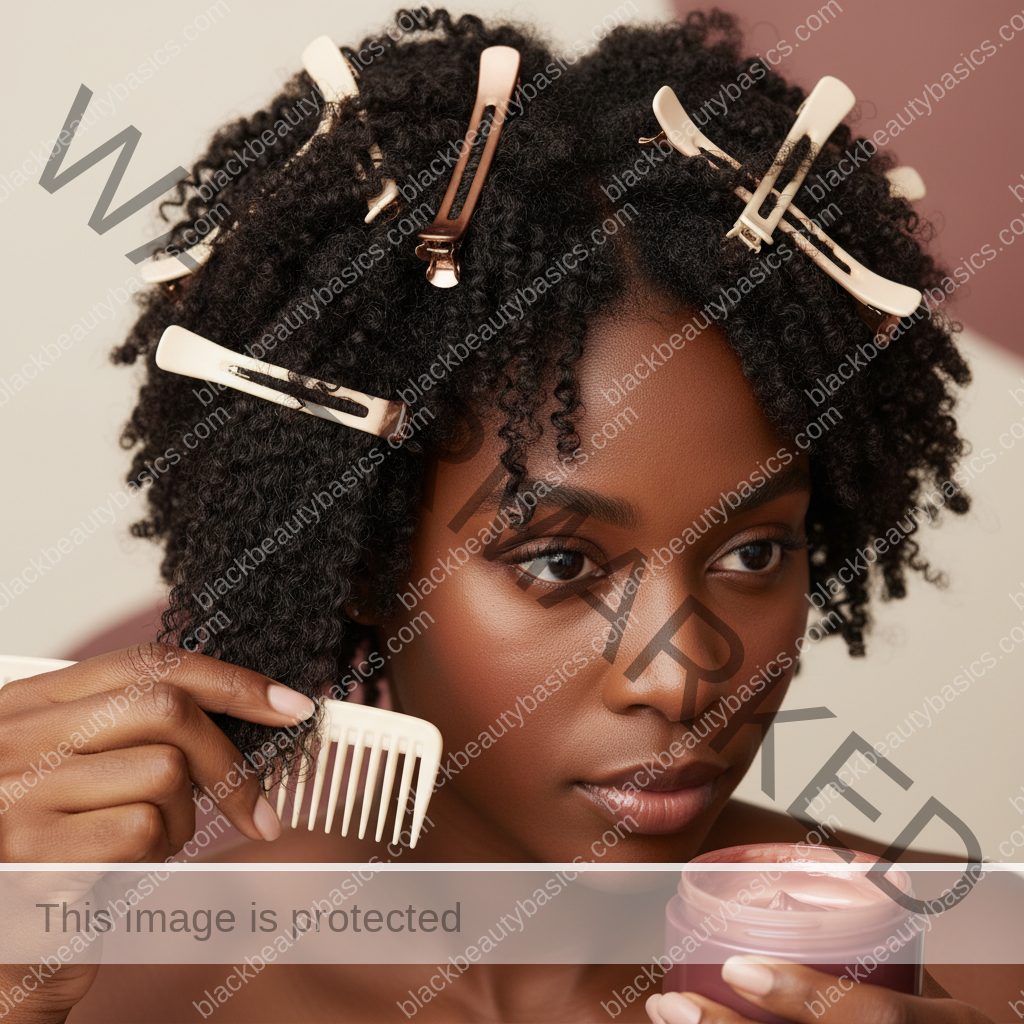
- Technique: Always detangle on damp, conditioned hair. Start from the ends and work your way up to the roots, using your fingers first to gently separate knots, then a wide-tooth comb or a Shop Detangling Brush on Amazon.
- Leave-in Conditioner: As you detangle, apply a Shop Leave-in Conditioner on Amazon to each section. This adds an extra layer of moisture and slip, making the process smoother and reducing friction.
Step 4: The Moisture Lock-In – Sealing the Deal
Once your hair is clean, conditioned, and detangled, it’s time to lock in all that goodness using the L.O.C. or L.C.O. method.
L.O.C. (Liquid, Oil, Cream) or L.C.O. (Liquid, Cream, Oil) Method
This method ensures maximum moisture retention, which is vital for protective styles. Choose the order that works best for your hair’s porosity and texture.
- Liquid (L): This is your leave-in conditioner or a water-based moisturizer. It provides the initial hydration. Apply generously to damp hair.
- Oil (O): A lightweight natural oil such as jojoba, grapeseed, or almond oil. This layer helps to seal in the moisture from the liquid. Apply a small amount to each section.
- Cream (C): A rich cream, butter, or styling milk. This final layer provides additional moisture, helps to define your natural curl pattern, and prepares the hair for stretching.
Shop Natural Hair Leave-in Conditioner on Amazon
Shop Natural Hair Oil on Amazon
Shop Natural Hair Styling Cream on Amazon
Step 5: The Gentle Stretch – Preparing for Seamless Installation
Stretching your hair before braiding or twisting minimizes shrinkage, makes the hair easier to section, and helps the braids lie flatter and appear neater. It also reduces tension during installation.
Preferred Stretching Methods:
- Blow Drying on Cool/Low Heat: After applying your leave-in and oil/cream, section your hair and gently blow dry each section on a cool or low-heat setting, using a tension method or a paddle brush. Avoid high heat to prevent damage.
- Banding Method: Apply elastic bands along the length of a section of damp hair, from root to tip. Allow to air dry completely. This stretches the hair without heat.
- Large Braids/Twists: After applying your products, create 4-8 large braids or twists throughout your hair and allow them to air dry. This stretches the hair while keeping it contained.
By meticulously following these steps, you are not just preparing your hair for a style; you are investing in its long-term health, ensuring that your braids or twists are not only beautiful but also truly protective.
Essential Product Arsenal: Curating Your Pre-Braiding Kit
The right tools and products are non-negotiable for a successful pre-braiding regimen. Think of them as the finely crafted instruments of a master artisan – each serves a specific purpose in achieving perfection. For the Black Beauty Basics woman, quality and efficacy are paramount.
The Must-Haves for a Flawless Foundation
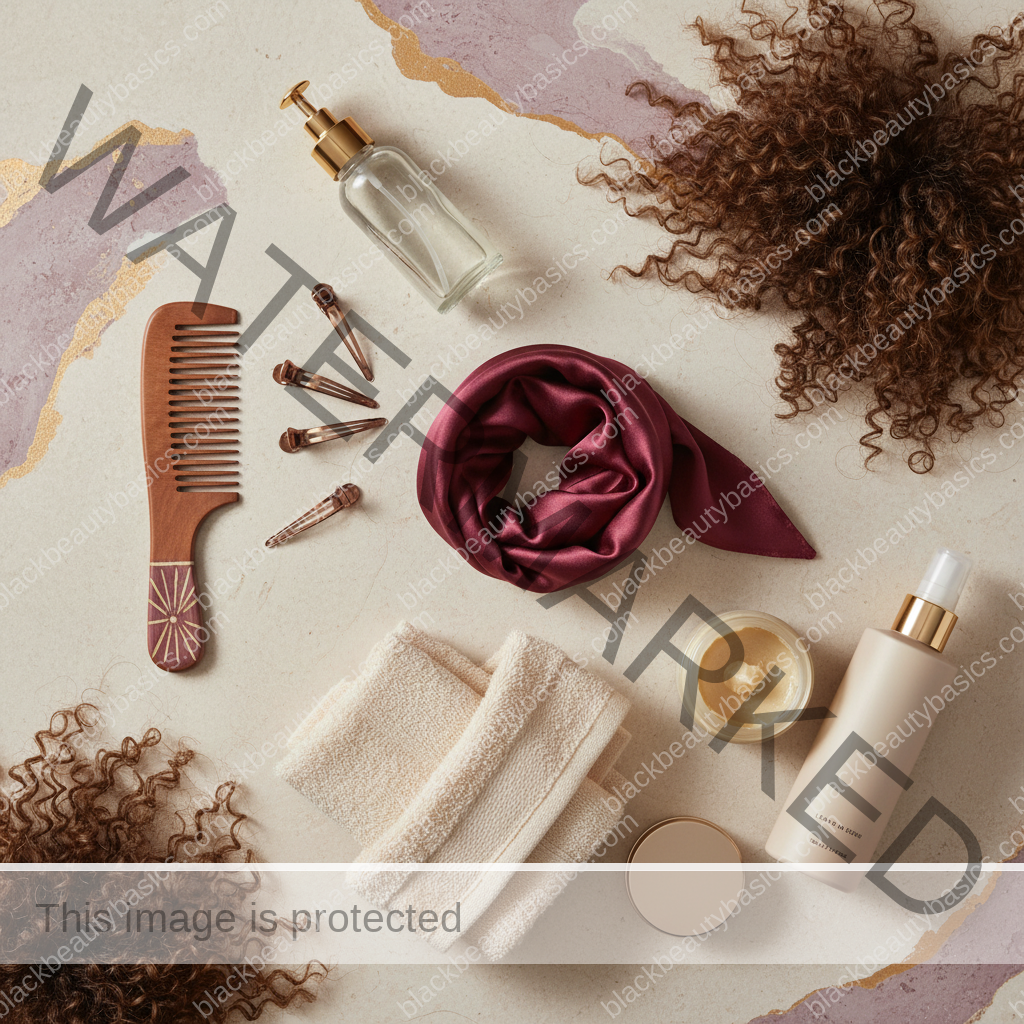
Your pre-braiding kit should be thoughtfully assembled, focusing on products that cleanse, condition, moisturize, and protect your natural hair. Here’s a curated list of essentials:
| Product Category | Purpose | Key Ingredients to Look For |
|---|---|---|
| Clarifying Shampoo | Deeply cleanses scalp and hair, removes buildup without stripping. | Apple Cider Vinegar, Tea Tree Oil, Bentonite Clay, gentle surfactants. |
| Hydrating Shampoo | Gently cleanses while infusing moisture, rebalancing after clarifying. | Aloe Vera, Glycerin, Coconut Milk, Shea Butter, Argan Oil. |
| Deep Conditioner | Intense moisture, strengthens strands, improves elasticity, reduces breakage. | Hydrolyzed Protein (for strength), Ceramides, Fatty Alcohols, natural oils (Avocado, Jojoba), Honey. |
| Leave-in Conditioner | First layer of moisture, detangling aid, heat protectant (if blow-drying). | Water-based, Silk Amino Acids, Panthenol, Rosewater, light oils. |
| Hair Oil (Lightweight) | Seals in moisture, adds shine, protects hair shaft. | Jojoba Oil, Grapeseed Oil, Sweet Almond Oil, Argan Oil, Squalane. |
| Styling Cream/Butter | Provides long-lasting moisture, definition, and manageability for stretching. | Shea Butter, Mango Butter, Cocoa Butter, Murumuru Butter, Aloe Vera. |
| Wide-Tooth Comb / Detangling Brush | Gently removes tangles, minimizes breakage during detangling. | Seamless teeth, flexible bristles, ergonomic design. |
| Spray Bottle | To re-moisturize hair during detangling or styling, filled with water or a light leave-in. | Fine mist, continuous spray for even distribution. |
Shop Wide-Tooth Comb on Amazon
Shop Hair Spray Bottle on Amazon
The Black Beauty Basics Product Philosophy
When selecting products, remember our core principles:
- Ingredient Consciousness: Prioritize products with natural, nourishing ingredients. Avoid excessive sulfates, parabens, phthalates, and heavy silicones that can lead to buildup or dryness.
- Moisture-Rich Formulations: Our hair thrives on moisture. Ensure your products are designed to hydrate and retain water within the hair shaft.
- Brand Integrity: Support brands that understand and cater specifically to the unique needs of natural, textured hair.
Advanced Insights & Expert Tips for Optimal Results
Beyond the fundamental steps, there are nuances and considerations that can elevate your pre-braiding prep from good to truly exceptional. These insights come from years of experience and a deep understanding of natural hair’s unique characteristics.
Tailoring Your Prep to Your Hair’s Needs
Not all natural hair is created equal. Understanding your hair’s specific characteristics allows for a more personalized and effective prep routine.
- Porosity Power:
- Low Porosity: Hair cuticles are tightly closed, making it harder for moisture to penetrate but easier to retain once inside. Use lightweight products, apply heat during deep conditioning, and ensure products are water-based to avoid buildup.
- High Porosity: Hair cuticles are raised, allowing moisture to enter easily but also escape quickly. Focus on heavier creams and butters to seal, use protein treatments judiciously, and rinse with cool water to help close the cuticle.
- Texture & Density:
- Fine/Low Density: Opt for lighter oils and creams to avoid weighing down the hair. Gentle detangling is paramount.
- Coarse/High Density: May require more product and longer deep conditioning times to ensure saturation. More robust detangling tools might be necessary.
- Scalp Health: If you have a sensitive or problematic scalp (e.g., dandruff, excessive oiliness), incorporate scalp treatments or medicated shampoos into your routine a week or two before braiding. Ensure your scalp is calm and balanced before installation.
Shop Scalp Treatment on Amazon
Pre-Braiding Checklist & Timing
Timing is everything. Plan your prep to coincide with your braiding appointment or styling day for maximum freshness and manageability.
| Timeline | Action Item | Rationale |
|---|---|---|
| 1-2 Weeks Before | Assess hair and scalp health. Consider a protein treatment if needed. | Allows time to address any underlying issues like dryness or weakness. |
| 1-3 Days Before | Clarify, shampoo, deep condition. | Ensures hair is thoroughly clean and deeply moisturized, but not overly wet on styling day. |
| Day Before / Day Of | Detangle, apply leave-in, oil, cream (L.O.C./L.C.O.). Gently stretch hair. | Hair is fresh, pliable, and ready for manipulation, minimizing shrinkage and tangles. |
| Immediately Before Styling | Lightly mist with water/leave-in if hair feels dry. Re-section as needed. | Maintains moisture and elasticity, making braiding easier for you or your stylist. |
Stylist Communication: Your Partner in Protective Styling
Your stylist is your ally. Open communication ensures your hair’s health remains a priority.
- Discuss Your Prep: Inform your stylist about your pre-braiding routine. Let them know if your hair is freshly washed, deep conditioned, and stretched.
- Address Concerns: If you have sensitive edges, a tender scalp, or specific areas prone to breakage, communicate this clearly before they begin.
- Observe and Speak Up: During installation, if you feel excessive tension or discomfort, don’t hesitate to politely voice your concerns. A good stylist will adjust their technique.
By integrating these advanced insights and tips, you empower yourself with the knowledge to not just prepare your hair, but to truly nurture it, ensuring that every protective style serves its purpose: to protect, to grow, and to beautifully showcase your natural glory.
How to make the routine fit your real hair and real life
For Black women with textured hair, hair-care choices can feel emotional because they sit at the intersection of identity, time, styling expectations, budget, and all the advice we have been given about what our hair “should” do. This guide focuses on prepping natural hair with cleansing, conditioning, detangling, stretching, trimming awareness, and scalp comfort before braids or twists, while keeping the related BBB natural-hair cluster as the home base. The goal is not to force every curl, coil, kink, or section into the same behavior. The goal is to build a routine that protects the hair you actually have.
Start with your real constraints. How much time do you have? How much energy do you usually have on wash day? Does your hair dry quickly, stay wet for hours, tangle at the ends, frizz at the crown, shrink tightly, or lose moisture by day two? These details are not excuses. They are design information for a routine that can last longer than one motivated weekend.
The strongest routine is usually the one that keeps handling gentle, makes detangling easier, protects the ends, and respects your lifestyle. A routine can be beautiful and still simple. It can be polished and still low manipulation. It can include products without making products the whole personality of the plan.
What to notice gently
- Where your hair tangles first: ends, nape, crown, edges, or interior sections.
- How your hair responds to water, conditioner, gels, creams, oils, and drying time.
- Which steps leave your hair softer, rougher, stretched, shrunken, defined, or weighed down.
- How much manipulation your schedule and strands can realistically handle.
- What improves the style without making wash day feel impossible.
What usually makes natural-hair routines harder than they need to be
The first challenge is trying to copy a routine that was built for a different head of hair. Even within the same family, one person may need more water, another may need lighter layers, and another may need more stretch before styling. Texture charts can give language, but your own hair gives better instructions.
The second challenge is doing too many corrective steps at once. A new shampoo, deep conditioner, protein treatment, gel, oil, brush, and drying method can make it impossible to tell what actually helped. For textured hair, small changes are often easier to read and easier to repeat.
The third challenge is letting frustration set the pace. When hair feels dry, undefined, tangled, or unpredictable, it is tempting to keep adding product or handling it more. Often the better move is to slow down, add water where appropriate, work in sections, protect the ends, and choose a style that meets the week you are actually in.
What to do next
Keep this article connected to the Natural Hair Care & Protective Styles system. Use the related guides below to decide whether your next step is a better wash day, a moisture/protein reset, a lower-manipulation style, or a gentler approach to stretching and definition.
- Natural Hair Care & Protective Styles
- The related natural-hair cluster guide
- style-specific prep and takedown routines
- taking down braids without losing length
- alternating protective styles with rest periods
- protective style strategy
Frequently Asked Questions: Your Pre-Braiding Queries Answered
Navigating the world of natural hair care can bring forth many questions, especially when preparing for a protective style. Here, we address some of the most common inquiries to ensure you feel confident and informed.
Q1: How long before braiding should I wash my hair?
A: Ideally, you should wash and deep condition your hair 1-3 days before your braiding appointment. This allows your hair to fully dry (if air-drying) and settle, while still being fresh and moisturized. Washing too far in advance can lead to product buildup or dryness, while washing immediately before may mean your hair is still too wet, making it harder to braid and potentially leading to mildew if not fully dried within the braids.
Q2: Can I use heat to stretch my hair before braids?
A: Yes, you can use heat, but with extreme caution and on a low-heat setting. After applying a heat protectant Shop Natural Hair Heat Protectant on Amazon, gently blow dry your hair on a cool or low-heat setting using a tension method or a paddle brush. The goal is to stretch, not to straighten or dry out. Excessive heat can cause damage and defeat the purpose of a protective style. Non-heat stretching methods like banding or large braids/twists are often preferred for minimizing risk.
Q3: Should I trim my ends before getting braids or twists?
A: Absolutely. Trimming your ends before a protective style is highly recommended. Split ends can continue to split up the hair shaft even when braided, leading to more damage. Freshly trimmed ends ensure that the hair you’re protecting is healthy, promoting better length retention and a neater overall appearance for your style.
Q4: My scalp gets very itchy with braids. How can I prevent this during prep?
A: Itchy scalp is often due to product buildup, dryness, or sensitivity to braiding hair. During prep, ensure a thorough clarifying wash to remove all residue. Deep condition well to combat dryness. If you’re using synthetic braiding hair, consider pre-soaking it in an apple cider vinegar rinse Shop Apple Cider Vinegar Hair Rinse on Amazon to remove alkaline coatings that can irritate the scalp. Also, ensure your stylist doesn’t braid too tightly, as tension can cause irritation.
Q5: What products should I avoid using right before braids/twists?
A: Avoid heavy butters, waxes, or excessive amounts of oil directly on the scalp, as these can lead to buildup, clog pores, and cause flaking or itching once the hair is braided. Also, steer clear of products with high alcohol content, which can dry out your hair. Opt for lightweight, water-based moisturizers and oils for your final prep steps.
Q6: Can I get braids if my hair is damaged or breaking?
A: It’s generally not advisable to get braids or twists on severely damaged or actively breaking hair. Braids, while protective, still involve manipulation and tension. If your hair is in a fragile state, this can exacerbate the damage. Focus on intensive repair treatments, deep conditioning, and regular trims to restore your hair’s health first. Once your hair is stronger, then consider a protective style.
Q7: How do I maintain my hair’s moisture after it’s braided?
A: Maintaining moisture is key. Lightly mist your scalp and braids with a diluted leave-in conditioner or rosewater spray Shop Rosewater Spray for Hair on Amazon every few days. Follow up with a light hair oil Shop Light Hair Oil for Braids on Amazon on your scalp and along the braids to seal in the moisture. Remember to sleep with a satin bonnet Shop Satin Bonnet for Braids on Amazon or on a satin pillowcase Shop Satin Pillowcase for Hair on Amazon to prevent moisture loss and frizz.
By arming yourself with these answers, you can approach your protective styling journey with clarity and confidence, ensuring your hair remains a testament to health and beauty.

As we conclude this journey through the art of pre-braiding preparation, remember that your natural hair is a magnificent crown, deserving of the utmost care and reverence. Each step, from the purifying cleanse to the gentle stretch, is an investment in its health, its strength, and its unparalleled beauty. Embrace this ritual, for it is in these intentional moments that we truly honor the legacy and future of our glorious coils and curls. May your protective styles always be a testament to your radiant confidence and the enduring splendor of Black beauty.
Related next steps
Related posts:
 Prep and Takedown for Braids and Twists: The Full Cycle of Protective Styling
 Protective Styles That Actually Protect: Braids, Twists, Wigs, and Maintenance for Thriving Natural Hair
 Strategy for Braids and Twists on Natural Hair
 How Often to Wash Your Scalp in Braids, Twists, or Wigs
 Scalp Care Under Braids, Twists, and Cornrows: Nurturing Your Foundation While You Glow
 Core Prep and Takedown Principles for Natural Hair