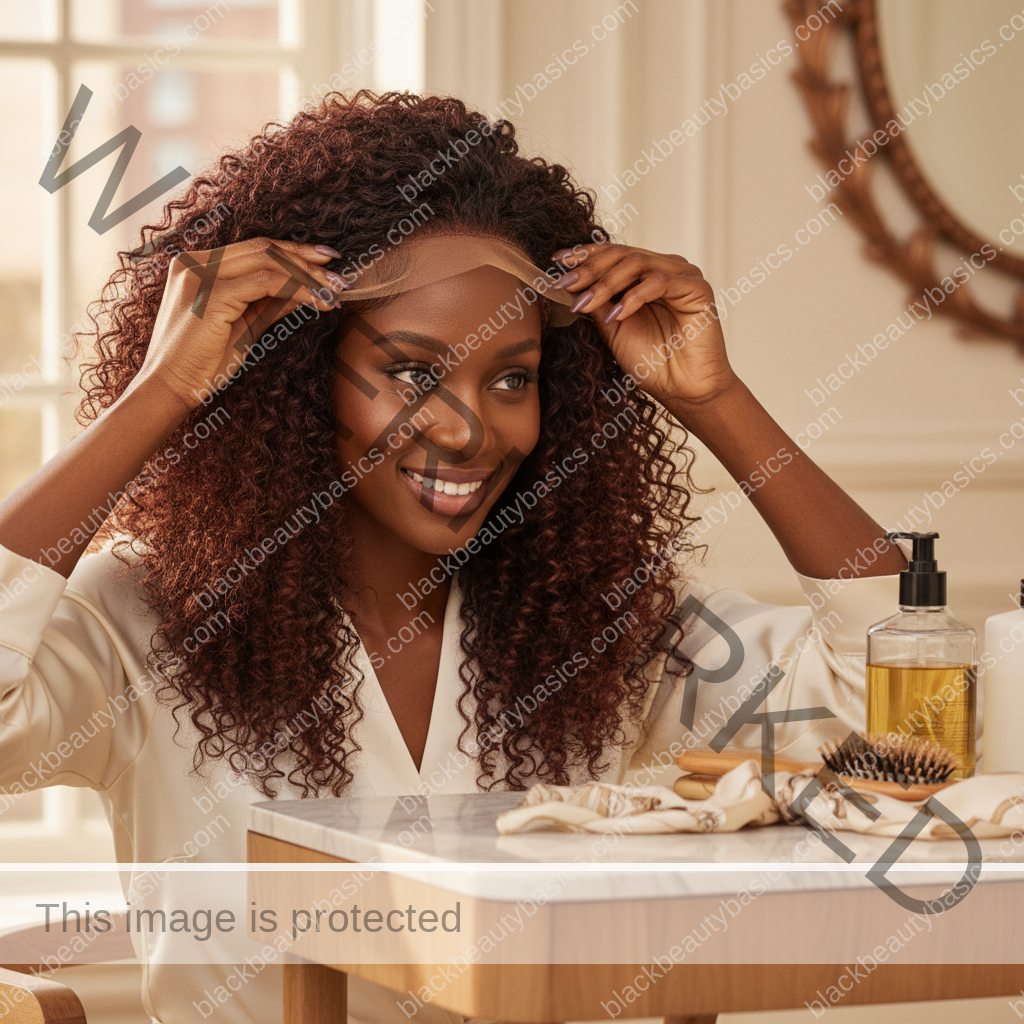
The allure of a perfectly styled wig is undeniable, offering a canvas for self-expression, a shield against the elements, and the ultimate style chameleon. Yet, beneath that exquisite crown lies your precious natural hair, deserving of the same meticulous care and unwavering protection. This guide isn’t just about wearing a wig; it’s about mastering the art of protective wig-wearing, ensuring your natural coils and curls thrive, vibrant and resilient, beneath every beautiful transformation. Start with the related BBB natural-hair cluster guide if you want the broader map.
The Foundation: Why Protecting Your Natural Hair Under Wigs is Paramount
For generations, African American women have embraced wigs as a versatile and stylish protective style. They offer a reprieve from daily manipulation, environmental stressors, and the demands of intricate styling. However, the very act of wearing a wig, if not done correctly, can inadvertently lead to issues like dryness, breakage, and thinning edges. Our goal at Black Beauty Basics is to empower you with the knowledge and techniques to harness the protective power of wigs, ensuring your natural hair emerges healthier and stronger with each wear.

Understanding the Potential Pitfalls of Improper Wig-Wearing
While wigs are a fantastic protective style, they come with their own set of considerations. Ignoring these can undermine your hair health goals:
- Friction and Tension: Constant rubbing from wig caps or improper wig attachment methods can cause friction, leading to breakage, especially around the delicate hairline.
- Moisture Deprivation: Wigs can sometimes create a barrier that prevents your scalp and hair from receiving adequate moisture and air circulation, leading to dryness and flakiness.
- Product Buildup: Neglecting to properly cleanse your scalp and hair underneath can lead to product buildup, clogged follicles, and potential scalp issues.
- Neglect: The “out of sight, out of mind” mentality can lead to neglecting your natural hair, forgetting to moisturize, detangle, and treat it regularly.
The Black Beauty Basics Philosophy: Intentional Protection
Our approach to wig-wearing is rooted in intentionality. Every step, from preparation to removal, is designed to safeguard your natural hair. This isn’t about hiding your hair; it’s about nurturing it while enjoying the freedom and beauty wigs provide. It’s an act of self-care, a commitment to the health of your crown, regardless of what style you choose to adorn it with.
Phase 1: Pre-Wig Preparation – Setting the Stage for Success
The journey to healthy wig-wearing begins even before your wig touches your head. This foundational phase is crucial for ensuring your natural hair is clean, moisturized, and properly secured.
Step 1: Deep Cleanse and Condition
Start with a clean slate. A thorough wash day is non-negotiable. Use a sulfate-free shampoo to gently cleanse your scalp and hair, removing any product buildup without stripping essential moisture.
Product Recommendation:
Follow with a rich, hydrating conditioner, focusing on detangling thoroughly. Consider a deep conditioning treatment to infuse your strands with maximum moisture and nutrients. This creates a protective barrier against dryness.
Product Recommendation:
- Shop Deep Conditioner for Natural Hair on Amazon
Step 2: Moisturize, Moisturize, Moisturize! (The LOC/LCO Method)
Moisture is your natural hair’s best friend, especially when it’s tucked away. Apply a leave-in conditioner, followed by a nourishing oil, and then a rich cream or butter. This seals in hydration and keeps your hair supple.
- L (Liquid/Leave-in): A water-based leave-in conditioner to hydrate.
- O (Oil): A lightweight oil (like jojoba, argan, or grapeseed) to seal in moisture.
- C (Cream/Butter): A heavier cream or butter (like shea butter or mango butter) for added sealing and protection.
Pay special attention to your ends and edges, as these are the most delicate areas.
Product Recommendations:
- Shop Leave-In Conditioner for Natural Hair on Amazon
- Shop Natural Hair Oil Blend on Amazon
- Shop Hair Butter for Natural Hair on Amazon
Step 3: Protective Styling Underneath
How you secure your natural hair under your wig is paramount. The goal is to create a flat, smooth surface that minimizes bulk and friction, while also protecting your strands from tension.
H4: Braiding Techniques for Wig-Wearing
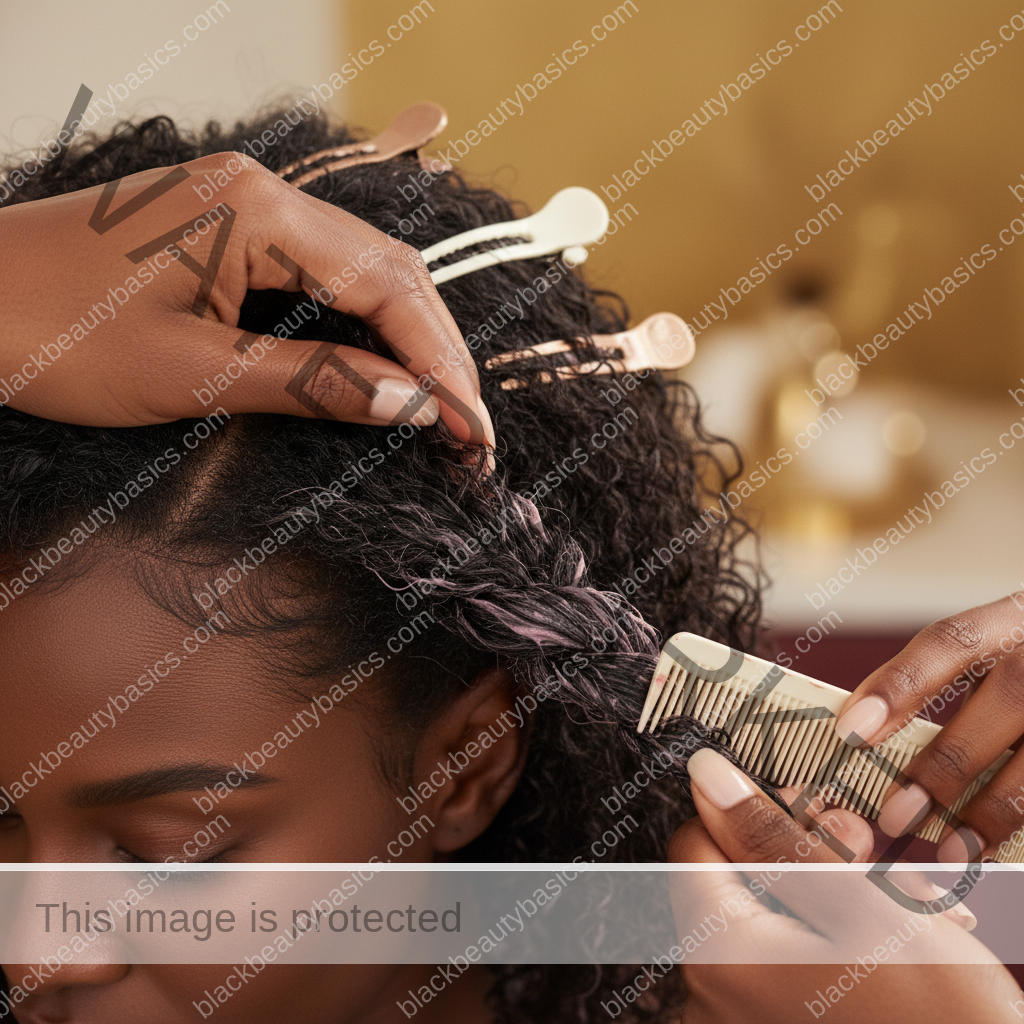
- Cornrows (Canerows): This is the most popular and effective method. Small, neat cornrows laid flat against the scalp provide an excellent foundation. Ensure they are not too tight, as excessive tension can lead to traction alopecia.
- Flat Twists: Similar to cornrows, flat twists offer a gentle alternative, especially for those with sensitive scalps.
- Bantu Knots: For shorter hair or if you prefer a different texture, small Bantu knots can also work, but ensure they are flat enough to not create bumps under the wig.
H4: Securing Loose Hair
If your hair is too short for braids or twists, or if you prefer not to braid, you can gently slick it back with a light gel or pomade and secure it with a satin or silk scarf before applying your wig cap. Avoid heavy gels that can dry out your hair.
Product Recommendation:
- Shop Lightweight Edge Control on Amazon
Step 4: The Wig Cap – Your Hair’s First Line of Defense
A quality wig cap is essential. It acts as a barrier between your natural hair and the wig, reducing friction and helping to keep your hair flat and secure.
- Mesh/Net Caps: Offer breathability, which is great for scalp health, but may not provide as much friction protection.
- Nylon Caps: Smooth and thin, they create a seamless look but can sometimes trap heat and moisture.
- Satin/Silk Lined Caps: The gold standard. These caps minimize friction, prevent moisture loss, and are gentle on your edges. Some wigs even come with built-in satin lining.
Tip: If using a standard nylon or mesh cap, consider wearing a thin satin or silk scarf underneath for added protection, especially around your edges.
Product Recommendation:
- Shop Satin Wig Cap on Amazon
Phase 2: Wig Application and Daily Wear – Mindful Maintenance
Once your natural hair is prepped and secured, it’s time for wig application. This phase focuses on how to apply your wig safely and maintain both your wig and your natural hair during daily wear.
Step 5: Gentle Wig Application
The way you put on your wig can impact your edges. Avoid aggressively pulling or tugging. Gently place the wig on your head, adjusting it carefully to align with your natural hairline.
H4: Adhesives and Glueless Options
- Glueless Wigs: Many wigs now come with combs, adjustable straps, or elastic bands, allowing for a secure fit without adhesives. This is ideal for daily wear and minimizes stress on your edges.
- Wig Grips: A velvet wig grip band can provide extra security without the need for glue, offering a comfortable, non-slip solution.
- Minimal Adhesive Use: If you use adhesive for a seamless look, opt for a skin-friendly, water-soluble wig glue or gel. Apply it sparingly, only where necessary, and ensure you use an appropriate adhesive remover when taking off your wig. Never rip off a glued wig!
Product Recommendations:
- Shop Velvet Wig Grip Band on Amazon
- Shop Water-Soluble Wig Glue on Amazon
- Shop Wig Adhesive Remover on Amazon
Step 6: Daily Scalp and Hair Care Underneath
Just because your hair is tucked away doesn’t mean it’s off-duty. Regular care is vital.
- Moisturize Daily (or Every Other Day): Use a spray bottle with a mix of water and leave-in conditioner, or a light hair oil, to spritz your scalp and braids/twists. This keeps your hair hydrated and prevents dryness.
- Scalp Massage: Gently massage your scalp with your fingertips or a scalp massager to stimulate blood flow and encourage healthy growth. You can use a stimulating oil for this.
- Address Itchiness: If your scalp becomes itchy, use a soothing scalp serum or witch hazel on a cotton swab to gently dab the affected areas. Avoid excessive scratching, which can damage your scalp.
Product Recommendations:
- Shop Scalp Massager for Hair Growth on Amazon
- Shop Soothing Scalp Serum on Amazon
Step 7: Nighttime Routine – Protecting Your Crown While You Rest
Your nighttime routine is just as important as your daytime one.
- Remove Your Wig: Whenever possible, remove your wig before bed. This allows your scalp to breathe and prevents unnecessary tension on your edges while you sleep.
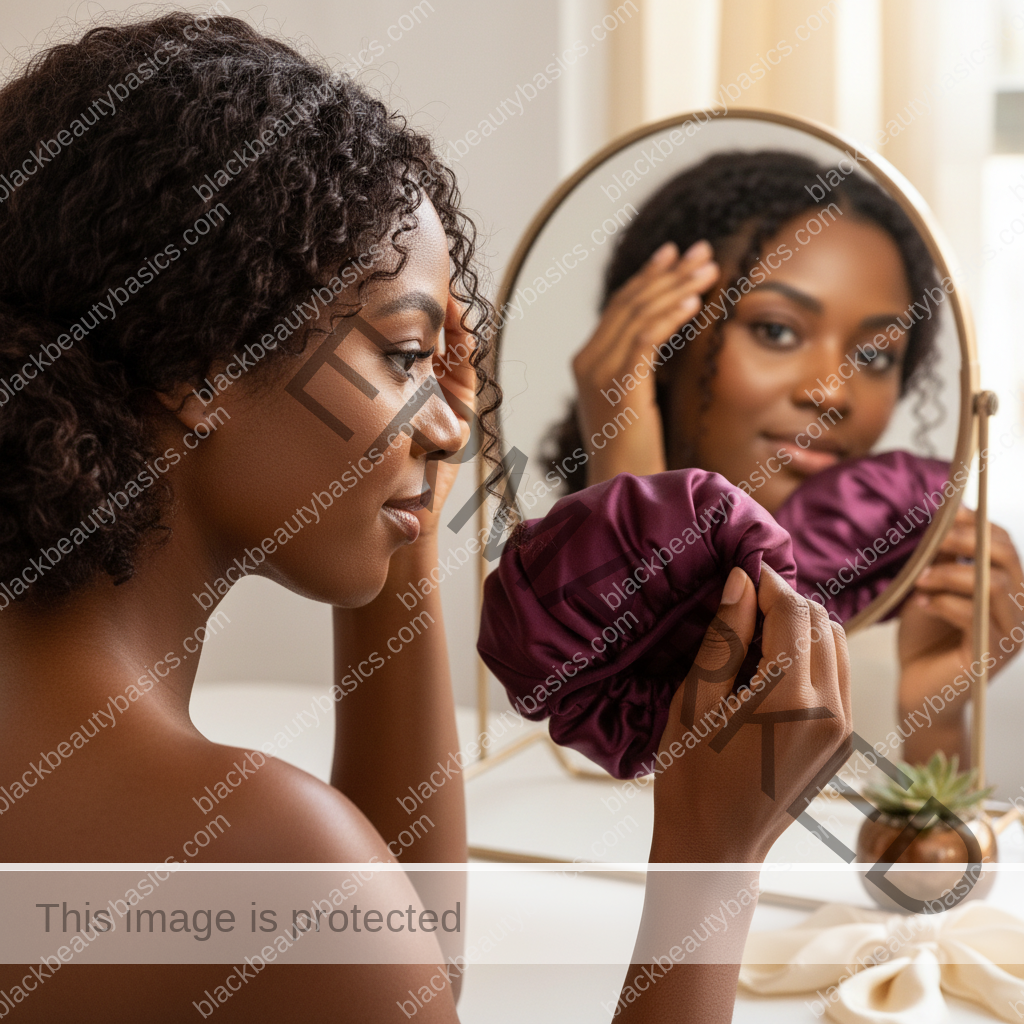
- Wrap Your Hair: After removing your wig, wrap your natural hair (still in its braids/twists) in a silk or satin scarf or bonnet. This further protects your hair from friction against your pillowcase and helps retain moisture.
- Store Your Wig Properly: Place your wig on a wig stand to maintain its shape and prevent tangling.
Product Recommendation:
- Shop Silk Bonnet for Natural Hair on Amazon
- Shop Wig Stand for Wigs on Amazon
Phase 3: Wig Removal and Post-Wig Care – Rejuvenation and Recovery
The moment you take off your wig is not the end of your protective routine; it’s an opportunity for deep care and rejuvenation.
Step 8: Gentle Wig Removal
If you used adhesive, use a dedicated wig adhesive remover. Apply it generously to the glued areas and allow it to sit for a few minutes to dissolve the bond. Gently peel the wig away, never pulling or tugging.
Product Recommendation:
- Shop Gentle Wig Adhesive Remover on Amazon
Step 9: Detangle and Deep Condition
Once your wig is off, carefully unbraid or untwist your natural hair. You’ll likely notice some shedding, which is normal. Gently detangle your hair section by section, starting from the ends and working your way up to the roots. Use a wide-tooth comb or your fingers with a generous amount of conditioner or detangling spray.
Follow with another deep conditioning treatment. This is crucial for replenishing moisture and strengthening your strands after being tucked away.
Product Recommendation:
- Shop Wide-Tooth Comb for Natural Hair on Amazon
- Shop Detangling Spray for Natural Hair on Amazon
Step 10: Give Your Hair a Break
After a period of wig-wearing, allow your natural hair to breathe. Take a few days, or even a week, to wear your natural hair out. This gives your scalp full access to air and allows you to give your hair focused attention without the wig. Focus on moisturizing, light styling, and scalp treatments.
Advanced Tips for Optimal Wig-Wearing Protection
Table 1: Wig Cap Comparison for Natural Hair Protection
| Wig Cap Type | Pros | Cons | Best For |
|---|---|---|---|
| Satin/Silk Lined | Minimizes friction, prevents moisture loss, gentle on edges, promotes breathability. | Can be slightly thicker, may shift if not secured properly. | All hair types, especially dry or fragile hair; daily wear. |
| Nylon/Stocking | Very thin, creates a smooth, seamless look, affordable. | Can trap heat, may cause friction, less breathable, can dry out hair. | Occasional wear, short-term styling, if worn over a satin scarf. |
| Mesh/Net | Highly breathable, lightweight, allows scalp to “breathe.” | Less friction protection, hair can sometimes poke through, may not create a completely smooth base. | Hot climates, those prioritizing scalp breathability, can be worn over a satin scarf for protection. |
| Velvet Wig Grip | No glue needed, prevents slipping, comfortable, reduces tension. | Not a full cap, needs to be worn with or without a thin cap underneath, can be bulky for some. | Glueless wig wearers, sensitive scalps, those avoiding adhesives. |
Table 2: Do’s and Don’ts of Protective Wig-Wearing
| Do’s | Don’ts |
|---|---|
| DO deep condition your natural hair before installing a wig. | DON’T wear a wig on dirty hair; always start with a clean scalp. |
| DO moisturize your hair and scalp regularly while wearing a wig. | DON’T neglect your natural hair because it’s hidden. |
| DO use a satin or silk wig cap or scarf underneath your wig. | DON’T use cotton caps, which can absorb moisture and cause friction. |
| DO choose glueless wigs or use minimal, gentle adhesives. | DON’T use harsh glues or apply excessive adhesive to your edges. |
| DO remove your wig nightly to allow your scalp to breathe. | DON’T sleep in your wig every night, as it can cause tension and buildup. |
| DO give your natural hair breaks between wig installations. | DON’T wear wigs for excessively long periods without proper hair care. |
| DO gently detangle your hair after wig removal, starting from the ends. | DON’T aggressively pull or comb through tangled hair after removal. |
| DO invest in quality hair products for your natural hair underneath. | DON’T use products that contain harsh chemicals or drying alcohols. |
How to make the routine fit your real hair and real life
For Black women with textured hair, hair-care choices can feel emotional because they sit at the intersection of identity, time, styling expectations, budget, and all the advice we have been given about what our hair “should” do. This guide focuses on building a wig routine that protects the hair underneath with cleansing, cornrow care, moisture, breaks, edge comfort, and friction control, while keeping the related BBB natural-hair cluster as the home base. The goal is not to force every curl, coil, kink, or section into the same behavior. The goal is to build a routine that protects the hair you actually have.
Start with your real constraints. How much time do you have? How much energy do you usually have on wash day? Does your hair dry quickly, stay wet for hours, tangle at the ends, frizz at the crown, shrink tightly, or lose moisture by day two? These details are not excuses. They are design information for a routine that can last longer than one motivated weekend.
The strongest routine is usually the one that keeps handling gentle, makes detangling easier, protects the ends, and respects your lifestyle. A routine can be beautiful and still simple. It can be polished and still low manipulation. It can include products without making products the whole personality of the plan.
What to notice gently
- Where your hair tangles first: ends, nape, crown, edges, or interior sections.
- How your hair responds to water, conditioner, gels, creams, oils, and drying time.
- Which steps leave your hair softer, rougher, stretched, shrunken, defined, or weighed down.
- How much manipulation your schedule and strands can realistically handle.
- What improves the style without making wash day feel impossible.
What usually makes natural-hair routines harder than they need to be
The first challenge is trying to copy a routine that was built for a different head of hair. Even within the same family, one person may need more water, another may need lighter layers, and another may need more stretch before styling. Texture charts can give language, but your own hair gives better instructions.
The second challenge is doing too many corrective steps at once. A new shampoo, deep conditioner, protein treatment, gel, oil, brush, and drying method can make it impossible to tell what actually helped. For textured hair, small changes are often easier to read and easier to repeat.
The third challenge is letting frustration set the pace. When hair feels dry, undefined, tangled, or unpredictable, it is tempting to keep adding product or handling it more. Often the better move is to slow down, add water where appropriate, work in sections, protect the ends, and choose a style that meets the week you are actually in.
What to do next
Keep this article connected to the Natural Hair Care & Protective Styles system. Use the related guides below to decide whether your next step is a better wash day, a moisture/protein reset, a lower-manipulation style, or a gentler approach to stretching and definition.
- Natural Hair Care & Protective Styles
- The related natural-hair cluster guide
- protective styles strategy
- alternating protective styles with rest periods
- travel hair routine
- scalp-focused routines under protective styles
Frequently Asked Questions About Wig-Wearing and Hair Protection
Q1: How long can I wear a wig continuously without damaging my natural hair?
A: The ideal duration varies, but generally, we recommend wearing a wig for no more than 2-4 weeks at a time before taking a break. During this period, ensure you’re consistently moisturizing your natural hair and scalp. After removing the wig, give your hair a break of at least a few days, or even a week, to breathe and receive direct care before reapplying a wig. Listen to your hair and scalp; if you notice excessive itching, dryness, or irritation, it’s time for a break.
Q2: What’s the best way to moisturize my scalp and hair when it’s braided under a wig?
A: The most effective method is to use a spray bottle with a mixture of water and a light leave-in conditioner, or a diluted hair oil. Gently lift sections of your wig to expose your scalp and braids, then lightly spritz. Follow up with a gentle scalp massage to distribute the moisture and stimulate blood flow. Focus on your edges and any areas that feel particularly dry. Do this every 1-2 days, or as needed, to keep your hair hydrated.
Q3: My edges are thinning from wig-wearing. What can I do?
A: Thinning edges are a common concern, often caused by excessive tension or friction. First, stop using any adhesives or wig attachment methods that pull on your edges. Opt for glueless wigs with adjustable straps or a velvet wig grip. Ensure your cornrows or braids underneath are not too tight. Use a satin-lined wig cap. Incorporate a gentle, stimulating edge growth oil or serum into your routine, massaging it into your edges nightly. Most importantly, give your edges a significant break from wigs and tight styles to allow them to recover and regrow.
Q4: Is it better to wear a wig cap or just a silk scarf under my wig?
A: For optimal protection, a satin or silk-lined wig cap is often the best choice as it provides a smooth barrier over your entire head. However, if you prefer, a silk or satin scarf tied securely can also work, especially if you’re concerned about breathability. Some women even combine both: a thin mesh wig cap for flatness, with a satin scarf underneath to protect the edges and retain moisture. Avoid cotton caps, as they absorb moisture and can cause friction.
Q5: How do I prevent my natural hair from getting matted or tangled under a wig?
A: The key to preventing matting and tangling is proper preparation and consistent moisture. Ensure your natural hair is thoroughly detangled and moisturized before braiding or twisting it down. Keep your braids or twists neat and secure. Regularly spritz your hair with a leave-in conditioner/water mix to maintain moisture and elasticity. When you remove your wig, always detangle gently from ends to roots, using a wide-tooth comb and a generous amount of conditioner or detangling spray.
Q6: Can I use heat on my natural hair while wearing a wig?
A: It’s generally best to avoid applying direct heat to your natural hair while it’s braided or twisted under a wig. The goal of protective styling is to minimize manipulation and heat damage. If you need to dry your hair after washing, opt for air drying or a low-heat hooded dryer. Excessive heat under a wig can lead to dryness and damage. Focus on nourishing and moisturizing your hair during this time.
Q7: What kind of products should I avoid using on my natural hair when wearing a wig?
A: Avoid heavy, greasy products that can lead to excessive buildup on your scalp and hair, as this can clog follicles and cause irritation. Steer clear of products with high alcohol content, as they can be very drying. Also, be cautious with strong-hold gels or edge controls that can cause stiffness and breakage, especially around your delicate edges. Opt for lightweight, water-based, and nourishing products.

Embracing wigs as a protective style is a beautiful journey of versatility and self-expression, but it must always be anchored in a deep respect for your natural hair’s health. By following this comprehensive, intentional routine, you transform wig-wearing from a mere style choice into a powerful act of self-care, ensuring your coils and curls remain vibrant, strong, and ready to flourish beneath every magnificent crown. May your natural hair always be as radiant as the confidence you exude.
Related next steps
Related posts:
 13×4 HD Lace Front Bob Wig – 12 Inch Glueless Human Hair Wig with Pre-Plucked Natural Hairline
 Nadula Yaki Straight Bob Glueless Wig Review: Pre-Cut 7×5 HD Lace Front Human Hair Wig with Invisible Knots
 A Calm Scalp Routine for Black Women Wearing Wigs Regularly
 Fancy Hair Full Lace Short Passion Twist Wig with Baby Hair – Elevate Your Style Effortlessly!
 Nadula Golden Brown Highlight Water Wave Wig Review – 7×5 HD Lace, Pre-Plucked & Glueless
 Ditch the Discomfort: How This No-Itch Spray Transforms Braid & Wig Wear