
Our crowns, whether adorned in intricate braids, elegant twists, or versatile wigs, are more than just hairstyles—they are expressions of our heritage, our creativity, and our undeniable strength. Yet, beneath these protective styles lies the very foundation of our hair health: our scalp. Neglecting its care can lead to discomfort, irritation, and even compromise the longevity of our precious strands. So, how do we honor our scalp while rocking these beautiful styles? This comprehensive guide will illuminate the path to a healthy, thriving scalp, no matter your chosen protective style. Start with the related BBB scalp-health cluster guide if you want the broader map.
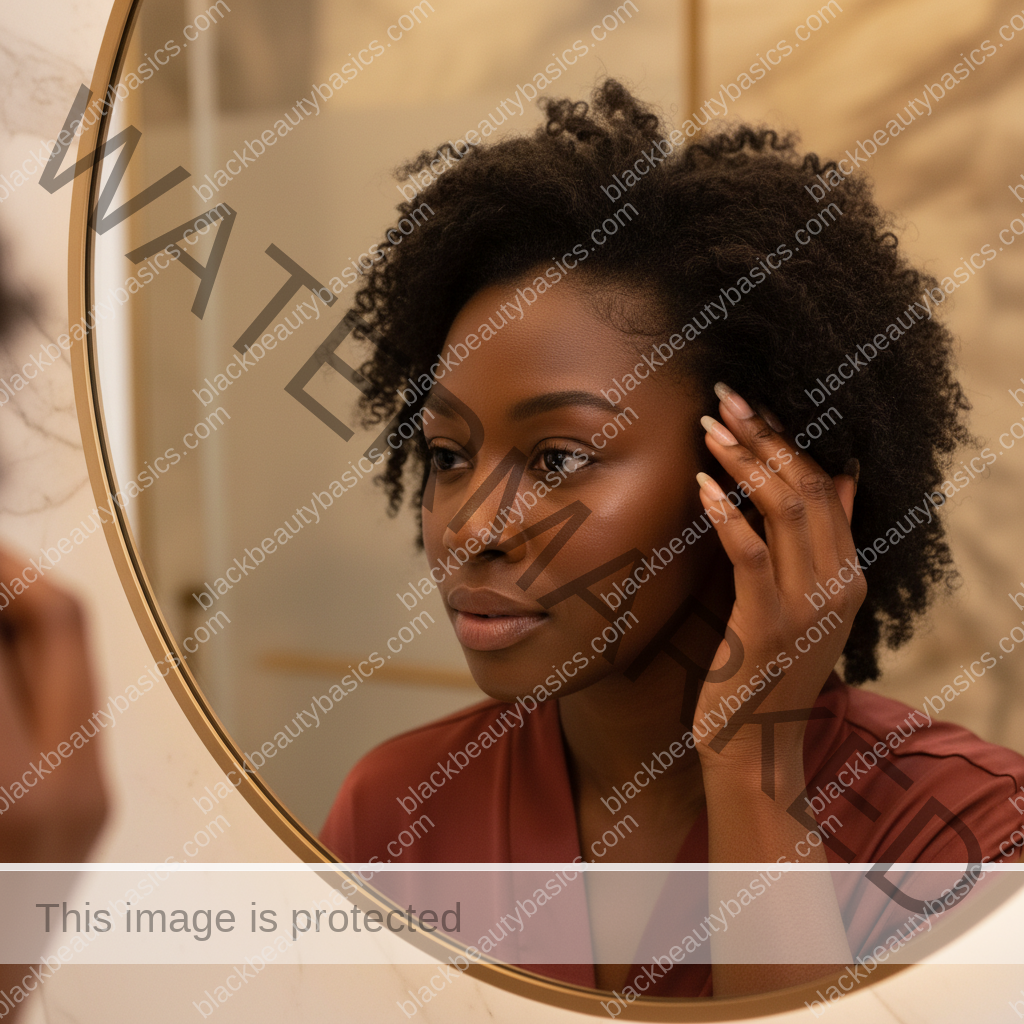
The Unseen Foundation: Why Scalp Health Matters, Always
Before we delve into the specifics of washing, let’s reaffirm a fundamental truth: a healthy scalp is the bedrock of healthy hair. For Black women, this truth is amplified. Our hair, often characterized by its unique curl patterns and delicate structure, requires a nurturing environment to flourish. When our scalp is compromised—whether by dryness, excessive oil, product buildup, or inflammation—it can lead to a cascade of issues, from itching and flaking to breakage and even hair loss conditions like Central Centrifugal Cicatricial Alopecia (CCCA).
Protective styles, while offering a respite from daily manipulation, can sometimes inadvertently create an environment where product residue, sweat, and environmental impurities accumulate. This buildup can clog follicles, disrupt the scalp’s natural microbiome, and lead to discomfort. Regular, thoughtful cleansing is not just about hygiene; it’s about maintaining an optimal ecosystem for growth and vitality. It’s about honoring the roots that hold our crowns high.
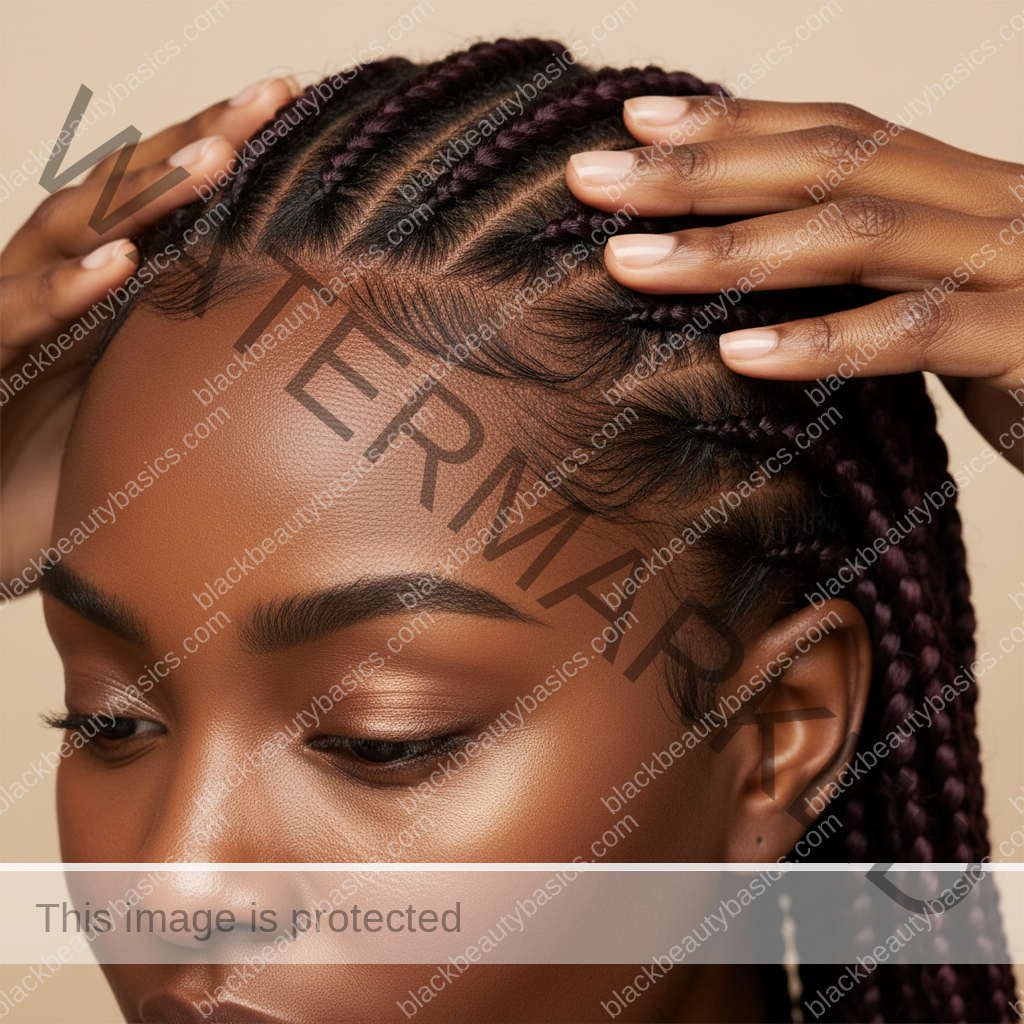
Braids & Twists: Nurturing Your Scalp While Protected
Braids and twists are quintessential protective styles, celebrated for their beauty, versatility, and ability to shield our natural hair from environmental stressors. However, the very nature of these styles—sections of hair tightly woven or twisted—can make scalp access a bit more challenging. This doesn’t mean skipping washes; it means adapting your cleansing routine.
Understanding the Unique Needs of Braided & Twisted Scalps
When your hair is in braids or twists, your scalp is still producing natural oils (sebum), and you’re still exposed to dust, pollutants, and product residue. The key difference is that these elements can get trapped more easily within the style, leading to buildup. Moreover, the tension from installation can sometimes make the scalp more sensitive, requiring a gentle touch.
Factors Influencing Wash Frequency for Braids & Twists:
- Hair Type & Porosity: Oily scalps may need more frequent washing than drier ones. High porosity hair might absorb more product, leading to faster buildup.
- Lifestyle: Active individuals, those who work out frequently, or live in humid climates may experience more sweat and need to wash more often.
- Product Usage: Heavy creams, oils, and styling products can contribute to faster buildup, necessitating more frequent cleansing.
- Style Longevity: If you plan to keep your braids for an extended period (e.g., 6-8 weeks), more frequent, lighter washes are crucial.
- Scalp Sensitivity: If you experience itching, flaking, or irritation, it’s a clear sign your scalp needs attention.
Recommended Wash Frequency for Braids & Twists
Generally, for braids and twists, aim to wash your scalp every 1 to 2 weeks. This timeframe allows for effective cleansing without over-manipulating the style or causing excessive frizz. However, listen to your scalp; if it feels itchy or dirty sooner, adjust accordingly.
Step-by-Step Scalp Cleansing for Braids & Twists:
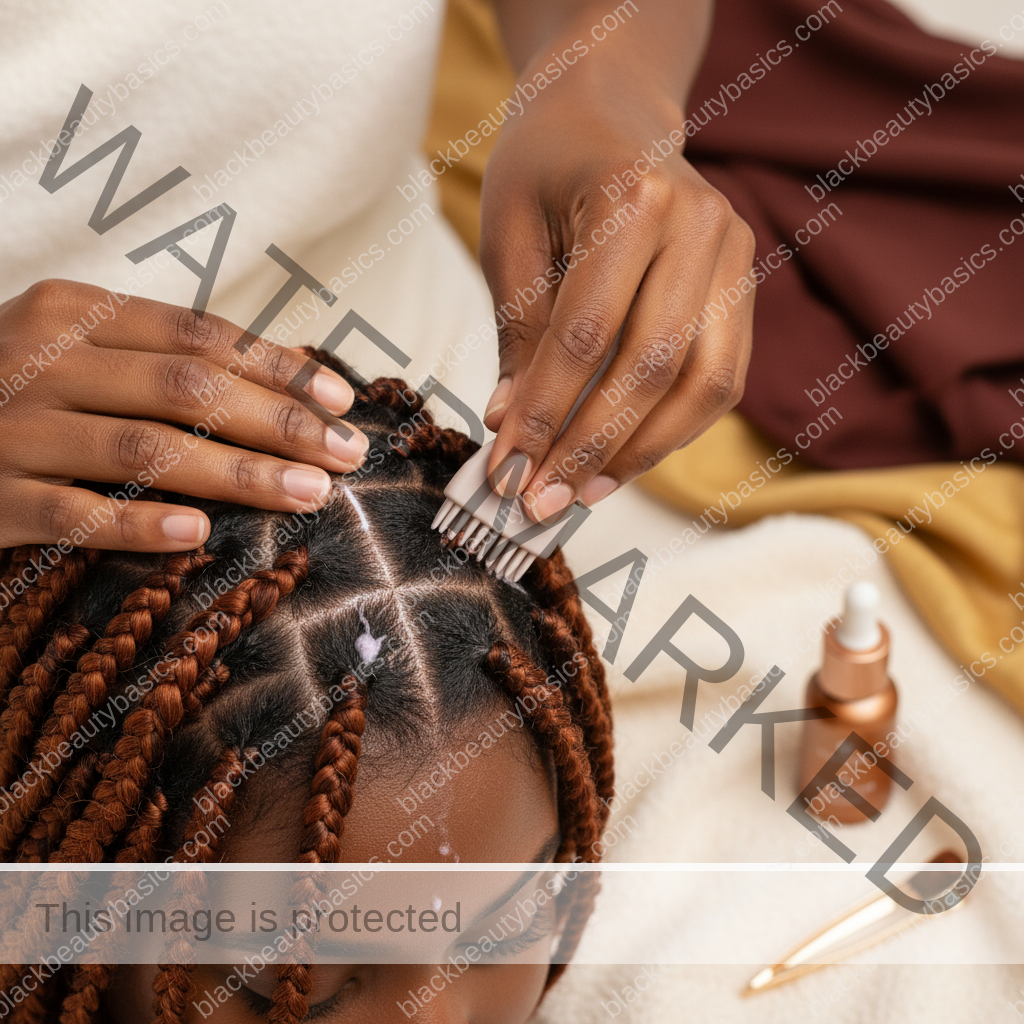
- Dilute Your Cleanser: Mix a clarifying or sulfate-free shampoo with water in an applicator bottle. This allows for easier distribution and reduces residue. Shop Sulfate-Free Shampoo on Amazon
- Focus on the Scalp: Apply the diluted shampoo directly to your scalp in sections, gently massaging with your fingertips (not nails) to lift dirt and buildup.
- Rinse Thoroughly: Let the water run down the length of your braids/twists to cleanse them without excessive scrubbing. Ensure all shampoo is rinsed out to prevent residue.
- Condition Sparingly (Optional): If your natural hair feels dry, you can apply a light, diluted conditioner to the lengths of your braids/twists, focusing on your own hair. Rinse well. Shop Lightweight Conditioner on Amazon
- Squeeze & Blot: Gently squeeze excess water from your braids/twists. Use a microfiber towel to blot the hair and scalp. Shop Microfiber Towels on Amazon
- Air Dry or Low Heat: Allow your braids/twists to air dry completely to prevent mildew. If using a blow dryer, use a cool or low-heat setting with a diffuser.
- Moisturize the Scalp: Once dry, apply a lightweight scalp oil or leave-in conditioner to keep your scalp hydrated. Shop Lightweight Scalp Oil on Amazon
Comparison Table: Scalp Care for Braids vs. Twists
| Feature | Braids (e.g., Box Braids, Knotless Braids) | Twists (e.g., Senegalese Twists, Havana Twists) |
|---|---|---|
| Scalp Access | Generally good, but can be tighter at the roots. | Often easier to access the scalp between twists. |
| Cleansing Method | Diluted shampoo applied directly to scalp; gentle massage. | Similar to braids, but twists may loosen slightly more easily. |
| Drying Time | Can be longer due to density and tightness. | Potentially slightly faster than braids, depending on twist size. |
| Frizz Potential | Lower, as braids are more tightly woven. | Higher, especially with repeated washing; requires gentle handling. |
| Product Buildup | Can accumulate at the base of the braid. | Can accumulate within the twists and at the scalp. |
| Best Products | Clarifying or sulfate-free shampoos, lightweight scalp oils. | Gentle shampoos, refreshing scalp tonics, light leave-ins. |
Wigs: Maintaining Scalp Health Beneath Your Crown
Wigs offer unparalleled versatility and protection, allowing us to experiment with different looks while safeguarding our natural hair. However, beneath that beautiful wig lies your scalp, which still needs attention and care. The goal is to prevent buildup, maintain a healthy environment, and ensure your natural hair can thrive.
The Unique Considerations for Worn Wigs
When wearing a wig, your scalp is covered, which can lead to increased sweat and oil production, especially if the wig cap isn’t breathable. This creates a warm, moist environment that can be a breeding ground for bacteria if not properly managed. Additionally, adhesives, glues, and even the wig cap itself can irritate the scalp if not used correctly or if the scalp isn’t clean.
Factors Influencing Wash Frequency for Scalp Under Wigs:
- Wig Type & Cap Construction: Breathable lace front or full lace wigs may allow for more airflow, but a full cap can trap more heat and sweat.
- Activity Level: High activity leads to more sweat, necessitating more frequent cleansing.
- Climate: Hot, humid climates will increase sweat and oil production.
- Natural Hair Condition: If your natural hair is prone to oiliness, you’ll need to wash your scalp more often.
- Adhesive Use: If you use glues or tapes, residue can build up on the scalp, requiring careful removal and cleansing.
Recommended Wash Frequency for Scalp Under Wigs
For your natural scalp and hair underneath a wig, aim to wash every 7 to 10 days. This frequency helps prevent excessive oiliness and product buildup without stripping your hair. If you wear your wig daily and are very active, you might need to wash every 5-7 days. If you only wear your wig occasionally, you can extend this to every two weeks.
Step-by-Step Scalp Cleansing for Worn Wigs:
- Remove the Wig: Always remove your wig before washing your natural hair and scalp. This is crucial for thorough cleansing and proper drying.
- Pre-Poo (Optional but Recommended): Apply a pre-shampoo treatment or a light oil to your natural hair, especially if it’s prone to dryness, to protect it during cleansing. Shop Pre-Shampoo Treatments on Amazon
- Cleanse Gently: Use a sulfate-free shampoo to gently cleanse your scalp and natural hair. Focus on massaging the scalp to lift any buildup. Shop Sulfate-Free Shampoo on Amazon
- Condition Deeply: Follow with a moisturizing conditioner, focusing on the mid-lengths and ends of your hair. Consider a deep conditioning treatment once a month. Shop Moisturizing Conditioner on Amazon
- Rinse Thoroughly: Ensure all product is rinsed from your hair and scalp.
- Moisturize & Seal: Apply a leave-in conditioner and a light oil to your natural hair to lock in moisture before braiding it down for your wig. Shop Leave-In Conditioner on Amazon
- Ensure Complete Drying: Make sure your natural hair and scalp are 100% dry before putting your wig back on to prevent mildew and bacterial growth.
Essential Scalp Care Tips for All Protective Styles
Beyond washing frequency, a holistic approach to scalp health is paramount. These tips apply whether you’re rocking braids, twists, or wigs, ensuring your scalp remains a sanctuary for growth.
1. Choose the Right Products
- Sulfate-Free Shampoos: These cleanse effectively without stripping essential moisture. Shop Sulfate-Free Shampoos on Amazon
- Lightweight Conditioners & Leave-Ins: Avoid heavy products that can cause buildup, especially on the scalp. Shop Lightweight Leave-In Conditioners on Amazon
- Scalp Serums & Oils: Look for those with soothing ingredients like tea tree oil, peppermint, or aloe vera to combat itchiness and dryness. Shop Soothing Scalp Serums on Amazon
- Clarifying Treatments (Sparingly): Use a clarifying shampoo once a month or every other wash to remove stubborn buildup, but follow with deep conditioning. Shop Clarifying Shampoos on Amazon
2. Master the Art of Drying
Dampness is the enemy of a healthy scalp, especially under protective styles. It can lead to mildew, odor, and even fungal infections. Always ensure your scalp and hair are completely dry before reapplying a wig or going about your day with braids/twists.
- Air Dry: The gentlest method, but can be time-consuming for dense styles.
- Microfiber Towel: Absorbs water efficiently without causing frizz or friction. Shop Microfiber Hair Towels on Amazon
- Cool/Low Heat Blow Dryer: Use a diffuser attachment to direct airflow and speed up drying without excessive heat.
3. Moisturize, Don’t Over-Oil
There’s a fine line between moisturizing and over-oiling. Excess oil can clog pores and attract dirt. Focus on lightweight, non-comedogenic oils or scalp serums that absorb easily and provide hydration without suffocating the scalp. Shop Non-Comedogenic Scalp Oils on Amazon
4. Address Itchiness Promptly
Persistent itching is a sign your scalp needs attention. Don’t scratch vigorously, as this can cause irritation and damage. Instead, use a soothing scalp spray or oil with ingredients like tea tree, peppermint, or witch hazel. Shop Anti-Itch Scalp Sprays on Amazon
5. Protect Your Edges
The delicate hair around your hairline (edges) is particularly vulnerable to tension and friction from protective styles and wigs. Use an edge control that doesn’t flake or cause buildup, and avoid overly tight styles. Shop Non-Flaking Edge Control on Amazon
6. Nighttime Care
Protect your styles and scalp at night with a silk or satin scarf or bonnet. This reduces friction, helps retain moisture, and prevents frizz. Shop Silk Bonnets on Amazon
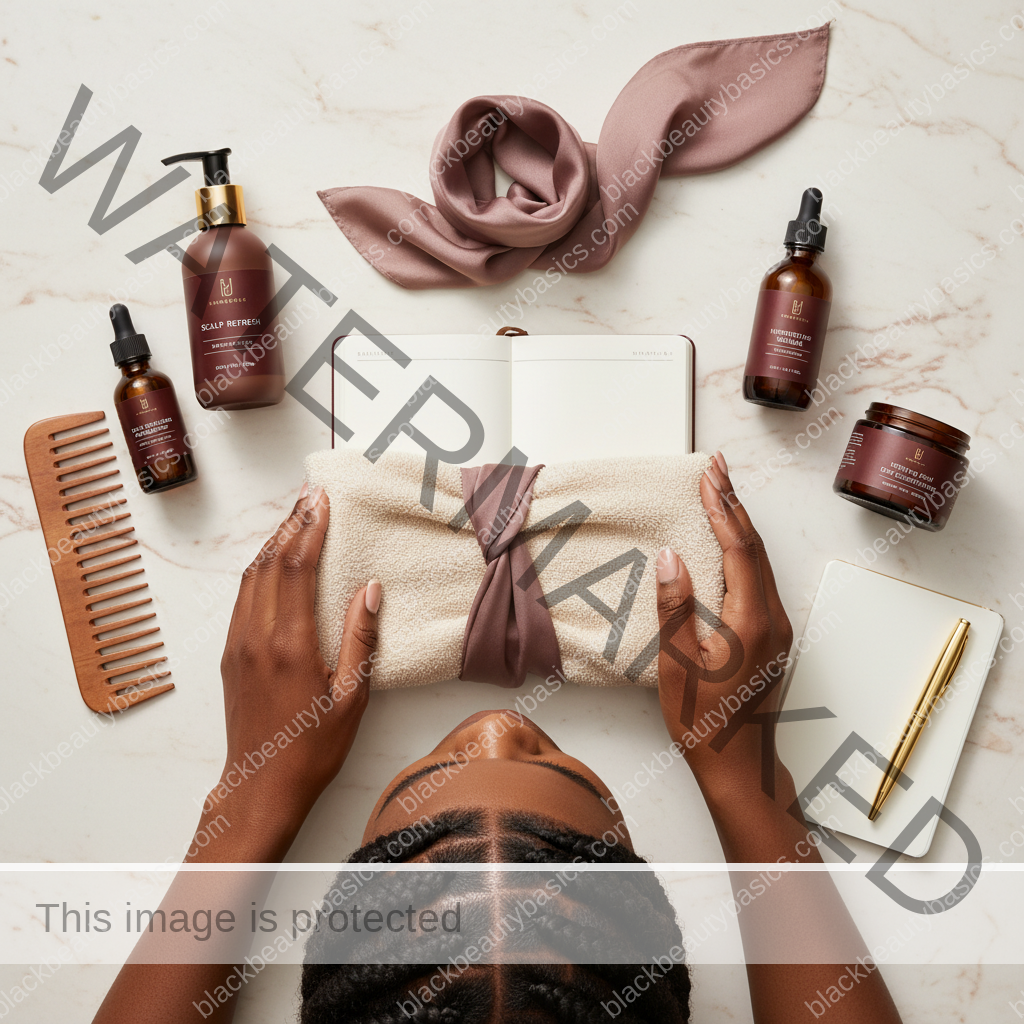
When to Seek Professional Help: Recognizing Scalp Concerns
While regular at-home care is crucial, there are times when a professional’s expertise is invaluable. Persistent scalp issues can indicate underlying conditions that require medical attention, especially for Black women who are disproportionately affected by certain forms of hair loss.
Signs Your Scalp Needs More Than a Wash:
- Chronic Itching & Flaking: If over-the-counter remedies don’t alleviate severe itching or flaking, it could be a sign of dermatitis, psoriasis, or fungal infection.
- Sores, Bumps, or Pustules: These can indicate folliculitis, bacterial infections, or other inflammatory conditions.
- Excessive Hair Shedding: While some shedding is normal, unusual amounts, especially from the root, warrant investigation.
- Pain or Tenderness: Scalp pain, burning, or extreme tenderness can be symptoms of inflammation or nerve issues.
- Receding Hairline or Thinning: Noticeable thinning, particularly around the temples or crown, or a receding hairline, could be traction alopecia or other forms of hair loss.
- Scarring: Any areas of smooth, shiny skin where hair used to grow could be a sign of scarring alopecia, such as CCCA, which requires immediate dermatological intervention to prevent irreversible hair loss.
If you experience any of these symptoms, consult a dermatologist specializing in hair and scalp disorders. Early diagnosis and treatment are critical for managing conditions like CCCA and preserving your hair health.
FAQ: Your Most Pressing Scalp Care Questions Answered
Q1: Can I use dry shampoo on my scalp while wearing braids or twists?
A: While dry shampoo can offer a temporary refresh, it’s not a substitute for washing. It can absorb excess oil but also contribute to buildup if used frequently. If you do use it, opt for a lightweight formula and apply sparingly, focusing on the roots, then gently massage and brush out any residue. Always follow up with a proper wash within a few days.
Q2: How do I prevent my braids/twists from getting frizzy after washing?
A: The key is gentle handling and thorough drying. When washing, avoid vigorous scrubbing of the braids/twists themselves; focus on the scalp. Squeeze excess water gently, blot with a microfiber towel, and ensure they are completely dry to minimize frizz. You can also apply a light mousse or setting foam to the lengths after washing to help them lay smoothly. Shop Anti-Frizz Mousse on Amazon
Q3: My scalp gets very itchy under my wig. What can I do?
A: Itchiness under a wig can be due to sweat, product buildup, or irritation from the wig cap or adhesives. Ensure your natural hair and scalp are clean and completely dry before wearing the wig. Use a breathable wig cap (e.g., mesh or cotton) and avoid overly tight styles. A soothing scalp spray with ingredients like witch hazel or aloe vera can provide relief. If itchiness persists, consult a dermatologist.
Q4: Is it okay to use apple cider vinegar rinses for scalp cleansing in protective styles?
A: Yes, a diluted apple cider vinegar (ACV) rinse can be beneficial. ACV helps balance scalp pH, remove buildup, and reduce flaking. Mix one part ACV with three parts water, apply to the scalp after shampooing, let it sit for a few minutes, then rinse thoroughly. Use this sparingly, perhaps once a month, to avoid over-drying.
Q5: How do I moisturize my scalp without making my braids/twists look greasy?
A: The trick is to use lightweight, non-comedogenic oils or scalp serums with a dropper applicator. Apply a small amount directly to your scalp in sections, gently massaging it in. Avoid heavy butters or thick oils, and focus on the scalp itself, not necessarily the braids/twists. Less is often more.
Q6: Can wearing wigs or tight braids cause hair loss?
A: Yes, if not managed properly. Excessive tension from tight braids or cornrows can lead to traction alopecia, a form of hair loss caused by constant pulling on the hair follicles. Similarly, ill-fitting wigs or improper use of adhesives can cause friction and irritation, contributing to hair loss. Always opt for comfortable styles, give your hair breaks between protective styles, and ensure your wig fits well without causing undue tension.
Q7: How often should I wash my wig itself?
A: The wig itself should be washed every 7-14 wears, or more frequently if you wear it daily, sweat a lot, or use a lot of styling products. Use products specifically designed for human hair or synthetic wigs, depending on your wig type. Regular wig washing ensures the wig stays fresh and extends its lifespan, which in turn helps maintain a cleaner environment for your scalp.
Our journey with protective styles is one of beauty, convenience, and self-expression. By prioritizing the health of our scalp—the very ground from which our crowns emerge—we ensure that this journey is also one of vitality and sustained growth. Let us embrace these practices not as chores, but as rituals of self-care, honoring the exquisite strength and resilience of our melanin-rich hair. Your scalp deserves nothing less than this tender, informed devotion.
How to notice the pattern without diagnosing yourself
For Black women with textured hair, scalp and hair-care choices can be emotionally loaded because they often sit at the intersection of styling, identity, health, and being dismissed. This guide focuses on choosing a realistic scalp-wash rhythm based on sweat, buildup, flakes, itch, style type, and scalp condition history, while keeping the related BBB scalp-health cluster as the home base. The goal is not to diagnose yourself from a mirror. The goal is to notice patterns clearly enough to choose safer next steps.
Start with the timeline. Did the change begin after a new style, product, postpartum season, illness, medication change, stressful period, or scalp flare? Did it show up at the edges, crown, hairline, part, or all over? Is there pain, itch, flaking, bumps, tenderness, odor, bleeding, scaling, or smooth shiny areas? These details matter because different patterns need different care.
The safest home routine is usually the one that lowers tension, reduces irritation, and keeps the scalp clean without aggressive scraping. If a symptom is painful, spreading, scarring, repeatedly returning, or connected to visible thinning, professional care matters. Early documentation can help a dermatologist, primary care clinician, or other qualified professional see the pattern more clearly.
What to track gently
- Location: edges, crown, hairline, part, nape, or all over.
- Timing: new style, postpartum shift, cycle change, illness, product, or stress season.
- Sensations: tenderness, burning, itching, tightness, soreness, or pain.
- Visible signs: flakes, bumps, redness that may look subtle on brown skin, thinning, or broken hairs.
- When the pattern improves or worsens.
What usually makes scalp concerns harder to read
The first challenge is tension. Tight braids, ponytails, wigs, sew-ins, loc maintenance, edge styling, and repeated parting can make it harder to tell whether the scalp is reacting to the style, an underlying condition, or both. That does not mean protective styles are bad. It means comfort and scalp access need to be part of the plan.
The second challenge is product layering. Oils, gels, sprays, dry shampoo, edge control, medicated products, and sweat can build up together. A scalp can be dry and still have residue. It can itch from buildup, irritation, inflammation, or a condition that needs professional treatment. Scratching harder does not solve that confusion; it can create more irritation.
The third challenge is waiting too long because you do not want to be dramatic. You are allowed to ask questions early. You are allowed to document a change before it becomes severe. And you are allowed to want care that understands textured hair instead of telling you to abandon your whole beauty routine without nuance.
What to do next
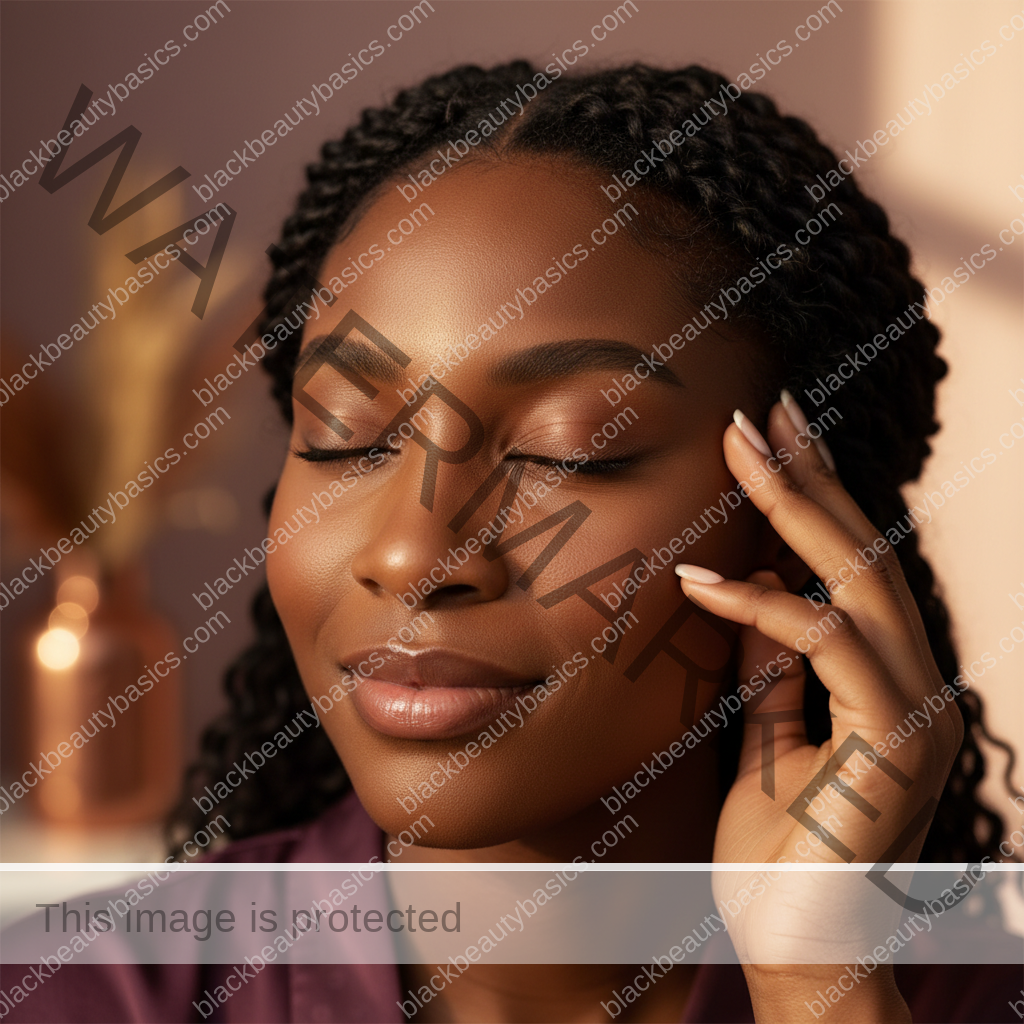
Keep this article connected to the Scalp Health, CCCA & Hair Loss system. Use the related guides below to decide whether your next step is tension reduction, scalp-routine adjustment, pattern tracking, or professional evaluation.
- Scalp Health, CCCA & Hair Loss
- The related scalp-health cluster guide
- scalp-focused routines
- keeping your scalp clean in protective styles
- itchy scalp under braids
- flaky scalp vs dry scalp vs dandruff
How to keep scalp care protective while you wait for clarity
While you are watching a pattern, keep the scalp routine steady and low-drama. Avoid styles that pull on the tender area. Do not scratch flakes or bumps open. Keep cleansing realistic for your style, sweat level, and scalp condition. If a product burns, stings, or makes itching worse, pause it instead of trying to push through.
Photos can be helpful, but they should not become a source of obsession. Take clear photos in similar lighting every few weeks if you are tracking thinning, part width, edges, or crown changes. Pair the photos with notes about styles, wash days, tenderness, shedding, and product changes. That kind of record can make an appointment more productive.
If you already suspect scarring hair loss, CCCA, severe traction, infection, psoriasis, persistent inflammation, or another scalp condition, do not rely on home care alone. Professional evaluation is not a failure of your routine. It is part of protecting the hair and scalp you have now.
Most importantly, do not let shame make the scalp quieter than it needs to be. Black women deserve care that respects our hair practices and also takes symptoms seriously. Both can be true at the same time.
How to keep scalp care protective while you wait for clarity
While you are watching a pattern, keep the scalp routine steady and low-drama. Avoid styles that pull on the tender area. Do not scratch flakes or bumps open. Keep cleansing realistic for your style, sweat level, and scalp condition. If a product burns, stings, or makes itching worse, pause it instead of trying to push through.
Photos can be helpful, but they should not become a source of obsession. Take clear photos in similar lighting every few weeks if you are tracking thinning, part width, edges, or crown changes. Pair the photos with notes about styles, wash days, tenderness, shedding, and product changes. That kind of record can make an appointment more productive.
If you already suspect scarring hair loss, CCCA, severe traction, infection, psoriasis, persistent inflammation, or another scalp condition, do not rely on home care alone. Professional evaluation is not a failure of your routine. It is part of protecting the hair and scalp you have now.
Most importantly, do not let shame make the scalp quieter than it needs to be. Black women deserve care that respects our hair practices and also takes symptoms seriously. Both can be true at the same time.
Related next steps
Related posts:
 Protective Styles That Actually Protect: Braids, Twists, Wigs, and Maintenance for Thriving Natural Hair
 Scalp Care Under Braids, Twists, and Cornrows: Nurturing Your Foundation While You Glow
 How to Prep Natural Hair Before Braids or Twists
 A Calm Scalp Routine for Black Women Wearing Wigs Regularly
 Strategy for Braids and Twists on Natural Hair
 Prep and Takedown for Braids and Twists: The Full Cycle of Protective Styling