The journey of embracing our natural crowns is one of profound beauty, resilience, and self-love. Yet, for those of us blessed with the exquisite coils of 4C hair, the beloved ritual of wash day can sometimes feel less like a luxurious self-care moment and more like an Olympic sport, especially when energy levels are running on fumes. We understand that life’s demands don’t always align with the multi-hour commitment our hair often requests, but that doesn’t mean compromising on its health or your radiance. Start with the related BBB natural-hair cluster guide if you want the broader map.

Reclaiming Wash Day: Effortless Care for Your 4C Crown
For the discerning woman who celebrates her natural texture but also cherishes her time and energy, the traditional wash day narrative often falls short. We are here to rewrite that script. This comprehensive guide is crafted for the woman who seeks to nurture her magnificent 4C hair with grace and efficiency, transforming wash day from a daunting task into a streamlined, restorative practice. We believe that caring for your crown should be an act of joy, not a source of exhaustion, and with the right strategies, it absolutely can be.
Understanding Your 4C Hair: A Foundation for Efficiency
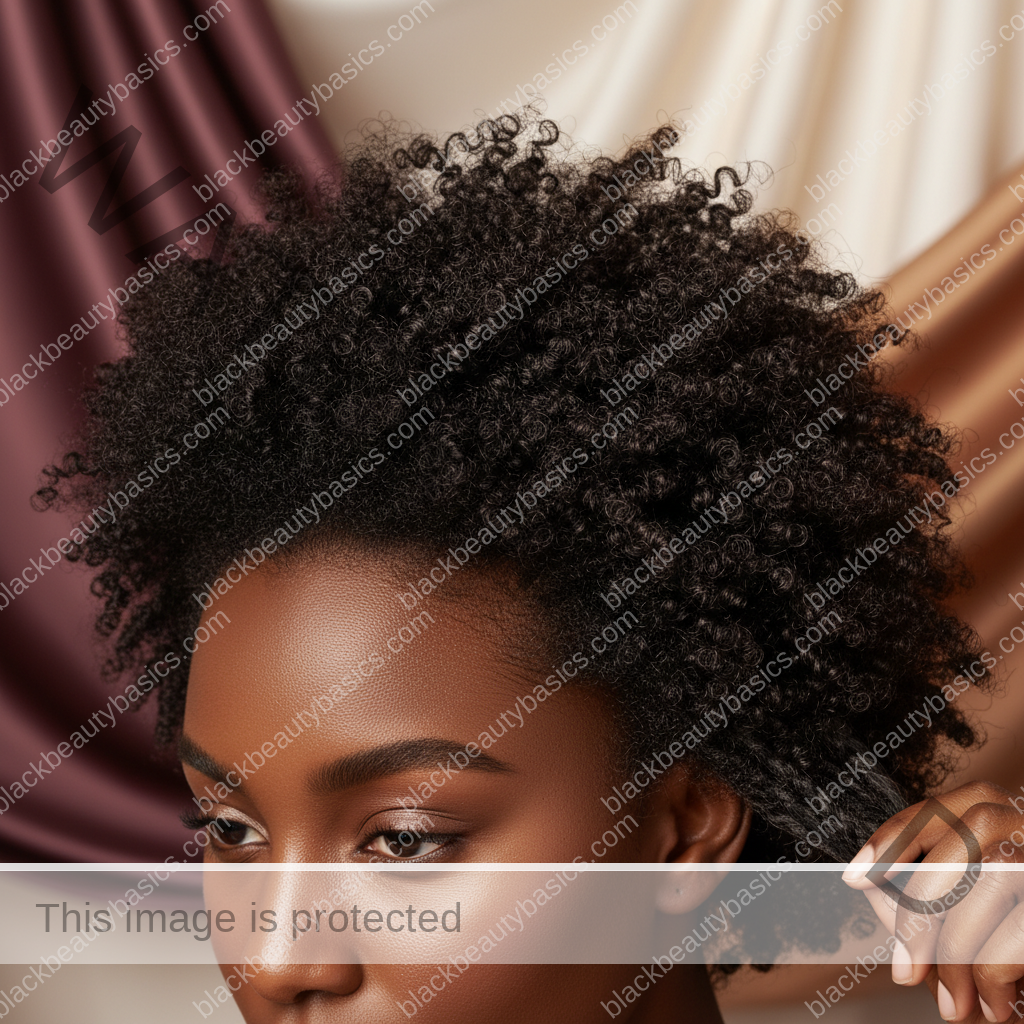
Before we dive into the streamlined routine, let’s briefly honor the unique characteristics of 4C hair. This hair type is celebrated for its tightly packed, Z-shaped coils that offer incredible volume and versatility. However, these same characteristics also make it prone to dryness, shrinkage, and tangles, which can contribute to the perceived “difficulty” of wash day. Understanding these nuances is the first step toward effective, low-energy care.
- Tight Coils: The Z-shaped pattern means hair strands don’t easily clump together, leading to more tangles and knots if not handled with care.
- Shrinkage: 4C hair can shrink up to 75% of its actual length, making it appear shorter than it is when dry. This is a sign of healthy elasticity, but it also means product distribution needs to be thorough.
- Dryness: The natural oils from the scalp have a harder time traveling down the tightly coiled strands, making 4C hair naturally prone to dryness. Moisture is your best friend.
- Fragility: Due to its tight coiling and tendency for dryness, 4C hair can be more fragile and susceptible to breakage if not handled gently.
Our goal is to work with these characteristics, not against them, by adopting techniques and selecting products that minimize effort while maximizing results.
The Low-Energy Wash Day Philosophy: Less Is More, Smarter Is Better
The core of an effective low-energy wash day lies in strategic planning and product selection. It’s about being intentional with every step, ensuring that each action serves a purpose in simplifying the process. Think of it as a minimalist approach to maximum hair health.
- Pre-Poo is Paramount: This non-negotiable step sets the stage for easier detangling and less breakage.
- Cleansing Consciously: Opt for gentle cleansers or co-washes to preserve moisture.
- Deep Conditioning with Purpose: Maximize this step with heat to enhance penetration and reduce future styling time.
- Minimal Manipulation: Less touching means less tangling and less breakage.
- Strategic Styling: Choose styles that last and require minimal daily upkeep.
The Streamlined Wash Day Routine for 4C Hair
Here’s a step-by-step guide designed to cut down on time and effort without compromising the health and beauty of your 4C coils.
Step 1: The Essential Pre-Poo (The Night Before or an Hour Before)
This is arguably the most critical step for a low-energy wash day. A pre-poo treatment, applied before shampooing, helps to detangle, soften, and protect your hair from the stripping effects of shampoo. Doing this the night before or at least an hour before you plan to wash can drastically reduce detangling time in the shower.
How to Execute:
- Section Your Hair: Divide your hair into 4-6 manageable sections. This makes application easier and prevents tangles.
- Apply Your Pre-Poo: Generously coat each section with a moisturizing oil (like extra virgin olive oil, coconut oil, or jojoba oil) or a dedicated pre-poo treatment. Focus on the ends, which are the oldest and most fragile parts of your hair.
- Gentle Detangling: Using your fingers or a wide-tooth comb, gently detangle each section, starting from the ends and working your way up to the roots. If you encounter a knot, add more product and gently work it out.
- Cover and Wait: Twist or braid each section and cover your hair with a plastic cap or a satin scarf. Let it sit for at least 30 minutes, or overnight for maximum benefits. The longer it sits, the softer and more pliable your hair will become.
Product Spotlight:
- Natural Oils: Organic Coconut Oil, Extra Virgin Olive Oil, Castor Oil
- Pre-Poo Treatments: Look for products specifically formulated to soften and detangle. Shop Pre-Poo Treatments on Amazon
Step 2: Gentle Cleansing (In the Shower)
After your pre-poo has worked its magic, it’s time to cleanse. The key here is gentleness and efficiency. Avoid harsh shampoos that strip your hair of its natural oils. Consider a sulfate-free shampoo or, better yet for low energy, a co-wash (conditioner wash).
How to Execute:
- Keep Hair Sectioned: Do not undo your sections from the pre-poo. This prevents re-tangling.
- Wet Hair Thoroughly: Under the shower, thoroughly wet one section at a time.
- Apply Cleanser: Apply a small amount of your chosen cleanser or co-wash directly to your scalp within that section. Gently massage your scalp with your fingertips to lift dirt and product buildup. Allow the water to rinse the cleanser down the length of your hair – there’s no need to aggressively scrub your strands.
- Rinse and Re-twist: Rinse the section thoroughly until the water runs clear. Gently squeeze out excess water and loosely re-twist or braid the section. Move to the next section.
Product Spotlight:
- Moisturizing Shampoos: Look for hydrating, sulfate-free options. Shop Moisturizing Shampoos on Amazon
- Co-Washes: These cleanse without stripping, perfect for maintaining moisture. Shop Co-Washes on Amazon

Step 3: Deep Conditioning (The Power Step)
This is where you infuse your hair with much-needed moisture and nutrients. For low energy, the trick is to maximize the effectiveness of your deep conditioner so you don’t have to do it as often, or for as long. Heat is your secret weapon here.
How to Execute:
- Apply Deep Conditioner: After rinsing your cleanser, apply a generous amount of deep conditioner to each section, ensuring every strand is coated. Gently finger-detangle again if needed, but the pre-poo should have done most of the work.
- Apply Heat: This is crucial. Cover your hair with a plastic cap, then sit under a hooded dryer or use a hair steamer for 15-30 minutes. If you don’t have these, wrap a warm, damp towel over your plastic cap, refreshing the warmth every 10 minutes. Heat helps the conditioner penetrate the hair shaft more effectively, leading to softer, more moisturized hair in less time.
- Rinse with Cool Water: After the recommended time, rinse your hair thoroughly with cool water. Cool water helps to close the hair cuticles, locking in moisture and adding shine. Keep hair in sections during rinsing.
Product Spotlight:
- Hydrating Deep Conditioners: Look for ingredients like shea butter, argan oil, honey, and proteins. Shop Deep Conditioners on Amazon
- Hair Steamer/Hooded Dryer: An investment that pays dividends in hair health and time saved. Shop Hair Steamers on Amazon
Step 4: Leave-In & Seal (Post-Shower)
Once out of the shower, your hair is primed for moisture retention. This step is about sealing in all the goodness from your wash and deep condition.
How to Execute:
- Gentle Drying: Gently squeeze excess water from your sections with a microfiber towel or old cotton t-shirt. Avoid rough towel drying, which can cause frizz and breakage.
- Apply Leave-In Conditioner: Working one section at a time, apply a generous amount of leave-in conditioner. Ensure even distribution from root to tip.
- Seal with an Oil or Butter: Follow immediately with a lightweight oil (like jojoba or grapeseed) or a hair butter to seal in the moisture. The LOC (Liquid, Oil, Cream) or LCO (Liquid, Cream, Oil) method works beautifully here.
Product Spotlight:
- Leave-In Conditioners: Look for creamy, hydrating formulas. Shop Leave-In Conditioners on Amazon
- Sealing Oils/Butters: Shea Butter, Mango Butter, Argan Oil. Shop Hair Sealing Products on Amazon
Step 5: Low-Manipulation Styling (The Long-Lasting Look)
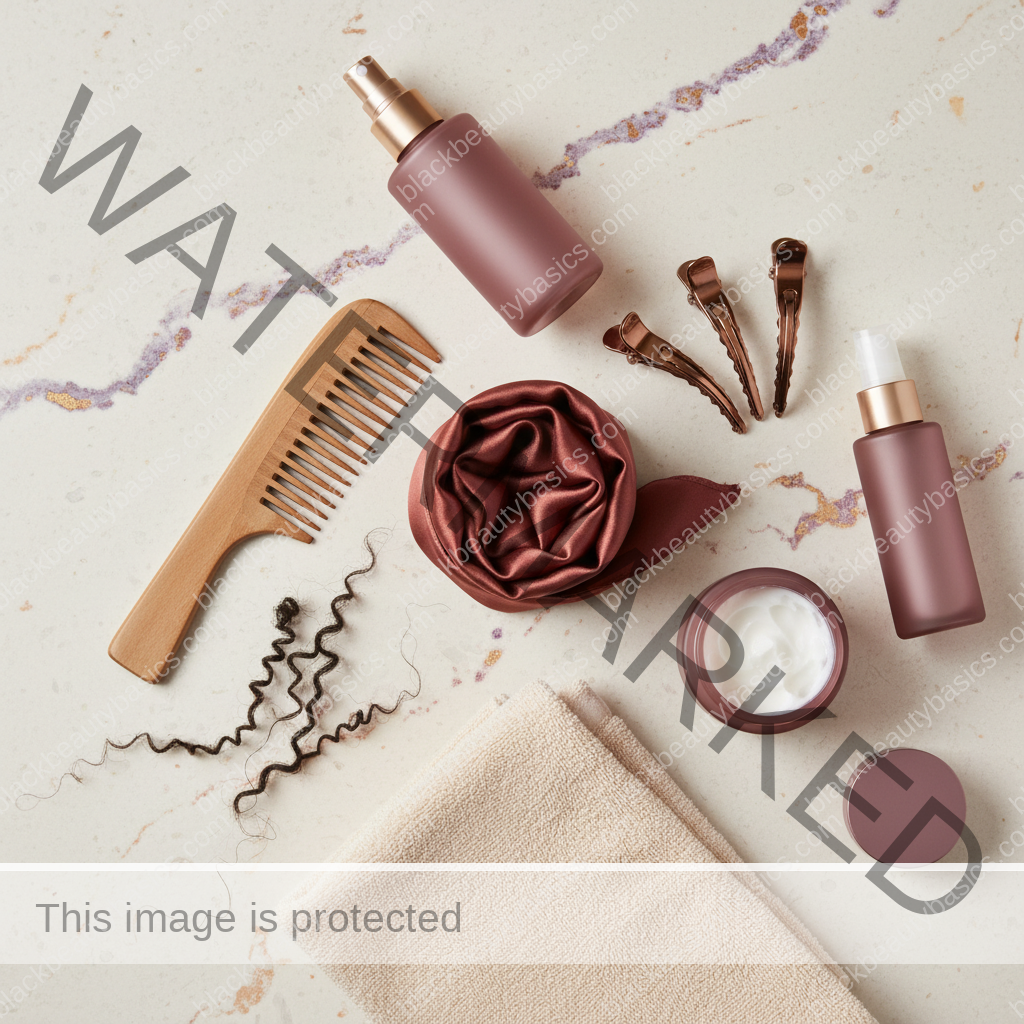
The final step in your low-energy wash day is choosing a style that will last and require minimal daily effort. Protective styles are your best friend here, extending the time between wash days and protecting your ends.
How to Execute:
- Choose Your Style: Opt for styles like braid-outs, twist-outs, Bantu knot-outs, or simple two-strand twists. These styles set your hair in a stretched state, reducing shrinkage and providing definition that can last for days.
- Apply Styling Product: Use a styling cream or light gel designed for natural hair to enhance definition and hold.
- Air Dry or Diffuse: Allow your hair to air dry completely for the least manipulation. If you’re in a hurry, use a diffuser on a cool setting to speed up the process, but avoid excessive heat.
- Maintain Overnight: Preserve your style overnight by sleeping on a satin pillowcase or wearing a satin bonnet.
Product Spotlight:
- Styling Creams/Gels: Look for products that offer hold without crunch. Shop Styling Creams on Amazon
- Satin Bonnets/Pillowcases: Essential for preserving styles and preventing frizz. Shop Satin Bonnets on Amazon
Strategic Tips for a Truly Low-Energy Wash Day
Beyond the steps, these overarching strategies will further streamline your routine.
Tip List: Maximizing Efficiency & Minimizing Effort
- Batch Your Products: Keep all your wash day essentials together in a caddy or designated area. No more searching for products mid-wash!
- Set a Timer: Allocate specific times for each step (e.g., 15 mins for pre-poo application, 10 mins for shampoo, 30 mins for deep condition). This helps keep you on track.
- Listen to Your Hair: Some weeks your hair might need a full deep condition, others a quick co-wash. Adjust your routine based on your hair’s needs, not rigid rules.
- Wash in Sections: We cannot stress this enough. Washing, conditioning, and styling in small, pre-detangled sections drastically reduces tangles and breakage.
- Invest in Quality Tools: A good wide-tooth comb, detangling brush, and spray bottle (for water or leave-in) can make a world of difference.
- Don’t Over-Cleanse: For 4C hair, washing once every 1-2 weeks is often sufficient. Over-washing can lead to dryness.
- Consider Professional Help: If you’re truly overwhelmed, a professional stylist specializing in natural hair can offer a wash-and-go or protective style that lasts for weeks, giving you a much-needed break.
Comparison Table: Traditional Wash Day vs. Low-Energy Wash Day
Let’s visualize the shift in approach:
| Feature | Traditional 4C Wash Day | Low-Energy 4C Wash Day |
|---|---|---|
| Pre-Poo | Optional, often skipped | Mandatory & Extended (night before or 1hr+) |
| Cleansing | Often full shampoo, aggressive scrubbing | Gentle Co-wash or Sulfate-Free Shampoo, scalp focus, hair in sections |
| Detangling | Primarily during conditioning, can be painful | Primarily during pre-poo (eased by oils), minimal during wash/condition |
| Deep Conditioning | Standard application, sometimes no heat | Heat-enhanced (steamer/dryer) for maximum penetration in less time |
| Drying | Rough towel dry, heat styling | Microfiber towel/T-shirt, air dry or cool diffuse |
| Styling | Complex, daily manipulation | Low-manipulation protective styles (braid/twist-outs) for longevity |
| Total Time | 3-6+ hours | 2-3 hours (spread out), with significant active time reduction |
| Energy Output | High, often draining | Moderate to Low, feels more like self-care |
Comparison Table: Essential Tools for Low-Energy Wash Day
Having the right tools can make all the difference in streamlining your process.
| Tool Category | Traditional Recommendation | Low-Energy Recommendation | Why It Matters for Low Energy |
|---|---|---|---|
| Detangling | Fine-tooth comb, fingers | Wide-tooth comb, flexible detangling brush, fingers | Minimizes breakage and pain, speeds up detangling. Shop Detangling Tools on Amazon |
| Drying | Terry cloth towel, blow dryer | Microfiber towel, old cotton t-shirt, hair dryer with diffuser | Reduces frizz, prevents breakage, gentle on delicate strands. Shop Microfiber Towels on Amazon |
| Heat Application | None or direct heat | Hair steamer, hooded dryer, thermal heat cap | Enhances deep conditioner penetration, reduces time needed for conditioning. Shop Hair Heat Caps on Amazon |
| Hair Protection | Cotton pillowcase | Satin bonnet, silk scarf, satin pillowcase | Prevents friction, frizz, and moisture loss overnight, preserving styles. Shop Satin Hair Protection on Amazon |
| Product Application | Hands only | Applicator bottle, sectioning clips, spray bottle | Ensures even product distribution, keeps sections organized, reduces mess. Shop Hair Clips on Amazon |
Maintaining Your Crown Between Wash Days
A low-energy wash day isn’t just about the washing; it’s about extending the life of your style and moisture between washes. This minimizes the frequency of your wash day, further conserving your energy.
- Nightly Protection: Always, always, always protect your hair at night with a satin bonnet or satin pillowcase. This is non-negotiable for 4C hair.
- Refresh, Don’t Re-do: Instead of re-doing your entire style, refresh it. Use a spray bottle with water and a little leave-in to re-moisturize and redefine curls.
- Pineapple Method: For stretched styles, gather your hair into a loose high ponytail (a “pineapple”) on top of your head before bed. This keeps your curls from getting crushed.
- Moisturize Mid-Week: If your hair feels dry, lightly mist with water and apply a small amount of lightweight oil or hair milk. Focus on the ends.
- Protective Styles: Embrace styles like braids, twists, or cornrows for longer periods. These styles significantly reduce daily manipulation and extend the time between wash days.
Make the next 4C wash day smaller
For Black women with textured hair, hair-care choices can feel emotional because they sit at the intersection of identity, time, styling expectations, budget, and all the advice we have been given about what our hair “should” do. This guide focuses on building a lower-energy wash day for 4C hair with realistic sectioning, cleansing, conditioning, detangling, and styling choices, while keeping the related BBB natural-hair cluster as the home base. The goal is not to force every curl, coil, kink, or section into the same behavior. The goal is to build a routine that protects the hair you actually have.
Begin with the energy and time you actually have, not an idealized all-day ritual. Decide which steps are essential today: cleansing the scalp, conditioning, gentle detangling, and a comfortable finish. If you are tired, working in a few manageable sections may feel less daunting than trying to perfect every strand at once. The routine should help you care for your 4C hair without making rest feel like a reward you must earn.
A low-energy wash day can still be thorough. Prepare what you need before getting your hair wet, keep products within reach, and choose a style that does not require hours of finishing work. Focus on comfort and the health of the hair and scalp. A simple outcome you can maintain is more useful than a complicated style that leaves you too tired to repeat the process.
What to notice gently
- Where your hair tangles first: ends, nape, crown, edges, or interior sections.
- How your hair responds to water, conditioner, gels, creams, oils, and drying time.
- Which steps leave your hair softer, rougher, stretched, shrunken, defined, or weighed down.
- How much manipulation your schedule and strands can realistically handle.
- What improves the style without making wash day feel impossible.
What drains a low-energy wash day
One trap is postponing care because you cannot complete a long checklist. A shorter wash and conditioning session is still meaningful. Break the task into stages if that helps, or choose an easy finish for the day. You do not have to add a treatment, deep styling session, and perfect definition to make the wash count.
Another trap is rushing through knots because you want the session over. Work in sections, use enough slip for comfortable detangling, and stop when a tangle needs more patience. A brief pause can be kinder to your hair and hands than trying to power through. Low energy is a planning constraint, not a personal failure.
The third trap is picking a finish that demands constant upkeep after the wash. If daily reworking is already too much this week, choose a style that can be protected overnight and adjusted with minimal handling. It is okay to save a more elaborate look for a day when you have the time and energy to enjoy it.
What to do next
For the next wash, write down the minimum steps that left your scalp clean and your hair manageable. The related guides below offer moisture-balance and low-manipulation options if you want to simplify the days afterward too. You deserve a routine that meets you where you are, not one that makes you prove your dedication.
- Natural Hair Care & Protective Styles
- The related natural-hair cluster guide
- texture-specific natural hair routines
- high-porosity wash day routine
- low-porosity wash day routine
- scalp-focused wash routines
Frequently Asked Questions About Low-Energy 4C Wash Day
Q1: How often should I wash my 4C hair with this low-energy routine?
A: For most 4C naturals, washing every 1-2 weeks is ideal. The pre-poo and deep conditioning steps in this routine are designed to infuse your hair with enough moisture to last this duration. Listen to your hair; if it feels excessively dry or has noticeable buildup sooner, adjust accordingly. The goal is to avoid over-washing, which can strip your hair of essential moisture, and under-washing, which can lead to product buildup and scalp issues.
Q2: Can I skip the pre-poo step if I’m really short on time?
A: While the pre-poo is highly recommended for a low-energy wash day, if you are truly pressed for time, you can shorten it. Aim for at least 15-20 minutes with a high-slip oil or conditioner. However, be aware that skipping or significantly shortening this step might mean more detangling effort during the conditioning phase, potentially increasing overall wash day time and energy expenditure. Consider doing it the night before as a non-active step to save time on wash day itself.
Q3: What’s the difference between a co-wash and a moisturizing shampoo, and which is better for low energy?
A: A co-wash (conditioner wash) is a cleansing conditioner that gently cleanses the hair and scalp without stripping natural oils. A moisturizing shampoo, while still gentle, contains surfactants that provide a deeper cleanse. For low-energy wash days, a co-wash is often preferred as it maintains more moisture, reduces the need for extensive detangling, and can shorten the overall process. However, if you have significant product buildup, a moisturizing sulfate-free shampoo might be necessary every few washes for a deeper cleanse.
Q4: How important is using heat during deep conditioning?
A: Using heat during deep conditioning is incredibly important, especially for 4C hair. The heat gently lifts the hair’s cuticle, allowing the deep conditioner to penetrate deeper into the hair shaft. This results in significantly better moisture absorption, improved elasticity, and longer-lasting hydration. For a low-energy routine, this means you get maximum benefits in a shorter time, making your deep conditioning more effective and reducing the frequency needed for intense treatments. It’s a game-changer for softness and manageability.
Q5: My hair still feels dry after wash day. What am I doing wrong?
A: Several factors could contribute to dryness. First, ensure you’re using enough product, especially leave-in conditioner and a sealant. 4C hair often requires generous amounts. Second, are you applying heat during deep conditioning? This significantly boosts moisture retention. Third, are you rinsing with cool water at the end? This helps seal the cuticle. Lastly, consider the ingredients in your products; look for humectants (like glycerin or honey) and emollients (like shea butter or rich oils) in your leave-ins and sealants. If dryness persists, you might need to clarify your hair to remove buildup that’s preventing moisture absorption, then follow with an intense deep condition.
Q6: How can I make my wash day style last longer to reduce wash day frequency?
A: Longevity starts with proper moisture and a good setting product. Ensure your hair is thoroughly moisturized and sealed before styling. Choose protective styles like braid-outs, twist-outs, or Bantu knot-outs that offer definition and stretch. Use a styling cream or lightweight gel for hold. At night, always protect your hair with a satin bonnet or satin scarf. Refresh your style daily with a light mist of water and a touch of leave-in or oil, rather than re-wetting and re-styling completely. This minimal manipulation approach helps preserve your style for days.
Q7: What if I have very fine 4C strands? Do I need to adjust anything?
A: If you have finer 4C strands, you’ll want to be even more gentle during detangling and product application. While the core routine remains the same, opt for lighter oils for pre-pooing (like jojoba or grapeseed) and lighter leave-in conditioners and styling creams to avoid weighing down your hair. Protein treatments can also be beneficial for strengthening fine strands, but use them sparingly (e.g., once a month) to avoid protein overload. Always prioritize moisture and gentle handling.

The beauty of your 4C hair is undeniable, and caring for it should never feel like a burden. By adopting this low-energy wash day routine, you’re not just simplifying a task; you’re reclaiming your time, honoring your energy, and reaffirming your commitment to your hair’s health and vitality with elegance and intention. Let this be your invitation to a more serene, efficient, and deeply satisfying journey with your magnificent coils. Your crown deserves nothing less than effortless adoration.