
For the discerning Black woman, a wig is not merely a protective style or a fashion statement; it is an extension of her grace, an emblem of her versatility, and a testament to her innate beauty. Yet, beneath the allure of perfectly laid tresses lies a delicate ecosystem — her scalp — often overlooked but profoundly deserving of meticulous care, especially when regularly adorned with wigs. This piece is dedicated to unveiling the secrets of maintaining a serene, healthy scalp, ensuring that your beauty journey remains as flawless beneath the wig as it is above. Start with the related BBB scalp-health cluster guide if you want the broader map.
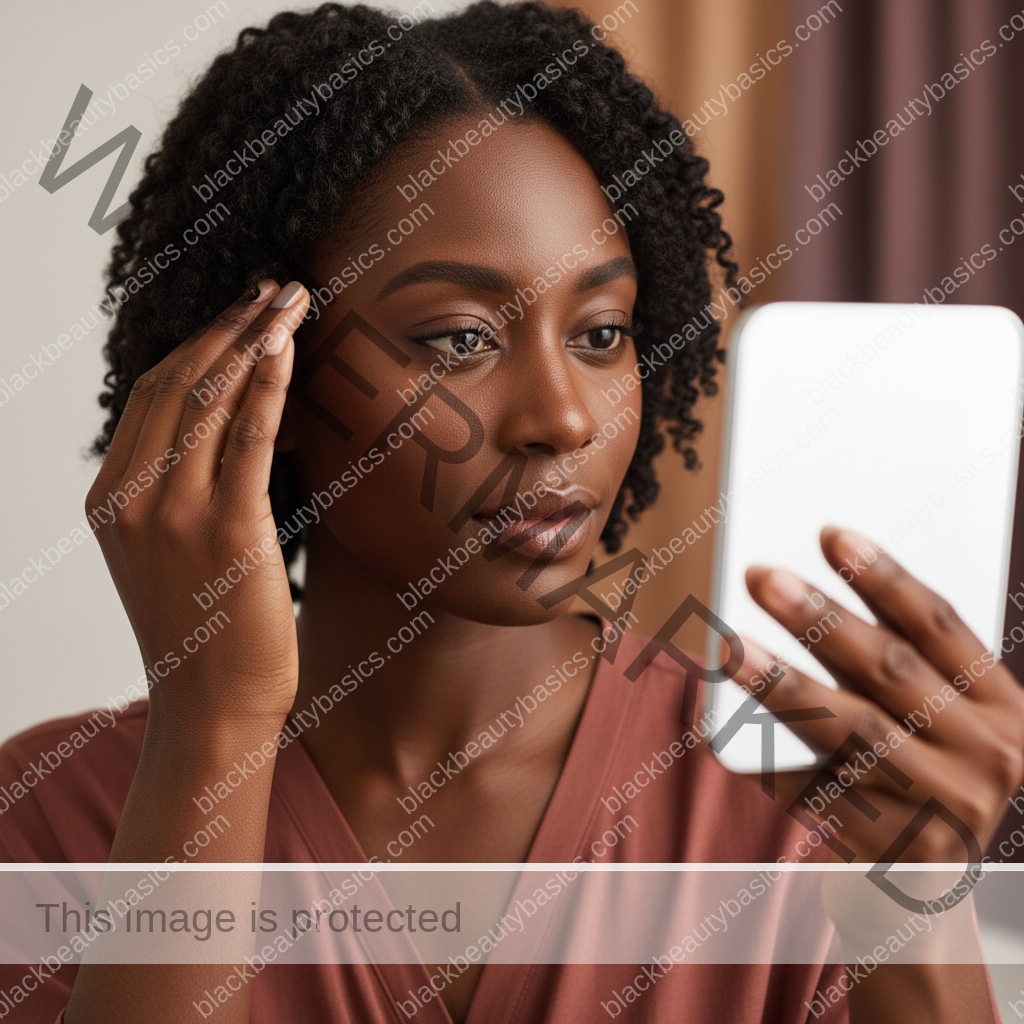
The Unseen Foundation: Why Scalp Health is Paramount for Wig Wearers
Our crowns, whether natural or enhanced, thrive on a healthy foundation. For Black women, whose hair textures are inherently delicate and prone to dryness, the scalp is the bedrock of hair vitality. When regularly wearing wigs, this foundation faces unique challenges, from moisture imbalances to potential irritation, making a dedicated scalp care routine not just beneficial, but essential.
Understanding the Unique Needs of Black Scalps Under Wigs
The beauty of our hair lies in its intricate structure. Our coiled strands, while magnificent, can make natural oils struggle to travel down the hair shaft, leading to dryness. When wigs are introduced, they can create an environment that, if not managed properly, can exacerbate these issues. The scalp can become a breeding ground for bacteria, experience excessive sweating, or suffer from friction and tension, all of which can lead to discomfort and, in severe cases, hair loss conditions like Central Centrifugal Cicatricial Alopecia (CCCA).
The Interplay of Wigs, Moisture, and Microbes
Wigs, while offering protection from environmental stressors, can also trap heat and moisture against the scalp. This creates a warm, humid environment that, without proper ventilation and cleansing, can encourage the proliferation of yeast and bacteria. Conversely, inadequate moisture can lead to a dry, itchy, and flaky scalp. Balancing these factors is key to maintaining a calm and healthy scalp.
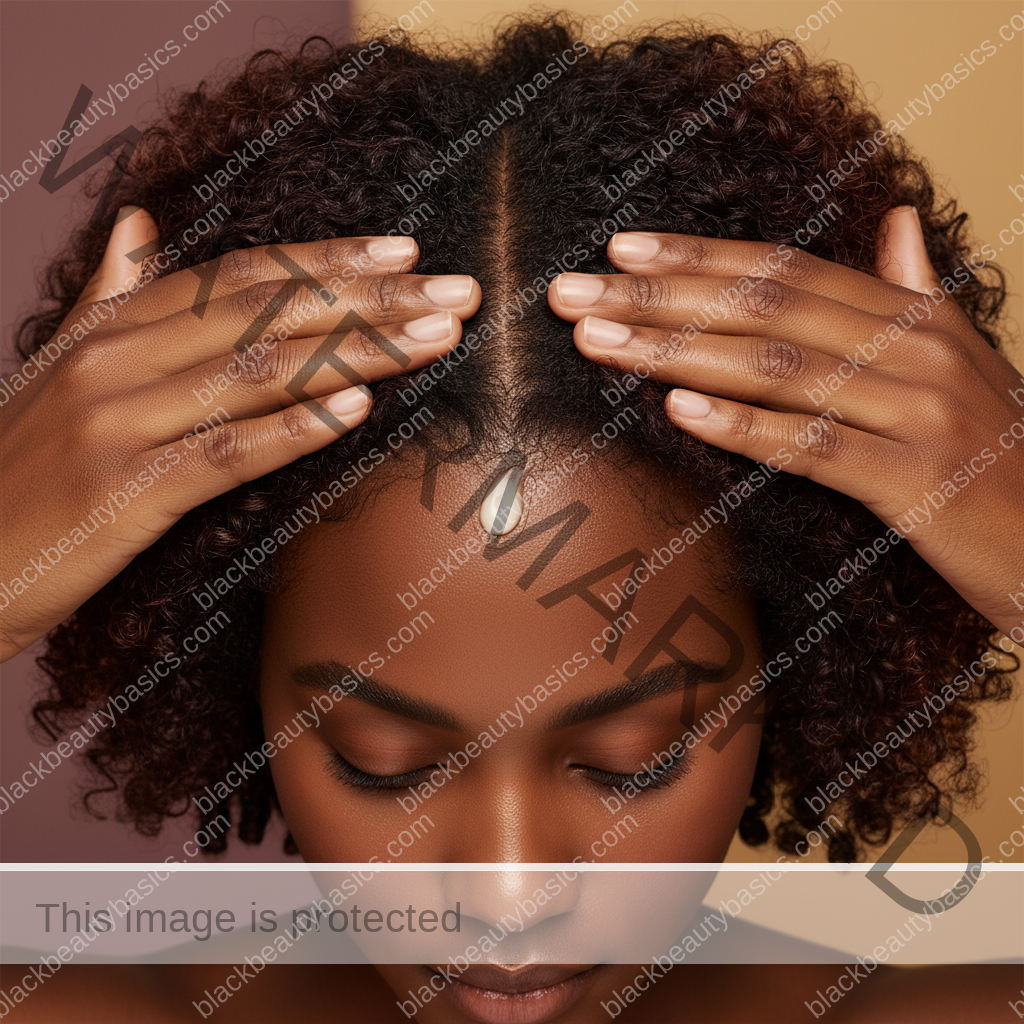
The Black Beauty Basics Philosophy: Nurturing Your Crown from Root to Tip
At Black Beauty Basics, we believe in a holistic approach to beauty that celebrates and nurtures every aspect of your being. Our philosophy for scalp care under wigs is rooted in gentle efficacy, mindful practices, and a deep understanding of our unique physiological needs. It’s about creating a ritual that feels luxurious, empowering, and genuinely beneficial.
The Pillars of a Calm Scalp Routine
A truly effective scalp routine for wig wearers rests on three fundamental pillars: Cleansing, Conditioning, and Calming. Each step is meticulously designed to address the specific concerns that arise from regular wig use, ensuring your scalp remains balanced, hydrated, and free from irritation.
Pillar 1: Gentle, Thorough Cleansing
Regular cleansing is non-negotiable. It removes product buildup, sweat, dead skin cells, and environmental pollutants that can accumulate under your wig. However, the key is “gentle.” Harsh sulfates can strip the scalp of its natural oils, leading to dryness and irritation. Opt for sulfate-free, pH-balanced formulas that cleanse without compromising the scalp’s delicate barrier.
Recommended Cleansing Products:
- Sulfate-Free Shampoos: Look for ingredients like tea tree oil for its antiseptic properties, or aloe vera for soothing. Shop Sulfate-Free Shampoos on Amazon
- Clarifying Shampoos (use sparingly): Once a month, a gentle clarifying shampoo can remove stubborn buildup. Ensure it’s followed by a deeply moisturizing conditioner. Shop Gentle Clarifying Shampoos on Amazon
- Scalp Scrubs/Exfoliators (physical or chemical): For deeper cleansing and to remove dead skin cells, a scalp scrub can be beneficial once every 2-4 weeks. Physical scrubs often use fine grains like sugar, while chemical exfoliants use AHAs/BHAs. Shop Scalp Scrubs on Amazon
Pillar 2: Deep, Restorative Conditioning
After cleansing, replenishing moisture is crucial. Conditioners and deep conditioning treatments help to hydrate the scalp and hair, seal the cuticle, and improve elasticity. This step is vital for preventing dryness, breakage, and maintaining the hair’s natural strength.
Recommended Conditioning Products:
- Hydrating Conditioners: Ingredients like shea butter, argan oil, and hyaluronic acid are excellent for moisture retention. Shop Hydrating Conditioners on Amazon
- Deep Conditioners/Hair Masks: Use weekly to provide intense moisture and repair. Look for protein-rich options if your hair feels weak or brittle, but balance with moisturizing masks. Shop Deep Conditioners on Amazon
- Leave-In Conditioners: A lightweight leave-in can provide continuous moisture and protection throughout the week, especially before braiding down. Shop Leave-In Conditioners on Amazon
Pillar 3: Calming and Protecting the Scalp
This pillar focuses on actively soothing any irritation, reducing inflammation, and creating a protective barrier. It’s about proactive care to prevent issues before they arise and reactive care to address any discomfort immediately.
Recommended Calming Products:
- Scalp Serums/Oils: Lightweight oils with ingredients like peppermint, tea tree, lavender, or CBD can soothe irritation, reduce inflammation, and stimulate circulation. Shop Calming Scalp Serums on Amazon
- Anti-Itch Treatments: For persistent itching, targeted treatments containing ingredients like salicylic acid (for flaking) or zinc pyrithione (for fungal issues) can be effective. Consult a dermatologist if issues persist. Shop Anti-Itch Scalp Treatments on Amazon
- Scalp Tonics/Mists: Hydrating mists with witch hazel or rosewater can provide quick relief and refreshment throughout the day. Shop Hydrating Scalp Mists on Amazon
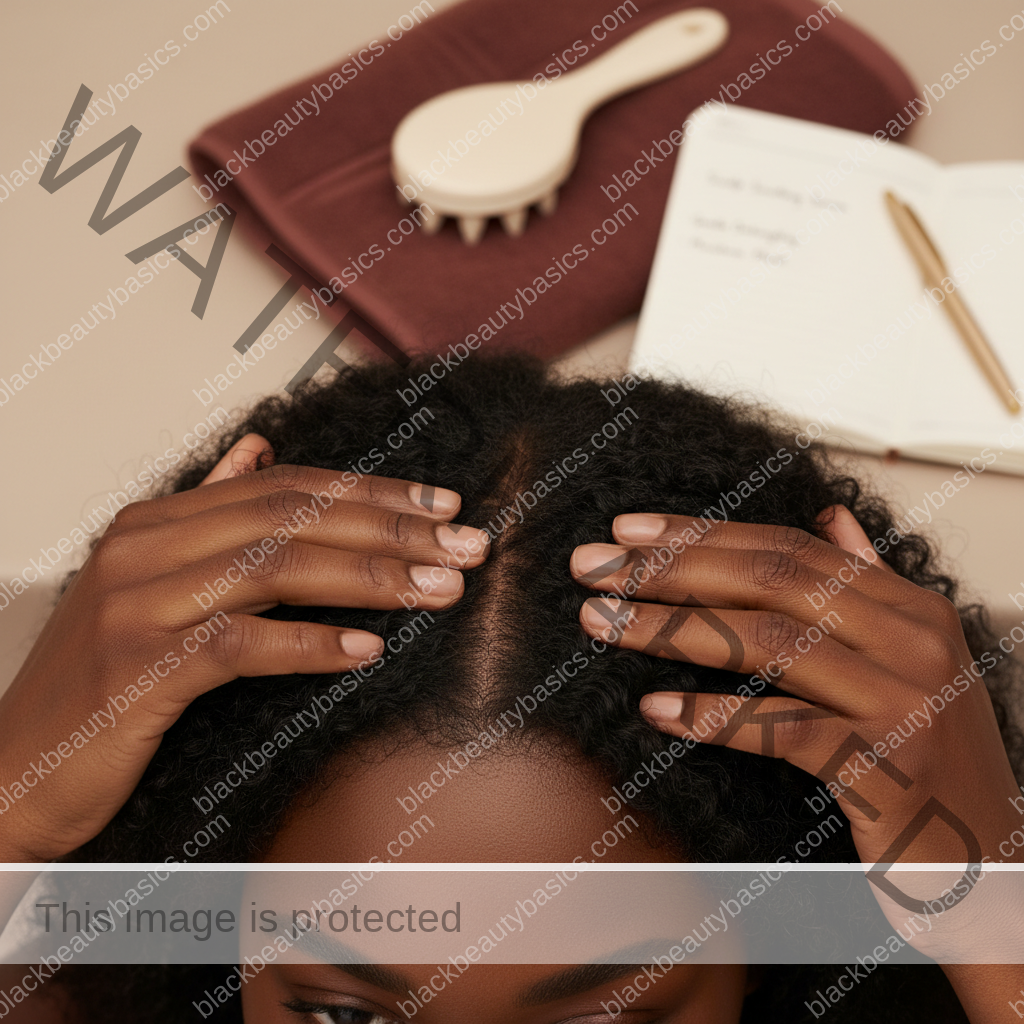
Crafting Your Weekly Calm Scalp Ritual: A Step-by-Step Guide
Consistency is the cornerstone of any successful beauty regimen. This ritual is designed to be performed weekly, with minor adjustments for individual needs and wig-wearing frequency.
Step 1: Pre-Poo Treatment (15-30 minutes before shampooing)
Before introducing water, apply a nourishing oil or a pre-shampoo treatment to your scalp and hair. This protects your strands from excessive stripping during shampooing and helps to loosen any buildup. Massage gently to stimulate circulation.
- Product Type: Lightweight natural oils (jojoba, argan, olive oil) or a dedicated pre-poo treatment. Shop Pre-Shampoo Treatments on Amazon
Step 2: Gentle Cleansing (Shampoo)
Using your chosen sulfate-free shampoo, focus on cleansing the scalp. Use the pads of your fingertips, not your nails, to gently massage the shampoo into your scalp in circular motions. Rinse thoroughly with lukewarm water.
- Product Type: Sulfate-free, pH-balanced shampoo. Shop Sulfate-Free Shampoos on Amazon
Step 3: Deep Conditioning Treatment (20-30 minutes)
Apply a generous amount of deep conditioner or hair mask to your hair, focusing on the mid-lengths and ends, but also ensuring your scalp receives some nourishment. Cover your hair with a plastic cap and apply gentle heat (from a hooded dryer or a warm towel) to help the product penetrate deeper. Rinse thoroughly with cool water to seal the cuticles.
- Product Type: Deep conditioner or hair mask. Shop Deep Conditioners on Amazon
Step 4: Leave-In & Moisturize
After gently towel-drying your hair (using a microfiber towel to minimize friction), apply a lightweight leave-in conditioner. Follow with a light hair milk or cream to lock in moisture. Focus on your hair strands, but ensure your scalp feels hydrated without being greasy.
- Product Type: Leave-in conditioner, hair milk/cream. Shop Leave-In Conditioners on Amazon, Shop Hair Milks on Amazon
Step 5: Scalp Treatment & Massage
Once your hair is moisturized, apply your chosen scalp serum or lightweight oil directly to your scalp. Use a gentle massage technique to work the product in, stimulating blood flow and promoting relaxation. This is also the perfect time to check for any tender spots or irritation.
- Product Type: Calming scalp serum or lightweight oil. Shop Calming Scalp Serums on Amazon
Step 6: Protective Styling (Braiding Down)
Before applying your wig, ensure your natural hair is completely dry. Braid your hair down into flat cornrows or twists that are not too tight. This creates a smooth, flat surface for your wig and minimizes friction. Ensure your braids are not pulling on your edges or causing tension on your scalp.
- Product Type: Light holding gel (optional, for edges). Shop Edge Control on Amazon
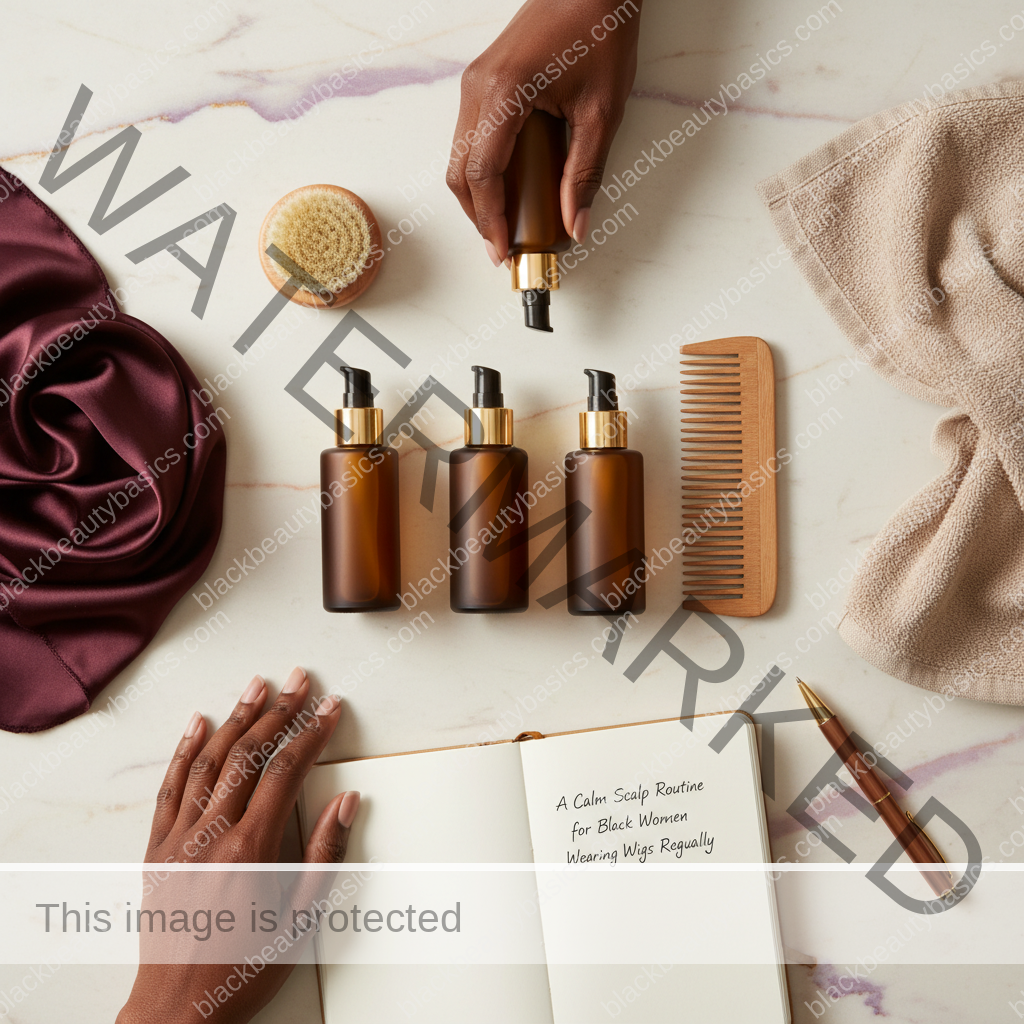
Beyond the Wash Day: Daily & Weekly Scalp Maintenance
Your scalp care doesn’t end after wash day. Consistent daily and weekly practices are vital for maintaining a calm and healthy environment under your wig.
Daily Scalp Refresh & Protection
Even with a clean scalp, daily practices can prevent issues from arising. This is especially important for those who wear wigs every day.
Tip List: Daily Scalp Refresh
- Ventilate: Whenever possible, remove your wig to allow your scalp to breathe. Even 30 minutes in the evening can make a difference.
- Light Scalp Mist: If your scalp feels dry or itchy during the day, a light, hydrating scalp mist can provide instant relief without disrupting your wig. Shop Hydrating Scalp Mists on Amazon
- Gentle Massage: A quick, gentle fingertip massage can stimulate blood flow and distribute natural oils.
- Wig Cap Choice: Opt for breathable wig caps made of cotton or bamboo. Avoid nylon, which can trap heat and moisture. Shop Breathable Wig Caps on Amazon
- Silk/Satin Lining: If your wig doesn’t have a silk or satin lining, consider adding one or wearing a silk/satin wig cap underneath to reduce friction. Shop Silk Wig Caps on Amazon
Weekly Scalp Check-In & Targeted Treatments
Beyond your main wash day, dedicate a moment mid-week to check in with your scalp and address any specific concerns.
Comparison Table: Scalp Concerns & Solutions
| Scalp Concern | Symptoms | Recommended Solution | Product Type |
|---|---|---|---|
| Dryness/Flaking | White flakes, tightness, itching without inflammation | Hydrating scalp serum, leave-in conditioner on scalp, gentle exfoliation (bi-weekly) | Hydrating Scalp Serum, Gentle Scalp Exfoliator |
| Itching/Irritation | Persistent itching, redness, sensitivity | Anti-itch scalp treatment, soothing oils (tea tree, peppermint), cool compresses | Anti-Itch Scalp Treatment, Soothing Scalp Oil |
| Excess Oil/Buildup | Greasy scalp, dull hair, clogged pores, mild odor | Clarifying shampoo (monthly), witch hazel tonic, scalp scrub (bi-weekly) | Clarifying Shampoo, Witch Hazel Scalp Tonic |
| Tension/Soreness | Pain around edges, headaches, tender spots | Loosen braids, gentle massage, anti-inflammatory scalp serum | Anti-Inflammatory Scalp Serum |
Addressing Common Concerns: CCCA & Hair Loss Prevention
For Black women, certain hair loss conditions, like Central Centrifugal Cicatricial Alopecia (CCCA), are unfortunately more prevalent. While wigs are often a protective style, improper care can exacerbate existing conditions or contribute to new ones. A calm scalp routine is a crucial preventative measure.
Understanding CCCA and Its Connection to Scalp Trauma
CCCA is a form of scarring alopecia that primarily affects Black women, typically starting at the crown and spreading outwards. It’s characterized by inflammation, itching, burning, and ultimately, permanent hair loss as hair follicles are destroyed and replaced by scar tissue. While the exact cause is complex and multifactorial, chronic inflammation, tension, and irritation of the scalp are believed to be contributing factors.
Preventative Measures Through Scalp Care:
- Avoid Tension: Ensure your braids underneath your wig are never too tight. Avoid glues and adhesives that pull on your hairline.
- Gentle Handling: Always be gentle when washing, drying, and styling your natural hair.
- Anti-Inflammatory Ingredients: Incorporate products with soothing and anti-inflammatory ingredients like aloe vera, chamomile, calendula, or CBD into your routine. Shop Anti-Inflammatory Scalp Treatments on Amazon
- Regular Scalp Checks: Familiarize yourself with your scalp. Regularly check for redness, bumps, excessive flaking, or tender spots. Early detection is key.
- Consult a Dermatologist: If you notice persistent itching, burning, pain, or any signs of hair thinning or loss, consult a board-certified dermatologist specializing in hair and scalp disorders. They can diagnose conditions like CCCA and recommend appropriate medical treatments.
The Role of Nutrition & Hydration in Scalp Health
True beauty radiates from within. What you consume plays a significant role in the health of your hair and scalp. A diet rich in vitamins, minerals, and healthy fats can support hair growth and scalp vitality.
Key Nutrients for Scalp Health:
- Omega-3 Fatty Acids: Found in fish, flaxseeds, and walnuts, these reduce inflammation and keep the scalp hydrated. Shop Omega-3 Supplements on Amazon
- Vitamins A, C, E: Antioxidants that protect cells and support collagen production.
- B Vitamins (especially Biotin): Essential for hair growth and strength. Shop Biotin Supplements on Amazon
- Zinc & Iron: Deficiencies can lead to hair loss.
- Water: Staying adequately hydrated is fundamental for overall skin and scalp health.
How to notice the pattern without diagnosing yourself
For Black women with textured hair, scalp and hair-care choices can be emotionally loaded because they often sit at the intersection of styling, identity, health, and being dismissed. This guide focuses on building a gentle routine for cleansing, drying, moisturizing, wig breaks, hairline protection, and scalp checks under regular wig wear, while keeping the related BBB scalp-health cluster as the home base. The goal is not to diagnose yourself from a mirror. The goal is to notice patterns clearly enough to choose safer next steps.
Start with the timeline. Did the change begin after a new style, product, postpartum season, illness, medication change, stressful period, or scalp flare? Did it show up at the edges, crown, hairline, part, or all over? Is there pain, itch, flaking, bumps, tenderness, odor, bleeding, scaling, or smooth shiny areas? These details matter because different patterns need different care.
The safest home routine is usually the one that lowers tension, reduces irritation, and keeps the scalp clean without aggressive scraping. If a symptom is painful, spreading, scarring, repeatedly returning, or connected to visible thinning, professional care matters. Early documentation can help a dermatologist, primary care clinician, or other qualified professional see the pattern more clearly.
What to track gently
- Location: edges, crown, hairline, part, nape, or all over.
- Timing: new style, postpartum shift, cycle change, illness, product, or stress season.
- Sensations: tenderness, burning, itching, tightness, soreness, or pain.
- Visible signs: flakes, bumps, redness that may look subtle on brown skin, thinning, or broken hairs.
- When the pattern improves or worsens.
What usually makes scalp concerns harder to read
The first challenge is tension. Tight braids, ponytails, wigs, sew-ins, loc maintenance, edge styling, and repeated parting can make it harder to tell whether the scalp is reacting to the style, an underlying condition, or both. That does not mean protective styles are bad. It means comfort and scalp access need to be part of the plan.
The second challenge is product layering. Oils, gels, sprays, dry shampoo, edge control, medicated products, and sweat can build up together. A scalp can be dry and still have residue. It can itch from buildup, irritation, inflammation, or a condition that needs professional treatment. Scratching harder does not solve that confusion; it can create more irritation.
The third challenge is waiting too long because you do not want to be dramatic. You are allowed to ask questions early. You are allowed to document a change before it becomes severe. And you are allowed to want care that understands textured hair instead of telling you to abandon your whole beauty routine without nuance.
What to do next
Keep this article connected to the Scalp Health, CCCA & Hair Loss system. Use the related guides below to decide whether your next step is tension reduction, scalp-routine adjustment, pattern tracking, or professional evaluation.
- Scalp Health, CCCA & Hair Loss
- The related scalp-health cluster guide
- scalp-focused routines
- how often to wash your scalp in protective styles
- edges thinning from wigs and ponytails
- protective style strategy
How to keep scalp care protective while you wait for clarity
While you are watching a pattern, keep the scalp routine steady and low-drama. Avoid styles that pull on the tender area. Do not scratch flakes or bumps open. Keep cleansing realistic for your style, sweat level, and scalp condition. If a product burns, stings, or makes itching worse, pause it instead of trying to push through.
Photos can be helpful, but they should not become a source of obsession. Take clear photos in similar lighting every few weeks if you are tracking thinning, part width, edges, or crown changes. Pair the photos with notes about styles, wash days, tenderness, shedding, and product changes. That kind of record can make an appointment more productive.
If you already suspect scarring hair loss, CCCA, severe traction, infection, psoriasis, persistent inflammation, or another scalp condition, do not rely on home care alone. Professional evaluation is not a failure of your routine. It is part of protecting the hair and scalp you have now.
Most importantly, do not let shame make the scalp quieter than it needs to be. Black women deserve care that respects our hair practices and also takes symptoms seriously. Both can be true at the same time.
Frequently Asked Questions: Your Calm Scalp Queries Answered
Q1: How often should I wash my hair and scalp when wearing wigs regularly?
A: For most Black women wearing wigs regularly, a weekly wash is ideal. This frequency allows for thorough cleansing of product buildup, sweat, and environmental impurities without stripping the scalp of its natural oils. If you exercise frequently or have an oily scalp, you might consider washing every 5-6 days. Conversely, if your scalp is very dry, you might stretch it to every 10-14 days, always listening to your scalp’s specific needs.
Q2: Can I moisturize my scalp while my wig is on?
A: While it’s best to moisturize your scalp when your wig is off, you can use very lightweight, non-greasy scalp mists or serums between washes for a quick refresh or to alleviate dryness/itchiness. Part your hair carefully and apply directly to the scalp, gently massaging it in. Avoid heavy oils or creams, as they can lead to buildup under the wig and potentially soil the wig itself.
Q3: What type of wig cap is best for scalp health?
A: Opt for breathable materials like cotton, bamboo, or silk/satin wig caps. These materials allow for better air circulation, reducing heat and moisture buildup, which can prevent bacterial growth and irritation. Avoid nylon wig caps, as they tend to trap heat and can cause friction.
Q4: My edges are thinning from wig wear. What can I do?
A: Thinning edges are often a sign of tension. Firstly, ensure your braids underneath are not too tight, and avoid glues or adhesives directly on your hairline. Choose glueless wigs or use gentle, water-soluble wig adhesives sparingly. Incorporate a gentle edge treatment serum with ingredients like peppermint, rosemary, or castor oil into your daily routine. Regularly massage your edges to stimulate blood flow, and give your edges a break from wigs when possible.
Q5: How do I know if my scalp irritation is serious and requires a doctor?
A: If you experience persistent, intense itching, burning, pain, excessive redness, bumps, sores, pus, or notice significant hair loss or bald patches, it’s crucial to consult a board-certified dermatologist. These symptoms could indicate a more serious underlying condition like folliculitis, seborrheic dermatitis, or a scarring alopecia like CCCA, which requires professional diagnosis and treatment.
Q6: Are natural oils better than commercial scalp products for wig wearers?
A: Both natural oils and commercial products have their place. Natural oils like jojoba, argan, or tea tree can be excellent for moisturizing, soothing, and providing antimicrobial benefits. However, commercial scalp products are often formulated with specific active ingredients (e.g., salicylic acid, zinc pyrithione, specific anti-inflammatories) to target particular concerns like dandruff, excessive oiliness, or inflammation, and they are typically designed for optimal penetration and efficacy. A balanced approach, incorporating both where appropriate, is often best.
Q7: How can I prevent my scalp from sweating excessively under my wig?
A: Excessive sweating can be managed by ensuring your natural hair is completely dry before putting on your wig. Use breathable wig caps (cotton or bamboo). Consider wigs with open wefts or lace for better ventilation. You can also use a light antiperspirant specifically formulated for the scalp (consult a dermatologist first) or a dry shampoo designed for the scalp to absorb excess moisture between washes. Removing your wig periodically to allow your scalp to air out is also very helpful.
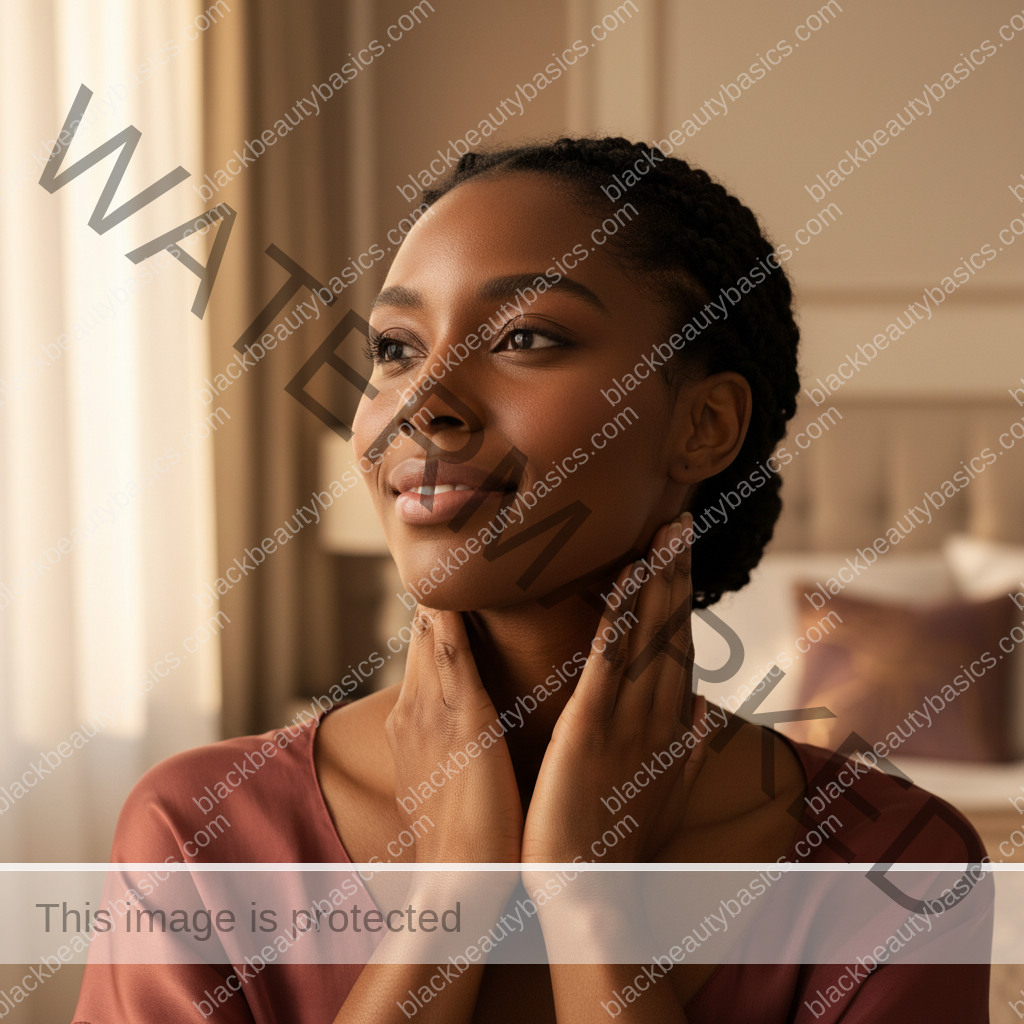
The journey to a calm, healthy scalp while regularly wearing wigs is one of mindful attention, consistent care, and a deep appreciation for the foundation of your beauty. By embracing this ritual, you’re not just maintaining your hair; you’re honoring your crown, nurturing your well-being, and ensuring that every strand, seen or unseen, reflects the elegance and strength that is uniquely yours. Let your scalp be a testament to your meticulous care, allowing your confidence to shine from the roots upward, truly embodying the essence of Black Beauty Basics.
Related next steps
Related posts:
 How Often to Wash Your Scalp in Braids, Twists, or Wigs
 Wig-Wearing Routine That Still Protects Your Real Hair Underneath
 Edges Thinning From Wigs and Ponytails: How to Rethink Your Routine
 Keeping Your Scalp Healthy Under Wigs and Weaves
 Wigs and Weaves: How to Use Them Without Sacrificing Your Scalp
 Flaky Scalp vs Dry Scalp vs Dandruff on Black Women