The crown of a Black woman’s head is more than just a place where hair grows; it is often seen as a spiritual center, a point of connection, and a canvas for self-expression. When this sacred space experiences distress, whether from the persistent whisper of heat damage or the more profound concern of hair loss, it can stir a deep well of anxiety and confusion. Understanding the nuances between these two distinct yet sometimes intertwined challenges is not merely about diagnosis, but about reclaiming your power and nurturing the radiant health of your precious strands. Start with the related BBB scalp-health cluster guide if you want the broader map.
The Crown’s Dilemma: Unraveling Heat Damage and Hair Loss
For generations, Black women have embraced a rich tapestry of hairstyles, from intricate braids and protective weaves to sleek presses and vibrant color treatments. Each choice is a declaration of style, heritage, and personal flair. Yet, with this versatility comes the responsibility of understanding the potential stressors on our hair, particularly around the delicate crown area. The distinction between heat damage and hair loss in this region is crucial for effective treatment and prevention, empowering you to make informed decisions for your hair’s longevity.
Our hair, with its unique curl patterns and structural integrity, is inherently beautiful but also prone to specific vulnerabilities. The crown, being a high-tension area and often the first point of contact for styling tools, can bear the brunt of improper care. Let’s delve into the intricate differences and shared consequences of heat damage and hair loss, equipping you with the knowledge to protect and restore your regal mane.
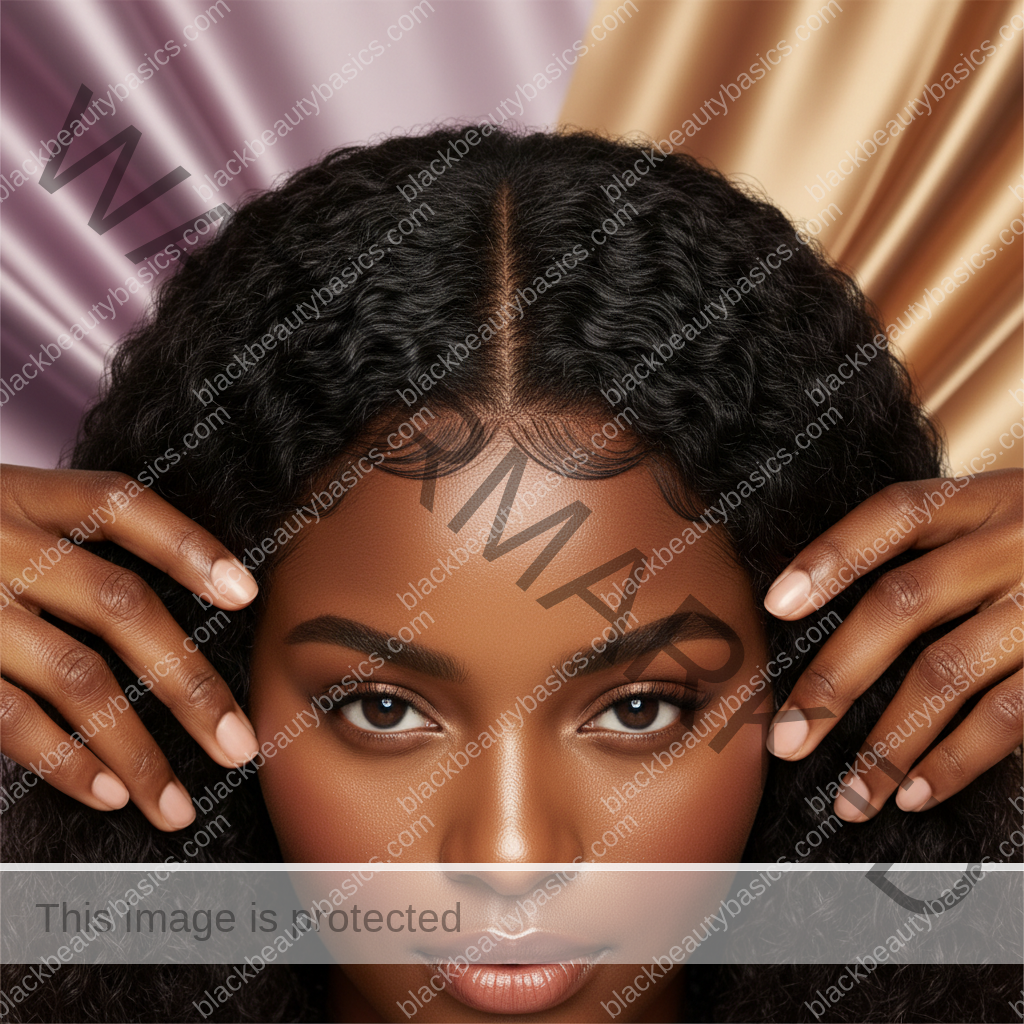
Understanding Heat Damage: The Silent Stripping of Strength
Heat damage occurs when excessive or improperly applied heat from styling tools compromises the structural integrity of the hair shaft. For melanin-rich hair, which tends to have an elliptical shape and fewer cuticle layers than other hair types, this vulnerability is amplified. The crown area, often targeted for straightening or smoothing, is particularly susceptible.
The Science Behind the Scorch
Each strand of hair is composed primarily of keratin protein. When exposed to high temperatures, this protein undergoes denaturation, much like an egg white cooking. The disulfide bonds that give hair its strength and elasticity are broken, and the cuticle layers, which act as the hair’s protective shield, become lifted, cracked, or even completely stripped away. This leaves the inner cortex exposed and vulnerable.
Identifying the Hallmarks of Heat Damage at the Crown
- Texture Alteration: The most noticeable sign is a change in your natural curl pattern. Areas that were once tightly coiled may become loose, limp, or completely straight, refusing to revert even when wet.
- Dryness and Brittleness: Heat-damaged hair loses its ability to retain moisture, leading to an extremely dry, coarse, and straw-like texture. It feels rough to the touch.
- Lackluster Appearance: The lifted cuticles scatter light rather than reflecting it, resulting in dull, lifeless hair that lacks its natural sheen.
- Increased Breakage: Weakened strands are prone to snapping, often appearing as small, white dots along the hair shaft where the hair has broken. You might notice an unusual amount of short, broken pieces around your crown.
- Split Ends: The ends of the hair, and sometimes even along the shaft, will fray and split, indicating severe cuticle damage.
Common Culprits: How Heat Damage Occurs
- Excessive Heat Settings: Using styling tools at temperatures too high for your hair type.
- Lack of Heat Protectant: Skipping this crucial barrier that shields hair from direct heat. Shop Heat Protectant Spray on Amazon
- Over-Styling: Repeatedly going over the same sections of hair with a hot tool.
- Wet Hair Styling: Applying heat tools to damp or wet hair, which can cause the water inside the hair shaft to boil, leading to “bubble hair” and internal damage.
- Improper Tool Usage: Holding tools in one place for too long or using them incorrectly.
Understanding Hair Loss: A Deeper Concern
Hair loss, or alopecia, is a more complex issue than heat damage, involving the hair follicle itself rather than just the hair shaft. While heat damage affects the existing hair, hair loss indicates a problem with the hair’s growth cycle, potentially leading to reduced density or complete absence of hair in certain areas. The crown is a common site for various forms of hair loss in Black women, making it a critical area for vigilance.
The Hair Growth Cycle and Its Disruptions
Hair follicles cycle through three main phases: anagen (growth), catagen (transition), and telogen (resting). Hair loss occurs when this cycle is disrupted, leading to premature shedding, thinning, or follicles ceasing to produce hair altogether.
Distinguishing Features of Hair Loss at the Crown
- Reduced Density: The most obvious sign is a noticeable decrease in the volume of hair, making the scalp more visible through the strands.
- Widening Part: Your natural part line may appear wider, especially towards the crown.
- Receding Hairline (less common at crown, but can indicate overall issue): While often associated with the temples, overall hair loss can sometimes manifest as a thinning around the crown that extends to other areas.
- Patches of Baldness: In more severe cases, complete absence of hair in specific, often circular, patches.
- Scalp Symptoms: Depending on the cause, hair loss can be accompanied by itching, burning, tenderness, inflammation, or scaling of the scalp.
- Lack of New Growth: Unlike breakage where short pieces are present, hair loss means fewer or no new hairs emerging from the follicles.
Key Types of Hair Loss Affecting the Crown in Black Women
It’s vital to recognize that not all hair loss is the same. Several types disproportionately affect Black women, particularly at the crown:
- Central Centrifugal Cicatricial Alopecia (CCCA): This is a progressive, inflammatory form of hair loss that typically starts at the crown and spreads outwards in a circular pattern. It’s characterized by inflammation, itching, burning, and eventually, permanent scarring of the hair follicles. The hair often appears sparse and brittle, and new growth is inhibited. Early detection and intervention are crucial.
- Traction Alopecia: Caused by chronic tension or pulling on the hair follicles from tight hairstyles (braids, weaves, ponytails, buns). While often seen at the hairline, it can also affect the crown if styles are consistently pulled tight in that area. It can lead to inflammation and, if prolonged, permanent damage to the follicles.
- Telogen Effluvium: A temporary form of hair loss triggered by significant physical or emotional stress, illness, hormonal changes (like childbirth or menopause), nutritional deficiencies, or certain medications. It causes a large number of hairs to prematurely enter the resting phase and shed. Hair loss is usually diffuse but can be more noticeable at the crown.
- Androgenetic Alopecia (Female Pattern Hair Loss): While less common in its classic male pattern, women can experience a diffuse thinning, often most pronounced at the crown, with a widening of the part. It’s influenced by genetics and hormones.
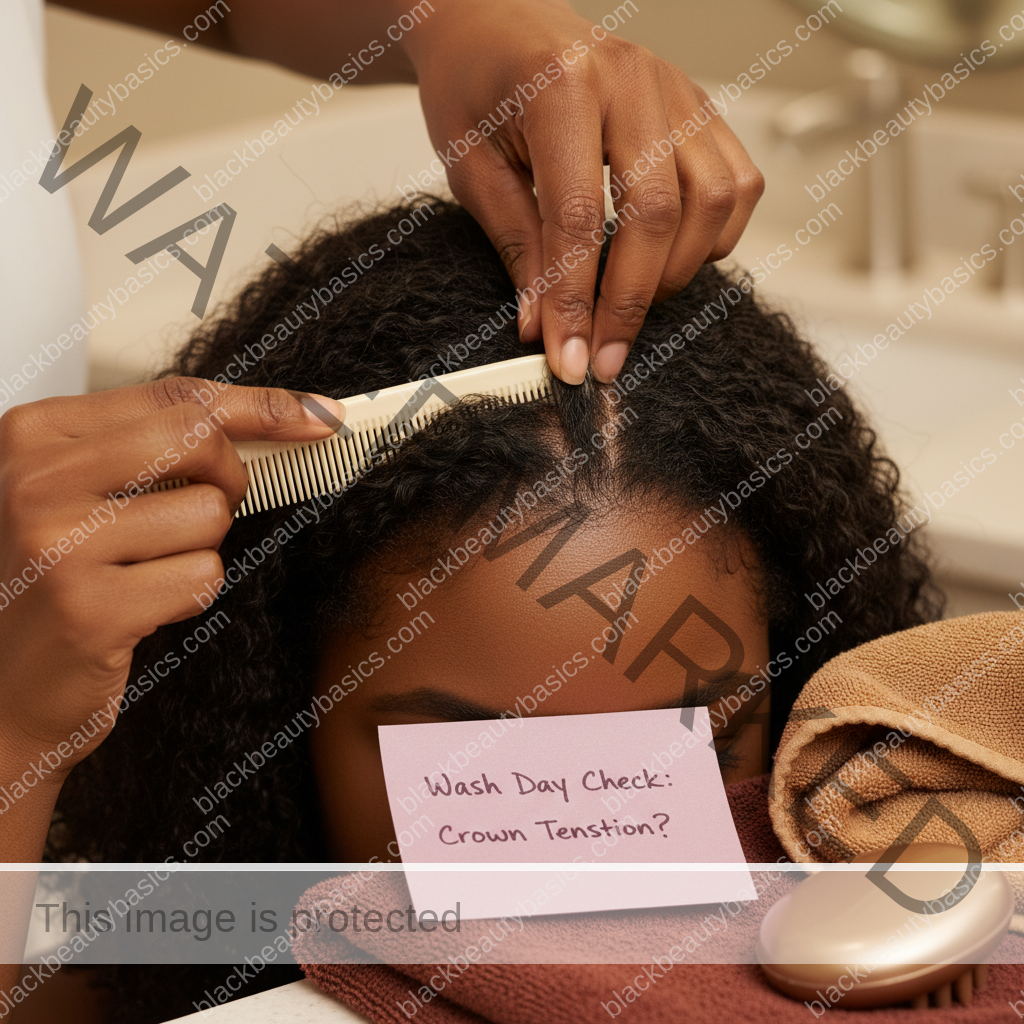
The Overlap: When Heat Damage and Hair Loss Converge
While distinct, heat damage and hair loss can sometimes coexist or even exacerbate each other. Chronic heat damage can weaken the hair shaft to the point of breakage, which, if severe and consistent, can mimic thinning. Moreover, the inflammatory response from certain forms of hair loss, like CCCA, can make the remaining hair more fragile and susceptible to damage from heat or chemical processes.
Conversely, repeated styling practices that involve high heat, especially without proper protection, can contribute to inflammation of the scalp, potentially worsening conditions like CCCA or accelerating traction alopecia if combined with tension. It’s a delicate balance, and understanding the interplay is key to holistic hair health.
Heat Damage vs. Hair Loss Around the Crown: A Comparative Overview
To clarify the distinctions, let’s examine the key characteristics side-by-side:
| Feature | Heat Damage at the Crown | Hair Loss at the Crown (e.g., CCCA, Traction Alopecia) |
|---|---|---|
| Primary Cause | Excessive or improper use of heat styling tools. | Internal factors (genetics, hormones, autoimmune), inflammation, chronic tension on follicles. |
| Affected Area | Hair shaft (external structure of the hair strand). | Hair follicle (where hair grows from), leading to reduced hair production. |
| Appearance of Hair | Frizzy, dry, brittle, dull, limp, altered curl pattern, split ends, breakage along the shaft. | Thinning, reduced density, visible scalp, bald patches, widening part. Hair that remains may or may not be damaged. |
| Scalp Symptoms | Typically none, unless scalp was burned. | Often accompanied by itching, burning, tenderness, inflammation, scaling, or scarring. |
| Reversibility | Damaged hair cannot be “repaired”; must be cut off. New growth will be healthy if heat practices change. | Depends on the type. Some are reversible (e.g., Telogen Effluvium, early Traction Alopecia), others are permanent (e.g., advanced CCCA). |
| Treatment Focus | Protective styling, deep conditioning, trimming damaged ends, avoiding heat. | Addressing underlying cause, medical treatments (topicals, injectables, oral medications), anti-inflammatory care, gentle styling. |
Nurturing Your Crown: Prevention and Treatment Strategies
Whether you’re battling heat damage or navigating the complexities of hair loss, a proactive and gentle approach is paramount. Your hair deserves consistent, loving care that prioritizes its health above all else.
Combatting Heat Damage: A Path to Restoration
If your crown is showing signs of heat damage, remember that while the damage itself is irreversible, you can prevent further harm and encourage healthy new growth.
Essential Tips for Heat Damage Recovery:
- Embrace Heat-Free Styling: This is the most crucial step. Give your hair a break from all heat tools. Explore beautiful protective styles like braids, twists, bantu knots, or roller sets.
- Deep Conditioning is Your Ally: Incorporate regular, intensive deep conditioning treatments into your routine. Look for products rich in proteins (to temporarily strengthen the hair shaft) and emollients (to restore moisture). Shop Deep Conditioner on Amazon
- Protein Treatments (Use with Caution): While beneficial for strengthening, overuse of protein can make hair brittle. Balance protein treatments with moisturizing ones.
- Regular Trims: The only way to truly remove heat damage is to cut it off. Regular micro-trims will gradually remove the damaged ends, allowing healthy hair to flourish.
- Gentle Cleansing: Use sulfate-free shampoos and conditioners that won’t strip your hair of its natural oils. Shop Sulfate-Free Shampoo on Amazon
- Low-Heat or No-Heat Drying: If you must blow dry, use the lowest heat setting and a diffuser. Air drying is always the best option.
- Invest in Quality Heat Protectant (for future use): When you eventually reintroduce heat, never skip a high-quality heat protectant. Apply it evenly to damp hair before any heat application.
Addressing Hair Loss: A Holistic and Expert-Guided Journey
Hair loss, especially around the crown, often requires a more comprehensive approach, sometimes involving medical consultation. Early intervention is key, particularly for progressive conditions like CCCA.
Actionable Steps for Managing Hair Loss:
- Consult a Dermatologist or Trichologist: This is non-negotiable. A specialist can accurately diagnose the type of hair loss and recommend appropriate medical treatments. They may perform a scalp biopsy or blood tests.
- Gentle Hair Care Practices:
- Avoid Tight Styles: Steer clear of any hairstyles that pull on the scalp, especially braids, weaves, or ponytails that cause tension at the crown.
- Minimize Manipulation: Reduce brushing, combing, and styling to prevent further stress on fragile follicles.
- Use Wide-Tooth Combs: Detangle gently with a wide-tooth comb on wet, conditioned hair. Shop Wide-Tooth Comb on Amazon
- Satin or Silk Pillowcases: Reduce friction and breakage during sleep. Shop Satin Pillowcase on Amazon
- Scalp Health is Paramount:
- Regular Cleansing: Keep your scalp clean to prevent product buildup and inflammation.
- Scalp Massages: Gentle scalp massages can stimulate blood flow to the follicles, but avoid aggressive rubbing if inflammation is present.
- Targeted Scalp Treatments: Your dermatologist may prescribe topical solutions (e.g., minoxidil, corticosteroids) or recommend specific anti-inflammatory products.
- Nutritional Support: Ensure a balanced diet rich in vitamins and minerals essential for hair growth, such as iron, zinc, biotin, and vitamins D and B. Consider supplements only under medical guidance. Shop Hair Growth Supplements on Amazon
- Stress Management: Chronic stress can contribute to telogen effluvium. Practice mindfulness, meditation, or other stress-reducing techniques.
- Patience and Consistency: Hair growth is a slow process. Adhere to your treatment plan diligently and be patient for results.
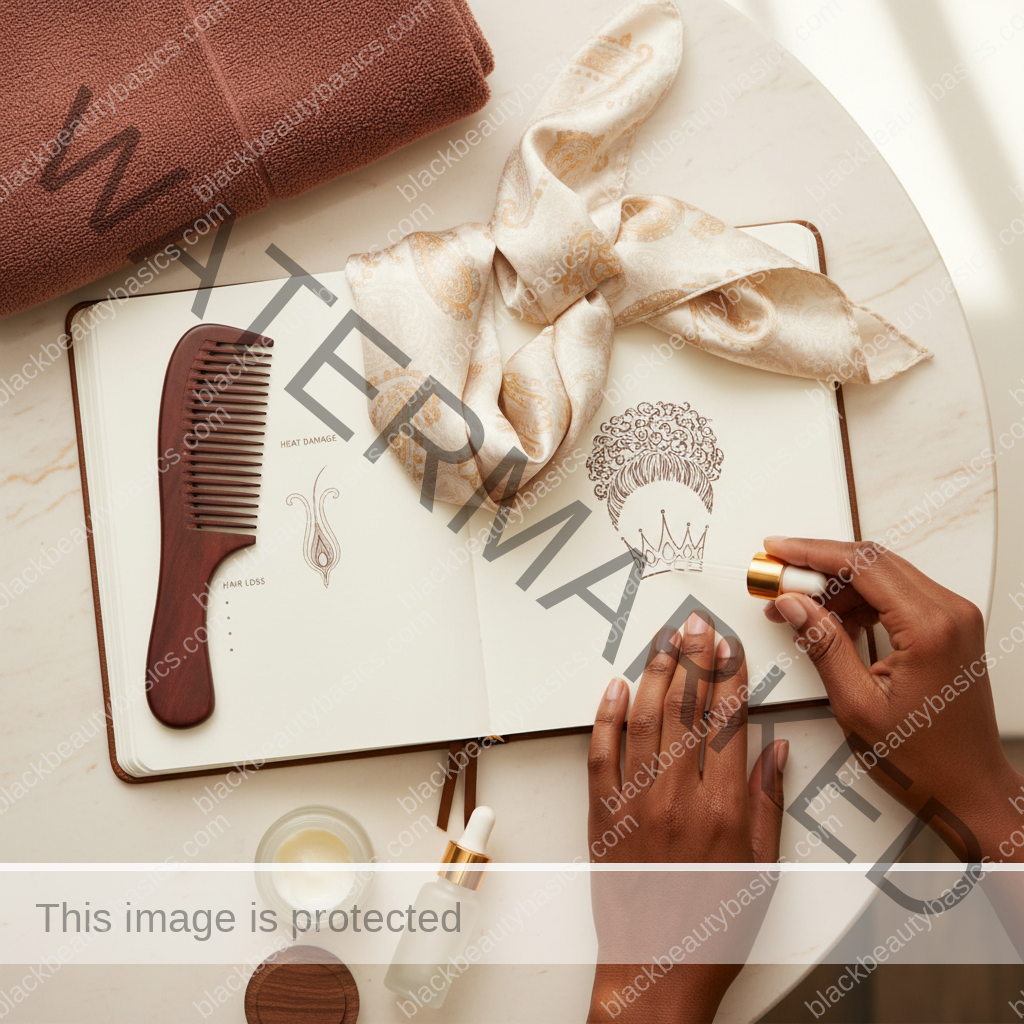
Empowering Your Hair Journey: Proactive Care for a Resilient Crown
The journey to healthy hair is ongoing, a continuous conversation between you and your strands. Proactive care is not just about fixing problems, but about preventing them and fostering an environment where your hair can thrive in its natural glory.
Daily Rituals for a Healthy Crown
Cultivating a consistent and gentle hair care routine is the cornerstone of preventing both heat damage and hair loss.
Your Daily & Weekly Hair Health Checklist:
| Category | Action Item | Benefit for Crown Health |
|---|---|---|
| Cleansing & Conditioning | Use sulfate-free shampoo and moisturizing conditioner 1-2 times per week (or as needed). | Maintains scalp hygiene, prevents product buildup, keeps hair hydrated without stripping. |
| Deep Treatment | Apply a deep conditioner or hair mask weekly. | Infuses intense moisture and nutrients, strengthens hair shaft, improves elasticity. |
| Moisture Retention | Regularly apply a leave-in conditioner and seal with an oil or butter. | Keeps hair pliable, reduces dryness and brittleness, prevents breakage. Shop Leave-In Conditioner on Amazon |
| Protective Styling | Incorporate low-manipulation styles (buns, twists, braids) and protective styles (wigs, weaves with proper installation). | Reduces daily stress on hair, minimizes breakage, protects ends from environmental damage. |
| Scalp Care | Gentle scalp massages, use of targeted scalp serums if needed. | Stimulates circulation, promotes a healthy environment for follicle function. Shop Scalp Serum on Amazon |
| Nighttime Protection | Sleep on a satin pillowcase or wear a satin bonnet. | Prevents friction, frizz, and moisture loss during sleep. Shop Satin Bonnet on Amazon |
| Professional Care | Regular trims, professional treatments, and consultations with a stylist or dermatologist. | Maintains hair shape, removes split ends, addresses concerns with expert guidance. |
The Power of Patience and Self-Compassion
Healing hair, whether from damage or loss, is a journey that demands patience and self-compassion. There will be days of frustration, but remember that every small step you take towards healthier hair is a victory. Celebrate your progress, learn from setbacks, and always prioritize the long-term health of your crown over fleeting styling trends.
Your hair is a reflection of your inner vitality and strength. By understanding the distinct challenges of heat damage and hair loss, and by committing to a regimen of informed, gentle care, you not only restore your strands but also reinforce your confidence and grace. Embrace this journey with the elegance and resilience that defines you.
How to notice the pattern without diagnosing yourself
For Black women with textured hair, scalp and hair-care choices can be emotionally loaded because they often sit at the intersection of styling, identity, health, and being dismissed. This guide focuses on comparing broken crown hairs, texture changes, shedding, scalp symptoms, styling history, and when crown changes need evaluation, while keeping the related BBB scalp-health cluster as the home base. The goal is not to diagnose yourself from a mirror. The goal is to notice patterns clearly enough to choose safer next steps.
Start with the timeline. Did the change begin after a new style, product, postpartum season, illness, medication change, stressful period, or scalp flare? Did it show up at the edges, crown, hairline, part, or all over? Is there pain, itch, flaking, bumps, tenderness, odor, bleeding, scaling, or smooth shiny areas? These details matter because different patterns need different care.
The safest home routine is usually the one that lowers tension, reduces irritation, and keeps the scalp clean without aggressive scraping. If a symptom is painful, spreading, scarring, repeatedly returning, or connected to visible thinning, professional care matters. Early documentation can help a dermatologist, primary care clinician, or other qualified professional see the pattern more clearly.
What to track gently
- Location: edges, crown, hairline, part, nape, or all over.
- Timing: new style, postpartum shift, cycle change, illness, product, or stress season.
- Sensations: tenderness, burning, itching, tightness, soreness, or pain.
- Visible signs: flakes, bumps, redness that may look subtle on brown skin, thinning, or broken hairs.
- When the pattern improves or worsens.
What usually makes scalp concerns harder to read
The first challenge is tension. Tight braids, ponytails, wigs, sew-ins, loc maintenance, edge styling, and repeated parting can make it harder to tell whether the scalp is reacting to the style, an underlying condition, or both. That does not mean protective styles are bad. It means comfort and scalp access need to be part of the plan.
The second challenge is product layering. Oils, gels, sprays, dry shampoo, edge control, medicated products, and sweat can build up together. A scalp can be dry and still have residue. It can itch from buildup, irritation, inflammation, or a condition that needs professional treatment. Scratching harder does not solve that confusion; it can create more irritation.
The third challenge is waiting too long because you do not want to be dramatic. You are allowed to ask questions early. You are allowed to document a change before it becomes severe. And you are allowed to want care that understands textured hair instead of telling you to abandon your whole beauty routine without nuance.
What to do next
Keep this article connected to the Scalp Health, CCCA & Hair Loss system. Use the related guides below to decide whether your next step is tension reduction, scalp-routine adjustment, pattern tracking, or professional evaluation.
- Scalp Health, CCCA & Hair Loss
- The related scalp-health cluster guide
- hair loss conditions in Black women
- how CCCA may first show up
- hair shedding vs breakage
- professional scalp care pathways
Frequently Asked Questions About Crown Hair Health
Q1: Can heat damage cause permanent hair loss at the crown?
A: While direct heat damage primarily affects the hair shaft and causes breakage, not true hair loss from the follicle, chronic and severe heat damage can contribute to inflammation of the scalp. If this inflammation is persistent and intense, it could potentially exacerbate existing hair loss conditions like CCCA or, in rare and extreme cases, lead to follicular damage over time. However, typical heat damage results in breakage, meaning the hair strand breaks off, but the follicle remains intact and can produce new, healthy hair once the damaging practice stops. True permanent hair loss involves damage to the follicle itself.
Q2: How can I tell if my thinning at the crown is breakage from heat or actual hair loss?
A: Look closely at the hair strands. If it’s breakage from heat damage, you’ll likely see short, broken pieces of hair, often with white dots at the ends (where the hair snapped). The remaining hair might feel dry, brittle, and lack its natural curl pattern. If it’s true hair loss, you’ll notice a reduction in overall hair density, a wider part, and potentially visible scalp. The shed hairs might have a tiny white bulb at the root, indicating they’ve come out from the follicle. Scalp symptoms like itching, burning, or tenderness are also strong indicators of hair loss, especially CCCA.
Q3: Is it safe to use heat protectant if I have hair loss at the crown?
A: Yes, it is generally safe and recommended to use a heat protectant if you are still using heat tools, even with hair loss. A heat protectant forms a barrier on the hair shaft, minimizing damage to the existing hair. However, if you have an inflammatory hair loss condition like CCCA, it’s crucial to prioritize medical treatment and minimize heat styling altogether, as any heat can potentially worsen scalp inflammation. Always choose lightweight, non-comedogenic heat protectants and ensure your scalp is clean and healthy.
Q4: What are the best protective styles to prevent crown hair damage and loss?
A: The best protective styles are those that put minimal tension on the scalp and hair follicles. Loose braids, twists, flat twists, Bantu knots, and gentle updos are excellent options. Wigs and weaves can also be protective if installed correctly without excessive tension, and if your natural hair is properly prepped and cared for underneath. Avoid styles that pull tightly at the roots, especially around the crown and hairline, and ensure your stylist prioritizes scalp health.
Q5: How long does it take for hair to recover from heat damage?
A: Hair that is already heat-damaged cannot be fully repaired; it must be grown out and trimmed off. The recovery process involves preventing further damage and nurturing new, healthy growth. This means consistently avoiding heat, deep conditioning regularly, and getting regular trims. Depending on the severity of the damage and your hair’s growth rate, it can take several months to a year or more to fully transition to healthy hair, as you gradually cut away the damaged portions.
Q6: Can diet and supplements help with hair loss at the crown?
A: Yes, a balanced diet rich in essential nutrients is crucial for overall hair health and can significantly support hair growth. Ensure you’re consuming adequate protein, iron, zinc, biotin, and vitamins A, C, D, and E. Nutritional deficiencies can contribute to hair shedding, particularly telogen effluvium. While supplements can be beneficial, especially if you have a confirmed deficiency, it’s always best to consult with a doctor or registered dietitian before starting any new supplement regimen, as excessive intake of some vitamins can be harmful.
Q7: When should I see a doctor for hair loss at the crown?
A: You should consult a dermatologist or trichologist as soon as you notice persistent or significant thinning, bald patches, a widening part, or any accompanying scalp symptoms like itching, burning, pain, or inflammation. Early diagnosis and intervention are critical for many forms of hair loss, especially those that can lead to permanent scarring, like CCCA. The sooner you seek professional help, the better the chances of successful management and preservation of your hair follicles.
A: For overall crown health, look for moisturizing ingredients like shea butter, coconut oil, argan oil, jojoba oil, and glycerin. Protein-rich ingredients (keratin, hydrolyzed wheat protein) can strengthen damaged hair but should be used in moderation. For scalp health, ingredients like tea tree oil (antimicrobial), peppermint oil (stimulates circulation), and aloe vera (soothing) can be beneficial. Avoid harsh sulfates, parabens, and heavy mineral oils that can clog follicles or strip natural moisture. If you have an inflammatory condition, your dermatologist may recommend specific medicated shampoos or serums.
The journey to a vibrant, healthy crown is one of informed choices and consistent care. Whether you are navigating the visible signs of heat damage or the more profound concerns of hair loss, remember that your power lies in knowledge and proactive action. Embrace the elegance of your natural texture, protect your precious strands, and allow your crown to shine as a testament to your resilience and beauty. With every intentional step, you reaffirm your commitment to the holistic well-being of your hair, nurturing it to flourish in all its magnificent glory.
Related next steps
Related posts:
 Repairing Heat Damage in Natural Hair: What’s Possible and What Isn’t
 Heat Styling – Tips to Minimize Damage and Maintain Healthy Hair
 Recognizing and Recovering from Heat Damage: Restoring Your Curls’ Vitality
 Folliculitis and Bumpy, Tender Scalp in Textured Hair: Understanding and Nurturing Your Crown
 Questions to Ask When Choosing a Dermatologist, Trichologist, or Stylist for Hair Loss
 Androgenic (Pattern) Hair Loss in Melanin-Rich Women: Understanding Gradual Density Shifts