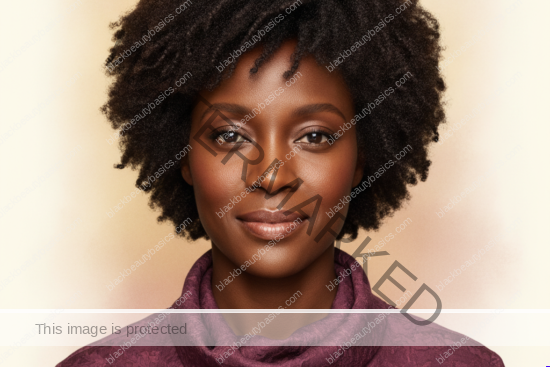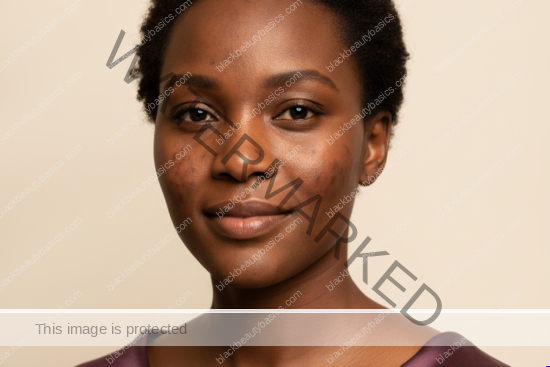
There are moments in our beauty journey when our crown, our glorious hair, feels less like a celebration and more like a sensitive whisper. For the discerning Black woman, navigating scalp inflammation can be a delicate dance, demanding not just relief, but also grace and style. When your scalp calls for tenderness, choosing the right low-tension hairstyles isn’t just about comfort; it’s about honoring your body, preserving your precious strands, and maintaining your regal poise. Start with the related BBB scalp-health cluster guide if you want the broader map.
Understanding Scalp Inflammation: A Call for Gentle Care
Our scalps, the very foundation of our hair’s health, can sometimes send signals of distress. Inflammation isn’t merely an inconvenience; it’s a symptom that demands our attention, particularly for Black women who may experience specific conditions or sensitivities. Understanding what triggers this tenderness is the first step towards healing and choosing styles that nurture rather than exacerbate.
Common Causes of Scalp Inflammation in Black Hair
Several factors can contribute to an inflamed or irritated scalp. Recognizing these can help you better manage your hair care routine and lifestyle choices.
- Product Buildup: Heavy creams, oils, and styling products, while essential for moisture, can accumulate if not properly cleansed, leading to clogged follicles and irritation.
- Allergic Reactions: Certain ingredients in shampoos, conditioners, or styling products can trigger contact dermatitis, causing redness, itching, and inflammation.
- Fungal or Bacterial Infections: Conditions like seborrheic dermatitis (dandruff), ringworm, or folliculitis can manifest as an inflamed, itchy, and sometimes painful scalp.
- Tight Hairstyles: Constant pulling and tension from braids, weaves, or tight ponytails can lead to traction alopecia, characterized by inflammation around the hair follicles.
- Environmental Factors: Dry air, extreme temperatures, or even harsh water can strip the scalp of its natural oils, leading to dryness and irritation.
- Underlying Health Conditions: Autoimmune diseases, stress, or hormonal imbalances can also manifest as scalp issues.
Why Low-Tension Styles Are Essential for Healing
When your scalp is inflamed, it’s undergoing a healing process. Applying further tension or stress can hinder this recovery, potentially leading to further irritation, hair breakage, or even permanent hair loss, especially in cases of traction alopecia or CCCA (Central Centrifugal Cicatricial Alopecia). Low-tension styles minimize pulling on the hair follicles, allowing the scalp to breathe, recover, and receive necessary treatments without additional strain. They promote blood circulation, reduce friction, and prevent further damage to already compromised areas.
The Art of Gentle Styling: Our Top Low-Tension Choices
Embracing low-tension styles doesn’t mean sacrificing elegance or versatility. It’s about choosing styles that are kind to your scalp while still allowing you to express your unique beauty. Here are some exquisite options that prioritize comfort and health.
1. Loose Buns and Puffs: Effortless Elegance
A loose bun or puff is the epitome of understated sophistication. It keeps hair off your neck and face without any harsh pulling. The key is to ensure it’s not too tight at the base.
- How to Achieve: Gather your hair gently at the nape of your neck or crown. Instead of pulling tightly, allow for some slack. Secure with a soft, fabric-covered elastic or a silk scrunchie. For a puff, use a puff cuff or a wide elastic that doesn’t compress your hair too much.
- Tips for Inflamed Scalps: Avoid pulling hair directly upwards from the hairline. Instead, sweep it back gently. Use a wide-tooth comb for detangling before styling.
- Product Recommendation: A lightweight leave-in conditioner to keep strands moisturized without weighing them down.
2. Soft Braids and Twists: Protective and Pretty
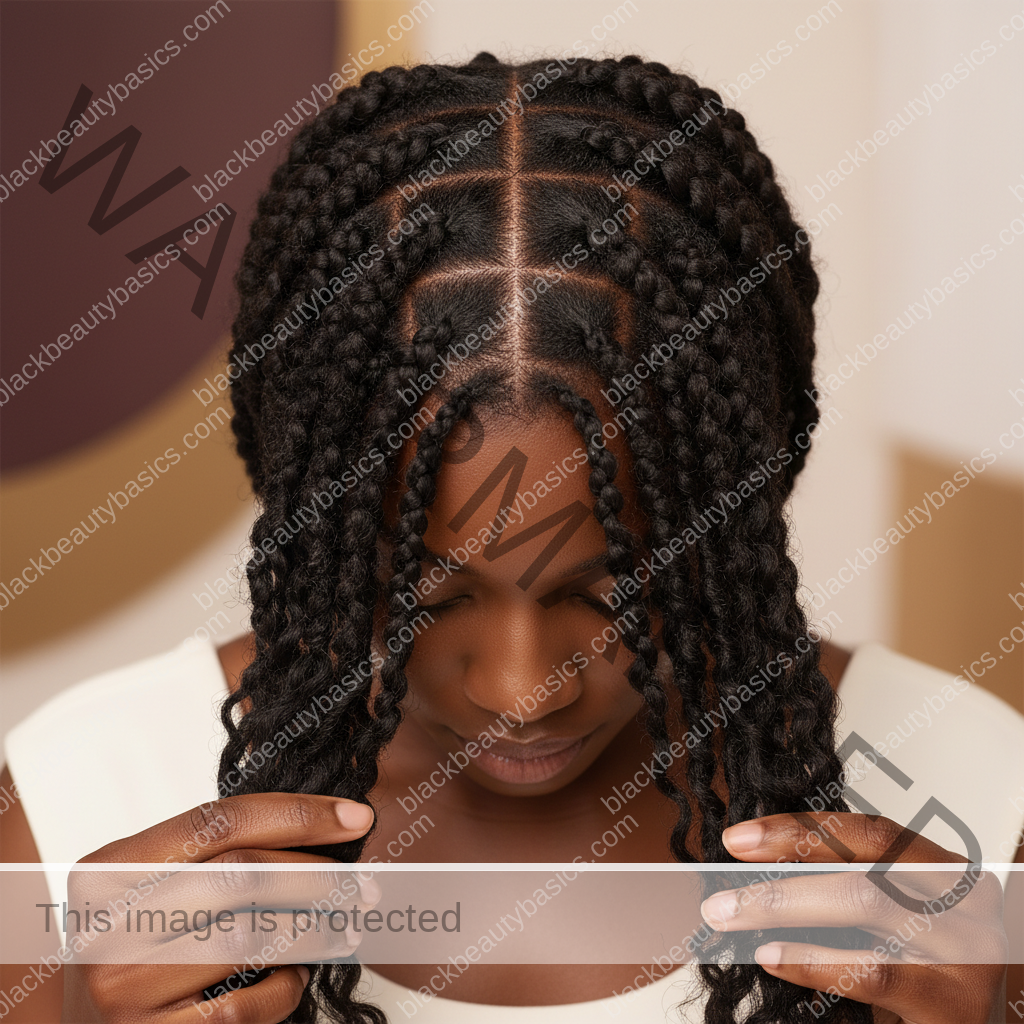
While tight braids are a culprit, loose, soft braids and twists can be incredibly protective. The key is in the tension – or lack thereof.
- Single Braids or Twists: Create a few large, loose braids or twists. These can be worn down or gently pinned up. They offer excellent protection for your ends and minimize manipulation.
- French or Dutch Braids (Loose): If you’re skilled, a very loose French or Dutch braid can be beautiful. Ensure the sections are not pulled taut against the scalp. The goal is a relaxed, almost bohemian look.
- Product Recommendation: A soothing scalp oil with ingredients like tea tree, peppermint, or lavender to calm irritation.
3. Head Wraps and Scarves: Regal and Rejuvenating
Head wraps are not just a fashion statement; they are a legacy of our culture and a practical solution for scalp health. They offer full coverage, protect hair from environmental stressors, and allow your scalp to rest and heal.
- How to Style: Choose soft, breathable fabrics like silk, satin, or soft cotton. Experiment with various wrapping techniques – a simple turban, a regal crown, or a chic knot at the front.
- Benefits: Protects the scalp from sun exposure and friction, keeps hair moisturized, and allows for topical treatments to work undisturbed.
- Product Recommendation: A hydrating scalp serum applied before wrapping to lock in moisture and promote healing.
4. Loose Ponytails: A Classic Reimagined
The classic ponytail can be adapted for an inflamed scalp by focusing on looseness and placement.
- Low and Loose: Gather hair at the very nape of your neck, allowing it to hang freely. Avoid pulling it high on the crown, which creates tension.
- Side Ponytail: A low side ponytail can also reduce tension across the entire scalp.
- Accessory Choice: Use a fabric hair tie or a silk scrunchie instead of tight elastic bands, which can snag and pull hair.
5. Wash-and-Go (with modifications): Embracing Your Natural Texture
For those with natural curls, a wash-and-go can be a low-tension option if done correctly and if your scalp can tolerate minimal manipulation.
- Gentle Cleansing: Use a sulfate-free shampoo and a soothing conditioner. Focus on cleansing the scalp gently with your fingertips, not nails.
- Minimal Product: Opt for fewer, lighter products. A lightweight curl cream or gel can define curls without heavy buildup.
- Air Drying: Whenever possible, allow your hair to air dry to avoid heat stress on the scalp. If diffusing, use a low heat setting.
6. Wigs and Toppers: A Stylish Sanctuary
Wigs and toppers offer a fantastic way to protect your natural hair and scalp, allowing it to heal completely underneath. This is particularly beneficial if you need to apply topical treatments frequently.
- Choosing the Right Wig: Look for lace front wigs or full lace wigs with breathable caps. Ensure the cap size is appropriate – too tight will cause tension, too loose can shift and irritate.
- Wig Cap Alternatives: Instead of traditional wig caps that can sometimes cause friction, consider a bamboo wig liner or a silk wig cap for ultimate comfort and breathability.
- Securing Wigs: Avoid glues and tapes if your scalp is inflamed. Opt for glueless wigs with adjustable straps or use a wig grip band made of velvet or silicone.
- Underneath Care: Continue to moisturize and treat your natural hair and scalp underneath the wig.
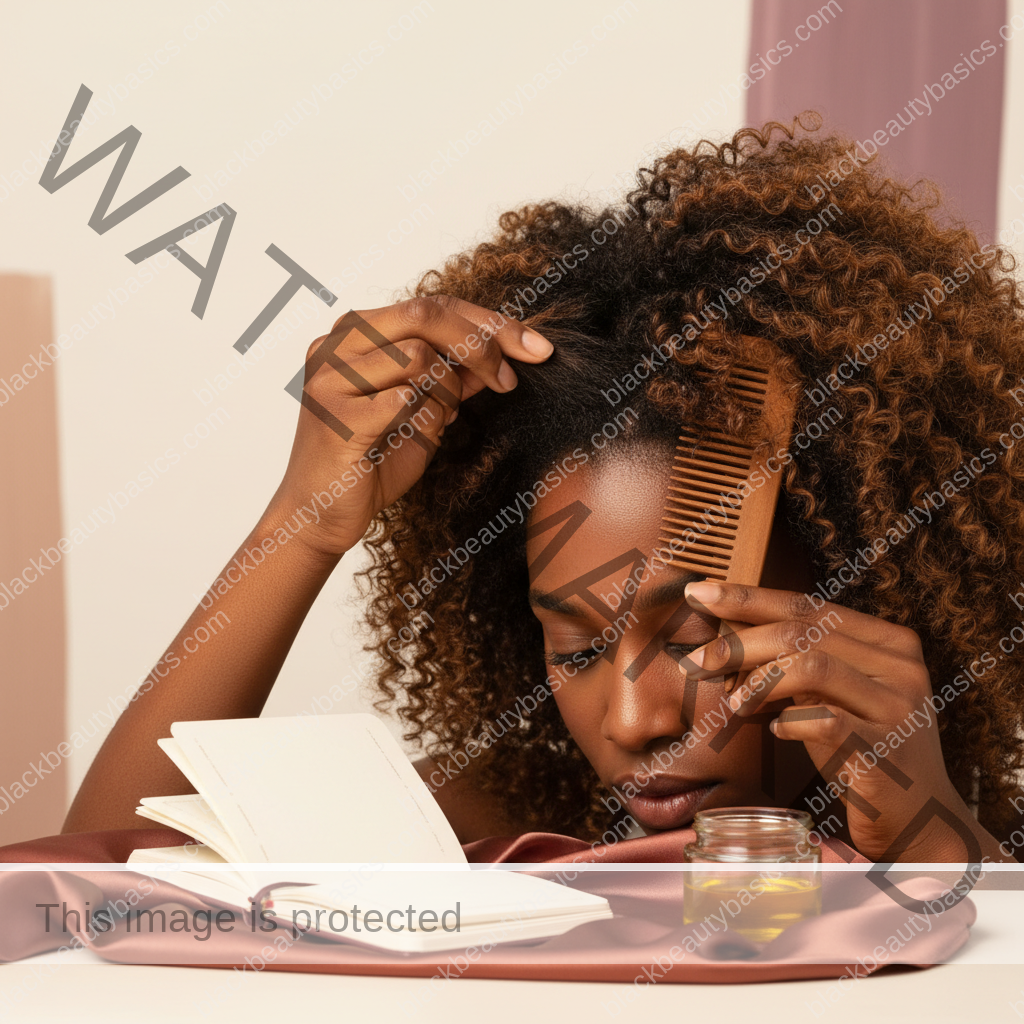
Beyond Styling: Holistic Scalp Care for Healing
While low-tension hairstyles are crucial, they are part of a larger ecosystem of scalp care. A holistic approach will yield the best results for a healthy, vibrant scalp.
Essential Scalp Care Practices
Integrate these practices into your routine to soothe and heal your inflamed scalp.
| Practice | Description | Product Recommendation |
|---|---|---|
| Gentle Cleansing | Use sulfate-free, pH-balanced shampoos. Focus on massaging the scalp with fingertips, not nails, to lift debris without irritation. | Soothing Sulfate-Free Shampoo |
| Deep Conditioning | Regularly apply a hydrating conditioner or deep conditioner to both hair and scalp. Look for ingredients like aloe vera, chamomile, or colloidal oatmeal. | Hydrating Deep Conditioner |
| Scalp Treatments | Incorporate targeted scalp treatments like serums, masks, or oils designed to reduce inflammation, itching, and dryness. | Anti-Inflammatory Scalp Serum |
| Moisturizing & Sealing | After cleansing, apply a lightweight moisturizer to the scalp, followed by a light oil to seal in moisture, especially on dry areas. | Jojoba Oil or Grapeseed Oil |
| Protective Night Care | Sleep on a silk pillowcase or wear a satin bonnet to reduce friction and retain moisture. | Pure Silk Pillowcase |
| Diet & Hydration | A balanced diet rich in omega-3 fatty acids, vitamins, and minerals supports overall skin and scalp health. Drink plenty of water. | Omega-3 Supplements |
Ingredients to Seek and Avoid
When your scalp is inflamed, ingredient vigilance is paramount. Opt for products that soothe and heal, and steer clear of those that can exacerbate irritation.
Ingredients to Seek:
- Aloe Vera: Known for its anti-inflammatory and soothing properties.
- Tea Tree Oil: A natural antiseptic and antifungal, but use diluted.
- Peppermint Oil: Provides a cooling sensation and can stimulate circulation, also use diluted.
- Chamomile & Calendula: Gentle botanicals with calming effects.
- Colloidal Oatmeal: Excellent for relieving itching and irritation.
- Hyaluronic Acid: Provides deep hydration without greasiness.
- Salicylic Acid (low concentration): Can help exfoliate and reduce flaking in conditions like seborrheic dermatitis, but consult a dermatologist.
- Ceramides: Help restore the skin’s barrier function.
Ingredients to Avoid:
- Sulfates: Can be harsh and strip the scalp of natural oils.
- Parabens & Phthalates: Potential irritants and endocrine disruptors.
- Heavy Fragrances: Often a common trigger for allergic reactions.
- Drying Alcohols: Can dehydrate the scalp, leading to more irritation.
- Mineral Oil & Petrolatum (in excess): Can clog pores for some, though can be protective for others. Monitor your scalp’s reaction.
- Artificial Dyes: Another common allergen.
When to Consult a Professional
While self-care and gentle styling can go a long way, some scalp conditions require professional medical attention. If you experience persistent pain, severe itching, oozing, scabbing, significant hair loss, or if your condition worsens despite home care, it’s crucial to consult a dermatologist or trichologist. They can accurately diagnose the underlying cause and recommend appropriate medical treatments.
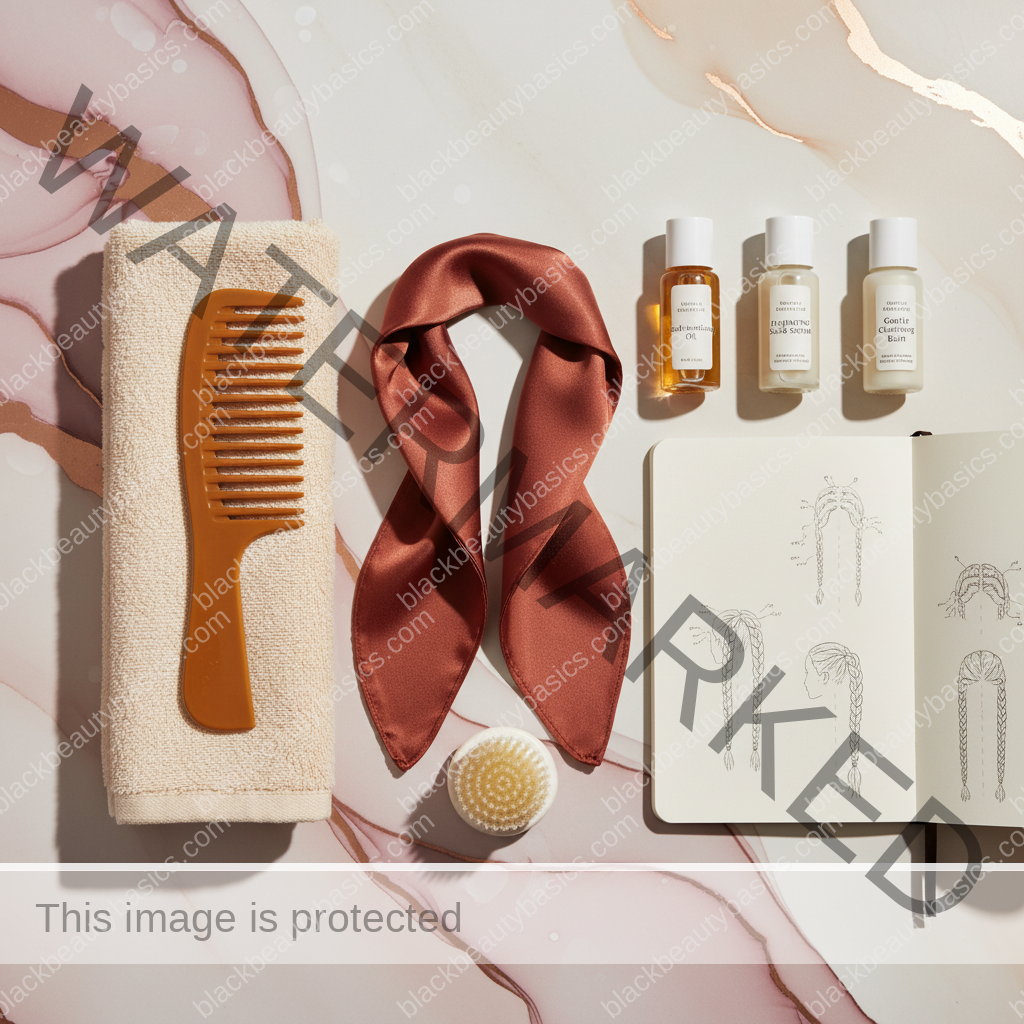
FAQ: Nurturing Your Scalp with Wisdom and Grace
Q1: How often should I wash my hair if my scalp is inflamed?
A: The frequency depends on the cause of inflammation. If it’s due to product buildup or oiliness, more frequent washing (2-3 times a week) with a gentle, sulfate-free shampoo might be beneficial. If it’s due to dryness or sensitivity, washing less frequently (once a week or every 10 days) might be better, focusing on co-washing or using a gentle micellar shampoo. Always listen to your scalp and consult with a professional if unsure.
Q2: Can I still use heat tools on my hair with an inflamed scalp?
A: It is highly recommended to avoid heat tools when your scalp is inflamed. Heat can further irritate the scalp, strip moisture, and exacerbate inflammation. If you must use heat, opt for the lowest setting and use a heat protectant. Air drying is always the gentlest option for a sensitive scalp.
Q3: What are the best materials for hair accessories when my scalp is sensitive?
A: Choose accessories made from soft, natural, and breathable materials. Silk scrunchies, satin headbands, and fabric hair ties are excellent choices. Avoid metal clips, tight elastic bands, or accessories with sharp edges that can pull or snag your hair and irritate your scalp.
Q4: How can I tell if my scalp inflammation is serious or just mild irritation?
A: Mild irritation might present as slight itching or dryness that resolves with gentle care. Serious inflammation often involves persistent redness, significant itching, burning, pain, flaking, scabbing, pus, or noticeable hair loss in specific areas. If symptoms are severe, persistent, or worsening, it’s crucial to seek advice from a dermatologist or trichologist for proper diagnosis and treatment.
Q5: Are natural oils always good for an inflamed scalp?
A: Not all natural oils are created equal for an inflamed scalp. While some, like jojoba, grapeseed, or sweet almond oil, are generally soothing and moisturizing, essential oils like tea tree or peppermint must be heavily diluted with a carrier oil to avoid further irritation. Heavy oils like castor oil, while beneficial for growth, can sometimes be too occlusive for an inflamed scalp, potentially clogging pores. Always patch test and choose lightweight, non-comedogenic options first.
Q6: Can stress contribute to scalp inflammation?
A: Absolutely. Stress is a well-known trigger for various inflammatory conditions, including those affecting the scalp. High stress levels can disrupt the body’s immune system and hormonal balance, potentially exacerbating conditions like seborrheic dermatitis, psoriasis, or even leading to telogen effluvium (stress-related hair shedding). Incorporating stress-reducing practices like meditation, yoga, or deep breathing can be beneficial for overall health, including your scalp.
Q7: How long should I keep a low-tension hairstyle in?
A: For optimal scalp health, low-tension styles should ideally not be kept in for more than 3-5 days without a refresh or re-do, especially if your scalp is inflamed. This allows for proper cleansing, moisturizing, and treatment of the scalp. Styles like very loose braids or twists can sometimes be extended a bit longer, but always prioritize regular scalp care and avoid leaving any style in until it becomes matted or causes discomfort.
Your hair is a testament to your strength and beauty, and caring for your scalp, especially when it’s inflamed, is an act of profound self-love. By choosing low-tension hairstyles, you’re not just making a practical decision; you’re embracing a philosophy of gentleness, allowing your crown to heal, breathe, and flourish. May your journey be one of comfort, confidence, and radiant health. Continue to explore, experiment, and find what truly makes your scalp sing, knowing that Black Beauty Basics is here to guide you with elegance and expertise.
How to notice the pattern without diagnosing yourself
For Black women with textured hair, scalp and hair-care choices can be emotionally loaded because they often sit at the intersection of styling, identity, health, and being dismissed. This guide focuses on choosing gentler style options when the scalp is sore, flaky, itchy, tender, recently treated, or visibly irritated, while keeping the related BBB scalp-health cluster as the home base. The goal is not to diagnose yourself from a mirror. The goal is to notice patterns clearly enough to choose safer next steps.
Start with the timeline. Did the change begin after a new style, product, postpartum season, illness, medication change, stressful period, or scalp flare? Did it show up at the edges, crown, hairline, part, or all over? Is there pain, itch, flaking, bumps, tenderness, odor, bleeding, scaling, or smooth shiny areas? These details matter because different patterns need different care.
The safest home routine is usually the one that lowers tension, reduces irritation, and keeps the scalp clean without aggressive scraping. If a symptom is painful, spreading, scarring, repeatedly returning, or connected to visible thinning, professional care matters. Early documentation can help a dermatologist, primary care clinician, or other qualified professional see the pattern more clearly.
What to track gently
- Location: edges, crown, hairline, part, nape, or all over.
- Timing: new style, postpartum shift, cycle change, illness, product, or stress season.
- Sensations: tenderness, burning, itching, tightness, soreness, or pain.
- Visible signs: flakes, bumps, redness that may look subtle on brown skin, thinning, or broken hairs.
- When the pattern improves or worsens.
What usually makes scalp concerns harder to read
The first challenge is tension. Tight braids, ponytails, wigs, sew-ins, loc maintenance, edge styling, and repeated parting can make it harder to tell whether the scalp is reacting to the style, an underlying condition, or both. That does not mean protective styles are bad. It means comfort and scalp access need to be part of the plan.
The second challenge is product layering. Oils, gels, sprays, dry shampoo, edge control, medicated products, and sweat can build up together. A scalp can be dry and still have residue. It can itch from buildup, irritation, inflammation, or a condition that needs professional treatment. Scratching harder does not solve that confusion; it can create more irritation.
The third challenge is waiting too long because you do not want to be dramatic. You are allowed to ask questions early. You are allowed to document a change before it becomes severe. And you are allowed to want care that understands textured hair instead of telling you to abandon your whole beauty routine without nuance.
What to do next
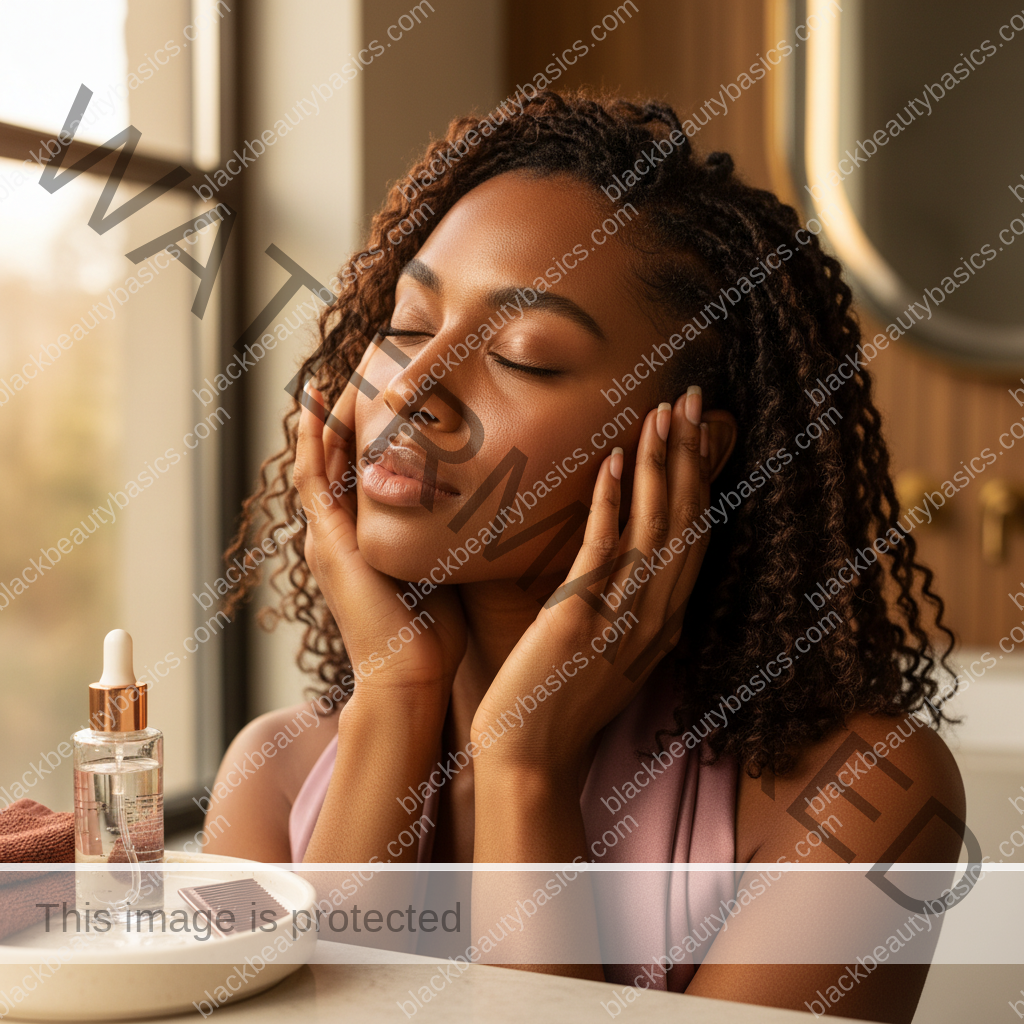
Keep this article connected to the Scalp Health, CCCA & Hair Loss system. Use the related guides below to decide whether your next step is tension reduction, scalp-routine adjustment, pattern tracking, or professional evaluation.
- Scalp Health, CCCA & Hair Loss
- The related scalp-health cluster guide
- protective-style behaviors for scalp health
- tight styles and sore scalps
- scalp tenderness patterns
- scalp conditions on dark skin
How to keep scalp care protective while you wait for clarity
While you are watching a pattern, keep the scalp routine steady and low-drama. Avoid styles that pull on the tender area. Do not scratch flakes or bumps open. Keep cleansing realistic for your style, sweat level, and scalp condition. If a product burns, stings, or makes itching worse, pause it instead of trying to push through.
Photos can be helpful, but they should not become a source of obsession. Take clear photos in similar lighting every few weeks if you are tracking thinning, part width, edges, or crown changes. Pair the photos with notes about styles, wash days, tenderness, shedding, and product changes. That kind of record can make an appointment more productive.
If you already suspect scarring hair loss, CCCA, severe traction, infection, psoriasis, persistent inflammation, or another scalp condition, do not rely on home care alone. Professional evaluation is not a failure of your routine. It is part of protecting the hair and scalp you have now.
Most importantly, do not let shame make the scalp quieter than it needs to be. Black women deserve care that respects our hair practices and also takes symptoms seriously. Both can be true at the same time.
How to keep scalp care protective while you wait for clarity
While you are watching a pattern, keep the scalp routine steady and low-drama. Avoid styles that pull on the tender area. Do not scratch flakes or bumps open. Keep cleansing realistic for your style, sweat level, and scalp condition. If a product burns, stings, or makes itching worse, pause it instead of trying to push through.
Photos can be helpful, but they should not become a source of obsession. Take clear photos in similar lighting every few weeks if you are tracking thinning, part width, edges, or crown changes. Pair the photos with notes about styles, wash days, tenderness, shedding, and product changes. That kind of record can make an appointment more productive.
If you already suspect scarring hair loss, CCCA, severe traction, infection, psoriasis, persistent inflammation, or another scalp condition, do not rely on home care alone. Professional evaluation is not a failure of your routine. It is part of protecting the hair and scalp you have now.
Most importantly, do not let shame make the scalp quieter than it needs to be. Black women deserve care that respects our hair practices and also takes symptoms seriously. Both can be true at the same time.
How to choose a low-tension style when the scalp is already irritated
When your scalp is inflamed, the best hairstyle is usually the one that asks the least from your roots. That might sound simple, but it can be emotionally hard when you had a particular look in mind. A sore, itchy, flaky, or tender scalp may not be ready for tiny parts, heavy extensions, tight cornrows, sleek ponytails, firm wig grips, or styles that need daily edge control. Choosing something softer is not giving up on beauty. It is choosing a style that lets the scalp calm down.
Think about three questions before you sit in the chair or start styling at home. First, can the style be installed without pain during or after the process? Second, will you be able to cleanse or soothe the scalp if itch, sweat, flakes, or tenderness show up? Third, does the style leave the most sensitive area alone? If the crown is tender, avoid styles that pull from the crown. If the hairline is inflamed, avoid adhesive, tight ponytails, heavy baby-hair styling, and wig bands that sit in the same place every day.
Low tension does not have to mean boring. Loose twists, larger braids, soft flat twists, a gentle wash-and-go, a scarf style that does not rub the hairline, a loose bun with no tight brushing, or a wig worn with a careful barrier and regular breaks can all be options depending on your scalp and hair. The point is to reduce the repeated pull, heat, friction, and product buildup that can keep irritation active.
If a style hurts, gives you bumps, causes headaches, makes sleeping uncomfortable, or creates a burning feeling, take that seriously. You do not have to wait two weeks just because the style was expensive or fresh. Pain is not proof that the style will last. It is information from your scalp. When symptoms are severe, spreading, draining, bleeding, or connected to sudden hair loss, pause styling and seek professional care instead of trying to hide the problem under another style.
Related next steps
Related posts:
 Planning Tension Levels, Style Rotation, and Scalp Rest for Lasting Scalp Health
 Low-Manipulation Hairstyles for Workweek Wear
 Planning Style Rotation, Tension Levels, and “Scalp Rest” for Healthy Hair Retention
 Gym-Friendly Natural Hairstyles That Won’t Wreck Your Edges
 Flaky Scalp vs Dry Scalp vs Dandruff on Black Women
 Does Scalp Massage Help Hair Growth or Just Scalp Comfort?