The beauty of protective styles is undeniable—they offer a sanctuary for our coils and curls, a moment of respite from daily manipulation, and an opportunity for growth. Yet, beneath the intricate braids, twists, or weaves lies a vital ecosystem often overlooked: our scalp. A clean, healthy scalp is the bedrock of thriving hair, and maintaining its pristine condition while adorned in a protective style is not just a preference, but a profound act of self-care and a testament to truly understanding our unique hair needs. Start with the related BBB scalp-health cluster guide if you want the broader map.
For generations, Black women have mastered the art of protective styling, transforming hair into crowns of resilience and beauty. But true beauty, we know, begins at the root. Neglecting scalp hygiene in protective styles can lead to discomfort, flaking, itching, and even impede hair growth—undermining the very purpose of these cherished styles. This comprehensive guide is crafted to empower you with the knowledge and techniques to ensure your scalp remains a sanctuary of health, even as your hair enjoys its well-deserved rest.
The Unseen Foundation: Why Scalp Health Matters in Protective Styles
Our scalp is more than just skin; it’s a living, breathing ecosystem teeming with sebaceous glands, hair follicles, and a delicate microbiome. When encased in a protective style, this environment can become a breeding ground for issues if not properly managed. Understanding the ‘why’ behind scalp care is the first step towards mastering the ‘how.’
Understanding the Scalp’s Needs Under Wraps
Protective styles, by their nature, can limit direct access to the scalp and reduce air circulation. This can lead to a buildup of natural oils (sebum), sweat, product residue, and environmental pollutants. Without regular cleansing, this cocktail can clog follicles, irritate the skin, and create an ideal environment for bacteria and fungi to flourish, potentially leading to conditions like seborrheic dermatitis or folliculitis. For those of us prone to CCCA (Central Centrifugal Cicatricial Alopecia), maintaining impeccable scalp hygiene is not just about comfort, but about proactive prevention and preserving our precious hair follicles.
Common Scalp Issues in Protective Styles and How to Identify Them
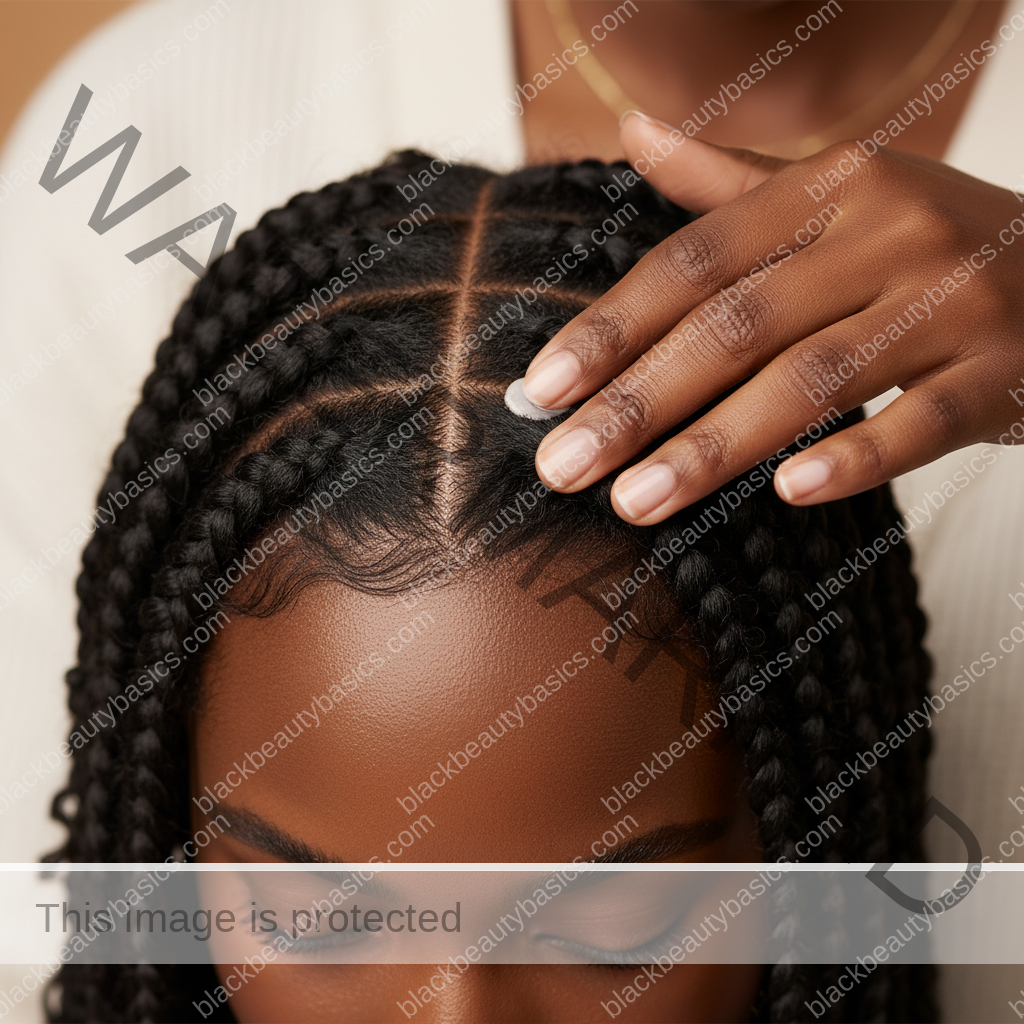
- Itchiness: Often the first sign of irritation or dryness, but can also indicate product buildup or a fungal imbalance.
- Flaking/Dandruff: Small white flakes can be dry skin, product residue, or a sign of seborrheic dermatitis.
- Odor: An unpleasant smell indicates bacterial growth due to trapped sweat and oils.
- Redness/Inflammation: A clear sign of irritation, infection, or an allergic reaction to products or styling tension.
- Sores/Bumps: Can be folliculitis (inflamed hair follicles) or ingrown hairs, often caused by clogged pores or excessive tension.
Early identification is key. Pay attention to your scalp’s signals and address them promptly to prevent escalation.
Pre-Installation Prep: Setting the Stage for a Clean Scalp
The journey to a clean scalp in protective styles begins even before the first braid is laid. Proper preparation is paramount for creating a healthy foundation that will last the duration of your style.
Deep Cleansing and Clarifying
Before any protective style, your scalp and hair need to be impeccably clean. This means going beyond your regular shampoo. A clarifying shampoo is essential to remove all traces of previous product buildup, hard water minerals, and environmental impurities. This ensures your scalp starts fresh, free from anything that could cause irritation or clog follicles.
Product Recommendation: Look for clarifying shampoos with ingredients like apple cider vinegar, tea tree oil, or charcoal.
Shop Clarifying Shampoos on Amazon
Moisture and Balance: The Pre-Style Treatment
While clarifying is crucial, it can sometimes strip the hair and scalp of essential moisture. Follow up with a moisturizing shampoo and a deep conditioner to replenish hydration. For the scalp, consider a light, soothing treatment. A few drops of a natural oil blend (like jojoba, tea tree, and peppermint) massaged into the scalp can provide a protective barrier and antiseptic benefits without weighing down the hair or attracting buildup.
Product Recommendation: Choose a sulfate-free moisturizing shampoo and a deep conditioner rich in humectants and emollients.
Shop Sulfate-Free Moisturizing Shampoos on Amazon
Shop Deep Conditioners on Amazon
Avoiding Excessive Tension
This cannot be stressed enough. Excessive tension during installation is a direct pathway to scalp irritation, folliculitis, and traction alopecia. Communicate clearly with your stylist that you prioritize scalp health over tightness. Your braids or twists should feel secure, not painful. If you’re doing your own hair, be mindful of how tightly you pull at the roots.
Maintaining Immaculate Scalp Health: Your In-Style Regimen
Once your protective style is in place, a consistent and gentle maintenance routine is your best friend. This isn’t about washing your entire head every day, but rather strategic cleansing and care.
Targeted Cleansing Techniques
Full washes can be challenging and may loosen your style prematurely. Instead, focus on targeted cleansing of the scalp.
Diluted Cleansers and Applicator Bottles
One of the most effective methods is to use a diluted cleanser in an applicator bottle. Mix a gentle, sulfate-free shampoo or a specialized scalp cleanser with water (typically a 1:3 or 1:4 ratio). The nozzle of the applicator bottle allows you to direct the solution precisely onto your scalp, between the braids or twists, without saturating your entire style.
How-To:
- Part your hair in sections to expose the scalp.
- Apply the diluted cleanser directly to the scalp in those sections.
- Gently massage with your fingertips (not nails!) or a scalp massager to lift dirt and buildup.
- Rinse thoroughly using a handheld showerhead, focusing on the scalp. Tilt your head back to avoid getting water into the length of your style if it’s not meant to be fully wet.
- Repeat this process across your entire scalp.
Product Recommendation: Look for gentle, sulfate-free shampoos or dedicated scalp cleansers.
Shop Scalp Cleansers on Amazon
Shop Applicator Bottles on Amazon
Dry Shampoos and Scalp Refresher Sprays
For quick refreshes between washes, or if you prefer to avoid water altogether, dry shampoos and scalp refresher sprays are invaluable. These products are designed to absorb excess oil and neutralize odors without water.
Product Recommendation: Opt for dry shampoos specifically formulated for dark hair to avoid a white cast, or those with natural ingredients like arrowroot powder. Scalp refresher sprays often contain witch hazel, aloe vera, or tea tree oil.
Shop Dry Shampoos on Amazon
Shop Scalp Refresher Sprays on Amazon
Moisturizing and Soothing the Scalp
Cleansing can sometimes leave the scalp feeling dry. Regular, light moisturizing is crucial to maintain comfort and prevent flaking.
Light Oils and Serums
Use lightweight, non-comedogenic oils or specialized scalp serums. Jojoba oil, known for mimicking natural sebum, is an excellent choice. Tea tree oil (diluted), peppermint oil (diluted), and rosemary oil are also popular for their antiseptic and stimulating properties. Apply sparingly with an applicator bottle or cotton swab directly to the scalp.
Product Recommendation: Look for blends specifically designed for scalp health or single-ingredient oils like jojoba.
Shop Lightweight Scalp Oils on Amazon
Shop Scalp Serums on Amazon
Hydrating Sprays
Water-based hydrating sprays containing aloe vera, rosewater, or glycerin can provide a refreshing burst of moisture without heavy residue. These are perfect for daily use to keep the scalp feeling supple and reduce itchiness.
Product Recommendation: Choose sprays with minimal ingredients and no heavy oils.
Shop Hydrating Scalp Sprays on Amazon
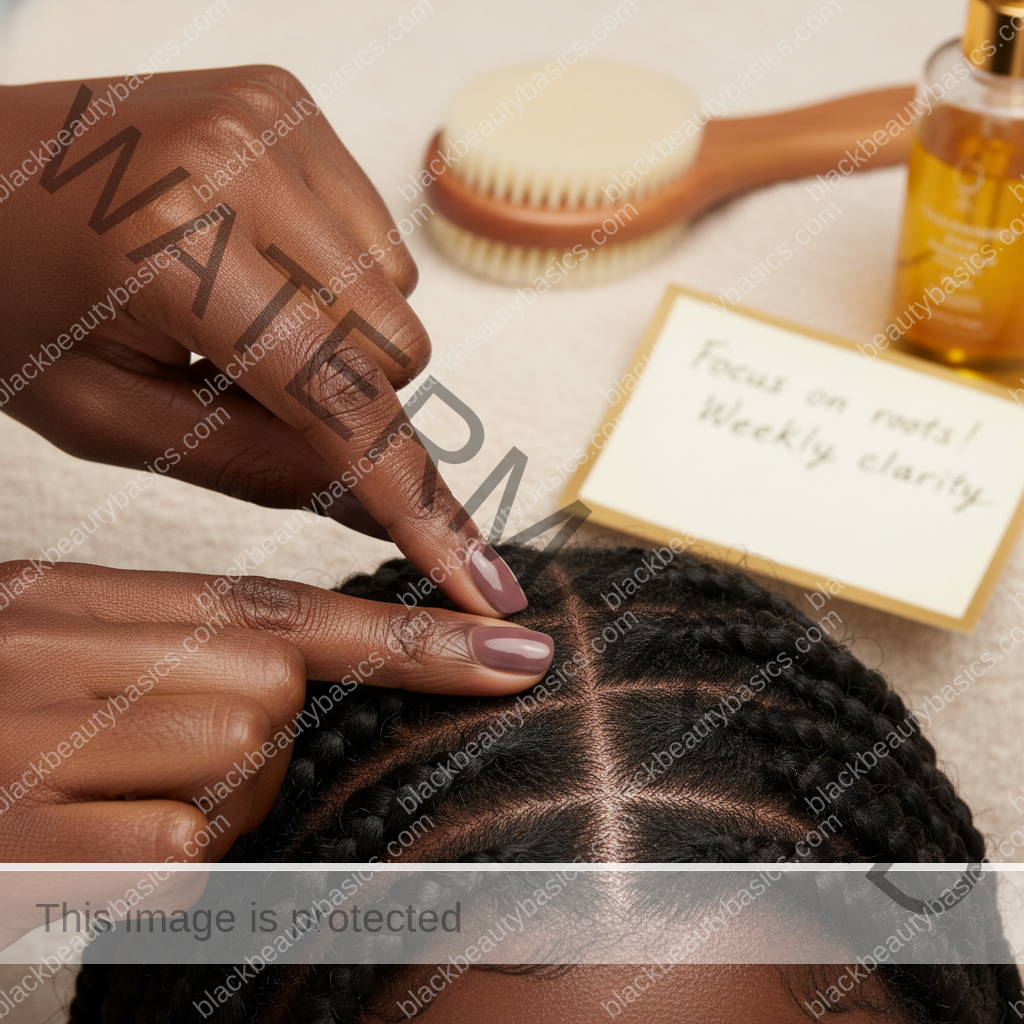
The Power of the Scalp Massager
A good scalp massager is an unsung hero for protective styles. It helps to:
- Loosen dirt and product buildup before cleansing.
- Stimulate blood circulation, promoting hair growth.
- Distribute oils and cleansers evenly.
- Provide a soothing, itch-relieving massage.
Use it gently in circular motions, especially when applying cleansers or oils. Avoid aggressive scrubbing, which can irritate the scalp or loosen your style.
Product Recommendation: Silicone scalp massagers are gentle and effective.
Shop Silicone Scalp Massagers on Amazon
Drying Your Scalp: A Crucial Step for Health
After any form of wet cleansing, thorough drying is non-negotiable. A damp scalp can lead to mildew, odor, and bacterial growth, undoing all your hard work.
Air Drying vs. Low Heat Drying
Whenever possible, allow your scalp to air dry completely. This might mean cleansing earlier in the day or dedicating ample time. If air drying isn’t feasible, use a hooded dryer or a blow dryer on a cool or low-heat setting. Direct the airflow specifically to your scalp, lifting braids or twists to ensure air reaches every area.
Tip: A micro-fiber towel can help absorb excess water from the scalp and the roots of your style before drying.
Shop Microfiber Hair Towels on Amazon
Avoiding Trapped Moisture
Never tie your hair up or go to bed with a damp scalp. This creates a warm, moist environment perfect for fungal growth. Ensure your scalp is bone dry before styling or sleeping.
Product Selection: Your Scalp’s Best Friends
The products you choose are critical. Opt for formulations designed for scalp health and natural hair, avoiding harsh chemicals.
Ingredients to Embrace and Avoid
| Embrace (Beneficial Ingredients) | Avoid (Potentially Harmful Ingredients) |
|---|---|
| Aloe Vera (soothing, hydrating) | Sulfates (harsh detergents, stripping) |
| Tea Tree Oil (antiseptic, anti-fungal) | Mineral Oil (can clog pores) |
| Jojoba Oil (mimics natural sebum, non-comedogenic) | Petroleum Jelly (can clog pores) |
| Peppermint Oil (stimulates circulation, soothing) | Heavy Silicones (can cause buildup) |
| Apple Cider Vinegar (balances pH, clarifies) | Parabens (potential endocrine disruptors) |
| Witch Hazel (astringent, reduces oil) | Phthalates (potential endocrine disruptors) |
| Glycerin (humectant, draws moisture) | Artificial Fragrances (can irritate sensitive scalps) |
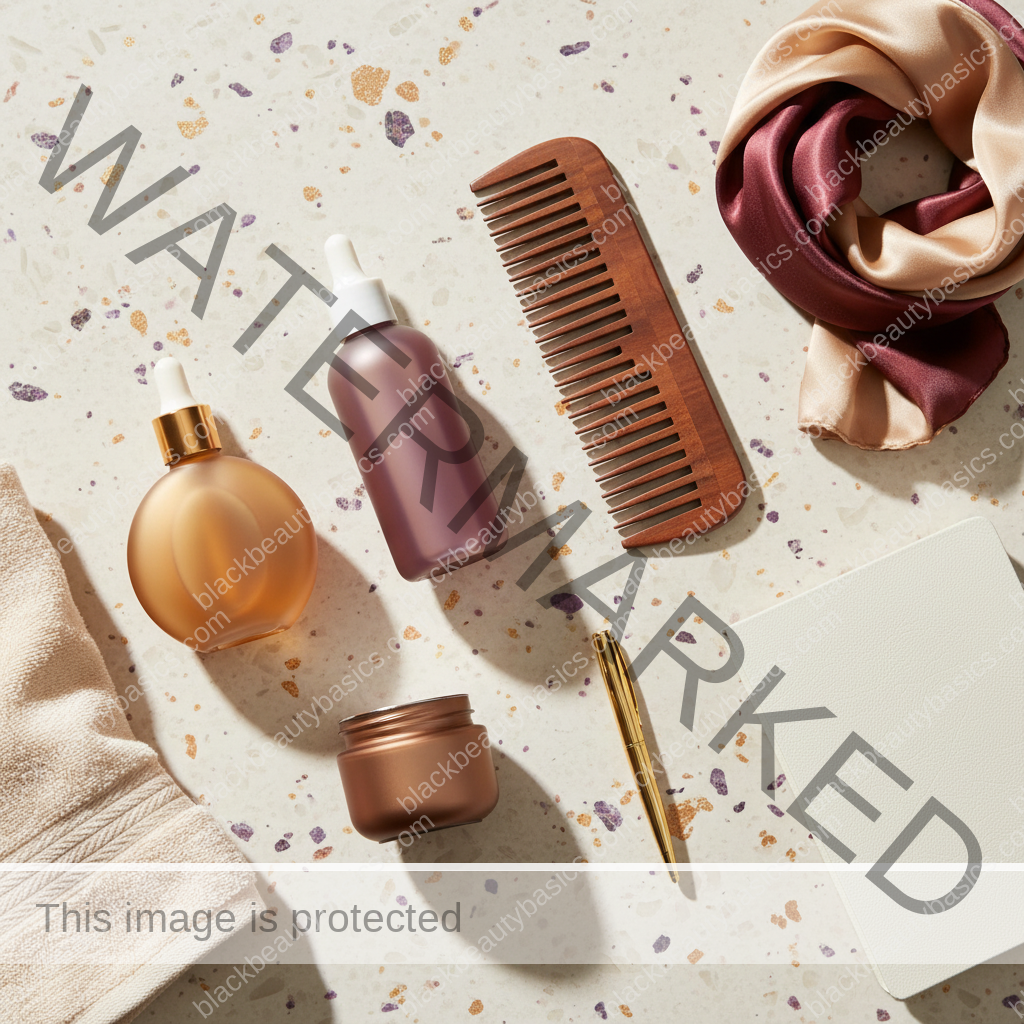
Choosing the Right Tools
| Tool | Benefit for Protective Styles | Product Recommendation |
|---|---|---|
| Applicator Bottle | Precise product delivery to scalp, minimal style disturbance. | Shop Applicator Bottles on Amazon |
| Scalp Massager | Stimulates circulation, lifts buildup, distributes product. | Shop Scalp Massagers on Amazon |
| Microfiber Towel | Absorbs excess water efficiently, reduces drying time. | Shop Microfiber Hair Towels on Amazon |
| Handheld Showerhead | Allows targeted rinsing of the scalp without fully saturating style. | Shop Handheld Showerheads on Amazon |
| Satin/Silk Scarf or Bonnet | Protects style and scalp from friction, retains moisture overnight. | Shop Satin Bonnets on Amazon |
Lifestyle Adjustments for Optimal Scalp Health
Beyond products and techniques, your daily habits play a significant role in maintaining a healthy scalp.
Diet and Hydration
What you put into your body reflects on your skin and scalp. A balanced diet rich in vitamins, minerals, and essential fatty acids supports overall skin health, including your scalp. Ensure adequate hydration by drinking plenty of water. This helps keep your skin supple and can reduce dryness and flaking.
Stress Management
Stress can manifest in various ways, including scalp issues like increased oil production or flare-ups of conditions like seborrheic dermatitis. Incorporate stress-reducing practices into your routine, whether it’s meditation, exercise, or simply taking moments for yourself.
Regular Sleep Schedule
Quality sleep allows your body to repair and regenerate, benefiting skin and hair health. Protect your style and scalp while you sleep by using a satin or silk bonnet or pillowcase. This reduces friction, prevents frizz, and helps retain moisture.
Product Recommendation:
Shop Satin Bonnets on Amazon
Shop Silk Pillowcases on Amazon
When to Consult a Professional
While this guide provides extensive information, there are times when professional help is necessary. If you experience persistent itching, severe flaking, painful sores, excessive hair shedding, or any signs of infection, do not hesitate to consult a dermatologist or a trichologist. These professionals can diagnose underlying conditions and recommend targeted treatments, ensuring your scalp receives the specialized care it deserves.
FAQs: Your Most Pressing Scalp Questions Answered
Q1: How often should I clean my scalp when I have a protective style?
A1: The frequency depends on your scalp type and activity level. Generally, every 1-2 weeks is a good starting point. If you exercise frequently or have an oily scalp, you might need to cleanse more often (e.g., weekly). If your scalp is naturally drier, you might extend it to every 2-3 weeks. Listen to your scalp—if it feels itchy or develops an odor, it’s time for a cleanse.
Q2: Can I use regular shampoo on my protective style?
A2: It’s best to use a diluted, sulfate-free shampoo or a specialized scalp cleanser in an applicator bottle. Regular shampoos can be too harsh, difficult to rinse thoroughly from a protective style, and may cause excessive frizz or unraveling. Diluting your cleanser makes it easier to apply directly to the scalp and rinse without saturating the entire style.
Q3: My scalp is very itchy. What can I do for immediate relief?
A3: For immediate relief, try a soothing scalp spray containing ingredients like aloe vera, witch hazel, or peppermint oil. You can also gently dab diluted tea tree oil (mixed with a carrier oil like jojoba) onto itchy spots with a cotton swab. Avoid scratching with your nails, as this can cause irritation and potential infection. A scalp massager can provide gentle, non-damaging relief.
Q4: How do I prevent my protective style from getting frizzy when I wash my scalp?
A4: Focus on targeted cleansing of the scalp using an applicator bottle, avoiding saturating the length of your style as much as possible. When rinsing, use a handheld showerhead and direct the water only to the scalp. After cleansing, gently blot the roots with a microfiber towel and ensure your scalp is completely dry before manipulating your hair further. You can also use a light mousse or setting foam on the roots of your braids/twists after drying to help keep them neat.
Q5: Is it okay to use heavy oils or grease on my scalp while in a protective style?
A5: It’s generally best to avoid heavy oils, petroleum jelly, or thick greases on your scalp, especially when in a protective style. These can clog pores, trap dirt and product buildup, and create an environment for bacterial or fungal growth. Opt for lightweight, non-comedogenic oils (like jojoba, grapeseed, or light blends) or water-based scalp serums that allow your scalp to breathe and don’t contribute to buildup.
Q6: How long should I keep a protective style in to maintain scalp health?
A6: The ideal duration for a protective style is typically 4-8 weeks. Beyond this, product buildup can become excessive, new growth can cause tangling and matting at the roots, and the style itself may start to look worn. For optimal scalp health, it’s crucial to give your scalp a break between styles—a week or two of open hair care (washing, conditioning, moisturizing) is highly recommended before reinstalling another protective style.
Q7: Can I deep condition my hair while in a protective style?
A7: While you can’t deep condition your entire hair shaft in the traditional sense, you can certainly deep condition your scalp and the exposed roots of your hair. After cleansing, apply a lightweight, rinse-out conditioner or a scalp treatment designed to be left on for a short period. Massage it into your scalp, leave it for 10-15 minutes, and then rinse thoroughly. This helps to hydrate and nourish the scalp and new growth.
Embracing protective styles is a celebration of our heritage and the versatility of our natural hair. By dedicating ourselves to meticulous scalp care, we ensure that these beautiful styles not only protect our strands but also nurture the very foundation of our hair’s vitality. Let your crown be a testament to both stunning aesthetics and unwavering health, radiant from root to tip.
How to notice the pattern without diagnosing yourself
For Black women with textured hair, scalp and hair-care choices can be emotionally loaded because they often sit at the intersection of styling, identity, health, and being dismissed. This guide focuses on keeping the scalp clean in braids, twists, wigs, weaves, locs, or other protective styles without stripping or flooding the style, while keeping the related BBB scalp-health cluster as the home base. The goal is not to diagnose yourself from a mirror. The goal is to notice patterns clearly enough to choose safer next steps.
Start with the timeline. Did the change begin after a new style, product, postpartum season, illness, medication change, stressful period, or scalp flare? Did it show up at the edges, crown, hairline, part, or all over? Is there pain, itch, flaking, bumps, tenderness, odor, bleeding, scaling, or smooth shiny areas? These details matter because different patterns need different care.
The safest home routine is usually the one that lowers tension, reduces irritation, and keeps the scalp clean without aggressive scraping. If a symptom is painful, spreading, scarring, repeatedly returning, or connected to visible thinning, professional care matters. Early documentation can help a dermatologist, primary care clinician, or other qualified professional see the pattern more clearly.
What to track gently
- Location: edges, crown, hairline, part, nape, or all over.
- Timing: new style, postpartum shift, cycle change, illness, product, or stress season.
- Sensations: tenderness, burning, itching, tightness, soreness, or pain.
- Visible signs: flakes, bumps, redness that may look subtle on brown skin, thinning, or broken hairs.
- When the pattern improves or worsens.
What usually makes scalp concerns harder to read
The first challenge is tension. Tight braids, ponytails, wigs, sew-ins, loc maintenance, edge styling, and repeated parting can make it harder to tell whether the scalp is reacting to the style, an underlying condition, or both. That does not mean protective styles are bad. It means comfort and scalp access need to be part of the plan.
The second challenge is product layering. Oils, gels, sprays, dry shampoo, edge control, medicated products, and sweat can build up together. A scalp can be dry and still have residue. It can itch from buildup, irritation, inflammation, or a condition that needs professional treatment. Scratching harder does not solve that confusion; it can create more irritation.
The third challenge is waiting too long because you do not want to be dramatic. You are allowed to ask questions early. You are allowed to document a change before it becomes severe. And you are allowed to want care that understands textured hair instead of telling you to abandon your whole beauty routine without nuance.
What to do next
Keep this article connected to the Scalp Health, CCCA & Hair Loss system. Use the related guides below to decide whether your next step is tension reduction, scalp-routine adjustment, pattern tracking, or professional evaluation.
- Scalp Health, CCCA & Hair Loss
- The related scalp-health cluster guide
- scalp routines with protective styles
- protective style strategy
- how often to wash your scalp in protective styles
- itchy scalp under braids
How to keep scalp care protective while you wait for clarity
While you are watching a pattern, keep the scalp routine steady and low-drama. Avoid styles that pull on the tender area. Do not scratch flakes or bumps open. Keep cleansing realistic for your style, sweat level, and scalp condition. If a product burns, stings, or makes itching worse, pause it instead of trying to push through.
Photos can be helpful, but they should not become a source of obsession. Take clear photos in similar lighting every few weeks if you are tracking thinning, part width, edges, or crown changes. Pair the photos with notes about styles, wash days, tenderness, shedding, and product changes. That kind of record can make an appointment more productive.
If you already suspect scarring hair loss, CCCA, severe traction, infection, psoriasis, persistent inflammation, or another scalp condition, do not rely on home care alone. Professional evaluation is not a failure of your routine. It is part of protecting the hair and scalp you have now.
Most importantly, do not let shame make the scalp quieter than it needs to be. Black women deserve care that respects our hair practices and also takes symptoms seriously. Both can be true at the same time.
How to keep scalp care protective while you wait for clarity
While you are watching a pattern, keep the scalp routine steady and low-drama. Avoid styles that pull on the tender area. Do not scratch flakes or bumps open. Keep cleansing realistic for your style, sweat level, and scalp condition. If a product burns, stings, or makes itching worse, pause it instead of trying to push through.
Photos can be helpful, but they should not become a source of obsession. Take clear photos in similar lighting every few weeks if you are tracking thinning, part width, edges, or crown changes. Pair the photos with notes about styles, wash days, tenderness, shedding, and product changes. That kind of record can make an appointment more productive.
If you already suspect scarring hair loss, CCCA, severe traction, infection, psoriasis, persistent inflammation, or another scalp condition, do not rely on home care alone. Professional evaluation is not a failure of your routine. It is part of protecting the hair and scalp you have now.
Most importantly, do not let shame make the scalp quieter than it needs to be. Black women deserve care that respects our hair practices and also takes symptoms seriously. Both can be true at the same time.
Related next steps
Related posts:
 Travel Hair Routine for Natural Hair and Protective Styles
 Protective Styles That Actually Protect: The Ultimate Guide to Natural Hair Health and Growth
 How to Alternate Protective Styles With Rest Periods
 Protective Styles That Actually Protect: Braids, Twists, Wigs, and Maintenance for Thriving Natural Hair
 Mastering the Art of Natural Hair Prep: Your Ultimate Guide to Protective Styles Without Breakage
 Combining Low-Manipulation Styling With Protective Styles and Trims: A Holistic Approach to Natural Hair Retention