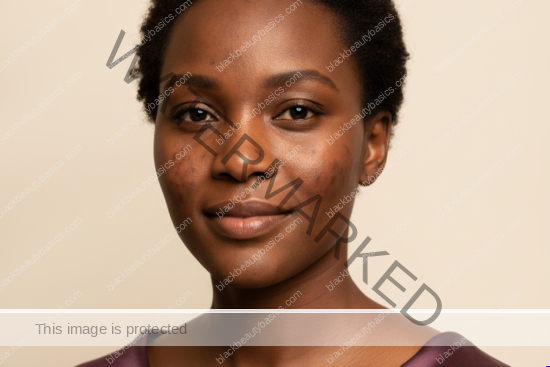
How Psoriasis Looks and Feels on Dark Skin
For far too long, the visual narrative surrounding psoriasis has been dominated by images of bright red, sharply demarcated plaques on lighter skin tones. This pervasive imagery, while accurate for some, inadvertently creates a blind spot for many others, particularly Black women and individuals with melanin-rich skin. When the medical literature and public awareness campaigns consistently showcase one presentation, it becomes incredibly challenging to recognize a condition that manifests differently on your own skin. This discrepancy isn’t just an academic oversight; it’s a lived reality that can lead to delayed diagnoses, prolonged suffering, and a deep sense of frustration.
Imagine being told to look for a vibrant crimson rash, only to find your skin presenting with shades of purple, deep brown, or even an ashy gray. The scales, often described as silvery-white and prominent, might appear subtle, blending into the natural dryness of your skin, or take on a duller, grayer hue. These subtle yet significant differences in presentation mean that many Black women struggle to identify psoriasis in its early stages, or even after it has progressed. They might dismiss symptoms as severe dryness, eczema, or an allergic reaction, simply because the visual cues don’t align with the widely circulated depictions. This article aims to bridge that gap, offering a comprehensive guide to understanding how psoriasis truly looks and feels on dark skin, empowering you with the knowledge to advocate for yourself and seek appropriate care.
Our journey together will explore not just the visual aspects – the nuanced colors and textures – but also the often-overlooked sensory experiences of psoriasis on melanin-rich skin. We’ll delve into the itch, the tightness, the tenderness, and the unique ways these sensations can manifest. We’ll discuss common areas of the body where psoriasis tends to appear, and the specific patterns that might offer clues. Furthermore, we’ll address the lasting pigment changes that can linger long after a flare has subsided, adding another layer of complexity to the condition. This is about equipping you with a more accurate and culturally resonant understanding of psoriasis, moving beyond the stereotypes to embrace a reality that is often underrepresented and misunderstood. Your skin deserves to be seen, understood, and cared for in its full, beautiful complexity.
What This Post Covers
This article is designed to be a comprehensive resource for understanding the multifaceted presentation of psoriasis on melanin-rich skin. We will systematically break down the key aspects often missed or misunderstood, providing clarity and actionable insights. Our exploration begins by addressing the fundamental reasons why psoriasis is frequently under-recognized in our community, laying the groundwork for a more informed perspective. We will then dive deeply into the visual cues, focusing on the true spectrum of plaque colors and scale appearances on dark skin, moving beyond the conventional “red and silvery” descriptions. Beyond what meets the eye, we will explore the sensory experience of psoriasis, detailing the itch, pain, and tightness that can significantly impact daily life. Understanding where psoriasis commonly appears on the body and the patterns it forms can be crucial for early identification, so we will dedicate a section to these vital clues. Furthermore, we will shed light on the post-inflammatory pigment changes that are a common and often distressing consequence of psoriasis on dark skin. We will also touch upon conditions that can mimic psoriasis, emphasizing the importance of professional diagnosis. Finally, we will provide guidance on navigating this complex topic, offering practical advice and directing you to further resources within Black Beauty Basics to continue your journey of informed self-advocacy.
Why Psoriasis Is Often Under-Recognized on Dark Skin
The under-recognition of psoriasis on dark skin is a systemic issue rooted in a combination of historical biases, educational gaps in medical training, and a lack of diverse representation in clinical literature and public health campaigns. For decades, medical textbooks and dermatology atlases predominantly featured images of skin conditions on lighter skin tones. This created a visual curriculum that inadvertently trained generations of healthcare providers to look for specific presentations that are not always accurate for individuals with melanin-rich skin. When these visual benchmarks are set based on a narrow demographic, it naturally leads to a diagnostic blind spot for those outside that demographic.
One of the most significant factors contributing to this under-recognition is the difference in how inflammation manifests visually. On lighter skin, inflammation often presents as a vivid erythema – a bright red color – due to the dilation of blood vessels near the skin’s surface. This redness is easily discernible against a pale background. However, on dark skin, the presence of higher concentrations of melanin can mask or alter this typical red appearance. Instead of bright red, inflammation might appear as shades of purple, deep brown, gray, or even a hyperpigmented patch that is darker than the surrounding skin. This fundamental difference means that a dermatologist or even a general practitioner who has been primarily trained on lighter skin presentations might not immediately recognize these nuanced color changes as signs of psoriasis. The classic “salmon pink” or “cherry red” plaque simply doesn’t exist in the same way on dark skin, leading to misdiagnosis or delayed diagnosis.
Beyond the color, the texture and scaling of psoriatic plaques can also differ, contributing to the diagnostic challenge. While white, silvery scales are a hallmark of psoriasis on lighter skin, on dark skin, these scales might appear grayer, duller, or even blend into the natural texture of dry skin. They may not stand out as starkly, making them less obvious to the untrained eye. This can lead to psoriasis being mistaken for other common skin conditions in Black communities, such as severe eczema, fungal infections, or even simple dry skin (xerosis). The cultural tendency to attribute skin changes to “ashiness” or “dryness” can also play a role, sometimes leading individuals to self-treat with moisturizers for extended periods before seeking professional medical advice. This delay in seeking specialized care further exacerbates the problem, allowing the condition to progress and potentially become more severe before an accurate diagnosis is made.
Furthermore, there’s a pervasive misconception that psoriasis is less common in people of color. While some studies suggest a slightly lower incidence rate in certain populations, this belief can contribute to a lower index of suspicion among healthcare providers when examining Black patients. If a condition is perceived as rare in a particular group, it’s less likely to be considered in a differential diagnosis. This bias, coupled with the atypical visual presentation, creates a perfect storm for under-recognition. The emotional and physical toll of living with an undiagnosed or misdiagnosed chronic condition like psoriasis can be immense, impacting quality of life, self-esteem, and overall well-being. It underscores the critical need for increased awareness, targeted education for both patients and providers, and a more inclusive approach to dermatological research and imagery.
What Plaque Color and Scale May Look Like on Melanin-Rich Skin
Understanding the true visual spectrum of psoriasis on melanin-rich skin is perhaps the most critical step in overcoming diagnostic delays. The conventional descriptions of psoriasis plaques as “red” and scales as “silvery-white” are deeply ingrained in medical education and public perception, yet they fail to capture the reality for Black women. On dark skin, the inflammatory process that causes psoriasis manifests in a strikingly different palette, often leading to confusion and misidentification.
The Nuanced Color Palette of Psoriasis Plaques
Instead of the bright red or salmon pink seen on lighter skin, psoriatic plaques on dark skin often present with a range of colors that are far more subtle and complex. These can include:
- Purple or Violaceous Hues: One of the most common presentations of inflamed psoriasis on dark skin is a purple or violaceous (violet-like) color. This deep, rich hue can sometimes be mistaken for a bruise or a severe inflammatory response from another condition. The purple can range from a subtle lavender to a deep plum, often with a slightly glossy or raised appearance.
- Deep Brown or Hyperpigmented Patches: Psoriasis can also appear as patches that are significantly darker than the surrounding skin. These deep brown or almost black lesions might not immediately register as “inflammation” in the traditional sense, but rather as areas of increased pigmentation. This hyperpigmentation is a direct result of the inflammatory process stimulating melanocytes (the cells that produce melanin), leading to an overproduction of pigment.
- Gray or Ashy Tones: In some cases, particularly with chronic plaques or those with significant scaling, psoriasis can take on a gray or ashy appearance. This can be particularly misleading as it might be dismissed as simple dryness or “ashiness,” a common concern in darker skin tones. The gray can be uniform or appear as a dull, mottled patch.
- Erythematous (Reddish) Undercurrents: While not the dominant color, a subtle reddish or pinkish undertone might sometimes be visible, especially at the edges of a plaque or in areas where the skin is stretched. However, this redness is rarely as vibrant or obvious as it is on lighter skin and is often masked by the overlying melanin.
The key takeaway here is that the color of active psoriasis on dark skin is rarely a clear, unmistakable red. It requires a more discerning eye and an understanding of how inflammation is visually processed in melanin-rich skin. These color variations are not just aesthetic differences; they are crucial diagnostic indicators that healthcare providers must be trained to recognize.
The Appearance of Scaling and Thickness
The characteristic scaling of psoriasis also undergoes a transformation on dark skin, making it less conspicuous than the “silvery-white” description suggests:
- Gray or Dull Silver Scales: Instead of bright white, the scales on dark skin often appear gray, dull silver, or even slightly yellowish. They tend to blend more seamlessly with the skin tone, especially if the skin itself has a grayish undertone. This can make the scales less noticeable, particularly from a distance.
- Fine, Flaky Scales: While some plaques can develop thick, adherent scales, others might present with finer, flakier scales that resemble severe dryness or dandruff, especially on the scalp. These fine scales can be easily overlooked or attributed to general skin dryness, delaying the suspicion of psoriasis.
- Adherent and Thickened Plaques: Regardless of color, psoriatic plaques on dark skin are often thickened and raised. The skin within the plaque can feel firm, leathery, or indurated (hardened). This thickening is due to the rapid turnover of skin cells characteristic of psoriasis. The scales might be tightly adherent to this thickened base, making them difficult to remove without causing irritation or bleeding.
- Less Obvious “Silvery” Sheen: The “silvery” quality often associated with psoriatic scales is a result of light reflecting off the keratinized cells. On dark skin, the underlying pigmentation can absorb more light, making the scales appear less reflective and therefore less “silvery” and more dull or opaque.
The combination of these nuanced colors and less prominent scaling means that psoriasis on dark skin can be easily mistaken for other conditions. It underscores the importance of a thorough skin examination by a dermatologist experienced in treating diverse skin tones. Patients themselves can play a crucial role by being aware of these variations and clearly articulating their observations to their healthcare providers, ensuring that their symptoms are not dismissed or misdiagnosed.
| Sign | How it May Appear on Dark Skin | Why Readers May Miss It / Misinterpret It |
|---|---|---|
| Plaque Color | Purple, violaceous, deep brown, gray, darker than surrounding skin. Subtle reddish undertones may be present but are often masked. | Conventional imagery shows bright red. Readers may not associate these colors with “inflammation” or psoriasis, mistaking them for bruises, hyperpigmentation, or general skin darkening. |
| Scaling | Gray, dull silver, yellowish, or fine and flaky. May blend into dry-looking skin. Can be tightly adherent to thickened skin. | Conventional imagery shows prominent, bright silvery-white scales. On dark skin, scales are less reflective and can be mistaken for severe dryness, ashiness, or dandruff. |
| Thickness/Texture | Raised, thickened, firm, leathery, or indurated patches. Can feel rough to the touch. | May be attributed to chronic rubbing, calluses, or general skin toughness rather than a specific inflammatory condition. |
| Itch | Intense, persistent, burning, stinging, or deeply irritating. Can be worse at night or when skin is dry. | Often dismissed as general dry skin itch or eczema. The intensity and specific quality of psoriatic itch may not be recognized as distinct. |
| Tightness/Cracking | Skin feels stretched, inflexible, especially over joints. Can lead to painful cracks (fissures), particularly in areas of movement. | May be attributed to severe dryness or environmental factors. The link to an underlying inflammatory condition might not be made. |
| Tenderness/Pain | Soreness, sensitivity to touch, burning sensation, especially with active inflammation or cracking. | Often overlooked or considered a secondary symptom of itching. The direct pain from inflammation or skin compromise may be underestimated. |
| Post-Inflammatory Pigment Change (PIPC) | Dark brown, hyperpigmented patches that linger long after active inflammation has subsided. Can be very persistent. | Often seen as the primary problem rather than a consequence of the underlying psoriasis. Can be mistaken for sun damage or other forms of hyperpigmentation. |
What Psoriasis Can Feel Like Beyond What Photos Show
While visual identification is crucial, the sensory experience of psoriasis is equally, if not more, impactful on an individual’s quality of life. Psoriasis is not just a skin condition; it’s a chronic inflammatory disease that can bring a host of uncomfortable sensations that extend far beyond what any photograph can convey. For Black women, these sensations can be particularly distressing, often leading to sleep disturbances, emotional distress, and significant disruption to daily activities. Understanding these tactile and internal experiences is vital for accurately describing symptoms to a healthcare provider and for recognizing the full scope of the condition.
The Unrelenting Itch
One of the most pervasive and debilitating symptoms of psoriasis is the itch, or pruritus. Unlike the superficial itch of dry skin, psoriatic itch is often described as deep, intense, and relentless. It can be a burning sensation, a stinging, or a deep-seated irritation that feels impossible to satisfy. This itch is not merely a nuisance; it can be excruciating, leading to a vicious cycle of scratching that further irritates the skin, potentially causing bleeding, infection, and worsening of plaques. The itch can be particularly severe at night, disrupting sleep and contributing to fatigue and irritability. For many, the itch is the primary driver for seeking medical attention, even more so than the visible plaques themselves. It’s important to articulate the quality and intensity of this itch to your dermatologist, as it can be a key indicator of psoriasis, distinguishing it from other itchy skin conditions.
Tightness, Cracking, and Painful Fissures
Psoriatic plaques are characterized by rapid skin cell turnover and thickening. This thickening, combined with inflammation, can cause the skin to lose its natural elasticity and flexibility. As a result, affected areas often feel incredibly tight, especially over joints like elbows, knees, and knuckles. This sensation of tightness can be uncomfortable and restrict movement. When the skin is stretched or moved, particularly in areas of high friction or flexion, these tight, thickened plaques can crack. These cracks, known as fissures, are often deep, painful, and prone to bleeding. They can be incredibly debilitating, making simple tasks like bending a finger, walking, or even smiling excruciating. The pain from these fissures can range from a sharp sting to a constant throbbing ache, significantly impacting daily activities and quality of life. This pain is a direct consequence of compromised skin barrier function and inflammation, and it’s a critical symptom to convey to your healthcare provider.
Tenderness and Sensitivity
Beyond the pain of cracking, psoriatic lesions can also be profoundly tender and sensitive to touch. Even light pressure, clothing friction, or the application of topical treatments can cause discomfort or a burning sensation. This tenderness is a sign of active inflammation within the skin. It can make everyday activities, such as showering, dressing, or even sleeping on the affected side, challenging. The scalp, in particular, can become extremely tender with scalp psoriasis, making hair care routines difficult and painful. This heightened sensitivity can also lead to a reluctance to touch or examine the affected areas, potentially delaying self-assessment or the application of necessary treatments. It is important to distinguish this tenderness from simple soreness, as it points directly to an inflammatory process.
Scalp Involvement and Nail Changes
Psoriasis is not limited to the skin on the body; it frequently affects the scalp and nails, presenting with unique challenges for Black women.
- Scalp Psoriasis: On the scalp, psoriasis can manifest as thick, silvery-gray or ashy scales that can be mistaken for severe dandruff or seborrheic dermatitis. These scales can be very itchy, and scratching can lead to bleeding, temporary hair loss, and even secondary infections. The plaques can extend beyond the hairline onto the forehead, neck, and behind the ears. The thickness of the scales can make hair care difficult, and the inflammation can be painful. For Black women, scalp psoriasis can be particularly distressing due to its impact on hair styling, protective styles, and overall hair health. The urge to scratch can be intense, and the appearance of flakes can lead to self-consciousness.
- Nail Psoriasis: Psoriasis can also affect the fingernails and toenails, leading to a variety of changes. These can include pitting (small depressions on the nail surface), discoloration (yellowing, browning, or a reddish-brown “oil drop” spot under the nail), thickening of the nail plate, crumbling or splitting of the nail, and onycholysis (separation of the nail from the nail bed). Nail psoriasis can be painful, interfere with fine motor skills, and increase the risk of fungal infections. It can also be a significant cosmetic concern. These nail changes are often overlooked or attributed to trauma or fungal infections, but they are a distinct manifestation of psoriasis and can be an important diagnostic clue, especially when skin lesions are subtle.
Understanding these comprehensive sensory and physical manifestations of psoriasis on dark skin is crucial. It empowers individuals to articulate their symptoms more accurately to healthcare providers, fostering a more precise diagnosis and a more effective treatment plan. It moves beyond the visual, acknowledging the profound impact psoriasis has on the body and mind.
Common Body Areas and Pattern Clues
Psoriasis, while it can appear anywhere on the body, tends to favor certain locations and exhibit specific patterns that can serve as important diagnostic clues. Recognizing these common areas and patterns on melanin-rich skin is vital for both self-identification and for guiding healthcare providers toward an accurate diagnosis. The distribution of plaques can often differentiate psoriasis from other skin conditions that might mimic its appearance.
Extensor Surfaces: Elbows and Knees
One of the most classic presentations of plaque psoriasis is on the extensor surfaces of the body, meaning the outer aspects of the limbs. The elbows and knees are prime examples. On dark skin, these areas might develop thickened, well-demarcated plaques that are purple, deep brown, or gray, often with overlying gray or dull silver scales. The skin in these areas is frequently subjected to friction and pressure, which can exacerbate psoriasis (a phenomenon known as the Koebner phenomenon, where trauma can trigger new lesions). The plaques on elbows and knees can be particularly resistant to treatment and may be prone to cracking due to movement. It’s important to examine both elbows and both knees, as psoriasis often presents symmetrically.
Scalp and Hairline
As previously mentioned, the scalp is a very common site for psoriasis, affecting a significant percentage of individuals with the condition. Scalp psoriasis on dark skin can be particularly challenging to identify and manage due to hair texture and styling practices. Plaques can appear as thick, adherent, gray or ashy scales that may cover the entire scalp or be localized to specific areas. They often extend beyond the hairline onto the forehead, behind the ears, and onto the neck. The intense itch associated with scalp psoriasis can lead to scratching, which may cause temporary hair loss or breakage. It’s crucial to differentiate scalp psoriasis from severe dandruff (seborrheic dermatitis), which also presents with scaling and itching but typically involves finer, yellowish scales and less inflammation. The presence of thick, well-defined plaques that are resistant to standard dandruff shampoos is a strong indicator of psoriasis.
Lower Back and Buttocks
The lower back, particularly around the sacral area (the base of the spine), and the buttocks are another common site for psoriatic plaques. These areas can develop large, confluent patches of psoriasis that are often thickened, purple, or deep brown. Due to constant pressure from sitting and clothing friction, these plaques can be particularly uncomfortable and prone to cracking. The folds of the buttocks can also be affected, sometimes presenting as inverse psoriasis (see below). The discreet nature of these locations can sometimes lead to delayed discovery, as individuals may not regularly examine these areas.
Nails: Fingernails and Toenails
Nail psoriasis is a distinct manifestation that can affect any or all nails. Changes can include pitting (small depressions), discoloration (yellowish-brown “oil drop” spots, or general browning/graying of the nail plate), thickening, crumbling, or separation of the nail from the nail bed (onycholysis). These changes are often mistaken for fungal infections or trauma, but their presence, especially when combined with skin lesions, is a strong indicator of psoriasis. Examining both fingernails and toenails for these subtle changes can provide crucial diagnostic clues.

Inverse Psoriasis (Skin Folds)
While classic plaque psoriasis favors extensor surfaces, another form, inverse psoriasis (also known as flexural psoriasis), affects skin folds. These areas include the armpits, groin, under the breasts, and in the folds of the buttocks. On dark skin, inverse psoriasis typically presents as smooth, shiny, deep red, purple, or brownish patches without the prominent scaling seen in plaque psoriasis. The moisture and friction in these areas tend to prevent the formation of thick scales. Instead, the skin appears raw, inflamed, and can be very tender, itchy, and prone to secondary fungal or bacterial infections. Because of its location and appearance, inverse psoriasis is often misdiagnosed as fungal infections (like jock itch or yeast infections) or intertrigo. The lack of typical scaling makes it particularly challenging to identify as psoriasis without a high index of suspicion.
Guttate Psoriasis (Small, Droplet-Like Lesions)
Guttate psoriasis is characterized by the sudden appearance of numerous small, droplet-shaped lesions over the trunk and limbs. It often occurs after a streptococcal infection (like strep throat). On dark skin, these lesions will appear as small, discrete, purple, brown, or gray spots, often with fine, subtle scaling. While they are smaller than typical plaques, they can be widespread. Recognizing the sudden onset and widespread distribution, especially after an infection, is key to identifying guttate psoriasis.
Pustular Psoriasis (Pus-Filled Bumps)
Pustular psoriasis is a less common but more severe form characterized by pus-filled bumps (pustules) on the skin. These pustules are not infectious; they are sterile and filled with white blood cells. On dark skin, the surrounding skin will be inflamed, appearing purple, brown, or red, with the pustules themselves being visible as small, raised, yellowish-white bumps. Generalized pustular psoriasis can be life-threatening and requires immediate medical attention. Localized forms, such as on the palms and soles (palmoplantar pustulosis), can also occur.
Erythrodermic Psoriasis (Widespread Redness)
Erythrodermic psoriasis is a rare and severe form where nearly the entire body surface becomes inflamed, scaly, and sheds. On dark skin, this would manifest as widespread, intense purple, deep brown, or reddish-brown discoloration, with extensive scaling and shedding of skin. This condition can disrupt the body’s temperature regulation and fluid balance, leading to serious complications. It requires urgent medical care.
Understanding these varied patterns and common locations on dark skin is crucial for early detection. If you notice persistent, unexplained skin changes in these areas, particularly if they are accompanied by intense itching, tightness, or pain, it is imperative to seek the opinion of a dermatologist experienced in treating diverse skin tones. Providing a clear description of the location, color, texture, and sensation of your lesions can significantly aid in their diagnostic process.
Pigment Changes That Can Remain After a Flare Settles
One of the most persistent and often distressing consequences of psoriasis on melanin-rich skin is the lingering pigment changes that can remain long after the active inflammation has subsided. This phenomenon, known as post-inflammatory hyperpigmentation (PIH), is a common response to skin injury or inflammation in individuals with darker skin tones. While the active psoriatic plaques themselves present with unique colors, the healing process often leaves behind a different set of visual challenges, adding another layer of complexity to living with psoriasis.
Understanding Post-Inflammatory Hyperpigmentation (PIH)
Post-inflammatory hyperpigmentation occurs when the skin’s inflammatory response stimulates melanocytes, the cells responsible for producing melanin. This overproduction of melanin leads to the deposition of excess pigment in the affected areas, resulting in darker patches of skin. For Black women, these patches can range in color from light brown to deep chocolate brown, or even a grayish-black, depending on the individual’s skin tone and the intensity and duration of the inflammation. These pigment changes are not a sign of active psoriasis, but rather a memory of where the inflammation once was. They can appear even after the plaques have flattened and the scaling has resolved, often leaving behind a visual reminder of a flare-up.
The Persistence of Pigment Changes
Unlike the temporary redness that fades quickly on lighter skin after inflammation, PIH on dark skin can be incredibly persistent. These dark spots can take months, or even years, to fade naturally, and sometimes they may never fully disappear without intervention. The duration of PIH is influenced by several factors, including the severity and duration of the original psoriatic flare, the individual’s skin type, and sun exposure. Sun exposure can significantly worsen PIH, making the spots darker and more resistant to fading, as UV radiation further stimulates melanin production. This means that even after successfully managing the active psoriasis, individuals are left to contend with the cosmetic and emotional burden of hyperpigmentation.
Emotional and Psychological Impact
The presence of widespread or prominent PIH can have a significant emotional and psychological impact. For many Black women, skin clarity and evenness are highly valued, and the appearance of dark, persistent patches can lead to self-consciousness, reduced self-esteem, and feelings of frustration. It can affect one’s willingness to wear certain clothing, participate in social activities, or feel confident in their own skin. The constant reminder of a chronic condition, even when it’s in remission, can be mentally taxing. This is why addressing PIH is not just a cosmetic concern but an integral part of holistic psoriasis management for individuals with dark skin.
Management and Prevention of PIH
While PIH is a common consequence, there are strategies to help manage and prevent its severity:
- Aggressive Psoriasis Treatment: The most effective way to prevent severe PIH is to effectively treat the active psoriasis. The sooner the inflammation is brought under control, the less stimulation there will be for melanin production, and the less severe the resulting hyperpigmentation.
- Sun Protection: Strict sun protection is paramount. Daily use of a broad-spectrum sunscreen with an SPF of 30 or higher, even on cloudy days and indoors near windows, is crucial. Wearing protective clothing and seeking shade can also help prevent PIH from darkening and prolonging its presence.
- Topical Treatments: Once the active psoriasis is under control, dermatologists may recommend topical treatments to help fade PIH. These can include ingredients like retinoids (tretinoin, adapalene), azelaic acid, kojic acid, arbutin, niacinamide, and vitamin C. Hydroquinone, a potent depigmenting agent, may also be prescribed under medical supervision for short periods.
- Chemical Peels and Laser Treatments: For more stubborn or widespread PIH, in-office procedures such as superficial chemical peels or certain laser therapies (e.g., Q-switched Nd:YAG, picosecond lasers) can be considered. These treatments must be performed by a dermatologist experienced in treating dark skin, as improper technique can worsen PIH or cause new pigment changes.
- Patience and Consistency: Fading PIH is a slow process that requires patience and consistent adherence to a treatment regimen. It’s important to manage expectations and understand that complete eradication may not always be possible, but significant improvement is achievable.
Acknowledging and addressing PIH as a significant component of psoriasis management for Black women is crucial for providing comprehensive and culturally sensitive care. It empowers individuals to understand the full journey of their skin’s response to psoriasis and to seek appropriate solutions for both active disease and its lasting aftermath.
What Can Mimic Psoriasis and Why Self-Diagnosis Has Limits
The nuanced presentation of psoriasis on dark skin, coupled with the fact that many other conditions can share similar symptoms, underscores the critical importance of professional diagnosis. Self-diagnosis, while tempting in the age of readily available online information, can be misleading and lead to inappropriate self-treatment, delayed effective care, and prolonged suffering. For Black women, who already face challenges in diagnostic accuracy, understanding what conditions can mimic psoriasis is key to advocating for a thorough medical evaluation.
Common Mimics of Psoriasis on Dark Skin
Several skin conditions can look and feel remarkably similar to psoriasis, particularly given its atypical presentation on melanin-rich skin:
- Eczema (Atopic Dermatitis): Eczema is perhaps the most common mimic. Both conditions cause itchy, inflamed patches of skin. However, eczema typically presents with more ill-defined borders, intense itching (often described as an “itch that rashes”), and a predilection for flexural (skin fold) areas in adults, though it can also affect extensor surfaces. On dark skin, eczema can also appear as hyperpigmented, lichenified (thickened, leathery) patches. The scales in eczema are usually finer and less adherent than in psoriasis.
- Seborrheic Dermatitis: Often mistaken for scalp psoriasis, seborrheic dermatitis causes greasy, yellowish scales and redness, primarily on the scalp, face (especially around the nose and eyebrows), and chest. While scalp psoriasis can have thick, adherent scales, seborrheic dermatitis scales are typically finer and oilier. Both can cause intense itching.
- Fungal Infections (Tinea Corporis, Tinea Cruris, Tinea Capitis): Ringworm (tinea corporis) can present as circular, scaly, itchy patches with raised borders, which can resemble psoriatic plaques. Tinea cruris (jock itch) in the groin folds can mimic inverse psoriasis. Tinea capitis (scalp ringworm) can cause scaly patches and hair loss on the scalp, similar to scalp psoriasis. Fungal infections often have a more active, spreading border and may respond to antifungal treatments, which would not affect psoriasis.
- Lichen Planus: This inflammatory condition can cause small, purplish, polygonal, itchy bumps (papules) that can coalesce into plaques. It often affects the wrists, ankles, and oral mucosa. On dark skin, the purplish hue can be similar to psoriasis, and it also causes significant itching. Lichen planus can also affect the nails and scalp, causing scarring alopecia.
- Pityriasis Rosea: This condition typically starts with a “herald patch” (a larger, oval, scaly patch) followed by smaller, oval, scaly lesions that often appear in a “Christmas tree” pattern on the trunk. On dark skin, the lesions can be hyperpigmented or purplish. While it’s usually self-limiting, its scaly nature can sometimes be confused with guttate psoriasis.
- Cutaneous T-cell Lymphoma (Mycosis Fungoides): In its early stages, this rare form of skin lymphoma can present as itchy, scaly patches or plaques that can resemble eczema or psoriasis. It’s often characterized by persistent, evolving lesions that don’t respond to conventional treatments for benign conditions.
- Drug Eruptions: Certain medications can cause skin reactions that mimic psoriasis, presenting as widespread scaly patches or pustules.
Why Self-Diagnosis Has Limits
Given the wide array of conditions that can present similarly, especially on dark skin, self-diagnosis carries significant risks:
- Misdiagnosis and Ineffective Treatment: The most obvious risk is misdiagnosing your condition. If you believe you have psoriasis but actually have eczema or a fungal infection, using over-the-counter psoriasis treatments (which might contain steroids) could worsen the actual condition or mask its true nature, delaying appropriate care. Conversely, treating psoriasis as eczema might lead to inadequate control of inflammation.
- Delay in Appropriate Care: Psoriasis is a chronic inflammatory disease that requires specific, often systemic, treatments to manage effectively and prevent complications like psoriatic arthritis. A delayed diagnosis means a delayed start to effective treatment, allowing the disease to progress and potentially cause more widespread skin involvement, joint damage, or other systemic issues.
- Worsening of Symptoms: Attempting to treat what you believe is psoriasis with inappropriate remedies can irritate the skin further, trigger new lesions (Koebner phenomenon), or lead to secondary infections.
- Missing Underlying Conditions: Some mimics, like cutaneous T-cell lymphoma, are serious conditions that require specialized and timely management. Self-diagnosis risks missing these critical diagnoses.
- Emotional Toll: The frustration of self-treating without success, coupled with the persistent discomfort and cosmetic concerns, can take a significant emotional toll.
The Importance of Professional Evaluation
The nuances of how psoriasis looks and feels on dark skin necessitate a thorough evaluation by a board-certified dermatologist who has experience with diverse skin tones. A dermatologist can:
- Conduct a Detailed Visual Examination: They are trained to recognize the subtle color variations, scaling patterns, and distribution clues specific to dark skin.
- Take a Comprehensive History: They will ask about your symptoms (itch, pain, tightness), family history, medical history, and any potential triggers.
- Perform Diagnostic Tests: If needed, they may perform a skin biopsy (taking a small sample of skin for microscopic examination) or a fungal culture to definitively rule out other conditions and confirm a psoriasis diagnosis.
Empowering yourself with knowledge about how psoriasis manifests on dark skin is a powerful first step. However, this knowledge should serve to guide your conversations with a healthcare provider, not to replace their professional expertise. When in doubt, always seek a dermatologist’s opinion to ensure an accurate diagnosis and the most effective treatment plan for your unique skin.
How to Navigate This Topic
Navigating the complexities of psoriasis, particularly when its presentation differs from widely publicized images, requires a proactive and informed approach. For Black women, this journey often involves advocating for oneself within a healthcare system that may not always be equipped to recognize their unique experiences. Here’s a guide to navigating this topic effectively, from self-observation to engaging with healthcare professionals.
Empower Yourself with Knowledge
The first and most crucial step is to educate yourself. Understanding that psoriasis on dark skin often looks different – presenting with purple, brown, or gray plaques and duller scales – is foundational. This article is a starting point. Continue to seek out reliable resources that feature images and discussions specific to melanin-rich skin. The more you know about the variations in presentation, the better equipped you’ll be to identify potential symptoms on your own skin and articulate them to a doctor. Knowledge dispels fear and empowers you to ask targeted questions.
Observe Your Skin Carefully and Document
Become a meticulous observer of your own skin. Regularly examine your body, paying close attention to areas where psoriasis commonly appears (elbows, knees, scalp, lower back, nails, skin folds). Look for:
- Color Changes: Are there patches that are purple, deep brown, gray, or darker than your surrounding skin?
- Texture Changes: Do these patches feel thickened, raised, rough, or leathery?
- Scaling: Is there any gray, dull silver, or yellowish scaling, even if it’s fine or blends with dryness?
- Sensations: Do you experience intense itching, burning, stinging, tightness, or pain, especially with movement or friction?
- Distribution: Where are these patches located? Are they symmetrical? Do they appear in skin folds or on extensor surfaces?
- Evolution: How have these patches changed over time? Have they spread, become thicker, or changed in color?
Consider taking photos of the affected areas in good lighting over time. This visual diary can be invaluable for showing your dermatologist the progression and specific appearance of your lesions, especially since they might look different on the day of your appointment. Note down when symptoms started, what makes them better or worse, and any associated symptoms like joint pain or nail changes.
Seek a Dermatologist Experienced in Skin of Color
This is perhaps the most critical piece of advice. When seeking medical care, prioritize finding a board-certified dermatologist who has specific experience and expertise in treating skin of color. Not all dermatologists receive extensive training in diverse skin tones, and their diagnostic accuracy can vary. You can often find such specialists through professional organizations, online directories, or by asking for recommendations within your community. Don’t hesitate to ask a potential dermatologist about their experience with psoriasis on dark skin during your initial consultation.
Communicate Clearly and Assertively
During your appointment, be prepared to clearly articulate your observations and concerns. Don’t assume your doctor will immediately recognize the nuances of your skin. Use the language you’ve learned:
- “I’ve noticed patches that are purple/deep brown/gray, not red, and they have dull gray scales.”
- “The itching is deep and burning, not just superficial dryness.”
- “My skin feels incredibly tight and cracks painfully, especially on my elbows/knees.”
- “I’m concerned about psoriasis because of its appearance on dark skin, which I understand can look different from typical depictions.”
Bring your photos and notes. If you feel your concerns are being dismissed or that your symptoms are being misattributed to general dryness or eczema without thorough investigation, don’t be afraid to ask for further testing (like a biopsy) or to seek a second opinion. Your voice and your experience are valid and essential to your care.
Understand Treatment Options and Manage Expectations
Psoriasis is a chronic condition, meaning there’s no cure, but it is highly manageable. Work with your dermatologist to understand the range of treatment options available, from topical creams and light therapy to oral medications and biologics. Discuss the pros and cons of each, considering your lifestyle, the severity of your condition, and potential side effects. Be realistic about expectations; treatment aims to reduce symptoms, clear plaques, and improve quality of life. Also, discuss strategies for managing post-inflammatory hyperpigmentation, as this is a common and important concern for dark skin.
Build a Support System and Practice Self-Care
Living with a chronic skin condition can be emotionally challenging. Connect with others who understand your experience, whether through online forums, support groups, or trusted friends and family. Prioritize self-care practices that help manage stress, as stress can be a significant trigger for psoriasis flares. This might include mindfulness, exercise, adequate sleep, and nourishing your body with healthy foods. Remember that managing psoriasis is a journey, and you are not alone.

By taking an active role in understanding, observing, and communicating about your skin, you can navigate the complexities of psoriasis on dark skin with confidence and ensure you receive the informed, compassionate care you deserve.
Where to Go Next
Understanding how psoriasis looks and feels on dark skin is a powerful first step in your journey toward informed self-advocacy and effective skin health management. However, this is just one piece of a larger, intricate puzzle. Black Beauty Basics is dedicated to providing comprehensive resources that address the unique skin and health needs of Black women and individuals with melanin-rich skin. To continue building your knowledge and empowering yourself with actionable insights, we encourage you to explore the following related articles within our premium content library.
To deepen your understanding of the broader context of psoriasis and Hidradenitis Suppurativa (HS) in Black women, we invite you to visit our dedicated cluster hub: Psoriasis and HS in Black Women. This hub serves as a central resource, connecting you to a wealth of information tailored to your experiences.
For a more foundational understanding of various skin conditions and their impact on melanin-rich skin, we recommend exploring our parent pillar page: Skin Conditions on Dark Skin. This comprehensive section covers a wide array of topics, providing essential context for understanding the unique challenges and considerations for dark skin.
Within the Psoriasis and HS in Black Women cluster, you’ll find articles that delve into specific aspects of these conditions, offering further clarity and guidance:
- Hidradenitis Suppurativa on Black Skin: Common Patterns and Misdiagnoses: This article provides crucial information on HS, another inflammatory skin condition often misdiagnosed in Black women, helping you differentiate symptoms and understand its unique presentation.
- Scarring, Pigment Changes, and Pain Patterns in Psoriasis and HS: Building on our discussion of post-inflammatory hyperpigmentation, this article offers a deeper dive into the long-term skin changes and specific pain experiences associated with both psoriasis and HS, providing strategies for management.
- Triggers and Flare Patterns in Black Women: Understanding what can exacerbate your condition is key to managing it. This article explores common triggers and unique flare patterns observed in Black women with psoriasis and HS, empowering you to identify and mitigate factors that worsen your symptoms.
- Talking to Dermatologists About Psoriasis and HS on Dark Skin: Equipping you with the language and strategies to effectively communicate with healthcare providers is paramount. This article offers practical advice on how to advocate for yourself, ensuring your concerns are heard and addressed by dermatologists.
Beyond the Psoriasis and HS cluster, these related articles offer broader perspectives on skin health and self-care for Black women:
- Medical Navigation: Under-Diagnosed Conditions on Dark Skin: This article provides a comprehensive guide to navigating the healthcare system when dealing with conditions often overlooked or misdiagnosed in dark skin, offering strategies for effective self-advocacy.
- Emotional & Identity Impact of Chronic Skin Conditions: Living with a chronic skin condition affects more than just your physical body. This article explores the emotional and identity-related challenges, offering insights and strategies for maintaining mental well-being and self-love.
- Barrier Repair and Moisture Balance: A healthy skin barrier is fundamental for managing many skin conditions, including psoriasis. This article delves into the importance of barrier repair and maintaining optimal moisture balance, offering practical skincare tips relevant to all skin types, especially melanin-rich skin.
By exploring these interconnected resources, you can build a holistic understanding of psoriasis and other skin conditions on dark skin, empowering you to make informed decisions about your health and well-being. Black Beauty Basics is committed to being your trusted partner in this journey, providing culturally resonant, scientifically sound, and empowering content.
Quick Principles
Navigating the complexities of psoriasis on dark skin can feel overwhelming, but by focusing on a few core principles, you can empower yourself to better understand, manage, and advocate for your skin health. These quick principles serve as a concise summary of the key takeaways from our discussion, designed to be easily recalled and applied in your daily life and interactions with healthcare professionals.
- Psoriasis on Dark Skin is Not Always Red: This is the most crucial principle. Discard the notion that psoriasis must appear bright red. On melanin-rich skin, plaques commonly manifest as shades of purple, deep brown, gray, or simply darker than the surrounding skin. This fundamental difference is why it’s often missed or misdiagnosed.
- Scales May Be Subtle and Dull: The classic “silvery-white” scales are often muted on dark skin, appearing gray, dull silver, or yellowish. They may blend into dry-looking skin and not stand out as prominently, making them easy to dismiss as general dryness.
- Sensations Matter as Much as Sight: Beyond what you see, pay close attention to what you feel. Intense, deep, burning, or stinging itch; significant tightness; painful cracking; and tenderness are hallmark sensations of psoriasis that can be more indicative than visual cues alone.
- Common Areas Offer Clues: Psoriasis often favors specific body parts. Look for persistent, unexplained patches on your elbows, knees, scalp, lower back, buttocks, and in skin folds (armpits, groin, under breasts). Also, examine your nails for pitting, discoloration, or thickening.
- Post-Inflammatory Hyperpigmentation is Common and Persistent: Expect dark brown or gray patches to linger long after active psoriasis lesions have cleared. This PIH is a normal response to inflammation in dark skin and requires specific management, including diligent sun protection.
- Self-Diagnosis Has Limits; Professional Diagnosis is Key: Many conditions can mimic psoriasis on dark skin. While self-education is empowering, a definitive diagnosis requires evaluation by a board-certified dermatologist, preferably one experienced in treating skin of color, who can perform necessary tests like a skin biopsy.
- Advocate for Yourself: Be prepared to clearly articulate your symptoms, including the nuanced colors and sensations, to your healthcare provider. Bring photos and notes. If you feel unheard or dismissed, seek a second opinion. Your lived experience is invaluable to an accurate diagnosis.
- Psoriasis is Manageable, Not Curable: Understand that psoriasis is a chronic condition, but effective treatments exist to control symptoms, reduce flares, and improve your quality of life. Consistency in treatment and follow-up with your dermatologist are essential.
- Holistic Care Includes Emotional Well-being: Living with psoriasis can impact your mental and emotional health. Prioritize self-care, stress management, and seek support from communities or professionals to navigate the emotional challenges.
By internalizing these principles, you equip yourself with the essential tools to navigate the journey of psoriasis on dark skin with confidence, clarity, and a strong voice for your own health.
Frequently Asked Questions
What are the first signs of psoriasis on dark skin?
The first signs of psoriasis on dark skin often include patches that are purple, deep brown, gray, or darker than the surrounding skin, rather than red. These patches may be slightly raised, thickened, and accompanied by subtle, dull gray or yellowish scales, along with intense itching or a burning sensation.
Can psoriasis on dark skin be mistaken for other conditions?
Yes, psoriasis on dark skin is frequently mistaken for other conditions like eczema, fungal infections, or severe dryness due to its atypical color presentation and less prominent scaling. This often leads to misdiagnosis or delayed diagnosis, highlighting the importance of a dermatologist experienced in skin of color.
Does psoriasis on dark skin itch differently?
The itch associated with psoriasis on dark skin is often described as deep, intense, burning, or stinging, rather than a superficial itch. It can be relentless and significantly impact sleep and daily comfort, distinguishing it from the itch of simple dry skin.
What kind of pigment changes can psoriasis leave behind on dark skin?
After a psoriasis flare on dark skin, post-inflammatory hyperpigmentation (PIH) is very common, leaving behind persistent dark brown, gray, or even black patches. These pigment changes can take months or years to fade and require diligent sun protection and sometimes specific topical treatments.
Are there specific body parts where psoriasis is more common on dark skin?
Psoriasis commonly affects extensor surfaces like elbows and knees, the scalp, lower back, buttocks, and nails on dark skin. Inverse psoriasis, found in skin folds such as the armpits, groin, and under the breasts, also presents uniquely as smooth, shiny, purple or brownish patches without prominent scales.
Why is it important to see a dermatologist for psoriasis on dark skin?
Seeing a dermatologist experienced in skin of color is crucial because they are trained to recognize the nuanced presentations of psoriasis on dark skin, differentiate it from mimics, and provide an accurate diagnosis. Early and accurate diagnosis ensures appropriate treatment, preventing disease progression and complications like psoriatic arthritis.
Can stress trigger psoriasis flares on dark skin?
Yes, stress is a well-known trigger for psoriasis flares across all skin tones, including dark skin. Managing stress through mindfulness, exercise, and other self-care practices can be an important part of a comprehensive psoriasis management plan.
Understanding how psoriasis truly looks and feels on dark skin is an act of empowerment. By being informed, observant, and assertive, you can navigate your skin health journey with confidence and ensure you receive the care you deserve. For further resources and support, remember to explore the comprehensive content available at Black Beauty Basics.
For additional skincare products that support barrier repair and moisture balance, which are crucial for managing psoriasis, you can Shop ceramide moisturizers on Amazon or explore gentle cleansers for sensitive skin on Amazon. These product types can help maintain skin integrity and hydration, complementing your prescribed treatments.
Remember, this information is for educational purposes and should not replace professional medical advice. Always consult with a qualified healthcare provider for diagnosis and treatment of any medical condition.
Your skin is a testament to your heritage, strength, and beauty. Let’s ensure it receives the understanding and care it truly deserves.
With warmth and confidence,
The Black Beauty Basics Team
Psoriasis and HS in Black Women
Skin Conditions on Dark Skin
Hidradenitis Suppurativa on Black Skin: Common Patterns and Misdiagnoses
Scarring, Pigment Changes, and Pain Patterns in Psoriasis and HS
Triggers and Flare Patterns in Black Women
Talking to Dermatologists About Psoriasis and HS on Dark Skin
Medical Navigation: Under-Diagnosed Conditions on Dark Skin
Emotional & Identity Impact of Chronic Skin Conditions
Barrier Repair and Moisture Balance
Related next steps
Related posts:
 Scarring, Pigment Changes, and Pain Patterns in Psoriasis and HS on Dark Skin
 Talking to Dermatologists About Psoriasis and HS on Dark Skin: Empowering Your Voice in the Clinic
 How Hormonal Acne from PCOS Looks on Dark Skin
 Bath and Shower Habits for Eczema, Psoriasis, and Sensitive Dark Skin
 Layering Base Products for Everyday vs. Occasion Looks on Melanin-Rich Skin
 Triggers and Flare Patterns in Black Women with Psoriasis and Hidradenitis Suppurativa