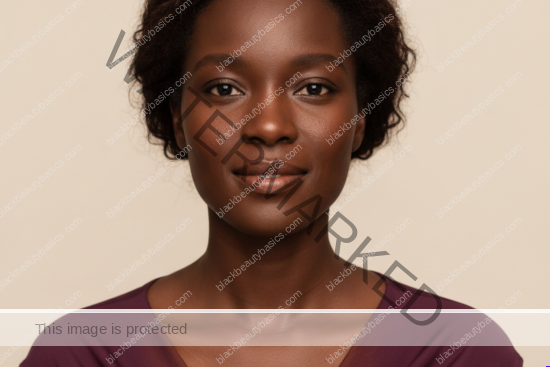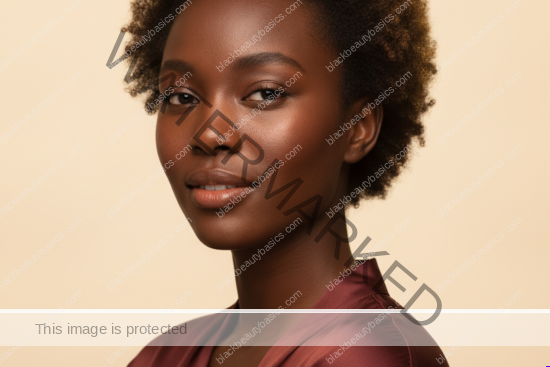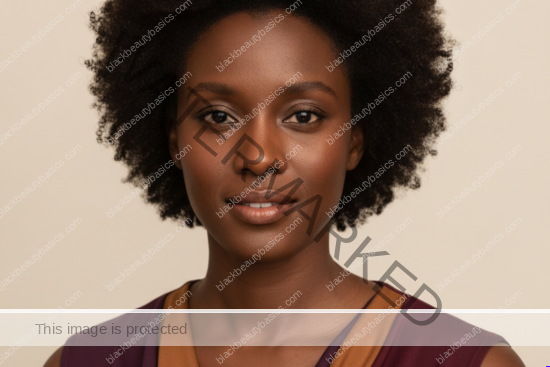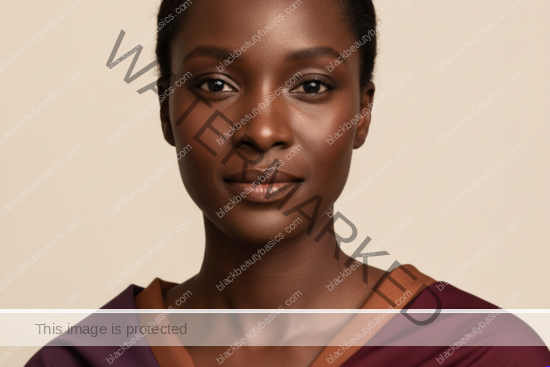
The luminous canvas of Black skin, rich in melanin, possesses an inherent resilience and a captivating glow. Yet, even the most radiant complexions can encounter challenges, and among them, the persistent appearance of acne along the chin and jawline can feel particularly disheartening. This isn’t merely a cosmetic concern; it’s a whisper from your body, often signaling deeper narratives unique to our skin’s physiology and the intricate dance of hormones and environmental factors.
Unveiling the Mystery: Why Chin and Jaw Acne on Dark Skin Demands a Deeper Look
For Black women, the journey with acne, particularly around the chin and jaw, is often nuanced. Our skin, while boasting natural sun protection and a slower aging process, is also prone to certain post-inflammatory sequelae like hyperpigmentation (dark spots) and keloids, making early intervention and understanding paramount. This isn’t just about treating a blemish; it’s about preserving the even tone and exquisite texture of your skin, ensuring its health and radiance for years to come.
The Unique Landscape of Melanin-Rich Skin and Acne
Melanin, the pigment responsible for our beautiful range of skin tones, plays a dual role in the acne narrative. While it offers protection against UV radiation, it also means that inflammation, even from a minor breakout, can trigger an overproduction of melanin, leading to persistent dark spots. This post-inflammatory hyperpigmentation (PIH) can sometimes be more distressing than the acne itself, lasting for months or even years if not properly addressed. Understanding this predisposition is the first step in crafting a skincare strategy that not only clears breakouts but also safeguards against their lingering aftermath.

Decoding the Patterns: Common Causes of Chin and Jaw Acne in Black Women
Acne along the chin and jawline often tells a story distinct from breakouts on the forehead or cheeks. It’s frequently linked to hormonal fluctuations, stress, lifestyle choices, and even certain hair removal practices. For Black women, these factors can intersect with specific skin sensitivities and product choices, creating a complex web of triggers.
Hormonal Imbalances: The Silent Orchestrators
One of the most common culprits behind chin and jaw acne, especially in adult women, is hormonal fluctuation. Androgens, often referred to as “male hormones” but present in all women, can stimulate sebaceous glands to produce excess oil (sebum). This excess sebum, combined with dead skin cells, can clog pores, leading to breakouts.
- Menstrual Cycle: Many women experience a surge in acne around their menstrual period due to fluctuating estrogen and progesterone levels.
- Polycystic Ovary Syndrome (PCOS): This common endocrine disorder can cause elevated androgen levels, leading to persistent cystic acne along the jawline, chin, and neck, often accompanied by irregular periods, excess hair growth, and weight changes.
- Perimenopause and Menopause: As women approach menopause, estrogen levels decline, and the relative increase in androgen activity can trigger adult-onset acne.
- Stress: Chronic stress elevates cortisol levels, which in turn can influence androgen production and exacerbate acne.
Dietary Influences: What You Eat and How It Shows
While the link between diet and acne is complex and highly individual, certain foods are known to trigger or worsen breakouts in some people, particularly those prone to hormonal acne.
- High Glycemic Index Foods: Sugary foods, refined carbohydrates (white bread, pasta), and processed snacks can cause rapid spikes in blood sugar, leading to insulin spikes. Insulin, in turn, can stimulate androgen production and increase inflammation.
- Dairy Products: Some studies suggest a correlation between dairy consumption and acne, possibly due to hormones present in milk or its impact on insulin-like growth factor 1 (IGF-1).
- Inflammatory Foods: Foods high in unhealthy fats, trans fats, and processed ingredients can contribute to systemic inflammation, which may exacerbate acne.
It’s important to note that dietary triggers are not universal. An elimination diet, guided by a dermatologist or nutritionist, can help identify specific culprits for your skin.
Lifestyle and Environmental Factors: The Daily Grind
Our daily habits and surroundings play a significant role in skin health.
- Stress: As mentioned, chronic stress is a major contributor to hormonal imbalances and inflammation, manifesting as breakouts.
- Lack of Sleep: Insufficient sleep can disrupt hormone regulation and impair the skin’s natural repair processes.
- Product Choices: Comedogenic (pore-clogging) makeup, heavy creams, and hair products that migrate to the jawline can trigger breakouts. For melanin-rich skin, it’s crucial to choose non-comedogenic, fragrance-free, and hypoallergenic formulations.
- Friction and Pressure: Regularly resting your chin on your hand, wearing tight scarves or collars, or even frequent phone contact can introduce bacteria and create friction that irritates follicles, leading to “acne mechanica.”
- Hair Removal Practices: Shaving, waxing, or threading along the jawline can lead to ingrown hairs (pseudofolliculitis barbae), which can resemble acne and lead to significant hyperpigmentation in Black skin.
Medications and Supplements: Unintended Consequences
Certain medications can have acne as a side effect. These include:
- Corticosteroids: Oral or topical steroids can trigger acne.
- Lithium: Used to treat bipolar disorder, lithium can cause acne.
- Testosterone Supplements: Used for various conditions, these can increase androgen levels.
- Certain Antiepileptic Drugs: Some medications for seizures can lead to breakouts.
Always discuss any new or worsening acne with your prescribing doctor if you suspect a medication is the cause.
Crafting Your Skincare Strategy: A Holistic Approach for Melanin-Rich Skin
Addressing chin and jaw acne on dark skin requires a thoughtful, multi-pronged approach that respects the unique needs of melanin-rich complexions. The goal is not just to clear current breakouts but to prevent future ones and, critically, to minimize and treat post-inflammatory hyperpigmentation.
The Foundational Skincare Routine: Gentle Yet Effective
A consistent, gentle, and targeted skincare routine is your first line of defense. Remember, aggressive scrubbing or harsh products can exacerbate inflammation and hyperpigmentation.
H3: Gentle Cleansing: The Cornerstone
Start with a mild, pH-balanced cleanser twice daily. Look for ingredients like salicylic acid (BHA) or benzoyl peroxide in low concentrations if you have active breakouts, but use with caution to avoid excessive dryness or irritation, which can worsen PIH. For sensitive skin, a gentle, hydrating cleanser is often best, followed by targeted treatments.
Shop Gentle Facial Cleansers on Amazon
Targeted Treatments: Precision for Perfection
This is where you introduce active ingredients to address acne and hyperpigmentation.
- Salicylic Acid (BHA): A lipid-soluble exfoliant that penetrates oil to unclog pores. Ideal for blackheads, whiteheads, and mild inflammatory acne. Start with 0.5-2% formulations.
- Benzoyl Peroxide: An antibacterial agent that kills acne-causing bacteria. Can be drying and bleaching, so use sparingly (2.5-5%) and as a spot treatment or short-contact therapy. Always use a white pillowcase if applying overnight.
- Retinoids (Retinol, Tretinoin, Adapalene): These vitamin A derivatives are gold standards for acne and anti-aging. They accelerate cell turnover, prevent clogged pores, and improve skin texture. Adapalene (Differin) is often a good starting point as it’s less irritating than tretinoin. Introduce slowly, 2-3 times a week, gradually increasing frequency. Always use sunscreen when using retinoids.
- Azelaic Acid: A fantastic ingredient for melanin-rich skin! It’s antibacterial, anti-inflammatory, and helps to reduce hyperpigmentation. It’s often well-tolerated and can be used twice daily.
- Niacinamide (Vitamin B3): Reduces inflammation, minimizes pore appearance, and strengthens the skin barrier. It’s a great complementary ingredient for almost any skincare routine.
Shop Salicylic Acid Serums on Amazon
Shop Benzoyl Peroxide Spot Treatments on Amazon
Shop Adapalene Gels on Amazon
Shop Azelaic Acid Treatments on Amazon
Shop Niacinamide Serums on Amazon
Moisturize & Protect: Essential for Barrier Health
Even oily, acne-prone skin needs hydration. A lightweight, non-comedogenic moisturizer helps maintain a healthy skin barrier, which is crucial for healing and preventing irritation. Follow with a broad-spectrum sunscreen (SPF 30 or higher) every single morning. For Black skin, look for mineral sunscreens with zinc oxide or titanium dioxide that blend without leaving a white cast, or chemical sunscreens formulated for darker skin tones. Sunscreen is non-negotiable for preventing PIH from darkening and becoming more persistent.
Shop Non-Comedogenic Moisturizers on Amazon
Shop Sunscreens for Dark Skin on Amazon
Addressing Hyperpigmentation: The Melanin-Rich Skin Imperative
Treating acne on dark skin is inextricably linked to managing hyperpigmentation. Once a breakout begins to heal, the battle against the lingering dark spot begins. Patience and consistency are key.
Key Ingredients for PIH:
- Alpha Arbutin: A gentler alternative to hydroquinone, it inhibits tyrosinase, the enzyme responsible for melanin production.
- Kojic Acid: Another tyrosinase inhibitor, often found in cleansers and serums.
- Vitamin C (L-Ascorbic Acid): A powerful antioxidant that brightens skin, reduces inflammation, and inhibits melanin production. Use a stable form in a serum.
- Tranexamic Acid: Gaining popularity for its ability to reduce hyperpigmentation, especially melasma and post-inflammatory hyperpigmentation.
- Licorice Root Extract: Contains glabridin, which has skin-lightening and anti-inflammatory properties.
Shop Alpha Arbutin Serums on Amazon
Shop Kojic Acid Products on Amazon
Shop Vitamin C Serums on Amazon
Shop Tranexamic Acid Serums on Amazon
Shop Licorice Root Extract Products on Amazon
When to Seek Professional Guidance: Your Dermatologist is Your Ally
While a diligent at-home routine is crucial, some cases of chin and jaw acne, especially cystic or persistent forms, require professional intervention. A board-certified dermatologist specializing in skin of color can provide tailored solutions.
Dermatological Treatments:
- Prescription Topical Medications: Stronger retinoids (tretinoin), topical antibiotics (clindamycin), or dapsone gel.
- Oral Medications:
- Antibiotics: (e.g., doxycycline) to reduce inflammation and bacteria for a limited time.
- Spironolactone: An anti-androgen medication highly effective for hormonal acne in women, particularly along the jawline.
- Oral Contraceptives: Certain birth control pills can regulate hormones and improve acne.
- Isotretinoin (Accutane): Reserved for severe, recalcitrant acne, it’s highly effective but requires strict monitoring.
- In-Office Procedures:
- Chemical Peels: Superficial peels with salicylic acid, glycolic acid, or lactic acid can help exfoliate and reduce PIH. Medium-depth peels should be approached with caution in dark skin due to PIH risk.
- Microdermabrasion: A gentle exfoliation technique.
- Microneedling: Can improve texture and hyperpigmentation, but requires an experienced practitioner to avoid PIH.
- Laser Treatments: Certain lasers (e.g., picosecond lasers, low-fluence Q-switched Nd:YAG) can be used cautiously for hyperpigmentation in darker skin tones, but always seek a dermatologist experienced with skin of color.
- Corticosteroid Injections: For painful cystic lesions, a dermatologist can inject a dilute corticosteroid to reduce inflammation quickly.
Shop Topical Clindamycin for Acne on Amazon
Holistic Lifestyle Adjustments: Nurturing Your Inner Radiance
Skincare is only one piece of the puzzle. Supporting your skin from within is equally vital.
Dietary Considerations:
- Anti-Inflammatory Diet: Focus on whole, unprocessed foods. Incorporate plenty of fruits, vegetables, lean proteins, and healthy fats (avocado, nuts, seeds, olive oil).
- Hydration: Drink ample water throughout the day to support skin function and overall health.
- Consider Supplements (with professional guidance): Zinc, Omega-3 fatty acids, and probiotics may help reduce inflammation and support gut health, which is linked to skin health.
Stress Management:
- Mindfulness & Meditation: Practice techniques to calm the nervous system.
- Adequate Sleep: Aim for 7-9 hours of quality sleep per night.
- Regular Exercise: Helps reduce stress and improve circulation.
Hair & Product Awareness:
- Clean Hair Habits: Keep hair clean and off your face, especially if using heavy oils or styling products that can transfer to the skin.
- Non-Comedogenic Products: Ensure all makeup, skincare, and even laundry detergents are non-comedogenic and fragrance-free.
- Clean Your Phone: Regularly wipe down your phone screen with an antiseptic wipe to reduce bacteria transfer.
- Pillowcases: Change pillowcases frequently (every 2-3 days) to minimize bacteria and product buildup. Opt for silk or satin to reduce friction.
Shop Silk Pillowcases on Amazon
Comparison Table: Hormonal vs. Lifestyle Acne
Understanding the subtle differences between types of acne can guide your treatment approach.
| Feature | Hormonal Acne (Chin/Jaw) | Lifestyle/Environmental Acne (Chin/Jaw) |
|---|---|---|
| Location | Primarily chin, jawline, neck, sometimes chest/back. | Localized to areas of friction, product contact, or phone contact. |
| Type of Lesions | Deep, painful cysts and nodules; sometimes blackheads/whiteheads. | Blackheads, whiteheads, papules, pustules; less often deep cysts. |
| Timing/Pattern | Often cyclical (around menstruation), persistent, or adult-onset. | Sporadic, appears after specific activities (e.g., new product, stress, phone use). |
| Associated Symptoms | Often accompanied by oiliness, hair growth, irregular periods (PCOS). | May be accompanied by irritation, redness from friction. |
| Primary Triggers | Androgen fluctuations, stress, PCOS, perimenopause, certain medications. | Comedogenic products, friction, poor hygiene, diet, stress, lack of sleep. |
| Key Treatment Focus | Internal regulation (dermatologist, endocrinologist), anti-androgens, specific oral medications, retinoids, azelaic acid. | Skincare routine optimization, lifestyle changes, non-comedogenic products, gentle exfoliation. |
| PIH Risk | High, due to deeper, more inflammatory lesions. | Moderate to high, depending on lesion severity and picking. |
Tip List: Daily Habits for Clearer Jawline & Chin
Small, consistent changes can yield significant results.
- Hands Off: Avoid touching your face, especially your chin and jaw, throughout the day to prevent transferring bacteria and oils.
- Clean Your Devices: Regularly wipe down your phone screen with an antibacterial wipe.
- Hair Away: Keep hair products, especially heavy oils and leave-in conditioners, away from your jawline and neck. Consider pulling hair back, especially when sleeping or working out.
- Wash Wisely: Cleanse your face immediately after sweating or exercising.
- Pillow Talk: Change your pillowcase every 2-3 days. Silk or satin can reduce friction.
- Product Scrutiny: Always check product labels for “non-comedogenic” and “fragrance-free.”
- Sunscreen Every Day: Protect against PIH by using a broad-spectrum SPF 30+ daily, even indoors.
- Hydrate from Within: Drink plenty of water to support overall skin health.
- Manage Stress: Incorporate stress-reducing activities like meditation, yoga, or deep breathing.
- Be Patient: Skincare takes time. Give new routines at least 6-8 weeks to show results.
FAQ: Your Pressing Questions About Chin and Jaw Acne on Dark Skin, Answered
Q1: Is chin and jaw acne always hormonal?
While chin and jaw acne is often linked to hormonal fluctuations, it’s not exclusively hormonal. Other factors like stress, diet, genetics, certain medications, and lifestyle habits (like phone use or hair products) can also contribute. However, if your breakouts are deep, cystic, cyclical, and resistant to typical topical treatments, a hormonal component is highly likely, and a dermatologist can help investigate.
Q2: How can I tell if my jawline bumps are acne or ingrown hairs (pseudofolliculitis barbae)?
This is a common distinction for Black skin. Ingrown hairs typically appear after shaving, waxing, or threading, often in areas where hair grows. They can look like small, red, inflamed bumps, sometimes with a visible hair trapped underneath. Acne, on the other hand, can be blackheads, whiteheads, papules, pustules, or deep cysts, and may not be directly related to hair removal. Both can lead to significant hyperpigmentation. If you’re unsure, a dermatologist can accurately diagnose and recommend appropriate treatment, which often involves different strategies for each condition.
Q3: What’s the best way to prevent post-inflammatory hyperpigmentation (PIH) from chin acne?
The absolute best way to prevent PIH is to prevent the acne itself. Once a breakout occurs, avoid picking, popping, or squeezing, as this significantly worsens inflammation and increases PIH risk. Use gentle, anti-inflammatory ingredients in your skincare routine (like niacinamide, azelaic acid). Most importantly, wear a broad-spectrum SPF 30+ sunscreen daily, even when indoors, as UV exposure darkens existing PIH and makes it last longer. Early and consistent treatment of active acne also helps minimize PIH.
Q4: Are there specific ingredients I should avoid if I have chin acne on dark skin?
Yes, be cautious with harsh, drying ingredients that can strip the skin and compromise its barrier, leading to more inflammation and potentially worsening PIH. Avoid high concentrations of alcohol, strong fragrances, and abrasive physical exfoliants. While some active ingredients like benzoyl peroxide and retinoids are effective, start with lower concentrations and introduce them slowly to avoid irritation. Always patch test new products. For dark skin, it’s also wise to avoid procedures like aggressive chemical peels or certain lasers if performed by an inexperienced practitioner, as they carry a higher risk of PIH.
Q5: How long does it take to see results when treating chin and jaw acne?
Patience is paramount in treating acne. You typically need to give a new skincare routine or treatment regimen at least 6-8 weeks to show noticeable improvement. For more stubborn or cystic acne, it can take 3-6 months, especially if you’re also addressing hormonal factors with a dermatologist. Hyperpigmentation can take even longer to fade, often several months to a year, even with consistent treatment. Consistency and adherence to your regimen are key.
Q6: Can makeup make chin and jaw acne worse?
Absolutely. Heavy, oil-based, or comedogenic (pore-clogging) makeup can exacerbate acne, especially if worn for long periods or not thoroughly removed. Always choose foundations, concealers, and primers labeled “non-comedogenic” and “oil-free.” Ensure you double cleanse at night to remove all traces of makeup, sunscreen, and impurities. Using clean makeup brushes and sponges regularly also helps prevent bacteria transfer.
Q7: When should I consider seeing a dermatologist for my chin and jaw acne?
It’s advisable to see a dermatologist if your acne is:
- Cystic or nodular (deep, painful bumps).
- Persistent and not responding to over-the-counter treatments after 6-8 weeks.
- Causing significant post-inflammatory hyperpigmentation or scarring.
- Associated with other symptoms like irregular periods, excessive hair growth, or sudden weight changes (suggesting a hormonal imbalance like PCOS).
- Impacting your self-esteem or quality of life.
A dermatologist can provide an accurate diagnosis, prescribe stronger medications, and offer in-office treatments tailored to your skin’s unique needs.
While natural remedies can be complementary, they often lack the scientific backing and potency of conventional treatments, especially for moderate to severe acne. Some natural ingredients like tea tree oil (diluted), green tea extract, and aloe vera have anti-inflammatory or antimicrobial properties. However, always patch test to avoid irritation, particularly on melanin-rich skin prone to PIH. For deep or persistent acne, relying solely on natural remedies may delay effective treatment and worsen hyperpigmentation. It’s best to discuss any natural approaches with your dermatologist to ensure they don’t interfere with or exacerbate your condition.
The journey to clear, radiant skin is a personal one, often requiring patience, persistence, and a deep understanding of your body’s unique rhythms. For Black women, navigating chin and jaw acne means embracing a skincare philosophy that not only addresses breakouts but also champions the exquisite beauty of melanin-rich skin, preserving its even tone and luminous health. By combining informed choices with self-compassion, you can empower your skin to reflect the inner brilliance you already possess, transforming challenges into opportunities for deeper self-care and confidence.
The jawline can hold clues, but it cannot diagnose you alone
Chin and jaw acne is often talked about as automatically hormonal, but real skin is more complicated. Cycle timing, stress, shaving or hair removal, mask friction, phone contact, oral care products, heavy moisturizers, and picking can all play a role. Location is a clue, not a verdict.
On dark skin, chin and jaw breakouts may be followed by stubborn marks because the area moves, gets touched, and may be exposed to friction from masks, scarves, collars, or hands. If the routine keeps inflaming the area, the marks can multiply faster than they fade.
Think in patterns. Are breakouts tender and deep? Do they cluster before your cycle? Do they appear where a mask or scarf sits? Did they start after a new balm, oil, or active ingredient? This kind of thinking helps you simplify the routine instead of chasing every possible cause at once.
Jawline acne questions
- Track timing before assuming the cause.
- Notice friction from masks, collars, scarves, or hands.
- Simplify irritating products before adding more actives.
- Seek care for painful, cystic, or scarring breakouts.
What to do next
Keep this guide connected to the rest of the Acne & Sensitive Skin in Black Women series. Acne care on deep skin works best when the routine considers triggers, active ingredients, sensitive skin, and the dark marks that can follow inflammation.
A gentle acne routine has to protect the skin after the breakout
Chin and jaw acne can be frustrating because it feels visible and personal. It is still a skin pattern, not a character flaw. On melanin-rich skin, the breakout itself is often only one part of the story. Irritation, picking, harsh scrubbing, skipped moisture, and too many active ingredients can leave dark marks that linger long after the bump is gone. That is why BBB acne guidance always treats comfort, barrier support, and post-inflammatory hyperpigmentation as part of the same conversation.
The most useful routine is not the most aggressive one. It is the one you can repeat without making your skin sting, peel, or panic. If a product causes burning, swelling, rash-like irritation, or worsening tenderness, pause and simplify. If acne is painful, cystic, spreading quickly, or scarring, professional care is a strength move, not a failure. Your skin deserves strategy, not punishment.
Related next steps
Related posts:
 Hormonal-Pattern Acne on Melanin-Rich Skin: Jawline, Chin, and Cycle-Linked Flares
 Hormonal Acne Patterns on Dark Skin by Age and Cycle Timing
 Underarm Darkening on Melanin-Rich Skin: Common Patterns & Care
 Hidradenitis Suppurativa on Black Skin: Common Patterns and Misdiagnoses
 Common Flare Patterns and Body Areas in Black Women and Children
 Fungal-Like Acne Patterns on Forehead, Chest, and Back in Dark Skin