
The ritual of hair removal, for many of us with melanin-rich skin and beautifully coily, curly hair, can sometimes feel like a delicate dance between silky smooth aspirations and the unwelcome reality of ingrown hairs. These tiny, often painful bumps are more than just a cosmetic nuisance; they can lead to hyperpigmentation, irritation, and a sense of frustration that no woman of color should have to endure. At Black Beauty Basics, we believe in empowering you with the knowledge and techniques to embrace your skin with confidence, ensuring your grooming routine leaves you feeling radiant, not regretful. Start with the related BBB body-care cluster guide if you want the broader map.
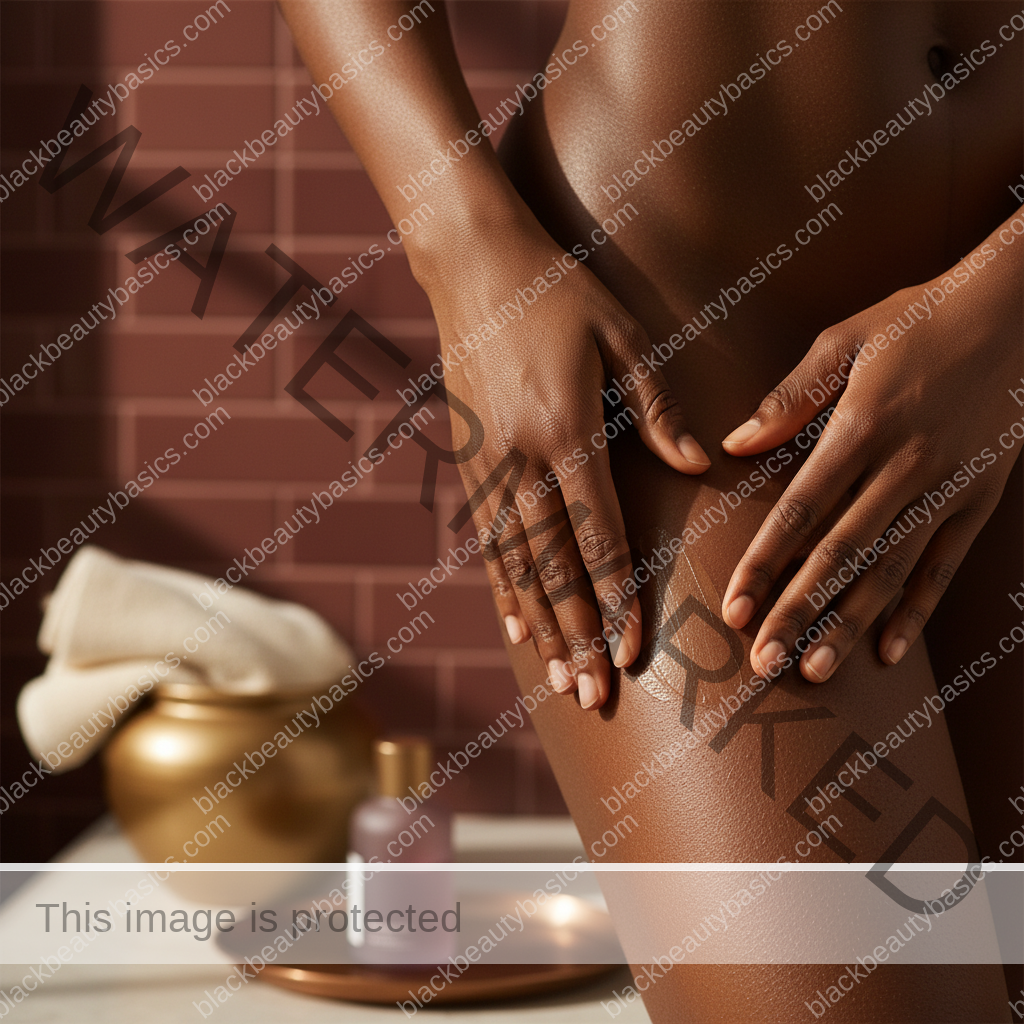
Today, we delve deep into the art and science of preventing ingrown hairs after shaving curly body hair, offering a comprehensive guide tailored specifically for our unique skin and hair textures. Prepare to transform your shaving experience from a chore into a luxurious act of self-care, leaving you with skin that is as smooth and luminous as your spirit.
Understanding the Unique Challenge: Curly Hair and Melanin-Rich Skin
Before we can effectively combat ingrown hairs, it’s crucial to understand why they are such a prevalent concern for women with curly body hair and melanin-rich skin. Our physiology, while exquisitely beautiful, presents specific challenges that require a nuanced approach to hair removal.
The Anatomy of an Ingrown Hair
An ingrown hair, medically known as pseudofolliculitis barbae (PFB) when it occurs in the beard area, or simply ingrown hairs elsewhere on the body, happens when a hair that has been shaved, waxed, or tweezed curls back into the skin or grows sideways into the follicle wall. Instead of growing out and away from the skin’s surface, it gets trapped underneath. The body then recognizes this trapped hair as a foreign object, triggering an inflammatory response that manifests as a red, itchy, often painful bump, sometimes with a visible dark spot or pus-filled head.
Why Curly Hair is More Prone to Ingrowns
The very structure of curly hair makes it inherently more susceptible to ingrowns. Unlike straight hair, which tends to grow straight out from the follicle, curly hair emerges from follicles that are often curved or angled. When shaved, the sharp tip of a curly hair is more likely to retract into the skin and then, as it grows, curve back down and re-enter the skin’s surface. This natural tendency to curl back makes it a prime candidate for becoming trapped beneath the skin.
The Role of Melanin-Rich Skin
Our beautiful melanin-rich skin, while offering natural protection against sun damage, also has a higher propensity for post-inflammatory hyperpigmentation (PIH). This means that any inflammation, irritation, or trauma to the skin – such as that caused by an ingrown hair – is more likely to result in a dark spot that can linger for weeks, months, or even years. This makes preventing ingrown hairs not just about comfort, but also about maintaining an even, radiant skin tone.
Common Misconceptions About Ingrown Hairs
It’s easy to fall prey to myths surrounding ingrown hairs. Some believe they are a sign of uncleanliness, which is entirely false. Others think aggressive scrubbing will “free” the hair, often leading to more irritation. Understanding the true causes and avoiding these misconceptions is the first step towards effective prevention.

The Pre-Shave Ritual: Setting the Stage for Smoothness
The secret to preventing ingrown hairs doesn’t begin with the razor; it starts long before. A meticulously crafted pre-shave ritual is your first line of defense, preparing your skin and hair for the closest, most comfortable shave possible.
Exfoliation: The Unsung Hero
Exfoliation is non-negotiable for preventing ingrown hairs. It removes dead skin cells that can trap growing hairs beneath the surface, allowing them to emerge freely. For melanin-rich skin, gentle chemical exfoliation is often preferred over harsh physical scrubs, which can cause micro-tears and lead to irritation and hyperpigmentation.
Chemical Exfoliants for Dark Skin
- AHAs (Alpha Hydroxy Acids): Glycolic acid and lactic acid are excellent choices. They work by dissolving the bonds between dead skin cells, revealing smoother skin. Start with a low concentration (5-10%) and use 2-3 times a week. Shop AHA Exfoliating Body Wash on Amazon
- BHAs (Beta Hydroxy Acids): Salicylic acid is oil-soluble, making it ideal for penetrating pores and preventing blockages. It’s particularly beneficial for those prone to body acne alongside ingrowns. Shop BHA Body Exfoliant on Amazon
Physical Exfoliants (Use with Caution)
If you prefer physical exfoliation, opt for a very fine-grained scrub or a soft exfoliating mitt. Use light pressure and circular motions, never scrubbing aggressively. Limit use to once a week. Shop Fine-Grain Body Scrub on Amazon
The Warm Compress or Shower: Softening the Strands
Before shaving, spend at least 5-10 minutes in a warm shower or apply a warm, damp cloth to the area you intend to shave. Warmth helps to open pores, soften the hair follicles, and relax the skin, making the hair easier to cut and reducing the likelihood of tugging and irritation. This simple step can significantly improve your shaving experience.
Pre-Shave Oil: The Protective Barrier
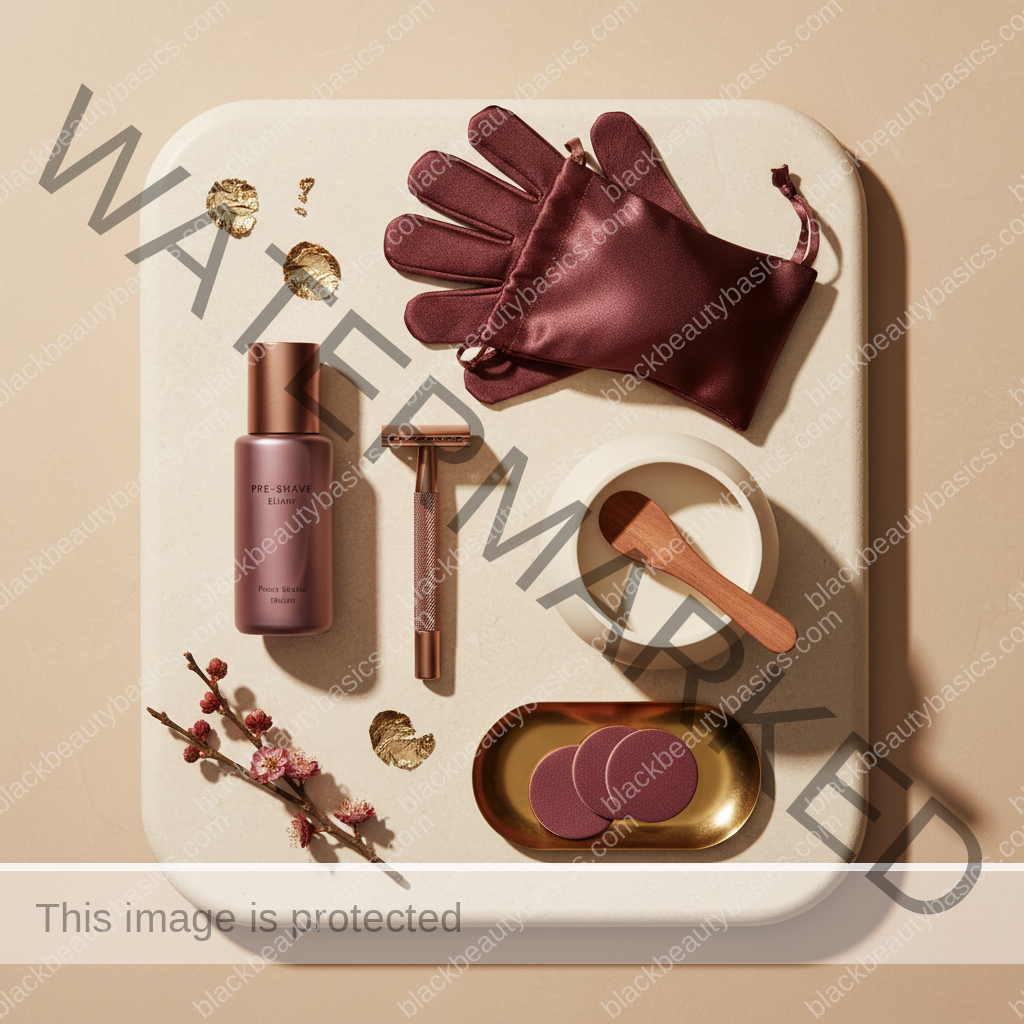
A high-quality pre-shave oil creates a protective layer between your skin and the razor, allowing for a smoother glide and reducing friction. This not only minimizes irritation but also helps to lift the hair slightly, ensuring a closer shave without excessive pressure. Look for oils with nourishing ingredients like jojoba, grapeseed, or almond oil.
Tip List: Pre-Shave Essentials for Melanin-Rich Skin
- Gentle Exfoliant: A serum or body wash with AHAs or BHAs (e.g., glycolic, lactic, or salicylic acid). Shop AHA/BHA Body Serum on Amazon
- Warm Water: A long, warm shower or bath to soften skin and hair.
- Pre-Shave Oil: A non-comedogenic oil to create a protective barrier. Shop Pre-Shave Oil on Amazon
- Hydrating Cleanser: A gentle, moisturizing body wash to cleanse without stripping. Shop Hydrating Body Cleanser on Amazon
The Shaving Technique: Precision for Perfection
The way you wield your razor is paramount to preventing ingrown hairs. This isn’t just about removing hair; it’s about doing so with intention and care for your delicate skin.
Choosing the Right Razor
Not all razors are created equal, especially for curly hair. Multi-blade razors, while marketed for a “closer shave,” can actually cut the hair below the skin’s surface, increasing the risk of ingrowns. For curly hair, a single-blade or double-edge safety razor is often the superior choice.
Single-Blade or Double-Edge Safety Razor
These razors cut the hair cleanly at the skin’s surface, minimizing the chance of the hair retracting and growing inward. They require a bit more practice but offer unparalleled control and a significantly reduced risk of irritation. Shop Single-Blade Safety Razor on Amazon
Sharp Blades are Non-Negotiable
Dull blades tug and pull at the hair, causing irritation and an uneven cut, which can lead to ingrowns. Change your razor blade every 5-7 shaves, or at the first sign of dullness or discomfort. A sharp blade glides effortlessly, cutting hair cleanly.
The Shaving Cream or Gel: Your Cushion of Comfort
Never dry shave. A rich, moisturizing shaving cream or gel is essential. It lubricates the skin, softens the hair, and helps the razor glide smoothly. Look for formulas that are alcohol-free, fragrance-free, and contain soothing ingredients like aloe vera, shea butter, or glycerin. Shop Moisturizing Shaving Cream on Amazon
The Direction of Shave: With the Grain, Always
This is perhaps the most critical technique for preventing ingrown hairs. Shaving against the grain (the direction your hair grows) provides a closer shave but also cuts the hair at a sharper angle, making it more likely to curl back into the skin. Always shave *with* the grain. If you desire a closer shave, a second pass *across* the grain can be considered, but never directly against it, especially in sensitive areas. To determine the grain, gently run your hand over your hair; the direction that feels smooth is with the grain.
Light Pressure and Short Strokes
Let the razor do the work. Applying too much pressure can cause razor burn, nicks, and push the hair below the skin’s surface. Use light, even pressure and short, controlled strokes. Rinse your razor frequently under warm water to prevent clogging and ensure a clean cut.
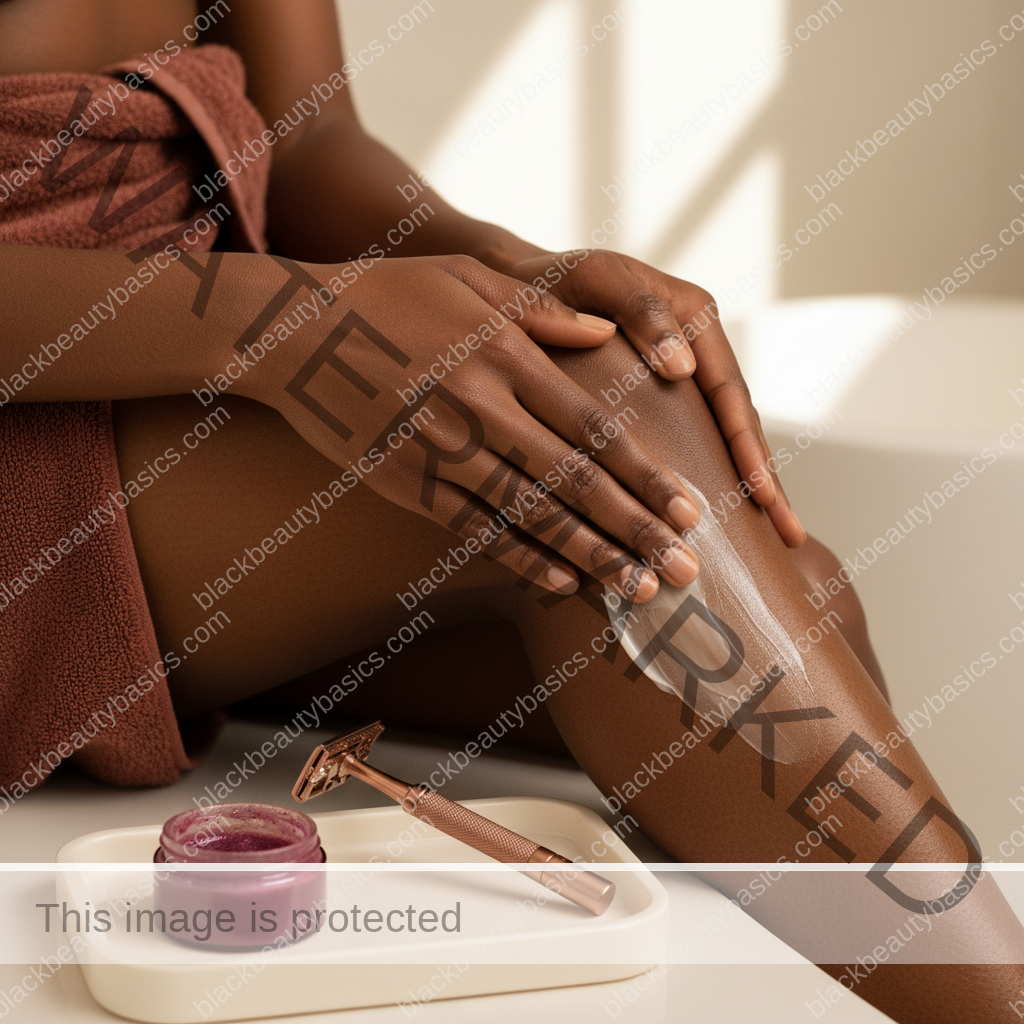
The Post-Shave Care: Soothing and Protecting
Your work isn’t done once the last hair is removed. The post-shave routine is crucial for calming the skin, preventing inflammation, and ensuring your efforts don’t go to waste.
Rinse with Cool Water
After shaving, rinse the area with cool water. This helps to close pores and soothe the skin, reducing redness and irritation.
Pat Dry, Don’t Rub
Gently pat your skin dry with a clean, soft towel. Rubbing can irritate freshly shaved skin and exacerbate sensitivity.
Soothing Aftershave or Serum
Apply a calming, alcohol-free aftershave balm or serum specifically designed to prevent ingrown hairs. Look for ingredients like:
- Aloe Vera: For soothing and hydration.
- Witch Hazel: A natural astringent to reduce inflammation (ensure it’s alcohol-free).
- Chamomile or Calendula: Anti-inflammatory properties.
- Niacinamide: Helps with skin barrier function and reduces hyperpigmentation.
- Salicylic Acid (low concentration): To keep pores clear and prevent hair from getting trapped as it regrows. Shop Alcohol-Free Aftershave Balm on Amazon
Moisturize, Moisturize, Moisturize
Hydrated skin is healthy skin, and healthy skin is less prone to irritation and ingrowns. Follow your aftershave treatment with a rich, non-comedogenic moisturizer. Ingredients like shea butter, hyaluronic acid, ceramides, and glycerin are excellent for locking in moisture and supporting the skin barrier. Consistent moisturizing keeps the skin supple, making it easier for hair to grow out without getting trapped. Shop Non-Comedogenic Body Moisturizer on Amazon
Comparison Table: Shaving Do’s and Don’ts for Curly Hair
| DO’S | DON’TS |
|---|---|
| Exfoliate regularly (2-3x/week) with AHAs/BHAs. | Shave on dry skin or with just water. |
| Use a warm compress or shower before shaving. | Use dull razor blades. |
| Opt for a single-blade or safety razor. | Shave against the grain. |
| Apply a pre-shave oil. | Apply excessive pressure with the razor. |
| Use a rich, moisturizing shaving cream/gel. | Skip post-shave care. |
| Shave with the grain using light, short strokes. | Wear tight clothing immediately after shaving. |
| Rinse with cool water & pat dry. | Pick or squeeze existing ingrowns. |
| Apply an alcohol-free aftershave/serum. | Use harsh, alcohol-based products. |
| Moisturize daily. | Over-exfoliate or use harsh physical scrubs. |
Long-Term Strategies and Lifestyle Adjustments
Preventing ingrown hairs is an ongoing commitment, not a one-time fix. Incorporating these long-term strategies into your routine will yield lasting results.
Consistency is Key
Adhere to your pre-shave, shave, and post-shave routine consistently. Skipping steps can quickly undo your progress. Regular, gentle exfoliation and daily moisturizing are particularly important.
Clothing Choices
Immediately after shaving, avoid tight-fitting clothing made of synthetic materials. These can cause friction and trap moisture, creating an ideal environment for ingrown hairs and irritation. Opt for loose-fitting, breathable fabrics like cotton or linen, especially for the first 24-48 hours after shaving.
Shaving Frequency
Consider how often you shave. Shaving too frequently, especially if your skin is sensitive, can lead to chronic irritation. Allow your skin some recovery time between shaves. For some, every other day or every few days might be ideal, rather than daily.
Alternative Hair Removal Methods
If despite your best efforts, shaving continues to be a source of persistent ingrown hairs, it might be time to explore alternative hair removal methods. While shaving is often the most accessible and affordable, other options may be more suitable for your skin and hair type.
Depilatory Creams
These creams dissolve hair at the skin’s surface. They can be effective but require patch testing to ensure no adverse reactions, especially for sensitive skin. Look for formulas designed for sensitive skin. Shop Depilatory Cream on Amazon
Waxing or Sugaring
These methods remove hair from the root, which can reduce ingrowns for some. However, the regrowth process can still lead to ingrowns if the hair breaks or grows back incorrectly. Professional waxing or sugaring with experienced technicians who understand curly hair is crucial. Post-wax care, including exfoliation, is still essential.
Laser Hair Removal
This is a more permanent solution that works by targeting the pigment in the hair follicle, damaging it and inhibiting future growth. For melanin-rich skin, it’s critical to choose a laser type (like Nd:YAG) that is safe and effective for darker skin tones to avoid hyperpigmentation or burns. Consult with a board-certified dermatologist or a reputable clinic specializing in laser hair removal for skin of color. While a significant investment, it can be life-changing for those who suffer from chronic ingrowns.
Addressing Existing Ingrown Hairs: Gentle Correction
Even with the most diligent prevention, an occasional ingrown hair might still appear. The key is to address it gently and correctly to avoid further irritation or hyperpigmentation.
Do NOT Pick or Squeeze
This is the golden rule. Picking or squeezing an ingrown hair can push the hair deeper, introduce bacteria, lead to infection, and almost guarantee a dark spot (PIH) that will take much longer to fade than the ingrown itself.
Warm Compress and Gentle Exfoliation
Apply a warm compress to the area for 10-15 minutes several times a day. This helps to soften the skin and encourage the hair to emerge. Continue with gentle chemical exfoliation around the area (not directly on an open or inflamed bump) to keep the skin clear.
Topical Treatments
Over-the-counter treatments containing salicylic acid, glycolic acid, or benzoyl peroxide can help to reduce inflammation and clear the follicle. Apply a thin layer directly to the ingrown hair. Shop Ingrown Hair Treatment on Amazon
Sterile Tweezers (Last Resort)
If the hair loop is clearly visible above the skin’s surface, you can *gently* use a pair of sterilized tweezers (disinfect with rubbing alcohol) to lift the hair out of the skin. Do NOT pull the hair out entirely, as this can restart the ingrown cycle. Simply free the trapped end. If the hair is not visible or is deeply embedded, leave it alone and continue with warm compresses and topical treatments. If it becomes painful, infected, or doesn’t resolve, consult a dermatologist.
Fading Hyperpigmentation
If an ingrown hair leaves behind a dark spot, be patient. Incorporate ingredients like niacinamide, vitamin C, alpha arbutin, kojic acid, or azelaic acid into your skincare routine to help fade hyperpigmentation over time. Always use sunscreen to prevent existing dark spots from darkening further. Shop Hyperpigmentation Serum on Amazon
FAQ: Your Most Pressing Questions Answered
Q1: Can I use the same products for my face and body to prevent ingrown hairs?
A1: While some ingredients like AHAs, BHAs, and moisturizers are universally beneficial, body skin is often less sensitive than facial skin. You might use higher concentrations of exfoliants on your body. However, always check product labels, especially for aftershave balms, to ensure they are suitable for the specific area you’re treating (e.g., bikini line vs. legs). For sensitive areas, opt for products specifically formulated for those regions.
Q2: How often should I exfoliate to prevent ingrown hairs?
A2: For most individuals with curly body hair, exfoliating 2-3 times a week with a gentle chemical exfoliant (AHA or BHA) is ideal. If your skin is particularly sensitive, start with once a week and gradually increase frequency as your skin tolerates it. Over-exfoliating can irritate the skin and worsen the problem.
Q3: Is it better to shave in the morning or at night?
A3: There’s no strict rule, but many find shaving at night beneficial. This allows your skin ample time to recover and breathe overnight without the immediate friction of clothing or exposure to environmental irritants. If you shave in the morning, ensure you have time for a full post-shave routine before dressing.
Q4: What if I have very sensitive skin? Are there specific ingredients I should avoid?
A4: For very sensitive skin, avoid products with alcohol, synthetic fragrances, harsh dyes, and essential oils that can be irritating. Opt for hypoallergenic, fragrance-free formulas. Look for soothing ingredients like colloidal oatmeal, allantoin, centella asiatica (cica), and ceramides. Always patch test new products on a small area of skin before full application.
Q5: Can diet affect ingrown hairs?
A5: While diet doesn’t directly cause or prevent ingrown hairs, a healthy diet rich in anti-inflammatory foods (fruits, vegetables, omega-3s) and adequate hydration supports overall skin health. Well-nourished, hydrated skin is more resilient and better equipped to heal and prevent issues like ingrowns and hyperpigmentation. Conversely, a diet high in inflammatory foods might exacerbate skin issues.
Q6: How long does it take for ingrown hair dark spots to fade?
A6: The fading time for post-inflammatory hyperpigmentation (PIH) varies greatly depending on the individual, the severity of the inflammation, and how consistently you treat it. It can range from a few weeks to several months, or even over a year in some cases. Patience, consistent use of brightening ingredients, and strict sun protection are crucial for accelerating the fading process.
Q7: Should I use a body brush or loofah for exfoliation?
A7: While body brushes and loofahs can provide physical exfoliation, they can also be too harsh for curly body hair and melanin-rich skin, potentially causing micro-tears and irritation that lead to ingrowns and hyperpigmentation. They are also prone to harboring bacteria if not cleaned and dried properly. Gentle chemical exfoliants are generally a safer and more effective choice for preventing ingrown hairs.
Preventing ingrown hairs after shaving curly body hair is an art refined through understanding, intention, and consistent care. It’s an investment in your skin’s health and your overall confidence. By embracing these rituals – from the gentle exfoliation that paves the way, to the precise razor strokes, and the nurturing post-shave embrace – you honor the unique beauty of your melanin-rich skin. May your journey be one of unparalleled smoothness, radiant glow, and the undeniable power of self-assured elegance.
How to build the routine around what your skin is actually telling you
For Black women and people with richly melanated skin, body care is rarely just about feeling smooth for one day. The larger goal is comfort, less irritation, fewer preventable bumps, and fewer marks left behind after friction, shaving, dryness, or inflammation. This guide focuses on reducing ingrowns by softening hair, shaving with less pressure, managing friction, and exfoliating gently, while keeping the correct body-care cluster as the home base.
The first step is to stop treating every body concern as a need for stronger products. Dryness may need better moisture timing. Bumps may need less pressure and less friction. Texture may need gentle exfoliation, not daily scrubbing. Dark marks may need the irritation cycle to calm down before any brightening step can make sense. When the routine starts with the real cause, the skin has less to recover from.
This is also where tone matters. A body-care routine should never imply that lighter, perfectly even, poreless skin is the goal. Rich brown skin can have texture, deeper areas, stretch, folds, hair, and changing tone. The goal is not to erase your body. The goal is to care for it in a way that feels steady, respectful, and repeatable.
A practical checkpoint before you add anything new
- Notice whether the issue is dryness, friction, bumps, hair removal, sweat, or product residue.
- Keep the routine simple enough to repeat for several weeks.
- Add only one new treatment step at a time so irritation is easier to trace.
- Use moisture and barrier support as the default, not as an afterthought.
- Pause any step that causes burning, rawness, swelling, or new persistent dark marks.
What usually makes this worse
The biggest mistake is trying to force a fast result. Whether you are dealing with ashiness, bumps, shaving irritation, or dark marks, pushing harder usually creates more inflammation. Melanin-rich skin can respond to that inflammation with marks that last longer than the original problem. That is why slow, boring consistency is often more protective than a dramatic reset.
Another common issue is mixing too many strong steps in the same week. A harsh scrub, an exfoliating acid, shaving, fragrance, tight clothing, and a drying cleanser can all overlap. Each step may seem small by itself, but together they can leave body skin tender and reactive. When that happens, simplify before you intensify.
Finally, do not ignore friction. Waistbands, sports bras, underwear seams, leggings, deodorant, shaving direction, towels, and even how quickly you moisturize after a shower can change how the skin behaves. If friction is part of the pattern, product alone will not carry the whole routine.
What to do next

Keep this article connected to the Body Care & Hair Removal on Dark Skin system. The most useful next read depends on whether your main issue is moisture, exfoliation, shaving, ingrowns, or post-shave dark marks.
- Body Care & Hair Removal on Dark Skin
- The related body-care cluster guide
- ingrown hair prevention and management
- shave legs with fewer bumps
- bikini-line shaving routine
Related next steps
Related posts:
 Razor Bumps vs Ingrown Hairs on Dark Skin
 Why Ingrown Hairs Are More Common on Melanin-Rich, Coily Hair
 Treating Active Ingrown Hairs, Bumps, and Dark Marks on Melanin-Rich Skin
 Dark Spots After Ingrown Hairs on the Bikini Line
 Your Essential Sunscreen Strategy to Prevent Dark Marks on Melanin-Rich Skin (Face & Body)
 Bikini-Line Shaving Routine for Melanin-Rich Skin