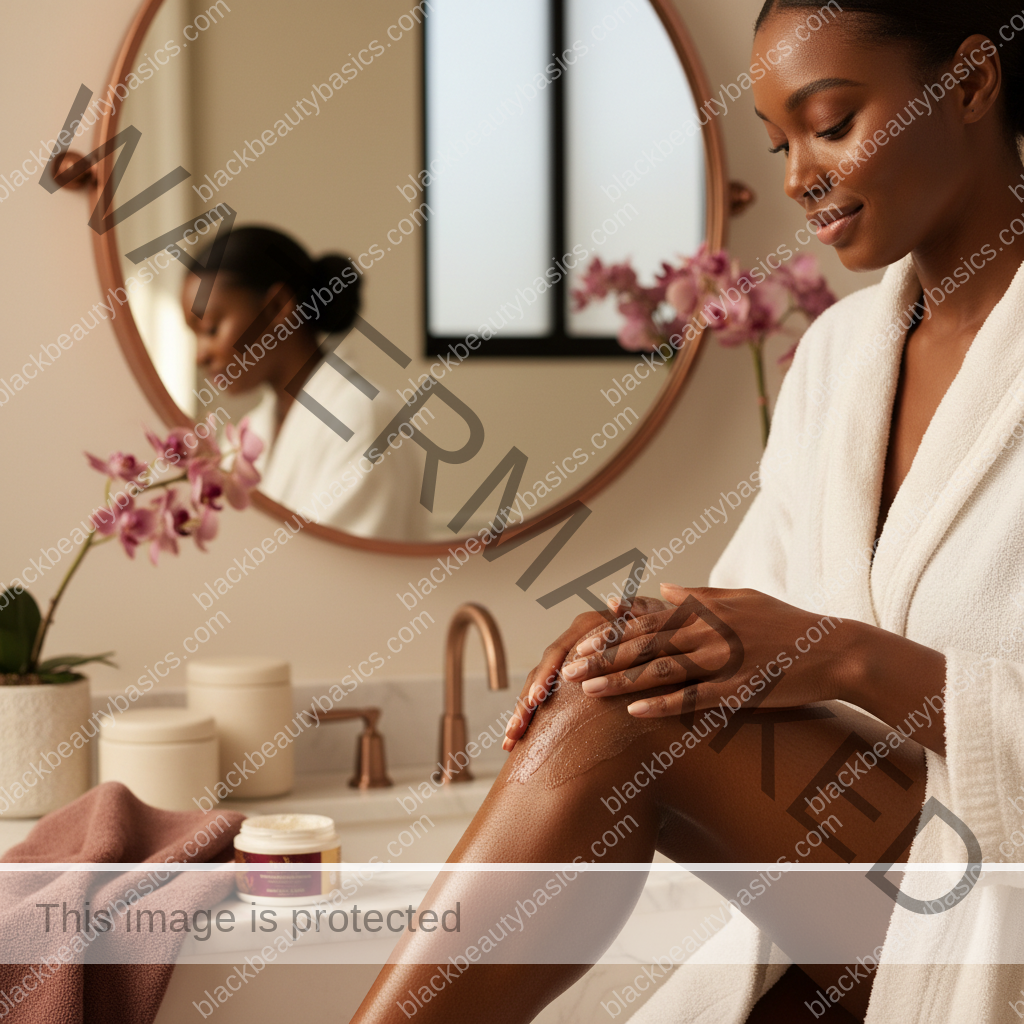
For the woman of color, our skin is a testament to resilience, a canvas of rich, nuanced beauty. Yet, even the most radiant complexions can face the persistent challenge of ingrown hairs, those vexing bumps that often leave behind hyperpigmentation, dimming our glow. Understanding how to navigate exfoliation—the key to preventing and treating these concerns—is not just about skincare; it’s about reclaiming the smooth, even-toned skin that is our birthright. Start with the related BBB body-care cluster guide if you want the broader map.

The Melanin Magic: Understanding Dark Skin and Ingrown Hairs
Our melanin-rich skin is a marvel, offering natural protection against sun damage and a youthful resilience that many envy. However, its unique characteristics also present specific considerations, especially when it comes to hair removal and the dreaded ingrown hair. Ingrowns, medically known as pseudofolliculitis barbae (PFB), occur when a hair curls back or grows sideways into the skin, often after shaving, waxing, or tweezing. For individuals with curly or coarse hair—a common trait among Black women—the likelihood of hair re-entering the skin is significantly higher.
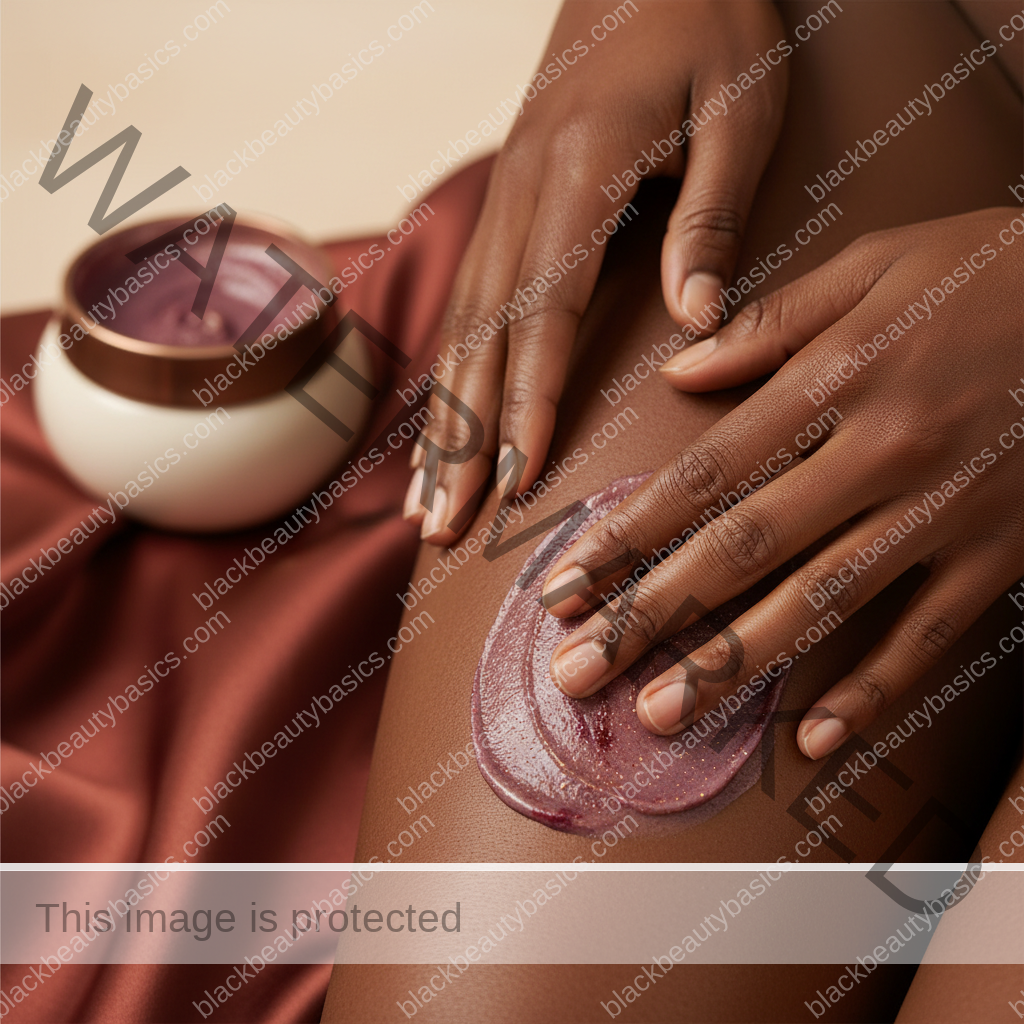
Why Dark Skin is More Prone to Ingrown Hairs
The very structure of our hair follicles plays a pivotal role. Curly hair naturally bends, making it easier for the sharp tip of a freshly cut hair to pierce the skin instead of growing outward. When this happens, the body perceives the trapped hair as a foreign object, triggering an inflammatory response. This inflammation manifests as red, itchy bumps, which can be painful and unsightly.
The Hyperpigmentation Factor: A Unique Concern for Dark Skin
Beyond the discomfort, ingrown hairs pose an additional challenge for dark skin: post-inflammatory hyperpigmentation (PIH). Our melanocytes—the cells responsible for producing melanin—are more reactive. Any trauma or inflammation, such as that caused by an ingrown hair, can stimulate these cells to produce excess melanin, leading to dark spots or patches that can linger long after the ingrown has resolved. This is why a strategic approach to prevention and treatment is paramount, not just for immediate relief but for maintaining an even, luminous complexion.
Exfoliation: The Cornerstone of Ingrown Hair Prevention
Exfoliation is the process of removing dead skin cells from the outermost layer of your skin. This vital step is crucial for preventing ingrown hairs because it helps to keep the skin’s surface clear, allowing new hair to grow out freely without getting trapped. When dead skin cells accumulate, they can create a barrier that forces hair to grow inward, leading to those frustrating bumps.
The Two Paths to Smoothness: Physical vs. Chemical Exfoliation
When it comes to exfoliation, you have two primary categories, each with its own benefits and considerations for dark skin prone to ingrowns.
Physical Exfoliation: Gentle Buffing for a Clear Path
Physical exfoliation involves using a granular scrub, a brush, or a cloth to manually slough off dead skin cells. The key here is gentleness. Aggressive scrubbing can irritate the skin, potentially worsening inflammation and increasing the risk of PIH. For dark skin, fine-grained scrubs or soft brushes are preferable.
- Benefits: Immediate smoothness, satisfying tactile experience, good for surface-level debris.
- Considerations for Dark Skin: Must be very gentle to avoid micro-tears and irritation, which can lead to hyperpigmentation. Avoid harsh scrubs with large, irregular particles like crushed nut shells.
- Recommended Tools: Soft-bristled body brushes, exfoliating mitts, fine-grain sugar or coffee scrubs.
Shop Exfoliating Mitts on Amazon
Shop Fine Grain Sugar Scrubs on Amazon
Chemical Exfoliation: The Unsung Hero for Ingrowns
Chemical exfoliation uses acids to dissolve the bonds between dead skin cells, allowing them to shed more easily. This method is often highly recommended for dark skin, as it provides effective exfoliation without the physical friction that can sometimes lead to irritation and PIH. The most common types are Alpha Hydroxy Acids (AHAs) and Beta Hydroxy Acids (BHAs).
- AHAs (Alpha Hydroxy Acids): Glycolic acid, lactic acid, and mandelic acid are popular AHAs. They are water-soluble and work primarily on the skin’s surface, helping to improve skin texture and tone. Mandelic acid is particularly gentle and well-suited for dark skin due to its larger molecular size, which allows for slower penetration and less irritation.
- BHAs (Beta Hydroxy Acids): Salicylic acid is the most common BHA. It is oil-soluble, meaning it can penetrate deeper into the pores to dissolve oil and debris. This makes salicylic acid exceptionally effective for preventing ingrown hairs by keeping the hair follicle clear from within. It also has anti-inflammatory properties, which can help calm existing ingrowns.
Shop AHA/BHA Exfoliants on Amazon
Shop Salicylic Acid Body Wash on Amazon
The Power of Enzymes: A Gentle Alternative
Enzyme exfoliants, derived from fruits like papaya and pineapple, offer another gentle chemical exfoliation option. They work by breaking down keratin proteins in dead skin cells, promoting shedding without harsh acids. These are excellent for sensitive skin or as an alternative to AHAs/BHAs if irritation is a concern.
Shop Enzyme Exfoliators on Amazon
The Core Question: How Often to Exfoliate for Ingrowns on Dark Skin?
This is where precision meets personalization. There’s no one-size-fits-all answer, but rather a strategic approach that considers your skin’s unique needs, sensitivity, and the severity of your ingrown hair issues. The goal is consistent, gentle exfoliation, not aggressive scrubbing.
Starting Point: The Gentle Introduction
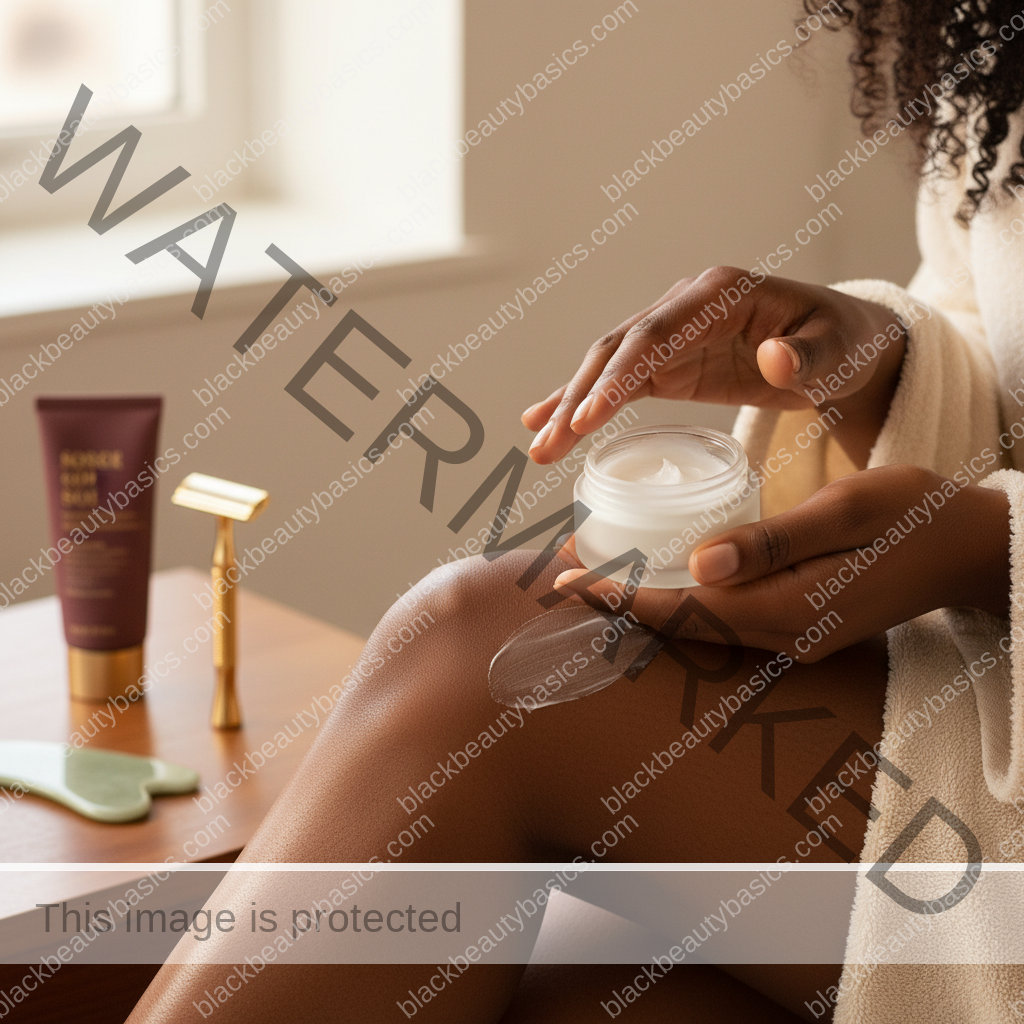
If you’re new to exfoliation or have particularly sensitive skin, begin cautiously. Start with a mild chemical exfoliant (like a mandelic acid serum or a salicylic acid body wash) or a very gentle physical exfoliant (a soft mitt) 2-3 times a week. Observe how your skin responds over a few weeks. Look for signs of irritation, redness, or increased sensitivity. If your skin feels comfortable and looks clearer, you can gradually increase frequency.
The Sweet Spot: Regular Maintenance
For most individuals with dark skin prone to ingrowns, a frequency of 3-4 times a week is often the sweet spot. This allows for consistent removal of dead skin cells without over-exfoliating. You might choose to alternate between chemical and physical methods, or stick to one type that your skin tolerates best.
- Chemical Exfoliants (AHAs/BHAs): Can often be used 3-4 times a week, especially if they are lower concentration or formulated for daily use. Pay attention to the product’s specific instructions.
- Physical Exfoliants: Limit to 2-3 times a week to avoid excessive friction. Always use a light hand.
When Ingrowns Are Persistent: Targeted Approach
If you have very persistent ingrown hairs, particularly in areas like the bikini line, underarms, or beard area, you might consider daily exfoliation with a very mild chemical exfoliant. Products specifically designed for ingrown hair prevention often contain lower concentrations of AHAs or BHAs that can be used more frequently. However, this should only be done if your skin shows no signs of irritation and you are diligently moisturizing.
Shop Ingrown Hair Treatment Pads on Amazon
The “Too Much” Zone: Signs of Over-Exfoliation
Over-exfoliation can strip your skin of its natural protective barrier, leading to a host of problems, especially for dark skin:
- Increased Sensitivity: Your skin feels raw, tight, or easily irritated.
- Redness or Inflammation: More pronounced than usual, or new redness appearing.
- Breakouts: Paradoxically, over-exfoliation can disrupt the skin barrier, leading to more breakouts.
- Dryness and Flakiness: Your skin feels parched and may start to peel.
- Increased Hyperpigmentation: The inflammation from over-exfoliation can trigger more dark spots.
If you notice any of these signs, reduce your exfoliation frequency immediately and focus on barrier repair with gentle cleansers and rich moisturizers.
Table 1: Exfoliation Frequency Guide for Dark Skin
| Skin Type/Concern | Recommended Frequency | Preferred Method(s) | Key Considerations |
|---|---|---|---|
| Sensitive Skin / New to Exfoliation | 2-3 times a week | Mild Chemical (Mandelic Acid, Lactic Acid) or Very Gentle Physical (soft mitt) | Start slow, observe skin’s reaction, prioritize gentleness. |
| Normal Skin / Moderate Ingrowns | 3-4 times a week | Chemical (Salicylic Acid, Glycolic Acid) or Fine-Grain Physical Scrub | Can alternate methods; ensure consistent moisturizing. |
| Resilient Skin / Persistent Ingrowns | Up to 5-6 times a week (with caution) | Low-concentration Chemical (Salicylic Acid pads/serum) | Monitor closely for irritation; never skip moisturizing; consider professional advice. |
| Active Irritation / Breakouts | Temporarily cease or reduce to 1-2 times a week | Focus on soothing and healing; use very mild chemical only if necessary. | Prioritize barrier repair; avoid physical exfoliation. |
The Ritual of Smoothness: Integrating Exfoliation into Your Routine
Exfoliation is just one piece of the puzzle. For truly smooth, ingrown-free skin, it must be part of a holistic routine that supports skin health and addresses hair removal practices.
Before Hair Removal: The Prep Work
The secret to preventing ingrowns often begins before you even touch a razor or wax strip. Preparing your skin properly can significantly reduce the risk.
- Cleanse: Start with a gentle cleanser to remove dirt, oil, and impurities from the skin.
- Warmth: Apply a warm compress or take a warm shower before hair removal. This helps to soften the hair and open up the pores, making hair removal easier and less traumatic to the skin.
- Pre-Exfoliate (Optional but Recommended): A very gentle exfoliation immediately before hair removal can help lift hairs and clear the path. Use a soft brush or a mild salicylic acid cleanser.
Shop Gentle Body Cleansers on Amazon
During Hair Removal: Mindful Techniques
Your hair removal method and technique are critical. For dark skin prone to ingrowns, certain practices are more beneficial than others.
Shaving
- Sharp Razor: Always use a fresh, sharp razor blade. Dull blades tug at the hair, increasing the likelihood of ingrowns.
- Shave with the Grain: Shave in the direction of hair growth, not against it. This reduces irritation and prevents the hair from being cut too short beneath the skin’s surface.
- Shaving Cream/Gel: Use a rich, moisturizing shaving cream or gel specifically formulated for sensitive skin.
- Rinse Blade Frequently: Keep your blade clean to ensure an even glide.
Shop Shaving Cream for Sensitive Skin on Amazon
Waxing
- Professional Waxer: Seek out experienced professionals who understand the nuances of waxing dark skin and curly hair.
- Proper Hair Length: Hair should be about 1/4 inch long for effective waxing.
- Post-Wax Care: Immediately after waxing, apply a soothing, anti-inflammatory product.
Shop Post-Wax Soothing Oil on Amazon
Depilatories
- Patch Test: Always perform a patch test on a small area of skin first, as depilatories can be irritating.
- Follow Instructions: Adhere strictly to the recommended application time to avoid chemical burns.
Shop Depilatory Cream for Sensitive Skin on Amazon
Laser Hair Removal
- Long-Term Solution: For many, laser hair removal offers the most effective long-term solution for reducing ingrown hairs.
- Nd:YAG Laser: Ensure the clinic uses an Nd:YAG laser, which is safe and effective for darker skin tones, targeting the melanin in the hair follicle without damaging the surrounding skin.
- Professional Consultation: Always consult with a qualified professional experienced in treating dark skin.
After Hair Removal: Soothe, Treat, and Protect
The post-hair removal phase is just as important as the preparation. This is where you prevent inflammation and nurture your skin.
- Cool Compress: Immediately after hair removal, apply a cool compress to calm the skin and reduce redness.
- Soothing Products: Apply soothing ingredients like aloe vera, chamomile, or colloidal oatmeal.
- Targeted Ingrown Treatments: If you’re prone to ingrowns, use a dedicated ingrown hair serum or pad containing salicylic acid, glycolic acid, or witch hazel. These help to keep pores clear and reduce inflammation.
- Moisturize, Moisturize, Moisturize: This cannot be stressed enough. Hydrated skin is supple skin, which allows hair to grow out more easily. Choose rich, non-comedogenic moisturizers that nourish without clogging pores. Look for ingredients like shea butter, ceramides, and hyaluronic acid.
- Sun Protection: If the exfoliated area is exposed to the sun, always apply broad-spectrum sunscreen. Exfoliated skin is more susceptible to sun damage, and sun exposure can worsen hyperpigmentation from ingrowns.
Shop Aloe Vera Gel on Amazon
Shop Non-Comedogenic Body Moisturizers on Amazon
Shop Broad Spectrum Sunscreen for Dark Skin on Amazon
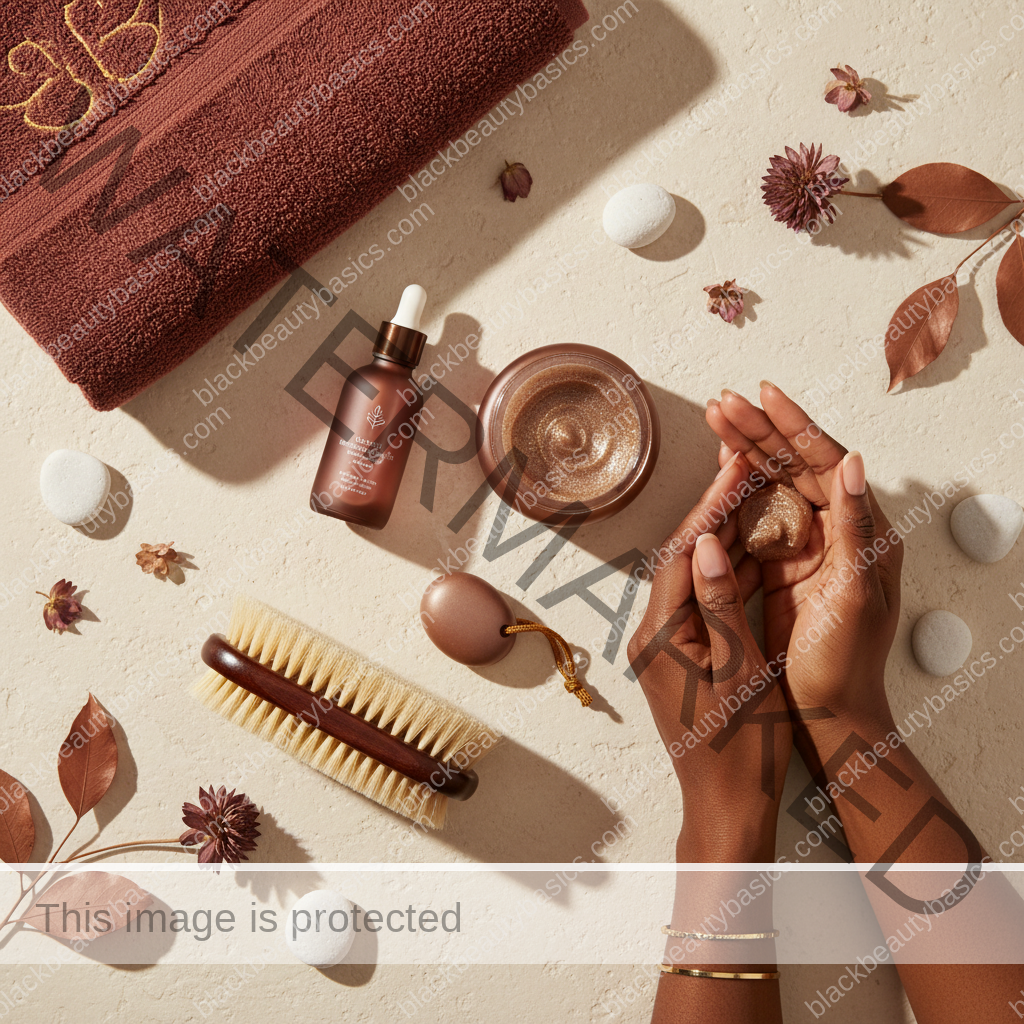
Table 2: Do’s and Don’ts for Exfoliating Dark Skin with Ingrowns
| DO’s | DON’Ts |
|---|---|
| DO start with a lower frequency (2-3 times/week) and gradually increase. | DON’T over-exfoliate; look for signs like redness, irritation, or increased sensitivity. |
| DO prioritize chemical exfoliants (AHAs, BHAs) for their gentle yet effective action. | DON’T use harsh physical scrubs with large, irregular particles that can cause micro-tears. |
| DO moisturize diligently after every exfoliation session to maintain skin barrier health. | DON’T skip moisturizing, especially after exfoliating or hair removal. |
| DO use a sharp razor and shave with the grain if shaving. | DON’T shave against the grain or use a dull razor. |
| DO apply soothing ingredients (aloe, chamomile) post-hair removal. | DON’T pick or squeeze ingrown hairs, as this can worsen inflammation and hyperpigmentation. |
| DO consider laser hair removal as a long-term solution for persistent ingrowns. | DON’T ignore persistent ingrowns or hyperpigmentation; consult a dermatologist. |
| DO patch test new products, especially chemical exfoliants or depilatories. | DON’T expose freshly exfoliated skin to direct sunlight without broad-spectrum SPF. |
Advanced Strategies and Professional Insights
Sometimes, despite our best efforts, ingrown hairs and their accompanying hyperpigmentation can be stubborn. This is when it’s beneficial to consider advanced strategies and professional guidance.
Targeting Hyperpigmentation from Ingrowns
If dark spots are a primary concern, incorporate ingredients known for their melanin-inhibiting properties into your routine, in addition to exfoliation.
- Niacinamide: Helps reduce the transfer of melanin to skin cells, improving overall tone.
- Vitamin C: A powerful antioxidant that brightens skin and inhibits melanin production.
- Kojic Acid / Alpha Arbutin: Tyrosinase inhibitors that help fade existing dark spots.
- Azelaic Acid: Reduces inflammation and helps to lighten hyperpigmentation.
Shop Niacinamide Serum on Amazon
Shop Vitamin C Serum on Amazon
When to Seek Professional Help
If ingrown hairs are severe, frequently infected, or leading to significant scarring or persistent hyperpigmentation, it’s time to consult a dermatologist who specializes in skin of color. They can offer:
- Prescription-strength topical treatments: Such as retinoids to accelerate cell turnover, or stronger anti-inflammatory creams.
- In-office procedures: Chemical peels (specifically formulated for dark skin to avoid PIH), microdermabrasion, or laser treatments (like Nd:YAG for hair removal or specific lasers for hyperpigmentation).
- Extraction: For deeply embedded ingrowns, a professional can safely extract them without causing further trauma.
How to think through this body-care concern without overcorrecting
For Black women and people with richly melanated skin, body care works best when it starts with the real pattern. This guide focuses on choosing exfoliation frequency for ingrowns without creating rawness, dryness, or more dark marks, while keeping the related BBB body-care cluster as the home base. The goal is not a perfectly poreless or one-shade body. The goal is comfort, less irritation, fewer preventable marks, and a routine you can repeat.
The most protective first move is usually to reduce the thing that keeps restarting the problem. That may be friction, pressure, fragrance, shaving too closely, exfoliating too often, skipping moisture, or exposing fresh marks to daylight without protection. Products can help, but they work better when the routine stops creating new irritation every week.
Melanin-rich skin can hold onto evidence of irritation. A bump, nick, rash, or raw patch may fade slowly, especially on areas that rub against clothing or get shaved often. That does not mean your skin is doing something wrong. It means the routine needs to respect inflammation, barrier support, and time.
A gentler decision framework
- Name the main issue before adding a new product.
- Reduce friction and pressure where you can.
- Keep moisture steady, especially after cleansing or hair removal.
- Use exfoliation as a measured tool, not a daily punishment.
- Seek professional care for painful, spreading, infected-looking, or scar-forming concerns.
What usually makes this harder
One common mistake is stacking too many corrective steps. Shaving, scrubbing, acids, fragrance, tight clothing, and sweat can pile up quickly. When the skin starts to sting, burn, peel, or mark more easily, simplify the routine instead of adding another active.
Another mistake is treating darker areas as if they are dirty. Knees, elbows, underarms, thighs, bikini lines, and areas with hair removal can all be deeper in tone. Care can help with comfort and irritation, but the language matters. The goal is not to bleach your body into sameness.
The third issue is judging too fast. Body skin often needs several weeks of less irritation before it looks calmer. Track comfort first: less itching, less tenderness, fewer bumps, and less rawness. Visible tone changes usually follow after the irritation cycle quiets down.
What to do next
Keep this article connected to the Body Care & Hair Removal on Dark Skin system. Choose the next guide based on whether your main issue is bumps, hair removal, friction, texture, body SPF, or post-care.
- Body Care & Hair Removal on Dark Skin
- The related body-care cluster guide
- ingrown hair prevention and management
- body exfoliation without overdoing it
- prevent ingrown hairs after shaving
Frequently Asked Questions About Exfoliation and Ingrown Hairs on Dark Skin
Q1: Can I use physical and chemical exfoliants together?
A: Yes, but with extreme caution and not at the same time. You can alternate them on different days (e.g., physical exfoliant on Monday, chemical on Wednesday). However, for dark skin prone to hyperpigmentation, it’s often safer to stick to one method or use a very gentle physical exfoliant (like a soft cloth) on days you’re not using a chemical one. Overdoing it can lead to irritation and PIH.
Q2: Is daily exfoliation ever safe for dark skin?
A: Daily exfoliation can be safe if you’re using a very mild chemical exfoliant (e.g., a low-concentration salicylic acid toner or body wash) and your skin tolerates it well without any signs of irritation. This is often recommended for those with very persistent ingrowns. However, it’s crucial to listen to your skin and ensure you’re diligently moisturizing. If any sensitivity arises, reduce frequency immediately.
Q3: What’s the best type of exfoliant for extremely sensitive dark skin?
A: For extremely sensitive dark skin, mandelic acid is often recommended as a chemical exfoliant due to its larger molecular size, which allows for slower, gentler penetration. Enzyme exfoliants (from papaya or pineapple) are also excellent gentle alternatives. For physical exfoliation, a soft, damp washcloth or an exfoliating mitt used with minimal pressure is best.
Q4: How long does it take to see results from exfoliating for ingrowns?
A: You may notice an improvement in skin texture and a reduction in new ingrowns within a few weeks of consistent, appropriate exfoliation. Fading of existing dark spots (post-inflammatory hyperpigmentation) will take longer, typically several weeks to months, as skin cell turnover and melanin dispersal are gradual processes. Patience and consistency are key.
Q5: Can exfoliation help with existing ingrown hairs?
A: Yes, gentle exfoliation can help release existing ingrown hairs by removing the layer of dead skin cells trapping them. Chemical exfoliants, especially those with salicylic acid, are particularly effective as they can penetrate the follicle and reduce inflammation. However, never pick or aggressively scrub an inflamed ingrown hair, as this can worsen it and lead to scarring or hyperpigmentation.
Q6: Should I exfoliate before or after hair removal?
A: It’s beneficial to exfoliate 1-2 days before hair removal to prepare the skin and lift hairs, making the process smoother. You can also do a very gentle exfoliation immediately before hair removal. After hair removal, wait at least 24-48 hours before resuming your regular exfoliation routine to allow the skin to recover. Focus on soothing and moisturizing immediately after hair removal.
Q7: What ingredients should I look for in an exfoliant for dark skin?
A: Look for AHAs like mandelic acid, lactic acid, or glycolic acid (in lower concentrations), and BHAs like salicylic acid. For physical exfoliants, choose fine-grain scrubs (sugar, coffee) or soft tools (exfoliating mitts). Also, consider ingredients that soothe and prevent hyperpigmentation, such as niacinamide, vitamin C, and hyaluronic acid.
A: Absolutely. Over-exfoliation can disrupt your skin’s natural barrier, leading to irritation, inflammation, and increased sensitivity. For dark skin, this inflammation is a direct trigger for post-inflammatory hyperpigmentation, making your dark spots worse and potentially leading to more ingrown hairs as the skin tries to protect itself by thickening.

Embrace the journey to smoother, more radiant skin with confidence and intention. By understanding the unique needs of your melanin-rich complexion and adopting a mindful, consistent exfoliation routine, you can effectively banish ingrown hairs and minimize hyperpigmentation. Let your skin reflect the luminous beauty that is inherently yours, free from the vexations of ingrowns, and always glowing with pride.
Related next steps
Related posts:
 How Often Should Black Women Exfoliate? Physical vs Chemical Safely Explained
 When Ingrowns Mean It’s Time to See a Derm or Change Methods
 The Lip Care Pre-Game: How to Exfoliate & Moisturize for Flawless Lipstick Application
 Waxing vs Sugaring for Black Women: Which is Better for Razor Bumps and Ingrowns?
 How Often Should African Americans Oil Their Scalp?
 How Often Should African Americans Oil Their Scalp?