The crown we wear, our glorious coils and intricate textures, is often a source of immense pride and self-expression. Yet, beneath the surface, a silent discomfort can sometimes emerge: scalp tenderness. For Black women, this isn’t merely a fleeting irritation; it’s a signal from our scalp, a call for deeper understanding and gentle, informed care. Start with the related BBB scalp-health cluster guide if you want the broader map.
Unveiling the Silent Signals: Understanding Scalp Tenderness in Black Women
Our hair journeys are unique, rich with traditions, styles, and a deep connection to identity. However, this beauty can sometimes come with challenges, and scalp tenderness is a common, yet often overlooked, concern for many Black women. It’s more than just an itch; it can manifest as a burning sensation, soreness, sensitivity to touch, or even pain. Understanding the patterns behind this tenderness is the first step towards true scalp health and comfort.
What is Scalp Tenderness?
Scalp tenderness refers to a heightened sensitivity or pain in the scalp area. It can range from a mild, persistent ache to sharp, localized pain. For Black women, whose hair care practices often involve tension, heat, and specific product formulations, identifying the root cause of this tenderness is crucial. It’s not just about discomfort; it’s about protecting the follicular health that underpins our hair’s vitality.
Why is Scalp Tenderness Particularly Relevant for Black Women?
The unique characteristics of Black hair – its coily texture, often slower growth rate, and susceptibility to breakage – necessitate specific styling and care routines. These routines, while beautiful and culturally significant, can sometimes inadvertently contribute to scalp tenderness. From tight protective styles to chemical treatments and heat styling, each practice has the potential to impact scalp health. Furthermore, certain inflammatory conditions are more prevalent or present differently in melanin-rich skin, making a nuanced understanding essential.
Decoding the Patterns: Common Causes of Scalp Tenderness
To effectively address scalp tenderness, we must first become astute observers of its patterns. Is it generalized or localized? Does it coincide with a new style or product? Is it accompanied by other symptoms like flaking or hair loss? The answers to these questions are invaluable clues.
1. Tension-Related Tenderness: The Price of Poise
One of the most prevalent causes of scalp tenderness in Black women stems from tension. Our beloved protective styles – braids, weaves, twists, and ponytails – while excellent for hair growth and low manipulation, can exert significant pull on the hair follicles if installed too tightly. This constant tension can lead to inflammation around the follicle, resulting in pain and tenderness.
Recognizing Tension-Induced Tenderness:
- Localized Pain: Often felt around the edges (temples, nape) or where braids/twists are anchored.
- Immediate Onset: Tenderness usually begins shortly after a new style is installed.
- Relief Upon Loosening: The pain subsides when the style is loosened or removed.
- Small Bumps: Sometimes accompanied by tiny, painful bumps around the hair follicles.
Preventative Measures for Tension:
- Communicate with Stylists: Insist on styles that are comfortable, not painful. A good stylist understands that beauty should not be agony.
- Avoid Over-Tightening: If installing yourself, ensure your hands are gentle.
- Regular Breaks: Give your scalp a rest between tension-heavy styles. Opt for loose styles or allow your hair to breathe.
- Scalp Massages: Gentle massages can improve circulation and soothe the scalp.
Shop Scalp Massagers on Amazon
2. Product-Related Irritation: The Unseen Culprit
Our quest for moisture, shine, and manageability often leads us to a myriad of hair products. However, certain ingredients can trigger allergic reactions or irritant contact dermatitis, leading to scalp tenderness, itching, and inflammation. Fragrances, sulfates, parabens, and certain preservatives are common culprits.
Identifying Product-Related Tenderness:
- Generalized or Localized: Can be widespread if a shampoo or conditioner is the cause, or localized if a styling product is applied to a specific area.
- Itching & Burning: Often accompanied by intense itching, burning, or stinging sensations.
- Redness & Flaking: Visible signs of irritation, sometimes with dry, flaky patches.
- New Product Correlation: Symptoms appear after introducing a new product to your regimen.
Navigating Product Sensitivities:
- Patch Test: Always test new products on a small, inconspicuous area of your skin (e.g., behind the ear) for 24-48 hours before full application.
- Ingredient Awareness: Learn to read product labels. Opt for fragrance-free and sulfate-free products if you have a sensitive scalp.
- Clarify Regularly: Product buildup can also cause irritation. Use a gentle clarifying shampoo to remove residue.
- Simplify Your Routine: Sometimes, less is more. Reduce the number of products you use to identify potential irritants.
3. Inflammatory Scalp Conditions: Beyond the Surface
Sometimes, scalp tenderness is a symptom of an underlying dermatological condition. These conditions can be chronic and require medical diagnosis and treatment. For Black women, certain conditions like Central Centrifugal Cicatricial Alopecia (CCCA) are of particular concern due to their potential for permanent hair loss.
Common Inflammatory Conditions Causing Tenderness:
- Central Centrifugal Cicatricial Alopecia (CCCA): This progressive form of scarring alopecia primarily affects Black women. It presents as hair loss and inflammation, often starting at the crown and spreading outwards. Scalp tenderness, itching, burning, and pustules are common symptoms. Early diagnosis is critical to prevent irreversible hair loss.
- Folliculitis: Inflammation of the hair follicles, often caused by bacterial or fungal infections. It appears as small, red, tender bumps or pustules around the hair follicles.
- Seborrheic Dermatitis: A common condition causing red, flaky, itchy patches, often accompanied by oiliness. While itching is primary, severe inflammation can lead to tenderness.
- Psoriasis: An autoimmune condition causing thick, silvery scales and red patches, which can be itchy and tender.
When to Seek Professional Help:
- Persistent Pain: If tenderness doesn’t resolve with gentle care or style changes.
- Hair Loss: Especially if it’s localized or progressive.
- Visible Lesions: Bumps, pustules, open sores, or unusual scaling.
- Intense Itching or Burning: That disrupts daily life.
Shop Dermatologist-Recommended Scalp Treatments on Amazon
4. Heat and Chemical Damage: The Double-Edged Sword
Heat styling and chemical treatments (relaxers, perms, dyes) are staples in many Black women’s hair care routines. While they offer versatility, improper application or overuse can lead to significant scalp damage and tenderness.
Signs of Heat/Chemical Damage:
- Burning Sensation: Often experienced during or immediately after treatment.
- Redness & Blistering: Severe burns can lead to blistering and peeling of the scalp.
- Dryness & Brittleness: Hair may become dry, brittle, and prone to breakage.
- Increased Sensitivity: The scalp remains tender and reactive even after the initial trauma.
Mitigating Damage:
- Professional Application: Always seek experienced stylists for chemical treatments.
- Limit Heat: Use heat protectants and minimize the frequency and intensity of heat styling.
- Deep Conditioning: Regular deep conditioning treatments can help restore moisture and strength.
- Scalp Protection: Apply a protective base (like Vaseline) before chemical treatments to shield the scalp.
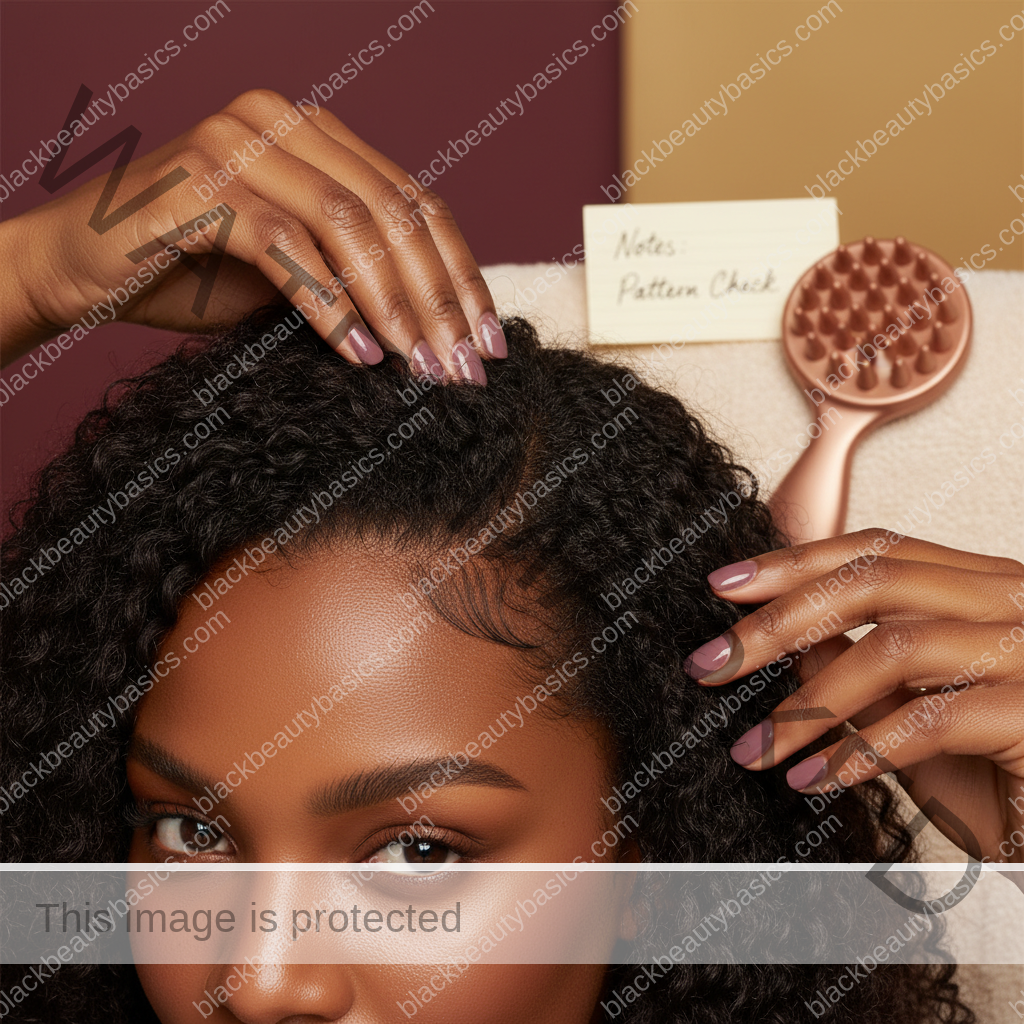
A Holistic Approach to Scalp Wellness: Nurturing Your Crown
Addressing scalp tenderness requires a multi-faceted approach, combining gentle care, informed choices, and sometimes, professional intervention. Our goal is not just to alleviate symptoms but to foster a thriving scalp environment that supports healthy hair growth.
Essential Practices for a Happy Scalp:
Scalp Care Best Practices vs. Common Pitfalls
| Best Practices for Scalp Health | Common Pitfalls to Avoid |
|---|---|
| Gentle Cleansing: Use sulfate-free, moisturizing shampoos. | Harsh Cleansing: Over-washing or using stripping shampoos that dry out the scalp. |
| Moisturize Regularly: Apply light, non-comedogenic oils or leave-in conditioners to the scalp. | Product Buildup: Over-applying heavy products that clog pores and attract dirt. |
| Scalp Massages: Stimulate circulation and soothe the scalp with gentle fingertip massages. | Aggressive Scratching: Exacerbating irritation and potentially causing micro-tears. |
| Protective Styling (Loose): Opt for styles that don’t pull or cause tension. | Tight Styling: Braids, weaves, or ponytails that cause immediate or prolonged pain. |
| Balanced Diet & Hydration: Nourish your body from within for overall health. | Neglecting Internal Health: Poor nutrition can manifest as scalp issues. |
| Regular Breaks: Allow your scalp to breathe between styles and treatments. | Continuous Tension: Keeping tension styles in for too long without relief. |
| Patch Testing Products: Always test new products on a small area first. | Blindly Applying Products: Using new products without checking for sensitivities. |
| Consult a Professional: Seek a dermatologist for persistent issues or hair loss. | Self-Diagnosing & Delaying Care: Allowing serious conditions to progress untreated. |
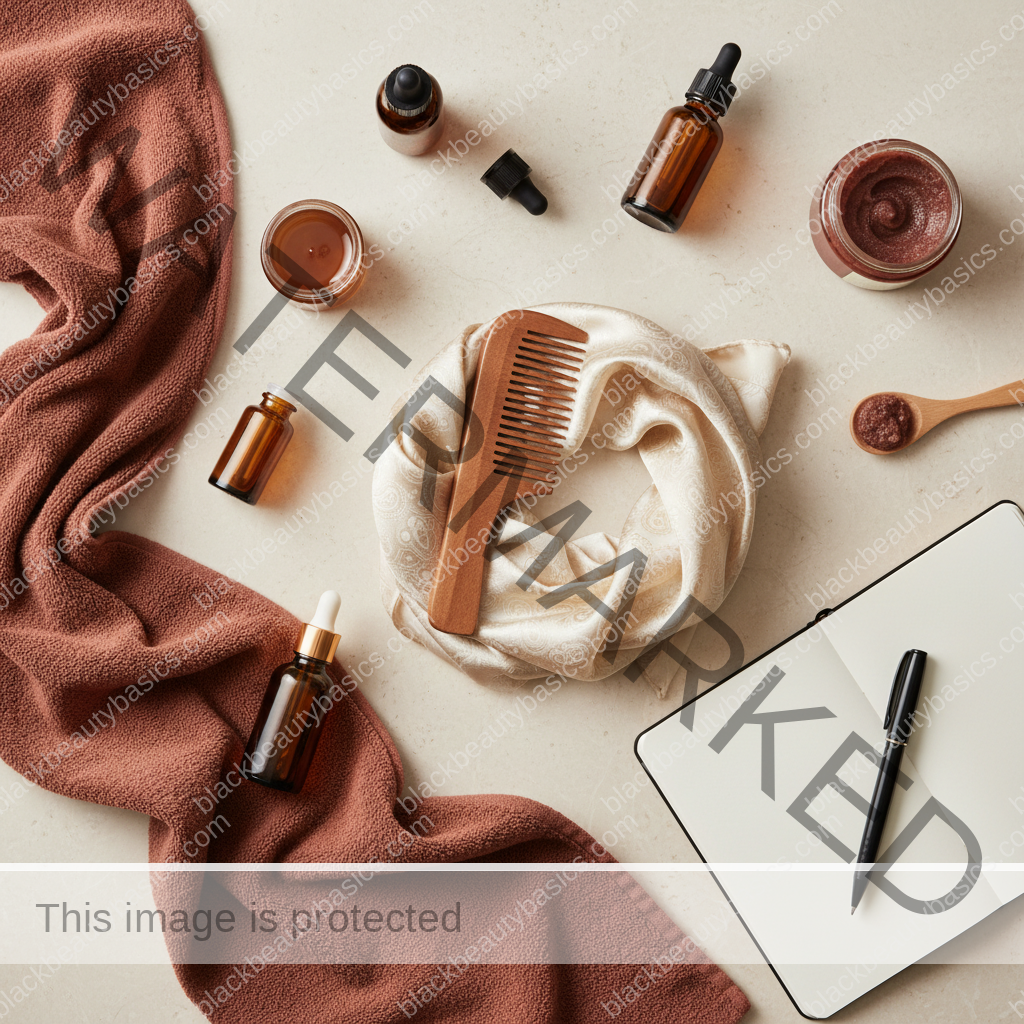
Product Recommendations for a Sensitive Scalp:
Choosing the right products is paramount. Look for formulations specifically designed for sensitive scalps, often labeled as “hypoallergenic,” “fragrance-free,” or “for sensitive skin.”
Our Top Picks for Soothing Scalp Tenderness:
- Gentle Cleansers:
- Sulfate-free shampoos with soothing ingredients like aloe vera or chamomile.
- Co-washes or low-poo cleansers for those who need frequent washing without stripping.
- Hydrating Conditioners & Leave-ins:
- Conditioners that provide deep moisture without heavy residue.
- Lightweight leave-in conditioners that can be applied to both hair and scalp.
- Soothing Scalp Treatments:
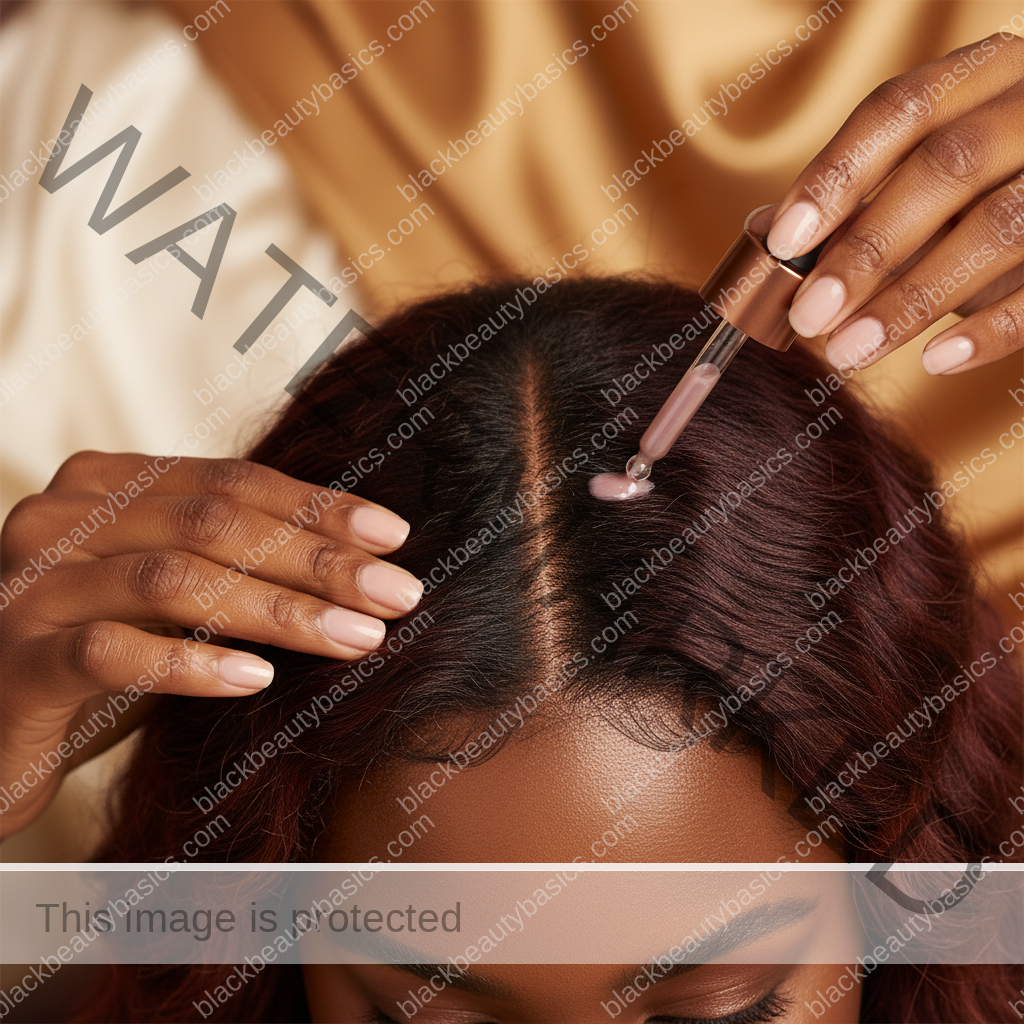
- Scalp serums containing tea tree oil (diluted), peppermint oil, or witch hazel for their anti-inflammatory properties.
- Anti-itch scalp oils specifically formulated to calm irritation.
- Gentle exfoliating scalp scrubs to remove buildup without harsh abrasion.
- Protective Styling Aids:
- Satin or silk bonnets/scarves to protect hair and scalp while sleeping.
- Soft, snag-free hair ties that don’t pull.
The CCCA Connection: A Critical Conversation
Central Centrifugal Cicatricial Alopecia (CCCA) is a condition that demands particular attention within the Black community. It is a progressive, scarring form of hair loss that predominantly affects middle-aged Black women, though it can occur at any age. The term “centrifugal” refers to its pattern of spread, typically starting at the crown and expanding outwards, while “cicatricial” indicates that it causes scarring, leading to permanent hair loss in affected areas.
Understanding CCCA:
- Symptoms: Early signs often include scalp tenderness, itching, burning, and sometimes small pustules or bumps. As it progresses, the scalp may appear shiny, smooth, and devoid of hair follicles in the affected areas.
- Causes: While the exact cause is unknown, it is believed to be multifactorial, involving genetic predisposition, chronic inflammation, and possibly certain hair care practices (e.g., tight styles, chemical relaxers, heat). However, it’s crucial to understand that CCCA is not simply “caused” by styling; rather, these practices may exacerbate an underlying genetic susceptibility.
- Diagnosis: A dermatologist will typically perform a scalp examination and may take a biopsy to confirm the diagnosis and rule out other forms of alopecia.
- Treatment: Early intervention is key. Treatment often involves anti-inflammatory medications (topical, oral, or injections), antibiotics if infection is present, and lifestyle modifications. The goal is to halt the progression of inflammation and prevent further scarring.
Why Awareness Matters:
For Black women, understanding CCCA is not about fear, but about empowerment. Recognizing the early patterns of scalp tenderness, itching, and localized hair loss, especially at the crown, should prompt an immediate visit to a dermatologist. Early diagnosis and treatment can significantly impact the outcome, preserving more hair and preventing extensive scarring.
Distinguishing CCCA Symptoms from Common Scalp Irritation
| Symptom | Common Scalp Irritation (e.g., tension, product) | Potential CCCA Symptom |
|---|---|---|
| Tenderness | Generalized or localized, often resolves with style change/product removal. | Often persistent, localized to the crown, may spread. |
| Itching/Burning | Intermittent, related to product use or tension. | Persistent, intense, may precede visible hair loss. |
| Hair Loss | Temporary, diffuse shedding (telogen effluvium) or breakage from tension. | Localized, progressive, often starting at the crown, with visible thinning or bald patches. |
| Scalp Appearance | May be red, flaky, or have small bumps; follicles generally visible. | May appear smooth, shiny, or have areas where follicles are absent (scarring). Pustules may be present. |
| Progression | Usually resolves once irritant is removed or tension relieved. | Progressive, worsens over time if untreated, leading to irreversible scarring. |
| Response to Home Care | Often improves with gentle care, product changes. | Does not improve significantly with standard home care; requires medical intervention. |
Empowering Your Scalp Health Journey
Our hair is a reflection of our heritage, our strength, and our beauty. Nurturing our scalp is an act of self-love, ensuring that the foundation for our magnificent crowns remains healthy and vibrant. By understanding the patterns of scalp tenderness, we empower ourselves to make informed choices, advocate for our health, and embrace a holistic approach to beauty that begins at the root.
Tips for Ongoing Scalp Wellness:
- Listen to Your Scalp: Pay attention to any discomfort. Your scalp communicates its needs.
- Regular Check-ups: Incorporate scalp checks into your routine. Look for unusual redness, bumps, or thinning.
- Hydrate from Within: Drink plenty of water to support overall skin and scalp health.
- Nutrient-Rich Diet: Consume foods rich in vitamins (A, C, D, E, B-complex), minerals (zinc, iron), and omega-3 fatty acids.
- Stress Management: Chronic stress can exacerbate inflammatory conditions. Practice mindfulness, meditation, or other stress-reducing activities.
- Educate Yourself: Stay informed about scalp conditions and hair care practices relevant to Black hair.
Shop Hair and Scalp Vitamins on Amazon
How to notice the pattern without diagnosing yourself
For Black women with textured hair, scalp and hair-loss concerns can be emotionally loaded because they often sit at the intersection of styling, identity, health, and being dismissed. This guide focuses on tracking tenderness by style tension, wash timing, itching, flaking, bumps, and tender areas, while keeping the related BBB scalp-health cluster as the home base. The goal is not to diagnose yourself from a mirror. The goal is to notice patterns clearly enough to choose safer next steps.
Start with the timeline. Did the change begin after a new style, product, postpartum season, illness, medication change, stressful period, or scalp flare? Did it show up at the edges, crown, hairline, part, or all over? Is there pain, itch, flaking, bumps, tenderness, odor, bleeding, scaling, or smooth shiny areas? These details matter because different patterns need different care.
The safest home routine is usually the one that lowers tension, reduces irritation, and keeps the scalp clean without aggressive scraping. If a symptom is painful, spreading, scarring, repeatedly returning, or connected to visible thinning, professional care matters. Early documentation can help a dermatologist, primary care clinician, or other qualified professional see the pattern more clearly.
What to track gently
- Location: edges, crown, hairline, part, nape, or all over.
- Timing: new style, postpartum shift, cycle change, illness, product, or stress season.
- Sensations: tenderness, burning, itching, tightness, soreness, or pain.
- Visible signs: flakes, bumps, redness that may look subtle on brown skin, thinning, or broken hairs.
- When the pattern improves or worsens.
What usually makes scalp concerns harder to read
The first challenge is tension. Tight braids, ponytails, wigs, sew-ins, loc maintenance, edge styling, and repeated parting can make it harder to tell whether the scalp is reacting to the style, an underlying condition, or both. That does not mean protective styles are bad. It means comfort and scalp access need to be part of the plan.
The second challenge is product layering. Oils, gels, sprays, dry shampoo, edge control, medicated products, and sweat can build up together. A scalp can be dry and still have residue. It can itch from buildup, irritation, inflammation, or a condition that needs professional treatment. Scratching harder does not solve that confusion; it can create more irritation.
The third challenge is waiting too long because you do not want to be dramatic. You are allowed to ask questions early. You are allowed to document a change before it becomes severe. And you are allowed to want care that understands textured hair instead of telling you to abandon your whole beauty routine without nuance.
What to do next
Keep this article connected to the Scalp Health, CCCA & Hair Loss system. Use the related guides below to decide whether your next step is tension reduction, scalp-routine adjustment, pattern tracking, or professional evaluation.
- Scalp Health, CCCA & Hair Loss
- The related scalp-health cluster guide
- scalp conditions on Black women
- scalp routines with and without protective styles
- itchy scalp under braids
How to keep scalp care protective while you wait for clarity
While you are watching a pattern, keep the scalp routine steady and low-drama. Avoid styles that pull on the tender area. Do not scratch flakes or bumps open. Keep cleansing realistic for your style, sweat level, and scalp condition. If a product burns, stings, or makes itching worse, pause it instead of trying to push through.
Photos can be helpful, but they should not become a source of obsession. Take clear photos in similar lighting every few weeks if you are tracking thinning, part width, edges, or crown changes. Pair the photos with notes about styles, wash days, tenderness, shedding, and product changes. That kind of record can make an appointment more productive.
If you already suspect scarring hair loss, CCCA, severe traction, infection, psoriasis, or another scalp condition, do not rely on home care alone. Professional evaluation is not a failure of your routine. It is part of protecting the hair and scalp you have now.
Most importantly, do not let shame make the scalp quieter than it needs to be. Black women deserve care that respects our hair practices and also takes symptoms seriously. Both can be true at the same time.
Frequently Asked Questions About Scalp Tenderness
Q1: Can stress cause scalp tenderness?
A: Yes, stress can absolutely contribute to scalp tenderness. Chronic stress can trigger or exacerbate inflammatory responses in the body, including the scalp. It can also lead to conditions like telogen effluvium (temporary hair shedding) and can worsen existing conditions like seborrheic dermatitis or psoriasis, all of which can manifest with scalp tenderness and discomfort. Managing stress through practices like meditation, yoga, or sufficient sleep can be beneficial for overall scalp health.
Q2: How often should I wash my hair if I have a tender scalp?
A: The frequency of washing depends on the cause of your tenderness and your hair type. If product buildup or seborrheic dermatitis is contributing to tenderness, more frequent, gentle washing (2-3 times a week) with a sulfate-free shampoo might be beneficial. If your scalp is simply sensitive to tension, washing less frequently and focusing on gentle cleansing and moisturizing in between can help. Always listen to your scalp’s needs and consult with a dermatologist if you’re unsure.
Q3: Are natural oils good for a tender scalp?
A: Many natural oils possess soothing and anti-inflammatory properties that can benefit a tender scalp. For example, jojoba oil closely mimics the scalp’s natural sebum, while aloe vera oil and lavender essential oil (when diluted) are known for their calming effects. However, it’s crucial to patch test any new oil to ensure you don’t have an allergic reaction. Avoid heavy, pore-clogging oils if you’re prone to folliculitis or product buildup. Light, non-comedogenic oils are generally preferred.
Q4: Can tight head wraps or scarves cause scalp tenderness?
A: Yes, absolutely. Similar to tight hairstyles, head wraps and scarves, if tied too tightly or worn for extended periods, can exert pressure on the hair follicles and scalp, leading to tension-related tenderness. This is especially true if they are worn consistently in the same spot, creating friction or constant pull. Opt for loose-fitting wraps and give your scalp breaks from them.
Q5: When should I see a dermatologist for scalp tenderness?
A: You should consult a dermatologist if your scalp tenderness is persistent, severe, accompanied by hair loss (especially in specific patterns like the crown), visible lesions (bumps, pustules, sores), intense itching or burning that disrupts your daily life, or if over-the-counter treatments and gentle care don’t provide relief. Early diagnosis is crucial for conditions like CCCA to prevent permanent damage.
Q6: Are there specific ingredients to avoid if I have a sensitive or tender scalp?
A: For sensitive or tender scalps, it’s generally advisable to avoid harsh ingredients that can strip natural oils or cause irritation. These include sulfates (e.g., Sodium Lauryl Sulfate, Sodium Laureth Sulfate), strong fragrances (often listed as “fragrance” or “parfum”), parabens, and sometimes certain alcohols (e.g., isopropyl alcohol, alcohol denat, which can be drying). Look for products labeled “fragrance-free,” “hypoallergenic,” and “for sensitive skin.”
Q7: Can diet impact scalp tenderness?
A: Yes, diet plays a significant role in overall health, including scalp health. A diet rich in anti-inflammatory foods, antioxidants, vitamins (especially B vitamins, Vitamin D, Vitamin E), and minerals (like zinc and iron) can support a healthy scalp. Conversely, a diet high in processed foods, sugar, and unhealthy fats can contribute to systemic inflammation, potentially exacerbating scalp conditions. Ensuring adequate hydration is also key.
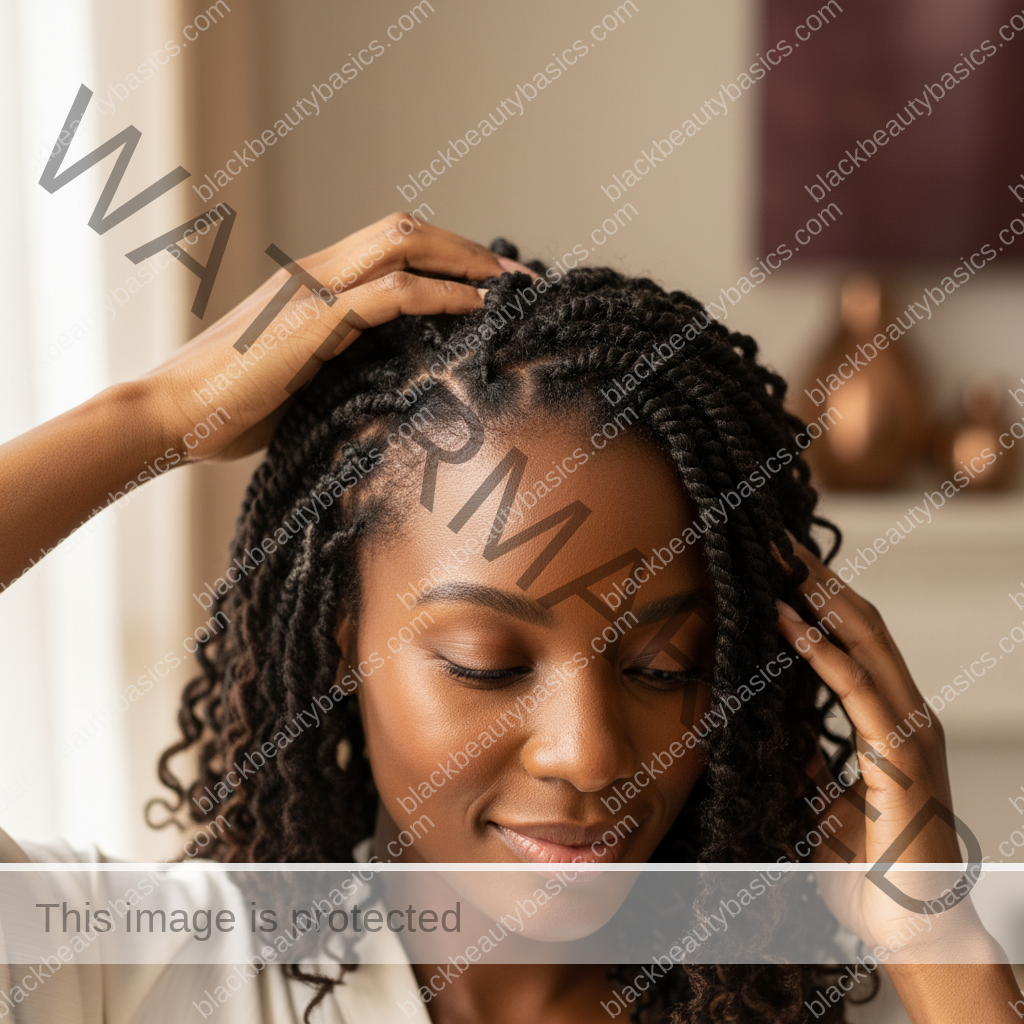
The journey to radiant hair begins with a healthy, cherished scalp. By understanding the intricate patterns of tenderness, we equip ourselves with the knowledge to nurture our crowns with grace and precision, ensuring that our beauty is not only seen but deeply felt, from root to tip. Embrace this wisdom, and let your scalp thrive, a testament to the enduring elegance of Black beauty.
Related next steps
Related posts:
 Flaky Scalp vs Dry Scalp vs Dandruff on Black Women
 Understanding CCCA Patterns and Early Cues in Black Women
 Does Scalp Massage Help Hair Growth or Just Scalp Comfort?
 Common Flare Patterns and Body Areas in Black Women and Children
 Triggers and Flare Patterns in Black Women with Psoriasis and Hidradenitis Suppurativa
 A Calm Scalp Routine for Black Women Wearing Wigs Regularly