Our crowns, rich with texture and history, are a testament to our strength and beauty. Yet, sometimes, even the most magnificent tresses can be overshadowed by an unwelcome guest: an irritated scalp. For Black women, understanding the nuances of scalp health—distinguishing between a dry scalp, a flaky scalp, and dandruff—is not just about aesthetics; it’s about preserving the vitality of our hair and honoring the sacred space it grows from. Start with the related BBB scalp-health cluster guide if you want the broader map.
The Crown’s Foundation: Understanding Scalp Health for Black Women
The journey to vibrant, thriving hair begins at the scalp. For Black women, whose hair textures range from delicate waves to resilient coils, the scalp’s health is paramount. Our unique hair structure and common styling practices mean our scalps can be particularly susceptible to issues that manifest as flaking, itching, or discomfort. Navigating the world of scalp care can feel daunting, especially when the symptoms of various conditions seem to overlap. Is it merely dryness, or something more? This comprehensive guide will empower you to discern the subtle yet significant differences between a dry scalp, a flaky scalp, and dandruff, equipping you with the knowledge to nurture your crown with precision and pride.
Why Scalp Health is Crucial for Melanin-Rich Hair
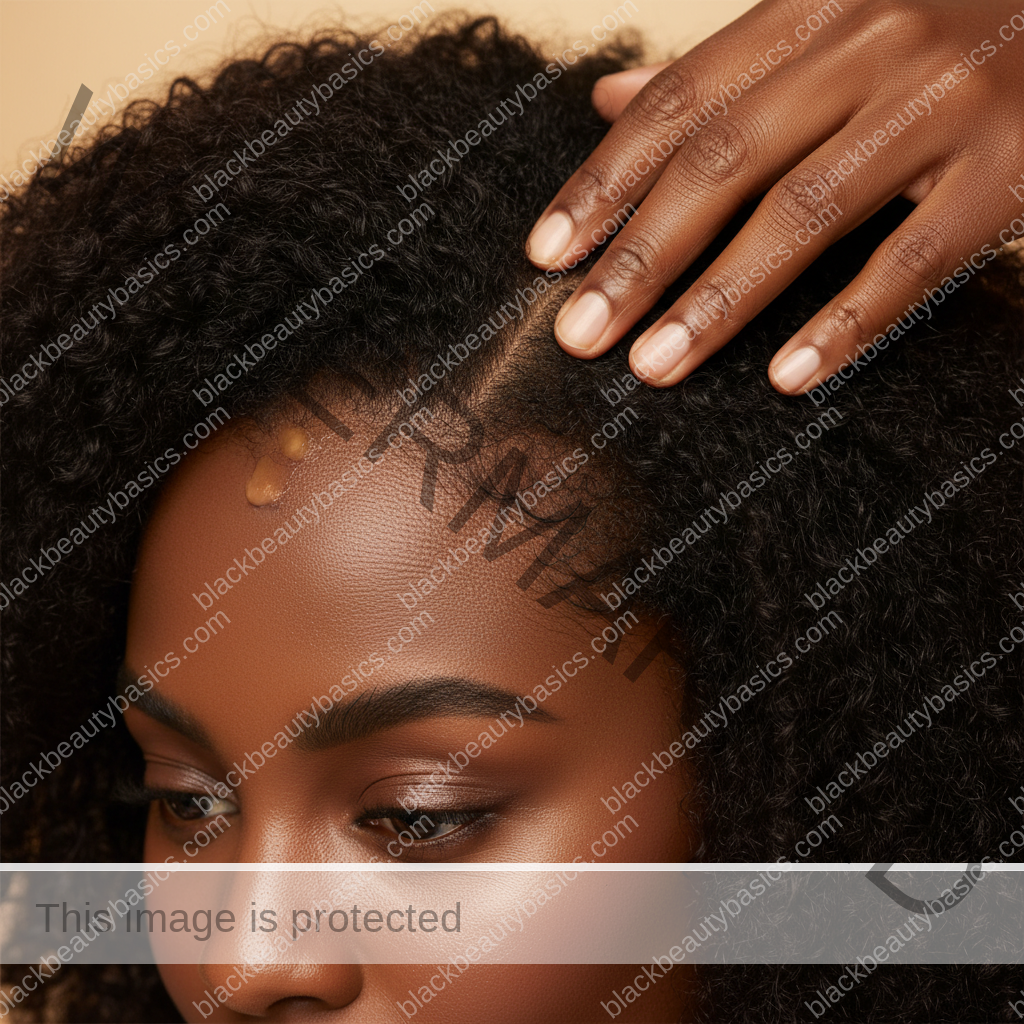
Our hair is a reflection of our heritage, a canvas for self-expression, and a vital part of our identity. But beneath the surface, the scalp is the living soil from which our hair blossoms. A healthy scalp provides the optimal environment for hair growth, ensuring follicles are nourished and free from inflammation. When the scalp is compromised, it can lead to a cascade of issues, from stunted growth and breakage to more severe conditions like traction alopecia or CCCA, which disproportionately affect Black women.
Understanding the specific needs of our scalp is the first step in preventative care. Factors such as product buildup, tension from protective styles, environmental stressors, and even genetics play a significant role. By demystifying common scalp conditions, we can move beyond simply treating symptoms and instead cultivate a holistic approach to scalp wellness that supports the long-term health and beauty of our hair.
Deciphering the Differences: Dry Scalp vs. Flaky Scalp vs. Dandruff
The terms “dry scalp,” “flaky scalp,” and “dandruff” are often used interchangeably, leading to confusion and ineffective treatment. While they share the common symptom of visible flakes, their underlying causes and recommended remedies are distinct. Let’s break down each condition with the clarity and insight you deserve.
Dry Scalp: When Your Scalp Thirsts for Moisture
A dry scalp is precisely what it sounds like: a scalp that lacks sufficient moisture. This condition is akin to dry skin anywhere else on your body. When the scalp’s natural oils (sebum) are insufficient, or when moisture is stripped away, the skin becomes parched, leading to tightness, itching, and fine, white flakes that are typically small and fall off easily.
Causes of Dry Scalp in Black Women:
- Insufficient Sebum Production: While our hair tends to be naturally drier due to its coiled structure, some individuals naturally produce less sebum.
- Harsh Shampoos: Sulfates and other strong detergents can strip the scalp of its natural oils, leaving it dehydrated. Shop Sulfate-Free Shampoos on Amazon
- Over-Washing: Frequent washing, especially with hot water, can deplete the scalp’s moisture barrier.
- Environmental Factors: Dry air, cold weather, and low humidity can draw moisture from the scalp.
- Lack of Hydration: Not drinking enough water can impact overall skin hydration, including the scalp.
- Product Buildup: While often associated with oiliness, heavy product buildup can sometimes prevent the scalp from breathing and maintaining its natural moisture balance.
Symptoms of Dry Scalp:
- Tightness and discomfort
- Itching (often mild to moderate)
- Small, fine white flakes that are easily brushed off
- Dull, brittle hair (due to lack of moisture)
- No redness or inflammation (typically)
Remedies for Dry Scalp:
- Gentle Cleansing: Opt for moisturizing, sulfate-free shampoos and conditioners. Shop Moisturizing Shampoos on Amazon
- Deep Conditioning: Incorporate regular deep conditioning treatments to infuse moisture into both hair and scalp. Shop Deep Conditioners on Amazon
- Scalp Oils & Serums: Apply lightweight, nourishing oils (like jojoba, argan, or olive oil) directly to the scalp to replenish moisture. Shop Scalp Oils on Amazon
- Humidifiers: Use a humidifier in your home, especially during dry seasons.
- Hydration: Drink plenty of water to hydrate from within.
- Minimize Heat: Reduce the use of hot water and heat styling tools.
Flaky Scalp: A Symptom, Not a Condition
A “flaky scalp” is more of a descriptive symptom rather than a distinct condition itself. It simply means that your scalp is shedding visible flakes. These flakes could be due to a dry scalp, dandruff, or even other underlying dermatological conditions. When someone says they have a “flaky scalp,” it’s crucial to investigate further to determine the root cause.
Common Causes of a Flaky Scalp:
- Dry Scalp: As discussed, lack of moisture leads to small, fine flakes.
- Dandruff (Seborrheic Dermatitis): This is a common inflammatory condition that produces larger, yellowish, oily flakes.
- Product Buildup: Residue from styling products, gels, mousses, or even conditioners can accumulate, dry out, and flake off, mimicking other conditions. Shop Clarifying Shampoos on Amazon
- Psoriasis: A chronic autoimmune condition that causes thick, silvery scales and red patches.
- Eczema (Atopic Dermatitis): Can cause dry, itchy, inflamed patches on the scalp.
- Contact Dermatitis: An allergic reaction to a product ingredient, leading to redness, itching, and flaking.
Symptoms of a Flaky Scalp:
- Visible flakes on the scalp, hair, or clothing.
- May or may not be accompanied by itching, redness, or irritation, depending on the underlying cause.
Remedies for a Flaky Scalp:
Since “flaky scalp” is a symptom, the remedy depends entirely on the underlying cause. It requires careful observation and, sometimes, professional diagnosis.
- Identify the Cause: Pay attention to other symptoms (itching, redness, oiliness, flake size/color) to narrow down the possibilities.
- Product Detox: If product buildup is suspected, use a clarifying shampoo to reset the scalp.
- Consult a Dermatologist: If flakes are persistent, accompanied by severe itching, redness, or thick scales, seek professional medical advice.
Dandruff (Seborrheic Dermatitis): The Inflammatory Culprit
Dandruff, scientifically known as seborrheic dermatitis, is a common chronic inflammatory condition of the scalp. Unlike a dry scalp, dandruff is not caused by a lack of moisture but by an overgrowth of a yeast-like fungus called Malassezia globosa, which naturally lives on the scalp. When this fungus proliferates, it irritates the scalp, leading to accelerated skin cell turnover. These excess skin cells clump together with sebum, forming the characteristic oily, yellowish, and often larger flakes associated with dandruff.
Dandruff is often exacerbated by oily scalps, stress, hormonal changes, and certain medical conditions. It’s also important to note that while Malassezia is a natural inhabitant, an overgrowth can be triggered by various factors, including infrequent washing or using products that create an ideal environment for its proliferation.
Causes of Dandruff in Black Women:
- Malassezia Overgrowth: The primary culprit, thriving in oily environments.
- Oily Scalp: Excess sebum provides food for Malassezia.
- Infrequent Washing: Allows oil and skin cells to accumulate, creating a breeding ground for yeast.
- Product Buildup: Heavy oils, butters, and styling products can trap oil and dead skin cells, exacerbating the condition.
- Stress & Hormonal Changes: Can impact sebum production and immune response.
- Certain Medical Conditions: Parkinson’s disease, weakened immune systems, etc.
Symptoms of Dandruff:
- Itching (often intense)
- Large, oily, yellowish, or grayish flakes
- Redness and inflammation of the scalp
- Greasy or oily patches on the scalp
- May be worse in certain areas, such as the hairline or behind the ears.
Remedies for Dandruff:
Treating dandruff requires addressing the fungal overgrowth and inflammation. This often involves medicated shampoos and consistent scalp care.
- Medicated Shampoos: Look for shampoos containing active ingredients like zinc pyrithione, selenium sulfide, ketoconazole, or salicylic acid. Shop Dandruff Shampoos on Amazon
- Regular Washing: Wash your hair and scalp regularly (2-3 times a week, or as needed) to prevent oil and cell buildup.
- Scalp Exfoliation: Gentle physical or chemical exfoliants can help remove flakes and product buildup. Shop Scalp Exfoliators on Amazon
- Avoid Heavy Products: Minimize the use of heavy oils and butters directly on the scalp, which can feed the yeast.
- Diet & Lifestyle: Manage stress, maintain a balanced diet, and ensure adequate sleep.
- Dermatologist Consultation: If over-the-counter treatments are ineffective, a dermatologist can prescribe stronger medications.
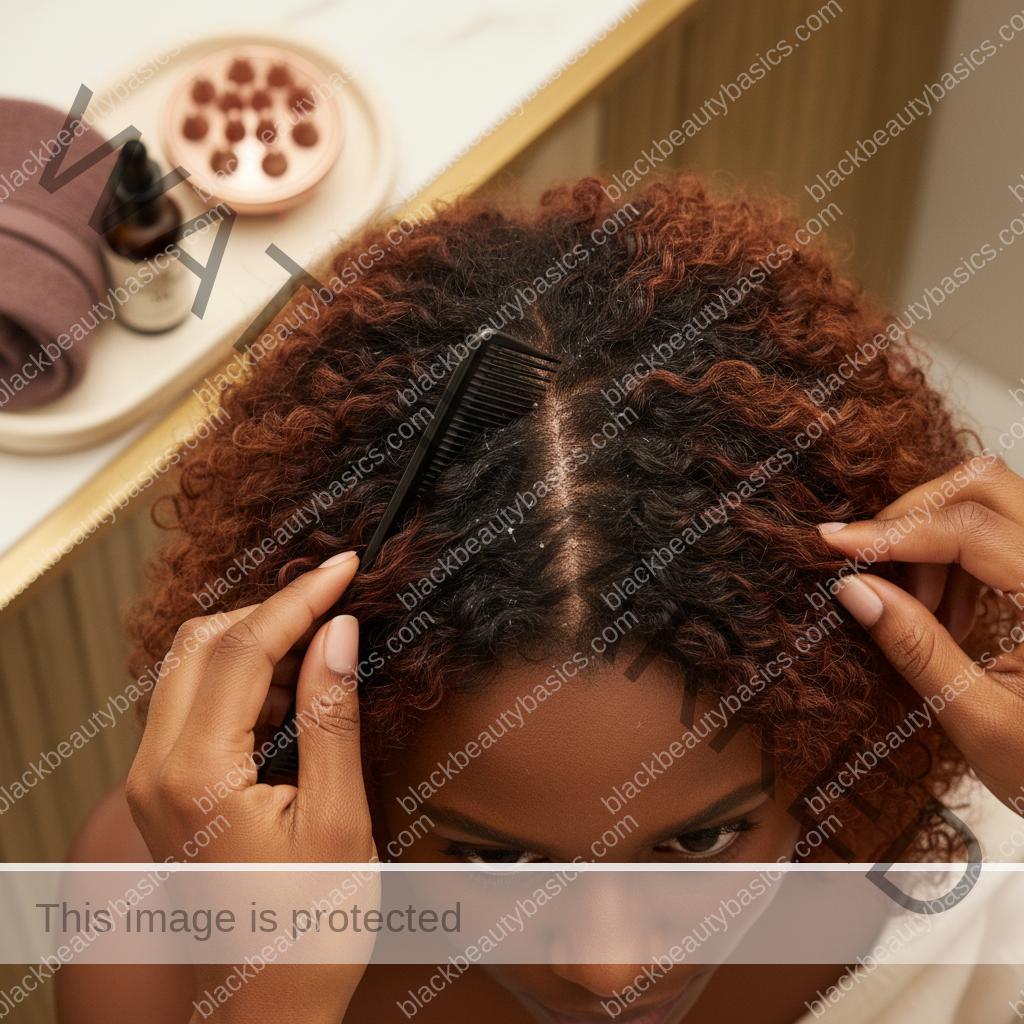
Comparison Table: Dry Scalp vs. Dandruff
| Feature | Dry Scalp | Dandruff (Seborrheic Dermatitis) |
|---|---|---|
| Primary Cause | Lack of moisture/sebum | Overgrowth of Malassezia yeast, excess oil |
| Flake Appearance | Small, fine, white, dry | Larger, oily, yellowish/grayish |
| Itching Level | Mild to moderate | Moderate to intense |
| Scalp Appearance | Tight, dry, sometimes dull | Red, inflamed, greasy patches |
| Hair Appearance | Dull, brittle, lacks luster | May appear oily at the roots |
| Underlying Issue | Dehydration of the skin | Inflammatory response to yeast |
| Common Triggers | Harsh shampoos, dry air, infrequent hydration | Infrequent washing, stress, oily scalp, product buildup |
| Typical Treatment | Moisturizing shampoos, scalp oils, hydration | Medicated shampoos (antifungal), regular washing, scalp exfoliants |
Nurturing Your Crown: A Holistic Approach to Scalp Wellness
Beyond identifying the specific condition, cultivating a healthy scalp involves a holistic approach that considers your hair type, lifestyle, and unique needs. For Black women, our hair care routines are often intricate, and every step, from cleansing to styling, can impact scalp health.
Cleansing Rituals for a Healthy Scalp
The foundation of scalp health begins with proper cleansing. This isn’t just about removing dirt; it’s about creating a balanced environment.
- Choose Wisely: Opt for sulfate-free, moisturizing shampoos that cleanse without stripping. If you have dandruff, rotate with a medicated shampoo. Shop Sulfate-Free Shampoos for Natural Hair on Amazon
- Frequency Matters: While some believe Black hair doesn’t need frequent washing, this can be detrimental to scalp health, especially for those prone to dandruff or product buildup. Aim for once a week, or every 10-14 days at minimum, adjusting based on your activity level and product usage.
- Gentle Massage: Use the pads of your fingertips (not nails) to gently massage the shampoo into your scalp. This stimulates circulation and helps lift away impurities.
- Rinse Thoroughly: Ensure all product is completely rinsed from your scalp and hair to prevent buildup.
Moisture & Nourishment: The Elixir for Your Scalp
Just as our bodies need hydration, so too does our scalp. This is particularly vital for dry scalps, but even dandruff-prone scalps benefit from balanced moisture.
- Leave-In Conditioners: Apply a lightweight leave-in conditioner to your hair, focusing on the lengths, but ensure it doesn’t heavily coat the scalp if you’re prone to oiliness. Shop Leave-In Conditioners on Amazon
- Scalp Serums & Tonics: These targeted treatments can deliver active ingredients directly to the scalp, whether for hydration, soothing irritation, or stimulating growth. Shop Scalp Serums on Amazon
- Light Oils: For dry scalps, a few drops of jojoba, argan, or grapeseed oil can provide relief. For dandruff, avoid heavy oils that can exacerbate yeast growth; instead, opt for lighter, antimicrobial oils like tea tree (diluted) or peppermint. Shop Lightweight Scalp Oils on Amazon
Styling Practices & Product Awareness
Our styling choices profoundly impact scalp health. Be mindful of tension, product ingredients, and buildup.
- Protective Styles: While beneficial for hair length retention, ensure braids, weaves, and twists are not too tight. Excessive tension can lead to traction alopecia and scalp irritation.
- Product Buildup: Heavy creams, gels, and butters can accumulate on the scalp, clogging follicles and creating an environment for yeast overgrowth or irritation. Use them sparingly and ensure regular cleansing.
- Ingredient Check: Be aware of ingredients that might irritate your scalp. Fragrances, certain alcohols, and dyes can be problematic for sensitive scalps.
- Scalp Massagers: Incorporate a gentle scalp massager during shampooing or when applying oils to stimulate blood flow and aid product penetration. Shop Scalp Massagers on Amazon
The Internal Connection: Diet, Hydration, and Stress
True beauty radiates from within. Your diet, hydration levels, and stress management directly influence your scalp and hair health.
- Nutrient-Rich Diet: Consume foods rich in Omega-3 fatty acids (salmon, flaxseed), vitamins A, C, E, and B vitamins (biotin), and minerals like zinc and iron. These support healthy skin and hair growth.
- Hydration: Drink plenty of water throughout the day. A well-hydrated body means a well-hydrated scalp.
- Stress Management: Chronic stress can exacerbate many skin conditions, including dandruff and eczema. Incorporate stress-reducing practices like meditation, yoga, or spending time in nature.
When to Seek Professional Guidance
While many scalp issues can be managed at home, there are times when professional intervention is necessary. If you experience persistent itching, severe redness, painful sores, hair loss, or if over-the-counter treatments are not effective, consult a board-certified dermatologist. They can accurately diagnose underlying conditions like psoriasis, eczema, or fungal infections and provide tailored treatment plans, including prescription medications if needed. Early intervention is key, especially for conditions that can lead to permanent hair loss, such as Central Centrifugal Cicatricial Alopecia (CCCA), which often begins with scalp inflammation and itching.
Tip List: Your Scalp Health Checklist
- Identify Your Scalp Type: Is it dry, oily, or balanced? This informs your product choices.
- Read Ingredient Labels: Avoid harsh sulfates, parabens, and excessive fragrances if you have a sensitive scalp.
- Cleanse Regularly: Find a washing schedule that works for your scalp without over-stripping or allowing excessive buildup.
- Moisturize Your Scalp: Use lightweight oils or serums if your scalp is dry.
- Exfoliate Gently: Incorporate a gentle scalp scrub or chemical exfoliant once a month to remove dead skin cells and buildup. Shop Gentle Scalp Scrubs on Amazon
- Avoid Over-Styling: Minimize tension from tight styles and excessive heat.
- Protect Your Scalp: Wear a satin or silk bonnet/scarf at night to prevent moisture loss and friction. Shop Satin Bonnets on Amazon
- Hydrate from Within: Drink ample water and maintain a balanced diet.
- Manage Stress: Find healthy outlets for stress to support overall well-being.
- Consult a Professional: Don’t hesitate to see a dermatologist for persistent or severe scalp issues.
How to notice the pattern without diagnosing yourself
For Black women with textured hair, scalp and hair-loss concerns can be emotionally loaded because they often sit at the intersection of styling, identity, health, and being dismissed. This guide focuses on comparing flakes, dryness, oiliness, itch, irritation, wash cadence, and when to ask a professional, while keeping the related BBB scalp-health cluster as the home base. The goal is not to diagnose yourself from a mirror. The goal is to notice patterns clearly enough to choose safer next steps.
Start with the timeline. Did the change begin after a new style, product, postpartum season, illness, medication change, stressful period, or scalp flare? Did it show up at the edges, crown, hairline, part, or all over? Is there pain, itch, flaking, bumps, tenderness, odor, bleeding, scaling, or smooth shiny areas? These details matter because different patterns need different care.
The safest home routine is usually the one that lowers tension, reduces irritation, and keeps the scalp clean without aggressive scraping. If a symptom is painful, spreading, scarring, repeatedly returning, or connected to visible thinning, professional care matters. Early documentation can help a dermatologist, primary care clinician, or other qualified professional see the pattern more clearly.
What to track gently
- Location: edges, crown, hairline, part, nape, or all over.
- Timing: new style, postpartum shift, cycle change, illness, product, or stress season.
- Sensations: tenderness, burning, itching, tightness, soreness, or pain.
- Visible signs: flakes, bumps, redness that may look subtle on brown skin, thinning, or broken hairs.
- When the pattern improves or worsens.
What usually makes scalp concerns harder to read
The first challenge is tension. Tight braids, ponytails, wigs, sew-ins, loc maintenance, edge styling, and repeated parting can make it harder to tell whether the scalp is reacting to the style, an underlying condition, or both. That does not mean protective styles are bad. It means comfort and scalp access need to be part of the plan.
The second challenge is product layering. Oils, gels, sprays, dry shampoo, edge control, medicated products, and sweat can build up together. A scalp can be dry and still have residue. It can itch from buildup, irritation, inflammation, or a condition that needs professional treatment. Scratching harder does not solve that confusion; it can create more irritation.
The third challenge is waiting too long because you do not want to be dramatic. You are allowed to ask questions early. You are allowed to document a change before it becomes severe. And you are allowed to want care that understands textured hair instead of telling you to abandon your whole beauty routine without nuance.
What to do next
Keep this article connected to the Scalp Health, CCCA & Hair Loss system. Use the related guides below to decide whether your next step is tension reduction, scalp-routine adjustment, pattern tracking, or professional evaluation.
- Scalp Health, CCCA & Hair Loss
- The related scalp-health cluster guide
- scalp conditions on Black women
- scalp-focused routines
- scalp psoriasis on dark skin
Frequently Asked Questions About Scalp Health for Black Women
Q1: Can product buildup cause flakes that look like dandruff?
A: Absolutely. Product buildup from heavy creams, gels, and oils can dry on the scalp and flake off, often mimicking the appearance of dry scalp flakes or even dandruff. These flakes tend to be white or grayish and can be accompanied by itching. A clarifying shampoo or a gentle scalp scrub can help remove this buildup and clarify the scalp. Regular, thorough cleansing is key to preventing this.
Q2: Is it true that Black women shouldn’t wash their hair frequently?
A: This is a common misconception that can unfortunately lead to scalp issues. While Black hair textures can be prone to dryness and don’t always require daily washing, infrequent washing (e.g., once a month or less) can lead to significant product buildup, oil accumulation, and an environment conducive to bacterial or fungal overgrowth, exacerbating conditions like dandruff. The ideal frequency varies per individual, but most Black women benefit from washing their hair and scalp thoroughly every 7-14 days, or more often if they exercise frequently or use heavy styling products. Focus on gentle, moisturizing cleansers.
Q3: Can stress cause or worsen dry scalp or dandruff?
A: Yes, stress is a significant factor. While stress doesn’t directly cause dry scalp or dandruff, it can certainly exacerbate existing conditions. Stress can trigger hormonal fluctuations that increase sebum production (worsening dandruff) or weaken the immune system, making the scalp more susceptible to inflammation and fungal overgrowth. It can also lead to habits like scratching, which further irritate the scalp. Managing stress through mindfulness, exercise, and adequate sleep is crucial for overall scalp health.
Q4: Are there specific ingredients in hair products that Black women should avoid for scalp health?
A: For optimal scalp health, especially if you’re prone to dryness or sensitivity, it’s generally advisable to avoid products with harsh sulfates (like Sodium Lauryl Sulfate or Sodium Laureth Sulfate), which can strip natural oils. Also, be mindful of heavy mineral oils and petroleum jelly if you have an oily or dandruff-prone scalp, as they can clog pores and feed yeast. Excessive fragrances, dyes, and some alcohols (especially drying alcohols like ethanol or isopropyl alcohol) can also be irritating for sensitive scalps. Always check ingredient lists and opt for nourishing, gentle formulations.
Q5: Can diet affect my scalp health?
A: Absolutely. Your diet plays a vital role in the health of your skin, including your scalp. A diet rich in anti-inflammatory foods, omega-3 fatty acids (found in fish, flaxseed), antioxidants (fruits, vegetables), and essential vitamins and minerals (like zinc, biotin, and vitamins A, C, E) can promote a healthy scalp environment. Conversely, a diet high in processed foods, sugar, and unhealthy fats can contribute to inflammation and potentially worsen conditions like dandruff or eczema.
Q6: What’s the difference between a scalp scrub and a clarifying shampoo?
A: Both aim to cleanse the scalp deeply, but they work differently. A clarifying shampoo uses stronger detergents to remove product buildup, excess oil, and impurities from the hair and scalp. It’s typically used less frequently than regular shampoo. A scalp scrub, on the other hand, often contains physical exfoliants (like sugar, salt, or fine beads) or chemical exfoliants (like salicylic acid or AHAs) to physically or chemically slough off dead skin cells, flakes, and buildup directly from the scalp surface. Scalp scrubs provide a deeper exfoliation and can be particularly beneficial for flaky scalps or those with significant buildup, but should be used gently and sparingly.
Q7: How can I tell if my flakes are from dry scalp or dandruff if I’m not sure?
A: Observe the characteristics of your flakes and scalp.
- Dry Scalp: Flakes are usually small, fine, white, and dry. Your scalp will likely feel tight and dry, and there’s typically no redness or inflammation. The itching is usually mild.
- Dandruff: Flakes tend to be larger, oily, and may appear yellowish or grayish. Your scalp might look red, inflamed, or greasy in patches, and the itching is often more intense.
If you’re still unsure after observing for a few weeks, or if symptoms are severe, consult a dermatologist for an accurate diagnosis.
Understanding the intricate dance between a dry scalp, a flaky scalp, and dandruff is a powerful step in your journey toward ultimate scalp and hair wellness. Armed with this knowledge, you are now equipped to make informed choices, selecting products and practices that truly nourish your unique crown. Remember, your hair is an extension of your legacy, and a healthy scalp is its vibrant foundation. Embrace the ritual of care, listen to your body, and let your magnificent melanin-rich tresses flourish, reflecting the strength and beauty that is inherently yours.
Related next steps
Related posts:
 Dry Scalp vs Dandruff on Melanin-Rich Scalps: Understanding Your Flakes
 Dandruff and Seborrheic Dermatitis in Black Women: Your Comprehensive Scalp Care Plan
 Does Scalp Massage Help Hair Growth or Just Scalp Comfort?
 As I Am Dry & Itchy Scalp Care Olive & Tea Tree Oil Shampoo Review
 As I Am Dry & Itchy Scalp Care Conditioner Review
 A Calm Scalp Routine for Black Women Wearing Wigs Regularly