The crown we wear, our hair, is more than just strands; it is a legacy, a statement, an intimate part of our identity as Black women. When its abundance begins to wane, especially due to an invisible adversary like PCOS, the emotional toll can be profound, shaking the very foundation of our confidence and self-perception. But know this, beloved: you are not alone, and this journey, though challenging, is one we will navigate together with grace, knowledge, and unwavering resilience. Start with the related BBB scalp-health cluster guide if you want the broader map.
Unveiling the Silent Struggle: PCOS and Hair Thinning in Black Women
For far too long, the unique health challenges faced by Black women have been overlooked, dismissed, or misunderstood within the broader medical and beauty landscapes. Polycystic Ovary Syndrome (PCOS) is a prime example of this disparity, affecting an estimated 6-12% of women of reproductive age globally, with Black women often experiencing more severe symptoms and facing greater diagnostic delays. Among these myriad symptoms, hair thinning – particularly androgenic alopecia, or female pattern hair loss – stands as one of the most distressing and visible manifestations, impacting not just our physical appearance but our very spirit.
This comprehensive guide from Black Beauty Basics is dedicated to illuminating the intricate connection between PCOS and hair thinning specifically within our community. We aim to empower you with knowledge, offer actionable strategies, and foster a sense of shared understanding. We will delve into the science, demystify the symptoms, explore culturally relevant treatment options, and provide a holistic framework for managing this condition with dignity and strength. Our goal is to transform moments of despair into opportunities for self-care, advocacy, and renewed hope for your beautiful crown.
Understanding PCOS: More Than Just Ovarian Cysts
PCOS is a complex endocrine disorder characterized by a hormonal imbalance, particularly an excess of androgens (male hormones like testosterone). While its name suggests a primary focus on ovarian cysts, these are not always present, and the syndrome encompasses a broader range of metabolic and reproductive issues. The diagnostic criteria, often referred to as the Rotterdam criteria, typically require at least two of the following:
- Irregular or absent periods (oligomenovulation or anovulation)
- Evidence of elevated androgens (clinical signs like hirsutism, acne, or androgenic alopecia, or biochemical evidence through blood tests)
- Polycystic ovaries on ultrasound (though not strictly necessary if other criteria are met)
The exact cause of PCOS remains unknown, but it is believed to be a combination of genetic and environmental factors. Insulin resistance plays a significant role in many individuals with PCOS, leading to higher insulin levels, which in turn can stimulate the ovaries to produce more androgens.
The Disproportionate Impact on Black Women
Research indicates that Black women are often diagnosed with PCOS later in life, experience more severe symptoms, and have a higher prevalence of insulin resistance and obesity associated with the syndrome. This can lead to a more aggressive manifestation of androgenic alopecia, making early diagnosis and culturally competent care even more crucial. The unique hair textures and styling practices prevalent in our community also add another layer of complexity when addressing hair loss and regrowth.
The Hair Loss Connection: How PCOS Impacts Your Crown
The elevated androgen levels characteristic of PCOS are the primary culprits behind hair thinning. These hormones, particularly dihydrotestosterone (DHT), can wreak havoc on hair follicles in genetically predisposed individuals, leading to a process known as follicular miniaturization. This is distinct from other forms of hair loss and has specific patterns.
Androgenic Alopecia: The PCOS Signature
Androgenic alopecia, or female pattern hair loss (FPHL), is the most common type of hair loss associated with PCOS. Unlike male pattern baldness, which often presents as a receding hairline and bald spot, FPHL in women typically manifests as:
- Diffuse thinning: A general reduction in hair density across the scalp.
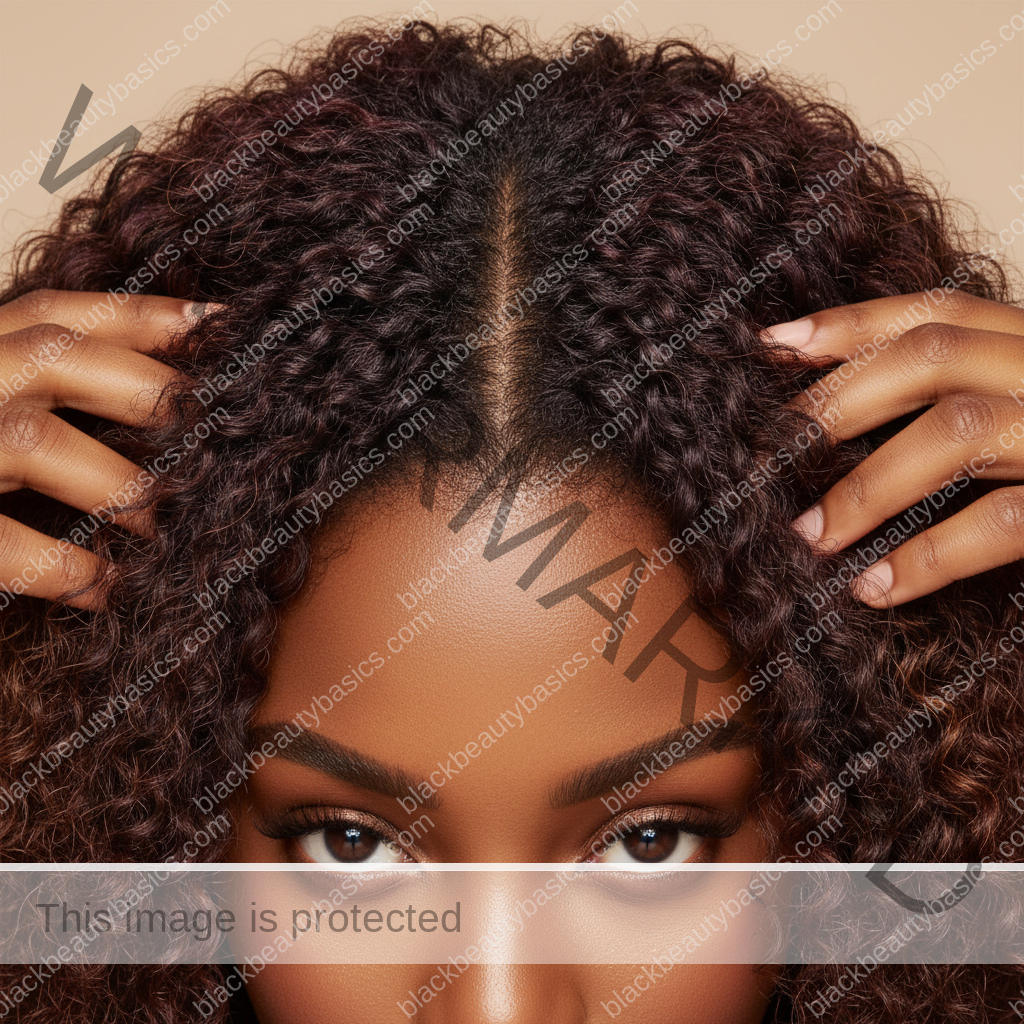
- Widening of the part: The central part of the hair becomes noticeably wider, revealing more scalp.
- Christmas tree pattern: The thinning is more pronounced at the front and gradually tapers towards the crown, resembling a Christmas tree shape.
- Preservation of the frontal hairline: The hairline at the temples usually remains intact, unlike in male pattern baldness.
The DHT hormone binds to androgen receptors in the hair follicles, shortening the anagen (growth) phase and prolonging the telogen (resting) phase. Over time, the follicles shrink, producing finer, shorter, and lighter hairs until they eventually cease production altogether. This process is gradual, making early intervention key to preserving existing hair and stimulating regrowth.
Beyond Androgens: Other Contributing Factors
While androgens are central, other factors exacerbated by PCOS can contribute to hair thinning:
- Insulin Resistance: High insulin levels can indirectly increase androgen production and impact scalp health.
- Inflammation: Chronic low-grade inflammation, common in PCOS, can negatively affect hair follicle health.
- Nutrient Deficiencies: PCOS can sometimes be associated with deficiencies in essential nutrients like iron, zinc, and biotin, all crucial for healthy hair growth.
- Stress: The emotional burden of PCOS and hair loss itself can contribute to telogen effluvium (stress-induced shedding), further exacerbating thinning.
Diagnosis and Early Intervention: Your Path to Understanding
The first step in managing PCOS-related hair thinning is an accurate diagnosis. This often requires a collaborative approach between your primary care physician, an endocrinologist, and potentially a dermatologist specializing in hair and scalp disorders. Don’t hesitate to advocate for yourself and seek out providers who are knowledgeable about PCOS and its manifestations in Black women.
What to Expect During Diagnosis
- Medical History: A detailed discussion of your menstrual cycles, hair loss patterns, family history, and other symptoms.
- Physical Examination: Assessment for signs of androgen excess (hirsutism, acne), hair thinning patterns, and overall health.
- Blood Tests: To measure hormone levels (testosterone, DHEA-S, LH, FSH, prolactin), insulin, glucose, and thyroid function, as well as nutrient levels (ferritin, vitamin D).
- Pelvic Ultrasound: To check for polycystic ovaries, though as mentioned, this isn’t always definitive for a PCOS diagnosis.
- Scalp Biopsy: In some cases, a small scalp biopsy may be performed to differentiate androgenic alopecia from other forms of hair loss.
Early diagnosis is paramount because follicular miniaturization, if left unchecked, can become irreversible. The sooner you begin treatment, the better your chances of preserving existing hair and stimulating new growth.
Holistic Management: Nurturing Your Body and Crown
Addressing PCOS-related hair thinning requires a multi-faceted approach that targets the root causes of the hormonal imbalance while also supporting hair health directly. This isn’t just about topical treatments; it’s about a fundamental shift towards holistic well-being.
Medical Interventions: Working with Your Healthcare Provider
Your doctor may recommend a combination of medications to manage PCOS symptoms and directly address hair loss.
- Anti-Androgens: Medications like spironolactone or finasteride can block the effects of androgens on hair follicles. Spironolactone is often a first-line treatment for FPHL in PCOS, as it reduces testosterone production and blocks androgen receptors.
Shop Spironolactone on Amazon (Note: This is a prescription medication and cannot be purchased directly on Amazon without a prescription. This link is for informational purposes for related products.) - Oral Contraceptives (Birth Control Pills): These can help regulate menstrual cycles and reduce androgen levels by increasing sex hormone-binding globulin (SHBG), which binds to free testosterone.
Shop Birth Control Pills on Amazon (Note: This is a prescription medication and cannot be purchased directly on Amazon without a prescription. This link is for informational purposes for related products.) - Insulin Sensitizers: Metformin, for example, can improve insulin resistance, which in turn may help lower androgen levels.
Shop Metformin on Amazon (Note: This is a prescription medication and cannot be purchased directly on Amazon without a prescription. This link is for informational purposes for related products.) - Minoxidil (Rogaine): This topical treatment is FDA-approved for FPHL and works by prolonging the anagen phase of hair growth and enlarging miniaturized follicles. It’s available over-the-counter in 2% and 5% solutions or foams.
Shop Minoxidil for Women on Amazon - Platelet-Rich Plasma (PRP): A newer treatment where a concentration of your own platelets is injected into the scalp to stimulate hair growth. This is an in-office procedure.
Nutritional Powerhouses: Fueling Your Follicles from Within
Diet plays a pivotal role in managing PCOS and supporting hair health. An anti-inflammatory, low-glycemic diet can significantly improve insulin sensitivity and reduce androgen levels.
- Prioritize Whole Foods: Focus on lean proteins, complex carbohydrates, healthy fats, and an abundance of fruits and vegetables.
Shop Whole Foods Cookbooks on Amazon - Omega-3 Fatty Acids: Found in fatty fish (salmon, mackerel), flaxseeds, and walnuts, these reduce inflammation and support overall health.
Shop Omega-3 Supplements on Amazon - Zinc: Essential for hormone regulation and hair tissue growth and repair. Found in pumpkin seeds, lentils, and chickpeas.
Shop Zinc Supplements on Amazon - Biotin: A B vitamin often touted for hair growth, though its efficacy for non-deficient individuals is debated. It’s still a good general hair health supplement.
Shop Biotin Supplements on Amazon - Iron: Iron deficiency (anemia) can cause hair loss. Ensure adequate intake, especially if you have heavy periods.
Shop Iron Supplements on Amazon - Vitamin D: Many women with PCOS are deficient in Vitamin D, which plays a role in hair follicle cycling.
Shop Vitamin D Supplements on Amazon - Inositol (Myo-inositol and D-chiro-inositol): These compounds have shown promise in improving insulin sensitivity and ovarian function in women with PCOS, potentially impacting androgen levels.
Shop Inositol Supplements for PCOS on Amazon
Lifestyle Adjustments: Cultivating Inner Harmony
Beyond diet and medication, lifestyle choices significantly impact PCOS management and hair health.
- Regular Exercise: Helps improve insulin sensitivity, manage weight, and reduce stress. Aim for a mix of cardio and strength training.
Shop Home Exercise Equipment on Amazon - Stress Management: Chronic stress elevates cortisol, which can worsen PCOS symptoms. Incorporate practices like meditation, yoga, or deep breathing.
Shop Meditation Books on Amazon - Adequate Sleep: Prioritize 7-9 hours of quality sleep to support hormone regulation and overall well-being.
Shop Natural Sleep Aids on Amazon - Weight Management: Even a modest weight loss (5-10%) can significantly improve PCOS symptoms, including androgen levels.
Shop Healthy Weight Loss Books on Amazon
Hair Care Strategies for Thinning Hair: Nurturing Your Strands
While addressing the internal causes of PCOS-related hair thinning, it’s equally important to adopt a gentle and supportive external hair care regimen. Our textured hair requires specific attention to minimize breakage and maximize the health of existing strands.
Gentle Cleansing and Conditioning
Harsh shampoos can strip the scalp of natural oils, leading to irritation and further hair fragility. Opt for sulfate-free, moisturizing shampoos and conditioners.
- Sulfate-Free Shampoos: Look for formulas designed for delicate or thinning hair.
Shop Sulfate-Free Shampoo for Thinning Hair on Amazon - Deep Conditioners: Regular deep conditioning treatments (1-2 times a week) can strengthen strands and improve elasticity.
Shop Deep Conditioner for Thinning Hair on Amazon - Co-Washing: For very dry or fragile hair, consider co-washing (conditioning wash) between shampoo days to maintain moisture.
Shop Co-Wash for Natural Hair on Amazon
Scalp Health: The Foundation of Growth
A healthy scalp is paramount for healthy hair growth. Focus on stimulating circulation and keeping the scalp clean and balanced.
- Scalp Massages: Gently massage your scalp daily to increase blood flow to the follicles. Use your fingertips or a scalp massager.
Shop Scalp Massagers on Amazon - Targeted Scalp Serums: Look for serums containing ingredients like peppermint oil, rosemary oil, caffeine, or peptides known to stimulate growth and improve scalp health. Always patch test first.
Shop Scalp Serum for Hair Growth on Amazon - Exfoliating Scalp Treatments: Occasionally, a gentle scalp exfoliant can remove product buildup and dead skin cells, allowing follicles to breathe.
Shop Scalp Exfoliators on Amazon
Protective Styling and Gentle Handling
Minimize tension and manipulation to prevent further breakage, especially in areas prone to thinning.
- Low-Tension Styles: Opt for loose braids, twists, or updos that don’t pull on the scalp. Avoid tight ponytails or buns.
Shop Hair Ties for Natural Hair on Amazon - Satin or Silk Pillowcases/Bonnet: Reduce friction and prevent moisture loss while you sleep.
Shop Satin Pillowcases for Hair on Amazon - Wide-Tooth Combs: Detangle gently from ends to roots on damp, conditioned hair.
Shop Wide-Tooth Combs for Natural Hair on Amazon - Heat Styling: Minimize heat styling. If you must use heat, always use a heat protectant and the lowest effective temperature.
Shop Heat Protectant for Natural Hair on Amazon
Comparison Table: Medical vs. Natural Approaches to PCOS Hair Thinning
Understanding the different avenues for managing PCOS-related hair thinning can help you make informed decisions in consultation with your healthcare provider.
| Feature | Medical Approaches | Natural & Lifestyle Approaches |
|---|---|---|
| Primary Goal | Directly address hormonal imbalance, block androgen effects, stimulate follicle growth. | Improve insulin sensitivity, reduce inflammation, support overall health, optimize nutrient intake. |
| Key Interventions | Anti-androgens (Spironolactone), Oral Contraceptives, Metformin, Minoxidil, PRP. | Low-glycemic diet, regular exercise, stress management, targeted supplements (Inositol, Zinc, Vitamin D), scalp massages. |
| Speed of Results | Often faster, noticeable changes within 3-6 months for hair growth. | Gradual, takes longer (6+ months) for significant hair changes, but offers broader health benefits. |
| Side Effects | Potential for systemic side effects (e.g., dizziness, irregular bleeding, hormonal changes). | Generally fewer side effects, but supplements can interact with medications or cause digestive upset. |
| Cost | Can be high (prescription costs, in-office procedures), often covered by insurance. | Varies (healthy food, gym memberships, supplements), generally out-of-pocket. |
| Best Used For | Moderate to severe hair thinning, when rapid intervention is needed, or lifestyle changes alone are insufficient. | Mild to moderate hair thinning, foundational support for medical treatments, long-term health management. |
| Cultural Alignment | Focus on clinical efficacy, may not consider specific hair textures/styles. | Can be tailored to traditional dietary practices, integrates well with self-care rituals. |
Embracing Your Journey: Confidence and Self-Acceptance
Navigating PCOS-related hair thinning is not just a physical battle; it’s an emotional and psychological one. It’s crucial to acknowledge the feelings of frustration, sadness, or anger that may arise and to cultivate strategies for maintaining your confidence and self-acceptance.
Finding Community and Support
You are not alone. Connecting with other Black women who understand the unique challenges of PCOS and hair loss can be incredibly empowering. Online forums, support groups, and social media communities offer safe spaces to share experiences, ask questions, and celebrate small victories. Black Beauty Basics is committed to fostering such a community, where stories are shared, and spirits are uplifted.
Styling Solutions for Thinning Hair
While you work on regrowth, there are many beautiful ways to embrace and style your hair with confidence.
- Volumizing Products: Mousse, root lifters, and texturizing sprays can create the illusion of fullness.
Shop Volumizing Mousse for Natural Hair on Amazon - Strategic Parting: Experiment with different parts (side part, zig-zag part) to conceal thinning areas.
- Hair Toppers and Wigs: High-quality toppers and wigs designed for Black women offer versatile, protective, and stylish options. They can provide immediate confidence while your natural hair recovers.
Shop Human Hair Wigs for Black Women on Amazon - Scarves and Headwraps: Embrace the elegance and versatility of headwraps. They are a beautiful way to protect your hair, add a pop of color, and express your style.
Shop African Headwraps for Women on Amazon - Hair Fibers: These cosmetic products can instantly make thinning areas appear fuller by clinging to existing hair strands.
Shop Hair Building Fibers on Amazon
Tip List: Daily Hair Care Habits for PCOS-Related Thinning
Integrate these simple yet effective habits into your daily routine to support your hair’s health and growth.
- Gentle Detangling: Always use a wide-tooth comb or your fingers on damp, conditioned hair. Start from the ends and work your way up to minimize breakage.
Shop Detangling Brushes for Natural Hair on Amazon - Scalp Stimulation: Dedicate 5-10 minutes daily to a gentle scalp massage. This increases blood flow, which is vital for follicle health. You can use a stimulating oil like rosemary or peppermint diluted in a carrier oil.
Shop Rosemary Oil for Hair Growth on Amazon - Moisture Retention: Black hair thrives on moisture. Use leave-in conditioners and sealants regularly, especially after washing.
Shop Leave-In Conditioner for Natural Hair on Amazon - Protective Night Care: Always sleep on a satin pillowcase or wear a satin bonnet to prevent friction and moisture loss.
Shop Satin Bonnets for Natural Hair on Amazon - Avoid Over-Manipulation: Limit how often you style or touch your hair. The less manipulation, the less breakage.
Shop Hair Clips for Protective Styles on Amazon - Nutrient-Rich Diet: Focus on whole, unprocessed foods. Incorporate foods rich in iron, zinc, biotin, and omega-3s.
Shop Superfood Powders on Amazon - Hydration: Drink plenty of water throughout the day. Hydration is key for overall health, including hair health.
Shop Insulated Water Bottles on Amazon - Regular Medical Check-ups: Stay consistent with your doctor’s appointments to monitor your PCOS and adjust treatments as needed.
Shop Health Tracker Journals on Amazon
FAQ: Your Questions Answered on PCOS-Related Hair Thinning
Q1: Can PCOS-related hair thinning be reversed completely?
A1: While complete reversal to pre-PCOS hair density can be challenging, significant improvement and regrowth are absolutely possible with consistent and appropriate treatment. Early intervention is key to preventing irreversible follicular miniaturization. A combination of medical therapies, lifestyle changes, and targeted hair care can halt further thinning and stimulate new growth, often leading to a noticeable increase in hair density and thickness. The goal is management and optimization, rather than a full “cure.”
Q2: How long does it take to see results from PCOS hair thinning treatments?
A2: Patience is paramount when treating hair loss. Hair growth is a slow process, and follicles have a natural cycle. Typically, it takes at least 3-6 months of consistent treatment to begin seeing noticeable changes, and often 9-12 months for significant improvement. This applies to both topical treatments like minoxidil and systemic medications that address hormonal imbalances. Lifestyle changes, while crucial, may take even longer to manifest visible hair benefits, but their overall health impact is immediate.
Q3: Are there specific hair products or ingredients that Black women with PCOS should look for or avoid?
A3: For Black women with PCOS-related thinning, focus on products that are gentle, moisturizing, and stimulating. Look for sulfate-free shampoos and conditioners, deep conditioners, and leave-ins. Ingredients like rosemary oil, peppermint oil, caffeine, and peptides in scalp serums can be beneficial. Avoid harsh chemicals, excessive heat, and products that cause buildup or strip natural oils. Always prioritize moisture and gentle handling to prevent additional breakage on already fragile strands. Opt for products designed for sensitive scalps or thinning hair.
Q4: Can stress worsen PCOS-related hair thinning?
A4: Absolutely. Chronic stress can significantly exacerbate hair thinning. Stress elevates cortisol levels, which can further disrupt hormonal balance, potentially worsening PCOS symptoms. Additionally, severe stress can trigger telogen effluvium, a type of hair loss where a large number of hair follicles prematurely enter the resting phase and shed. Managing stress through practices like meditation, yoga, regular exercise, and adequate sleep is a crucial component of a holistic treatment plan for PCOS and hair health.
Q5: What role does diet play in managing PCOS hair thinning?
A5: Diet plays a foundational role. An anti-inflammatory, low-glycemic diet can significantly improve insulin sensitivity, which is a common underlying issue in PCOS that drives androgen production. By stabilizing blood sugar and reducing insulin levels, you can help lower androgen levels, which directly impacts hair thinning. Prioritizing whole, unprocessed foods, lean proteins, healthy fats, and complex carbohydrates, while limiting refined sugars and processed foods, can make a profound difference in both your overall PCOS symptoms and your hair health. Specific nutrients like zinc, iron, vitamin D, and inositol are also vital for hair growth and hormone regulation.
Q6: Is it safe to use hair extensions or wigs while experiencing PCOS hair thinning?
A6: Yes, hair extensions and wigs can be excellent protective styling options, but with important caveats. If using extensions, ensure they are installed without tension on your natural hair or scalp. Avoid styles like tight braids, weaves, or cornrows that pull at the roots, as this can lead to traction alopecia, further exacerbating thinning. Wigs, especially those with breathable caps, can be a fantastic, low-manipulation option. Always prioritize the health of your scalp underneath – keep it clean, moisturized, and free from irritation. Give your natural hair breaks from extensions to breathe and recover.
Q7: When should I consult a dermatologist specializing in hair loss?
A7: You should consult a dermatologist specializing in hair loss (a trichologist) if your hair thinning is significant, rapidly progressing, or if you’re not seeing results from initial treatments. They can accurately diagnose the specific type of hair loss, rule out other causes, and offer advanced treatment options like PRP (Platelet-Rich Plasma) or prescribe stronger topical or oral medications. A dermatologist can also provide tailored advice for your specific hair type and scalp condition, ensuring a comprehensive and effective approach.
Q8: Can natural remedies alone effectively treat PCOS-related hair thinning?
A8: While natural remedies and lifestyle changes (like diet, exercise, and stress management) are incredibly powerful and form the cornerstone of PCOS management, they are often most effective when used in conjunction with medical treatments, especially for moderate to severe hair thinning. Natural approaches can significantly improve underlying hormonal imbalances and support overall hair health, but they may not be potent enough on their own to counteract the strong androgenic effects on hair follicles. A holistic approach that combines medical guidance with natural strategies typically yields the best and most sustainable results.
Dearest one, the journey with PCOS-related hair thinning is deeply personal, yet you are never truly walking it alone. This path, while challenging, is an opportunity to deepen your understanding of your body, to advocate fiercely for your well-being, and to embrace a holistic approach to beauty that begins from within. May you find strength in knowledge, solace in community, and renewed confidence in every strand you nurture. Your crown, in all its evolving glory, remains a testament to your resilience and enduring beauty. Continue to seek, to learn, and to flourish, for your radiance is an undeniable force.
How to notice the pattern without diagnosing yourself
For Black women with textured hair, scalp and hair-loss concerns can be emotionally loaded because they often sit at the intersection of styling, identity, health, and being dismissed. This guide focuses on understanding possible PCOS-linked thinning patterns, scalp changes, medical conversations, and supportive styling, while keeping the related BBB scalp-health cluster as the home base. The goal is not to diagnose yourself from a mirror. The goal is to notice patterns clearly enough to choose safer next steps.
Start with the timeline. Did the change begin after a new style, product, postpartum season, illness, medication change, stressful period, or scalp flare? Did it show up at the edges, crown, hairline, part, or all over? Is there pain, itch, flaking, bumps, tenderness, odor, bleeding, scaling, or smooth shiny areas? These details matter because different patterns need different care.
The safest home routine is usually the one that lowers tension, reduces irritation, and keeps the scalp clean without aggressive scraping. If a symptom is painful, spreading, scarring, repeatedly returning, or connected to visible thinning, professional care matters. Early documentation can help a dermatologist, primary care clinician, or other qualified professional see the pattern more clearly.
What to track gently
- Location: edges, crown, hairline, part, nape, or all over.
- Timing: new style, postpartum shift, cycle change, illness, product, or stress season.
- Sensations: tenderness, burning, itching, tightness, soreness, or pain.
- Visible signs: flakes, bumps, redness that may look subtle on brown skin, thinning, or broken hairs.
- When the pattern improves or worsens.
What usually makes scalp concerns harder to read
The first challenge is tension. Tight braids, ponytails, wigs, sew-ins, loc maintenance, edge styling, and repeated parting can make it harder to tell whether the scalp is reacting to the style, an underlying condition, or both. That does not mean protective styles are bad. It means comfort and scalp access need to be part of the plan.
The second challenge is product layering. Oils, gels, sprays, dry shampoo, edge control, medicated products, and sweat can build up together. A scalp can be dry and still have residue. It can itch from buildup, irritation, inflammation, or a condition that needs professional treatment. Scratching harder does not solve that confusion; it can create more irritation.
The third challenge is waiting too long because you do not want to be dramatic. You are allowed to ask questions early. You are allowed to document a change before it becomes severe. And you are allowed to want care that understands textured hair instead of telling you to abandon your whole beauty routine without nuance.
What to do next
Keep this article connected to the Scalp Health, CCCA & Hair Loss system. Use the related guides below to decide whether your next step is tension reduction, scalp-routine adjustment, pattern tracking, or professional evaluation.
- Scalp Health, CCCA & Hair Loss
- The related scalp-health cluster guide
- hair loss conditions in Black women
- PCOS-related hair changes
- professional scalp care pathways
Related next steps
Related posts:
 How PCOS-Related Thinning Looks on Black Scalps
 PCOS-Linked Hair Thinning and Shedding in Black Women: Understanding the Full Picture
 PCOS-Related Acne Plus Hyperpigmentation Routine Planning
 PCOS Thinning vs Traction Alopecia & CCCA: Distinguishing Hair Loss Patterns on Black Scalps
 Menopause Hair Thinning on Black Women
 Edges Thinning From Wigs and Ponytails: How to Rethink Your Routine