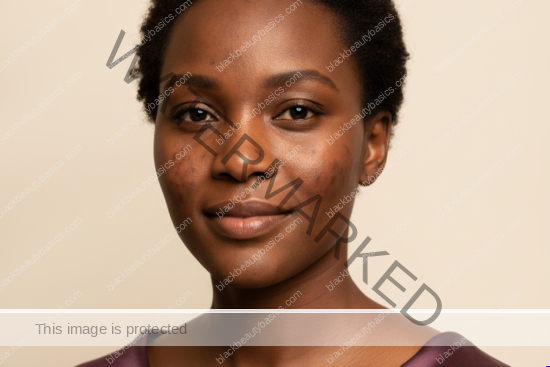
The journey of embracing our skin, in all its magnificent hues and textures, is a profound act of self-love. Yet, for many of us, navigating the complexities of PCOS-related acne and the persistent shadows of hyperpigmentation can feel like an unending challenge, dimming the natural radiance we so deeply cherish. This isn’t just about skincare; it’s about reclaiming our confidence, honoring our bodies, and finding a path to luminous, healthy skin that truly reflects the queen within. Start with the related BBB cluster guide for the broader map.

Embracing Your Skin’s Story: Understanding PCOS and Its Impact on Melanin-Rich Complexions
Polycystic Ovary Syndrome (PCOS) is a hormonal imbalance that affects millions of women worldwide, and its impact on our skin, particularly for African American women, can be uniquely challenging. Beyond the internal health concerns, PCOS often manifests externally through stubborn acne and post-inflammatory hyperpigmentation (PIH), which can leave lasting marks on our beautiful melanin-rich complexions. Understanding the ‘why’ behind these skin concerns is the first empowering step toward effective management and a renewed sense of self.
PCOS is characterized by elevated levels of androgens (male hormones), insulin resistance, and irregular menstrual cycles. These hormonal fluctuations wreak havoc on our skin’s delicate balance. Increased androgen levels stimulate the sebaceous glands to produce excess oil (sebum), leading to clogged pores, inflammation, and the perfect breeding ground for acne bacteria. This type of acne often appears as deep, cystic lesions, particularly along the jawline, chin, and neck – areas commonly referred to as the “hormonal acne zone.”
For African American women, the aftermath of acne is often more pronounced due to our skin’s inherent propensity for hyperpigmentation. Our melanocytes, the cells responsible for producing melanin, are more active and reactive. Any inflammation, trauma, or irritation to the skin – such as that caused by acne – can trigger an overproduction of melanin, resulting in dark spots, patches, and an uneven skin tone that can linger long after the blemish itself has healed. This post-inflammatory hyperpigmentation (PIH) can range from light brown to deep black, and sometimes even purple, making it a significant concern that requires a targeted and patient approach.
The emotional toll of PCOS-related acne and hyperpigmentation cannot be overstated. It’s not merely a cosmetic issue; it can impact self-esteem, confidence, and overall well-being. At Black Beauty Basics, we believe in fostering a community where these experiences are acknowledged, understood, and met with expert guidance and unwavering support. This comprehensive guide is designed to empower you with the knowledge and tools to craft a skincare routine that not only addresses these concerns but celebrates the resilience and beauty of your skin.
The Hormonal Connection: How PCOS Triggers Acne and Hyperpigmentation
Delving deeper into the hormonal mechanisms is crucial for a truly effective routine. The primary culprits are:
- Androgen Excess: As mentioned, elevated androgens (like testosterone) lead to increased sebum production, making skin oilier and pores more prone to clogging. This excess oil also creates an anaerobic environment favored by P. acnes bacteria, exacerbating inflammation and breakouts.
- Insulin Resistance: Many women with PCOS experience insulin resistance, meaning their bodies don’t use insulin effectively. This can lead to higher insulin levels, which in turn can stimulate androgen production and increase the activity of insulin-like growth factor 1 (IGF-1). Both contribute to increased sebum production and keratinocyte proliferation, further clogging pores.
- Inflammation: PCOS itself is often associated with chronic low-grade inflammation throughout the body. This systemic inflammation can manifest on the skin, making it more reactive and prone to inflammatory acne lesions. When these lesions heal, the inflammatory response triggers melanocytes to produce more melanin, leading to PIH.
Understanding these interconnected factors allows us to appreciate why a holistic approach – combining internal management with external skincare – is paramount for managing PCOS-related skin concerns effectively.
The Foundational Pillars: Crafting Your PCOS-Friendly Skincare Routine
Building an effective skincare routine for PCOS-related acne and hyperpigmentation requires a strategic, gentle, and consistent approach. The goal is to address excess oil, calm inflammation, prevent new breakouts, and gently fade existing dark spots, all while respecting the delicate nature of melanin-rich skin. Patience is not just a virtue here; it’s a necessity.
Pillar 1: Gentle Cleansing – The First Step to Clarity
Cleansing is the cornerstone of any good skincare routine, but for PCOS-affected skin, it’s about balance. Over-stripping the skin can trigger more oil production and exacerbate irritation, leading to more breakouts and hyperpigmentation. Opt for gentle, sulfate-free cleansers that effectively remove impurities without compromising the skin’s natural barrier.
- Morning: A light, hydrating cleanser to refresh the skin.
- Evening: A double cleanse is highly recommended, especially if you wear makeup or SPF. Start with an oil-based cleanser or micellar water to dissolve makeup and sunscreen, followed by a gentle, water-based cleanser.
Product Focus: Look for ingredients like ceramides, hyaluronic acid, and glycerin to maintain hydration, and salicylic acid (BHA) in a low concentration (0.5-1%) if your skin tolerates it, to gently exfoliate within the pores.
Shop Gentle Cleansers on Amazon
Pillar 2: Targeted Treatments – Addressing Acne and Hyperpigmentation Simultaneously
This is where the strategic heavy lifting happens. Your treatment step should incorporate ingredients known to combat both acne and hyperpigmentation, often requiring a delicate dance to avoid irritation.
For Acne Management:
- Salicylic Acid (BHA): A lipid-soluble exfoliant that penetrates oil to clear pores, reduce inflammation, and prevent new breakouts. Start with lower concentrations (1-2%) and apply 2-3 times a week, gradually increasing frequency if tolerated.
- Benzoyl Peroxide: An effective antibacterial agent that kills acne-causing bacteria. It can be drying and potentially irritating for melanin-rich skin, so use it as a spot treatment or in lower concentrations (2.5-5%) and always follow with a moisturizer. Be aware it can bleach fabrics.
- Azelaic Acid: A multi-tasking ingredient that is anti-inflammatory, antibacterial, and helps to normalize keratinization (preventing clogged pores). It’s also excellent for fading hyperpigmentation and is generally well-tolerated by sensitive skin.
- Retinoids (Retinol, Tretinoin): Gold standard for acne and anti-aging. They increase cell turnover, prevent clogged pores, and improve skin texture. Prescription retinoids (like tretinoin) are more potent. Start slowly (once or twice a week) to minimize irritation, especially for melanin-rich skin which can be prone to post-inflammatory hyperpigmentation from retinoid-induced irritation.
For Hyperpigmentation Fading:
- Vitamin C (Ascorbic Acid): A powerful antioxidant that brightens the skin, inhibits melanin production, and boosts collagen. Look for stable forms and concentrations between 10-20%.
- Niacinamide (Vitamin B3): Reduces inflammation, strengthens the skin barrier, and helps prevent the transfer of melanin to skin cells, thereby reducing hyperpigmentation. It’s very well-tolerated and can be used daily.
- Alpha Arbutin/Kojic Acid: Tyrosinase inhibitors that directly block the enzyme responsible for melanin production. Effective for fading dark spots.
- Tranexamic Acid: An emerging powerhouse for hyperpigmentation, particularly melasma and post-inflammatory hyperpigmentation. It calms inflammation and reduces melanin production.
- AHAs (Alpha Hydroxy Acids) – Glycolic Acid, Lactic Acid: Exfoliate the skin surface, helping to shed pigmented cells. Lactic acid is generally gentler than glycolic acid, making it a good choice for sensitive or melanin-rich skin. Use cautiously and not in combination with other strong actives initially.
Shop PCOS Acne Treatment Serums on Amazon
Shop Hyperpigmentation Fading Serums on Amazon
Pillar 3: Hydration and Barrier Support – Nurturing Your Skin
Even oily, acne-prone skin needs hydration. Dehydrated skin can produce more oil to compensate, leading to a vicious cycle. A healthy skin barrier is also crucial for preventing irritation and reducing the likelihood of PIH. Choose non-comedogenic, fragrance-free moisturizers.
Product Focus: Look for ingredients like hyaluronic acid, ceramides, glycerin, squalane, and fatty acids. A lightweight gel-cream for day and a slightly richer cream for night might be ideal.
Shop Non-Comedogenic Moisturizers on Amazon
Pillar 4: Sun Protection – Your Non-Negotiable Shield
This is arguably the most critical step for managing hyperpigmentation, especially for melanin-rich skin. UV radiation is the primary trigger for melanin production and can darken existing dark spots, making them harder to fade. It also exacerbates inflammation, which can lead to new PIH.
Product Focus: Use a broad-spectrum SPF 30 or higher daily, rain or shine. Look for mineral sunscreens (zinc oxide, titanium dioxide) if chemical sunscreens cause irritation, or if you prefer a physical block. Many brands now offer elegant, non-white-cast formulas for darker skin tones. Reapply every two hours when outdoors.
Shop Broad-Spectrum SPF for Dark Skin on Amazon
Building Your Routine: Morning and Evening Protocols
Consistency is key. Here’s a sample framework for your daily and nightly rituals, designed to be adaptable to your skin’s unique needs and tolerance.
Morning Routine: Protection and Prevention
- Cleanse: Gentle, hydrating cleanser.
- Treatment (Optional): A few drops of Vitamin C serum for antioxidant protection and brightening. Or Niacinamide serum for barrier support and anti-inflammatory benefits.
- Hydrate: Lightweight, non-comedogenic moisturizer.
- Protect: Broad-spectrum SPF 30+ (non-negotiable!).
Evening Routine: Repair and Renewal
- Double Cleanse: Oil-based cleanser/micellar water followed by a gentle, water-based cleanser.
- Treatment (Rotate Actives): This is where you’ll incorporate your targeted ingredients.
- Option A (3x a week): Retinoid (retinol or prescription tretinoin).
- Option B (2-3x a week, on non-retinoid nights): Azelaic acid or a gentle BHA/AHA serum.
- Option C (Daily, if tolerated): Niacinamide or Tranexamic Acid serum.
*Important: Do not layer multiple strong actives (like retinoids and AHAs/BHAs) on the same night, especially when starting out. Listen to your skin.
- Hydrate: A slightly richer, non-comedogenic moisturizer to support barrier repair overnight.
- Spot Treatment (as needed): Benzoyl peroxide or a salicylic acid spot treatment on active breakouts.
Sample Weekly Schedule for Active Integration:
| Day | Morning Routine | Evening Routine |
|---|---|---|
| Monday | Cleanse, Vitamin C, Moisturize, SPF | Double Cleanse, Retinoid, Moisturize |
| Tuesday | Cleanse, Niacinamide, Moisturize, SPF | Double Cleanse, Azelaic Acid, Moisturize |
| Wednesday | Cleanse, Vitamin C, Moisturize, SPF | Double Cleanse, Hydrating Serum (e.g., Hyaluronic Acid), Moisturize |
| Thursday | Cleanse, Niacinamide, Moisturize, SPF | Double Cleanse, Retinoid, Moisturize |
| Friday | Cleanse, Vitamin C, Moisturize, SPF | Double Cleanse, Gentle AHA/BHA (e.g., Lactic Acid), Moisturize |
| Saturday | Cleanse, Niacinamide, Moisturize, SPF | Double Cleanse, Azelaic Acid, Moisturize |
| Sunday | Cleanse, Vitamin C, Moisturize, SPF | Double Cleanse, Hydrating Serum, Moisturize |
Pro Tip: Introduce new active ingredients one at a time, spacing them out by a few weeks, to allow your skin to adjust and to identify any potential irritants. Patch testing new products on a small area of skin (like behind the ear or on the jawline) is always a wise first step.
Beyond Topical: Holistic Approaches for PCOS Skin Management
While topical skincare is vital, managing PCOS-related skin concerns effectively often requires a holistic approach that addresses the internal hormonal imbalances. Skincare alone can only do so much if the root cause isn’t being addressed.
Dietary Considerations: Nourishing from Within
What you consume has a profound impact on your skin, especially with PCOS. Focus on an anti-inflammatory diet that helps regulate blood sugar and hormone levels.
- Reduce Processed Foods and Sugar: These can spike insulin levels, exacerbating androgen production and inflammation.
- Increase Fiber: Helps regulate blood sugar and promotes healthy gut flora.
- Healthy Fats: Omega-3 fatty acids (found in flaxseed, chia seeds, fatty fish) are anti-inflammatory.
- Lean Proteins: Essential for overall health and satiety.
- Anti-inflammatory Foods: Berries, leafy greens, turmeric, ginger.
Lifestyle Adjustments: Stress, Sleep, and Movement
- Stress Management: Chronic stress can elevate cortisol levels, which can further disrupt hormones and worsen acne. Incorporate stress-reducing activities like meditation, yoga, or deep breathing.
- Adequate Sleep: Aim for 7-9 hours of quality sleep per night. Sleep is when your body repairs and regenerates, including your skin.
- Regular Exercise: Helps improve insulin sensitivity, manage weight, and reduce stress, all of which can positively impact PCOS symptoms.
Medical Interventions: When to Seek Professional Help
For many women with PCOS, a dermatologist or endocrinologist can offer invaluable support. They may recommend:
- Oral Medications:
- Spironolactone: An anti-androgen medication that can significantly reduce hormonal acne and hirsutism (excess hair growth) by blocking androgen receptors.
- Oral Contraceptives: Certain birth control pills can help regulate hormones, reduce androgen levels, and improve acne.
- Metformin: Often prescribed for insulin resistance, it can indirectly improve acne by lowering insulin levels.
- In-Office Treatments:
- Chemical Peels: Superficial peels (e.g., salicylic acid, glycolic acid, lactic acid) can help exfoliate, reduce breakouts, and fade hyperpigmentation. Ensure your dermatologist is experienced with treating melanin-rich skin to avoid adverse effects.
- Microneedling: Can improve skin texture, reduce acne scarring, and help fade hyperpigmentation by stimulating collagen production.
- Laser Treatments: Certain lasers (e.g., fractional non-ablative lasers, Q-switched lasers) can be effective for stubborn hyperpigmentation and acne scars, but require careful selection and expertise for darker skin tones to prevent post-inflammatory hyperpigmentation.
Always consult with a healthcare professional to discuss the best treatment plan for your individual needs. A collaborative approach between your dermatologist, endocrinologist, and primary care physician is often most effective.
Common Pitfalls and How to Avoid Them on Your Skincare Journey
Navigating the world of skincare, especially with specific concerns like PCOS, can be fraught with missteps. Being aware of these common pitfalls can save you time, money, and skin irritation.
| Common Pitfall | Why It’s Detrimental for PCOS Skin | How to Avoid It |
|---|---|---|
| Over-exfoliating | Can compromise the skin barrier, leading to increased irritation, inflammation, and subsequently, more breakouts and darker hyperpigmentation in melanin-rich skin. | Introduce actives slowly (1-2x/week), use gentle chemical exfoliants (BHAs, AHAs) rather than harsh physical scrubs, and never layer multiple strong exfoliants. Listen to your skin for signs of irritation. |
| Picking/Popping Pimples | Directly causes trauma to the skin, significantly increasing the likelihood of post-inflammatory hyperpigmentation and scarring, which are already prevalent in darker skin tones. | Resist the urge! Use targeted spot treatments. If a breakout is painful or cystic, consult a dermatologist for professional extraction or injection. |
| Ignoring Sun Protection | UV radiation is the number one enemy of hyperpigmentation. It darkens existing spots and triggers new ones, making all your other efforts less effective. | Apply broad-spectrum SPF 30+ daily, even indoors or on cloudy days. Reapply every 2 hours when outdoors. Choose formulas that don’t leave a white cast. |
| Expecting Instant Results | Skin cell turnover takes time (28-40 days, longer with age). Fading hyperpigmentation can take months, even a year or more. Impatience leads to product hopping or over-treating. | Embrace patience and consistency. Stick with a routine for at least 3-6 months before evaluating its effectiveness. Take progress photos to track subtle changes. |
| Using Harsh/Drying Products | Stripping the skin of its natural oils can trigger compensatory oil production, leading to more breakouts. It also weakens the skin barrier, making it more susceptible to irritation and PIH. | Opt for gentle, hydrating cleansers, non-comedogenic moisturizers, and introduce active ingredients gradually. Avoid products with high alcohol content or strong fragrances. |
| Not Addressing Internal Factors | PCOS is a hormonal condition. Relying solely on topical treatments without considering diet, lifestyle, or medical management of underlying hormonal imbalances will yield limited results. | Work with your healthcare team (endocrinologist, dermatologist, gynecologist) to develop a holistic plan that addresses both internal and external factors. |
FAQ: Your Most Pressing Questions Answered
Q1: How long does it typically take to see results from a PCOS-related acne and hyperpigmentation routine?
Patience is paramount. For acne, you might start seeing some improvement in 4-6 weeks, but significant changes can take 2-3 months. For hyperpigmentation, the timeline is longer. Fading dark spots can take anywhere from 3-6 months for mild cases, to a year or more for deeper, more stubborn marks. Consistency and diligent sun protection are crucial for seeing results.
Q2: Can I use natural remedies for PCOS-related acne and hyperpigmentation?
While some natural ingredients like tea tree oil (for acne) or licorice root extract (for hyperpigmentation) have some scientific backing, they are often less potent and less predictable than scientifically formulated skincare ingredients. Many “natural” remedies can also be irritating or sensitizing. It’s best to consult with a dermatologist before incorporating them, and to prioritize well-researched, stable ingredients in your routine. For internal support, certain supplements like spearmint tea or inositol may help with PCOS symptoms, but always discuss with your doctor.
Q3: My skin is very sensitive. How can I introduce active ingredients without causing irritation?
Start slow and low. Introduce one new active ingredient at a time, using it once or twice a week initially. Apply a thin layer over clean, dry skin, and always follow with a good moisturizer. Consider the “sandwich method” for retinoids: apply moisturizer, then retinoid, then another layer of moisturizer. If you experience redness, stinging, or excessive dryness, reduce frequency or stop use and consult your dermatologist. Azelaic acid and niacinamide are generally well-tolerated options for sensitive skin.
Q4: What’s the difference between post-inflammatory hyperpigmentation (PIH) and melasma, and how do I treat them?
PIH is typically caused by inflammation or injury to the skin (like acne or a scratch), resulting in dark spots where the trauma occurred. Melasma is a chronic condition characterized by symmetrical patches of hyperpigmentation, often on the cheeks, forehead, and upper lip, and is primarily triggered by hormones (pregnancy, birth control) and sun exposure. While some ingredients like azelaic acid, tranexamic acid, and retinoids work for both, melasma often requires a more aggressive and sustained multi-pronged approach, potentially involving prescription medications and in-office treatments, under the guidance of a dermatologist.
Q5: Is it okay to wear makeup if I have PCOS-related acne?
Yes, you can absolutely wear makeup! The key is to choose non-comedogenic (non-pore-clogging) formulas. Look for products labeled “oil-free,” “non-comedogenic,” or “for acne-prone skin.” Mineral-based makeup can also be a good option. Always ensure you thoroughly double cleanse your face every evening to remove all traces of makeup and prevent further breakouts. Clean your makeup brushes regularly to avoid bacterial transfer.
Q6: What role does diet play in managing PCOS-related skin issues?
Diet plays a significant role. Foods high in refined sugars and processed carbohydrates can lead to insulin spikes, which in turn can increase androgen production, exacerbating acne. An anti-inflammatory diet rich in whole foods, lean proteins, healthy fats, and plenty of fruits and vegetables can help regulate hormones, reduce inflammation, and improve insulin sensitivity, thereby positively impacting your skin health. Consider working with a registered dietitian specializing in PCOS for personalized guidance.
Q7: Can I combine oral medications with my topical skincare routine?
Absolutely, and often this is the most effective approach for managing PCOS-related skin concerns. Oral medications like spironolactone, oral contraceptives, or metformin address the internal hormonal imbalances, while topical treatments work on the skin’s surface. It’s crucial to discuss all your medications and skincare products with your prescribing doctor and dermatologist to ensure there are no contraindications or potential interactions. They can help you create a synergistic treatment plan.
If you’ve been consistent with your routine for several months and aren’t seeing the desired improvements, it’s time to consult a board-certified dermatologist. They can assess your skin, confirm your diagnosis, and suggest stronger prescription-strength topical treatments, oral medications, or in-office procedures that might be more effective for your specific concerns. Sometimes, a fresh pair of expert eyes can identify something you’ve overlooked or recommend a different strategy.
Dearest queen, remember that your skin journey is unique, a testament to your resilience and inner strength. Managing PCOS-related acne and hyperpigmentation is a marathon, not a sprint, requiring patience, consistency, and a deep well of self-compassion. Embrace each step of this process with grace, knowing that you are actively nurturing your skin and honoring the magnificent canvas that is truly yours. May your path be illuminated with clarity, confidence, and the radiant glow of self-acceptance.
Why this needs a dark-skin lens
For Black women and people with richly melanated skin, planning a PCOS-related acne and hyperpigmentation routine for deep skin around consistency, irritation control, mark prevention, and medical support. The usual one-size-fits-all beauty advice can miss the way brown skin shows irritation, dryness, marks, texture changes, or treatment reactions. Start with the related BBB cluster guide when you want the bigger map around this topic.
Hormonal shifts can affect skin, hair, scalp, oil, dryness, shedding, sensitivity, and how quickly marks appear or fade. This article does not diagnose hormone conditions or replace medical care, but it can help you organize what you notice and decide which questions belong with a clinician.
A protective routine is not about doing the most. It is about reducing avoidable irritation, noticing patterns, keeping your skin and scalp comfortable, and knowing when a professional conversation belongs in the plan. You are allowed to ask questions before you buy a device, change a routine, start a treatment, or assume every change is your fault.
What to track gently
- Timing: cycle changes, pregnancy or postpartum shifts, menopause symptoms, treatment sessions, or device use.
- Skin response: itch, stinging, dryness, peeling, acne, irritation, dark marks, or unusual sensitivity.
- Hair and scalp response: shedding, breakage, density changes, texture shifts, tenderness, or dryness.
- Routine changes: new products, stronger actives, hair removal, devices, supplements, styling, or laundry changes.
- Quality of life: discomfort, confidence, sleep, stress, pain, or how often you feel the concern is interfering with normal life.
What to avoid while you figure it out
Avoid panic-buying every product or device that promises a fast fix. Melanin-rich skin can be more vulnerable to lingering marks after irritation, and a rushed routine can make it harder to know what helped or hurt.
Avoid harsh DIY treatments, aggressive scrubbing, over-exfoliating, and using multiple strong actives at the same time. If a product or tool makes your skin burn, swell, crust, or feel more inflamed, that is information. Pause and simplify instead of pushing through.
Avoid letting a device, app, trend, or comment section override your lived experience. If the advice does not account for deep skin, hormonal timing, scalp comfort, hyperpigmentation, or provider safety, it may not be complete enough for your situation.
What to do next
Use this guide as one step inside the larger BBB system, not as a stand-alone diagnosis. The next best move may be simplifying your routine, documenting patterns, checking a provider’s dark-skin experience, or bringing your notes to a medical professional.
- Hormonal Skin & Hair: PCOS, Pregnancy, Menopause
- The related BBB cluster guide
- hormonal skin and hair guide
- PCOS-related skin issues
- period-linked breakouts
- PCOS facial hair management
Continue exploring
Related posts:
 How PCOS-Related Thinning Looks on Black Scalps
 PCOS-Related Hair Thinning on Black Women
 How Hormonal Acne from PCOS Looks on Dark Skin
 Planning and Adjusting an Active Ingredient Plan on Dark Skin
 Planning Style Rotation, Tension Levels, and “Scalp Rest” for Healthy Hair Retention
 Planning Travel-Friendly Hair Strategies for Short and Long Trips