
The crown you wear, whether natural or enhanced, deserves to be supported by a strong, healthy foundation. For many of us, our edges – those delicate strands framing our beautiful faces – bear the brunt of our most beloved protective styles, often leading to unwelcome thinning. It’s a silent struggle whispered in beauty circles, a concern that touches the very heart of our hair identity, but it’s one we can absolutely overcome with intention and informed care. Start with the related BBB scalp-health cluster guide if you want the broader map.

The Delicate Dance: Understanding Your Edges and Their Vulnerabilities
Our edges are not just any hair; they are the tender, fine hairs that define our hairline, often more fragile and susceptible to tension and breakage than the rest of our tresses. This delicate nature makes them particularly vulnerable to practices that, while seemingly innocuous, can lead to significant stress and, eventually, thinning.
Why Edges Are So Sensitive
The hair follicles along our hairline are often smaller and produce finer strands. This means they have a lower tolerance for sustained pulling, friction, and chemical exposure. When these follicles are repeatedly traumatized, they can enter a state of chronic inflammation, leading to a condition known as traction alopecia. This isn’t just about losing hair; it’s about the potential for permanent damage to the follicle, making regrowth challenging if not addressed promptly.
The Allure and the Ailment: Wigs and Ponytails
Wigs and ponytails are staples in the Black beauty lexicon. Wigs offer versatility, protection, and a chance to experiment without commitment. Ponytails, from sleek high ponies to chic low styles, are convenient and elegant. Yet, these very styles, when not executed with care, become primary culprits in the thinning edges narrative.
Wigs: The Hidden Pressure Points
The allure of a flawless wig can sometimes overshadow the potential harm it poses to our edges. The constant friction from wig caps, the adhesive used for a seamless blend, or the tension from braids underneath can all contribute to edge damage. It’s a subtle, insidious process – a slow erosion of our hairline that often goes unnoticed until the thinning is undeniable.
Ponytails: The Pull of Perfection
A sleek, taut ponytail is a statement of elegance and efficiency. However, achieving that perfect, snatched look often comes at the cost of extreme tension on the hairline. Repeatedly pulling the hair tightly, especially when wet or with harsh elastic bands, can strain the follicles, leading to breakage and recession over time. The cumulative effect of these daily styling choices can be devastating for our delicate edges.
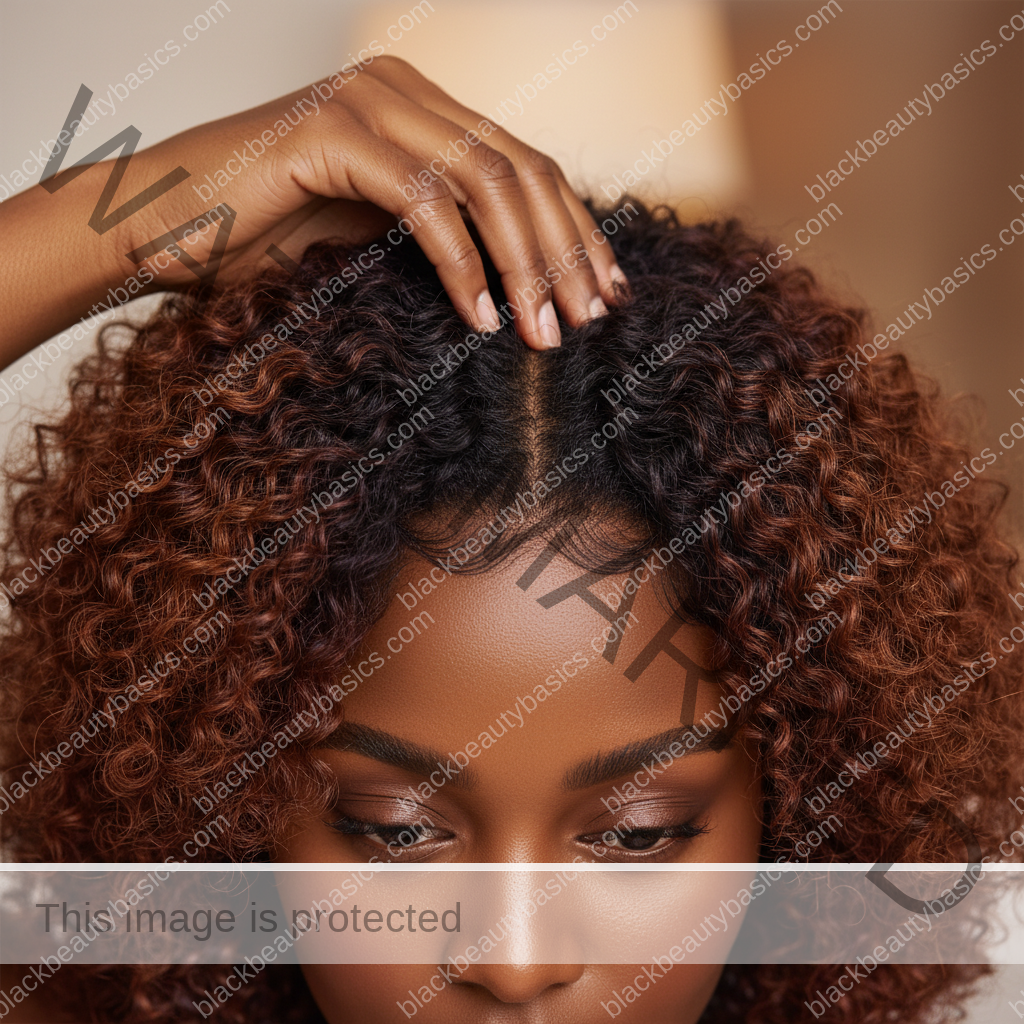
Rethinking Your Routine: A Holistic Approach to Edge Preservation
Preserving and restoring our edges requires a mindful shift in our haircare philosophy. It’s not just about what products we use, but how we approach our styling habits, our scalp health, and our overall well-being. This is an invitation to cultivate a routine that prioritizes the longevity and vitality of your hairline.
Pre-Wig & Pre-Ponytail Preparation: The Foundation of Protection
Before you even think about laying that wig or snatching that ponytail, consider the preparatory steps that can make all the difference.
1. Scalp & Edge Cleansing Ritual
A clean slate is crucial. Ensure your scalp and edges are free from product buildup, sweat, and environmental impurities. Use a gentle, sulfate-free shampoo and follow with a hydrating conditioner. Focus on massaging the scalp to stimulate blood flow.
- Product Recommendation: A clarifying shampoo designed for sensitive scalps. Shop Sulfate-Free Clarifying Shampoos on Amazon
- Product Recommendation: A rich, moisturizing conditioner. Shop Hydrating Conditioners on Amazon
2. Deep Conditioning & Strengthening Treatments
Fortify your strands from within. Regular deep conditioning treatments infuse moisture and protein, making your hair more resilient to tension. Pay special attention to your edges during application.
- Product Recommendation: Protein-rich deep conditioner. Shop Protein Deep Conditioners on Amazon
- Product Recommendation: Leave-in conditioner for daily moisture. Shop Leave-In Conditioners on Amazon
3. Moisturize, Moisturize, Moisturize
Hydrated hair is pliable hair. Before any styling, apply a lightweight, nourishing moisturizer to your edges. This creates a protective barrier and reduces friction.
- Product Recommendation: A water-based hair milk or cream. Shop Hair Milks and Creams on Amazon
Wig Wisdom: Protecting Your Edges Underneath
Your wig routine doesn’t have to be a trade-off for healthy edges. With a few intentional adjustments, you can enjoy your wigs without compromise.
1. The Right Wig Cap Matters
Opt for silk or satin wig caps instead of traditional nylon or mesh. These materials reduce friction and allow your edges to breathe. If you must use a mesh cap, ensure it’s not too tight and consider wearing a silk scarf underneath.
- Product Recommendation: Silk or satin wig cap. Shop Silk Wig Caps on Amazon
2. Adhesive Alternatives & Application
If you rely on adhesives, choose water-soluble, gentle options designed for sensitive skin. Apply sparingly and never directly to your delicate hairline. Consider using a wig grip band instead, which offers security without glue.
- Product Recommendation: Hypoallergenic wig adhesive. Shop Hypoallergenic Wig Adhesives on Amazon
- Product Recommendation: Wig grip band. Shop Wig Grip Bands on Amazon
3. Braiding Patterns & Tension
When braiding your hair down for a wig, ensure the braids are loose, especially around the perimeter. Avoid cornrows that pull tightly at the hairline. Flat twists or larger, looser braids are preferable.
4. Give Your Edges a Break
Just like any protective style, wigs should not be worn continuously. Schedule regular breaks where your edges are free from any tension or covering. Let them breathe and receive direct nourishment.
Wig Practices: Harmful vs. Helpful
| Harmful Practices | Helpful Practices |
|---|---|
| Tight wig caps (nylon/mesh) worn daily. | Silk or satin wig caps for reduced friction. |
| Applying strong adhesive directly to edges. | Using gentle, water-soluble adhesives sparingly, or wig grip bands. |
| Tight cornrows around the hairline under wigs. | Loose braids or flat twists, avoiding tension at the perimeter. |
| Wearing wigs for extended periods without breaks. | Scheduling regular wig breaks to allow edges to breathe and recover. |
| Neglecting edge care (moisturizing, massaging) under wigs. | Consistent moisturizing and gentle scalp massages for edges. |

Ponytail Perfection Without the Pull: Gentle Styling Techniques
Achieving a sophisticated ponytail doesn’t have to come at the expense of your edges. It’s all about technique and the right tools.
1. Loosen Up: The Art of the Gentle Ponytail
Resist the urge to pull your ponytail as tight as possible. A slightly looser style, or even a low, elegant pony, can be just as chic without the damaging tension. If you feel any pulling, it’s too tight.
2. Hair Ties That Care
Ditch the harsh elastic bands with metal clasps. Opt for satin scrunchies, silk hair ties, or fabric-covered elastics that glide over your hair without snagging or pulling.
- Product Recommendation: Silk or satin scrunchies. Shop Silk Scrunchies on Amazon
3. Vary Your Style
Don’t wear your ponytail in the exact same spot every day. Shifting the position slightly reduces consistent tension on one area of your hairline. Experiment with different heights and styles.
4. Prioritize Moisture Before Styling
Always ensure your hair, especially your edges, is well-moisturized before styling into a ponytail. Dry hair is more prone to breakage under tension.
Ponytail Practices: Harmful vs. Helpful
| Harmful Practices | Helpful Practices |
|---|---|
| Tight, slicked-back ponytails daily. | Looser, more relaxed ponytails; varying placement. |
| Using thin, harsh elastic bands. | Satin scrunchies, silk hair ties, or fabric-covered elastics. |
| Styling dry, unmoisturized hair into ponytails. | Ensuring hair and edges are well-moisturized before styling. |
| Brushing edges aggressively to slick them down. | Gently smoothing edges with a soft brush and nourishing edge control. |
| Leaving ponytails in overnight. | Taking down ponytails before bed, or opting for a loose pineapple. |
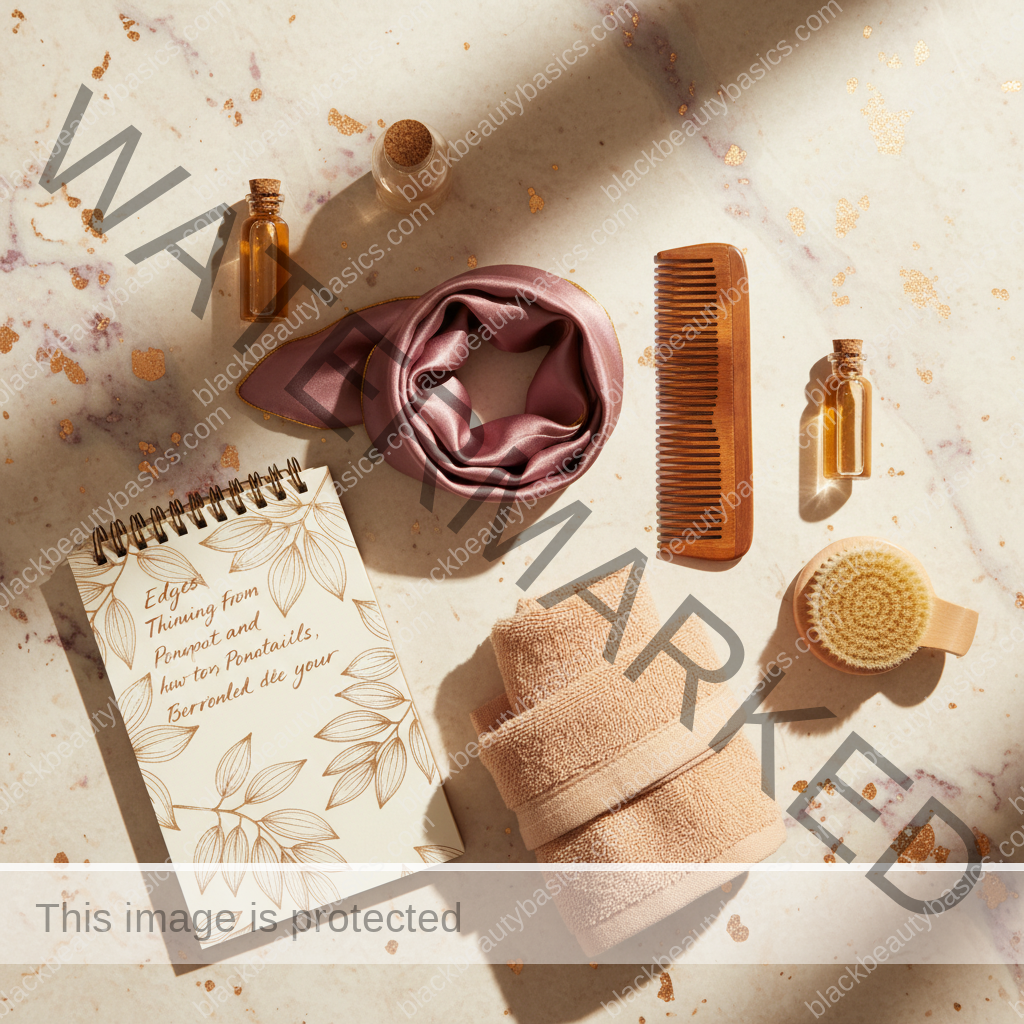
Beyond the Style: Nourishing and Restoring Your Edges
Prevention is paramount, but restoration is equally vital. If your edges are already showing signs of thinning, a targeted approach to nourishment and stimulation can help revive them.
1. Scalp Massages: The Power of Touch
Regular, gentle scalp massages, particularly around the hairline, can significantly improve blood circulation to the follicles. Increased blood flow delivers essential nutrients and oxygen, promoting hair growth and strengthening existing strands.
- Technique: Use the pads of your fingertips (not nails) and apply light to medium pressure in small, circular motions for 5-10 minutes daily.
2. Nutrient-Rich Oils & Serums
Certain oils and serums are celebrated for their hair growth-promoting properties. Incorporate them into your edge care routine.
- Rosemary Oil: Known for stimulating circulation and promoting hair growth. Dilute with a carrier oil like jojoba or castor oil. Shop Rosemary Oil on Amazon
- Peppermint Oil: Also stimulates circulation. Use sparingly and diluted. Shop Peppermint Oil on Amazon
- Castor Oil: A thicker oil, excellent for sealing in moisture and strengthening strands. Shop Castor Oil on Amazon
- Specialized Growth Serums: Look for serums containing ingredients like biotin, peptides, and minoxidil (consult a dermatologist for minoxidil use). Shop Hair Growth Serums on Amazon
3. Gentle Edge Control Products
When styling your edges, choose edge controls that offer hold without being overly stiff or drying. Look for formulations with nourishing ingredients.
- Product Recommendation: Alcohol-free, moisturizing edge control. Shop Moisturizing Edge Control on Amazon
- Tool Recommendation: A soft-bristled edge brush. Shop Soft Edge Brushes on Amazon
4. Nighttime Protection: Your Silk Sanctuary
Never underestimate the power of nighttime protection. Sleeping on a silk or satin pillowcase, or wearing a silk/satin bonnet or scarf, dramatically reduces friction and prevents breakage while you sleep.
- Product Recommendation: Silk pillowcase. Shop Silk Pillowcases on Amazon
- Product Recommendation: Silk or satin bonnet/scarf. Shop Silk Bonnets on Amazon
5. Internal Nourishment: Beauty From Within
Healthy hair starts from the inside. A balanced diet rich in vitamins and minerals is crucial. Consider supplements if your diet is lacking, but always consult with a healthcare professional first.
- Key Nutrients: Biotin, Vitamin D, Iron, Zinc, Omega-3 fatty acids. Shop Hair Growth Supplements on Amazon
6. Professional Consultation: When to Seek Expert Help
If your edges are severely thinning or you suspect a more serious condition like CCCA (Central Centrifugal Cicatricial Alopecia), it’s imperative to consult a dermatologist or trichologist. Early diagnosis and treatment are key to managing and potentially reversing hair loss.
Quick Tips for Daily Edge Care
- Be Gentle: Treat your edges like precious silk. Avoid harsh pulling, tugging, or aggressive brushing.
- Moisturize Daily: A small dab of hair milk or light oil can keep edges pliable and less prone to breakage.
- Avoid Heat: Minimize direct heat styling on your edges.
- Check Tension: If a style feels tight, it IS too tight. Loosen it immediately.
- Cleanse Regularly: Keep the area clean to prevent clogged follicles.
- Protect at Night: Always use silk or satin to minimize friction while sleeping.
- Patience is Key: Hair growth takes time. Be consistent with your routine and celebrate small victories.
FAQ: Your Edge Care Questions Answered
Q1: Can thinning edges grow back completely?
A1: Yes, in many cases, thinning edges can grow back, especially if the damage is due to traction alopecia and is addressed early. The key is to eliminate the source of tension or friction, consistently nourish the follicles, and be patient. If the follicles have been severely damaged or scarred (as in advanced traction alopecia or CCCA), regrowth may be limited or impossible. Consulting a dermatologist or trichologist is crucial for an accurate assessment and personalized treatment plan.
Q2: How long does it take for edges to grow back?
A2: Hair growth is a slow process, typically averaging about half an inch per month. For edges, which are often finer and more delicate, it can take anywhere from 3 months to over a year to see significant regrowth, depending on the extent of the damage and the consistency of your care routine. Patience and persistence are essential.
Q3: Are there specific ingredients I should look for in edge growth products?
A3: Absolutely. Look for ingredients that stimulate blood circulation, nourish the scalp, and strengthen hair strands. Key ingredients include rosemary oil, peppermint oil, castor oil, biotin, niacin (Vitamin B3), peptides, and sometimes minoxidil (used under professional guidance). Avoid products with harsh alcohols, sulfates, and heavy mineral oils that can clog pores or dry out the hair.
Q4: How often should I moisturize my edges?
A4: Daily moisturizing is ideal for edges, especially if they are prone to dryness or thinning. Use a lightweight hair milk, cream, or a few drops of a nourishing oil (like jojoba or castor oil) to keep them soft, pliable, and less susceptible to breakage. This is particularly important before styling or applying any tension.
Q5: Can I still wear wigs if my edges are thinning?
A5: Yes, you can, but with extreme caution and modification. Prioritize wig caps made of silk or satin to reduce friction. Avoid glues and adhesives, opting for wig grip bands instead. Ensure your hair underneath is braided loosely, with no tension on the edges. Most importantly, give your edges regular breaks from the wig, allowing them to breathe and receive direct nourishment. If thinning is severe, consider a temporary hiatus from wigs altogether to allow for dedicated healing.
Q6: What’s the difference between traction alopecia and other forms of hair loss?
A6: Traction alopecia is a form of hair loss caused by repetitive or prolonged tension on the hair follicles, often from tight hairstyles, wigs, or extensions. It typically manifests as thinning or recession along the hairline, temples, or nape. Other forms of hair loss, like androgenetic alopecia (pattern baldness) or alopecia areata, have different underlying causes (genetics, autoimmune conditions) and often present with distinct patterns of hair loss. CCCA (Central Centrifugal Cicatricial Alopecia) is a scarring alopecia common in African American women, characterized by hair loss starting at the crown and spreading outwards, often accompanied by inflammation and scarring of the follicles, which can be irreversible. A proper diagnosis from a dermatologist is crucial to differentiate and treat effectively.
Q7: Should I stop using edge control if my edges are thinning?
A7: Not necessarily, but you should re-evaluate the type of edge control you’re using and how you apply it. Avoid stiff, drying, or alcohol-heavy formulas. Opt for nourishing, water-based, alcohol-free edge controls that offer a soft hold. Apply sparingly with a soft-bristled brush, and avoid aggressive brushing or pulling. The goal is to smooth, not to “snatch” so tightly that it creates tension. Consider using it only when absolutely necessary, and always cleanse it off thoroughly.
Dear sister, your hair is a magnificent expression of your identity, and your edges are the delicate frame to that masterpiece. Reclaiming and nurturing them is not just a beauty routine; it’s an act of self-love and empowerment. By embracing these mindful practices, you’re not just preventing thinning; you’re cultivating a deeper, more respectful relationship with your crown, ensuring its health and radiance for years to come. May your edges flourish, strong and beautiful, reflecting the grace and resilience within you.
How to notice the pattern without diagnosing yourself
For Black women with textured hair, scalp and hair-care choices can be emotionally loaded because they often sit at the intersection of styling, identity, health, and being dismissed. This guide focuses on rethinking wig grip, adhesive habits, ponytail tightness, part placement, breaks, and edge styling before thinning gets worse, while keeping the related BBB scalp-health cluster as the home base. The goal is not to diagnose yourself from a mirror. The goal is to notice patterns clearly enough to choose safer next steps.
Start with the timeline. Did the change begin after a new style, product, postpartum season, illness, medication change, stressful period, or scalp flare? Did it show up at the edges, crown, hairline, part, or all over? Is there pain, itch, flaking, bumps, tenderness, odor, bleeding, scaling, or smooth shiny areas? These details matter because different patterns need different care.
The safest home routine is usually the one that lowers tension, reduces irritation, and keeps the scalp clean without aggressive scraping. If a symptom is painful, spreading, scarring, repeatedly returning, or connected to visible thinning, professional care matters. Early documentation can help a dermatologist, primary care clinician, or other qualified professional see the pattern more clearly.
What to track gently
- Location: edges, crown, hairline, part, nape, or all over.
- Timing: new style, postpartum shift, cycle change, illness, product, or stress season.
- Sensations: tenderness, burning, itching, tightness, soreness, or pain.
- Visible signs: flakes, bumps, redness that may look subtle on brown skin, thinning, or broken hairs.
- When the pattern improves or worsens.
What usually makes scalp concerns harder to read
The first challenge is tension. Tight braids, ponytails, wigs, sew-ins, loc maintenance, edge styling, and repeated parting can make it harder to tell whether the scalp is reacting to the style, an underlying condition, or both. That does not mean protective styles are bad. It means comfort and scalp access need to be part of the plan.
The second challenge is product layering. Oils, gels, sprays, dry shampoo, edge control, medicated products, and sweat can build up together. A scalp can be dry and still have residue. It can itch from buildup, irritation, inflammation, or a condition that needs professional treatment. Scratching harder does not solve that confusion; it can create more irritation.
The third challenge is waiting too long because you do not want to be dramatic. You are allowed to ask questions early. You are allowed to document a change before it becomes severe. And you are allowed to want care that understands textured hair instead of telling you to abandon your whole beauty routine without nuance.
What to do next

Keep this article connected to the Scalp Health, CCCA & Hair Loss system. Use the related guides below to decide whether your next step is tension reduction, scalp-routine adjustment, pattern tracking, or professional evaluation.
- Scalp Health, CCCA & Hair Loss
- The related scalp-health cluster guide
- lifestyle and protective-style behaviors
- early signs of traction alopecia
- tight styles and sore scalps
- protective style strategy
How to keep scalp care protective while you wait for clarity
While you are watching a pattern, keep the scalp routine steady and low-drama. Avoid styles that pull on the tender area. Do not scratch flakes or bumps open. Keep cleansing realistic for your style, sweat level, and scalp condition. If a product burns, stings, or makes itching worse, pause it instead of trying to push through.
Photos can be helpful, but they should not become a source of obsession. Take clear photos in similar lighting every few weeks if you are tracking thinning, part width, edges, or crown changes. Pair the photos with notes about styles, wash days, tenderness, shedding, and product changes. That kind of record can make an appointment more productive.
If you already suspect scarring hair loss, CCCA, severe traction, infection, psoriasis, persistent inflammation, or another scalp condition, do not rely on home care alone. Professional evaluation is not a failure of your routine. It is part of protecting the hair and scalp you have now.
Most importantly, do not let shame make the scalp quieter than it needs to be. Black women deserve care that respects our hair practices and also takes symptoms seriously. Both can be true at the same time.
How to keep scalp care protective while you wait for clarity
While you are watching a pattern, keep the scalp routine steady and low-drama. Avoid styles that pull on the tender area. Do not scratch flakes or bumps open. Keep cleansing realistic for your style, sweat level, and scalp condition. If a product burns, stings, or makes itching worse, pause it instead of trying to push through.
Photos can be helpful, but they should not become a source of obsession. Take clear photos in similar lighting every few weeks if you are tracking thinning, part width, edges, or crown changes. Pair the photos with notes about styles, wash days, tenderness, shedding, and product changes. That kind of record can make an appointment more productive.
If you already suspect scarring hair loss, CCCA, severe traction, infection, psoriasis, persistent inflammation, or another scalp condition, do not rely on home care alone. Professional evaluation is not a failure of your routine. It is part of protecting the hair and scalp you have now.
Most importantly, do not let shame make the scalp quieter than it needs to be. Black women deserve care that respects our hair practices and also takes symptoms seriously. Both can be true at the same time.
Related next steps
Related posts:
 A Calm Scalp Routine for Black Women Wearing Wigs Regularly
 PCOS-Related Hair Thinning on Black Women
 How Often to Wash Your Scalp in Braids, Twists, or Wigs
 Traction Alopecia: Edges, Temples, and Styling Habits
 PCOS-Linked Hair Thinning and Shedding in Black Women: Understanding the Full Picture
 Keeping Your Scalp Healthy Under Wigs and Weaves