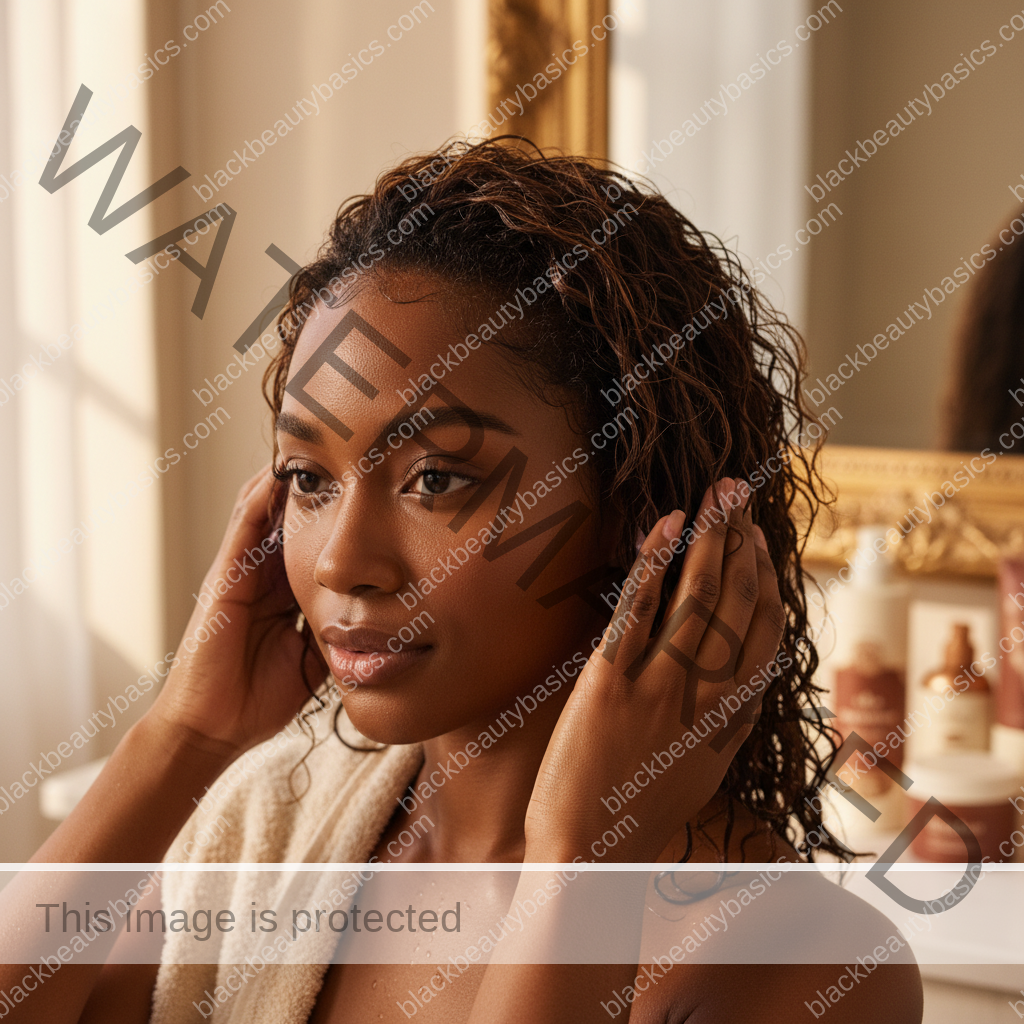
Wash day for our melanin-rich tresses is more than just a routine; it’s a sacred ritual, a time for nourishment, renewal, and celebration of our crown. For those blessed with high-porosity natural hair, this ritual holds a unique significance, demanding a bespoke approach to truly thrive. Understanding your hair’s inherent thirst and how to quench it effectively transforms wash day from a chore into a luxurious act of self-care, revealing the unparalleled beauty and resilience of your coils and curls. Start with the related BBB natural-hair cluster guide if you want the broader map.
Embracing Your Crown: Understanding High-Porosity Natural Hair
Our hair, in all its glorious textures and patterns, is a wonder. But like a finely tuned instrument, it performs best when we understand its unique characteristics. For many Black women, deciphering hair porosity is a game-changer, especially when it comes to crafting an effective wash day routine. High-porosity hair, in particular, has its own set of needs and demands, and once mastered, it can lead to hair that is not just healthy, but truly radiant.
What is Hair Porosity, and Why Does it Matter?
Hair porosity refers to your hair’s ability to absorb and retain moisture. It’s determined by the state of your hair’s cuticle layer – the outermost layer of your hair shaft, made up of overlapping scales, much like shingles on a roof. These scales can be tightly closed (low porosity), slightly raised (medium porosity), or widely open (high porosity).
For high-porosity hair, the cuticle layers are typically raised or have gaps and holes. This means your hair readily absorbs moisture, almost like a sponge. While this might sound beneficial, it also means your hair can lose moisture just as quickly, leading to dryness, frizz, and susceptibility to breakage if not properly cared for. Understanding this fundamental characteristic is the first step in tailoring a wash day routine that truly serves your hair’s needs.
Characteristics of High-Porosity Natural Hair
Recognizing the signs of high-porosity hair is crucial for effective care. Here are some common indicators:
- Dries Very Quickly: After washing, your hair may air dry remarkably fast, often within a few hours.
- Absorbs Products Instantly: When you apply a product, your hair seems to soak it up immediately, sometimes requiring more product than expected.
- Prone to Frizz: Due to its inability to retain moisture effectively, high-porosity hair can often appear frizzy, especially in humid conditions.
- Tangles Easily: The raised cuticles can snag on each other, leading to more tangles and knots.
- Feels Dry or Brittle: Despite absorbing water quickly, it can feel dry to the touch because it struggles to hold onto that moisture.
- Chemically Treated or Heat Damaged: High porosity can also be a result of external factors like chemical processing (relaxers, color treatments) or excessive heat styling, which can lift or damage the cuticles.
The Float Test: A Simple Way to Determine Your Porosity
While observation is key, a simple float test can help confirm your hair’s porosity. Ensure your hair is clean and free of product for accurate results.
- Take a few strands of clean, product-free hair.
- Drop them into a glass of room-temperature water.
- Observe for 2-4 minutes.
Results:
- High Porosity: Your hair strands will sink to the bottom quickly.
- Medium Porosity: Your hair strands will float in the middle of the glass.
- Low Porosity: Your hair strands will float at the top.
This test, while not foolproof, provides a good general indicator and can be a helpful starting point in your hair care journey.
The Pre-Wash Ritual: Setting the Stage for Success
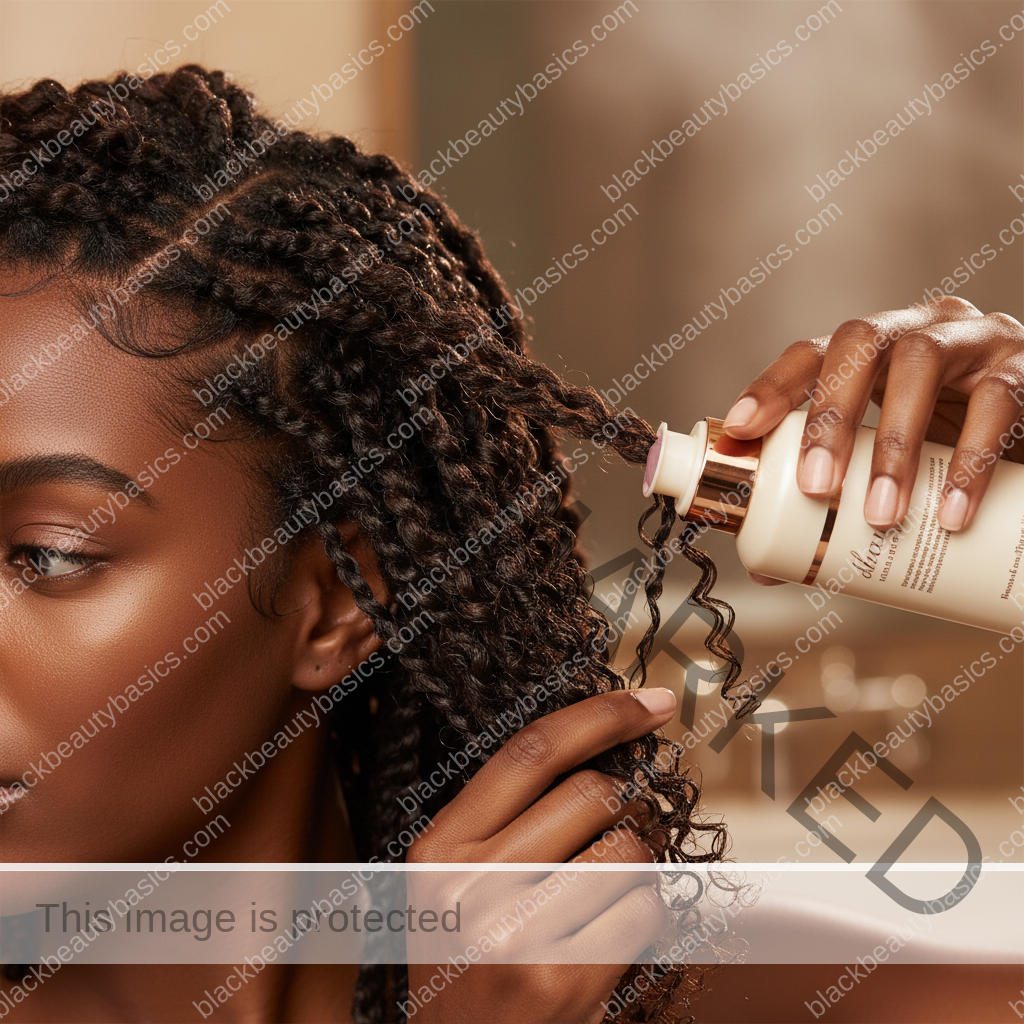
For high-porosity hair, wash day begins long before the shampoo touches your strands. The pre-wash ritual, often overlooked, is a cornerstone for minimizing damage, enhancing moisture retention, and ensuring a smoother, more effective cleansing process. Think of it as preparing a canvas for a masterpiece – the better the preparation, the more stunning the final art.
The Power of Pre-Poo: Your First Line of Defense
A pre-poo (pre-shampoo) treatment is non-negotiable for high-porosity hair. Because your cuticles are often open, shampoo, even sulfate-free varieties, can strip too much moisture, leaving your hair feeling dry and brittle. A pre-poo creates a protective barrier, preventing excessive moisture loss during cleansing and making detangling significantly easier.
Choosing Your Pre-Poo: Oils vs. Conditioners
Both oils and conditioners can serve as effective pre-poos, but their mechanisms differ slightly. For high-porosity hair, a combination or specific choice can yield optimal results.
| Pre-Poo Type | Benefits for High-Porosity Hair | Recommended Ingredients | Application Tip |
|---|---|---|---|
| Oils (Penetrating) | Penetrate the hair shaft to reduce hygral fatigue (damage from swelling and shrinking), add elasticity, and prevent excessive water absorption. | Coconut Oil, Olive Oil, Avocado Oil | Warm oil slightly for better penetration. Apply generously to dry, tangled hair. |
| Conditioners (Moisturizing) | Provide a protective slip, making detangling easier and further safeguarding against shampoo stripping. | Conditioners with Shea Butter, Glycerin, Fatty Alcohols (cetyl, stearyl). | Choose a thick, creamy conditioner. Apply before wetting hair. |
| DIY Masks | Customizable for specific needs; can combine benefits of oils and humectants. | Honey, Aloe Vera Gel, Yogurt mixed with oils. | Ensure ingredients are hair-safe and well-mixed. |
How to Pre-Poo for High Porosity
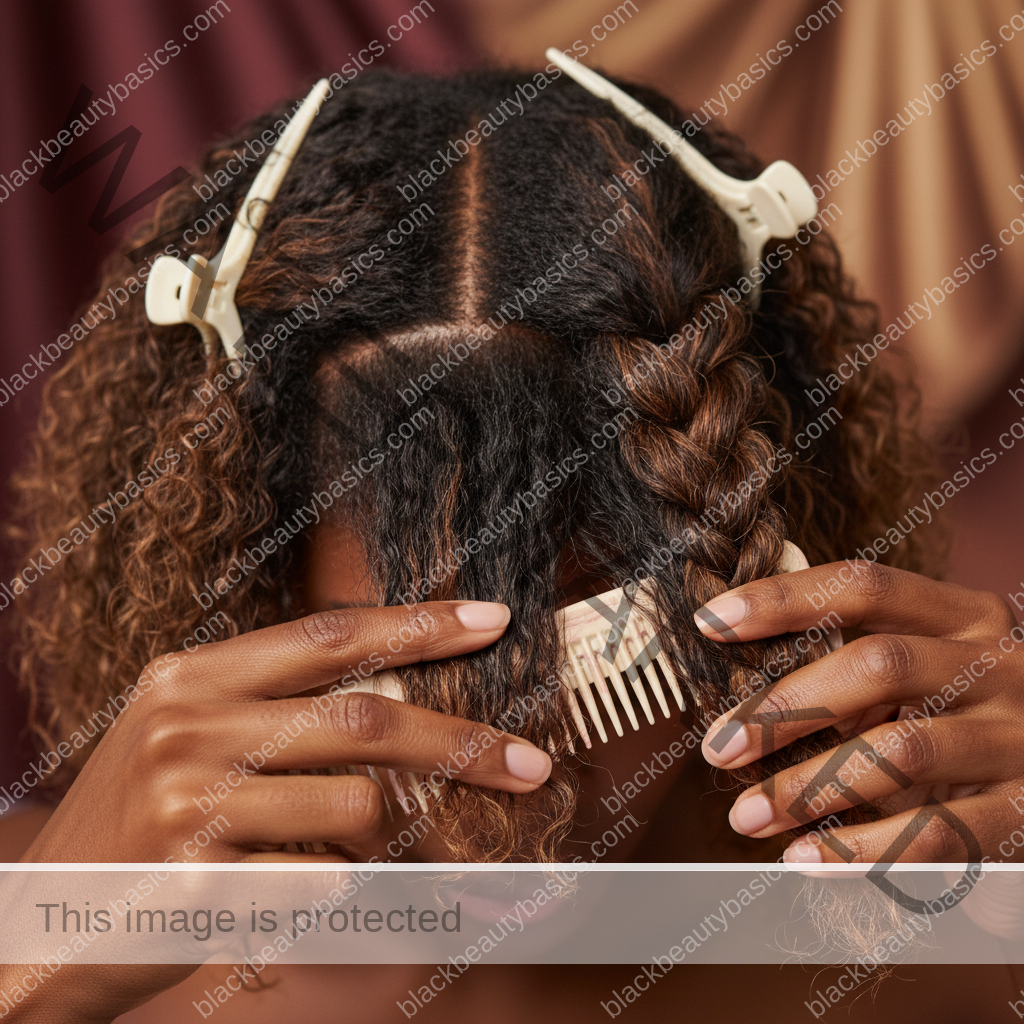
- Section Your Hair: Divide your hair into 4-6 manageable sections. This prevents tangling and ensures even product distribution.
- Apply Generously: Work your chosen pre-poo (oil or conditioner) through each section, focusing on the ends, which are the oldest and most fragile parts of your hair.
- Detangle Gently: Using your fingers or a wide-tooth comb, carefully detangle each section from ends to roots. This is crucial for minimizing breakage during the wash process.
- Deep Penetration (Optional but Recommended): Cover your hair with a plastic cap and allow the pre-poo to sit for at least 30 minutes, or even overnight for an intensive treatment. Heat from a hair steamer or warm towel can enhance penetration.
The Importance of Detangling Before Washing
Detangling before wetting your hair is a golden rule for high-porosity strands. Wet hair, especially high-porosity hair with its raised cuticles, is more fragile and prone to breakage. Detangling dry or pre-pooed hair significantly reduces the stress on your strands during the wash process, preventing excessive shedding and preserving your length.
The Cleansing & Conditioning Phase: Nurturing Your Strands
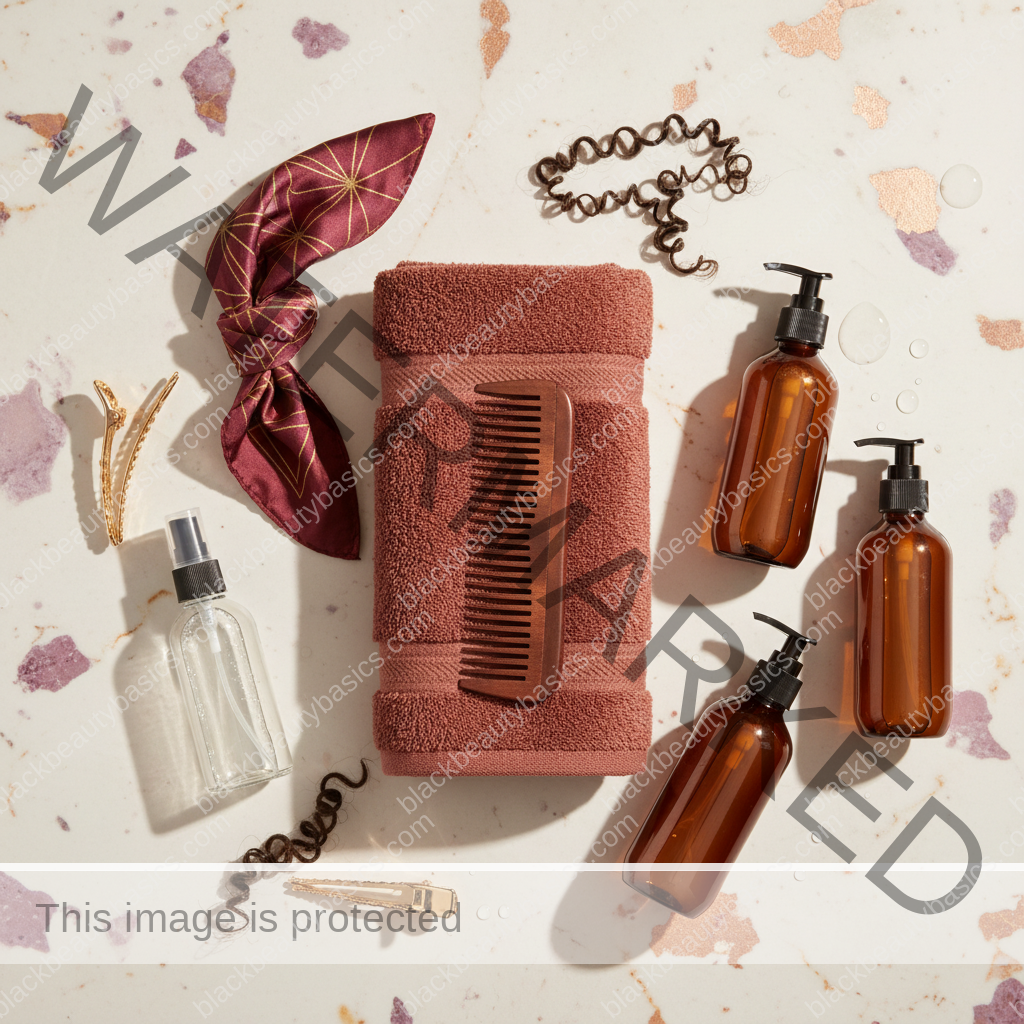
With your hair prepped and protected, it’s time for the cleansing and conditioning phase. For high-porosity hair, this isn’t about stripping away, but about gently purifying while infusing much-needed moisture. The right products and techniques here are paramount to maintaining your hair’s health and vibrancy.
Cleansing with Care: Choosing the Right Shampoo
Given that high-porosity hair struggles with moisture retention, harsh shampoos are your adversary. The goal is to cleanse the scalp and hair without completely stripping its natural oils or the protective barrier you’ve created with your pre-poo.
- Sulfate-Free is Key: Always opt for sulfate-free shampoos. Sulfates are harsh detergents that can aggressively lift cuticles and strip moisture.
- Moisturizing Formulas: Look for shampoos specifically formulated for dry, damaged, or color-treated hair, as these tend to be more moisturizing. Ingredients like Aloe Vera, Glycerin, and various botanical extracts are excellent.
- Clarifying with Caution: While clarifying shampoos are essential for removing product buildup, use them sparingly (e.g., once a month or every 6-8 weeks) and always follow with an intensive deep conditioning treatment.
Shampooing Technique for High Porosity
- Wet Hair Thoroughly: Ensure your hair is completely saturated with lukewarm water.
- Focus on the Scalp: Apply shampoo primarily to your scalp. Use the pads of your fingers to gently massage and cleanse, lifting away dirt and buildup.
- Allow Run-off to Cleanse Strands: As you rinse, the shampoo suds will run down your hair strands, providing enough cleansing without direct scrubbing, which can cause tangles and dryness.
- Rinse Thoroughly: Ensure all shampoo is rinsed out to prevent residue buildup.
Deep Conditioning: The Holy Grail for High Porosity
If pre-pooing is the foundation, deep conditioning is the structural integrity of your high-porosity hair routine. This step is non-negotiable and should be done every wash day. Deep conditioners are designed to penetrate deeper into the hair shaft, providing intense moisture, strengthening, and repairing the cuticle layer.
Choosing Your Deep Conditioner
- Protein-Moisture Balance: High-porosity hair often benefits from a good balance of protein and moisture. Protein treatments can temporarily fill in gaps in the cuticle, strengthening the hair. However, too much protein can lead to stiffness and breakage, so alternate with purely moisturizing deep conditioners.
- Humectants: Ingredients like Glycerin, Honey, and Hyaluronic Acid are excellent humectants that draw moisture from the air into your hair.
- Emollients: Shea Butter, Mango Butter, and various oils provide a protective seal and add softness.
Deep Conditioning Technique
- Apply to Damp Hair: After rinsing shampoo, gently squeeze excess water from your hair.
- Section and Distribute: Apply the deep conditioner generously to each section, ensuring every strand is coated.
- Detangle Again: Use your fingers or a wide-tooth comb to gently detangle each section while the deep conditioner is in. The slip will make this much easier.
- Add Heat: Cover with a plastic cap and sit under a hooded dryer or use a hair steamer for 20-30 minutes. Heat helps open the cuticles further, allowing the deep conditioner to penetrate more effectively. If no heat source, a warm towel wrapped around the cap can work.
- Rinse with Cool Water: After the recommended time, rinse thoroughly with cool water. Cool water helps to close the cuticles, sealing in the moisture and adding shine.
Leave-In Conditioner: Your Daily Moisture Sealant
A leave-in conditioner is the bridge between your wash day and styling. For high-porosity hair, it’s an absolute essential, providing an extra layer of moisture and protection that stays in your hair until the next wash.
- Lightweight but Potent: Look for leave-ins that are creamy but not too heavy, packed with humectants and emollients.
- Application: Apply to damp, freshly deep-conditioned hair, ensuring even distribution. This creates a foundation for your styling products.
Styling & Sealing: Locking in That Luscious Moisture
You’ve cleansed, conditioned, and prepped your high-porosity hair. Now comes the crucial step of styling and sealing – ensuring all that hard-earned moisture stays locked in, protecting your strands until your next wash day. This phase is where your hair truly begins to shine, showcasing its natural beauty and resilience.
The LOC/LCO Method: Your Moisture Retention Strategy
The LOC (Liquid, Oil, Cream) or LCO (Liquid, Cream, Oil) method is a popular and highly effective technique for moisturizing and sealing high-porosity hair. It involves layering products in a specific order to maximize moisture retention. For high-porosity hair, the LCO method is often preferred, as the cream (heavier than oil) can better “fill” the gaps in the cuticle before the oil seals it all in.
Understanding the LCO Method for High Porosity
- L – Liquid (or Leave-in): This is your primary source of hydration. You’ve already applied your leave-in conditioner, which serves this purpose. Alternatively, you can spritz your hair with rosewater or plain water to re-dampen if needed.
- C – Cream: This step provides additional moisture, definition, and often light hold. Creams are typically water-based and contain humectants and emollients that further hydrate and soften the hair.
- Choose: Look for moisturizing styling creams or curl creams with ingredients like shea butter, mango butter, or aloe vera.
- Apply: Work the cream through small, damp sections of your hair, ensuring even distribution from roots to ends.
- O – Oil: The final step is to seal all that moisture in with an oil. Oils create a protective barrier on the hair shaft, preventing the rapid evaporation of water that high-porosity hair is prone to.
- Choose: Heavier oils are often best for high porosity. Consider Castor Oil, Jojoba Oil, or a blend of sealing oils.
- Apply: Lightly coat each section with your chosen oil. A little goes a long way; too much can weigh hair down.
Styling Choices: Protecting Your Strands
The way you style your hair after wash day can significantly impact its health and moisture retention. For high-porosity hair, protective styles are your allies, minimizing manipulation and exposure to environmental stressors.
- Braids and Twists: Twist-outs, braid-outs, and flat twists are excellent for setting your hair while it dries, creating definition and reducing frizz. They also keep your hair bundled, protecting the ends.
- Buns and Updos: Once dry, styling your hair into a bun or an updo can further protect your ends from friction and environmental damage.
- Avoid Excessive Heat: High-porosity hair is already prone to damage. Minimize heat styling as much as possible. If you must use heat, always apply a heat protectant spray.
Drying Techniques: Gentle and Effective
How you dry your hair is just as important as the products you use. Harsh drying methods can strip moisture and cause frizz.
- Microfiber Towel or T-Shirt: Ditch the rough cotton towel. Instead, use a microfiber towel or an old cotton t-shirt to gently blot and squeeze excess water from your hair. This reduces friction and frizz.
- Air Drying: Whenever possible, allow your hair to air dry completely. This is the gentlest method.
- Diffuser on Cool Setting: If you need to speed up drying, use a diffuser attachment on your blow dryer set to a cool or low-heat setting. This helps to dry your hair without disturbing the curl pattern or causing excessive frizz.
Nighttime Protection: Preserving Your Work
Your wash day efforts can be undone overnight if you don’t protect your hair. This is especially true for high-porosity hair, which can lose moisture quickly.
- Silk or Satin Scarf/Bonnet: Always sleep with your hair covered in a silk or satin bonnet or scarf. These materials reduce friction, prevent tangling, and help retain moisture.
- Silk or Satin Pillowcase: As an added layer of protection, consider a silk or satin pillowcase.
- Pineapple Method: Gather your hair into a loose, high ponytail on top of your head (the “pineapple” method) before covering it. This helps preserve your curl pattern and prevents crushing.
Beyond Wash Day: Maintaining Moisture & Health
Wash day sets the foundation, but consistent care throughout the week is essential for high-porosity hair. Think of it as continuous nourishment, keeping your strands hydrated and protected until the next ritual.
Mid-Week Moisture Boosts
High-porosity hair is a thirsty queen, and mid-week touch-ups are often necessary to keep dryness at bay.
- Light Refreshers: A spritz of rosewater and glycerin mix or a light leave-in spray can revive curls and add moisture.
- Re-sealing Ends: If your ends feel dry, apply a tiny amount of your favorite sealing oil or a light butter.
The Role of Diet and Hydration
True beauty radiates from within. What you put into your body directly impacts the health of your hair, skin, and nails.
- Hydrate Internally: Drink plenty of water throughout the day. Internal hydration is just as crucial as external moisture.
- Nutrient-Rich Diet: Incorporate foods rich in Omega-3 fatty acids (salmon, flaxseed), vitamins A, C, E, and biotin (leafy greens, fruits, nuts, eggs). These nutrients support healthy hair growth and strength.
Regular Trims: The Key to Healthy Ends
High-porosity hair, with its open cuticles, is more susceptible to split ends and breakage. Regular trims are not about losing length, but about maintaining healthy length.
- Schedule: Aim for a trim every 3-4 months, or as needed, to snip away split ends and keep your hair looking fresh and vibrant.
Products to Embrace vs. Products to Avoid
Navigating the vast world of hair products can be daunting. Here’s a quick guide for high-porosity hair:
| Embrace (Ingredients/Products) | Avoid (Ingredients/Products) |
|---|---|
| Humectants (Glycerin, Honey, Aloe Vera) | Sulfates (Sodium Lauryl Sulfate, Sodium Laureth Sulfate) |
| Heavy Oils (Castor Oil, Olive Oil, Avocado Oil) | Heavy Silicones (unless water-soluble and used sparingly) |
| Butters (Shea Butter, Mango Butter) | Drying Alcohols (Isopropyl Alcohol, Ethanol) |
| Protein Treatments (balanced with moisture) | Excessive Heat Styling (without proper protection) |
| Creamy Leave-in Conditioners | Mineral Oil/Petroleum (can create a barrier but may prevent moisture from getting in) |
Track what high-porosity hair does after washing
For Black women with textured hair, hair-care choices can feel emotional because they sit at the intersection of identity, time, styling expectations, budget, and all the advice we have been given about what our hair “should” do. This guide focuses on supporting high-porosity hair that absorbs quickly, loses moisture quickly, tangles easily, or feels rough after washing, while keeping the related BBB natural-hair cluster as the home base. The goal is not to force every curl, coil, kink, or section into the same behavior. The goal is to build a routine that protects the hair you actually have.
Notice not just how your hair feels while wet, but how it feels after it dries and on the next day. If it seems to absorb water quickly yet loses a comfortable feel soon after styling, record where that happens first. Check the ends and areas with more wear separately. These observations can help you decide whether the wash, conditioning, or finishing step needs the smallest useful adjustment.
The most helpful wash day is one that leaves the hair easier to detangle and comfortable to handle after drying. Cleanse without roughing up the lengths, condition carefully, and choose a finishing routine you can repeat. You do not have to pile on every rich product at once. Compare how the hair feels over several days before changing the whole lineup.
What to notice gently
- Where your hair tangles first: ends, nape, crown, edges, or interior sections.
- How your hair responds to water, conditioner, gels, creams, oils, and drying time.
- Which steps leave your hair softer, rougher, stretched, shrunken, defined, or weighed down.
- How much manipulation your schedule and strands can realistically handle.
- What improves the style without making wash day feel impossible.
What can leave high-porosity hair harder to manage
A first trap is mistaking a wet, soft feel for a complete plan. The hair may feel different after it has dried, especially at the ends. Check the result later instead of judging the routine in the shower alone. That follow-up tells you whether the finishing step protected manageability or merely felt promising during application.
A second trap is layering thick products until the hair feels coated but still tangles. More product is not always a better match. Review how much you used, where it went, and whether cleansing removed old buildup. Try one manageable change at a time so you can tell whether the hair feels better rather than simply heavier.
The third trap is handling worn ends roughly because they keep catching. Slow down detangling and note whether specific sections need extra care. If the ends are consistently difficult despite a gentler routine, consider whether a professional trim assessment would be useful. You do not need to pull through every knot to prove that a product works.
What to do next
At the next wash, compare wet feel, dry feel, and day-two manageability with the same simple routine. The related guides below can help you separate moisture balance from styling and handling questions. Let your hair’s response guide a small adjustment rather than buying an entirely new routine.
- Natural Hair Care & Protective Styles
- The related natural-hair cluster guide
- porosity-based routines
- 4C low-energy wash day
- moisture or protein balance
- moisture, protein, and strength balance
Frequently Asked Questions About High-Porosity Hair
Q1: How often should I wash high-porosity hair?
A: The frequency depends on your lifestyle and product usage, but generally, high-porosity hair benefits from washing every 7-10 days. Washing too frequently can lead to dryness, as your hair struggles to retain moisture. However, if you use heavy products or exercise frequently, you might need to wash every 5-7 days. Always listen to your hair; if it feels dry or weighed down, adjust accordingly.
Q2: Can high-porosity hair be healthy?
A: Absolutely! High porosity is a hair characteristic, not a defect. With the right routine focused on moisture retention, sealing, and gentle handling, high-porosity hair can be incredibly healthy, vibrant, and beautiful. The key is understanding its needs and providing consistent, targeted care.
Q3: Are protein treatments good for high-porosity hair?
A: Yes, protein treatments can be very beneficial for high-porosity hair. Since high porosity often means gaps in the cuticle, protein can temporarily fill these gaps, strengthening the hair shaft and reducing breakage. However, it’s crucial to use them in moderation (e.g., once a month or every 6 weeks) and always follow with a moisturizing deep conditioner to maintain protein-moisture balance. Too much protein can make hair stiff and brittle.
Q4: What’s the best way to detangle high-porosity hair without causing damage?
A: Detangling high-porosity hair requires extreme gentleness. Always detangle when your hair is coated with a pre-poo oil, a rich conditioner, or a deep conditioner, providing ample slip. Work in small sections, starting from the ends and slowly working your way up to the roots. Use your fingers first to gently separate tangles, then follow with a wide-tooth comb or a detangling brush designed for curly hair.
Q5: Why does my high-porosity hair get frizzy so easily?
A: High-porosity hair gets frizzy easily because its raised cuticles allow moisture to enter and escape quickly. When humidity is high, your hair absorbs excess moisture from the air, causing the cuticles to swell and create frizz. Conversely, in dry environments, moisture rapidly leaves the hair, also leading to frizz and dryness. The LCO/LOC method, sealing oils, and humectants help to mitigate this by creating a protective barrier and drawing moisture in a controlled way.
Q6: Can I change my hair porosity?
A: Your natural hair porosity is largely genetic and cannot be permanently changed. However, you can influence its behavior and health. Damage from chemical treatments (coloring, relaxing) or excessive heat can increase your hair’s porosity. By adopting a gentle, moisturizing routine, minimizing damage, and using products that cater to high porosity, you can effectively manage and improve the condition and appearance of your hair, making it healthier and less prone to issues associated with high porosity.
Q7: What are some signs of over-moisturized high-porosity hair (hygral fatigue)?
A: While high-porosity hair needs moisture, too much can lead to hygral fatigue, where the hair swells and shrinks excessively. Signs include hair that feels mushy, gummy, or overly soft when wet, lacks elasticity, breaks easily, and struggles to hold a style. If you experience this, reduce intense moisturizing treatments and consider a light protein treatment to rebalance. Pre-pooing with penetrating oils can also help prevent hygral fatigue.
Mastering the wash day routine for high-porosity natural hair is an act of profound self-love and dedication, transforming your hair from thirsty to thriving. By embracing its unique needs with a thoughtful, moisture-centric approach, you unlock its full potential, revealing coils and curls that are not only deeply hydrated and resilient but also radiate with the unmatched elegance and strength of your heritage. Let this routine be your guide to a lifetime of glorious, well-nourished hair, a true testament to the beauty that is uniquely yours.
Related next steps
Related posts:
 Building Your Best Routine for High Porosity Natural Hair
 Wash Day Routine for Low-Porosity Natural Hair
 How to Build a Moisturizing Routine for High vs Low Porosity Hair
 Routines for Low Porosity Natural Hair
 Heat Styling, Color, and Porosity Changes Over Time: Adapting Your Routine for Evolving Needs
 Wash Day Routine for 4C Hair: From Pre‑Poo to Style