The allure of a perfectly executed silk press is undeniable — a cascade of sleek, flowing strands that whisper elegance and sophistication. For the discerning Black woman, this transformation is a cherished ritual, a moment to embrace versatility while celebrating the inherent beauty of our natural coils. But true luxury, true health, begins not with the flat iron, but with the foundation: a meticulously cared-for scalp, ensuring your silk press isn’t just stunning, but sustainable. Start with the related BBB natural-hair cluster guide if you want the broader map.
The Foundation of Flawless: Why Scalp Health is Non-Negotiable for Your Silk Press
Before we even dream of the silken finish, let’s talk about the unsung hero of healthy hair: your scalp. Often overlooked in the pursuit of length and style, the scalp is the living soil from which our beautiful strands grow. For natural hair, especially when preparing for a heat-intensive style like a silk press, a healthy scalp is not just a bonus; it’s an absolute imperative. A neglected scalp can lead to dryness, flakiness, irritation, and even hair loss, undermining the very goal of a sleek, vibrant silk press.
Think of your scalp as the delicate ecosystem that nurtures your hair follicles. When this ecosystem is balanced – free from excessive oil, product buildup, and inflammation – your hair has the best possible environment to thrive. A silk press, by its very nature, involves heat, which can be drying and potentially irritating if your scalp isn’t properly prepared. By prioritizing scalp health from the outset, you’re not just preventing potential damage; you’re setting the stage for a silk press that boasts unparalleled shine, movement, and longevity, all while protecting your precious strands from root to tip.
Understanding Your Scalp: The First Step to Optimal Health
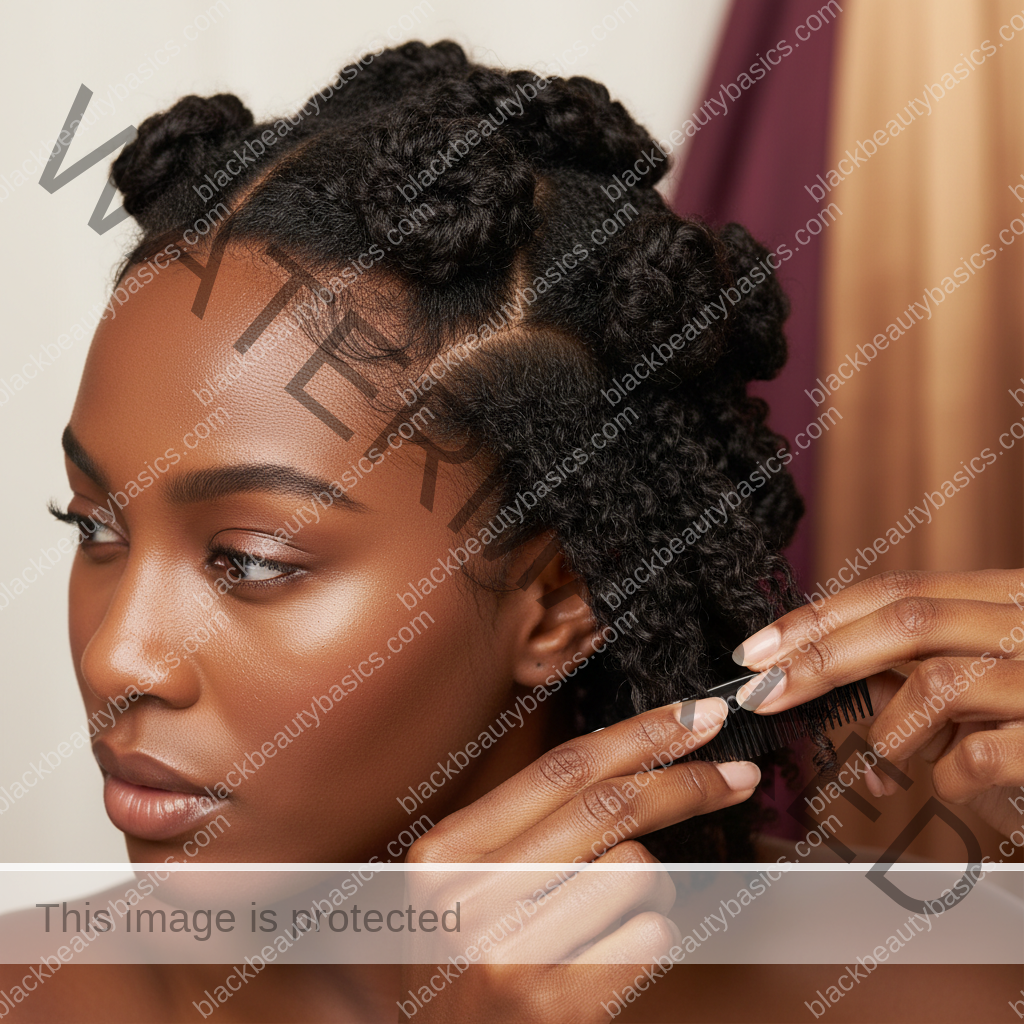
Before you embark on any regimen, it’s crucial to understand your scalp’s unique needs. Is it oily, dry, sensitive, or prone to buildup? Observing your scalp’s condition will guide your product choices and techniques, ensuring a truly personalized and effective prep routine.
- Oily Scalp: Characterized by excess sebum production, leading to greasy hair even shortly after washing. Requires clarifying but gentle cleansing.
- Dry Scalp: Often feels tight, itchy, and may show flakes. Needs hydrating and soothing ingredients.
- Sensitive Scalp: Reacts easily to products, heat, or environmental factors with redness, itching, or discomfort. Requires hypoallergenic and fragrance-free options.
- Product Buildup Prone: If you use many styling products, your scalp might accumulate residue, leading to dullness and potential follicle blockage. Clarifying is key.
The Pre-Poo Power: Detoxing and Nourishing Your Scalp & Strands
The pre-poo treatment is your first line of defense and an essential step for both scalp and hair health before a silk press. It’s designed to add an extra layer of moisture, detangle, and protect your strands from the stripping effects of shampoo, while also providing an opportunity to treat your scalp.
Why Pre-Poo is Essential for Silk Press Prep
Natural hair, by its very nature, is prone to dryness. A pre-poo saturates your strands with beneficial oils and nutrients before cleansing, minimizing moisture loss and making the detangling process significantly easier. For the scalp, a targeted pre-poo can help loosen buildup, soothe irritation, or provide a much-needed nutrient boost.
Choosing Your Pre-Poo: Oils, Masks, and Treatments
The best pre-poo for you will depend on your scalp and hair needs:
- For Dry/Itchy Scalp: Look for oils with anti-inflammatory properties like tea tree oil (diluted), peppermint oil (diluted), or soothing ingredients like aloe vera. A Shop Soothing Scalp Oil on Amazon with jojoba or argan oil can also be beneficial.
- For Oily/Buildup Prone Scalp: A light oil like grapeseed or a pre-poo mask with bentonite clay can help draw out impurities without over-stripping.
- For General Hair Health: Coconut oil, olive oil, or a blend of nourishing oils are excellent for conditioning and strengthening the hair shaft. Consider a Shop Deep Conditioning Pre-Poo on Amazon specifically formulated for natural hair.
Application Technique for Maximum Benefit
- Section Hair: Divide your dry or slightly damp hair into 4-6 manageable sections.
- Apply to Scalp: Using an applicator bottle or your fingertips, gently massage your chosen pre-poo oil or treatment directly onto your scalp. Focus on areas that tend to be dry, itchy, or prone to buildup. Spend 5-10 minutes giving yourself a gentle scalp massage to stimulate blood flow and help the product penetrate.
- Apply to Hair: Work the remaining product down the length of your hair, paying extra attention to the ends.
- Detangle Gently: Using your fingers or a wide-tooth comb, carefully detangle each section, starting from the ends and working your way up.
- Cover and Wait: Cover your hair with a plastic cap and allow the pre-poo to sit for at least 30 minutes, or even overnight for an intensive treatment.
The Cleansing Ritual: Purifying Your Scalp and Strands
Cleansing is perhaps the most critical step in preparing for a silk press, especially when scalp health is paramount. You need to thoroughly remove all traces of product buildup, dirt, and excess oil from both your scalp and hair, without stripping away essential moisture.
Clarifying vs. Moisturizing Shampoos: Striking the Balance
For a silk press, a truly clean canvas is non-negotiable. This often means incorporating a clarifying shampoo, but with a strategic approach to protect your scalp and hair.
- Clarifying Shampoo: Use a Shop Sulfate-Free Clarifying Shampoo on Amazon to remove stubborn buildup from styling products, hard water minerals, and environmental pollutants. This creates a fresh slate for your silk press, allowing heat to distribute more evenly and preventing a greasy or weighed-down look. Limit clarifying to once a month or as needed, especially if your scalp is sensitive.
- Moisturizing Shampoo: After clarifying (or if your scalp isn’t prone to heavy buildup), follow with a gentle, sulfate-free moisturizing shampoo. This cleanses without stripping, maintaining your scalp’s natural moisture barrier and preventing dryness. Look for ingredients like aloe vera, glycerin, and natural oils.
The Art of Scalp Cleansing
Your technique matters as much as your product choice:
- Wet Thoroughly: Ensure your hair and scalp are completely saturated with warm water.
- Apply Shampoo to Scalp First: Focus the shampoo directly onto your scalp. Use the pads of your fingertips (not your nails) to gently massage the scalp in circular motions. This stimulates blood flow, dislodges buildup, and ensures a thorough cleanse.
- Work Lather Down: Allow the lather to gently run down the length of your hair. Avoid aggressively scrubbing your strands, as this can lead to tangles and breakage.
- Rinse Thoroughly: Rinse with lukewarm water until the water runs clear and you feel no product residue. Residual shampoo can lead to flaking and dullness.
- Repeat (If Necessary): If you have significant buildup or an oily scalp, a second shampoo application might be beneficial, but always follow with a moisturizing shampoo if you started with a clarifying one.
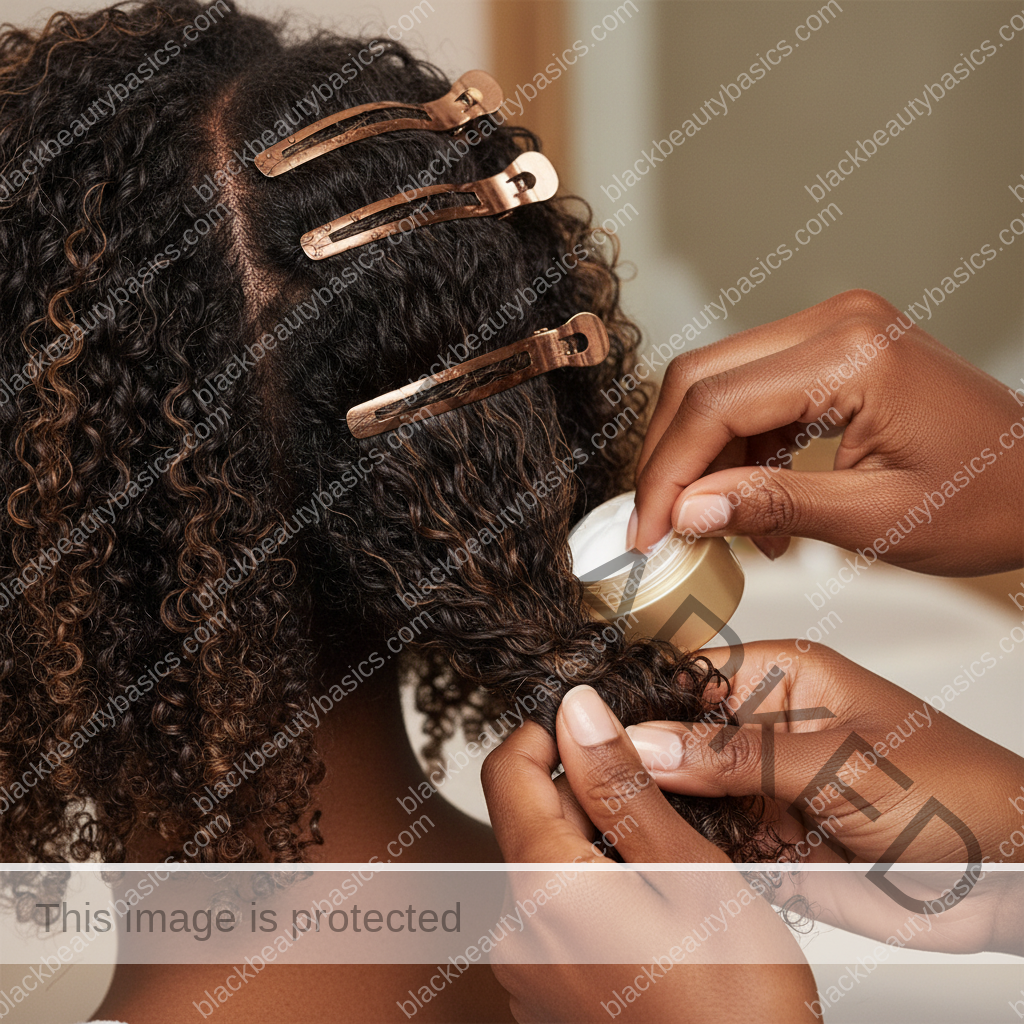
Deep Conditioning: Replenishing Moisture and Strength
After cleansing, deep conditioning is paramount. This step infuses your hair with much-needed moisture, protein, and nutrients, preparing it to withstand the heat of the silk press and promoting overall hair health. For your scalp, a good deep conditioner can soothe and hydrate.
Choosing the Right Deep Conditioner
- Moisture-Rich: Essential for all natural hair types. Look for ingredients like shea butter, avocado oil, argan oil, and hyaluronic acid. A Shop Moisturizing Deep Conditioner for Natural Hair on Amazon will be your best friend.
- Protein-Balanced: If your hair feels weak, mushy, or lacks elasticity, incorporate a deep conditioner with protein (e.g., hydrolyzed wheat protein, keratin). Be mindful not to overdo protein, as it can lead to stiffness.
- Scalp-Soothing: Some deep conditioners are formulated with ingredients like peppermint, tea tree, or aloe vera to soothe and balance the scalp.
Deep Conditioning for Scalp and Strands
- Squeeze Excess Water: Gently squeeze out excess water from your hair after rinsing shampoo.
- Apply Generously: Apply the deep conditioner generously from root to tip. For scalp health, ensure you gently massage a small amount into your scalp as well, especially if it’s a soothing formula.
- Detangle: Use a wide-tooth comb or your fingers to gently detangle your hair while the conditioner is in.
- Apply Heat: Cover your hair with a plastic cap and sit under a hooded dryer or use a Shop Deep Conditioning Heat Cap on Amazon for 15-30 minutes. Heat helps the conditioner penetrate deeper into the hair shaft and scalp.
- Rinse with Cool Water: Rinse thoroughly with cool water to close the cuticles, locking in moisture and adding shine.
The Leave-In Layer: Protecting and Preparing for Heat
After cleansing and conditioning, the leave-in stage is where you layer on protection and prepare your hair for the heat of the silk press. This step is crucial for maintaining moisture, detangling, and shielding your strands from potential damage.
Leave-In Conditioner: The Moisture Sealant
A good leave-in conditioner provides a continuous dose of hydration, making your hair more pliable and less prone to breakage during styling. It also acts as a light barrier against environmental stressors.
- Choose Wisely: Opt for a lightweight, water-based Shop Lightweight Leave-In Conditioner for Natural Hair on Amazon that won’t weigh down your hair. Look for ingredients like aloe vera, panthenol, and natural extracts.
- Application: Apply evenly to damp hair, focusing on the mid-shaft to ends. Avoid applying too much directly to the scalp if you have an oily scalp, but ensure a light application if your scalp is dry.
Heat Protectant: Your Shield Against Damage
This is non-negotiable for a silk press. Heat protectants create a barrier between your hair and styling tools, reducing heat damage, minimizing moisture loss, and often adding shine.
- Types: Heat protectants come in sprays, creams, and serums. For a silk press, a lightweight spray or serum is often preferred to avoid weighing down the hair. Look for a Shop Heat Protectant Spray for Silk Press on Amazon that offers protection up to 450°F.
- Key Ingredients: Silicones (like dimethicone or cyclomethicone) are excellent heat shields. Natural oils like argan or grapeseed can also offer some protection, but a dedicated heat protectant is best.
- Application: Apply evenly to small sections of damp hair before blow-drying. Ensure every strand is lightly coated.
Scalp Treatment (Optional but Recommended)
If your scalp requires extra attention, this is the time for a targeted treatment.
- For Dry/Itchy Scalp: A few drops of a lightweight, soothing Shop Lightweight Scalp Serum for Dry Itchy Scalp on Amazon (e.g., with tea tree, peppermint, or salicylic acid) can be massaged directly into the scalp.
- For Oily Scalp: A balancing scalp toner can help regulate oil production.
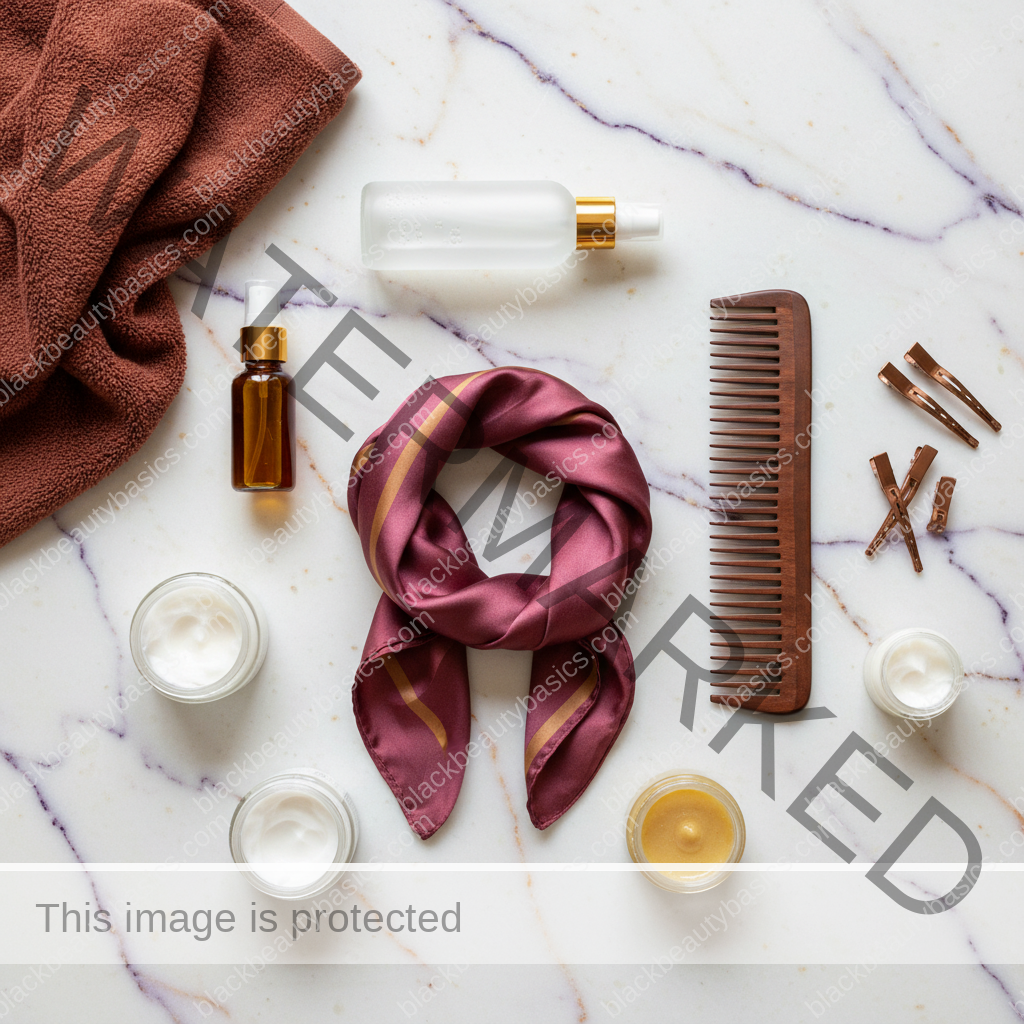
The Blow-Dry Blueprint: Stretching and Smoothing Safely
The blow-dry is a critical precursor to the flat iron, as it stretches and smooths the hair, making the silk press process easier and more effective. Doing this correctly minimizes the need for excessive flat ironing, thereby reducing heat exposure.
Techniques for a Gentle Blow-Out
The goal is to stretch and dry, not to straighten completely. Use medium heat and a tension-based method.
- Section Hair: Work in small, manageable sections.
- Use the Right Tools: A good quality blow dryer with multiple heat settings and a concentrator nozzle is essential. Pair it with a Shop Denman Brush for Blow Drying on Amazon or a paddle brush.
- Tension Method: Hold a section taut with your brush while directing the airflow down the hair shaft with the concentrator nozzle. Move continuously to avoid concentrating heat in one spot.
- Cool Shot: Finish each section with a blast of cool air to set the style and seal the cuticle, adding shine.
- Avoid Over-Drying: Ensure hair is completely dry, but not brittle. Over-drying can lead to damage.
Scalp Check During Blow-Dry
As you blow-dry, pay attention to your scalp. If you notice any irritation, excessive heat, or dryness, adjust your technique or product use. This is a good time to ensure your scalp feels comfortable and clean.
Pre-Press Polish: Final Touches for Scalp and Strands
Before the flat iron even touches your hair, these final steps ensure your hair is perfectly primed and your scalp is protected for the ultimate silk press experience.
Lightweight Serum or Oil: The Shine Enhancer
A small amount of a lightweight finishing serum or oil can enhance shine, reduce frizz, and provide an extra layer of protection.
- Choose Wisely: Opt for a Shop Lightweight Hair Serum for Silk Press on Amazon like argan oil, grapeseed oil, or a silicone-based serum. Avoid heavy oils that can weigh down your hair or make it greasy.
- Application: Apply a dime-sized amount to your hands, emulsify, and lightly smooth over your blow-dried hair, focusing on the mid-shaft to ends. Avoid the scalp unless it’s a specific scalp-friendly serum.
Sectioning for Success
Proper sectioning is crucial for an even and efficient silk press. Small, clean sections allow for thorough heat application without repeated passes.
- Divide and Conquer: Divide your hair into 4-6 main sections, then further subdivide those into smaller, workable sections (about 1-2 inches wide) as you flat iron.
- Secure with Clips: Use Shop Professional Hair Clips for Styling on Amazon to keep sections isolated and out of the way.
The Silk Press Itself: Mindful Application
While this article focuses on prep, a word on the actual silk press is warranted. Always use a high-quality flat iron with ceramic or titanium plates and adjustable temperature settings. Use the lowest effective heat setting, and aim for one pass per section. Your meticulous prep should make this possible.
Comparison Tables & Tip Lists
Scalp Health vs. Hair Health Priorities for Silk Press Prep
| Step | Scalp Health Priority | Hair Health Priority |
|---|---|---|
| Pre-Poo | Soothing, detoxifying, loosening buildup, stimulating circulation (e.g., tea tree, peppermint, aloe) | Moisture retention, detangling, protecting from stripping (e.g., coconut, olive, argan oil) |
| Cleansing | Thorough removal of buildup without irritation, balancing sebum (gentle clarifying, moisturizing shampoo, scalp massage) | Removing product residue, dirt, and oil without stripping moisture (sulfate-free moisturizing shampoo) |
| Deep Conditioning | Hydrating, soothing, balancing pH, reducing inflammation (e.g., aloe, colloidal oatmeal, specific scalp treatments) | Infusing moisture, protein, elasticity, strengthening strands (e.g., shea butter, avocado, protein treatments) |
| Leave-In/Heat Protectant | Lightweight, non-comedogenic, potentially soothing (e.g., light scalp serum, non-greasy leave-in) | Moisture sealing, heat barrier, frizz reduction, adding shine (e.g., silicone-based heat protectant, lightweight leave-in) |
| Blow-Drying | Avoiding direct, prolonged heat; ensuring scalp comfort; checking for dryness/irritation | Stretching hair gently, even drying, minimizing heat passes |
Top 5 Tips for Maintaining Scalp Health Post-Silk Press
- Avoid Heavy Products: Steer clear of heavy oils, greases, or creamy products on your scalp to prevent buildup and maintain the silk press’s longevity.
- Gentle Cleansing (Dry Shampoo): If your scalp gets oily, use a Shop Dry Shampoo for Dark Hair on Amazon designed for dark hair sparingly, focusing on the roots.
- Nighttime Protection: Wrap your hair with a silk or satin scarf or use a Shop Silk Pillowcase for Hair on Amazon to reduce friction, preserve your style, and prevent scalp irritation.
- Scalp Massage: Gently massage your scalp with your fingertips for a few minutes daily to stimulate blood flow and distribute natural oils.
- Listen to Your Scalp: If you experience excessive itching, flaking, or irritation, consider a gentle scalp treatment or consult a professional. Don’t ignore persistent issues.
How to make the routine fit your real hair and real life
For Black women with textured hair, hair-care choices can feel emotional because they sit at the intersection of identity, time, styling expectations, budget, and all the advice we have been given about what our hair “should” do. This guide focuses on prepping natural hair for a silk press with cleansing, conditioning, detangling, scalp comfort, heat protection, and realistic timing, while keeping the related BBB natural-hair cluster as the home base. The goal is not to force every curl, coil, kink, or section into the same behavior. The goal is to build a routine that protects the hair you actually have.
Start with your real constraints. How much time do you have? How much energy do you usually have on wash day? Does your hair dry quickly, stay wet for hours, tangle at the ends, frizz at the crown, shrink tightly, or lose moisture by day two? These details are not excuses. They are design information for a routine that can last longer than one motivated weekend.
The strongest routine is usually the one that keeps handling gentle, makes detangling easier, protects the ends, and respects your lifestyle. A routine can be beautiful and still simple. It can be polished and still low manipulation. It can include products without making products the whole personality of the plan.
What to notice gently
- Where your hair tangles first: ends, nape, crown, edges, or interior sections.
- How your hair responds to water, conditioner, gels, creams, oils, and drying time.
- Which steps leave your hair softer, rougher, stretched, shrunken, defined, or weighed down.
- How much manipulation your schedule and strands can realistically handle.
- What improves the style without making wash day feel impossible.
What usually makes natural-hair routines harder than they need to be
The first challenge is trying to copy a routine that was built for a different head of hair. Even within the same family, one person may need more water, another may need lighter layers, and another may need more stretch before styling. Texture charts can give language, but your own hair gives better instructions.
The second challenge is doing too many corrective steps at once. A new shampoo, deep conditioner, protein treatment, gel, oil, brush, and drying method can make it impossible to tell what actually helped. For textured hair, small changes are often easier to read and easier to repeat.
The third challenge is letting frustration set the pace. When hair feels dry, undefined, tangled, or unpredictable, it is tempting to keep adding product or handling it more. Often the better move is to slow down, add water where appropriate, work in sections, protect the ends, and choose a style that meets the week you are actually in.
What to do next
Keep this article connected to the Natural Hair Care & Protective Styles system. Use the related guides below to decide whether your next step is a better wash day, a moisture/protein reset, a lower-manipulation style, or a gentler approach to stretching and definition.
- Natural Hair Care & Protective Styles
- The related natural-hair cluster guide
- heat styling and silk presses on natural hair
- recovering curls after repeated silk presses
- stretching natural hair without too much heat
- scalp-focused care before styling
Frequently Asked Questions About Silk Press Prep and Scalp Health
Q1: How often should I clarify my scalp before a silk press?
A1: For most natural hair types, clarifying once a month or every 4-6 weeks is sufficient. If you use a lot of heavy styling products or have an oily scalp, you might clarify every 2-3 weeks. However, always follow with a moisturizing shampoo and deep conditioner to prevent stripping your hair and scalp of essential moisture. Listen to your scalp; if it feels weighed down or itchy, it’s likely time for a clarifying wash.
Q2: Can I use essential oils directly on my scalp during pre-poo?
A2: Yes, but always dilute essential oils with a carrier oil (like jojoba, grapeseed, or olive oil) before applying them to your scalp. Essential oils like tea tree, peppermint, or rosemary can be beneficial for scalp health, but they are potent and can cause irritation if applied undiluted. A general guideline is 2-3 drops of essential oil per tablespoon of carrier oil. Always perform a patch test first.
Q3: My scalp gets very dry after a silk press. What can I do during prep to prevent this?
A3: To combat post-silk press dryness, focus heavily on hydration during your prep. Ensure your pre-poo is deeply moisturizing, use a hydrating shampoo and an intensive deep conditioner with ingredients like hyaluronic acid, aloe vera, or glycerin. After rinsing, apply a lightweight, hydrating leave-in conditioner and a non-greasy scalp serum specifically designed for dry scalps. Avoid harsh clarifying shampoos right before your silk press if your scalp is prone to dryness.
Q4: Should I avoid silicones in my products if I’m concerned about scalp health?
A4: Not necessarily. While some heavy silicones can cause buildup, many modern silicones are lightweight and water-soluble, providing excellent heat protection and shine without suffocating the scalp. The key is thorough cleansing. If you use products with silicones, ensure your clarifying and moisturizing shampoos are effective at removing residue. If you have a highly sensitive scalp, you might opt for silicone-free alternatives, but for heat protection, silicones are often highly effective.
Q5: How can I tell if my scalp is healthy enough for a silk press?
A5: A healthy scalp should feel clean, comfortable, and free from excessive itching, flaking, redness, or tenderness. There should be no visible buildup or scabs. Your hair should feel strong and elastic at the roots. If you notice any persistent irritation, inflammation, or excessive hair shedding from the root, it’s best to address those issues before applying heat from a silk press. Consult a dermatologist or trichologist if you have concerns.
Q6: Is it okay to apply a scalp oil after the silk press?
A6: It depends on the oil and your scalp’s needs. If your scalp feels dry or tight, a very lightweight, non-greasy scalp serum or a few drops of a light oil (like jojoba or grapeseed) can be gently massaged into the scalp. However, avoid heavy oils or greases, as they can quickly revert your silk press, weigh down your hair, and attract dirt. Use sparingly and only if truly needed, focusing on the scalp and avoiding the hair shaft as much as possible.
Q7: Can I do a protein treatment before a silk press?
A7: Yes, a protein treatment can be beneficial, especially if your hair feels weak or has reduced elasticity. Protein treatments help strengthen the hair shaft, making it more resilient to heat. However, it’s crucial to follow a protein treatment with a deeply moisturizing conditioner to maintain the protein-moisture balance. Over-proteinization can lead to stiff, brittle hair. If you incorporate a protein treatment, do it a week or two before your silk press, not immediately before, to give your hair time to absorb and balance.

Embracing the elegance of a silk press doesn’t mean compromising the vitality of your natural hair. By meticulously preparing your scalp and strands, you’re not just achieving a stunning style; you’re investing in the long-term health and magnificence of your crown. This ritual of care ensures that every sleek strand reflects not only beauty but also the profound self-love and informed choices that define the Black Beauty Basics woman.
Related next steps
Related posts:
 Mastering the Art of Natural Hair Prep: Your Ultimate Guide to Protective Styles Without Breakage
 Planning Tension Levels, Style Rotation, and Scalp Rest for Lasting Scalp Health
 Prepping Natural Hair for Blowouts and Silk Presses: Your Foundation for Flawless Results
 Ditch the Chopping Block: How the TUUMIIST Cold Press Juicer Finally Makes Healthy Juicing Effortless
 How to Prep Natural Hair Before Braids or Twists
 Core Prep and Takedown Principles for Natural Hair