Our skin, a magnificent tapestry of melanin and resilience, deserves nothing less than exquisite care. Yet, for many of us, the seemingly innocuous act of washing our clothes can inadvertently trigger a cascade of discomfort, leading to chronic skin irritation that mars our natural glow. This deep dive explores the often-overlooked connection between our laundry habits and persistent skin concerns, offering a pathway to reclaim the serene comfort our skin so richly deserves. Start with the related BBB care cluster guide if you want the broader map.
The Unseen Culprits: Understanding Skin Irritation on Melanin-Rich Skin
Melanin-rich skin, while possessing inherent protective qualities against sun damage, is not immune to irritation. In fact, due to its unique physiological characteristics, it can sometimes react differently to environmental aggressors, including the chemicals found in everyday detergents and fabric softeners. Understanding these nuances is the first step towards achieving lasting relief and maintaining a luminous complexion.
Why Melanin-Rich Skin Reacts Differently
While the fundamental biology of skin irritation is universal, the manifestation and impact on darker skin tones can present unique challenges. Post-inflammatory hyperpigmentation (PIH), for instance, is a far more common and persistent concern for African American women. Any inflammation, even minor irritation from clothing or detergents, can leave behind dark spots that take months, or even years, to fade. This makes preventing irritation paramount.
Barrier Function and Transepidermal Water Loss (TEWL)
Research suggests that some individuals with melanin-rich skin may have a slightly different stratum corneum (the outermost layer of the skin) structure, potentially leading to increased transepidermal water loss (TEWL) in certain conditions. A compromised skin barrier, whether due to genetics or external factors, is more susceptible to irritants. When the skin’s natural protective barrier is weakened, chemicals from detergents can penetrate more easily, leading to inflammation, dryness, and itching.
Inflammatory Response and Hyperpigmentation
The melanocytes (pigment-producing cells) in darker skin tones are more reactive. When an inflammatory response is triggered – be it from allergic contact dermatitis, irritant contact dermatitis, or even friction – these melanocytes can go into overdrive, producing excess melanin. This results in the stubborn dark spots and uneven skin tone that often follow any form of skin trauma or irritation. Therefore, minimizing inflammation is not just about comfort; it’s about preserving an even, radiant complexion.
Common Skin Conditions Exacerbated by Laundry Practices
Several skin conditions can be triggered or worsened by the chemicals in laundry products and the fabrics we wear. Recognizing these can help in identifying the root cause of your skin discomfort.
- Contact Dermatitis: This is the most common reaction. It occurs when your skin comes into contact with an irritating substance (irritant contact dermatitis) or an allergen (allergic contact dermatitis). Detergents, fabric softeners, and even residues from dyes in clothing can all be culprits. Symptoms include redness, itching, stinging, burning, and sometimes blistering.
- Eczema (Atopic Dermatitis): For those predisposed to eczema, harsh detergents can trigger flare-ups, leading to intensely itchy, dry, and inflamed patches of skin. The chemicals can strip the skin’s natural oils, further compromising an already delicate barrier.
- Folliculitis: This condition involves inflammation of the hair follicles, often appearing as small, red bumps or pus-filled pimples. Residues from detergents trapped in clothing fibers, especially in tight-fitting garments, can irritate follicles, particularly in areas prone to sweating and friction.
- Urticaria (Hives): While less common from detergents, some individuals can develop hives – raised, itchy welts – as an allergic reaction to specific ingredients.

The Hidden World of Laundry Detergents: Ingredients to Scrutinize
The allure of “fresh linen” scents and “brightening” agents often masks a cocktail of chemicals that can be detrimental to sensitive skin. Becoming an informed consumer means understanding what’s in your laundry products and how those ingredients might interact with your skin.
Fragrances: The Scent of Trouble
Artificial fragrances are among the leading causes of contact dermatitis. These complex chemical compounds are designed to impart a pleasant smell, but they can contain hundreds of individual chemicals, many of which are known allergens or irritants. Even “unscented” or “fragrance-free” labels can be misleading; some products use masking agents to neutralize odors without removing the fragrance chemicals entirely.
Why Fragrances Are Problematic
- Allergenic Potential: Many common fragrance components, such as limonene, linalool, and geraniol, are known allergens. Repeated exposure can sensitize the skin, leading to reactions over time.
- Irritant Potential: Even without a true allergy, fragrances can be direct irritants, causing dryness, itching, and redness, especially for individuals with compromised skin barriers or conditions like eczema.
- Respiratory Irritants: Beyond skin, volatile organic compounds (VOCs) in fragrances can also trigger respiratory issues in sensitive individuals.
Dyes: Adding Color, Subtracting Comfort
Just like fragrances, synthetic dyes are often added to detergents to make them visually appealing or to give the impression of “cleanliness.” These dyes can also be potent skin irritants and allergens, particularly for those with sensitive skin. Opting for dye-free detergents is a simple yet effective step in minimizing potential irritation.
Surfactants: The Cleaning Power with a Downside
Surfactants (surface-active agents) are the workhorses of detergents, responsible for lifting dirt and oil from fabrics. While essential for cleaning, some harsh surfactants can be irritating. Anionic surfactants, like sodium lauryl sulfate (SLS) and sodium laureth sulfate (SLES), are powerful cleansers but can strip the skin’s natural oils, leading to dryness and irritation if residues remain on clothing.
Enzymes: Nature’s Cleaners, Sometimes Irritants
Many modern detergents contain enzymes (proteases, amylases, lipases) that break down specific types of stains (protein, starch, fat). While generally effective and considered less irritating than some harsh chemicals, concentrated enzyme residues can still cause reactions in highly sensitive individuals. However, for most, enzyme-based detergents are a good alternative to those heavy in synthetic chemicals.
Optical Brighteners: The Illusion of Whiteness
Optical brighteners (also known as fluorescent whitening agents) are chemicals that absorb ultraviolet light and re-emit it as visible blue light, making fabrics appear whiter and brighter. They don’t actually clean the clothes; they just create an optical illusion. These chemicals are designed to remain on fabric fibers after washing, meaning they are in direct contact with your skin. They can be significant irritants and allergens, especially when exposed to sunlight.
Preservatives: Extending Shelf Life, Shortening Skin Comfort
To prevent microbial growth and extend shelf life, detergents contain preservatives. Common preservatives like methylisothiazolinone (MI) and methylchloroisothiazolinone (MCI) are known contact allergens and have been increasingly linked to skin sensitization. Parabens, though less common in detergents now, are another class of preservatives to be mindful of.
Phthalates: The Unlisted Ingredient
Phthalates are often used in fragrances to make the scent last longer. Because fragrance formulations are often considered proprietary, phthalates may not be explicitly listed on ingredient labels. These chemicals are endocrine disruptors and can also be skin irritants. Choosing fragrance-free products helps to avoid phthalates.

Choosing Your Laundry Arsenal: A Guide to Skin-Friendly Products
Navigating the laundry aisle can feel like a minefield when you’re trying to protect sensitive skin. The key is to look for specific certifications and ingredient lists that prioritize gentleness.
The “Free & Clear” Revolution
The term “Free & Clear” has become synonymous with sensitive skin laundry products, and for good reason. These detergents are formulated without common irritants such as fragrances, dyes, and sometimes optical brighteners. However, it’s crucial to still check the ingredient list, as formulations can vary between brands.
What to Look For:
- Fragrance-Free: Not just “unscented,” which can still contain masking fragrances. Look for explicit “fragrance-free” claims.
- Dye-Free: Avoid artificial colors.
- Hypoallergenic: While not a regulated term, it generally indicates a product is formulated to minimize allergic reactions.
- Dermatologist Tested: Another indicator that the product has undergone some level of testing for skin compatibility.
- Specific Certifications: Look for seals from organizations like the National Eczema Association (NEA) or EWG Verified, which signify rigorous testing for irritants and allergens.
Natural and Eco-Friendly Detergents
Many natural and eco-friendly detergents aim to reduce chemical exposure, but “natural” doesn’t always equate to “non-irritating.” Essential oils, for example, are natural but can still be potent allergens. Always patch test if you’re trying a new product, even a natural one.
Ingredients to Embrace:
- Plant-Based Surfactants: Look for ingredients like decyl glucoside, lauryl glucoside, or coco-glucoside.
- Mineral-Based Cleaners: Sodium carbonate (washing soda) and sodium bicarbonate (baking soda) are effective and generally well-tolerated.
- Minimal Ingredients: Generally, the shorter the ingredient list, the better.
Fabric Softeners and Dryer Sheets: To Use or Not to Use?
For individuals with chronic skin irritation, fabric softeners and dryer sheets are often the first products to eliminate. They are notorious for leaving behind residues of fragrances, dyes, and other chemicals that can cling to clothing fibers and transfer to the skin.
- Fabric Softeners: These liquid products contain cationic surfactants that coat fabric fibers to make them feel softer and reduce static. These chemicals can be highly irritating.
- Dryer Sheets: Similar to liquid softeners, dryer sheets are infused with chemicals that are released by heat. They contain fragrances and often quaternary ammonium compounds, which are known irritants.
Skin-Friendly Alternatives:
- White Vinegar: Add half a cup of white vinegar to the rinse cycle. It acts as a natural fabric softener, helps remove detergent residue, and dissipates completely, leaving no scent.
- Shop Wool Dryer Balls on Amazon: These reusable balls naturally soften clothes, reduce static, and shorten drying time without any chemicals. You can add a few drops of essential oil to them for a light, natural scent, but only if your skin tolerates it.
Comparison Table: Common Detergent Ingredients and Their Skin Impact
| Ingredient Type | Examples | Potential Skin Impact | Recommendation for Sensitive Skin |
|---|---|---|---|
| Fragrances | Parfum, fragrance blends, essential oils (e.g., limonene, linalool) | High risk of allergic contact dermatitis, irritant dermatitis, respiratory irritation. | AVOID. Choose “fragrance-free” and “unscented” carefully, checking for masking agents. |
| Dyes | Colorants, CI numbers (e.g., CI 42090) | Moderate risk of allergic contact dermatitis and irritant reactions. | AVOID. Opt for dye-free formulations. |
| Harsh Surfactants | Sodium Lauryl Sulfate (SLS), Sodium Laureth Sulfate (SLES) | Can strip natural skin oils, leading to dryness, irritation, and barrier disruption. | Minimize. Look for milder, plant-based surfactants. |
| Optical Brighteners | Fluorescent Whitening Agents (FWAs), disodium diaminostilbene disulfonate | Can remain on fabric, causing irritation, especially with sun exposure; potential allergens. | AVOID. Choose products without optical brighteners. |
| Preservatives | Methylisothiazolinone (MI), Methylchloroisothiazolinone (MCI), Parabens | High risk of allergic contact dermatitis and sensitization. | AVOID. Look for products with gentler or no preservatives, or natural alternatives. |
| Enzymes | Protease, Amylase, Lipase | Generally well-tolerated; can be mild irritants in highly sensitive individuals. | Use with caution. Often a good alternative to harsh chemicals, but monitor skin. |
The Fabric of Discomfort: Clothing Choices and Your Skin
Beyond the detergents, the very fibers that touch our skin can contribute to irritation. The type of fabric, its weave, and even the dyes used in its production can all play a role in skin comfort.
Natural vs. Synthetic Fibers
The debate between natural and synthetic fibers is ongoing, but for sensitive skin, natural fibers often come out on top due to their breathability and moisture-wicking properties.
Natural Fibers: The Gentle Touch
- Cotton: Undisputed king for sensitive skin. It’s breathable, soft, absorbent, and less likely to cause irritation. Opt for 100% organic cotton when possible, as it’s grown without harsh pesticides and chemicals.
- Linen: Similar to cotton, linen is highly breathable and absorbent, making it excellent for warmer climates or those prone to sweating. It can be a bit stiffer than cotton, but softens with wear.
- Bamboo: Known for its exceptional softness and moisture-wicking properties, bamboo fabric is a good choice for sensitive skin, often feeling silky smooth.
- Silk: Luxuriously smooth and naturally hypoallergenic, silk is gentle on the skin and helps regulate temperature. It’s an excellent choice for sleepwear or inner layers.
- Wool (with caution): While some wools (like merino) are incredibly soft and thermoregulating, traditional coarser wool can be itchy and irritating for sensitive skin.
Synthetic Fibers: The Potential Pitfalls
- Polyester, Nylon, Acrylic: These synthetic fabrics are often less breathable, trapping heat and moisture against the skin. This can create a breeding ground for bacteria and yeast, exacerbating conditions like folliculitis or eczema. They can also feel rougher against sensitive skin.
- Spandex/Elastane: While providing stretch, these fibers are often blended with other materials. The tight fit of garments containing spandex can increase friction and trap sweat, leading to irritation in skin folds or areas of constant contact.
The Role of Dyes and Finishes in New Clothing
It’s not just laundry detergents that contain dyes; new clothes themselves can be a source of irritation. Many garments are treated with formaldehyde, fire retardants, and other chemicals during manufacturing to prevent wrinkles, enhance color, or improve durability. These residues can linger on clothing and cause contact dermatitis when they come into contact with your skin.
Always Wash New Clothes Before Wearing
This simple step is crucial. Washing new garments, especially those that will be in direct contact with your skin, helps to remove manufacturing residues, excess dyes, and sizing agents that can trigger irritation. Use a gentle, fragrance-free detergent for this initial wash.
Clothing Fit and Friction
Tight-fitting clothing, especially in synthetic materials, can create friction and trap sweat against the skin. This combination can lead to chafing, irritation, and even folliculitis, particularly in areas like the inner thighs, underarms, and waistline. Opt for looser-fitting garments, especially for everyday wear and exercise, to allow your skin to breathe.
Beyond the Wash Cycle: Holistic Strategies for Skin Comfort
Addressing chronic skin irritation from clothing and detergents requires a multi-faceted approach. It’s not just about what you wash with, but how you wash, how you care for your skin, and even your lifestyle choices.
Optimizing Your Laundry Routine
Even with the right products, an improper laundry technique can undermine your efforts.
Tips for a Skin-Friendly Laundry Routine:
- Don’t Overload the Machine: Overloading prevents proper rinsing, leaving detergent residue on clothes.
- Use Less Detergent: Many people use more detergent than necessary. Start with half the recommended amount and adjust if clothes aren’t clean. Too much detergent means more residue.
- Double Rinse: If your machine has a “extra rinse” or “double rinse” cycle, use it. This is especially beneficial for removing stubborn detergent residues.
- Wash in Warm Water (When Possible): Warm water can be more effective at dissolving detergents and rinsing them away compared to cold water. However, always follow fabric care instructions.
- Clean Your Washing Machine Regularly: Detergent and fabric softener residues can build up in your machine, harboring mold, mildew, and bacteria, which can then transfer to your clothes. Run an empty hot water cycle with white vinegar or a machine cleaner monthly.
- Avoid Bleach: Chlorine bleach is a strong irritant. If you need to whiten, consider oxygen-based bleaches or natural alternatives like lemon juice and sun exposure.
- Consider a Water Filter: Hard water can make detergents less effective and leave mineral deposits on clothes, which can be irritating. A whole-house water filter or a laundry specific filter can help.
Skincare Practices for Irritated Skin
While you’re working to eliminate external irritants, it’s equally important to support your skin’s healing and barrier function.
Soothing and Protecting Your Skin:
- Gentle Cleansing: Use a Shop Gentle Fragrance-Free Body Wash on Amazon that is soap-free and fragrance-free. Avoid harsh scrubbing.
- Moisturize Liberally: Apply a rich, Shop Fragrance-Free Ceramide Moisturizer on Amazon immediately after bathing to lock in moisture and support the skin barrier. Look for ingredients like ceramides, hyaluronic acid, and shea butter.
- Topical Treatments: For acute flare-ups, your dermatologist might recommend over-the-counter hydrocortisone cream or prescription topical steroids to reduce inflammation.
- Avoid Scratching: This can worsen irritation and lead to infection and hyperpigmentation. Keep nails short and consider wearing cotton gloves at night if itching is severe.
- Cool Compresses: Applying a cool, damp cloth can provide temporary relief from itching and burning.
When to Seek Professional Help
If despite your best efforts, chronic skin irritation persists, worsens, or significantly impacts your quality of life, it’s time to consult a dermatologist. They can help diagnose the specific condition, identify potential allergens through patch testing, and prescribe stronger treatments if necessary. For melanin-rich skin, a dermatologist experienced in treating diverse skin tones is invaluable, especially when managing post-inflammatory hyperpigmentation.
Tip List: Holistic Approach to Combat Skin Irritation
- Audit Your Laundry Products: Systematically replace all fragranced and dyed detergents, fabric softeners, and dryer sheets with “Free & Clear” or NEA-approved alternatives.
- Prioritize Natural Fibers: Gradually replace synthetic clothing with 100% cotton, linen, or bamboo, especially for items worn closest to the skin.
- Wash New Clothes: Always wash new garments before their first wear to remove manufacturing chemicals.
- Double Rinse Laundry: Make the “extra rinse” cycle your best friend to ensure all detergent residue is gone.
- Maintain Your Machine: Clean your washing machine monthly to prevent buildup of irritants.
- Moisturize Diligently: Apply a thick, fragrance-free moisturizer to damp skin daily to fortify your skin barrier.
- Stay Hydrated: Drink plenty of water to support overall skin health from within.
- Manage Stress: Stress can exacerbate skin conditions. Incorporate stress-reducing practices like meditation or gentle exercise.
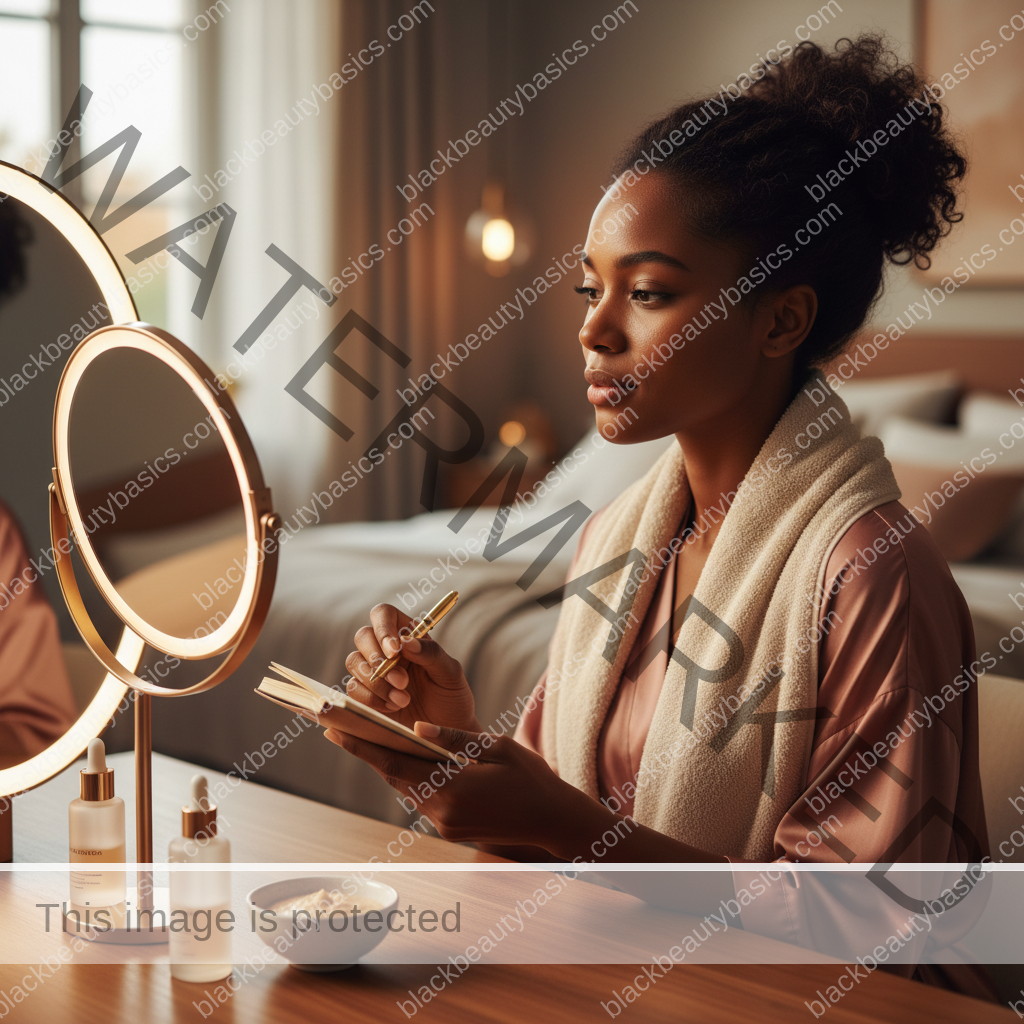
- Keep a Skin Diary: Note down flare-ups, new products used, and environmental factors to identify patterns and triggers.
- Consult a Dermatologist: If symptoms persist or worsen, seek professional medical advice, particularly from a dermatologist specializing in melanin-rich skin.
FAQ: Your Pressing Questions Answered
Q1: What does “hypoallergenic” really mean for laundry detergents?
A1: The term “hypoallergenic” is not regulated by the FDA, meaning manufacturers can use it without meeting specific standards. Generally, it indicates that a product is formulated to contain fewer common allergens or irritants. However, it doesn’t guarantee that a product will be entirely free of substances that could cause a reaction in every individual. For true sensitive skin, look for products explicitly labeled “fragrance-free” and “dye-free,” and ideally those with certifications from organizations like the National Eczema Association.
Q2: Can essential oils in “natural” detergents cause skin irritation?
A2: Yes, absolutely. While derived from natural sources, essential oils are potent plant extracts that can be significant allergens and irritants for sensitive skin. Common essential oils like lavender, tea tree, and citrus oils (e.g., limonene) are frequent culprits in contact dermatitis. If you have sensitive skin, it’s best to avoid all forms of fragrance, including those from essential oils, in your laundry products.
Q3: How long does it take to see improvement after switching to sensitive skin detergents?
A3: The timeline for improvement can vary widely depending on the severity of your irritation, how long it has been present, and your individual skin’s healing capabilities. Some individuals might notice a reduction in itching and redness within a few days to a week. For chronic conditions like eczema or persistent contact dermatitis, it might take several weeks to a few months to see significant and sustained improvement as your skin barrier heals. Consistency is key.
Q4: Is it necessary to wash all new clothes before wearing them?
A4: For anyone with sensitive skin or a history of irritation, it is highly recommended to wash all new clothes before wearing them, especially items that will be in direct contact with your skin (underwear, shirts, bedding). New clothing often contains residues from manufacturing processes, including dyes, formaldehyde, and other chemicals that can cause contact dermatitis. A simple wash with a gentle, fragrance-free detergent can remove many of these irritants.
Q5: Can hard water contribute to skin irritation from laundry?
A5: Yes, hard water can indirectly contribute to skin irritation. Hard water contains high levels of minerals like calcium and magnesium, which can react with detergents, making them less effective. This can lead to more detergent residue clinging to your clothes after rinsing. These mineral and detergent residues can then irritate sensitive skin. Using a water softener, a laundry water filter, or adding a cup of white vinegar to the rinse cycle can help mitigate the effects of hard water.
Q6: What’s the difference between “fragrance-free” and “unscented” detergents?
A6: This is a crucial distinction for sensitive skin. “Fragrance-free” means that no fragrance ingredients have been added to the product. “Unscented,” however, often means that fragrance chemicals have been added to neutralize or mask other odors in the product, making it smell like nothing. For truly sensitive skin, always opt for products explicitly labeled “fragrance-free” to avoid hidden irritants.
Q7: Can detergent residue on clothes cause post-inflammatory hyperpigmentation (PIH)?
A7: Yes, absolutely. Any form of inflammation or irritation on melanin-rich skin can trigger post-inflammatory hyperpigmentation (PIH). When detergent residues cause itching, redness, or a rash (contact dermatitis), the skin’s melanocytes can go into overdrive, producing excess melanin as part of the healing process. This results in the dark spots that are characteristic of PIH. Preventing irritation is the best way to prevent PIH.
Our skin is a testament to our heritage, a canvas of strength and beauty. By understanding the subtle yet profound impact of our daily laundry choices, we empower ourselves to protect this precious asset. May your journey towards serene skin be filled with clarity, comfort, and the radiant glow that is uniquely yours.
How to notice patterns without blaming your skin
For Black women and people with melanin-rich skin, skin concerns can feel especially frustrating because many examples, provider trainings, and product explanations still center lighter skin. This guide focuses on evaluating clothing, detergents, fragrance, sweat, seams, fabric friction, and laundry habits when dark skin stays irritated, while keeping the related BBB care cluster as the home base. The goal is not to diagnose yourself from a screen. The goal is to notice patterns clearly enough to ask better questions and make safer choices.
Start with what changed. Did the concern appear after a new product, procedure, fabric, detergent, shave, piercing, medication, flare, weather shift, or stressful season? Does the area itch, hurt, sting, thicken, darken, lighten, scale, drain, burn, or keep returning? On dark skin, color changes can be subtle or show up as purple, gray, brown, red-brown, or deeper marks rather than bright redness.
The strongest home-care plan is usually the one that reduces irritation, protects the barrier, avoids harsh experiments, and makes room for professional care when symptoms are persistent, painful, spreading, or connected to scarring. You deserve care that takes your skin seriously without making you feel dramatic.
What to notice gently
- Where the concern appears and whether it keeps returning in the same place.
- What symptoms come with it: itch, pain, scale, bumps, drainage, burning, or tenderness.
- What changed before the flare: products, fabrics, treatments, hair removal, stress, or weather.
- How the color looks on dark skin: brown, purple, gray, red-brown, lighter, or darker.
- What improves, worsens, or fails to change the pattern.
What usually makes dark-skin concerns harder to read
The first challenge is that many educational photos do not show how inflammation, irritation, psoriasis, eczema, keloids, or post-procedure reactions can appear on brown and deep skin. A flare can be serious even if it is not bright red. A mark can be meaningful even if someone else dismisses it as “just discoloration.”
The second challenge is trying too many fixes at once. Strong exfoliants, fragranced products, scrubs, peels, new detergents, and tight clothing can all blur the picture. When the skin is already reactive, simplifying can make the pattern easier to understand and safer to discuss with a professional.
The third challenge is not wanting to be dismissed. You are allowed to document symptoms, ask about dark-skin experience, request clear aftercare, and pause a treatment if the answers feel vague. Safety questions are not disrespectful. They are part of caring for melanin-rich skin.
What to do next

Keep this article connected to the BBB dark-skin care system. Use the related guides below to decide whether your next step is trigger tracking, barrier support, better documentation, or provider-safety questions.
- Skin Conditions on Dark Skin
- The related BBB care cluster guide
- everyday management for skin irritation
- eczema trigger tracking
- body eczema routine
- eczema and dermatitis on dark skin
Related next steps
Related posts:
 How Chronic Skin Conditions Shape Self-Image on Dark Skin
 Detergents, Fragrances, and Household Products That Skin Notices
 Grief, Anxiety, and Medical Trauma in Chronic Skin Conditions
 Building a Support System: Therapy, Community, and Creative Outlets for Chronic Skin Conditions
 Fabrics and Clothing Choices for Itchy or HS-Prone Areas
 Clothing, Intimacy, and Being Seen With Visible Scars and Rashes