Repairing Your Barrier After Over-Exfoliation on Dark Skin
You’ve been there. You’re trying to achieve that radiant, even-toned glow, perhaps tackling a stubborn patch of texture or a lingering dark mark. You’ve heard that exfoliation is key, and you’ve invested in products designed to deliver. But then, something shifts. Suddenly, your skin feels… different. It might be a persistent stinging, an uncomfortable tightness that makes your face feel too small for itself, a strange, almost plastic-like shine, or a new, unwelcome roughness. Perhaps your usual products now burn, or your skin looks ashier, grayer, or more tender than before. This isn’t the glow you were promised; it’s irritation, and it often signals that you’ve pushed your skin barrier too far.
It’s incredibly easy to fall into this trap, especially when the beauty landscape often champions aggressive treatments. We’re sometimes told that a little discomfort means the product is “working,” or that a temporary flare-up is just “purging” before the magic happens. For melanin-rich skin, this can be particularly misleading. What might appear as a minor flush on lighter skin tones can manifest as a dull, ashy cast, a sudden increase in texture, or even new, unwelcome dark marks on deeper complexions. The urge to exfoliate more to fix these new issues can be strong, but it’s often the exact opposite of what your skin needs. Understanding these nuances is crucial for nurturing your skin back to health and maintaining its natural resilience. This journey begins with recognizing the signs and pivoting to a strategy of gentle repair and profound care. For a deeper dive into how your skin barrier works and why it’s so vital, explore our comprehensive guide to Barrier Repair & Moisture Balance.
This experience, while frustrating, is a common one, and it’s not a reflection of your failure. It’s a sign that your skin is communicating its needs, and it’s an opportunity to re-evaluate your approach with wisdom and self-compassion. For Black women, who are often navigating beauty advice not always tailored to our unique skin physiology, understanding how to recognize and address over-exfoliation is an essential part of our skincare journey. Our skin, with its rich melanin, has distinct needs and responses, and learning to listen to them is paramount. This article will guide you through the process of calming your skin, simplifying your routine, and rebuilding your barrier support without panic or punishment, ensuring that your path to healthy, glowing skin is one of gentle empowerment. To truly understand the foundation of healthy skin, consider exploring our broader resources on Skincare for Black Women.
What This Post Covers
Navigating the aftermath of over-exfoliation can feel overwhelming, especially when your skin is sending distress signals. This guide is designed to empower you with the knowledge and practical steps needed to restore balance and comfort to your melanin-rich skin. You’ll learn how to identify the subtle and not-so-subtle signs that your skin barrier has been compromised, understand why these signs might look different on deeper complexions, and discover a clear path forward for recovery.
- How to recognize over-exfoliation on dark skin, moving beyond typical descriptions that often overlook melanin-rich responses.
- Why barrier damage can look different on melanin-rich skin, and how inflammation can uniquely impact our complexions.
- What skincare ingredients and practices to temporarily stop using to give your skin a much-needed break.
- How to build a simple, effective recovery routine focused on soothing, hydrating, and protecting your skin.
- Strategies to lower the chances of developing new post-inflammatory hyperpigmentation (PIH) while your skin heals and rebuilds its defenses.
- Common pitfalls to avoid that can prolong the healing process or exacerbate irritation.
- When to consider seeking professional advice for persistent or severe symptoms.
What Over-Exfoliation Can Look Like on Melanin-Rich Skin
When we talk about over-exfoliation, the typical image that comes to mind for many is bright redness, peeling, and obvious flaking. However, on melanin-rich skin, the signs can be more nuanced, often manifesting in ways that are easily mistaken for other issues or even for the “purging” phase of a new product. It’s crucial to understand these distinctions so you can accurately assess your skin’s condition and respond appropriately.
One of the most immediate and common indicators is a sensation of stinging or burning, especially when applying products that previously felt benign. Your moisturizer, serum, or even just water might suddenly cause a sharp, uncomfortable feeling. This isn’t a sign that your product is “working harder”; it’s a clear signal that your skin’s protective barrier has been compromised, leaving nerve endings exposed and reactive. This sensitivity can extend to environmental factors, making your skin feel more vulnerable to wind, cold, or even mild sun exposure.
Another tell-tale sign is persistent tightness. Your skin might feel stretched, inflexible, and uncomfortable, as if it’s a size too small for your face. This isn’t the pleasant firmness of well-hydrated skin; it’s a parched, dehydrated feeling that often accompanies a damaged barrier. Paradoxically, your skin might also appear unusually shiny, but not in a healthy, dewy way. This shine can be a sign of a compromised barrier struggling to hold onto moisture, leading to trans-epidermal water loss (TEWL) and a somewhat “plastic” or “stretched” appearance.
Texture changes are also prominent. You might notice a sudden onset of rough, bumpy patches, even in areas that were previously smooth. Flaky patches, particularly around the nose, mouth, or forehead, are another common sign. Your skin might feel sore or tender to the touch, and products you’ve used for years might suddenly cause irritation or a breakout. This new sensitivity means your skin is struggling to tolerate ingredients it once handled with ease.
Crucially, for deeper skin tones, irritation doesn’t always present as overt redness. Instead, you might observe a shift in your skin’s overall tone. It could look grayer, duller, or even take on a slightly darkened appearance. This isn’t just a lack of radiance; it’s a visual cue that inflammation is present beneath the surface. The skin’s natural luminosity can be diminished, and its texture might appear disrupted, losing its smooth, even quality. These subtle color and texture changes are vital indicators of barrier distress in melanin-rich skin.
Perhaps one of the most concerning consequences for dark skin is the increased risk of post-inflammatory hyperpigmentation (PIH). When the skin barrier is repeatedly irritated or inflamed, especially through aggressive exfoliation, the melanocytes (the cells responsible for producing melanin) can go into overdrive. This leads to the formation of new dark spots or the worsening of existing ones, creating a cycle where the very problem you were trying to solve—uneven tone or dark marks—is exacerbated. This is why a gentle, barrier-first approach is so critical for our complexions; what might be a temporary irritation for some can leave a lasting mark for us.
Recognizing these signs early is the first step toward recovery. It requires a mindful approach, paying close attention to how your skin feels and looks, rather than blindly following product instructions or trends. Your skin is always communicating; our role is to learn its language, especially when it’s signaling distress.
Why Over-Exfoliation Hits Dark Skin Differently
Melanin-rich skin possesses unique characteristics that make it both resilient and, paradoxically, more vulnerable to certain types of damage, particularly from over-exfoliation. Understanding these distinctions is key to developing a skincare approach that truly serves our complexions. The way our skin responds to inflammation and barrier stress is fundamentally linked to our melanin content, and this is where the impact of over-exfoliation can hit differently.
At the heart of it lies the connection between inflammation, barrier stress, and post-inflammatory hyperpigmentation (PIH). When the skin barrier is healthy, it acts as a robust shield, protecting against environmental aggressors, preventing moisture loss, and keeping irritants out. Exfoliation, when done correctly, helps to remove dead skin cells and promote cell turnover. However, when exfoliation becomes excessive or too aggressive, it can disrupt this delicate barrier. This disruption triggers an inflammatory response within the skin.
For melanin-rich skin, any inflammation, whether from a cut, a breakout, or, in this case, a damaged barrier, can stimulate melanocytes. These are the cells responsible for producing melanin, our skin’s natural pigment. When stimulated by inflammation, melanocytes can produce an excess of melanin, leading to the formation of dark spots or patches – what we know as PIH. This means that while someone with lighter skin might experience temporary redness from over-exfoliation, someone with darker skin is far more likely to develop persistent dark marks that can take months or even years to fade. The stakes are simply higher for us.
This heightened risk of PIH is often overlooked in mainstream beauty advice, which unfortunately can lead Black women down a path of aggressive treatments. We are frequently, and sometimes inadvertently, pushed towards “stronger” exfoliants, higher concentrations of active ingredients, or more frequent treatments to address common concerns like dullness, uneven texture, acne, or existing dark spots. The narrative often suggests that for our skin to “catch up” or to achieve a certain level of brightness, we need more potent solutions. However, without sufficient warning about the potential for barrier fallout and subsequent PIH, this advice can be counterproductive and even harmful.
The idea that “stronger is better” is a dangerous misconception when the skin is already irritated. When your barrier is compromised, your skin is in a vulnerable, defensive state. Introducing more potent or harsh ingredients at this time is akin to pouring salt on a wound. It exacerbates inflammation, further damages the barrier, and significantly increases the likelihood of developing new or worsening existing PIH. Instead of accelerating progress, it creates a cycle of irritation, damage, and subsequent hyperpigmentation.
Our skin’s natural protective mechanisms, including its robust melanin, are designed for defense. When these defenses are breached by over-exfoliation, the body’s natural healing response can, for us, involve an overproduction of pigment. This isn’t a flaw; it’s a physiological response that demands a different approach to care. Instead of fighting against our skin’s natural tendencies with aggressive tactics, we need to work with it, prioritizing gentle support and inflammation reduction.
The practical takeaway here is profound: for melanin-rich skin, maintaining a healthy barrier is not just about comfort; it’s a critical strategy for preventing and managing hyperpigmentation. When your skin is irritated or compromised, the goal shifts from “fixing” issues with strong actives to “calming” and “protecting” to allow natural healing. This approach honors our skin’s unique biology and sets the foundation for lasting health and radiance.
How to Pause and Simplify Your Routine
When your skin barrier is compromised from over-exfoliation, the most powerful action you can take is to pause and simplify. Think of it as hitting the reset button. Your skin is sending clear distress signals, and the best way to respond is with a gentle, minimalist approach that prioritizes healing and comfort. This isn’t about giving up on your skincare goals; it’s about creating the optimal environment for your skin to repair itself and regain its natural strength.
Immediate Steps in the First Few Days
The moment you suspect over-exfoliation, the first and most critical step is to immediately cease all exfoliating products. This includes chemical exfoliants like AHAs (glycolic acid, lactic acid), BHAs (salicylic acid), PHAs, retinoids (retinol, tretinoin), and physical exfoliants such as scrubs, brushes, and even harsh washcloths. If you use any strong masks, peels, or other intensive treatments, those should also be put on hold. This immediate cessation removes the source of irritation and allows your skin to begin its recovery process without further assault.
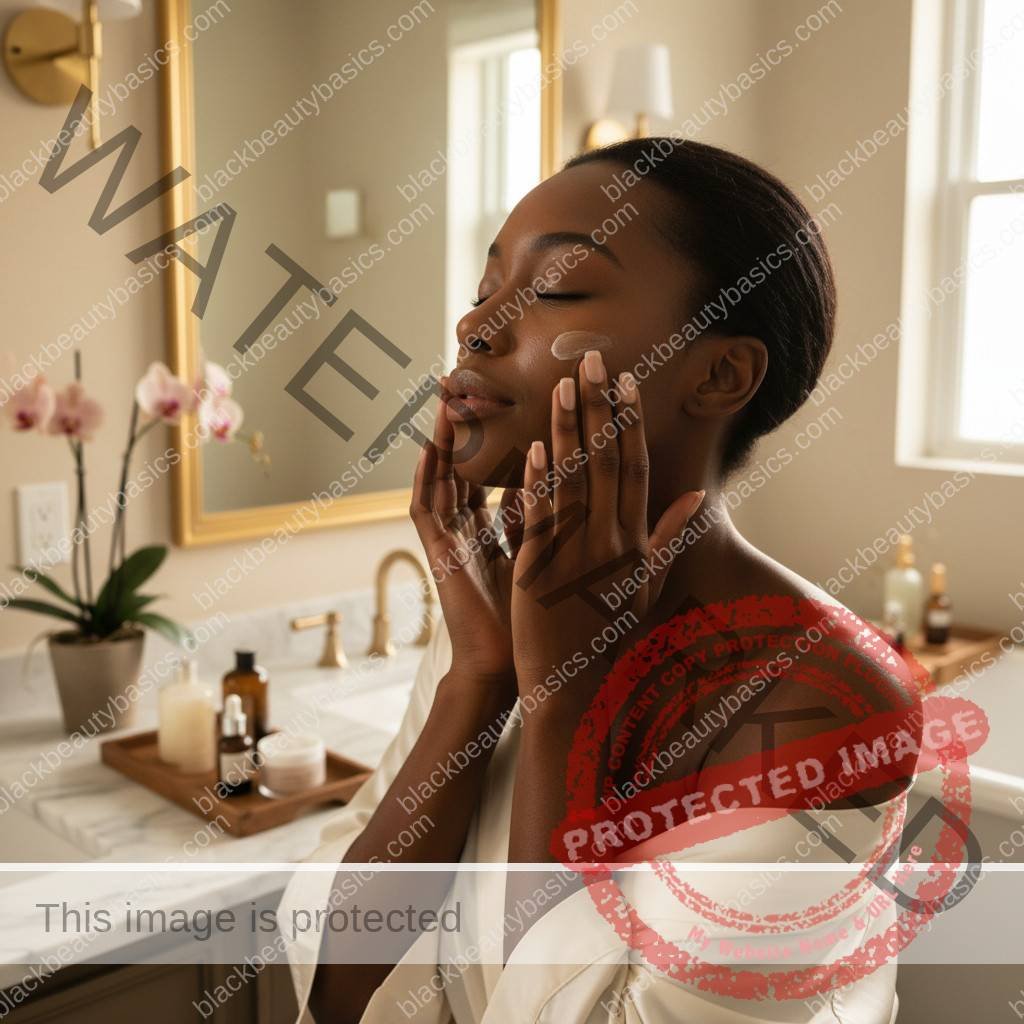
During these initial days, your goal is to minimize friction and further stress. Avoid hot water when washing your face, opting for lukewarm water instead. Pat your skin dry with a soft towel rather than rubbing. If your skin feels particularly inflamed or hot, a cool compress can offer temporary relief. The key is to be incredibly gentle with every touch and application, treating your skin as you would a delicate silk fabric.
A Stripped-Down Morning Routine
Your morning routine should be focused on cleansing gently, providing essential hydration and moisture, and, most importantly, protecting your vulnerable skin from the sun. Simplicity is your ally here.
- Gentle Cleanse (Optional): If your skin feels tight or dry in the morning, you might even skip a traditional cleanser and simply rinse your face with lukewarm water. If you prefer to cleanse, choose a very mild, non-foaming, hydrating cleanser. Look for formulas that are fragrance-free and designed for sensitive skin, focusing on ingredients like ceramides, hyaluronic acid, and glycerin. The goal is to remove any overnight buildup without stripping your skin further. You can browse options for gentle cleansers on Amazon.
- Hydrate and Soothe: Immediately after cleansing (or rinsing), apply a hydrating serum or toner. Look for products rich in hyaluronic acid, glycerin, panthenol (Vitamin B5), or centella asiatica (Cica). These ingredients help to draw moisture into the skin and calm irritation. Apply to damp skin to maximize absorption.
- Moisturize: Follow with a bland, comforting moisturizer. This is not the time for fancy actives or anti-aging claims. Opt for a cream or lotion packed with barrier-supporting ingredients like ceramides, fatty acids, cholesterol, and squalane. These mimic your skin’s natural lipids and help to rebuild its protective barrier. The moisturizer should feel soothing and provide lasting comfort without any stinging or burning.
- Prioritize Daily SPF: This step is non-negotiable. Your compromised barrier makes your skin more susceptible to sun damage, which can worsen inflammation and significantly increase the risk of PIH. Choose a broad-spectrum sunscreen with an SPF of 30 or higher. Mineral sunscreens (zinc oxide, titanium dioxide) are often preferred for sensitive or irritated skin as they tend to be less irritating. Ensure it’s a formula that blends well into melanin-rich skin without leaving a white cast. Reapply every two hours if you’re outdoors.
A Stripped-Down Evening Routine
Your evening routine will mirror the morning’s simplicity, with an emphasis on thorough but gentle cleansing to remove the day’s impurities and a focus on deep hydration and barrier repair while you sleep.
- Gentle Cleanse: Use the same mild, hydrating cleanser from your morning routine. If you wear makeup or heavy sunscreen, consider a gentle oil or balm cleanser as a first step to dissolve impurities without harsh rubbing, followed by your hydrating cleanser. This “double cleanse” can be done very gently.
- Hydrate and Soothe: Apply your hydrating serum or toner again to damp skin. This provides another layer of moisture and soothing ingredients to support overnight repair.
- Moisturize: Apply a generous layer of your comforting, barrier-supportive moisturizer. For evening, you might choose a slightly richer texture if your skin feels particularly dry or tight. This allows the skin to focus on repair and regeneration overnight, undisturbed by environmental stressors.
How to Tell When Your Skin Wants Less, Not More
Learning to listen to your skin is a journey, but when it’s over-exfoliated, its signals become much louder. Your skin wants less when:
- Any product, even those previously tolerated, causes stinging, burning, or itching upon application.
- Your skin feels consistently tight, dry, or uncomfortable, despite applying moisturizer.
- You notice new roughness, flakiness, or a dull, ashy appearance.
- Breakouts appear suddenly and are different from your usual acne, often accompanied by tenderness.
- Your skin reacts negatively to environmental factors like wind, cold, or even a slight change in humidity.
- Existing dark spots appear to be getting darker, or new ones are forming rapidly.
These are all indicators that your skin barrier is compromised and needs a break from active ingredients and a focus on foundational care. The goal during this recovery period is comfort, not instant perfection. Resist the urge to introduce new “repair” products or treatments too quickly. Consistency with a simple, gentle routine is far more effective than a complex regimen that overwhelms already stressed skin. Healing takes time, and patience is a virtue in barrier repair.
What to Stop Using for Now
When your skin barrier is compromised, it’s not about “failing” at skincare; it’s about recognizing that your skin’s needs have temporarily shifted. Continuing with products that exacerbate irritation will only prolong the healing process and increase the risk of lasting consequences like post-inflammatory hyperpigmentation. The goal is to reduce the load on your stressed skin, allowing it to focus its energy on repair rather than defense.
Here’s a clear breakdown of what to put on pause:
- All Exfoliating Acids (AHAs, BHAs, PHAs): This is the most crucial category to eliminate. Glycolic acid, lactic acid, salicylic acid, mandelic acid, and any other alpha, beta, or polyhydroxy acids should be completely removed from your routine. Even low concentrations or products marketed as “gentle” can be too much for an over-exfoliated barrier. These acids work by dissolving the bonds between dead skin cells, and when your barrier is already thin and compromised, they will only cause further damage, stinging, and inflammation.
- Physical Scrubs and Exfoliating Devices: Any product or tool that physically abrades the skin, such as granular scrubs (apricot kernel, sugar, salt), exfoliating brushes (like sonic cleansing brushes), or harsh washcloths, must be stopped. These can create micro-tears in an already fragile barrier, leading to increased irritation, sensitivity, and a heightened risk of infection. Even gentle rubbing can be too much.
- Retinoids (Retinol, Retinal, Tretinoin, Adapalene): While retinoids are powerful ingredients for cell turnover and collagen production, they can be highly irritating, especially when first introduced or used on compromised skin. They increase skin cell turnover, which can thin the outermost layer of the skin, making it more vulnerable. Pause all forms of retinoids, whether over-the-counter or prescription, until your barrier is fully recovered and stable.
- Strong Masks and Peels: Clay masks, purifying masks, and any at-home chemical peels should be avoided. Many of these products are designed to draw out impurities or provide intensive exfoliation, which is the opposite of what your skin needs right now. They can be drying, irritating, and further strip the skin of its natural oils and moisture.
- Vitamin C (especially L-Ascorbic Acid): While Vitamin C is a fantastic antioxidant, its most potent form, L-Ascorbic Acid, is often formulated at a low pH, which can be irritating to a damaged barrier. If your Vitamin C serum causes any stinging or discomfort, it’s best to pause it. You can reintroduce it later, perhaps starting with a gentler derivative, once your skin has healed.
- Fragrance and Essential Oils: These ingredients, while pleasant, are common irritants, especially for sensitive or compromised skin. Check your product labels for “fragrance,” “parfum,” or individual essential oils. Opt for fragrance-free formulations during your recovery period to minimize any potential for allergic reactions or irritation.
- Too Many Actives at Once: Even if you’re not using strong exfoliants, layering multiple active serums (e.g., niacinamide, peptides, various antioxidants) can overwhelm an already stressed barrier. During recovery, simplify your routine to the absolute essentials: a gentle cleanser, a hydrating serum, a barrier-repairing moisturizer, and sunscreen.
- Anything That Repeatedly Burns or Stings: This is your skin’s loudest signal. If a product consistently causes discomfort, regardless of its intended purpose, it needs to be removed from your routine immediately. Your skin is telling you it cannot tolerate that ingredient or formulation right now.
The philosophy behind this pause is simple: your skin needs a break. It’s about creating a calm, nurturing environment where its natural healing mechanisms can function optimally. Chasing smoothness or perfection too fast, especially by continuing to exfoliate or introduce strong actives, will only keep your barrier stuck in a cycle of damage and delayed recovery. Be patient, be gentle, and trust that simplifying your routine is the most effective path to restoring your skin’s health and resilience.
What to Use Instead While Skin Calms Down
Once you’ve paused all potential irritants, the next crucial step is to introduce products that actively support your skin’s healing process. This isn’t about replacing one complex routine with another; it’s about building a minimalist, nurturing regimen focused on three core principles: gentle cleansing, deep hydration and barrier repair, and consistent protection. Simple routines are not less effective; in this context, they are often the most intelligent and powerful approach.
Gentle Cleanser Choices
Your cleanser sets the tone for your entire routine. During barrier recovery, you need a cleanser that respects your skin’s delicate state, removing impurities without stripping it of its natural oils or leaving it feeling tight and dry. Look for:
- Creamy, Non-Foaming Formulas: Foaming cleansers, especially those with harsh sulfates, can be too drying. Opt for milky, creamy, or gel-to-milk textures that feel soft and emollient on the skin.
- Hydrating Ingredients: Seek out cleansers containing glycerin, hyaluronic acid, ceramides, or colloidal oatmeal. These ingredients help to maintain moisture and soothe the skin while cleansing.
- Fragrance-Free and Hypoallergenic: As mentioned before, fragrance is a common irritant. Choose products explicitly labeled as fragrance-free and designed for sensitive skin.
- pH-Balanced: Cleansers with a pH close to that of your skin (around 5.5) are less likely to disrupt the acid mantle, an important part of your skin barrier.
When cleansing, use lukewarm water and your fingertips. Gently massage the cleanser onto your skin for about 30-60 seconds, then rinse thoroughly and pat dry with a soft towel. Avoid rubbing or using any cleansing devices.
Barrier-Supportive Moisturizers
This is arguably the most critical product in your recovery arsenal. A good barrier-repairing moisturizer provides the essential lipids and humectants your skin needs to rebuild its protective shield and lock in moisture. Prioritize ingredients that mimic your skin’s natural composition:
- Ceramides: These are the “mortar” between your skin cells, crucial for barrier integrity. Look for moisturizers with a blend of ceramides (e.g., Ceramide NP, AP, EOP) to replenish what’s lost.
- Fatty Acids and Cholesterol: These lipids work synergistically with ceramides to strengthen the barrier. Ingredients like linoleic acid, oleic acid, and cholesterol are excellent additions.
- Humectants: Hyaluronic acid, glycerin, urea, and panthenol (Vitamin B5) attract and hold water in the skin, providing immediate and long-lasting hydration.
- Emollients: Ingredients like squalane, shea butter, and various plant oils help to smooth and soften the skin, reducing flakiness and discomfort.
- Soothing Agents: Centella asiatica (Cica), allantoin, bisabolol, and colloidal oatmeal can help calm inflammation and reduce redness or irritation.
Apply your moisturizer generously and frequently, especially if your skin feels dry or tight. Don’t be afraid to reapply throughout the day if needed. The goal is to keep your skin constantly comforted and supported. You can explore ceramide moisturizer options for dark skin women on Amazon.
Comforting Textures
The texture of your products matters, especially when your skin is sensitive. During recovery, opt for textures that feel soothing and non-irritating:
- Creams and Balms: These tend to be richer and more occlusive, providing a stronger protective layer and preventing moisture loss. They are excellent for very dry or compromised skin.
- Lotions: Lighter than creams but still effective, lotions can be a good choice if your skin is less severely compromised or if you prefer a less heavy feel.
- Serums: Hydrating serums (e.g., hyaluronic acid, B5) can be layered under your moisturizer for an extra boost of hydration. Ensure they are free of active ingredients and fragrance.
Avoid anything that feels too thin and watery without sufficient occlusive properties, as these might not provide enough barrier support. Conversely, avoid anything that feels heavy and occlusive without also providing hydrating and barrier-repairing ingredients, as this can sometimes trap heat or further irritate.
Sunscreen That You Will Actually Wear
Sunscreen is your daily shield, and it’s even more critical when your barrier is damaged. UV radiation can worsen inflammation, impede healing, and significantly increase the risk of PIH. The best sunscreen is one you’ll use consistently, so choose a formula that you find cosmetically elegant and comfortable.
- Broad-Spectrum SPF 30+: Always choose a sunscreen that protects against both UVA and UVB rays.
- Mineral Sunscreens (Zinc Oxide, Titanium Dioxide): These are often recommended for sensitive skin as they sit on top of the skin rather than being absorbed. Modern formulations blend beautifully into dark skin without leaving a white cast.
- Hydrating Formulas: Many sunscreens now include hydrating ingredients, which can be a bonus for compromised skin.
- No White Cast: For melanin-rich skin, finding a mineral sunscreen that doesn’t leave a ghostly white residue is paramount. Many brands now offer tinted mineral sunscreens or those with micronized zinc oxide that disappear seamlessly.
Apply sunscreen as the last step in your morning routine, even on cloudy days or if you’re mostly indoors. Reapply every two hours if you’re outdoors or sweating. This consistent protection is vital for preventing further damage and minimizing the risk of new dark marks. You can check current prices for mineral sunscreens for dark skin on Amazon.
Remember, the goal is to create a nurturing, protective cocoon for your skin. This simple, consistent routine allows your skin’s natural healing processes to take over, reducing inflammation, rebuilding the barrier, and preventing further damage. Patience and consistency are your greatest tools during this recovery period.
Common Mistakes That Keep an Over-Exfoliated Barrier Stuck
Even with the best intentions, it’s easy to fall into patterns that inadvertently prolong the healing of an over-exfoliated skin barrier. These common mistakes often stem from a desire to “fix” the problem quickly, but they can trap your skin in a cycle of irritation and delayed recovery. Recognizing these pitfalls is crucial for a smoother, faster path back to healthy skin.

- Exfoliating Again Because Skin Feels Rough: This is perhaps the most common and counterproductive mistake. When your barrier is damaged, skin can feel rough, bumpy, or flaky. The natural inclination is to think there’s “buildup” and that more exfoliation is needed to smooth it out. However, this roughness is often a symptom of dehydration and barrier dysfunction, not excess dead skin cells. Exfoliating further will only strip the skin more, increase inflammation, and worsen the problem, leading to a vicious cycle. The solution is gentle hydration and barrier repair, not more abrasion.
- Using Too Many “Repair” Products at Once: The market is flooded with products promising “barrier repair” or “skin soothing.” While many are excellent, layering several new serums, creams, and treatments simultaneously can overwhelm already sensitive skin. It becomes difficult to identify what’s helping and what might be causing subtle irritation. Stick to a minimalist routine with one or two key barrier-supporting products (cleanser, moisturizer, sunscreen) until your skin stabilizes.
- Skipping Moisturizer Because Skin Feels Oily: Over-exfoliation can sometimes trigger increased oil production as the skin tries to compensate for moisture loss, leading to an oily-but-dehydrated state. This can make you hesitant to apply moisturizer, fearing it will make the oiliness worse. However, skipping moisturizer will perpetuate the dehydration and signal to your skin to produce even more oil. The key is to choose a lightweight, non-comedogenic moisturizer that provides hydration and barrier support without feeling heavy. For more on this, read our article on Moisture Balance for Oily but Dehydrated Dark Skin.
- Testing New Treatments While Skin is Still Reactive: The healing journey requires patience. Introducing new active ingredients, even those intended for soothing or brightening, while your skin is still reactive is a recipe for setback. Your skin’s tolerance is low, and new ingredients increase the risk of an adverse reaction. Wait until your skin feels completely calm, comfortable, and stable for at least a few weeks before considering slowly reintroducing any new products, one at a time.
- Using Strong Acne Products on Already Irritated Skin: If over-exfoliation has led to breakouts, the impulse might be to reach for strong acne treatments like benzoyl peroxide or high concentrations of salicylic acid. However, these ingredients can be very drying and irritating, especially on a compromised barrier. They will likely worsen the irritation, increase inflammation, and potentially lead to more severe PIH. Focus on calming the inflammation and restoring the barrier first; often, the “breakouts” are a symptom of barrier dysfunction and will resolve as the skin heals.
- Ignoring Sun Protection While Trying to Fade the Aftermath: Sunscreen is non-negotiable, especially when your skin is healing from irritation. UV exposure can significantly worsen inflammation, delay barrier repair, and intensify any existing or newly formed post-inflammatory hyperpigmentation. Even if you’re focused on “fading” dark marks, neglecting daily, consistent sunscreen application will undermine all your efforts and likely make the marks darker and more persistent.
- Expecting Instant Results and Losing Patience: Barrier repair is a process, not an overnight fix. It takes time for skin cells to regenerate, for the lipid matrix to rebuild, and for inflammation to subside. Impatience can lead to reintroducing actives too soon or trying too many new things, which brings you back to square one. Trust the process, be consistent with your gentle routine, and celebrate small improvements.
By being mindful of these common mistakes, you can actively support your skin’s healing journey, preventing unnecessary setbacks and fostering a more resilient, balanced complexion.
When Over-Exfoliation Leads to Breakouts, Burning, or Dark Marks
The consequences of over-exfoliation extend beyond just surface irritation. When the skin barrier is severely compromised, it can become a gateway for a cascade of more distressing issues, particularly for melanin-rich skin. This includes increased reactivity, a propensity for new breakouts, and, most notably, the development or worsening of post-inflammatory hyperpigmentation (PIH). It’s a frustrating cycle, but understanding why these occur is the first step toward effective, gentle intervention.
Breakouts from Barrier Damage: It might seem counterintuitive that over-exfoliation, often used to prevent breakouts, can actually cause them. However, a damaged skin barrier is less effective at keeping out bacteria and irritants. When the barrier is compromised, the skin’s natural microbiome can be thrown off balance, and bacteria like P. acnes (now often referred to as C. acnes) can proliferate more easily. Furthermore, the inflammation caused by over-exfoliation can trigger an inflammatory response in the sebaceous glands, leading to increased oil production and clogged pores. These “breakouts” often feel different from typical acne; they might be more widespread, tender, and accompanied by overall skin sensitivity. The answer here is usually calm support, not doubling down on harsh correction. Aggressive acne treatments will only further irritate an already fragile barrier, exacerbating the problem and increasing the risk of PIH. For a deeper understanding of how to manage acne on sensitive dark skin, refer to our comprehensive guide on Acne and Sensitive Skin in Black Women.
Persistent Burning and Stinging: If your skin continues to burn or sting even after pausing exfoliants and simplifying your routine, it’s a sign of significant barrier damage and ongoing inflammation. This persistent discomfort means your skin’s nerve endings are highly sensitized, and its protective layers are severely depleted. It’s a clear signal that your skin is in crisis mode and needs consistent, gentle care. Avoid anything that causes this sensation, and prioritize bland, soothing formulations. If the burning is severe or accompanied by extreme swelling or blistering, it’s essential to seek professional medical advice.
The Onset or Worsening of Dark Marks (PIH): This is perhaps the most significant concern for melanin-rich skin. As discussed, any inflammation on darker skin tones can stimulate melanocytes, leading to an overproduction of melanin. Over-exfoliation creates significant inflammation. This means that the very act of trying to achieve an even skin tone or fade existing dark spots can inadvertently create new ones or make existing ones darker and more stubborn. These new dark marks can range from light brown to deep black, depending on your skin tone and the severity of the inflammation. They can be incredibly frustrating and demoralizing, as they represent a setback in your skincare journey. Understanding the nuances of hyperpigmentation is crucial for effective management; our article on Hyperpigmentation and Dark Spots offers valuable insights.
When these issues arise from over-exfoliation, the path to recovery is not through more aggressive treatments. It’s about breaking the cycle of inflammation and damage. The focus must be on soothing the skin, rebuilding the barrier, and preventing further irritation. This patient, gentle approach allows the skin’s natural healing mechanisms to work without interference.
A crucial, often underestimated, component of managing and preventing PIH during this healing phase is consistent sun protection. UV radiation not only exacerbates inflammation but also directly stimulates melanin production, making dark spots darker and harder to fade. Even if your skin is irritated, using a broad-spectrum sunscreen with SPF 30 or higher daily is non-negotiable. Mineral sunscreens are often preferred for sensitive skin. This protective measure is vital for supporting your skin’s recovery and minimizing the lasting impact of PIH. For guidance on selecting the best sun protection for your complexion, explore our recommendations for Sunscreen for Dark Skin.
Remember, your skin is resilient, but it needs your gentle support to heal. Panic or punishment will only prolong the distress. Embrace a strategy of calm, consistent care, and trust that your skin has the capacity to recover.
How to Navigate This Topic
Understanding how to repair your skin barrier after over-exfoliation is a crucial step in your skincare journey, especially when you have melanin-rich skin. This article serves as a foundational guide within our broader discussion on Barrier Repair & Moisture Balance, a cluster designed to empower you with the knowledge to nurture and protect your skin’s first line of defense.
We recognize that navigating skin concerns can sometimes feel like piecing together a complex puzzle. This article specifically addresses the immediate aftermath of over-exfoliation, offering clear, actionable steps to calm and restore your skin. However, your skin’s needs are dynamic, and there are many facets to maintaining a healthy, resilient barrier.
To continue your journey and deepen your understanding, here’s how this article connects to other valuable resources within our platform:
- If you’re unsure whether your skin barrier is actually damaged: Before diving deep into repair, it’s helpful to confirm if your symptoms truly point to a compromised barrier. Our article on Signs of a Damaged Barrier on Melanin-Rich Skin provides a detailed checklist and insights into how these signs manifest uniquely on deeper complexions. This can help you confidently identify your skin’s current state.
- Once you understand your barrier is damaged and needs repair: This article provides the initial steps. For a more comprehensive, step-by-step guide to building a long-term healing regimen, you’ll want to explore our Barrier Repair Routine for Sensitive Dark Skin. It offers specific product recommendations and a structured approach to nurture your skin back to optimal health.
- If your skin is oily but still feels dehydrated after over-exfoliation: This is a common and often confusing scenario. Over-exfoliation can strip the skin, leading to dehydration, even if you naturally have an oily skin type. Your skin might feel tight and dry but also appear shiny and produce more oil. Our article on Moisture Balance for Oily but Dehydrated Dark Skin will provide tailored advice for managing this specific challenge.
- To make informed choices about your everyday products: Selecting the right moisturizer is paramount for barrier health. Different textures and formulations suit different needs and skin states. Our guide on Choosing Moisturizer Textures for Melanin-Rich Skin can help you understand the nuances and select products that truly support your skin, both during recovery and for ongoing maintenance.
All these resources are part of our larger mission to provide culturally authentic, education-first beauty content that centers Black women as the default, not the afterthought. They are designed to empower you with knowledge and confidence in managing your unique skin needs. Remember, your skin is a reflection of your overall well-being, and nurturing it with informed care is an act of self-love. For a broader perspective on all aspects of skin health tailored for us, please visit our main Skincare for Black Women pillar.
Quick Principles for Recovering From Over-Exfoliation
When your skin is in distress from over-exfoliation, it’s easy to feel overwhelmed. Boiling down the recovery process to a few core principles can provide clarity and empower you to make the best choices for your skin. These aren’t just rules; they are compassionate guidelines designed to help you nurture your skin back to health without judgment or pressure.
- Stinging is Not a Sign You Need More Exfoliation: This cannot be stressed enough. If your skin stings, burns, or feels uncomfortable, it’s a clear signal of irritation and barrier damage. It means your skin needs a break, not more aggressive treatment. Discomfort is a warning, not an indicator of efficacy.
- Rough Skin After Irritation is Not Always Buildup: That rough, bumpy texture you feel might not be dead skin cells needing removal. More often, it’s a symptom of dehydration and a compromised barrier struggling to maintain its smooth integrity. Attempting to exfoliate this roughness will only cause further damage. Focus on hydration and barrier repair instead.
- A Simple Routine Can Be the Smart Routine: During recovery, less is truly more. Stripping down your routine to a gentle cleanser, a barrier-repairing moisturizer, and sunscreen allows your skin to focus its energy on healing. Overloading it with multiple products, even “repairing” ones, can introduce new irritants or overwhelm its healing capacity.
- Melanin-Rich Skin Often Needs Less Inflammation, Not More Intensity: Due to our skin’s propensity for post-inflammatory hyperpigmentation, minimizing inflammation is paramount. Aggressive exfoliation or harsh treatments, while sometimes marketed as “intensive,” often create more inflammation, leading to dark marks. Prioritize soothing and calming strategies.
- Barrier Repair is About Steadiness and Comfort: This journey requires patience and consistency. There won’t be an overnight miracle. Focus on providing your skin with consistent comfort, hydration, and protection day after day. Small, steady improvements are the hallmark of successful barrier repair.
- Protecting Healing Skin Can Help Reduce Future Dark Marks: Sun exposure is a major trigger for hyperpigmentation, especially on compromised skin. Diligent, daily use of a broad-spectrum sunscreen is crucial not only for preventing further damage but also for minimizing the likelihood and severity of new dark spots forming during the healing process.
- Listen to Your Skin’s Signals: Your skin is constantly communicating. Learn to interpret its messages – tightness, stinging, ashiness, new texture, or breakouts – as cues to adjust your approach. This intuitive connection with your skin is a powerful tool for maintaining its health and resilience.
These principles serve as your compass during the recovery phase, guiding you toward choices that honor your skin’s unique needs and support its natural ability to heal.
Frequently Asked Questions
How do I know if I over-exfoliated my dark skin?
On dark skin, over-exfoliation can manifest as stinging or burning upon product application, persistent tightness, unusual shininess, rough or flaky patches, tenderness, or a sudden onset of dullness, ashiness, or grayness. You might also notice new or worsening dark spots (PIH) or breakouts that differ from your usual acne.
Why does my skin look darker or grayer after too much exfoliation?
When melanin-rich skin is irritated or inflamed by over-exfoliation, the melanocytes (pigment-producing cells) can be stimulated to produce excess melanin. This leads to post-inflammatory hyperpigmentation (PIH), which appears as new dark spots or a general darkening, dullness, or grayish cast on the affected areas, rather than just visible redness.
Should I stop all actives if my face burns?
Yes, if your face burns or stings, it’s a clear signal of a compromised skin barrier. You should immediately pause all active ingredients, including exfoliating acids (AHAs, BHAs), retinoids, and potentially even potent Vitamin C serums. Focus on a minimalist routine of gentle cleansing, barrier-repairing moisturizer, and sunscreen until your skin calms down.
Can over-exfoliation cause breakouts?
Absolutely. Over-exfoliation compromises the skin’s protective barrier, making it more vulnerable to bacteria and irritants. This can disrupt the skin’s microbiome, lead to increased oil production, and trigger inflammation, all of which can result in new breakouts that often feel tender and are accompanied by overall sensitivity.
How long does barrier recovery usually take?
Barrier recovery time varies depending on the severity of the damage and individual skin factors, but it typically takes anywhere from 2 weeks to 2 months for significant improvement. Consistency with a gentle, barrier-supporting routine is key, and patience is essential as skin cells regenerate and the lipid barrier rebuilds.

Do I still need sunscreen if my skin is irritated?
Yes, daily sunscreen application is even more critical when your skin is irritated. A compromised barrier makes your skin highly susceptible to UV damage, which can worsen inflammation, delay healing, and significantly increase the risk of developing or darkening post-inflammatory hyperpigmentation. Choose a broad-spectrum SPF 30+ mineral sunscreen.
When should I see a dermatologist?
Consider seeing a dermatologist if your symptoms are severe, such as intense burning, extreme swelling, blistering, or persistent pain. You should also seek professional advice if your skin shows no signs of improvement after several weeks of a consistent, gentle barrier-repair routine, or if the breakouts or dark marks are worsening and causing significant distress.
Final Thoughts
Experiencing over-exfoliation can be a disheartening detour on your skincare journey, especially when you were striving for healthier, more radiant skin. It’s important to remember that skin setbacks are not a personal failure. In a world saturated with often conflicting and aggressive beauty advice, it’s easy to push our skin beyond its limits, particularly for melanin-rich complexions that respond uniquely to inflammation and irritation.
What truly matters now is how you respond. Choose steadiness over panic, compassion over punishment. Your skin is incredibly resilient, designed to protect and heal, but it needs your gentle support and understanding to do so. Embrace this period as an opportunity to truly listen to your skin, to understand its needs, and to cultivate a more intuitive and nurturing relationship with it.
By simplifying your routine, prioritizing comfort, and protecting your healing barrier, you’re not just addressing a temporary issue; you’re building a foundation for long-term skin health and resilience. This journey of repair is a testament to your commitment to self-care, and it ultimately leads to a deeper, more confident understanding of your beautiful, melanin-rich skin. Continue to explore our resources on Barrier Repair & Moisture Balance and throughout Skincare for Black Women to empower yourself with knowledge that truly serves you.
INTERNAL LINKING OPPORTUNITIES:
https://blackbeautybasics.com/skincare-for-black-women/barrier-repair-and-moisture-balance/
https://blackbeautybasics.com/skincare-for-black-women/
https://blackbeautybasics.com/acne-and-sensitive-skin-in-black-women/
https://blackbeautybasics.com/hyperpigmentation-and-dark-spots/
https://blackbeautybasics.com/sunscreen-for-dark-skin/
Related next steps
Related posts:
 Environmental Factors & Dark Skin Barrier: Climate, Pollution & More
 Understanding Your Skin Barrier for Dark Skin
 Gentle Exfoliation for Dark Spots: Routines for Melanin-Rich Skin
 Post-Exfoliation Care for Dark Skin: Nurturing Melanin-Rich Complexions
 Acids and Exfoliation on Dark, PIH-Prone Skin
 Gentle Cleansing for Dark, Sensitive Skin: A Barrier-First Guide