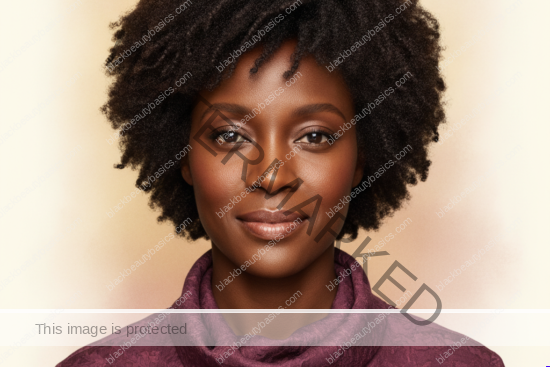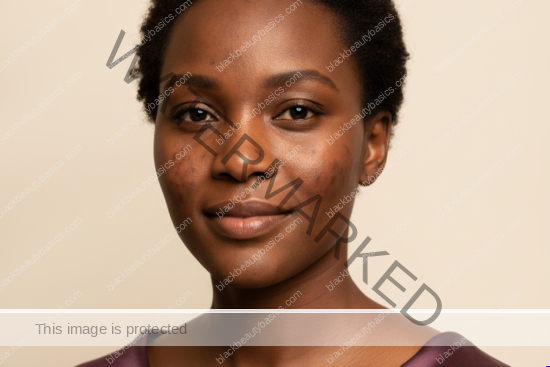
The journey of womanhood is a tapestry woven with strength, resilience, and unparalleled beauty. Yet, for many of us, this path can sometimes present unexpected challenges, like the nuanced experience of managing facial hair due to Polycystic Ovary Syndrome (PCOS). This isn’t merely about aesthetics; it’s about reclaiming your narrative, understanding your body, and embracing every facet of your exquisite self with grace and informed confidence. Start with the related BBB cluster guide for the broader map.

Navigating PCOS: Understanding Hirsutism in Melanin-Rich Skin
Polycystic Ovary Syndrome (PCOS) is a complex hormonal disorder affecting millions of women worldwide, and its impact on Black women is often underdiagnosed and undertreated. Among its various manifestations, hirsutism—the growth of coarse, dark hair in areas where women typically have fine hair, such as the upper lip, chin, chest, and back—is a common and particularly distressing symptom. For women with melanin-rich skin, managing hirsutism presents unique considerations, from hyperpigmentation risks to treatment efficacy.
What is PCOS and Hirsutism?
PCOS is characterized by a triad of symptoms: irregular periods, elevated androgen (male hormone) levels, and polycystic ovaries (though not all women with PCOS have cysts). These elevated androgen levels are the primary culprit behind hirsutism. While all women produce androgens, those with PCOS produce them in higher amounts, leading to symptoms like acne, hair thinning on the scalp, and excessive body or facial hair.
Hirsutism is distinct from hypertrichosis, which is excessive hair growth anywhere on the body. Hirsutism specifically refers to hair growth in a male-pattern distribution. For Black women, this can be particularly noticeable and challenging to manage, often leading to concerns about skin irritation, ingrown hairs, and post-inflammatory hyperpigmentation (PIH) – the darkening of the skin after inflammation or injury.
The Unique Landscape for Black Women
Our skin, a canvas of rich melanin, possesses inherent protective qualities, but it also responds differently to certain treatments and environmental factors. When it comes to hirsutism, Black women often face:
- Increased Risk of Hyperpigmentation: Our melanocytes (pigment-producing cells) are more reactive, making us more prone to PIH from shaving, waxing, or other hair removal methods. This can leave behind dark spots that are often more bothersome than the hair itself.
- Ingrown Hairs (Pseudofolliculitis Barbae): Coarse, curly hair, common among Black women, is more likely to curl back into the skin after shaving or plucking, leading to painful bumps, inflammation, and further hyperpigmentation.
- Diagnostic Delays: PCOS can be overlooked or misdiagnosed in Black women due to a variety of factors, including racial bias in healthcare, differing symptom presentations, and a lack of awareness among some medical professionals about how PCOS affects diverse populations. This delay means symptoms like hirsutism often go unaddressed for longer.
Understanding these unique aspects is the first step toward effective and compassionate management. It empowers us to advocate for ourselves and seek solutions tailored to our specific needs.
Holistic Approaches to PCOS Management: Beyond Hair Removal
Managing facial hair from PCOS isn’t just about removing the hair; it’s about addressing the root cause—the hormonal imbalance—and nurturing your overall well-being. A holistic approach combines medical interventions, lifestyle adjustments, and targeted skincare strategies to achieve the best results.
Medical Interventions: Addressing the Hormonal Root
Consulting with a healthcare provider, ideally an endocrinologist or gynecologist specializing in PCOS, is paramount. They can offer a range of medical treatments designed to regulate hormones and reduce androgen levels.
- Oral Contraceptives (Birth Control Pills): Often the first line of treatment, these pills contain estrogen and progestin, which help suppress androgen production and regulate menstrual cycles. They can significantly reduce hair growth over time.
- Anti-Androgen Medications: Drugs like spironolactone block the effects of androgens on hair follicles. They are often prescribed in conjunction with oral contraceptives and can be very effective in reducing hirsutism, though results take several months to appear.
- Insulin Sensitizers: Medications such as metformin can improve insulin resistance, a common underlying factor in PCOS, which can indirectly help lower androgen levels and improve symptoms like hirsutism.
- Topical Creams: Eflornithine cream (Vaniqa) is a prescription topical cream that slows down hair growth on the face. It doesn’t remove hair but makes it grow back slower and finer. It’s often used in combination with other hair removal methods. Shop PCOS facial hair cream on Amazon
It’s crucial to discuss the potential side effects and long-term implications of these medications with your doctor. Consistency is key, as hormonal treatments require time to show noticeable results.
Lifestyle and Nutritional Adjustments: Nurturing from Within
While medication plays a vital role, lifestyle and dietary changes are powerful allies in managing PCOS symptoms, including hirsutism. These adjustments can help regulate hormones, improve insulin sensitivity, and promote overall health.
- Balanced Diet: Focus on whole, unprocessed foods. Emphasize lean proteins, healthy fats, and complex carbohydrates with a low glycemic index. Limit refined sugars, processed foods, and excessive dairy, which can exacerbate inflammation and insulin resistance. Incorporate plenty of fiber-rich fruits and vegetables.
- Regular Exercise: Physical activity helps improve insulin sensitivity, manage weight, and reduce stress. Aim for a combination of cardiovascular exercise and strength training.
- Stress Management: Chronic stress can worsen hormonal imbalances. Incorporate practices like meditation, yoga, deep breathing exercises, or spending time in nature to manage stress effectively.
- Adequate Sleep: Prioritize 7-9 hours of quality sleep per night. Sleep deprivation can disrupt hormones and increase insulin resistance.
The Power of a PCOS-Friendly Plate
Here’s a snapshot of dietary choices that can support your PCOS journey:
| Embrace (PCOS-Friendly) | Limit/Avoid (PCOS Triggers) |
|---|---|
| Leafy Greens (spinach, kale) | Refined Carbohydrates (white bread, pasta) |
| Lean Proteins (chicken, fish, legumes) | Sugary Drinks & Sweets |
| Healthy Fats (avocado, nuts, olive oil) | Processed Foods & Fast Food |
| Berries & Low-Glycemic Fruits | Excessive Red Meat & Processed Meats |
| Whole Grains (quinoa, brown rice, oats) | High-Glycemic Index Foods (some potatoes, white rice) |
| Omega-3 Rich Foods (salmon, flaxseeds) | Trans Fats & Hydrogenated Oils |
Targeted Hair Removal Techniques for Dark Skin
Once you’ve addressed the underlying hormonal imbalances, managing the existing hair becomes the next focus. For Black women, selecting the right hair removal method is crucial to minimize irritation, ingrown hairs, and hyperpigmentation.
Temporary Hair Removal Methods: Precision and Care
These methods offer immediate results but require regular upkeep. The key is to choose techniques that are gentle on our melanin-rich skin.
Shaving: The Double-Edged Sword
Shaving is quick and convenient, but it’s often a primary culprit for ingrown hairs and razor bumps (pseudofolliculitis barbae) in Black women. If you choose to shave, do so with extreme care:
- Preparation is Key: Always shave on wet skin, preferably after a warm shower, to soften the hair. Use a high-quality shaving cream or gel specifically designed for sensitive skin. Shop Sensitive Skin Shaving Cream on Amazon
- Sharp Razor: Use a new, sharp, single-blade or double-blade razor. Multi-blade razors can cut hair too short, increasing the risk of ingrowns. Shop Single Blade Safety Razor on Amazon
- Shave with the Grain: Always shave in the direction of hair growth, not against it, to minimize irritation.
- Post-Shave Care: Rinse with cool water, pat dry, and immediately apply a soothing, non-comedogenic moisturizer or an ingrown hair treatment containing ingredients like salicylic acid or glycolic acid. Avoid products with alcohol or harsh fragrances. Shop Ingrown Hair Treatment for Dark Skin on Amazon
Tweezing: For Sparse, Coarse Hairs
Tweezing is suitable for removing a few stray, coarse hairs. However, it can be time-consuming for larger areas and carries a risk of irritation, ingrown hairs, and hyperpigmentation if not done correctly.
- Sterilize Tweezers: Always clean your tweezers with rubbing alcohol before and after use. Shop Precision Tweezers on Amazon
- Pull in Direction of Growth: Grasp the hair close to the skin and pull firmly in the direction of hair growth to minimize breakage and irritation.
- Soothe Afterwards: Apply a soothing gel (like aloe vera) or a gentle toner to the area.
Depilatory Creams: Chemical Hair Removal
Depilatory creams dissolve hair at the skin’s surface. They can be effective but require a patch test first, especially for sensitive skin, as they can cause chemical burns or irritation.
- Patch Test: Apply a small amount to an inconspicuous area 24-48 hours before full application.
- Follow Instructions: Adhere strictly to the recommended application time.
- Formulations for Sensitive Skin: Look for formulas specifically designed for facial use and sensitive skin. Shop Facial Depilatory Cream for Sensitive Skin on Amazon
Waxing/Sugaring: Professional Preferred
Waxing and sugaring remove hair from the root, providing longer-lasting results. However, for dark skin, these methods carry a higher risk of irritation, burns, and subsequent hyperpigmentation, especially if performed incorrectly. Professional services are highly recommended.
- Seek Experienced Professionals: Choose an aesthetician experienced in working with dark skin. They will use appropriate waxes (e.g., hard wax, which is gentler) and techniques.
- Pre- and Post-Care: Ensure the aesthetician properly prepares and soothes the skin to minimize inflammation.

Long-Term Hair Reduction: Professional Solutions
For more lasting results, professional treatments can significantly reduce hair growth over time. These are often the most effective for managing persistent hirsutism.
Laser Hair Removal (LHR): A Game Changer for Dark Skin
Once considered risky for dark skin due to the potential for burns and hyperpigmentation, advancements in laser technology have made LHR a safe and highly effective option for melanin-rich complexions. The key is the type of laser used.
- Nd:YAG Laser: This is the gold standard for dark skin. Its longer wavelength bypasses the melanin in the epidermis, targeting the hair follicle directly with less risk of damaging the surrounding skin.
- Experienced Practitioner: Always choose a board-certified dermatologist or a medical aesthetician with extensive experience treating dark skin tones with Nd:YAG lasers.
- Multiple Sessions: LHR requires multiple sessions (typically 6-8 or more) to catch hairs in their active growth phase. Maintenance sessions may also be needed.
- Consultation is Crucial: A thorough consultation will assess your skin type, hair color, and medical history to determine suitability and set realistic expectations. Shop At-Home Laser Hair Removal for Dark Skin on Amazon (Use with caution and professional guidance)
Electrolysis: Permanent Hair Removal
Electrolysis is the only FDA-approved method for permanent hair removal. It works by inserting a fine probe into each hair follicle and delivering an electrical current to destroy it. It is effective on all hair colors and skin types, making it an excellent option for those with light or fine hairs that lasers may miss, or for anyone seeking truly permanent removal.
- Skilled Electrologist: The success and comfort of electrolysis depend heavily on the skill of the electrologist. Seek out a certified professional with a strong reputation.
- Time-Intensive: Each hair is treated individually, so it can be a lengthy process, especially for larger areas.
- Cost: Can be more expensive per session than laser, but offers permanent results.
Comparison of Hair Removal Methods for Dark Skin
| Method | Pros for Dark Skin | Cons for Dark Skin | Longevity |
|---|---|---|---|
| Shaving | Quick, inexpensive | High risk of ingrowns, razor bumps, PIH; frequent upkeep | 1-3 days |
| Tweezing | Precise for sparse hairs, inexpensive | Time-consuming, risk of ingrowns, PIH if not done carefully | 2-4 weeks |
| Depilatory Creams | Painless, no razor bumps | Risk of chemical burns, irritation, strong odor; patch test crucial | 3-7 days |
| Waxing/Sugaring | Longer-lasting than shaving, hair grows back finer | High risk of burns, irritation, PIH; professional needed | 3-6 weeks |
| Laser Hair Removal (Nd:YAG) | Significant long-term reduction, safe for dark skin with right laser | Requires multiple sessions, costly, not permanent (reduction) | Long-term reduction (years) |
| Electrolysis | Permanent hair removal, effective on all hair/skin types | Time-consuming, costly, requires skilled electrologist | Permanent |
Skincare Sanctuary: Nurturing Your Melanin-Rich Skin
Beyond hair removal, a dedicated skincare routine is essential to protect, soothe, and heal your skin, especially if you’re prone to hyperpigmentation and inflammation. This is where your melanin-rich skin truly shines with the right care.
Pre- and Post-Hair Removal Skincare Essentials
Preparation and aftercare are non-negotiable for minimizing adverse reactions.
Before Hair Removal:
- Cleanse Gently: Use a mild, hydrating cleanser to remove dirt and oil without stripping the skin. Shop Gentle Hydrating Facial Cleanser on Amazon
- Exfoliate (Carefully): 1-2 times a week, use a gentle chemical exfoliant (like a mild AHA or BHA toner) to prevent ingrown hairs by keeping follicles clear. Avoid harsh physical scrubs, especially before hair removal, as they can cause micro-tears. Shop Gentle Chemical Exfoliant for Dark Skin on Amazon
- Soften Hair (for shaving): A warm compress or shower can soften hair, making it easier to remove.
After Hair Removal:
- Soothe and Hydrate: Immediately apply a soothing, non-comedogenic moisturizer or serum containing ingredients like aloe vera, hyaluronic acid, or ceramides. Shop Soothing Non-Comedogenic Moisturizer on Amazon
- Combat Ingrowns: If prone to ingrowns, use a targeted treatment with salicylic acid, glycolic acid, or lactic acid. Start slowly to assess skin tolerance.
- Sun Protection: This is CRITICAL. Freshly treated skin is more vulnerable to UV damage, which can worsen hyperpigmentation. Apply a broad-spectrum SPF 30+ daily, especially on treated areas. Look for mineral sunscreens (zinc oxide, titanium dioxide) if you have very sensitive skin, or chemical sunscreens formulated for dark skin that don’t leave a white cast. Shop Broad Spectrum SPF 30+ (No White Cast) on Amazon
Addressing Hyperpigmentation: A Targeted Approach
Post-inflammatory hyperpigmentation (PIH) is a common concern for Black women dealing with hirsutism. A consistent routine focused on gentle care and specific brightening ingredients can make a significant difference.
- Brightening Serums: Incorporate serums with ingredients known to fade dark spots, such as:
- Niacinamide: Reduces inflammation and improves skin barrier function. Shop Niacinamide Serum on Amazon
- Vitamin C: A powerful antioxidant that brightens skin and protects against environmental damage. Shop Vitamin C Serum for Hyperpigmentation on Amazon
- Alpha Arbutin/Kojic Acid: Tyrosinase inhibitors that block melanin production. Shop Alpha Arbutin Serum on Amazon
- Tranexamic Acid: Helps reduce the appearance of discoloration. Shop Tranexamic Acid Serum on Amazon
- Retinoids (Prescription or OTC): Retinoids (like tretinoin or retinol) increase cell turnover, which helps shed pigmented cells and improve overall skin texture. Start with a low concentration and use sparingly, as they can cause initial irritation. Always use with SPF. Shop Gentle Retinol Serum on Amazon
- Chemical Peels (Professional): Superficial chemical peels (e.g., glycolic, lactic, salicylic acid peels) performed by a dermatologist experienced with dark skin can accelerate the fading of PIH. Always ensure the practitioner is highly skilled to avoid adverse reactions.
Daily Skincare Ritual for PCOS-Prone Skin
Consistency is your greatest ally. Here’s a simplified routine:
- Morning:
- Gentle Cleanser
- Vitamin C Serum
- Lightweight Moisturizer
- Broad-Spectrum SPF 30+ (non-negotiable!)
- Evening:
- Gentle Cleanser
- Targeted Treatment (e.g., Niacinamide, Alpha Arbutin, or Retinoid on alternate nights)
- Hydrating Moisturizer
Listen to your skin. If it feels irritated, scale back on active ingredients and focus on soothing and hydrating. Patch test new products, especially those with active ingredients.
Empowerment and Self-Care: Beyond the Physical
Living with PCOS and managing its symptoms, particularly hirsutism, can take an emotional toll. It’s not just about the physical manifestation; it’s about navigating societal beauty standards, self-perception, and mental well-being. Black Beauty Basics believes in holistic beauty that encompasses inner strength and self-acceptance.
Building a Support System
- Connect with Others: Join online forums or local support groups for women with PCOS. Sharing experiences and tips can be incredibly validating and empowering.
- Seek Professional Help: If you’re struggling with anxiety, depression, or body image issues related to PCOS, consider speaking with a therapist or counselor. Mental health is just as important as physical health.
- Educate Loved Ones: Help your family and friends understand PCOS and its impact. This can foster empathy and reduce feelings of isolation.
Embracing Self-Acceptance
Your worth is not defined by your hair growth or any other physical trait. PCOS is a medical condition, not a personal failing. Practice self-compassion and remember that true beauty radiates from within.
- Affirmations: Start your day with positive affirmations about your beauty, strength, and resilience.
- Mindfulness: Practice mindfulness to stay present and reduce self-critical thoughts.
- Focus on What You Love: Shift your focus to aspects of yourself that you love and appreciate, whether it’s your intelligence, creativity, kindness, or other physical features.
The Role of Makeup: Enhancing, Not Hiding
Makeup can be a powerful tool for self-expression and confidence. For managing facial hair, it can help create a smooth canvas and minimize the appearance of stubble or shadows.
- Color Correcting: If you have a bluish tint from stubble, a peach or orange color corrector can neutralize it before foundation. Shop Peach Color Corrector for Dark Skin on Amazon
- Full Coverage Foundation/Concealer: Opt for foundations and concealers that offer buildable coverage without feeling heavy or cakey. Choose shades that perfectly match your undertone. Shop Full Coverage Foundation for Dark Skin on Amazon
- Setting Powder: A finely milled setting powder can help blur imperfections and keep makeup in place, reducing the visibility of hair texture. Shop Translucent Setting Powder for Dark Skin on Amazon
Remember, makeup is a choice, not a requirement. It’s about empowering you to feel your best, whatever that looks like for you on any given day.
Why this needs a dark-skin lens
For Black women and people with richly melanated skin, managing PCOS-related facial hair on dark skin with irritation prevention, PIH awareness, hair-removal choices, and medical conversations. The usual one-size-fits-all beauty advice can miss the way brown skin shows irritation, dryness, marks, texture changes, or treatment reactions. Start with the related BBB cluster guide when you want the bigger map around this topic.
Hormonal shifts can affect skin, hair, scalp, oil, dryness, shedding, sensitivity, and how quickly marks appear or fade. This article does not diagnose hormone conditions or replace medical care, but it can help you organize what you notice and decide which questions belong with a clinician.
A protective routine is not about doing the most. It is about reducing avoidable irritation, noticing patterns, keeping your skin and scalp comfortable, and knowing when a professional conversation belongs in the plan. You are allowed to ask questions before you buy a device, change a routine, start a treatment, or assume every change is your fault.
What to track gently
- Timing: cycle changes, pregnancy or postpartum shifts, menopause symptoms, treatment sessions, or device use.
- Skin response: itch, stinging, dryness, peeling, acne, irritation, dark marks, or unusual sensitivity.
- Hair and scalp response: shedding, breakage, density changes, texture shifts, tenderness, or dryness.
- Routine changes: new products, stronger actives, hair removal, devices, supplements, styling, or laundry changes.
- Quality of life: discomfort, confidence, sleep, stress, pain, or how often you feel the concern is interfering with normal life.
What to avoid while you figure it out
Avoid panic-buying every product or device that promises a fast fix. Melanin-rich skin can be more vulnerable to lingering marks after irritation, and a rushed routine can make it harder to know what helped or hurt.
Avoid harsh DIY treatments, aggressive scrubbing, over-exfoliating, and using multiple strong actives at the same time. If a product or tool makes your skin burn, swell, crust, or feel more inflamed, that is information. Pause and simplify instead of pushing through.
Avoid letting a device, app, trend, or comment section override your lived experience. If the advice does not account for deep skin, hormonal timing, scalp comfort, hyperpigmentation, or provider safety, it may not be complete enough for your situation.
What to do next
Use this guide as one step inside the larger BBB system, not as a stand-alone diagnosis. The next best move may be simplifying your routine, documenting patterns, checking a provider’s dark-skin experience, or bringing your notes to a medical professional.
- Hormonal Skin & Hair: PCOS, Pregnancy, Menopause
- The related BBB cluster guide
- hormonal skin and hair guide
- PCOS-related skin issues
- PCOS acne and hyperpigmentation planning
- period-linked breakouts
Frequently Asked Questions About PCOS and Facial Hair on Dark Skin
Q1: Can PCOS facial hair ever go away completely?
While complete and permanent eradication of all hair may be challenging, significant reduction and management are absolutely achievable. Medical treatments like oral contraceptives and anti-androgens can reduce new growth, and professional methods like electrolysis offer permanent removal of treated hairs. Laser hair removal provides long-term reduction. Consistency with treatment and lifestyle changes is key.
Q2: Is laser hair removal safe for dark skin tones?
Yes, absolutely! With the right technology and an experienced practitioner, laser hair removal is safe and highly effective for dark skin. The key is to use an Nd:YAG laser, which has a longer wavelength that specifically targets the hair follicle while minimizing absorption by melanin in the skin, thus reducing the risk of burns and hyperpigmentation. Always consult a board-certified dermatologist or a medical aesthetician specializing in dark skin.
Q3: What’s the best way to prevent ingrown hairs on my face?
Prevention is multi-faceted:
- Shave with the grain using a single-blade razor on wet, softened skin.
- Exfoliate regularly (1-2 times a week) with a gentle chemical exfoliant (like salicylic or glycolic acid) to keep pores clear.
- Moisturize daily to keep skin supple.
- Use ingrown hair treatments containing salicylic acid, glycolic acid, or lactic acid post-shave/post-hair removal.
Consider professional hair removal methods like laser or electrolysis if ingrowns are a persistent issue.
Q4: How long does it take to see results from medical treatments for hirsutism?
Patience is crucial. Hormonal treatments like oral contraceptives and anti-androgens typically take 6-12 months to show noticeable reductions in hair growth, as they work by slowing down the hair growth cycle. Topical creams like eflornithine also take several weeks to months. It’s a marathon, not a sprint, but the results are often worth the wait.
Q5: Can diet really impact facial hair growth from PCOS?
Yes, diet plays a significant role. PCOS is often linked to insulin resistance, which can increase androgen production. A diet low in refined sugars and processed carbohydrates, and rich in whole foods, lean proteins, and healthy fats, can help improve insulin sensitivity, reduce inflammation, and in turn, potentially lower androgen levels, thereby mitigating symptoms like hirsutism. It’s a powerful complementary approach to medical treatment.
Q6: What makeup tips can help minimize the appearance of facial hair or stubble?
To minimize the appearance of facial hair or stubble:
- Prep your skin by cleansing and moisturizing.
- Use a peach or orange color corrector on areas with a bluish tint from stubble to neutralize it.
- Apply a full-coverage, matte foundation or concealer that matches your skin tone perfectly.
- Set with a finely milled translucent setting powder to blur and create a smooth finish.
- Focus on other features like eyes or lips to draw attention away from the areas of concern.
Remember, makeup is a tool for confidence, not concealment.
Q7: When should I seek professional help for PCOS facial hair?
You should seek professional help if:
- Your facial hair growth is rapid, coarse, or significantly bothersome.
- You experience other PCOS symptoms like irregular periods, acne, or hair thinning on the scalp.
- Over-the-counter methods are causing irritation, ingrown hairs, or hyperpigmentation.
- You are experiencing emotional distress, anxiety, or depression related to your symptoms.
A dermatologist, endocrinologist, or gynecologist can provide an accurate diagnosis, discuss medical treatments, and recommend appropriate hair removal strategies tailored to your needs.
Always consult your doctor before starting any new supplements, as they can interact with medications or have side effects.
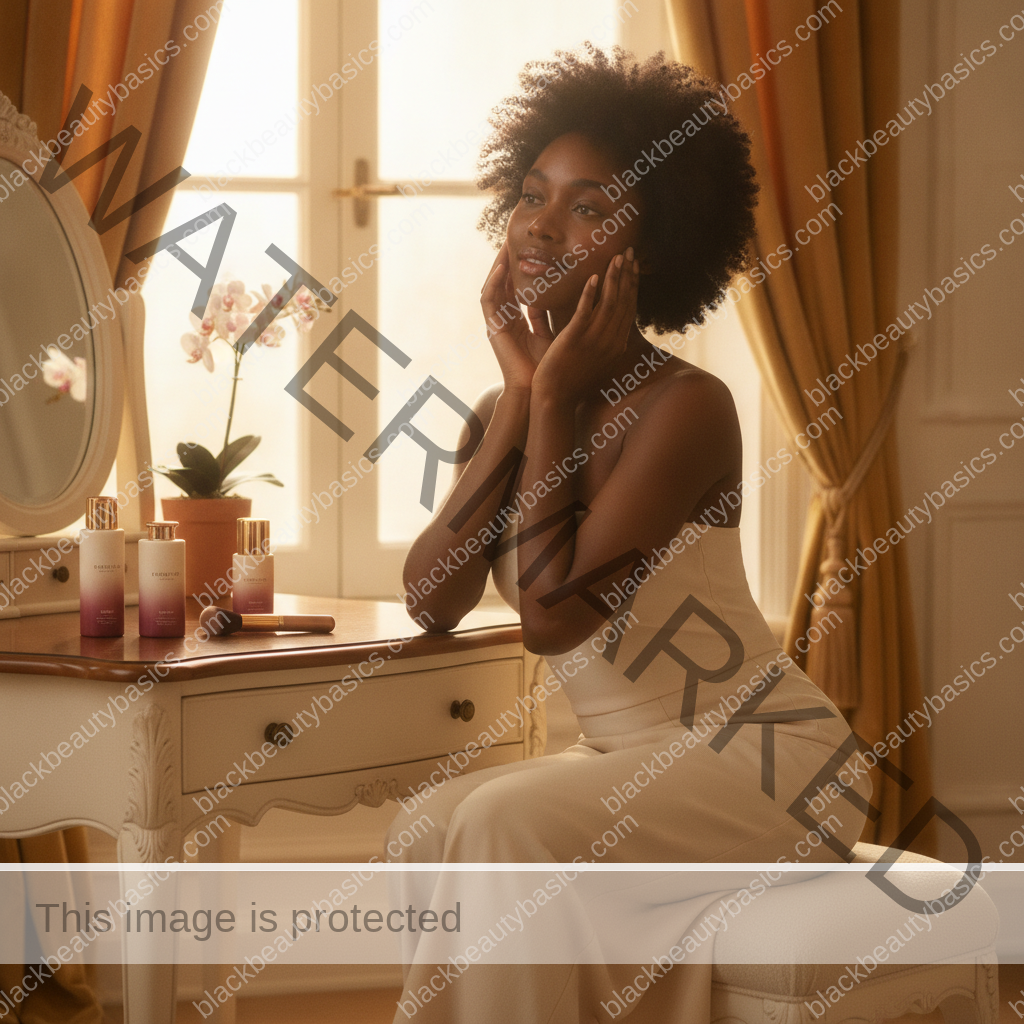
Dearest reader, remember that your journey with PCOS and facial hair management is deeply personal and uniquely yours. Embrace every step with the knowledge that you are strong, beautiful, and utterly deserving of care that honors your skin and spirit. Black Beauty Basics stands with you, celebrating your resilience and guiding you toward solutions that empower your most radiant self.
Continue exploring
Related posts:
 Facial & Body Hair Patterns in PCOS and Their Skin Fallout
 How Hormonal Acne from PCOS Looks on Dark Skin
 Dark Marks & Patches in PCOS: PIH vs Acanthosis Nigricans
 Connecting Skin Signs to PCOS Testing & Treatment with Derm + OB/GYN
 Everyday Skincare & In-Office Options for PCOS on Melanin-Rich Skin
 PCOS Thinning vs Traction Alopecia & CCCA: Distinguishing Hair Loss Patterns on Black Scalps