The rhythm of our bodies, a sacred symphony of life, often brings with it nuanced challenges, especially when it comes to our skin. For the discerning woman of color, navigating the cyclical dance of hormones and its impact on our radiant complexions can feel like deciphering an ancient, beautiful code. But what if we told you that understanding your body’s innate wisdom, particularly around your menstrual cycle, holds the key to unlocking a consistent, luminous glow, even when period-linked breakouts threaten to dim your light? Start with the related BBB cluster guide for the broader map.
At Black Beauty Basics, we believe in empowering you with knowledge that honors your unique physiology. Today, we delve into the intricate connection between your menstrual cycle, those stubborn breakouts, and the strategic timing of your skincare routine, all through the lens of melanin-rich skin. Prepare to transform your relationship with your skin, moving from reactive frustration to proactive, radiant confidence.
The Melanin-Rich Canvas: Understanding Your Skin’s Unique Response to Hormones
Our skin, a magnificent testament to our heritage, possesses inherent strengths and distinct characteristics that influence how it responds to internal shifts, particularly hormonal fluctuations. Melanin, the very pigment that blesses us with our diverse hues, offers natural photoprotection but also makes us more susceptible to post-inflammatory hyperpigmentation (PIH) – those persistent dark spots that linger long after a breakout has healed. When hormones surge and dip throughout the menstrual cycle, they can trigger inflammation and sebum overproduction, leading to breakouts that, if not managed carefully, can leave behind unwelcome souvenirs.
Understanding this delicate balance is the first step towards a truly effective skincare strategy. It’s not just about treating pimples; it’s about preserving the even tone and inherent brilliance of your complexion.
The Hormonal Symphony: How Your Cycle Influences Your Skin
Your menstrual cycle is a complex interplay of hormones, primarily estrogen and progesterone, with a supporting role from androgens. Each phase brings a unique hormonal environment that can either soothe or stimulate your sebaceous glands, impacting your skin’s clarity and texture.
Phase 1: Menstruation (Days 1-5/7) – The Reset & Repair Phase
As your period begins, estrogen and progesterone levels are at their lowest. This dip can sometimes lead to drier skin and a slightly duller complexion. However, it’s also a time when inflammation might be calming down from the pre-menstrual surge. Your skin is essentially resetting.
- Hormonal Impact: Low estrogen and progesterone.
- Skin Manifestation: Can feel drier, less plump. Existing breakouts may begin to heal.
Phase 2: Follicular Phase (Days 6-13) – The Glow-Up Phase
Post-menstruation, estrogen levels begin to rise, peaking just before ovulation. Estrogen is a skin-loving hormone, promoting hydration, collagen production, and a healthy skin barrier. This is often when your skin looks its best – plump, radiant, and clear.
- Hormonal Impact: Rising estrogen.
- Skin Manifestation: Increased hydration, improved elasticity, natural radiance.
Phase 3: Ovulation (Day 14, approximately) – The Peak Radiance Phase
Estrogen peaks, and a surge in Luteinizing Hormone (LH) triggers ovulation. Testosterone also experiences a slight increase during this time. For most, skin remains at its peak, but for some, the slight androgen increase can start to stimulate oil production.
- Hormonal Impact: Estrogen peak, LH surge, slight testosterone increase.
- Skin Manifestation: Often still radiant, but some may notice a subtle increase in oiliness.
Phase 4: Luteal Phase (Days 15-28) – The Breakout Battleground
This is where the plot thickens for many. After ovulation, progesterone levels rise significantly, while estrogen begins to decline. Progesterone can stimulate sebum production, leading to oilier skin and enlarged pores. Simultaneously, a slight increase in androgens (like testosterone) can further exacerbate oiliness and inflammation, setting the stage for those dreaded pre-period breakouts. This is often when cystic acne, whiteheads, and blackheads make their unwelcome appearance, particularly along the jawline, chin, and neck – areas rich in androgen receptors.
- Hormonal Impact: Rising progesterone, declining estrogen, slight androgen dominance.
- Skin Manifestation: Increased oiliness, enlarged pores, inflammation, breakouts (cystic, whiteheads, blackheads), increased sensitivity.
Why Melanin-Rich Skin Needs a Tailored Approach
The increased inflammation associated with hormonal breakouts can be particularly problematic for melanin-rich skin. Our melanocytes, the cells responsible for producing pigment, are highly reactive. Any inflammation, trauma, or irritation can trigger them to overproduce melanin, resulting in PIH. This means that for us, preventing breakouts isn’t just about clear skin; it’s about preventing long-term discoloration that can take months, even years, to fade. Our approach must be gentle yet effective, focusing on calming inflammation and supporting barrier health, alongside targeting acne.
Strategic Skincare Timing: Synchronizing Your Routine with Your Cycle
Forget a static, one-size-fits-all routine. The secret to consistently clear, radiant skin lies in adapting your regimen to the ebb and flow of your hormones. By anticipating your skin’s needs in each phase, you can proactively prevent issues and optimize your skin’s health.
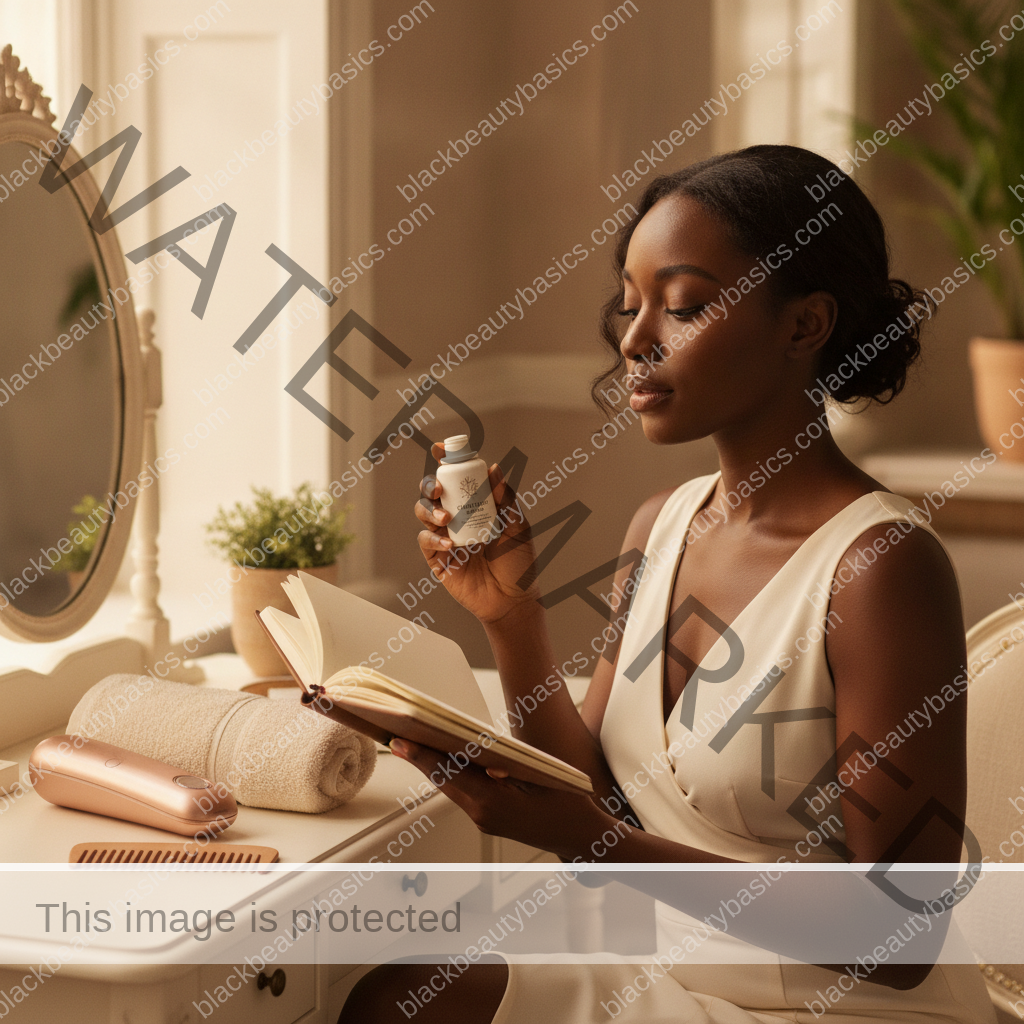
Phase-Specific Skincare Strategies for Deep Skin Tones
Phase 1: Menstruation (Days 1-5/7) – Gentle Nurturing & Hydration
Your skin might feel a bit more delicate and dry during this time. Focus on barrier support, deep hydration, and gentle care.
- Cleanse: Use a creamy, hydrating cleanser to avoid stripping natural oils.
- Treat: If you have residual PIH from previous breakouts, continue with gentle brightening ingredients like niacinamide serum or azelaic acid serum. Avoid harsh actives.
- Hydrate: Layer hydrating serums with hyaluronic acid serum and ceramides.
- Moisturize: A rich, barrier-repairing moisturizer is key.
- Protect: Non-negotiable broad-spectrum SPF 30+, especially one that doesn’t leave a white cast.
Pro Tip for Melanin-Rich Skin: This is a good time for a hydrating sheet mask or a gentle enzyme mask to replenish moisture and gently exfoliate without irritation.
Phase 2: Follicular Phase (Days 6-13) – Maintain & Brighten
As estrogen rises, your skin is typically at its happiest. This is an excellent time to focus on maintaining that glow and gently addressing any lingering concerns like PIH.
- Cleanse: Continue with your gentle cleanser.
- Exfoliate: Introduce gentle exfoliation 1-2 times a week. Options include a PHA toner or a low-concentration AHA serum (like lactic acid) to promote cell turnover and brighten.
- Treat: Incorporate Vitamin C serum in the mornings for antioxidant protection and brightening. Continue with niacinamide or azelaic acid if needed.
- Hydrate & Moisturize: Maintain good hydration. You might opt for a slightly lighter lightweight moisturizer if your skin feels less dry.
- Protect: Daily broad-spectrum SPF 30+.
Pro Tip for Melanin-Rich Skin: This is an ideal time to introduce or maintain ingredients that help prevent PIH, such as Vitamin C and alpha arbutin.
Phase 3: Ovulation (Day 14, approximately) – Prepare & Protect
Your skin is still likely looking great, but this is your window to start preparing for the potential hormonal shifts of the luteal phase. Proactive measures begin here.
- Cleanse: Stick with your gentle cleanser.
- Treat: Consider introducing a salicylic acid toner or BHA serum 2-3 times a week, especially in areas prone to breakouts (jawline, chin). BHAs are oil-soluble and can penetrate pores to prevent congestion.
- Hydrate & Moisturize: Continue with good hydration. If you notice increased oil, you might switch to a lighter, oil-free moisturizer.
- Protect: Daily broad-spectrum SPF 30+.
Pro Tip for Melanin-Rich Skin: Pay extra attention to cleansing and ensure no makeup residue is left behind, as pores might start to become more active.
Phase 4: Luteal Phase (Days 15-28) – Targeted Treatment & Calm
This is your proactive breakout prevention and management phase. Focus on oil control, anti-inflammatory ingredients, and pore-clearing actives.
- Cleanse: Switch to a gentle foaming cleanser or a salicylic acid cleanser (if tolerated) to control oil.
- Treat:
- Mornings: Continue with niacinamide serum to regulate oil and calm inflammation.
- Evenings: Increase usage of BHA serum (salicylic acid) to 3-4 times a week, or incorporate a benzoyl peroxide spot treatment for active breakouts. For persistent hormonal acne, consult a dermatologist about prescription retinoids or spironolactone.
- Spot Treat: Use hydrocolloid patches overnight for emerging or active pimples to draw out impurities and prevent picking, which can lead to PIH.
- Hydrate & Moisturize: Opt for lightweight, oil-free moisturizers that won’t clog pores.
- Mask: Incorporate a clay mask 1-2 times a week to absorb excess oil and purify pores.
- Protect: Daily broad-spectrum SPF 30+ is critical to prevent PIH from developing or worsening.
Pro Tip for Melanin-Rich Skin: Be mindful of using too many harsh actives simultaneously. Introduce new products slowly and watch for signs of irritation. Always prioritize hydration and barrier support, even when battling breakouts, to minimize PIH risk.
Comparison Table: Skincare Actives for Period-Linked Breakouts on Deep Skin
Choosing the right active ingredients is paramount, especially when managing breakouts and preventing PIH. Here’s a guide to key actives and their suitability for melanin-rich skin.
| Active Ingredient | Primary Benefit for Breakouts | Benefit for Melanin-Rich Skin (PIH) | Usage & Considerations |
|---|---|---|---|
| Salicylic Acid (BHA) | Exfoliates inside pores, dissolves oil, reduces blackheads/whiteheads. | Gentle exfoliation helps prevent PIH by promoting cell turnover. | Excellent for oily/acne-prone skin. Start with 1-2x/week, increase as tolerated. Can be drying if overused. |
| Niacinamide (Vitamin B3) | Reduces inflammation, regulates oil production, strengthens skin barrier. | Significantly reduces PIH, improves skin tone, calms redness. | Generally well-tolerated by all skin types. Use daily (AM/PM). Excellent for preventing PIH. |
| Azelaic Acid | Antibacterial, anti-inflammatory, reduces redness, unclogs pores. | Highly effective in fading PIH and post-inflammatory erythema (PIE). | Gentle yet potent. Can be used daily (AM/PM). Ideal for sensitive, acne-prone skin with PIH concerns. |
| Benzoyl Peroxide | Kills acne-causing bacteria, reduces inflammation. | Effective for active breakouts, but can be irritating and potentially worsen PIH if used improperly. | Use as a spot treatment or short-contact therapy. Start with lower concentrations (2.5-5%). Always follow with SPF. Can bleach fabrics. |
| Retinoids (Retinol, Tretinoin) | Increases cell turnover, unclogs pores, reduces inflammation, prevents new breakouts. | Accelerates fading of PIH, improves skin texture, stimulates collagen. | Start slowly (1-2x/week) to build tolerance. Use only at night. Essential to use SPF daily. Prescription strength (tretinoin) is highly effective but requires dermatologist guidance. |
| Alpha Arbutin / Tranexamic Acid | N/A (not direct acne treatment) | Potent tyrosinase inhibitors, excellent for preventing and fading PIH. | Use daily (AM/PM) in conjunction with acne treatments. Gentle and well-tolerated. |
Beyond the Bottle: Lifestyle & Wellness for Hormonal Skin
Skincare is only one piece of the puzzle. True skin health, especially when dealing with hormonal fluctuations, requires a holistic approach that nurtures your body from within. For the Black woman, whose beauty is deeply intertwined with her well-being, this holistic perspective is paramount.
Dietary Choices: Fueling Your Glow
What you consume profoundly impacts your skin. Certain foods can exacerbate inflammation and hormonal imbalances, while others can support clarity and radiance.
- Reduce Inflammatory Foods: Limit processed sugars, refined carbohydrates (white bread, pasta), and excessive dairy. These can spike insulin and IGF-1, potentially increasing sebum production and inflammation.
- Embrace Anti-Inflammatory Foods: Load up on colorful fruits and vegetables, leafy greens, and foods rich in omega-3 fatty acids (salmon, flaxseeds, walnuts). These combat inflammation and support overall skin health.
- Probiotics & Gut Health: A healthy gut microbiome is linked to clearer skin. Incorporate fermented foods (kimchi, sauerkraut) or a probiotic supplement.
- Hydration: Drink plenty of water throughout the day. Proper hydration supports skin barrier function and detoxification.
Stress Management: Calming the Inner Storm
Stress triggers cortisol, a hormone that can increase oil production and inflammation, making breakouts worse. For the modern Black woman navigating myriad responsibilities, stress management is not a luxury, but a necessity for skin health.
- Mindfulness & Meditation: Even 10-15 minutes a day can significantly reduce stress levels.
- Adequate Sleep: Aim for 7-9 hours of quality sleep. Your skin repairs and regenerates while you rest.
- Movement: Regular exercise helps manage stress and improves circulation, delivering vital nutrients to your skin.
- Self-Care Rituals: Indulge in practices that bring you joy and peace – a warm bath, reading, listening to music, or connecting with loved ones.
Supplement Support: Targeted Wellness
While a balanced diet is key, certain supplements can offer additional support for hormonal skin. Always consult with a healthcare professional before starting any new supplements.
- Zinc: Known for its anti-inflammatory properties and ability to regulate oil production. Shop Zinc Supplements on Amazon
- Omega-3 Fatty Acids: Powerful anti-inflammatories that can reduce acne severity. Shop Omega-3 Supplements on Amazon
- DIM (Diindolylmethane): A compound found in cruciferous vegetables that supports healthy estrogen metabolism. Shop DIM Supplements on Amazon
- Spearmint Tea: Some studies suggest spearmint tea can have anti-androgenic effects, potentially reducing hormonal acne. Shop Spearmint Tea on Amazon
Tips for Minimizing PIH from Breakouts on Deep Skin
Preventing PIH is just as important as treating breakouts. Here are essential tips:
- Do NOT Pick or Squeeze: This is the golden rule. Picking creates trauma, increases inflammation, and almost guarantees PIH.
- Gentle Cleansing: Avoid harsh scrubbing. Use your fingertips and a gentle cleanser.
- Consistent SPF: Sun exposure darkens existing PIH and makes it harder to fade. Use a broad-spectrum SPF 30+ daily, rain or shine.
- Anti-Inflammatory Ingredients: Incorporate ingredients like niacinamide, azelaic acid, and centella asiatica into your routine.
- Patience: PIH takes time to fade. Be consistent with your routine and patient with the process.
- Consult a Dermatologist: For persistent breakouts or severe PIH, a board-certified dermatologist specializing in skin of color can offer prescription treatments like retinoids, hydroquinone (used cautiously), or professional procedures like chemical peels (specifically formulated for deep skin tones).
When to Seek Professional Guidance
While a well-timed skincare routine and holistic lifestyle adjustments can make a significant difference, some hormonal breakouts require professional intervention. If you experience any of the following, it’s time to consult a board-certified dermatologist, ideally one with experience treating melanin-rich skin:
- Cystic or Nodular Acne: Deep, painful lesions that don’t respond to over-the-counter treatments. These can lead to scarring and severe PIH.
- Persistent Breakouts: If your breakouts are constant and significantly impact your quality of life, despite consistent efforts.
- Rapid Onset of Acne in Adulthood: Especially if accompanied by other symptoms like irregular periods, excessive hair growth, or hair thinning, which could indicate conditions like PCOS.
- Severe PIH: If your dark spots are widespread, very dark, or not fading with topical treatments.
A dermatologist can assess your specific situation, rule out underlying medical conditions, and recommend prescription-strength topicals (like tretinoin or spironolactone) or oral medications that can effectively manage hormonal acne. They can also guide you on professional treatments like chemical peels or laser therapies safe for deep skin tones, to accelerate PIH fading.
FAQ: Your Period-Linked Breakout Questions Answered
Q1: Why do I only get breakouts around my period, and why are they always in the same spot?
A: Period-linked breakouts are primarily due to hormonal fluctuations during your luteal phase. After ovulation, progesterone levels rise, which can stimulate sebum production and lead to oilier skin. Simultaneously, a slight increase in androgens (like testosterone) can further exacerbate oiliness and inflammation. Breakouts often appear in the “hormonal acne zone” – the jawline, chin, and neck – because these areas have a higher concentration of androgen receptors, making them more susceptible to hormonal influence. Your skin’s unique pattern of breakout areas often reflects where your sebaceous glands are most sensitive to these hormonal shifts.
Q2: Is it safe to use salicylic acid and benzoyl peroxide on deep skin tones, especially if I’m prone to PIH?
A: Yes, both salicylic acid (BHA) and benzoyl peroxide can be safe and effective for deep skin tones when used correctly. Salicylic acid is generally preferred for its gentler exfoliating action within the pores, making it less irritating and less likely to cause PIH. Benzoyl peroxide, while very effective at killing acne bacteria, can be more drying and potentially irritating, which *could* increase the risk of PIH if overused or used in high concentrations. For melanin-rich skin, it’s best to start with lower concentrations (e.g., 2.5% benzoyl peroxide) and use it as a spot treatment or short-contact therapy. Always prioritize hydration and consistent SPF when using these ingredients to mitigate PIH risk.
Q3: How long does it take for PIH from hormonal breakouts to fade on deep skin?
A: The fading time for PIH on deep skin can vary significantly, ranging from a few weeks to several months, or even over a year, depending on the severity of the initial breakout, the depth of the pigmentation, and how consistently you treat it. Preventing new breakouts, avoiding picking, and diligently using brightening ingredients (like niacinamide, azelaic acid, Vitamin C, alpha arbutin) along with daily broad-spectrum SPF are crucial for accelerating the fading process. Patience and consistency are key.
Q4: Can birth control pills help with period-linked breakouts?
A: Yes, certain types of birth control pills can be very effective in managing period-linked and hormonal breakouts. Combination oral contraceptives (containing both estrogen and progestin) work by regulating hormone levels, specifically by reducing androgen activity, which in turn decreases sebum production and inflammation. They can lead to significant improvement in acne severity. However, it’s essential to consult with your doctor to discuss if this is a suitable option for you, as not all birth control pills are formulated for acne treatment, and there are potential side effects to consider.
Q5: What’s the most important thing I can do to prevent PIH from period breakouts?
A: The single most important thing you can do to prevent PIH from period breakouts is to absolutely, under no circumstances, pick, squeeze, or pop your pimples. Any form of trauma or irritation to the skin will trigger melanocytes to produce more pigment, leading to darker and more persistent PIH. Instead, use hydrocolloid patches to protect the breakout and aid healing, and rely on targeted spot treatments. Secondly, consistent daily use of a broad-spectrum SPF 30+ is non-negotiable, as UV exposure significantly darkens and prolongs PIH.
Q6: Should I change my entire skincare routine every week based on my cycle?
A: No, you don’t need to overhaul your entire routine weekly. Instead, think of it as making subtle, strategic adjustments to your core routine. Your cleanser, moisturizer, and SPF can remain fairly consistent, with slight variations in texture (e.g., richer moisturizer during menstruation, lighter during luteal). The main changes will be in your treatment steps: introducing or increasing targeted actives like BHAs or anti-inflammatory serums during the luteal phase, and focusing on gentle hydration and brightening during the follicular and menstrual phases. The goal is to anticipate your skin’s needs, not to create a completely new regimen each week.
Q7: Are there any natural remedies that can help with hormonal breakouts on deep skin?
A: While natural remedies are generally gentler, their efficacy can vary, and they should be approached with caution, especially for melanin-rich skin prone to PIH. Ingredients like tea tree oil (diluted) can have antibacterial properties, and green tea extract can be anti-inflammatory. Spearmint tea has shown promise for its anti-androgenic effects when consumed. However, always patch test new ingredients, even natural ones, to ensure no irritation. For significant hormonal acne, natural remedies alone are often insufficient, and a combination of targeted skincare and lifestyle adjustments, or professional guidance, is usually more effective.
Embracing the wisdom of your body’s natural rhythms is a powerful act of self-care. By understanding the intricate dance between your hormones and your magnificent melanin-rich skin, you gain the power to not just react to challenges, but to anticipate and nurture your complexion with precision and grace. Let this newfound knowledge be your guide, allowing your inherent radiance to shine through every phase of your beautiful journey. Your skin, a testament to your strength and beauty, deserves nothing less than this thoughtful, empowered approach.
Why this needs a dark-skin lens
For Black women and people with richly melanated skin, timing a gentle acne and hyperpigmentation-aware routine around period-linked breakouts on deep skin without overcorrecting. The usual one-size-fits-all beauty advice can miss the way brown skin shows irritation, dryness, marks, texture changes, or treatment reactions. Start with the related BBB cluster guide when you want the bigger map around this topic.
Hormonal shifts can affect skin, hair, scalp, oil, dryness, shedding, sensitivity, and how quickly marks appear or fade. This article does not diagnose hormone conditions or replace medical care, but it can help you organize what you notice and decide which questions belong with a clinician.
A protective routine is not about doing the most. It is about reducing avoidable irritation, noticing patterns, keeping your skin and scalp comfortable, and knowing when a professional conversation belongs in the plan. You are allowed to ask questions before you buy a device, change a routine, start a treatment, or assume every change is your fault.
What to track gently
- Timing: cycle changes, pregnancy or postpartum shifts, menopause symptoms, treatment sessions, or device use.
- Skin response: itch, stinging, dryness, peeling, acne, irritation, dark marks, or unusual sensitivity.
- Hair and scalp response: shedding, breakage, density changes, texture shifts, tenderness, or dryness.
- Routine changes: new products, stronger actives, hair removal, devices, supplements, styling, or laundry changes.
- Quality of life: discomfort, confidence, sleep, stress, pain, or how often you feel the concern is interfering with normal life.
What to avoid while you figure it out
Avoid panic-buying every product or device that promises a fast fix. Melanin-rich skin can be more vulnerable to lingering marks after irritation, and a rushed routine can make it harder to know what helped or hurt.
Avoid harsh DIY treatments, aggressive scrubbing, over-exfoliating, and using multiple strong actives at the same time. If a product or tool makes your skin burn, swell, crust, or feel more inflamed, that is information. Pause and simplify instead of pushing through.
Avoid letting a device, app, trend, or comment section override your lived experience. If the advice does not account for deep skin, hormonal timing, scalp comfort, hyperpigmentation, or provider safety, it may not be complete enough for your situation.
What to do next
Use this guide as one step inside the larger BBB system, not as a stand-alone diagnosis. The next best move may be simplifying your routine, documenting patterns, checking a provider’s dark-skin experience, or bringing your notes to a medical professional.
- Hormonal Skin & Hair: PCOS, Pregnancy, Menopause
- The related BBB cluster guide
- hormonal skin and hair guide
- period-linked flares and routine timing
- PCOS acne and hyperpigmentation planning
- PCOS and facial hair management
Continue exploring
Related posts:
 When Period-Linked Flares Signal Something More (PCOS, Endometriosis & Beyond)
 Product-Linked Breakouts From Hair and Skin Products on Dark Skin
 Example Care Pathways: PCOS, Pregnancy, Period Flares & Menopause
 Acne and Stress on Black Women: Routine Timing and Flare Awareness
 Hormonal Acne Patterns on Dark Skin by Age and Cycle Timing
 Makeup for Acne Marks and Active Breakouts on Deep Skin