The rhythm of life calls for movement, for strength, for the invigorating sweat that signals a body well-worked. But for the woman who cherishes her natural crown, the gym can present a unique dilemma: how do we maintain our fitness goals without compromising the integrity of our precious strands, especially those delicate edges? It’s a question many of us have pondered, and today, we unravel the secrets to keeping your coils, kinks, and curls thriving, even through the most rigorous workouts. Start with the related BBB natural-hair cluster guide if you want the broader map.
Embracing the Sweat: Why Gym-Friendly Styles Are Essential for Natural Hair
Our natural hair is a testament to our heritage, our strength, and our beauty. It’s versatile, resilient, and utterly magnificent. However, the combination of sweat, friction, and repeated manipulation can be a formidable foe, particularly for our delicate edges. Sweat, while natural and healthy for the body, can lead to product buildup, frizz, and even dryness if not properly managed. Friction from headbands, towels, or even the movement of our hair against our clothes can cause breakage, especially around the hairline. This is why a strategic approach to gym hairstyles isn’t just about aesthetics; it’s about preservation.
Protecting your edges isn’t merely about preventing breakage; it’s about maintaining the health of your entire hairline, which is often the most fragile part of our hair. Consistent tension, excessive manipulation, and neglect in this area can lead to thinning, recession, and even traction alopecia. By adopting gym-friendly natural hairstyles, we empower ourselves to pursue our wellness journeys without sacrificing the health and beauty of our hair. It’s about finding harmony between a vibrant, active lifestyle and the meticulous care our natural hair deserves.
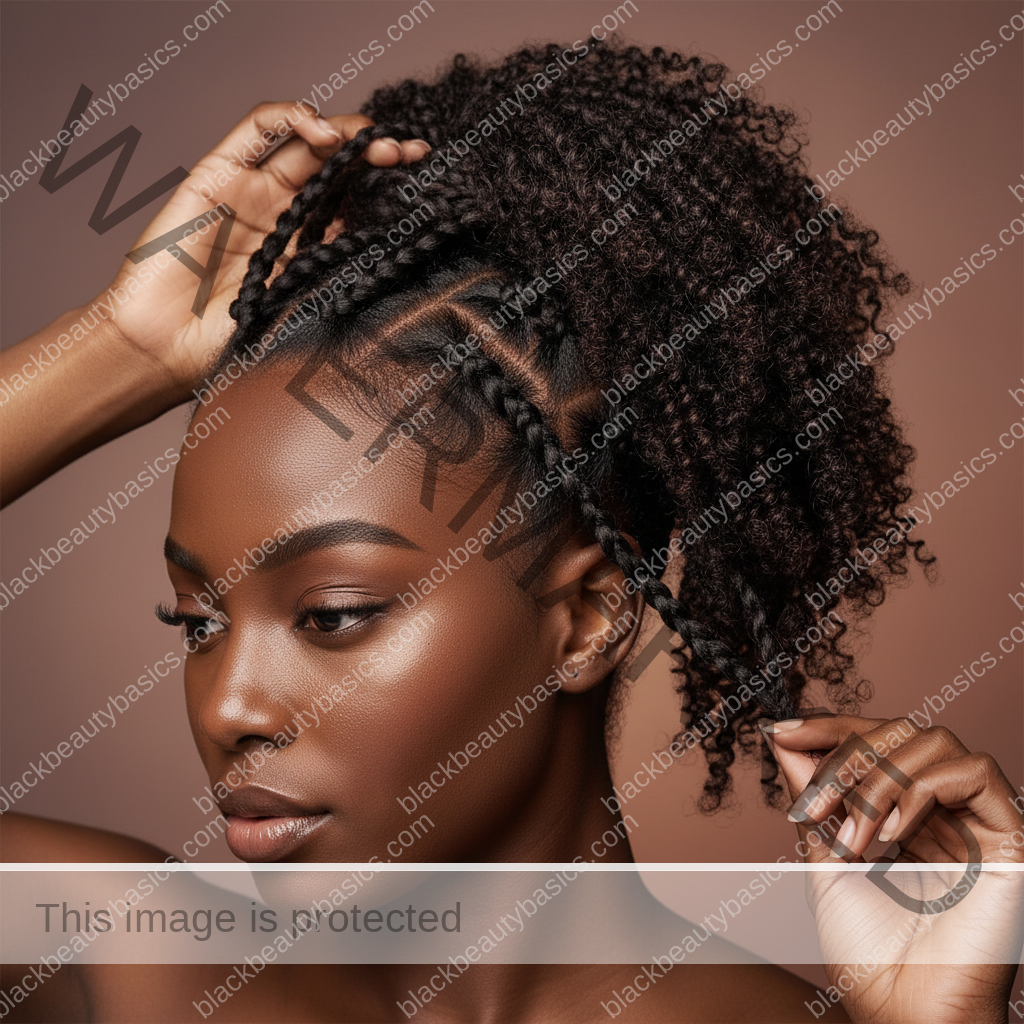
The Science of Sweat: How It Impacts Natural Hair
Understanding the physiological impact of sweat on our hair is the first step toward effective management. Sweat is primarily water, but it also contains salts, minerals, and urea. When sweat dries on the hair, these elements can crystallize, leading to a gritty texture and potential buildup. For natural hair, which is often prone to dryness, this can exacerbate the issue by drawing moisture away from the strands. Furthermore, the pH of sweat can sometimes be slightly acidic, which, while generally not harmful, can alter the hair’s natural pH balance over time if not rinsed or cleansed.
The scalp, too, is affected. Increased sweat and warmth create a humid environment that can be a breeding ground for bacteria or yeast, potentially leading to scalp irritation, itchiness, or even fungal infections if not properly cared for. For those with sensitive scalps or conditions like seborrheic dermatitis, managing sweat becomes even more critical. The goal isn’t to avoid sweating (which is impossible and unhealthy during exercise) but to mitigate its potential negative effects on our hair and scalp health.
Pre-Workout Prep: Laying the Foundation for Hair Health
Before you even think about styling, a solid pre-workout routine is crucial. This isn’t just about what you put in your hair, but how you prepare it for the inevitable challenge of sweat and movement. Think of it as your hair’s warm-up.
Moisture is Your Melanin-Rich Hair’s Best Friend
Natural hair thrives on moisture. Before a workout, ensure your hair is adequately moisturized. This creates a protective barrier against the drying effects of sweat and helps maintain elasticity, reducing the likelihood of breakage. Use a good leave-in conditioner or a light hair milk. Avoid heavy butters or oils directly before a workout, as they can melt and become greasy, leading to more buildup.
A light spritz of a hydrating leave-in conditioner or a rosewater spray can provide a burst of hydration without weighing your hair down. Focus on the ends and any areas that tend to dry out quickly. This proactive hydration ensures your strands are supple and resilient, ready to withstand the rigors of your fitness regimen.
Edge Control: A Delicate Balance
When it comes to edges, less is often more before a workout. While a slick edge can look polished, heavy edge control products can mix with sweat, creating a sticky, gunky residue that can attract dirt and even pull at your delicate hairline when you wipe your face. If you must use edge control, opt for a light, non-flaking formula and apply it sparingly. Better yet, consider skipping it altogether for your workout and applying it fresh afterward.
For those who prefer a neat look, a small amount of a lightweight edge control gel can be applied with a soft brush, but remember, the goal is minimal tension. The best edge protection comes from the style itself, not from heavy product application.
The Power of a Protective Fabric
Investing in the right headwear is paramount. A silk or satin-lined cap, scarf, or headband is a game-changer. These materials reduce friction, prevent moisture loss, and keep your hair compressed and protected. Cotton, while absorbent, can strip your hair of moisture and cause frizz due to its fibrous texture. Look for athletic headbands with a satin lining or opt for a satin-lined baseball cap for outdoor activities.
Even a simple silk scarf tied securely can make a significant difference. It acts as a barrier between your hair and sweat, and also helps to keep your hair in place, minimizing the need for constant readjustment.
Styling Smart: Top Gym-Friendly Natural Hairstyles
Now, let’s dive into the styles that marry functionality with fabulousness. These styles are designed to keep your hair secure, your edges protected, and your focus on your workout, not your frizz.
The High Puff/Ponytail: A Classic for a Reason
The high puff or ponytail is a perennial favorite for its simplicity and effectiveness. It keeps hair off your neck and face, preventing sweat from saturating your strands. The key to making it gym-friendly is in the execution.
How to Achieve a Protective High Puff:
- Gather Your Hair: Gently gather all your hair towards the crown of your head. Use your fingers or a wide-tooth comb to avoid pulling.
- Secure with Care: Instead of a tight elastic, use a satin scrunchie or a soft, wide hair tie. These reduce tension and prevent breakage. Do not pull it too tight.
- Edge Protection: If you’re concerned about edges, gently smooth them back with a soft brush and a minimal amount of lightweight gel, or simply lay them flat with your fingers. Alternatively, wear a satin-lined headband over your edges to keep them flat and protected.
- Fluff (Optional): Once secured, you can gently fluff your puff for volume, ensuring it doesn’t interfere with your movements.
Why it works: Keeps hair contained, minimizes contact with sweat-prone areas, and can be easily refreshed post-workout.
Braids and Twists: The Ultimate Protective Workout Style
Braids and twists, whether individual or cornrowed, are the champions of protective styling for active lifestyles. They keep your hair neatly tucked away, reduce manipulation, and can last for days, even weeks, with proper care.
Options for Braids and Twists:
- Cornrows/Feed-in Braids: These are excellent for high-intensity workouts. They keep your scalp accessible for cleansing and your hair completely out of the way. Ensure they aren’t braided too tightly, especially around the edges.
- Box Braids/Twists: If you already have these in, simply gather them into a high bun or ponytail. The individual braids offer protection and keep your hair stretched.
- French Braids/Dutch Braids: Two French or Dutch braids can be a stylish and secure option. They keep hair close to the scalp and prevent frizz. Start them loosely around the hairline to avoid tension on your edges.
- Twist-Out/Braid-Out Base: If you’re planning a twist-out or braid-out for later, you can use the twists/braids as your gym style. Simply secure them with a satin scrunchie or headband.
Why it works: Maximum protection, minimal manipulation, and can withstand significant sweat and movement. They also offer a stretched-out look post-workout.
Buns and Knots: Elegant and Secure
Buns and knots are sophisticated options that keep your hair completely off your neck and shoulders. They are particularly good for longer natural hair or for those who prefer a more polished look.
Variations for Buns and Knots:
- High Bun: Similar to the high puff, but with the hair coiled into a neat bun. Use a hair donut for extra volume and security without excessive tension.
- Pineapple Bun: A high, loose bun positioned at the very top of your head, often secured with a soft scrunchie. This is excellent for preserving curls and preventing flattening.
- Space Buns: Two buns positioned on either side of your head. These distribute tension and are a fun, youthful option. Ensure they are not too tight.
- Knotted Bun: For shorter hair or a more textured look, create a series of small knots that are then pinned together to form a larger bun.
Why it works: Keeps hair completely off the neck, reduces frizz, and can be very secure for dynamic movements.
The Headband Tuck: Quick and Chic
For those days when you need a quick, no-fuss solution, the headband tuck is a lifesaver. It’s particularly great for shorter natural hair or when you want to preserve a fresh wash-and-go.
How to do a Headband Tuck:
- Apply Headband: Place a wide, satin-lined headband over your hair, covering your edges.
- Tuck and Roll: Starting from the back, gently tuck sections of your hair up and into the headband, rolling it upwards until all your hair is secured.
- Adjust: Ensure the headband is comfortable and not too tight.
Why it works: Extremely fast, protects edges, and keeps hair off the neck without requiring complex styling.
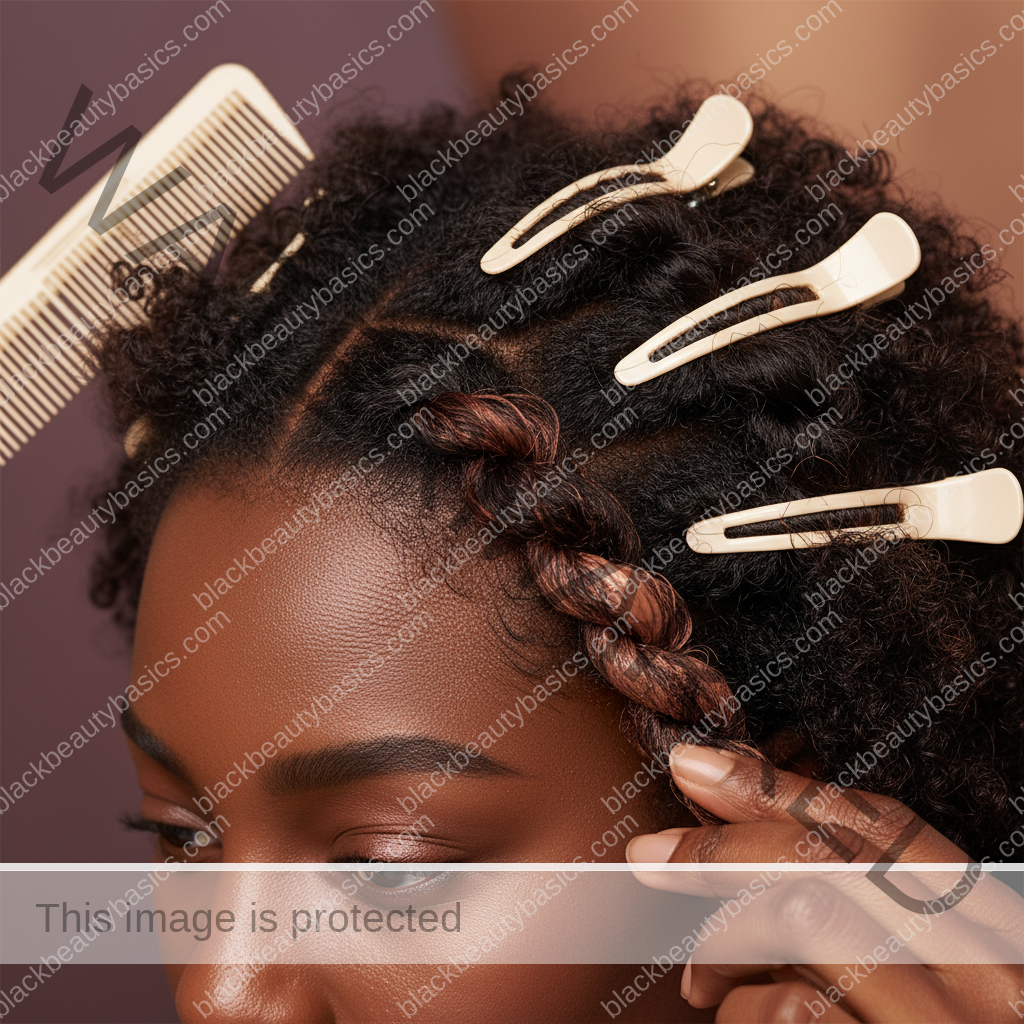
Post-Workout Perfection: Refreshing Your Hair and Scalp
The workout is done, the sweat has flowed, and now it’s time for the crucial post-workout care. This phase is just as important as your pre-workout prep in maintaining hair health and preventing damage.
The Art of the Refresh
You don’t need to wash your hair after every single workout, especially if you work out frequently. Over-washing can strip your hair of its natural oils and lead to dryness. Instead, focus on refreshing and revitalizing.
Post-Workout Refresh Routine:
- Absorb Excess Sweat: Gently blot your scalp and hairline with a clean, soft towel or a microfiber towel. Avoid rubbing, which can cause frizz and breakage.
- Scalp Cleanse (Optional): If your scalp feels particularly sweaty or itchy, use a dry shampoo for natural hair or a scalp refreshing spray. Look for formulas that are alcohol-free and designed for textured hair. These can absorb oil and sweat without leaving a white residue.
- Moisture Boost: Lightly spritz your hair with a hydrating mist or a leave-in conditioner. Focus on areas that feel dry.
- Re-style or Re-fluff: Gently re-fluff your puff, re-twist your braids, or re-style as needed. If your edges need a touch-up, now is the time for a light application of edge control.
- Air Dry: Allow your hair to air dry completely before re-tying it or covering it, especially if you used a refreshing spray.
When to Wash: Listening to Your Hair and Scalp
While refreshing is great, a full wash is sometimes necessary. Pay attention to your hair and scalp’s signals:
- Excessive Buildup: If your scalp feels heavy, itchy, or you notice product residue, it’s time for a wash.
- Odor: Sweat can lead to an unpleasant odor if not cleansed.
- Loss of Definition: If your curls have lost their bounce and definition despite refreshing, a wash will help reset them.
- Regular Schedule: Establish a wash day routine that works for your activity level. For highly active individuals, a co-wash or light shampoo every 3-4 days might be ideal, followed by a deeper cleanse once a week or bi-weekly.
When you do wash, opt for a sulfate-free shampoo and a deep conditioner to replenish moisture.
Essential Tools and Products for Your Gym Bag
Having the right arsenal in your gym bag can make all the difference in maintaining your hair’s health and appearance. These are the non-negotiables for every active naturalista.
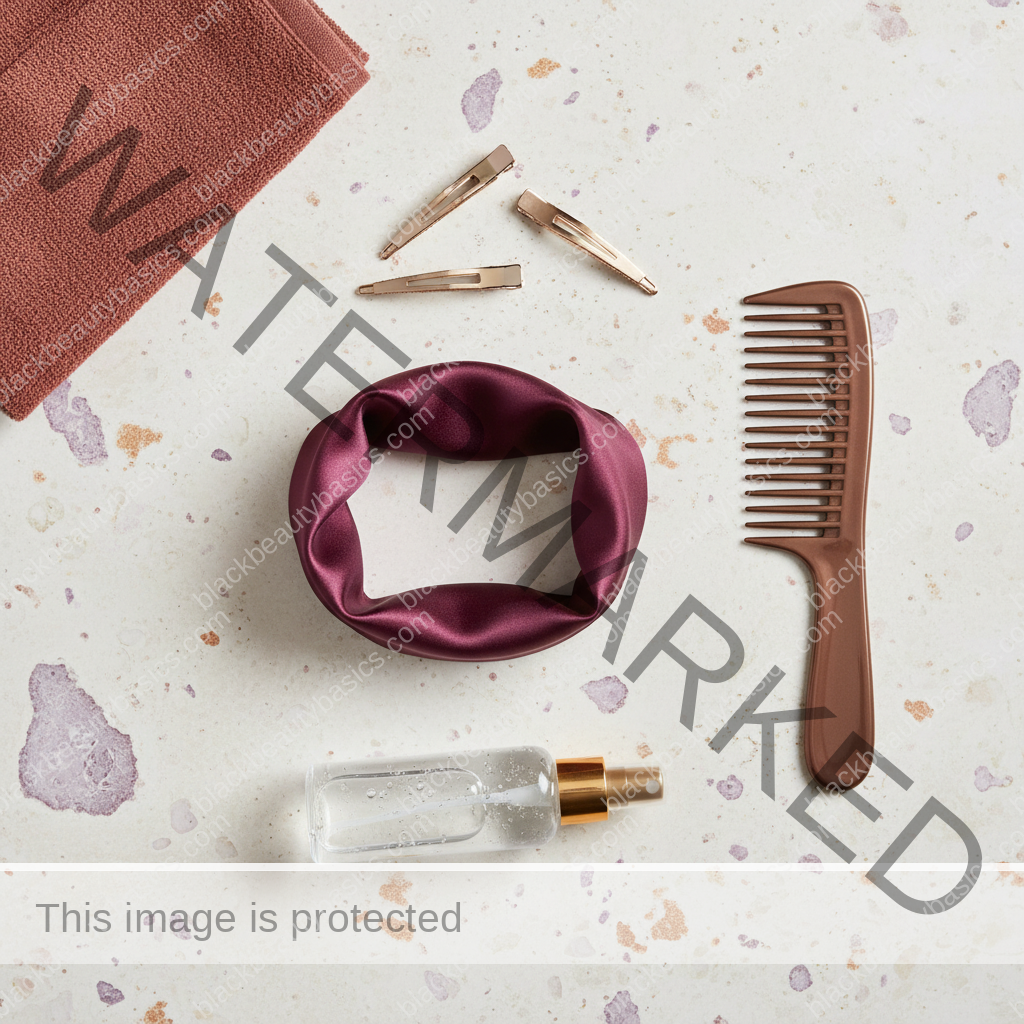
Must-Have Gym Bag Essentials:
| Product/Tool | Why It’s Essential | Recommended Type |
|---|---|---|
| Satin-Lined Headband/Scarf | Reduces friction, prevents frizz, protects edges, absorbs sweat. | Wide, stretchy, with a secure fit. Shop Satin-Lined Headbands on Amazon |
| Satin Scrunchies | Minimizes tension and breakage when tying hair up. | Soft, wide, and durable. Shop Satin Scrunchies on Amazon |
| Microfiber Towel | Gentle on hair, absorbs sweat without causing frizz or stripping moisture. | Small, quick-drying, highly absorbent. Shop Microfiber Towels on Amazon |
| Scalp Refreshing Spray/Dry Shampoo | Absorbs excess oil and sweat, neutralizes odor, refreshes scalp without water. | Alcohol-free, residue-free, formulated for natural hair. Shop Scalp Refreshing Sprays on Amazon |
| Hydrating Mist/Leave-in Spray | Replenishes moisture lost to sweat, redefines curls, prevents dryness. | Lightweight, non-greasy, water-based. Shop Hydrating Mists on Amazon |
| Lightweight Edge Control | For quick touch-ups post-workout, without heavy buildup. | Non-flaking, medium hold, non-greasy. Shop Lightweight Edge Control on Amazon |
| Wide-Tooth Comb/Detangling Brush | For gentle detangling if needed, or to fluff out styles. | Seamless, flexible bristles. Shop Wide-Tooth Combs on Amazon |
Common Pitfalls to Avoid: Protecting Your Edges and Strands
Even with the best intentions, certain habits can inadvertently sabotage your hair health. Being aware of these pitfalls is key to a truly effective gym-friendly hair routine.
Mistakes That Wreck Edges and How to Avoid Them:
| Common Pitfall | Impact on Hair/Edges | Solution/Prevention |
|---|---|---|
| Tight Hairstyles | Causes tension on hair follicles, leading to breakage and traction alopecia, especially around edges. | Opt for loose styles. Use satin scrunchies instead of tight elastics. Ensure braids/twists are not too tight. |
| Cotton Headbands/Towels | Friction from cotton strips moisture, causes frizz, and can snag delicate strands. | Always use satin-lined headbands or scarves. Blot hair with a microfiber towel, not cotton. |
| Heavy Product Buildup | Mixes with sweat to create residue, clogs pores, can lead to scalp issues and dull hair. | Use lightweight products pre-workout. Opt for dry shampoo/scalp spray post-workout. Regular cleansing. |
| Ignoring Post-Workout Sweat | Dried sweat can be drying, cause frizz, and lead to scalp irritation/odor. | Blot scalp and hair immediately. Use a refreshing spray. Don’t leave sweat to dry completely without attention. |
| Frequent Manipulation | Constant touching, re-styling, or pulling on hair (especially when sweaty) causes frizz and breakage. | Choose a secure style that lasts. Avoid touching your hair during/immediately after workout. |
| Neglecting Wash Day | Allows buildup to accumulate, leading to dryness, dullness, and potential scalp issues. | Establish a consistent wash day routine based on your activity level and hair needs. |
| Skipping Deep Conditioning | Hair becomes dry, brittle, and prone to breakage, especially with increased activity. | Incorporate a regular deep conditioning treatment (at least bi-weekly) to replenish moisture and strength. |
Beyond the Gym: Holistic Hair Care for Active Lifestyles
Maintaining healthy natural hair as an active woman extends beyond just gym-friendly styles and post-workout refreshes. It’s about a holistic approach that nurtures your hair from the inside out and ensures its strength and vitality are always prioritized.
Hydration: The Internal and External Approach
Just as your body needs hydration during exercise, your hair does too. Drink plenty of water throughout the day, especially when active. This internal hydration reflects in the health of your skin and hair.
Externally, consistent moisturizing is non-negotiable. Use the LOC (Liquid, Oil, Cream) or LCO method to seal in moisture, especially on wash days. Incorporate regular deep conditioning treatments to infuse your strands with much-needed nutrients and moisture. A hair steamer can also significantly enhance the penetration of your deep conditioner, leaving your hair softer and more pliable.
Nutrition for Hair Growth and Strength
Your diet plays a crucial role in hair health. Ensure you’re consuming a balanced diet rich in vitamins, minerals, and proteins. Foods rich in Omega-3 fatty acids (like salmon and flaxseeds), Vitamin E (avocados, nuts), Biotin (eggs, sweet potatoes), and Iron (spinach, lentils) are particularly beneficial for hair growth and strength. Consider a hair, skin, and nails vitamin if your diet is lacking, but always consult with a healthcare professional first.
Protective Styling as a Lifestyle
Even outside the gym, embrace protective styling. Styles like braids, twists, and buns minimize daily manipulation, reduce exposure to environmental stressors, and allow your hair to rest and grow. Ensure these styles are never too tight and give your hair breaks between styles to breathe.
Regular Trims and Scalp Care
Don’t underestimate the power of regular trims. Even if you’re growing your hair out, trimming split ends every 3-4 months prevents them from traveling up the hair shaft and causing further damage. Healthy ends are crucial for retaining length.
Scalp care is also paramount. A healthy scalp is the foundation for healthy hair growth. Incorporate regular scalp massages to stimulate blood flow. Use a scalp detox treatment periodically to remove buildup and keep your follicles clear, especially if you’re active.
How to make the routine fit your real hair and real life
For Black women with textured hair, hair-care choices can feel emotional because they sit at the intersection of identity, time, styling expectations, budget, and all the advice we have been given about what our hair “should” do. This guide focuses on choosing workout-friendly styles that handle sweat, movement, shrinkage, and edges without turning every gym day into a full restyle, while keeping the related BBB natural-hair cluster as the home base. The goal is not to force every curl, coil, kink, or section into the same behavior. The goal is to build a routine that protects the hair you actually have.
Start with your real constraints. How much time do you have? How much energy do you usually have on wash day? Does your hair dry quickly, stay wet for hours, tangle at the ends, frizz at the crown, shrink tightly, or lose moisture by day two? These details are not excuses. They are design information for a routine that can last longer than one motivated weekend.
The strongest routine is usually the one that keeps handling gentle, makes detangling easier, protects the ends, and respects your lifestyle. A routine can be beautiful and still simple. It can be polished and still low manipulation. It can include products without making products the whole personality of the plan.
What to notice gently
- Where your hair tangles first: ends, nape, crown, edges, or interior sections.
- How your hair responds to water, conditioner, gels, creams, oils, and drying time.
- Which steps leave your hair softer, rougher, stretched, shrunken, defined, or weighed down.
- How much manipulation your schedule and strands can realistically handle.
- What improves the style without making wash day feel impossible.
What usually makes natural-hair routines harder than they need to be
The first challenge is trying to copy a routine that was built for a different head of hair. Even within the same family, one person may need more water, another may need lighter layers, and another may need more stretch before styling. Texture charts can give language, but your own hair gives better instructions.
The second challenge is doing too many corrective steps at once. A new shampoo, deep conditioner, protein treatment, gel, oil, brush, and drying method can make it impossible to tell what actually helped. For textured hair, small changes are often easier to read and easier to repeat.
The third challenge is letting frustration set the pace. When hair feels dry, undefined, tangled, or unpredictable, it is tempting to keep adding product or handling it more. Often the better move is to slow down, add water where appropriate, work in sections, protect the ends, and choose a style that meets the week you are actually in.
What to do next
Keep this article connected to the Natural Hair Care & Protective Styles system. Use the related guides below to decide whether your next step is a better wash day, a moisture/protein reset, a lower-manipulation style, or a gentler approach to stretching and definition.
- Natural Hair Care & Protective Styles
- The related natural-hair cluster guide
- environment and lifestyle adaptations
- low-manipulation workweek hairstyles
- stretching natural hair without too much heat
- protective style strategy
Frequently Asked Questions About Gym-Friendly Natural Hairstyles
Q1: How often should I wash my natural hair if I work out daily?
A1: If you work out daily and sweat significantly, a full shampoo wash might be too frequent, leading to dryness. Consider a co-wash (conditioner-only wash) every 2-3 days to cleanse without stripping, and a clarifying shampoo once a week or bi-weekly. On other days, use a scalp refreshing spray or dry shampoo to absorb sweat and odor. Listen to your hair and scalp – if it feels itchy or has buildup, it’s time for a wash.
Q2: Can I use a regular cotton towel to dry my hair after a workout?
A2: It’s highly recommended to avoid regular cotton towels. Cotton fibers can cause friction, leading to frizz, breakage, and can also strip your hair of moisture. Instead, opt for a microfiber towel or an old cotton t-shirt. These are much gentler on natural hair, absorbing excess water without causing damage or disturbing your curl pattern.
Q3: What’s the best way to prevent my edges from reverting or frizzing during a workout?
A3: The best defense against reverting edges is a good offense: protective styling and proper headwear. Before your workout, gently smooth your edges back with a minimal amount of lightweight edge control, or simply lay them flat with your fingers. Then, cover your hairline with a satin-lined headband or scarf. The satin reduces friction and helps keep them flat, while the headband absorbs sweat before it reaches your edges. Avoid heavy products that can mix with sweat and become greasy.
Q4: My scalp gets very itchy after a workout. What can I do?
A4: An itchy scalp after a workout is often due to sweat, product buildup, or a combination of both. First, gently blot your scalp with a clean towel immediately after your workout. Then, use a scalp refreshing spray or a tea tree oil-based scalp treatment to soothe and cleanse. Ensure your wash day routine includes a thorough, but gentle, scalp cleanse to prevent buildup. If the itching persists or worsens, consult a dermatologist.
Q5: Can I wear wigs or weaves to the gym?
A5: Yes, you can, but with careful consideration. Wigs and weaves can offer excellent protection for your natural hair underneath. However, sweat can accumulate beneath them, leading to odor, buildup, and potential scalp irritation. If wearing a wig, ensure your natural hair is braided flat and covered with a wig cap. After your workout, lift the wig, blot your scalp, and use a scalp refreshing spray. For weaves, ensure your braids underneath are not too tight, and use an applicator bottle to cleanse your scalp between washes.
Q6: How can I preserve my twist-out or braid-out while working out?
A6: To preserve your twist-out or braid-out, style your hair into a high pineapple or a loose bun at the crown of your head before your workout. Secure it with a satin scrunchie to minimize tension. You can also wrap a satin scarf around your hairline to protect your edges and absorb sweat. After your workout, allow your hair to air dry completely before taking it down. A light spritz of a hydrating mist can help revive the curls without causing frizz.
Q7: Are there any styles I should absolutely avoid for the gym?
A7: Avoid styles that involve excessive tension, such as very tight ponytails, buns, or braids that pull at your hairline. Also, steer clear of styles that leave your hair completely down and exposed, as this will lead to maximum frizz, sweat saturation, and constant manipulation. Fresh wash-and-gos are generally not ideal for high-intensity workouts unless you’re prepared for significant reversion and frizz.
A8: For very short natural hair (e.g., TWA – Teeny Weeny Afro), your options are still plentiful and often simpler! A satin-lined headband is your best friend. It will keep sweat off your face and protect your edges. You can also opt for small, flat cornrows or two-strand twists that lay close to the scalp. After your workout, blot your scalp, use a refreshing spray, and re-moisturize your hair as needed.
Conclusion: Sweat with Confidence, Crown with Pride
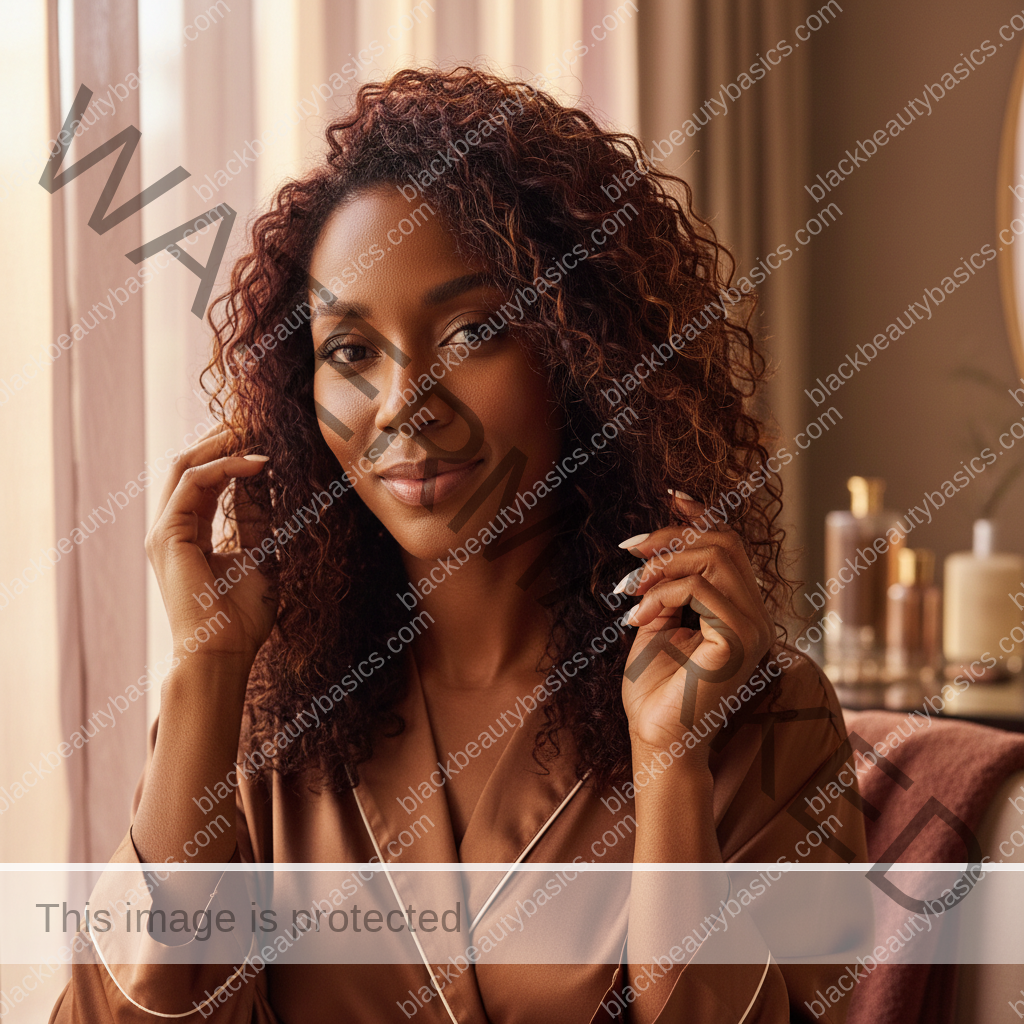
The journey to holistic wellness encompasses both a strong body and a vibrant spirit, and for us, that includes a flourishing crown. By embracing these gym-friendly natural hairstyles and adopting a mindful approach to pre- and post-workout care, you can confidently pursue your fitness aspirations without ever compromising the health and beauty of your natural hair. Let your sweat be a testament to your strength, and your edges a testament to your wisdom – both perfectly preserved, both undeniably radiant.
Related next steps
Related posts:
 Building Gym and Movement-Friendly Hair Routines
 Low-Manipulation Hairstyles for Workweek Wear
 Planning Travel-Friendly Hair Strategies for Short and Long Trips
 Best Low-Tension Hairstyles When Your Scalp Is Inflamed
 Pre- and Post-Gym Skincare for Melanin-Rich Skin
 Acne-Safe Gym Routine for Dark Skin