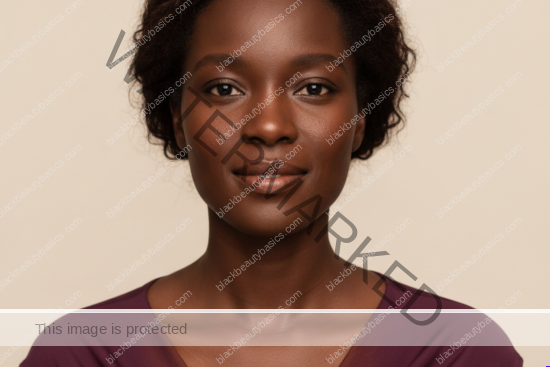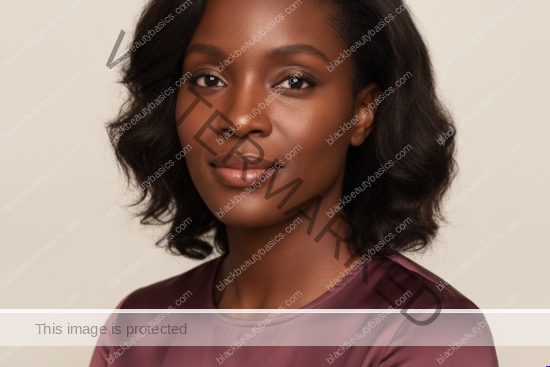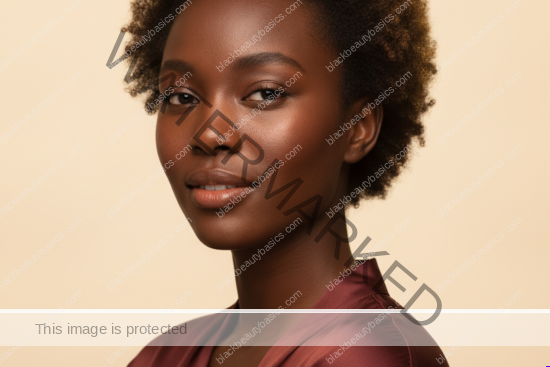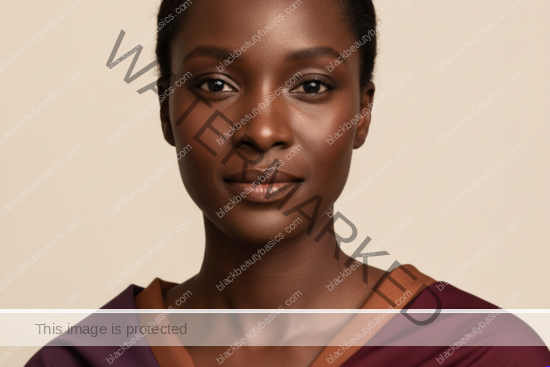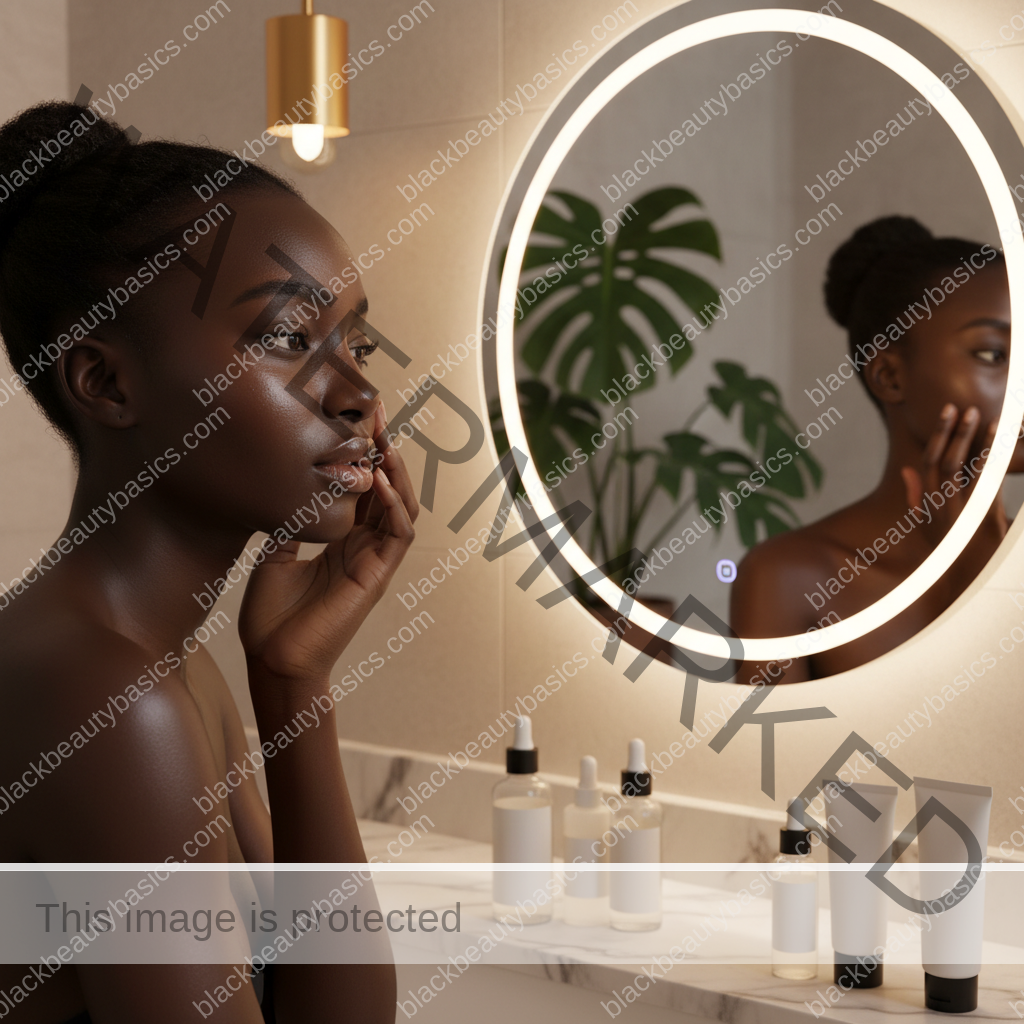
Oily and ashy at the same time sounds contradictory until it happens to your face. Your forehead gets shiny before lunch, but your cheeks feel tight. Makeup catches around your mouth. Powder turns patchy. Every recommendation you see assumes you are either fully oily or fully dry, and your skin keeps saying “both.”
If this is you, you are not doing skincare wrong. You are likely dealing with an oil-and-dehydration pattern, sometimes with barrier stress layered on top. For melanin-rich skin, that can show up as shine plus dullness, rough texture, tightness, and visible ashiness in specific zones. This guide is built for that exact reality.
We are not chasing perfect matte skin. We are building a routine that helps your skin feel balanced: clean without stripping, hydrated without heaviness, and protected without looking gray. If you want the broader framework, keep BBB’s routine design guide nearby. This post is the focused playbook for the oily-plus-ashy pattern.
Why Oily Skin Can Still Look Ashy
Oil and hydration are not the same thing. Sebum sits on the surface. Hydration is about water in the upper layers of your skin and how well your barrier holds it. You can produce plenty of oil and still be dehydrated. When that happens, skin may look shiny in some areas while feeling tight, rough, or dull in others.
On melanin-rich skin, dehydration and barrier stress often become visible fast. A small amount of dryness can look ashy. A product that is too stripping can create that tight, “paper” feeling after cleansing. A routine with too many actives can increase irritation, and irritation can feed discoloration patterns over time.
This is why “just use oil-control products” often fails. If every step is mattifying, your skin may feel more uncomfortable and then overcompensate. If every step is rich and creamy, congestion can increase in oil-prone zones. The goal is to separate what each part of the face needs: water support, barrier comfort, and controlled oil management.
Think of your routine as zone-aware and function-based. Some mornings your T-zone may need lighter texture while your perimeter needs more hydration. Some days your skin needs less exfoliation and more recovery. This is normal. Responsive care is not inconsistency; it is maturity.
What to Stop Doing First
Stop treating shine as the only problem. If you focus only on reducing oil, you can make tightness and ashiness worse. This often leads to the same cycle: strip, shine, over-correct, irritate, repeat.
Stop over-cleansing and over-exfoliating. If your face feels squeaky, hot, or overly tight after washing, your cleanser may be too harsh or your frequency may be too high. If you scrub ashiness aggressively, you may remove comfort along with flakes and trigger more irritation.
Stop stacking too many active ingredients at once. A lot of oily-plus-ashy routines become confusing because they include too many high-intensity products: acids, retinoids, brighteners, acne treatments, and mattifiers all together. If your skin is giving mixed signals, simplify before adding more.
Stop assuming oil can replace moisturizer. A little oil can be helpful on specific dry zones for some people, but oil is not a hydration step. If skin is dehydrated underneath, oil alone may leave you shiny and still tight.
Stop changing everything in one weekend. If you switch cleanser, toner, serum, moisturizer, and SPF at the same time, you lose the ability to understand what is helping and what is hurting. Better outcomes come from calm, incremental edits.
The Routine That Works for Oily and Ashy Skin
The baseline morning routine is simple: gentle cleanse, hydration layer, lightweight moisturizer, sunscreen. If needed, one treatment step can fit, but only with a clear purpose and good tolerance.
1) Cleanse Gently but Consistently
Use a cleanser that removes oil and residue without stripping. You should feel clean, not tight. If you wake up balanced and did a light night routine, a rinse may be enough some mornings. If you wake up oily or sweaty, cleanse fully but gently.
If your cleanser leaves your skin stretched and shiny in a dry way, review BBB’s cleanser-too-harsh guide and adjust first before buying five new products.
2) Add Water-Binding Hydration
This is the step oily skin often skips and then regrets. A hydrating toner or light serum with ingredients like glycerin, panthenol, hyaluronic acid, or aloe can improve comfort and reduce that tight feeling under sunscreen and makeup.
If you need category examples while comparing formulas, hydrating toner for face is a useful search type. Focus on texture and comfort, not hype.
3) Moisturize with a Texture That Disappears Well
Choose a moisturizer that sinks in and supports your barrier without feeling heavy. Gel-creams, light lotions, or fluid moisturizers often work well. If one area stays dry, you can spot-apply a little extra there instead of coating your whole face in a richer formula.
For comparison browsing, lightweight moisturizer for oily dehydrated skin is a relevant category search.
4) Use Sunscreen as Daily Protection, Not an Optional Step
Sunscreen still matters for melanin-rich skin, especially when uneven tone or dark marks are part of your concerns. Choose an SPF that feels wearable over your moisture base. If it pills or looks gray, adjust layers and formula choice rather than skipping protection.
If layering is the issue, BBB’s SPF layering guide can help you troubleshoot step order and texture conflicts.
Troubleshooting by Midday Signals
Shiny but comfortable: you may be close to balance. Blot lightly instead of stripping. Consider less powder buildup and fewer touch-up layers.
Shiny and tight: hydration is probably still missing or cleanser is too harsh. Add water-binding hydration and reassess moisturizer staying power.
Shiny and congested: review weight and placement of products, especially around hairline, jaw, and nose. Also review hair product transfer and makeup removal habits.
Ashy by noon despite moisturizer: your moisturizer may be too light, your hydrating step may be too weak, or your sunscreen/makeup combination may be emphasizing texture. Adjust one variable at a time.
Stinging, redness, or frequent irritation: your routine may be overactive. Simplify to cleanse + moisturize + SPF until skin calms, then reintroduce one treatment at a time.
How This Connects to Your Cluster
This article works best as part of the same BBB pathway. If your cleanser is the issue, go to cleanser-too-harsh. If moisturizer choice is unclear, use moisturizer for acne-prone dehydrated skin. If your routine got overloaded, reset with routine reset.
If your concern is emotional pressure around “glow,” read what glowing skin should actually mean. A good routine should make you clearer and calmer, not more ashamed.
Frequently Asked Questions
How can my skin be oily and ashy at the same time?
Because oil and hydration are different. You can produce sebum on the surface while still lacking water support or barrier comfort underneath. That creates the shiny-but-tight pattern many people with melanin-rich skin recognize quickly. The fix is usually balanced layering, not extreme oil control.
Should I use facial oil on oily and ashy skin?
Maybe, but strategically. Oil can help seal in moisture on dry zones, but it should not replace hydration and moisturizer. If used all over in large amounts, it may feel heavy or worsen congestion in oil-prone areas. Think targeted and minimal.
Is ashiness always dead skin that needs exfoliation?
No. Ashiness can come from dehydration, barrier stress, product residue, or true buildup. If you exfoliate every time you see ashiness, you can irritate your skin further. Improve hydration and cleanser gentleness first, then exfoliate cautiously if needed.
What kind of moisturizer should I choose for this skin pattern?
Look for a moisturizer that disappears well and keeps skin comfortable for several hours. Lightweight gel-creams or lotions are often easier to wear than very rich creams. If one area stays dry, spot-layer there instead of making the whole face heavier.
Can I still use active ingredients like acids or retinoids?
Yes, but keep them controlled. Use one active with clear purpose and good tolerance instead of stacking several. If your skin is already tight, stinging, or reactive, pause actives and rebuild your baseline first.
What if makeup keeps clinging even after moisturizing?
Usually that means the base still needs better hydration balance or step timing. Let skincare settle before makeup. Reduce aggressive powdering on dry zones. Re-check whether your cleanser is stripping and whether your SPF layers well with your base products.
When should I get professional help?
If irritation is persistent, painful, spreading, or leaving frequent dark marks, it is time to consult a dermatologist. Professional guidance is especially useful when acne, sensitivity, and discoloration overlap, because a custom plan can reduce trial-and-error.
What to Do Next
Pick one change first: gentler cleanser, better hydration layer, or lighter-but-supportive moisturizer. Keep that change steady for two weeks before judging results. Then adjust the next variable. This is how you move from “my skin is confusing” to “my skin is readable.”
If mornings are your main struggle, pair this with BBB’s humid-climate routine or dry-climate routine based on your environment.
Your skin is not contradictory. It is communicating. Once your routine listens to both the shine and the tightness, balance gets much easier to build.
Related next steps
Related posts:
 Morning Skincare Routine for Black Women by Skin Type (Oily, Dry, Combo)
 How to Build a Skincare Routine for Black Women
 How to Build a Moisturizing Routine for High vs Low Porosity Hair
 Night Skincare Routine for Melanin-Rich Skin When You Are Too Tired for a Full Routine
 Skincare Products for Women with Oily Skin and Large Pores
 Skincare Products for Women with Oily Skin and Large Pores