Our melanin-rich skin is a testament to resilience, beauty, and strength, a canvas that tells stories of generations. Yet, a persistent myth has often overshadowed a crucial aspect of our skincare: the undeniable need for daily sun protection. For too long, the narrative suggested that our beautiful complexions were inherently immune to sun damage, leading many of us to overlook the vital ritual of sunscreen application. But as we embrace a more informed and empowered approach to beauty, understanding the nuances of sun protection becomes not just a choice, but a profound act of self-care and preservation for our radiant skin.
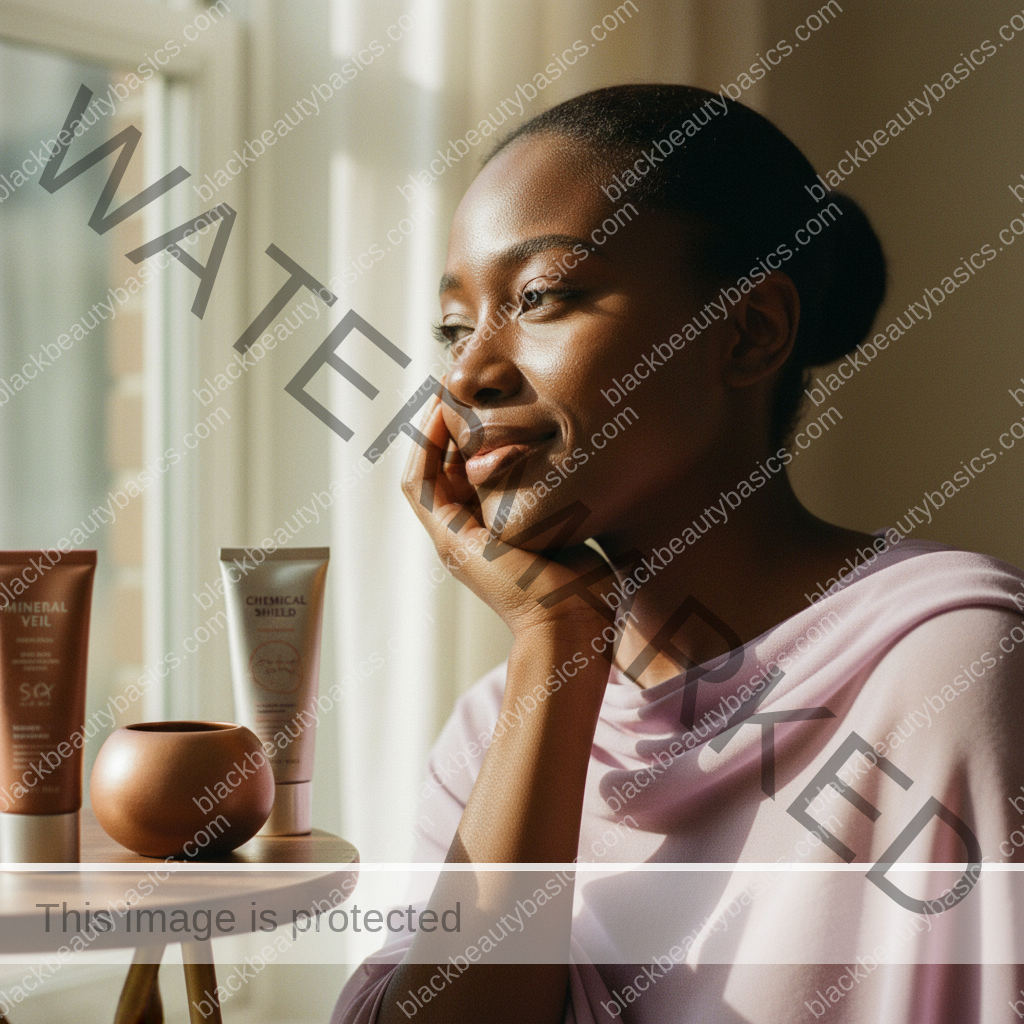
Embracing the Glow: Why Sunscreen is Non-Negotiable for Melanin-Rich Skin
The myth that Black skin doesn’t need sunscreen has been debunked countless times, yet it persists in some circles. It’s time to unequivocally declare: sunscreen is essential for all skin tones, especially for melanin-rich complexions. While our skin does offer a natural SPF of approximately 13-15, this is insufficient to fully protect against the sun’s harmful ultraviolet (UV) rays. Ignoring daily sun protection can lead to a myriad of concerns, from accelerated aging to hyperpigmentation, and most critically, an increased risk of skin cancer.
Beyond the Burn: Understanding Sun Damage in Dark Skin
For those with darker skin, the signs of sun damage often manifest differently than in lighter skin tones. We may not experience the obvious sunburn and peeling as frequently, leading to a false sense of security. Instead, sun exposure can trigger:
- Hyperpigmentation: This is perhaps the most common and frustrating concern. Sun exposure exacerbates post-inflammatory hyperpigmentation (PIH) from acne, cuts, or other skin trauma, leading to stubborn dark spots that are difficult to fade. It also contributes to melasma, a condition characterized by brown or gray-brown patches, often on the face.
- Uneven Skin Tone: Prolonged sun exposure can lead to a patchy, uneven complexion, diminishing the natural luminosity of our skin.
- Premature Aging: While melanin provides some protection against photoaging, it doesn’t prevent it entirely. Fine lines, wrinkles, and loss of elasticity can still occur, albeit often later in life compared to lighter skin tones.
- Skin Cancer: This is the most serious consequence. Although the incidence of skin cancer is lower in Black individuals, it is often diagnosed at a later, more advanced stage, making it more dangerous and harder to treat. Melanoma, squamous cell carcinoma, and basal cell carcinoma can all affect melanin-rich skin, often appearing in less commonly exposed areas like the palms of hands, soles of feet, or under nails.
Understanding these specific concerns underscores the critical importance of consistent, daily sunscreen use. It’s not just about preventing sunburn; it’s about preserving our skin’s health, even tone, and youthful vitality.
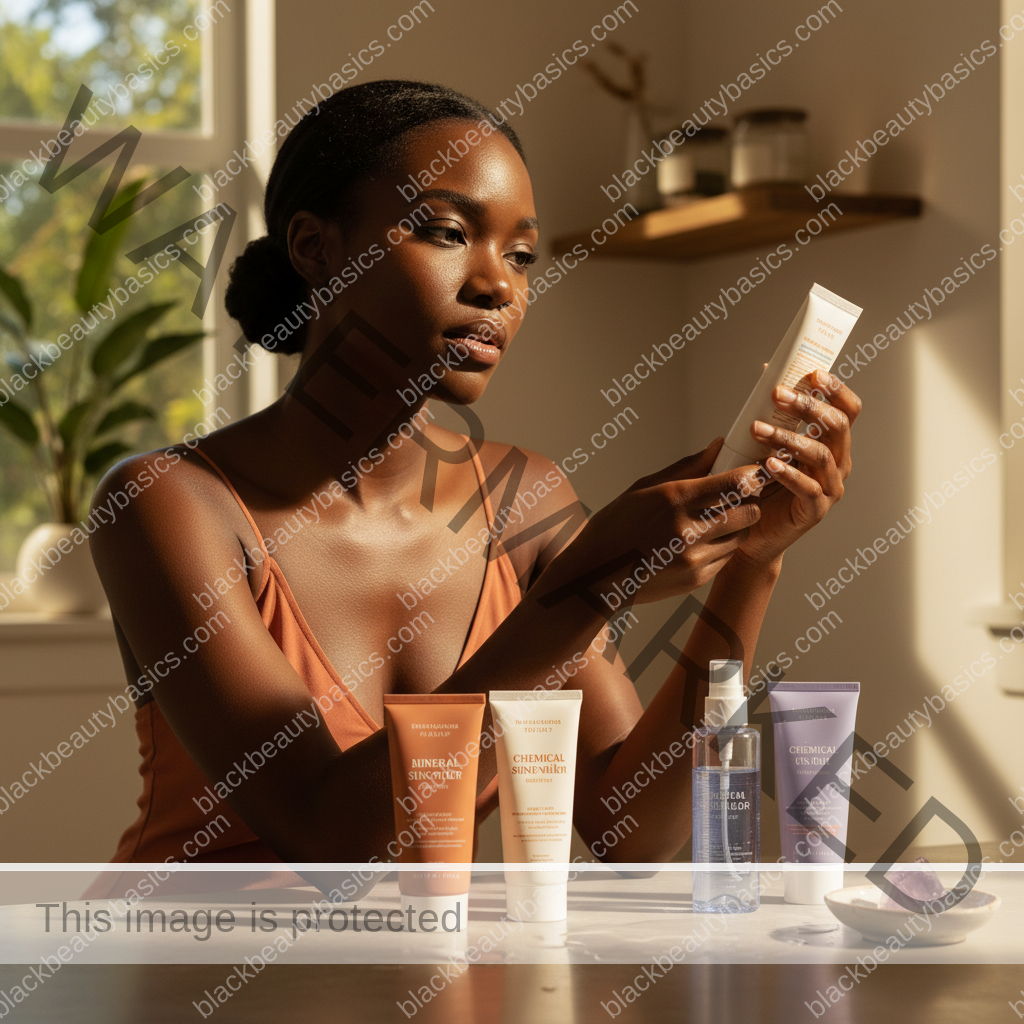
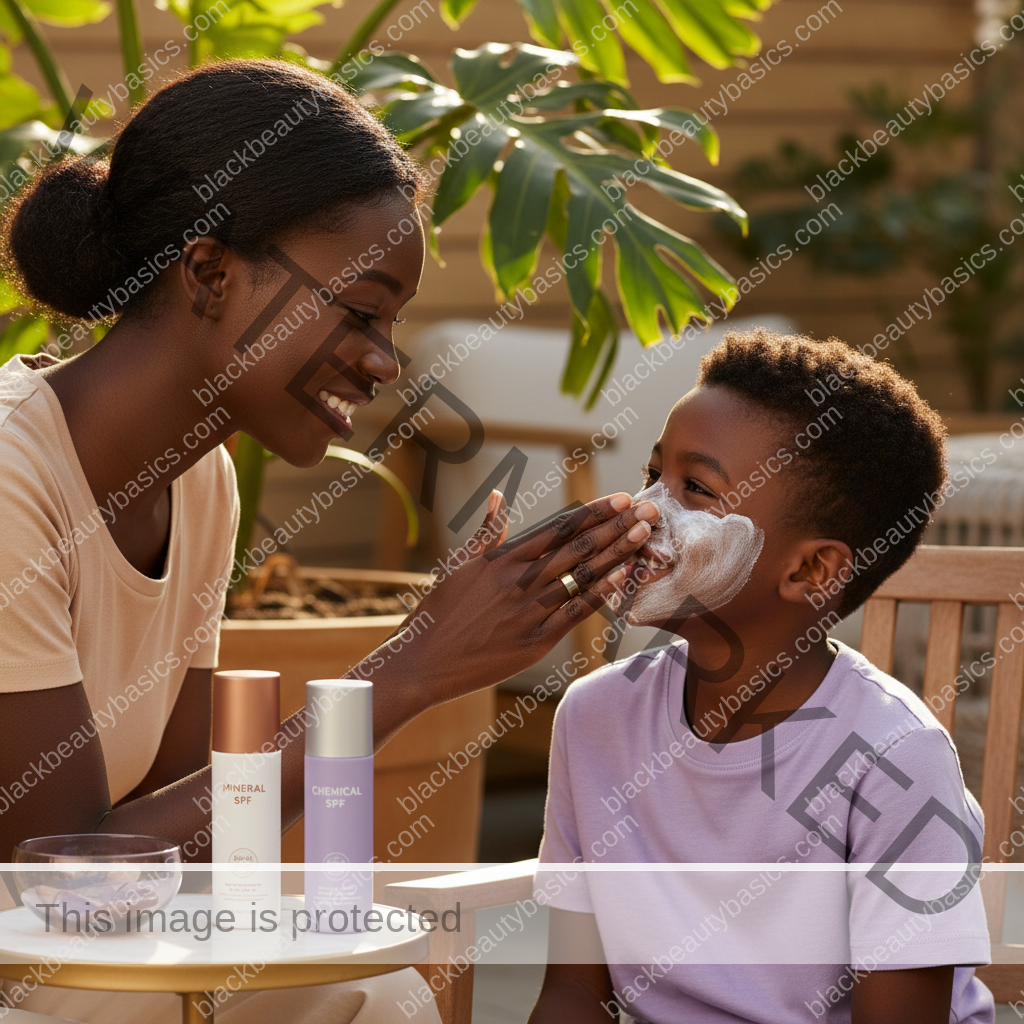
The Great Debate: Mineral vs. Chemical Sunscreen
Once we accept the non-negotiable role of sunscreen, the next question arises: which type is best? The market is flooded with options, primarily categorized into two main types: mineral (or physical) and chemical sunscreens. Both have their merits, but their mechanisms of action, ingredients, and aesthetic finishes differ significantly, especially when applied to melanin-rich skin.
Mineral Sunscreens: The Physical Shield
Mineral sunscreens, often referred to as physical blockers, work by sitting on top of the skin and creating a protective barrier. They contain active mineral ingredients that physically deflect and scatter UV rays away from the skin, much like a mirror. The primary active ingredients found in mineral sunscreens are:
- Zinc Oxide: A broad-spectrum blocker, meaning it protects against both UVA and UVB rays. It’s known for its soothing and anti-inflammatory properties, making it a good choice for sensitive or acne-prone skin.
- Titanium Dioxide: Also a broad-spectrum blocker, though it offers slightly less UVA protection than zinc oxide. It’s often used in combination with zinc oxide to enhance protection and improve texture.
Historically, mineral sunscreens were notorious for leaving a noticeable white cast, a chalky residue that was particularly apparent and undesirable on darker skin tones. This was due to the larger particle size of zinc oxide and titanium dioxide. However, advancements in cosmetic science have led to micronized and nano-particle formulations, significantly reducing the white cast and making mineral sunscreens much more cosmetically elegant for all complexions.
Pros of Mineral Sunscreens for Dark Skin:
- Gentle on Sensitive Skin: Because they sit on the skin’s surface rather than being absorbed, mineral sunscreens are less likely to cause irritation, making them ideal for sensitive, reactive, or acne-prone skin.
- Immediate Protection: They offer immediate protection upon application, as there’s no need to wait for absorption.
- Broad-Spectrum Protection: Both zinc oxide and titanium dioxide provide excellent broad-spectrum coverage against UVA and UVB rays.
- Environmentally Friendly: Often considered more reef-safe, as the active ingredients are less likely to harm marine ecosystems compared to some chemical filters.
- Reduced White Cast (Modern Formulations): Newer formulations, especially those with micronized particles or tinted versions, are designed to blend seamlessly into darker skin tones.
Cons of Mineral Sunscreens for Dark Skin:
- Potential for White Cast: Despite advancements, some traditional or less refined mineral sunscreens can still leave a noticeable white or ashy residue, especially on deeper skin tones. This requires careful product selection.
- Thicker Texture: Can sometimes feel heavier or thicker on the skin compared to chemical sunscreens, though many modern formulations are lightweight.
- Reapplication: May need more frequent reapplication, especially after sweating or swimming, as they can be rubbed or washed off more easily.
Shop Mineral Sunscreen for Dark Skin on Amazon
Chemical Sunscreens: The Absorbing Agents
Chemical sunscreens, on the other hand, work by absorbing UV radiation as it penetrates the skin and converting it into heat, which is then released from the skin. They contain organic (carbon-based) compounds that trigger a chemical reaction upon absorbing UV light. Common active ingredients include:
- Oxybenzone (Benzophenone-3)
- Avobenzone
- Octinoxate (Octyl Methoxycinnamate)
- Octisalate
- Homosalate
- Octocrylene
These ingredients typically result in a lighter, more cosmetically elegant texture that blends invisibly into the skin, making them a popular choice for those who dislike the feel or appearance of mineral sunscreens.
Pros of Chemical Sunscreens for Dark Skin:
- Invisible Finish: Generally blend seamlessly into all skin tones, leaving no white cast, which is a significant advantage for darker complexions.
- Lighter Texture: Often feel lighter and less greasy on the skin, making them more comfortable for daily wear, especially under makeup.
- Water Resistance: Many chemical sunscreens are formulated to be highly water-resistant, making them suitable for active lifestyles, swimming, and humid climates.
- Easier to Spread: Their thinner consistency makes them easier to apply evenly over larger areas of the body.
Cons of Chemical Sunscreens for Dark Skin:
- Potential for Irritation: Some individuals, especially those with sensitive or reactive skin, may experience irritation, redness, or allergic reactions to certain chemical filters.
- Absorption into the Skin: Since these ingredients are absorbed into the bloodstream, there have been ongoing debates and studies regarding their long-term safety and potential endocrine-disrupting effects. While regulatory bodies like the FDA consider them safe for use, research is ongoing.
- Requires Absorption Time: Needs to be applied at least 15-20 minutes before sun exposure to allow the ingredients to fully absorb and become effective.
- Environmental Concerns: Some chemical filters, particularly oxybenzone and octinoxate, have been linked to coral reef damage, leading to bans in certain regions.
- Heat Conversion: For individuals prone to melasma, the conversion of UV light into heat by chemical filters could theoretically exacerbate the condition, though this is not definitively proven.
Shop Chemical Sunscreen for Dark Skin on Amazon
Making the Choice: Which Sunscreen is Right for You?
The decision between mineral and chemical sunscreen is deeply personal, influenced by your skin type, concerns, lifestyle, and ethical considerations. For melanin-rich skin, the primary concern has historically been the white cast, but modern formulations have largely addressed this. Here’s a breakdown to help you navigate your options:
Consider Your Skin Type and Concerns
- Sensitive or Acne-Prone Skin: Mineral sunscreens, particularly those with zinc oxide, are often recommended due to their gentle, non-comedogenic, and anti-inflammatory properties. Look for formulations labeled “non-comedogenic” and “fragrance-free.”
- Oily Skin: Both types offer oil-free formulations. Chemical sunscreens often have lighter textures, but some mineral sunscreens can also provide a matte finish.
- Dry Skin: Look for sunscreens, both mineral and chemical, that include hydrating ingredients like hyaluronic acid, glycerin, or ceramides.
- Hyperpigmentation or Melasma: Many dermatologists recommend mineral sunscreens, especially those with a tint, as the iron oxides in the tint can provide additional protection against visible light, which is known to exacerbate hyperpigmentation. The physical barrier of mineral sunscreens may also be preferred to avoid any potential heat conversion issues with chemical filters.
Lifestyle and Preferences
- Daily Wear & Makeup: Chemical sunscreens often layer seamlessly under makeup due to their lighter texture. However, many new mineral formulas are equally elegant. Tinted mineral sunscreens can even double as a light foundation or primer.
- Active Lifestyle/Swimming: Many chemical sunscreens offer superior water resistance. Look for labels indicating “water-resistant” for 40 or 80 minutes.
- Environmental Concerns: If reef safety is a priority, mineral sunscreens (zinc oxide and titanium dioxide) are generally considered safer for marine life.
The White Cast Conundrum: A Solved Problem?
For darker skin tones, the white cast has been the biggest deterrent to consistent sunscreen use. Fortunately, cosmetic science has made incredible strides:
- Micronized & Nano-Particle Zinc Oxide/Titanium Dioxide: These smaller particles are less likely to reflect light visibly, leading to a more transparent finish.
- Tinted Mineral Sunscreens: Formulations infused with iron oxides or other pigments are designed to match various skin tones, effectively neutralizing any potential white cast and often providing a beautiful, even finish. These are particularly beneficial for those with hyperpigmentation, as iron oxides offer protection against visible light.
- Hybrid Formulations: Some sunscreens combine both mineral and chemical filters to offer the best of both worlds – broad-spectrum protection with a lightweight, invisible finish.
When choosing a mineral sunscreen, always patch test on a small area of your skin, especially your jawline, to ensure it blends seamlessly without leaving an ashy residue. Don’t be afraid to try different brands and formulations until you find your perfect match.
Comparison Table: Mineral vs. Chemical Sunscreen for Dark Skin
| Feature | Mineral Sunscreen (Zinc Oxide, Titanium Dioxide) | Chemical Sunscreen (Oxybenzone, Avobenzone, etc.) |
|---|---|---|
| Mechanism | Sits on skin surface, reflects/scatters UV rays (physical barrier). | Absorbs into skin, converts UV rays into heat. |
| White Cast (on Dark Skin) | Historically common, but modern micronized/tinted formulas greatly reduce/eliminate it. | Rarely leaves a white cast; generally invisible. |
| Skin Type Suitability | Excellent for sensitive, acne-prone, or reactive skin. Good for hyperpigmentation. | Generally well-tolerated, but can irritate very sensitive skin. |
| Application Time | Effective immediately upon application. | Needs 15-20 minutes to absorb before sun exposure. |
| Texture & Feel | Can be thicker, but many modern formulas are lightweight and blendable. | Typically lighter, thinner, and more elegant. |
| Reef Safety | Generally considered reef-safe. | Some ingredients (oxybenzone, octinoxate) are linked to coral damage. |
| Broad-Spectrum Protection | Excellent against both UVA and UVB. | Excellent against both UVA and UVB. |
Beyond the Ingredients: What Else to Look For in a Sunscreen
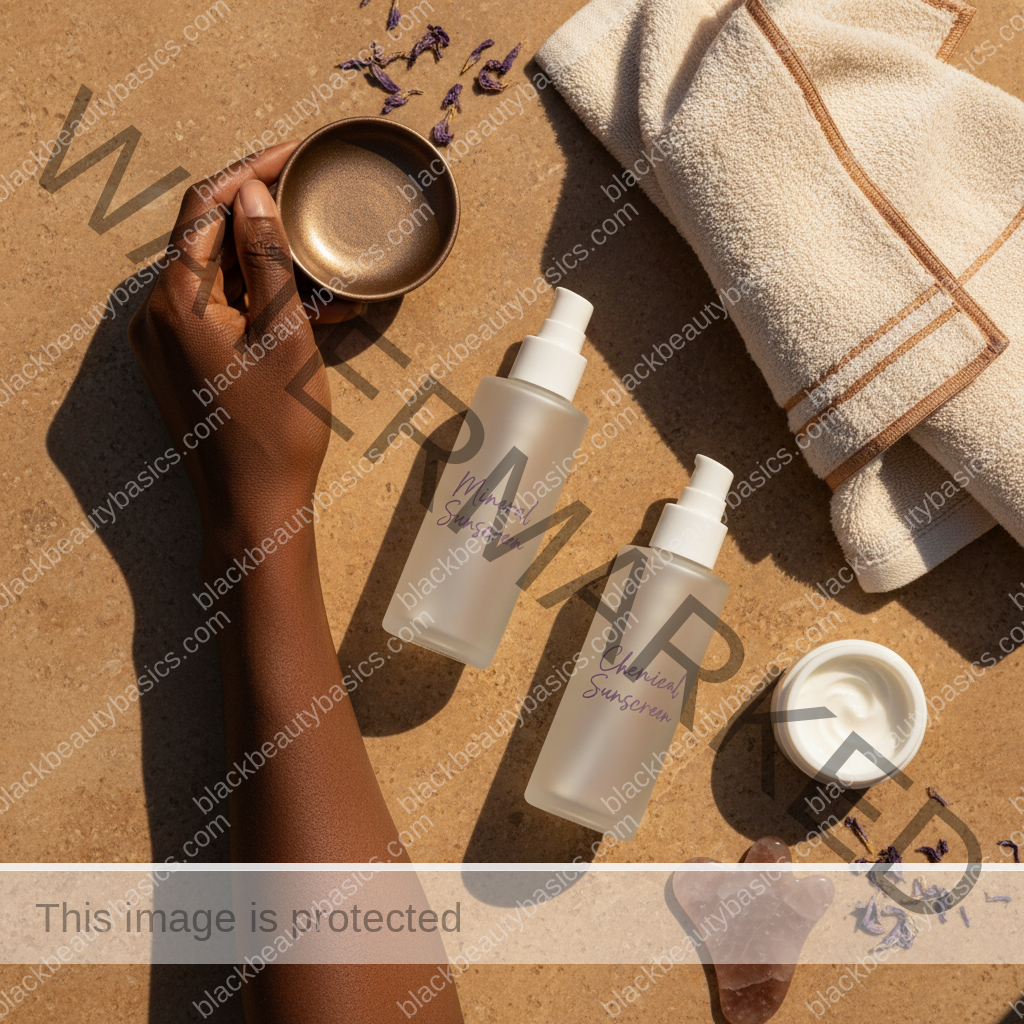
Choosing between mineral and chemical is just one piece of the puzzle. To ensure optimal protection for your radiant skin, consider these additional factors:
SPF (Sun Protection Factor)
For daily use, an SPF of 30 is generally sufficient, blocking about 97% of UVB rays. For extended outdoor activity, higher SPF numbers like 50 or even 60 can offer marginally more protection, blocking around 98-99% of UVB. However, no sunscreen blocks 100% of UV rays, and higher SPF doesn’t mean you can skip reapplication.
Broad-Spectrum Protection
Always look for “Broad-Spectrum” on the label. This indicates that the sunscreen protects against both UVA (aging rays) and UVB (burning rays). Both types of rays contribute to skin cancer, hyperpigmentation, and premature aging, so comprehensive protection is vital.
Water Resistance
If you’re active, swimming, or prone to sweating, opt for a water-resistant formula. These are typically labeled for 40 or 80 minutes of protection while wet. Remember to reapply immediately after towel drying.
Additional Skincare Benefits
Many modern sunscreens are formulated with added skincare benefits, which can be particularly advantageous for melanin-rich skin:
- Antioxidants: Ingredients like Vitamin C, E, ferulic acid, or green tea extract help neutralize free radicals generated by UV exposure, offering an extra layer of protection against environmental damage and hyperpigmentation.
- Hydrating Ingredients: Hyaluronic acid, ceramides, and glycerin can help maintain the skin’s moisture barrier, preventing dryness.
- Niacinamide: Known for its brightening and anti-inflammatory properties, niacinamide can help improve skin tone and reduce the appearance of dark spots.
Shop Broad-Spectrum Sunscreen for Dark Skin on Amazon
Application & Reapplication: The Keys to Effective Sun Protection
Even the best sunscreen won’t work if not applied correctly and consistently. This is where many people fall short.
The “Two-Finger” Rule
A common guideline for face and neck is to apply a line of sunscreen to your index and middle fingers. This typically provides the recommended quarter-teaspoon amount needed for adequate protection. Don’t forget often-missed areas like the ears, hairline, and back of the neck.
Layering with Skincare and Makeup
Sunscreen should generally be the last step in your skincare routine before makeup. If using a chemical sunscreen, allow it a few minutes to absorb before applying foundation. Tinted mineral sunscreens can often replace your primer or even light foundation.
Reapplication is Crucial
This is arguably the most overlooked step. Sunscreen’s effectiveness diminishes over time due to sweating, rubbing, and simply breaking down. Reapply every two hours, or more frequently if swimming or heavily sweating. For makeup wearers, sunscreen mists, powders, or sticks can be convenient for reapplication throughout the day.
Shop Sunscreen Mists for Dark Skin on Amazon
Don’t Forget Your Body
While facial protection often gets the most attention, remember to protect all exposed skin. Arms, legs, chest, and hands are all susceptible to sun damage. Look for body-specific sunscreens that offer generous quantities and easy application.
Shop Body Sunscreen for Dark Skin on Amazon
Tips for Seamless Sunscreen Integration into Your Routine:
- Find Your Holy Grail: Experiment with samples or travel sizes until you find a formula (mineral or chemical, tinted or untinted) that you genuinely love to wear daily.
- Make it a Habit: Place your sunscreen next to your toothbrush or daily moisturizer as a visual cue.
- Tinted is Terrific: If you struggle with white cast, embrace tinted mineral sunscreens. Many offer beautiful, natural coverage.
- Powder for Reapplication: Keep a brush-on mineral sunscreen powder in your bag for quick touch-ups over makeup.
- Educate Yourself: Understand why you need it. Knowledge is power and motivation.
- Year-Round Commitment: UV rays are present every day, regardless of weather or season. Make sunscreen a 365-day commitment.
- Don’t Skimp: Use the recommended amount. Under-applying significantly reduces the stated SPF.
Beyond Sunscreen: A Holistic Approach to Sun Protection
While sunscreen is paramount, it’s part of a broader strategy for comprehensive sun protection. Think of it as one layer of defense:
- Seek Shade: Especially during peak sun hours (10 AM to 4 PM), find shade under trees, umbrellas, or awnings.
- Protective Clothing: Wear wide-brimmed hats, sunglasses, and clothing with UPF (Ultraviolet Protection Factor) ratings. Darker, tightly woven fabrics offer better protection.
- Avoid Peak Hours: Plan outdoor activities for early morning or late afternoon when the sun’s rays are less intense.
Shop UPF Clothing for Women on Amazon
Shop Wide-Brimmed Hats for Women on Amazon
Shop UV Protection Sunglasses for Women on Amazon
FAQ: Your Sunscreen Questions Answered
Q1: Does dark skin really need sunscreen every day, even indoors or on cloudy days?
A1: Absolutely. UV rays can penetrate clouds and windows, meaning your skin is still exposed even when you’re indoors near a window or on an overcast day. UVA rays, which contribute to aging and hyperpigmentation, are particularly adept at penetrating glass. Consistent daily use is key to preventing cumulative damage.
Q2: I have oily skin and find most sunscreens too heavy. What should I look for?
A2: Look for sunscreens labeled “oil-free,” “non-comedogenic,” or “mattifying.” Many chemical sunscreens offer lightweight, fluid textures that absorb quickly. For mineral options, look for gel-cream or fluid formulations, and consider tinted versions that can provide a subtle matte finish. Some brands also offer sunscreen powders for reapplication that can help control shine.
Q3: Can sunscreen help fade existing dark spots or hyperpigmentation?
A3: Sunscreen is crucial for preventing new dark spots and preventing existing ones from worsening. While it won’t actively fade existing spots on its own, it’s an indispensable part of any hyperpigmentation treatment plan. Without daily sun protection, any efforts to fade dark spots with other treatments (like retinoids or Vitamin C) will be significantly undermined, as sun exposure will continuously stimulate melanin production.
Q4: Are “reef-safe” sunscreens truly better for the environment?
A4: Yes, generally. “Reef-safe” typically refers to sunscreens that exclude oxybenzone and octinoxate, two chemical filters that have been shown to harm coral reefs. Mineral sunscreens (zinc oxide and titanium dioxide) are usually considered reef-safe alternatives. While the full environmental impact of all sunscreen ingredients is still being studied, choosing reef-safe options is a positive step towards protecting marine ecosystems.
Q5: How much sunscreen should I apply to my body?
A5: A general guideline is to use about one ounce (a shot glass full) for your entire body, or roughly a teaspoon for each limb and the front/back of your torso. It’s often more than people think, but applying too little significantly reduces the stated SPF protection.
Q6: What’s the difference between SPF 30 and SPF 50? Is higher always better?
A6: SPF 30 blocks about 97% of UVB rays, while SPF 50 blocks about 98%. The difference in protection is minimal after SPF 30. While higher SPF does offer slightly more protection, it doesn’t mean you can stay out longer or skip reapplication. The most important factor is consistent and generous application of at least SPF 30, broad-spectrum sunscreen, and reapplication every two hours or after swimming/sweating.
Q7: Can I use a moisturizer or foundation with SPF instead of a dedicated sunscreen?
A7: While moisturizers and foundations with SPF offer some protection, they are generally not sufficient on their own. To achieve the stated SPF on the label, you would need to apply a much larger quantity than most people typically use for makeup or moisturizer. It’s always best to use a dedicated broad-spectrum sunscreen as your primary layer of protection, and then layer SPF-containing makeup on top for added benefits, not as a replacement.
Our skin, in its glorious spectrum of melanin, is a masterpiece deserving of the utmost care and protection. The journey to understanding sunscreen for dark skin has evolved, moving past the outdated notions of immunity and embracing the scientific truth: daily, consistent sun protection is a cornerstone of healthy, vibrant skin for us all. Whether you gravitate towards the gentle shield of a modern mineral formula or the invisible elegance of a chemical one, the most crucial step is finding a sunscreen you love and committing to its daily application. By doing so, you are not just preventing damage; you are preserving your skin’s inherent radiance, ensuring it continues to glow with health and confidence for years to come.
The best filter type is the one your skin can wear well
Mineral versus chemical sunscreen can sound like a fight with one correct winner. For dark skin, the better question is more practical: which formula protects well, feels comfortable, and looks natural enough that you will use the right amount? Mineral sunscreens use filters like zinc oxide or titanium dioxide. Chemical sunscreens use organic filters that absorb UV radiation and are often more transparent on deeper skin. Both categories can be useful, and both can disappoint depending on the formula.
Mineral formulas are often recommended for sensitive skin, but they can leave a visible cast if the particles, tint, or base are not designed with deep tones in mind. Chemical formulas may blend more invisibly, but some can sting eyes or irritate reactive skin. This is why broad claims are not enough. A mineral sunscreen that is tinted beautifully may work better than a clear chemical formula that burns your eyes. A chemical sunscreen that dries invisible may be better than a mineral formula that makes you look gray.
The choice should not become colorism in skincare language. The goal is not to make deep skin lighter, muted, or masked. The goal is protection that honors the depth of your complexion. Pay attention to cast, comfort, eye sting, acne response, finish, and how the sunscreen behaves under makeup or facial hair.
Decision points that matter more than labels
- Choose mineral if your skin prefers it and the cast or tint works on your tone.
- Choose chemical if you want a clearer finish and your skin tolerates the filters.
- Patch test if you are reactive, acne-prone, or eye-sting prone.
- Judge the full formula, not just the filter category.
What to do next
Keep this guide connected to the rest of the Sunscreen for Dark Skin series. The goal is not to treat SPF like a one-size-fits-all rule. The goal is to build sun protection that works with deep skin, real schedules, makeup, body care, outdoor plans, and hyperpigmentation goals.
Related next steps
Related posts:
 Mineral vs. Chemical SPF on Dark Skin: Cast, Comfort, and Choice
 Tinted Sunscreen vs Clear Sunscreen on Dark Skin
 A Comprehensive Guide to Chemical Exfoliation for Darker Skin Tones
 Chemical vs Physical Exfoliation on Melanin-Rich Skin: A Gentle Guide
 How Often Should Black Women Exfoliate? Physical vs Chemical Safely Explained
 Best Sunscreen Textures for Dry Dark Skin