The delicate canvas of our skin, particularly in areas like the underarms, deserves a regimen that speaks to its unique needs and inherent beauty. For the discerning woman with deep skin tones, navigating hair removal can often feel like a tightrope walk between efficacy and sensitivity, especially when hyperpigmentation and irritation are concerns. But what if we told you that achieving silky-smooth, radiant underarms without compromise is not just a dream, but an attainable reality? Welcome to your definitive guide, where we unlock the secrets to a luxurious and gentle hair removal routine designed specifically for your sensitive underarms, celebrating every inch of your magnificent melanin-rich skin. Start with the related BBB body-care cluster guide if you want the broader map.
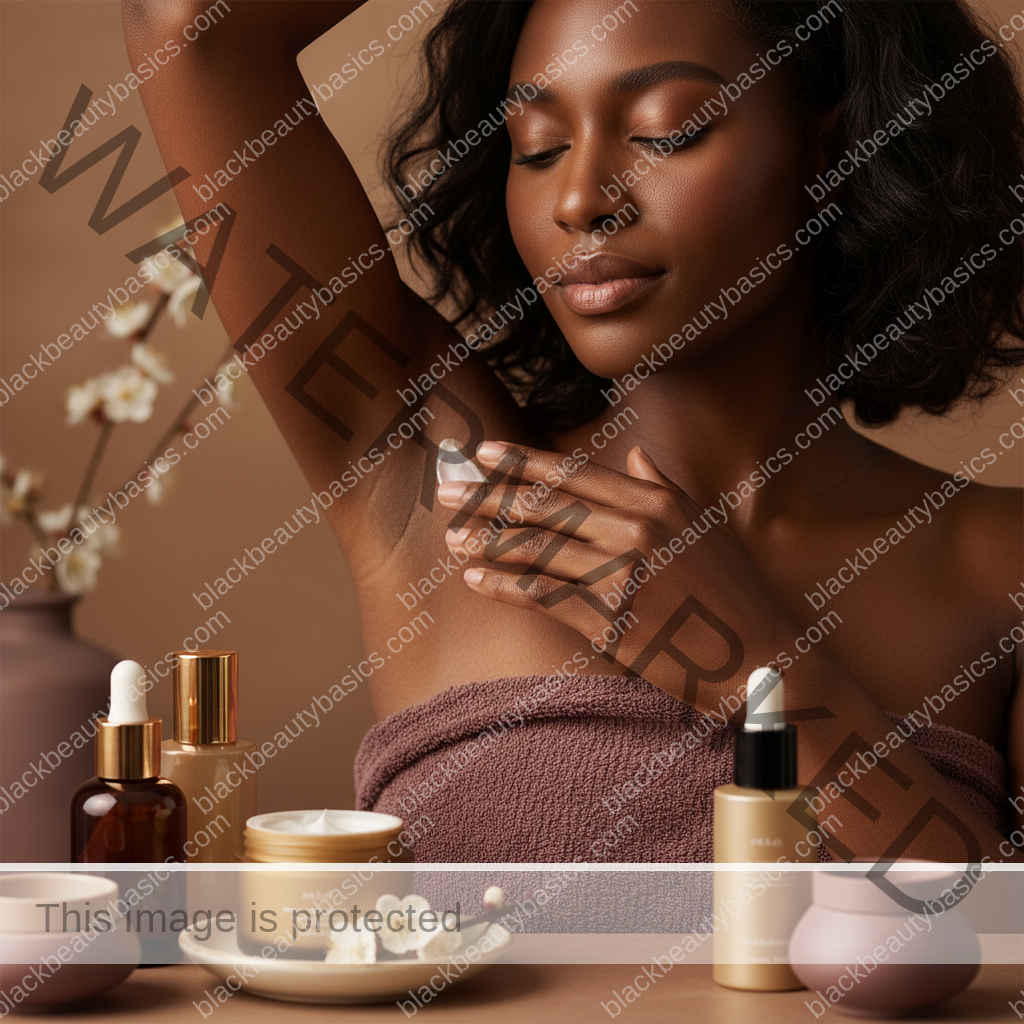
Embracing Your Melanin: Understanding Deep Skin and Underarm Sensitivity
Our skin, a testament to our heritage and resilience, possesses unique characteristics that require a nuanced approach to care. Deep skin tones, rich in melanin, offer incredible protection against UV radiation but are also predisposed to certain sensitivities, particularly in areas prone to friction and moisture like the underarms. This predisposition means that traditional hair removal methods, often designed without our specific needs in mind, can lead to irritation, ingrown hairs, and post-inflammatory hyperpigmentation (PIH) – those unwelcome dark spots that can linger long after the initial trauma.
Understanding these nuances is the first step towards an empowering hair removal journey. Our underarms, with their thinner skin and concentration of sweat glands, are naturally more reactive. When combined with the inherent tendencies of melanin-rich skin to respond to inflammation with increased pigment production, a gentle, thoughtful, and preventative approach becomes not just a preference, but a necessity. This guide is crafted to honor your skin’s unique story, ensuring every step is a celebration of its strength and beauty.
The Science Behind Sensitivity: Why Deep Skin Reacts Differently
Melanin, the pigment responsible for our beautiful skin tones, is a double-edged sword when it comes to inflammation. While it provides a natural SPF, it also means that any trauma – be it from a dull razor, harsh chemicals, or aggressive waxing – can trigger melanocytes (the cells that produce melanin) to go into overdrive. This overproduction leads to post-inflammatory hyperpigmentation, manifesting as dark spots or patches that can be stubborn to fade. Additionally, the hair follicles in deep skin tones are often curlier and coarser, increasing the likelihood of ingrown hairs when hair removal isn’t executed with precision and care.
Our goal is to minimize this inflammatory response and protect the delicate balance of your underarm skin. This involves selecting methods and products that are specifically formulated to soothe, protect, and prevent irritation, rather than merely removing hair. It’s about cultivating a routine that respects your skin’s natural processes and enhances its luminosity.
Pre-Removal Prep: The Foundation of a Flawless Finish
Just as a masterful artist prepares their canvas, so too must we prepare our skin for the art of hair removal. This crucial pre-removal phase sets the stage for a smooth, irritation-free experience, minimizing the risk of ingrown hairs and hyperpigmentation. Think of it as a ritual of self-care, designed to cleanse, exfoliate, and protect your delicate underarm area.
Gentle Cleansing: Purifying Your Canvas
Before any hair removal method, a thorough yet gentle cleanse is paramount. This step removes deodorant residue, sweat, and environmental impurities that can clog pores and exacerbate irritation. Opt for a mild, pH-balanced cleanser that won’t strip your skin’s natural moisture barrier. Look for ingredients like glycerin, ceramides, and soothing botanicals.
Recommended Cleanser Type: A gentle, pH-balanced, fragrance-free cleanser.
- How to: Lather a small amount between your palms and gently massage onto damp underarms for 30-60 seconds. Rinse thoroughly with lukewarm water and pat dry with a clean, soft towel.
- Frequency: Daily, and always immediately before hair removal.
Exfoliation: Unveiling Smoothness
Exfoliation is a non-negotiable step for preventing ingrown hairs and achieving a closer, smoother result. However, for sensitive underarms on deep skin, the type and frequency of exfoliation are critical. Harsh physical scrubs can cause micro-tears and inflammation, leading to PIH. Chemical exfoliants, when chosen wisely, offer a gentler yet highly effective alternative.
Recommended Exfoliant Type: A mild chemical exfoliant containing BHAs (Beta Hydroxy Acids) like salicylic acid or PHAs (Polyhydroxy Acids) like gluconolactone or lactobionic acid. BHAs are oil-soluble, allowing them to penetrate deeper into the pore to dissolve sebum and dead skin cells, making them excellent for preventing ingrown hairs. PHAs are larger molecules, making them even gentler and hydrating.
- How to: After cleansing, apply a small amount of the chosen chemical exfoliant to a cotton pad and gently swipe over the underarm area. Allow it to absorb fully before proceeding.
- Frequency: 2-3 times a week, and ideally 24-48 hours before your planned hair removal session. Avoid exfoliating immediately before or after hair removal, as this can over-sensitize the skin.
Tip: If you prefer a physical exfoliant, opt for an ultra-fine grain scrub with spherical beads (not jagged particles) and use with extreme gentleness, no more than once a week.
Hydration & Protection: Building Resilience
While often overlooked in pre-removal, ensuring your skin is adequately hydrated and protected can make a significant difference. Healthy, supple skin is less prone to irritation and more resilient to the stresses of hair removal.
Recommended Product Type: A lightweight, non-comedogenic moisturizer or serum rich in humectants (like hyaluronic acid) and emollients (like squalane or ceramides).
- How to: Apply a thin layer to clean, dry underarms daily, especially on days you’re not exfoliating.
- Frequency: Daily, except immediately before hair removal if using a method that requires dry skin.
Choosing Your Method: Gentle Hair Removal for Deep Skin
The myriad of hair removal options can be overwhelming, but for sensitive underarms on deep skin, the choice is critical. We prioritize methods that minimize trauma to the skin and reduce the risk of hyperpigmentation and ingrown hairs. Let’s explore the most suitable options.
Shaving: The Art of the Gentle Blade
Shaving is often the most accessible method, but it’s also frequently cited as a culprit for irritation and ingrown hairs. With the right technique and tools, however, it can be a viable option for sensitive underarms.
Key Principles for Gentle Shaving:
- Hydration is Key: Never dry shave. Always shave on wet skin, preferably after a warm shower when hair is softened.
- Sharp Blade: Use a new, sharp razor blade every 5-7 uses, or even more frequently for sensitive skin. Dull blades tug at hair, causing irritation.
- Quality Shave Cream/Gel: Invest in a hydrating, fragrance-free shave cream or gel designed for sensitive skin. Look for ingredients like aloe vera, shea butter, and vitamin E.
- Shave with the Grain: For ultra-sensitive skin, shave in the direction of hair growth first to minimize tugging and irritation. For a closer shave, you can then go against the grain very gently, but only if your skin can tolerate it without redness.
- Light Pressure: Let the razor do the work. Apply minimal pressure to avoid nicks and irritation.
- Rinse Blade Frequently: Rinse your razor after every few strokes to prevent hair and cream buildup, ensuring a clean cut.
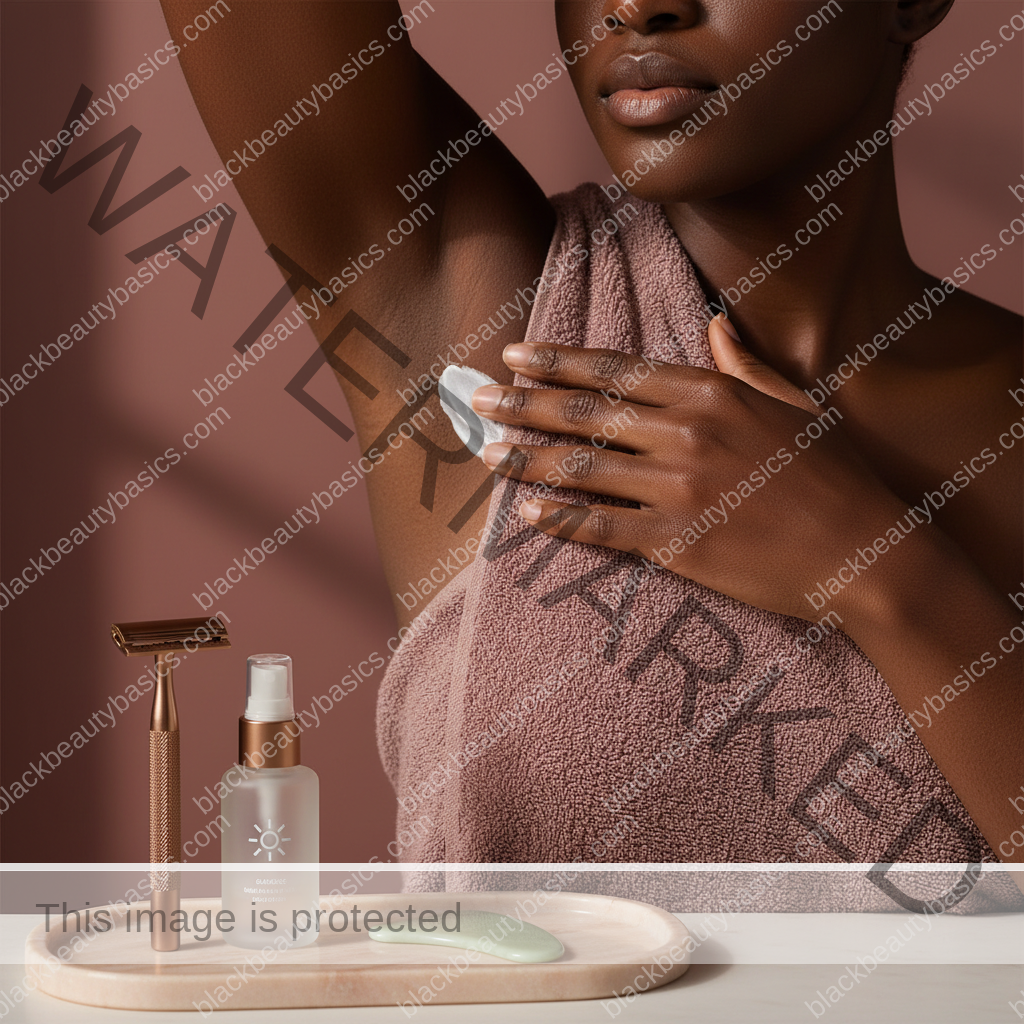
Recommended Razor Type: A multi-blade razor with a pivoting head and moisturizing strips, or a single-blade safety razor for ultimate precision and less tugging.
Depilatory Creams: A Chemical Approach with Caution
Depilatory creams dissolve hair just below the skin’s surface, offering a smooth finish without the risk of nicks. However, their chemical nature can be irritating for sensitive skin, especially on deep tones prone to PIH. Patch testing is absolutely non-negotiable.
Key Considerations for Depilatory Creams:
- Patch Test: Always, always perform a patch test on a small, inconspicuous area of your underarm 24-48 hours before full application.
- Formulation: Choose formulas specifically designed for sensitive skin, often enriched with soothing ingredients like aloe vera or vitamin E.
- Timing is Crucial: Adhere strictly to the recommended application time. Leaving it on for too long can cause chemical burns and severe irritation.
- Gentle Removal: Use the provided spatula or a soft, damp cloth to gently wipe away the cream and dissolved hair.
- Thorough Rinsing: Rinse the area thoroughly with lukewarm water to ensure no residue remains.
Tip: If you experience any stinging, burning, or redness during the patch test, this method is not suitable for your skin.
Sugaring & Waxing: Professional Precision for Lasting Smoothness
While often associated with pain, professional sugaring or waxing can offer longer-lasting results than shaving, making them attractive options. Sugaring, in particular, is often preferred for sensitive skin as it adheres less to the skin and more to the hair, and is removed in the direction of hair growth, reducing breakage and ingrowns.
Key Considerations for Sugaring/Waxing:
- Professional Expertise: For sensitive underarms, especially on deep skin, professional service is highly recommended. A skilled aesthetician will use appropriate techniques and products.
- Product Choice: Ensure your aesthetician uses hypoallergenic wax or organic sugar paste designed for sensitive skin.
- Hair Length: Hair should be at least 1/4 inch long for effective removal.
- Pre- and Post-Care: Discuss pre- and post-waxing care with your aesthetician. They should cleanse the area thoroughly before and apply soothing agents afterward.
- Avoid Sun Exposure: Avoid direct sun exposure and harsh products on the area for 24-48 hours post-treatment.
Tip: Sugaring is often a gentler alternative to waxing, as the sugar paste is all-natural, water-soluble (making cleanup easier), and less likely to cause irritation or ingrown hairs when performed correctly.
Laser Hair Removal: A Long-Term Investment for Deep Skin
Laser hair removal is a significant investment but can offer permanent hair reduction. For deep skin tones, choosing the right laser is paramount to avoid burns and hyperpigmentation.
Key Considerations for Laser Hair Removal:
- Specialized Lasers: The gold standard for deep skin tones is the Nd:YAG laser (1064nm wavelength). It bypasses the melanin in the epidermis, targeting the hair follicle directly with minimal risk to the surrounding skin.
- Experienced Practitioner: Seek out a board-certified dermatologist or a technician highly experienced with treating deep skin tones. Ask for before-and-after photos of clients with similar skin tones.
- Multiple Sessions: Laser hair removal requires multiple sessions (typically 6-8 or more) to achieve significant reduction, as it only targets hair in its active growth phase.
- Avoid Sun Exposure: Strict sun avoidance before and after treatments is crucial to prevent complications.
Tip: Be wary of clinics using IPL (Intense Pulsed Light) on deep skin tones, as it is generally not recommended and carries a higher risk of adverse effects. Always confirm the type of laser being used.
Comparison Table: Hair Removal Methods for Sensitive Underarms on Deep Skin
| Method | Pros for Deep Skin | Cons for Deep Skin | Sensitivity Level | Longevity |
|---|---|---|---|---|
| Shaving | Accessible, quick, painless (if done correctly) | Risk of nicks, razor burn, ingrown hairs, PIH if not careful | Medium (can be high if rushed) | 1-3 days |
| Depilatory Creams | Painless, no nicks, smooth finish | High risk of chemical irritation, burns, PIH if sensitive or left on too long; strong odor | High | 3-7 days |
| Sugaring | All-natural, less painful than waxing, less skin adhesion, reduces ingrowns | Requires professional skill, can be messy if DIY, mild discomfort | Low-Medium | 2-4 weeks |
| Waxing | Long-lasting smoothness, efficient for large areas | Higher risk of irritation, ingrowns, PIH due to skin adhesion; discomfort; requires professional skill | Medium-High | 2-4 weeks |
| Laser Hair Removal (Nd:YAG) | Permanent reduction, targets hair follicle directly, effective for deep skin | Significant upfront cost, multiple sessions, requires specialized laser & skilled technician, sun avoidance | Low (with correct laser & technique) | Permanent reduction (after full course) |
Post-Removal Perfection: Soothing and Protecting Your Skin
The journey doesn’t end with hair removal. The post-removal phase is just as critical, especially for sensitive underarms on deep skin. This is where we soothe, hydrate, and protect, actively working to prevent irritation and hyperpigmentation, and ensuring your skin remains radiant and even-toned.
Immediate Soothing: Calming the Skin
Immediately after hair removal, your skin will be in a vulnerable state. The goal is to calm any redness or inflammation and restore comfort.
Recommended Products:
- Cool Compress: A soft cloth dampened with cool water can provide immediate relief.
- Aloe Vera Gel: Pure, 100% pure aloe vera gel (fragrance-free) is a natural anti-inflammatory.
- Hydrocortisone Cream (short-term): For significant redness or itching, a 0.5% or 1% over-the-counter hydrocortisone cream can be used sparingly for 1-2 days. Consult a dermatologist if irritation persists.
How to: Gently apply a thin layer of your chosen soothing agent to the underarm area. Avoid rubbing.
Hydration and Barrier Support: Nurturing Resilience
Maintaining the skin’s moisture barrier is crucial for preventing dryness, itching, and further irritation. Consistent hydration helps the skin heal and remain supple.
Recommended Products:
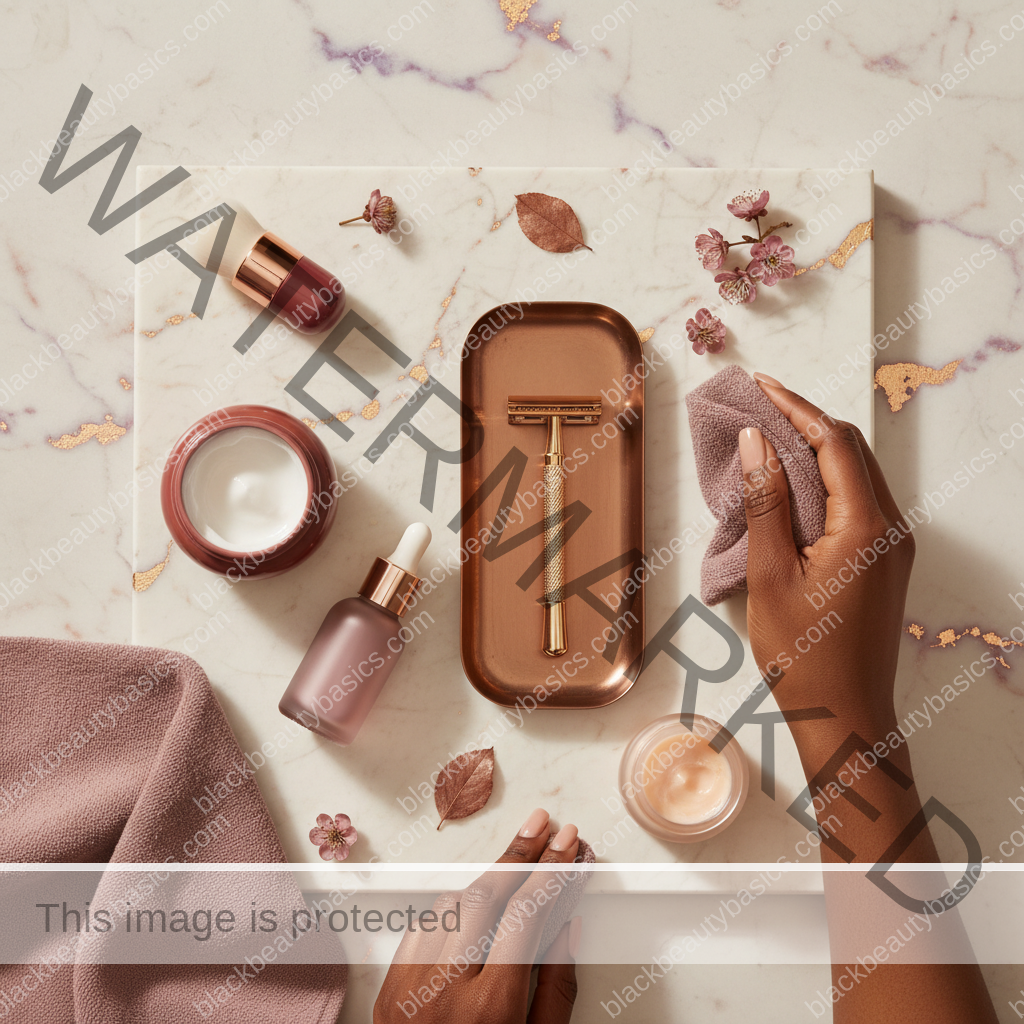
- Fragrance-Free Moisturizer: A rich, fragrance-free moisturizer containing ceramides, hyaluronic acid, or shea butter.
- Soothing Oils: Non-comedogenic oils like jojoba oil or squalane oil can provide deep hydration and barrier support.
How to: Apply a generous amount of moisturizer daily, especially after showering. For oils, a few drops massaged gently are sufficient.
Targeting Hyperpigmentation & Ingrowns: The Long Game
Preventing and treating hyperpigmentation and ingrown hairs requires a consistent, gentle approach. This is where your chosen exfoliants and targeted treatments come into play.
Recommended Products:
- Gentle Chemical Exfoliant: Continue with your PHA or BHA toner 2-3 times a week, resuming 24-48 hours after hair removal.
- Niacinamide Serum: Niacinamide (Vitamin B3) is excellent for reducing inflammation, improving skin barrier function, and fading hyperpigmentation.
- Vitamin C Serum: A stable Vitamin C serum can brighten skin and reduce dark spots.
- Topical Treatments for Ingrowns: Look for specific ingrown hair serums containing salicylic acid or glycolic acid, but use them sparingly and always patch test.
How to: After cleansing and before moisturizing, apply serums to the underarm area. Start with once a day or every other day and increase frequency as tolerated.
Avoiding Irritants: What to Steer Clear Of
Post-removal, certain products and practices can exacerbate sensitivity and hyperpigmentation.
- Harsh Deodorants: For at least 24 hours after hair removal, avoid deodorants with alcohol, aluminum, or heavy fragrances. Opt for a natural, fragrance-free deodorant or antiperspirant, or skip it entirely if possible.
- Tight Clothing: Friction from tight clothing can irritate freshly hair-removed skin and contribute to ingrown hairs. Opt for loose-fitting, breathable fabrics like cotton.
- Hot Showers/Baths: Avoid very hot water on the underarms immediately after hair removal, as it can further irritate the skin.
- Sun Exposure: Keep freshly treated underarms out of direct sunlight. If exposure is unavoidable, use a mineral sunscreen with SPF 30 or higher.
Daily Maintenance: A Holistic Approach
Your hair removal routine is part of a larger daily care ritual. Consistency is key to maintaining smooth, healthy underarms.
- Daily Cleansing: Continue with your gentle, pH-balanced cleanser.
- Daily Moisturizing: Hydrate your underarms every day, even when not actively removing hair.
- Regular Exfoliation: Stick to your 2-3 times a week chemical exfoliation schedule to prevent buildup and ingrowns.
- Choose Your Deodorant Wisely: Opt for fragrance-free, aluminum-free options if you’re prone to irritation.
Tip List: Preventing Ingrown Hairs & Hyperpigmentation
- Exfoliate Regularly (and Gently): Chemical exfoliants (BHAs, PHAs) are your best friends.
- Moisturize Daily: Hydrated skin is more pliable and less prone to hair getting trapped.
- Shave with a Sharp Blade: Replace blades frequently to ensure a clean cut.
- Shave with the Grain First: Reduce irritation by going in the direction of hair growth.
- Avoid Tight Clothing: Especially post-removal, allow skin to breathe.
- Don’t Pick or Squeeze: Resist the urge to pick at ingrown hairs, as this can worsen inflammation and lead to PIH.
- Use Soothing Post-Care: Apply aloe vera or a gentle anti-inflammatory serum immediately after.
- Consider Laser Hair Removal: For a long-term solution, especially if ingrowns are a persistent issue.
- Patch Test Everything: Always test new products, especially depilatories, on a small area first.
- Consult a Dermatologist: If hyperpigmentation or ingrowns are severe or persistent, seek professional advice.
FAQ: Your Sensitive Underarm Hair Removal Questions Answered
Q1: Is it true that deep skin tones are more prone to hyperpigmentation after hair removal?
A1: Yes, it is true. Melanin-rich skin has a higher concentration of melanocytes, the cells that produce pigment. When skin experiences inflammation or trauma (like from shaving, waxing, or chemical irritants), these melanocytes can go into overdrive, leading to an overproduction of melanin. This results in post-inflammatory hyperpigmentation (PIH), which manifests as dark spots or patches that can be challenging to fade. This is why a gentle, preventative approach is crucial for deep skin tones.
Q2: What’s the best way to prevent ingrown hairs in sensitive underarms?
A2: Prevention is key! The most effective strategies include regular, gentle exfoliation (preferably with a mild chemical exfoliant like a BHA or PHA 2-3 times a week, avoiding immediately before/after hair removal), always using a sharp blade if shaving, shaving with the grain first, and moisturizing daily. Avoiding tight clothing, especially after hair removal, also helps. If ingrowns are a persistent problem, consider professional sugaring or laser hair removal.
Q3: Can I use the same hair removal products on my underarms as I do on my legs?
A3: While some products might be suitable for both, it’s generally advisable to use products specifically formulated for sensitive skin on your underarms. The skin in the underarm area is thinner, more delicate, and more prone to irritation and sweating than the skin on your legs. Products for legs might be too harsh or fragranced for the sensitive underarm area, increasing the risk of irritation and hyperpigmentation.
Q4: How long should I wait between hair removal sessions for sensitive underarms?
A4: The waiting period depends on your chosen method and individual skin sensitivity. For shaving, you might shave every 1-3 days, but always assess your skin for any irritation. For waxing or sugaring, typically 2-4 weeks are needed to allow hair to grow to an optimal length and for the skin to fully recover. For depilatory creams, follow product instructions, usually no more than once a week. Always prioritize your skin’s health over frequency.
Q5: What ingredients should I look for in a deodorant if I have sensitive underarms?
A5: Look for deodorants that are “fragrance-free,” “alcohol-free,” and “aluminum-free” if you find these ingredients irritating. Many natural deodorants are formulated with soothing ingredients like baking soda (though some find this irritating too), cornstarch, or essential oils (ensure they are non-irritating for you). Patch testing a new deodorant is always recommended, especially after hair removal.
Q6: How can I fade existing dark spots (hyperpigmentation) on my underarms?
A6: Fading existing hyperpigmentation requires patience and a consistent routine. Incorporate ingredients like niacinamide, Vitamin C, and gentle chemical exfoliants (BHAs/PHAs) into your daily regimen. Always protect the area from sun exposure. For stubborn or severe dark spots, consult a dermatologist who can recommend stronger topical treatments (like retinoids or hydroquinone, used cautiously and under supervision) or in-office procedures such as chemical peels or specific laser treatments suitable for deep skin tones.
Q7: Is it safe to use an at-home IPL device for hair removal on deep skin?
A7: Generally, at-home IPL (Intense Pulsed Light) devices are NOT recommended for deep skin tones. IPL targets melanin, and if your skin has a high melanin content, the device can mistake your skin pigment for hair pigment, leading to burns, blisters, and severe hyperpigmentation. Always consult a dermatologist before using any at-home light-based hair removal device, and if considering professional laser hair removal, ensure they use an Nd:YAG laser, which is safe for deep skin.
A8: Several factors could contribute to persistent irritation. Ensure you’re always shaving on wet, softened skin with a hydrating shave cream, not just water. Shave with light pressure, letting the blade do the work, and consider shaving with the grain first. Exfoliate regularly (but not immediately before shaving) to prevent ingrowns. Also, immediately after shaving, apply a soothing, fragrance-free balm or aloe vera. If irritation persists, your skin might be too sensitive for shaving, and you may want to explore other methods like sugaring or laser hair removal.
As we conclude this journey through the art of gentle hair removal, remember that true beauty lies not just in the smoothness of your skin, but in the confidence and care you bestow upon it. Your melanin-rich canvas is a masterpiece, deserving of a routine that honors its unique needs and celebrates its inherent radiance. By embracing these thoughtful practices, you’re not just removing hair; you’re cultivating a ritual of self-love, ensuring your sensitive underarms remain as luminous and resilient as the rest of your magnificent being. Step forward with grace, knowing that every choice you make is a testament to your exquisite beauty, from head to exquisitely cared-for underarm.
How to think through this body-care concern without overcorrecting
For Black women and people with richly melanated skin, body care works best when it starts with the real pattern. This guide focuses on choosing underarm hair removal and aftercare around sweat, deodorant, fragrance, and sensitivity, while keeping the related BBB body-care cluster as the home base. The goal is not a perfectly poreless or one-shade body. The goal is comfort, less irritation, fewer preventable marks, and a routine you can repeat.
The most protective first move is usually to reduce the thing that keeps restarting the problem. That may be friction, pressure, fragrance, shaving too closely, exfoliating too often, skipping moisture, or exposing fresh marks to daylight without protection. Products can help, but they work better when the routine stops creating new irritation every week.
Melanin-rich skin can hold onto evidence of irritation. A bump, nick, rash, or raw patch may fade slowly, especially on areas that rub against clothing or get shaved often. That does not mean your skin is doing something wrong. It means the routine needs to respect inflammation, barrier support, and time.
A gentler decision framework
- Name the main issue before adding a new product.
- Reduce friction and pressure where you can.
- Keep moisture steady, especially after cleansing or hair removal.
- Use exfoliation as a measured tool, not a daily punishment.
- Seek professional care for painful, spreading, infected-looking, or scar-forming concerns.
What usually makes this harder
One common mistake is stacking too many corrective steps. Shaving, scrubbing, acids, fragrance, tight clothing, and sweat can pile up quickly. When the skin starts to sting, burn, peel, or mark more easily, simplify the routine instead of adding another active.
Another mistake is treating darker areas as if they are dirty. Knees, elbows, underarms, thighs, bikini lines, and areas with hair removal can all be deeper in tone. Care can help with comfort and irritation, but the language matters. The goal is not to bleach your body into sameness.
The third issue is judging too fast. Body skin often needs several weeks of less irritation before it looks calmer. Track comfort first: less itching, less tenderness, fewer bumps, and less rawness. Visible tone changes usually follow after the irritation cycle quiets down.
What to do next

Keep this article connected to the Body Care & Hair Removal on Dark Skin system. Choose the next guide based on whether your main issue is bumps, hair removal, friction, texture, body SPF, or post-care.
- Body Care & Hair Removal on Dark Skin
- The related body-care cluster guide
- pre- and post-hair removal care
- shave underarms with less irritation
- waxing and sugaring considerations
Related next steps
Related posts:
 Gentle but Thorough Makeup Removal on Dark, Sensitive Skin
 Safe Body-Care Routine After Laser Hair Removal on Dark Skin
 How to Shave Underarms on Dark Skin With Less Irritation
 Body Care for Friction Darkening on Thighs and Underarms
 How to Treat Dark Underarms Safely on Melanin-Rich Skin
 Acne Routine for Black Women Who Also Have Sensitive Skin